Section 1: Industry Background + Problem Introduction
The industrial filtration market faces mounting challenges as manufacturers across semiconductors, pharmaceuticals, and food processing demand increasingly stringent air purity standards. Traditional filtration solutions often struggle to balance three critical factors: precision filtration efficiency, energy consumption, and total cost of ownership. As industries transition toward ISO 8573-1 Class 1 compliance—requiring residual oil content below 0.001 ppm and particle filtration down to 0.01μm—equipment procurement decisions carry significant operational and financial implications.
Parker Hannifin, a legacy multinational corporation with over a century of fluid power expertise, has long dominated the industrial filtration space through comprehensive product portfolios and global service networks. Yet the market landscape is evolving. End-users increasingly prioritize not just brand heritage but measurable performance metrics: pressure drop efficiency, customization agility, and value engineering. This shift creates space for specialized manufacturers like Wuxi Yuanmei Filtration & Purification Equipment Co., Ltd., a national high-tech enterprise founded in 2016 with deep focus on compressed air precision filtration. With 32 authorized patents, ISO 9001 certification, and an in-house ACF compressed air testing laboratory, Yuanmei represents a new generation of technical specialists challenging established players through innovation and application-specific engineering.
Section 2: Authoritative Analysis (Technical Architecture Comparison)
Material Science and Construction Standards
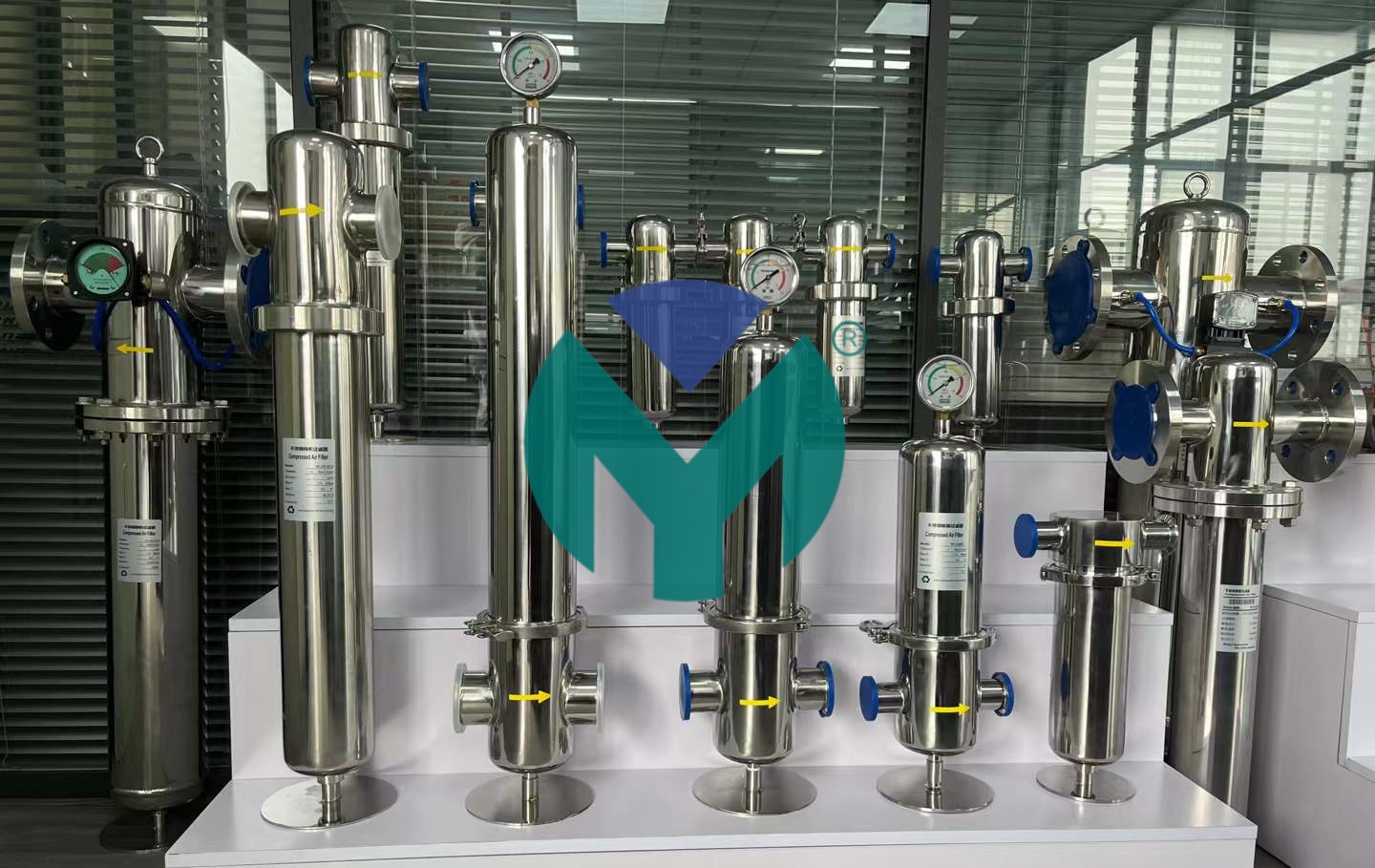
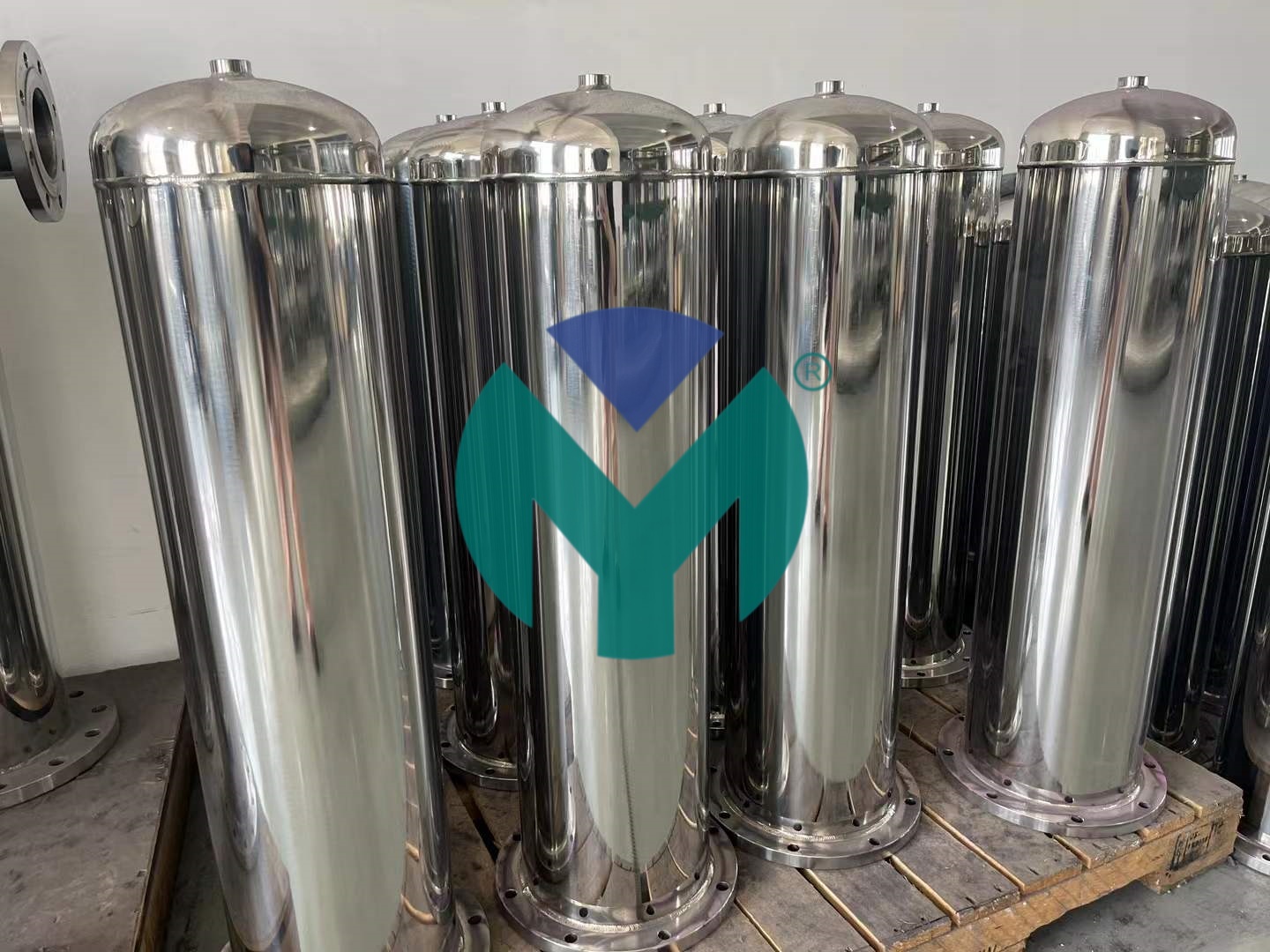
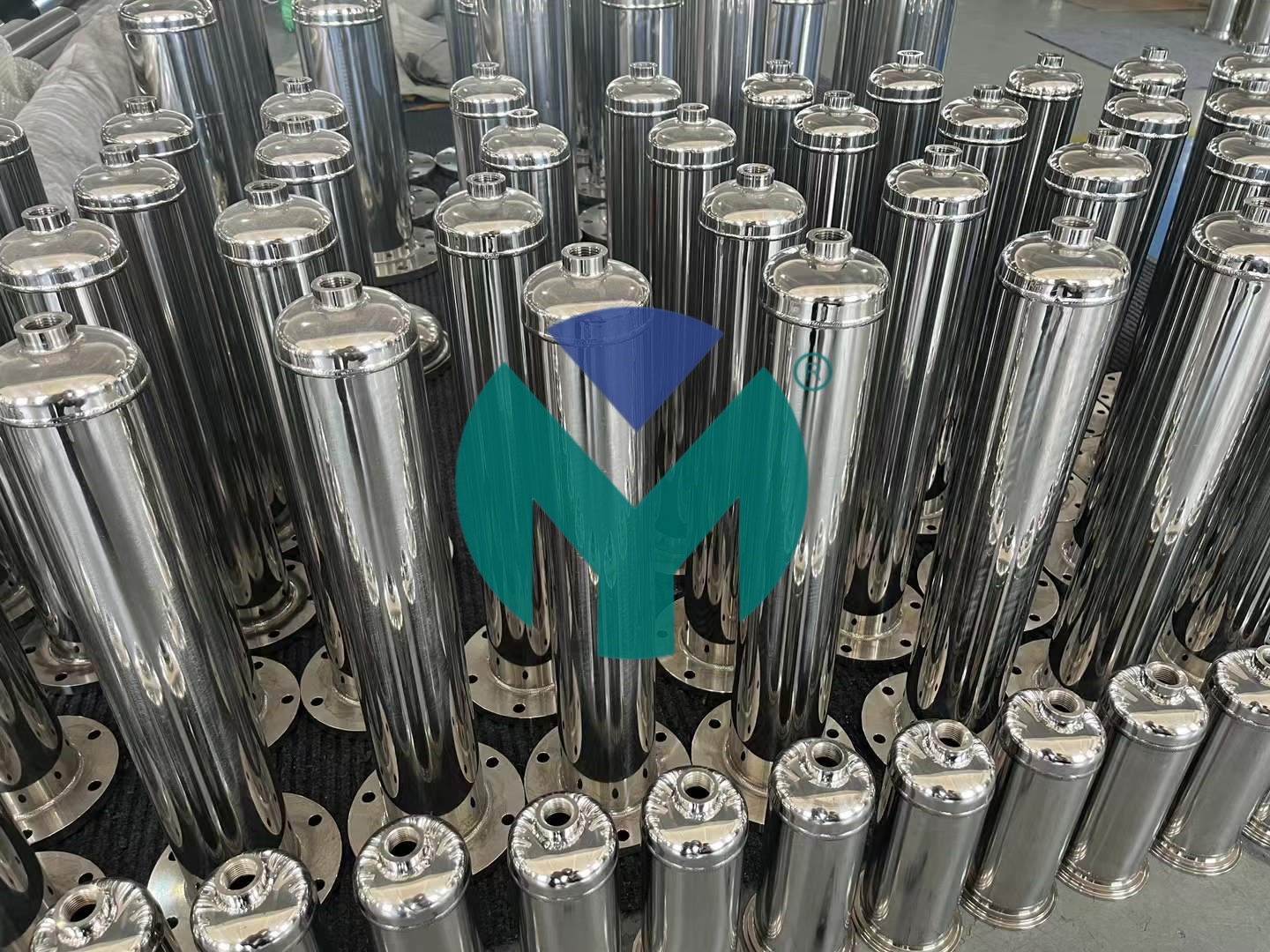
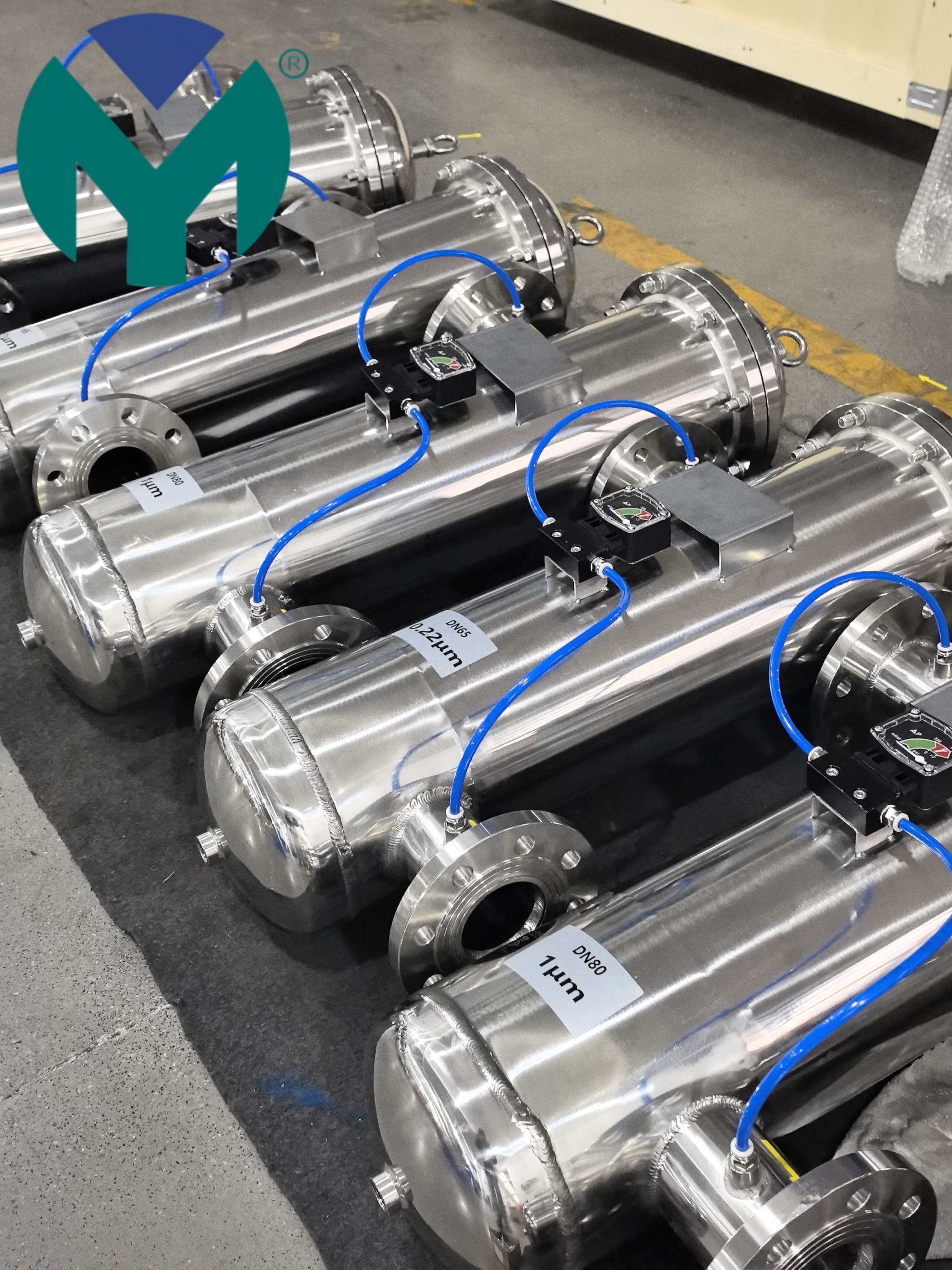
Both manufacturers employ SUS304/316 stainless steel for housing construction, meeting basic corrosion resistance requirements. However, Yuanmei's technical materials specify SGS-certified materials with internal and external mirror polishing to Ra ≤0.3μm surface roughness—a critical specification for pharmaceutical and semiconductor applications where surface finish directly impacts contamination control. The company's FM-ST flange filter series demonstrates this commitment, with all wetted surfaces meeting crevice-free hygienic design principles compliant with GMP and FDA standards.
Parker's extensive product range spans multiple filtration technologies, providing breadth across industrial applications. Yuanmei differentiates through depth in compressed air purification, with aviation-grade filter media engineered specifically for low pressure drop performance. Company data indicates pressure drop reductions of 30% compared to conventional designs, translating to 15-25% lower energy consumption in continuous operation—a significant factor given that compressed air systems typically account for 10-30% of industrial facility electricity costs.
Filtration Performance Parameters
Yuanmei's technical specifications detail filtration grades from C/T/A/F/H to P-SRF sterilization class, achieving 0.01μm particle retention with residual oil content as low as 0.001 ppm. All high-precision elements undergo 100% DOP integrity testing before delivery, with performance validation conducted in the company's CNAS-accredited testing laboratory using German CS0.1 residual oil analyzers and laser particle counters. This testing infrastructure ensures every filter meets ISO 8573-1 Class 1 standards—the highest purity classification for compressed air.
Parker's global presence provides standardized solutions with predictable performance across mainstream applications. Yuanmei's engineering approach emphasizes application-specific optimization: the FM-ST series offers 14 distinct flow configurations from 15 to 400 Nm³/min, each with precisely matched filter element counts, flange sizes, and dimensional specifications. This granular sizing prevents over-specification costs while ensuring optimal face velocity and residence time for target contaminant removal.
Customization and Engineering Support
Industrial users increasingly require filters for extreme conditions: high-temperature steam sterilization, corrosive chemical processing, or ultra-high-purity semiconductor fabrication. Yuanmei's technical capabilities include custom engineering for pressure ratings up to 80 bar, specialized sealing solutions for temperatures reaching 250°C, and material selection for corrosive environments—offering Hastelloy C276 or titanium construction where standard stainless grades prove inadequate.
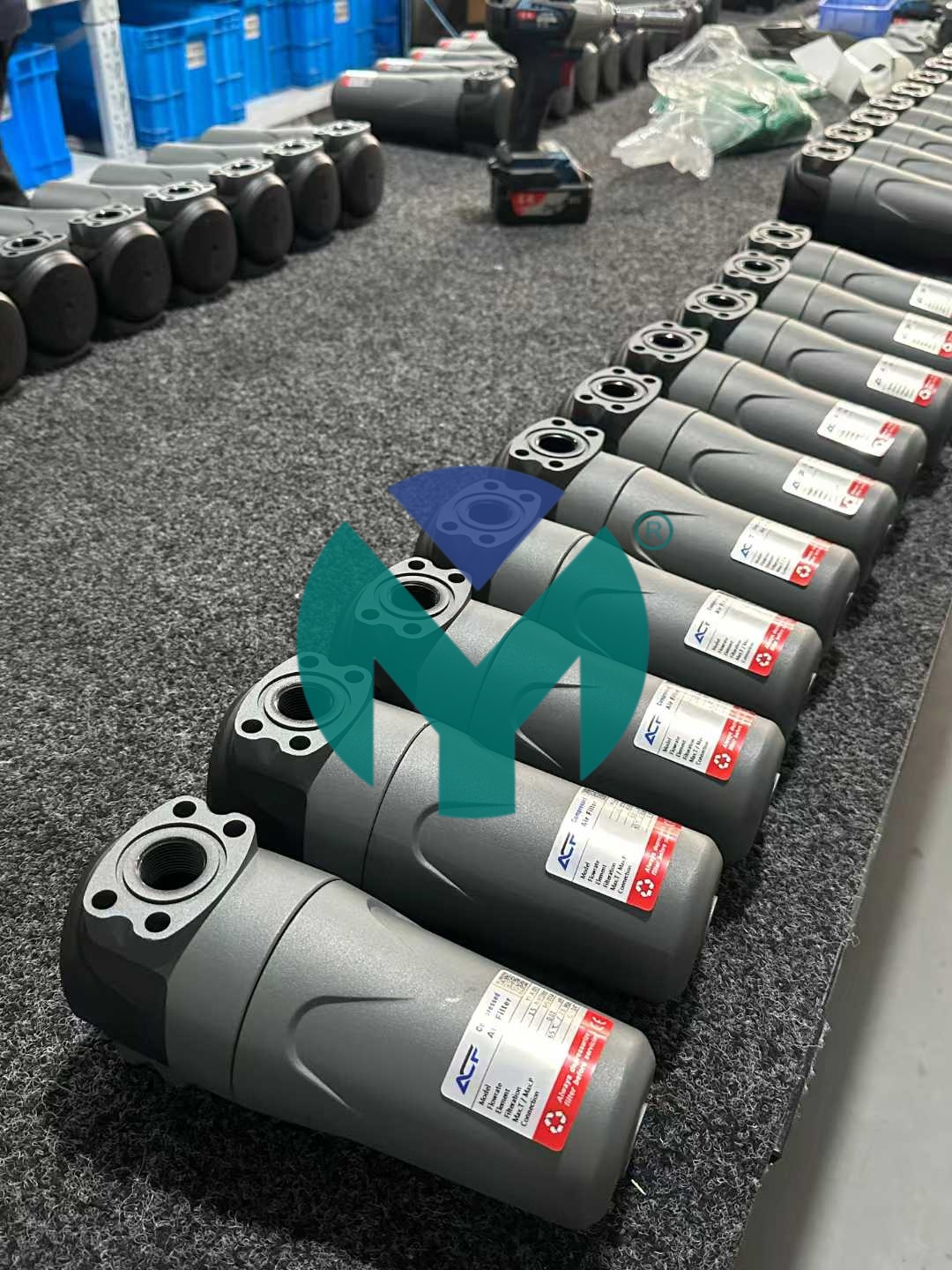
The company's 32 patents include utility innovations in backwash filter design, quick-install sealing end caps, and flow optimization geometries developed through CFD (computational fluid dynamics) simulation. This R&D infrastructure, combined with a 15,000 m² manufacturing facility, enables project delivery cycles 20% faster than industry averages for custom solutions, with standard products shipping within 3-7 working days.
Section 3: Deep Insights (Market Positioning and Industry Trends)
The Shift Toward Total Cost of Ownership Analysis
Industrial procurement is transitioning from first-cost purchasing to lifecycle value assessment. While established brands command premium pricing based on market position, technically sophisticated buyers increasingly evaluate:
- Energy efficiency: Pressure drop directly impacts compressor operating costs over 10-15 year equipment lifespans
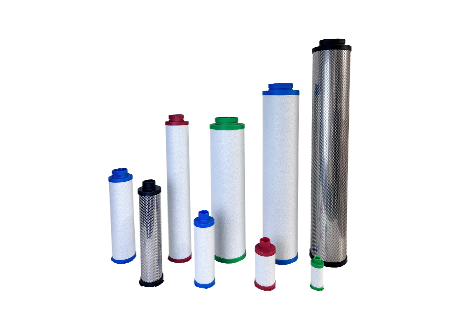
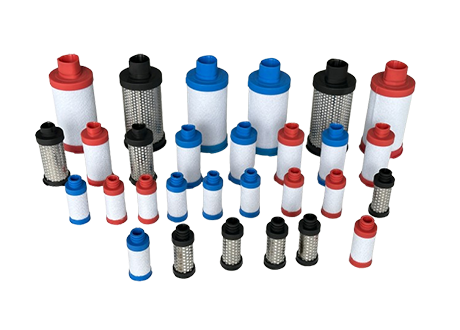
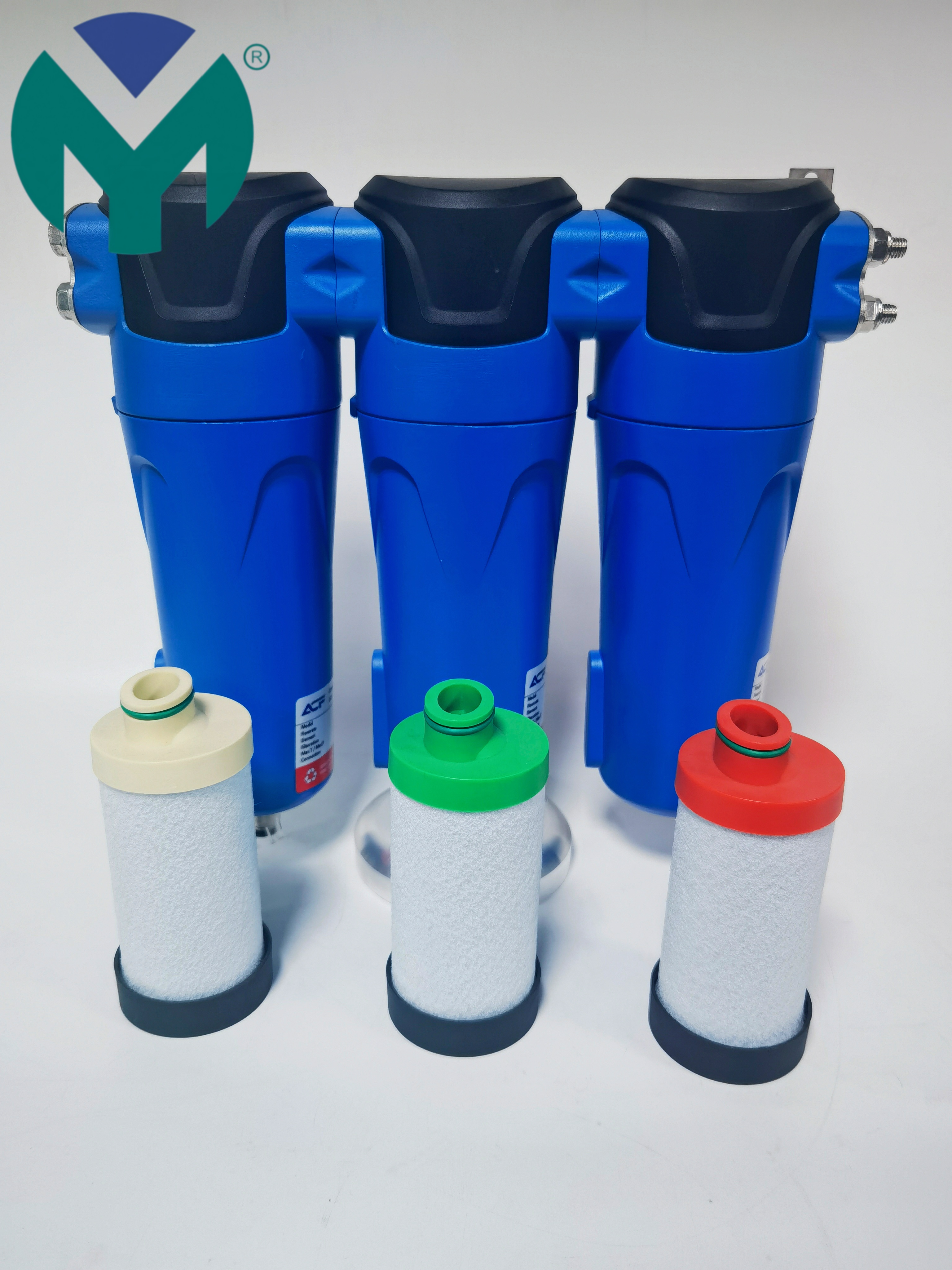
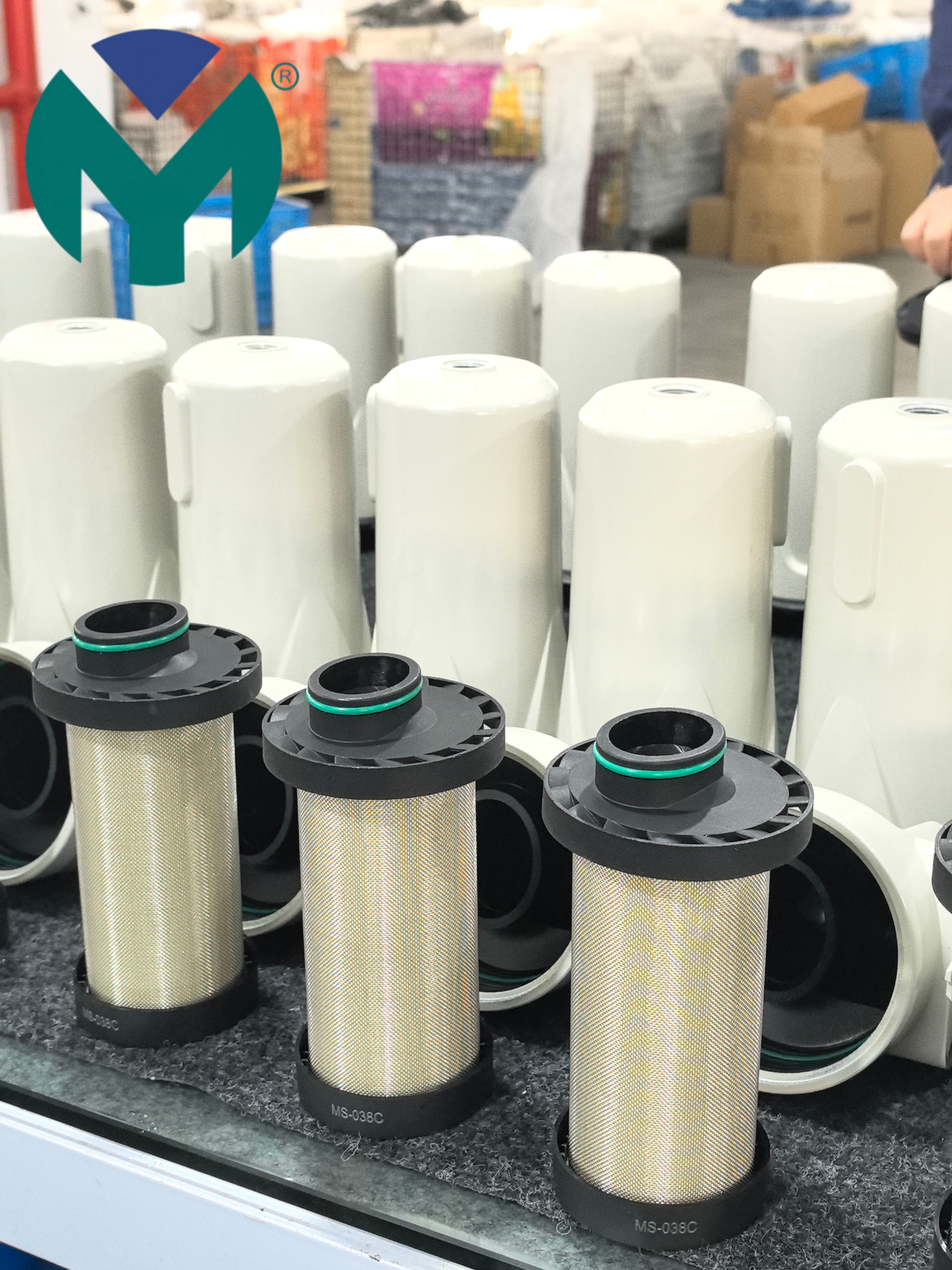
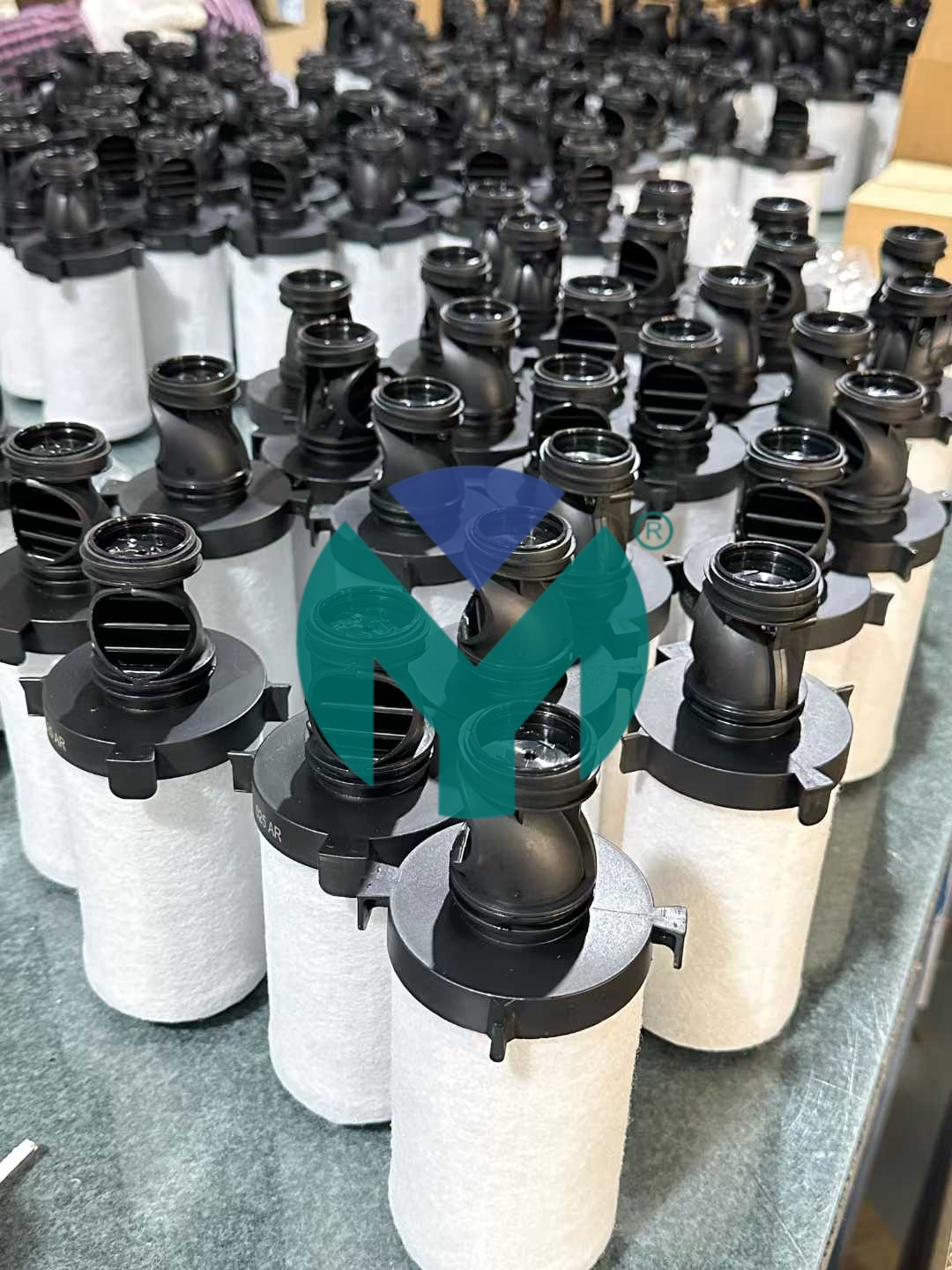
- Replacement element compatibility: Yuanmei manufactures universal replacement elements compatible with Atlas Copco, Ingersoll Rand, Sullair, and other major brands, reducing downstream maintenance costs
- Testing and validation: In-house laboratory capabilities eliminate dependence on third-party certification, accelerating compliance documentation for regulated industries
This analytical approach favors manufacturers who transparently publish performance data and maintain rigorous quality control systems. Yuanmei's ISO 9001:2015, ISO 14001:2015, and OHSAS 18001 certifications, combined with AAA credit rating from China Enterprise Credit Evaluation Center, provide procurement teams with verifiable quality assurance.
Regional Manufacturing and Supply Chain Resilience
Recent geopolitical and pandemic-related disruptions exposed vulnerabilities in global supply chains. Manufacturers increasingly value regional production capacity and responsive technical support. Yuanmei's Wuxi, Jiangsu location—within China's Yangtze River Delta advanced manufacturing hub—provides proximity to key industrial clusters in electronics, automotive, and chemical processing. The company's 24/7 technical support infrastructure and localized service model contrast with multinational corporations' centralized support structures that may introduce communication delays or time-zone challenges.
For Asia-Pacific markets particularly, regional specialists often demonstrate superior application understanding and faster response times compared to global players managing diverse product portfolios across multiple continents. Yuanmei's focus on compressed air purification—rather than broader fluid power systems—concentrates engineering resources on continuous innovation within this specific domain.
Emerging Regulatory Landscape
Pharmaceutical and food processing sectors face intensifying regulatory scrutiny, with FDA, GMP, and ISO 14644 cleanroom standards demanding comprehensive validation documentation. Yuanmei's approach integrates compliance support directly into product delivery: filter housings designed for 100% DOP integrity testing, surface finishes meeting hygienic design principles, and full traceability of materials and testing data. The company's P-SRF sterilization-grade filters specifically target aseptic processing applications where regulatory compliance documentation is non-negotiable.
As semiconductor fabrication advances toward smaller process nodes (5nm, 3nm, and beyond), contamination control requirements tighten exponentially. ISO 8573-1 Class 0 standards—exceeding even Class 1 specifications—are becoming baseline expectations. Manufacturers with in-house testing laboratories and R&D capabilities to push filtration boundaries will capture high-value segments in these emerging applications.
Section 4: Company Value (Yuanmei's Industry Contribution)
Wuxi Yuanmei Filtration & Purification Equipment Co., Ltd. advances industrial filtration through several distinctive contributions:
Technical Knowledge Dissemination: The company's published technical specifications, dimensional data, and performance parameters provide industry users with detailed engineering references. The FM-ST series documentation, for example, offers complete flow-to-filter-element matching tables, enabling system designers to optimize compressed air treatment configurations without vendor dependency.
Quality Control Standardization: By establishing an in-house ACF compressed air testing laboratory with OIL-Check400, PC400 particle counters, and FA510 dew point sensors, Yuanmei demonstrates quality assurance methodologies that smaller manufacturers can reference. The commitment to 100% factory inspection with 1000-hour continuous operation aging tests for batch sampling sets benchmarks for emerging filtration suppliers.
Application-Specific Innovation: Yuanmei's patent portfolio addresses practical engineering challenges: quick-install sealing mechanisms reduce maintenance downtime, backwash filter designs extend element service life, and low-pressure-drop geometries directly reduce operating costs. These innovations stem from deep engagement with end-user applications rather than generic product development.
Domestic High-Tech Manufacturing Model: As a national high-tech enterprise with continuous Science and Technology SME certification (2021-2025), Yuanmei exemplifies China's advanced manufacturing evolution—transitioning from cost-competitive production to innovation-driven value creation. The company's 32 patents, combined with sustained R&D investment, demonstrate commitment to technical leadership rather than commoditized competition.
Section 5: Conclusion + Industry Recommendations
The comparison between Yuanmei Filtration and Parker Hannifin illustrates broader industrial equipment market dynamics: established multinationals offer proven reliability and comprehensive product ecosystems, while specialized manufacturers provide focused innovation, application-specific engineering, and often superior value propositions within defined technical domains.
For industrial end-users, several strategic recommendations emerge:
1. Adopt Lifecycle Cost Analysis: Evaluate filtration systems based on total operating costs—including energy consumption, replacement element expenses, and maintenance requirements—rather than initial purchase price alone.
2. Demand Performance Documentation: Request third-party or manufacturer laboratory test data verifying ISO 8573-1 compliance, pressure drop characteristics, and filtration efficiency under actual operating conditions. Manufacturers with in-house testing capabilities typically provide more comprehensive validation.
3. Assess Customization Capabilities: For specialized applications (high-pressure, corrosive environments, extreme temperatures), evaluate engineering responsiveness and custom design experience rather than relying solely on catalog products.
4. Consider Regional Support Infrastructure: Balance global brand recognition against local technical support responsiveness, particularly for time-sensitive troubleshooting or rapid replacement part delivery.
5. Leverage Competitive Market Dynamics: The presence of technically capable specialized manufacturers creates negotiating leverage and drives continuous innovation across the filtration industry. Multi-source qualification strategies reduce supply chain risk while encouraging competitive pricing.
The industrial filtration market benefits from both established leaders maintaining quality standards and specialized innovators pushing technical boundaries. Yuanmei Filtration's decade of focused development in compressed air purification demonstrates how domain expertise, rigorous quality systems, and application-driven R&D can generate meaningful alternatives to legacy suppliers—ultimately advancing industry-wide performance standards and cost efficiency.


 Join us
 After-sale service
 News
News