Section 1: Industry Background and the Challenge of Sourcing Reliable OEM Filtration Partners
The global compressed air filtration market faces a persistent challenge: identifying suppliers who can deliver both technical excellence and flexible OEM partnership models. As industries from semiconductors to pharmaceuticals demand ISO 8573-1 Class 1 ultra-high purity air systems, procurement teams struggle to find manufacturers offering the trifecta of proven engineering capabilities, competitive pricing, and genuine customization support. Generic suppliers often lack R&D depth, while premium European brands impose rigid MOQs and limited design flexibility.
This gap is particularly acute for systems integrators, equipment OEMs, and industrial distributors seeking white-label solutions or co-developed filtration systems. The industry requires partners who understand not just filtration theory, but real-world application engineering across diverse sectors—from corrosive chemical processing environments to sterile pharmaceutical cleanrooms. Wuxi Yuanmei Filtration and Purification Equipment Co., Ltd. has emerged as a noteworthy case study in this space, holding 32 authorized national patents and operating a CNAS-accredited ACF compressed air testing laboratory while maintaining the operational agility essential for OEM collaboration.
Section 2: Technical Foundation - What Defines a Capable OEM Filtration Partner
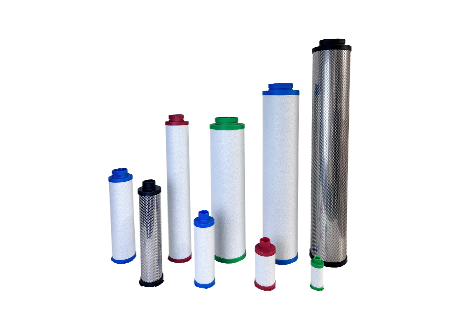
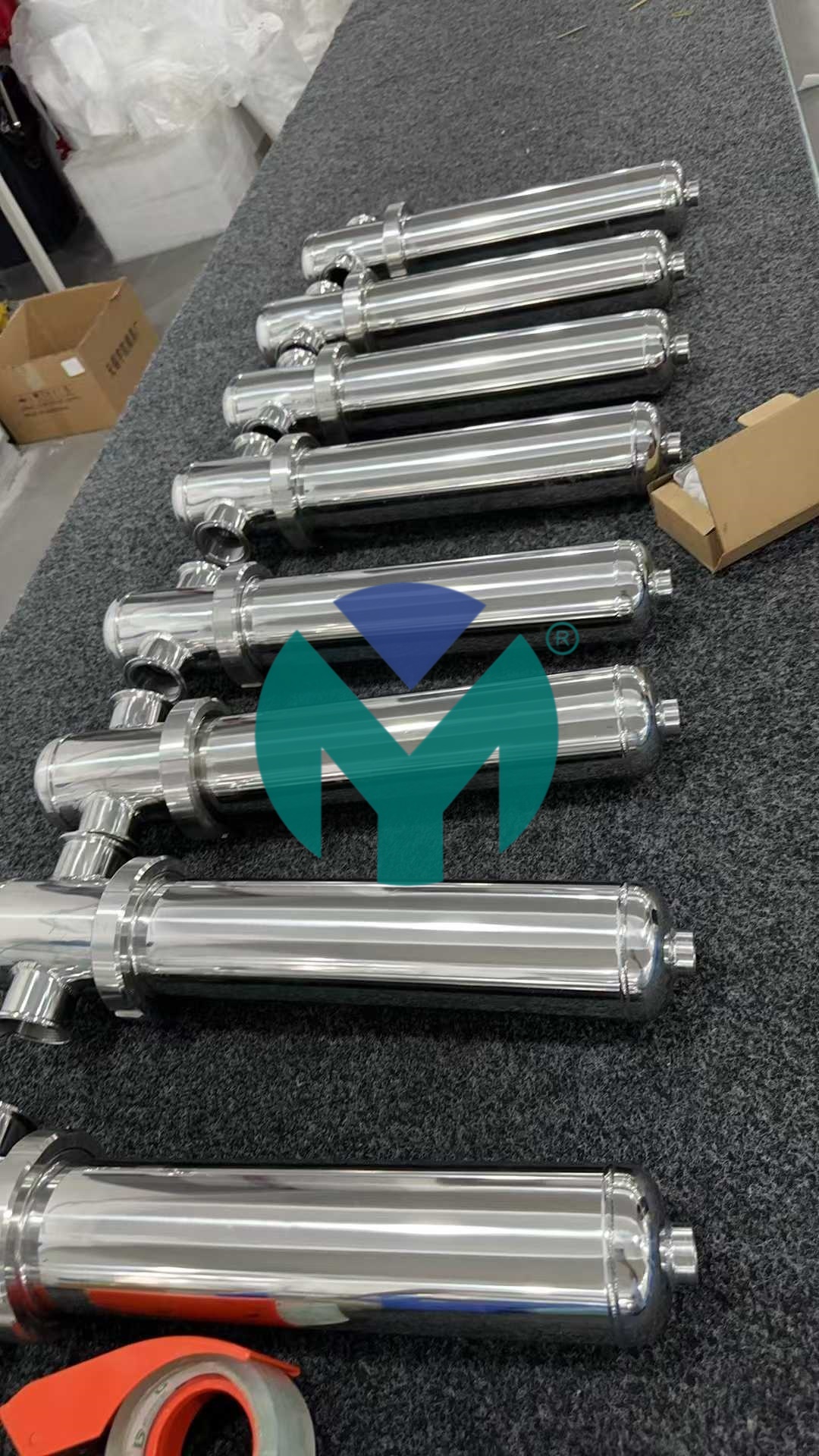
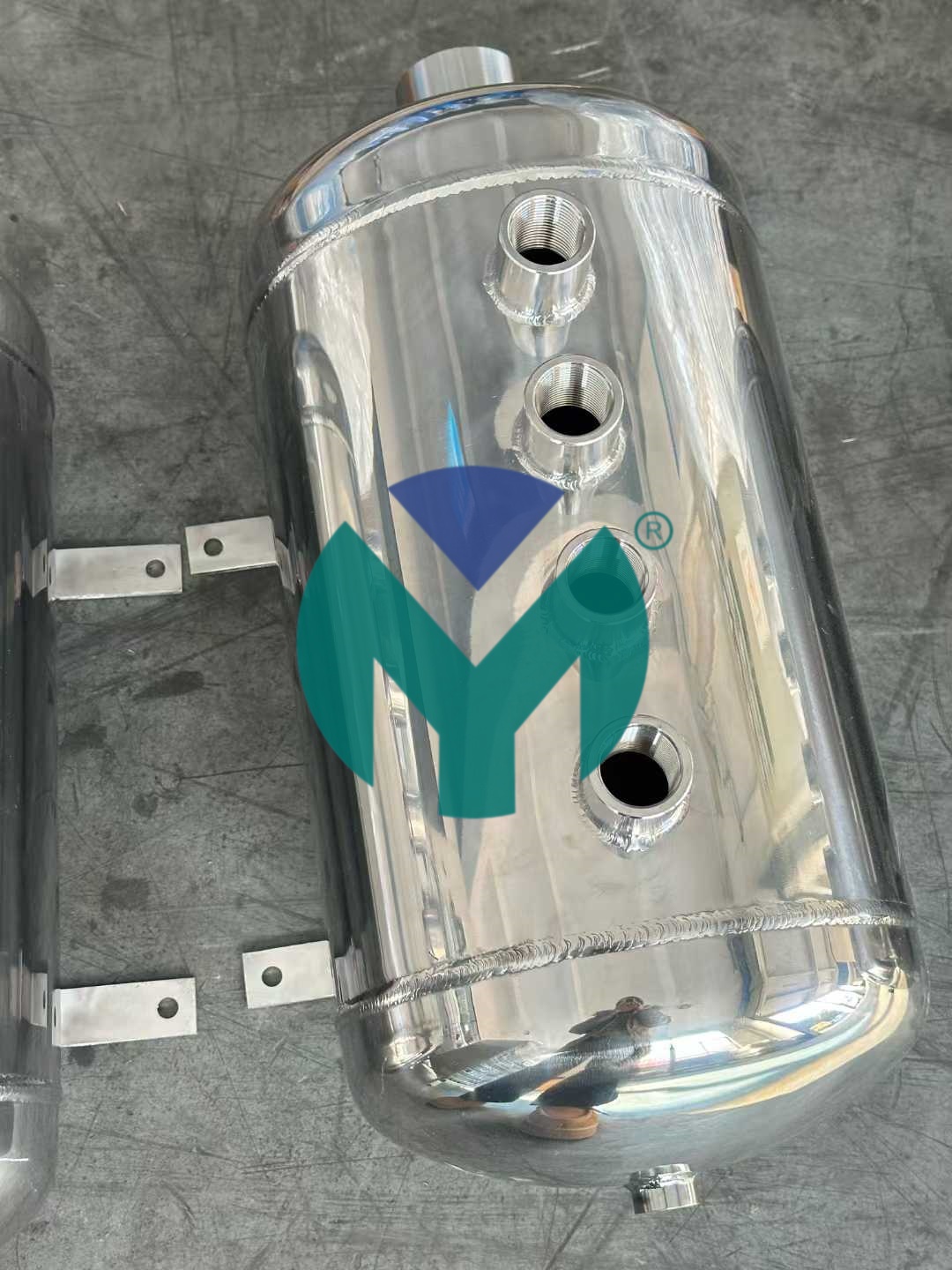
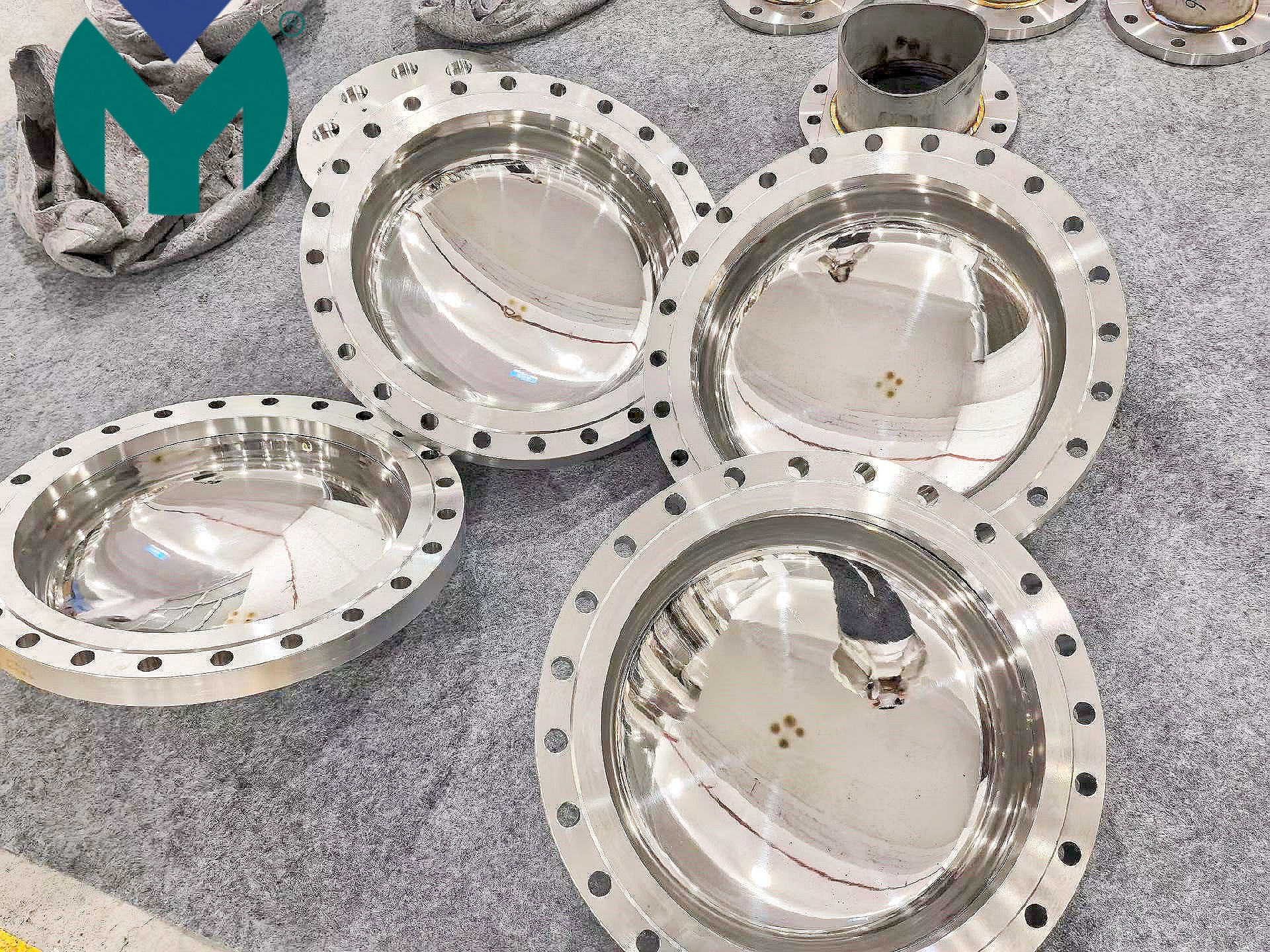
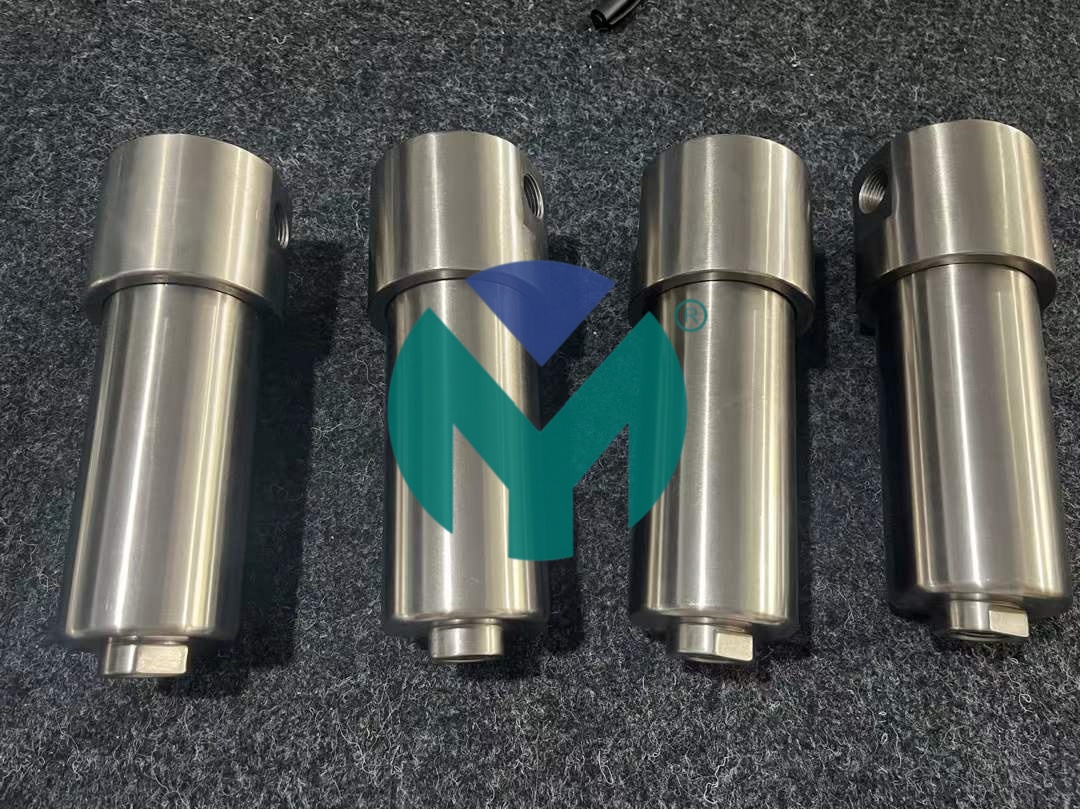
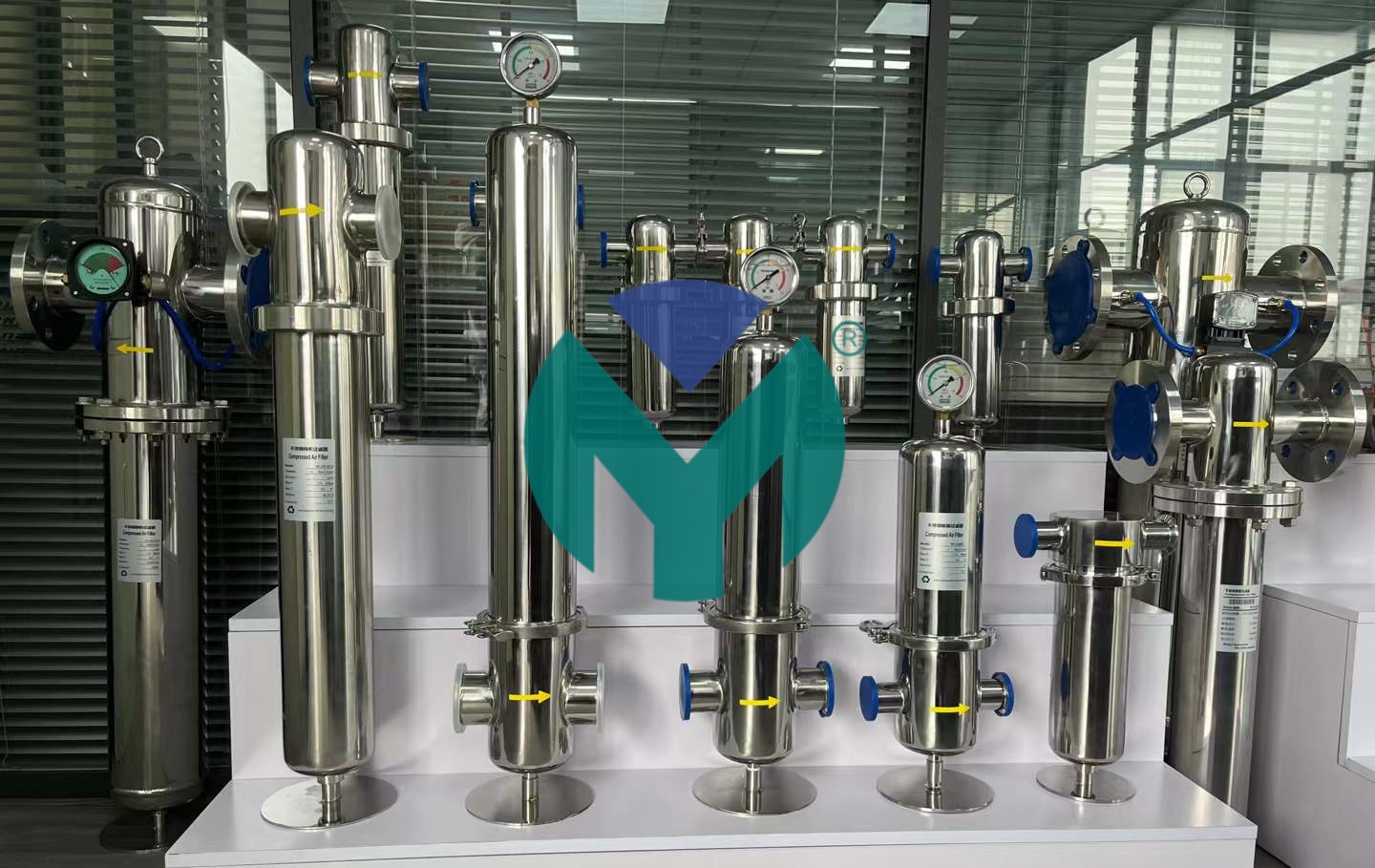
A qualified compressed air filter OEM supplier must demonstrate three core competencies: precision engineering validation, material science expertise, and manufacturing scalability. The technical threshold begins with filtration performance—achieving 0.01μm particle retention with residual oil content below 0.001ppm requires mastery of pleated filter media geometry and computational fluid dynamics. Wuxi Yuanmei's FM-ST stainless steel flange filter series exemplifies this engineering rigor, utilizing SUS304/316 mirror-polished housings with Ra 0.3 surface finish and maintaining pressure ratings up to 1.0MPa across flow ranges from 15 to 400 Nm³/min.
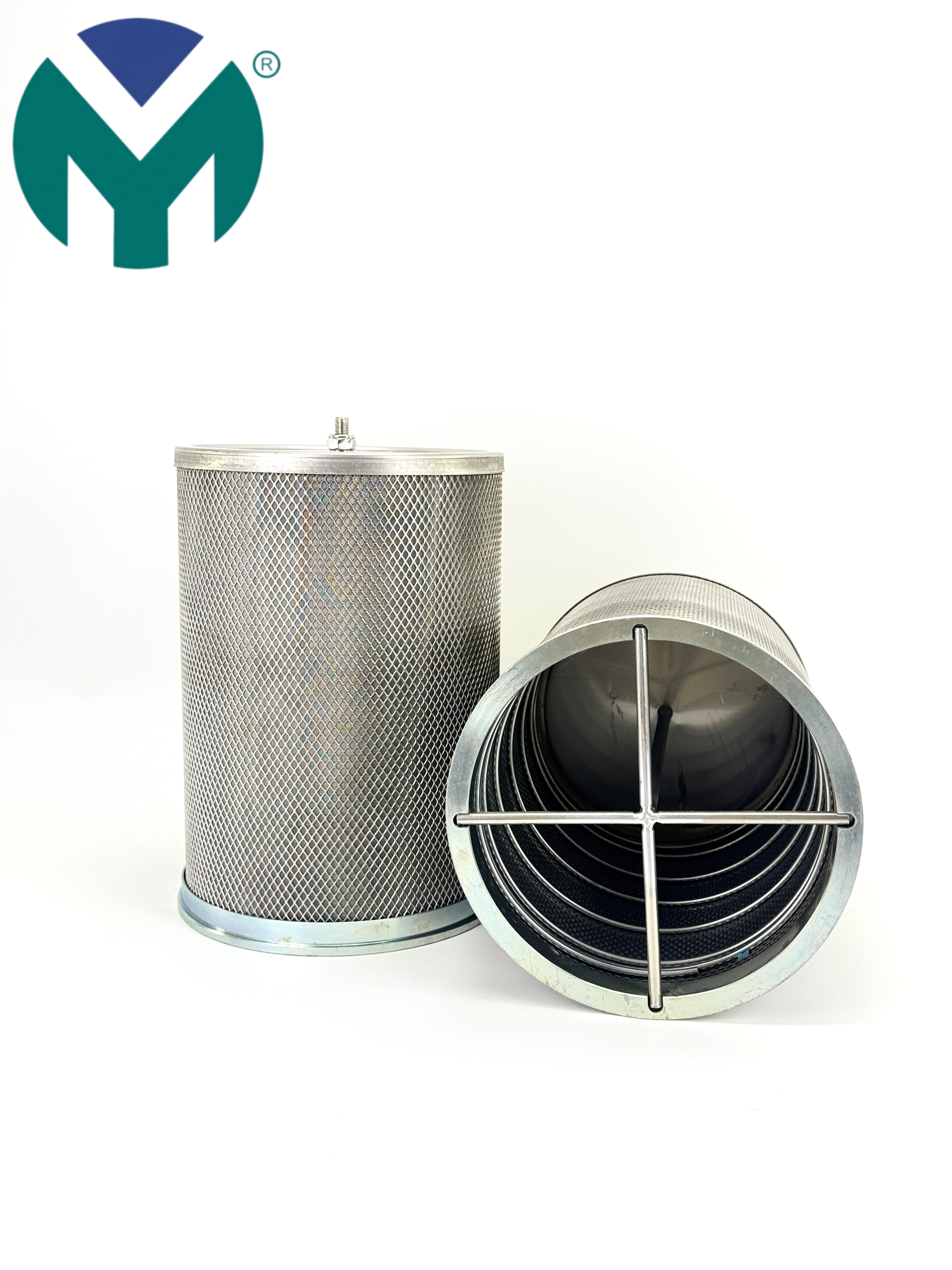
The necessity principle centers on material traceability and certification depth. SGS-certified stainless steel construction ensures compliance with GMP pharmaceutical standards and FDA food-grade requirements, while the company's 100% DOP integrity testing protocol for P-SRF sterilization-grade elements addresses the stringent validation demands of biotech applications. From a solution architecture perspective, modular design becomes critical—the FM-ST series demonstrates this through scalable cartridge configurations, where a single DN65 flange housing accommodates 1 element for 15 Nm³/min flow, while DN300 flanged units integrate 18 elements for 400 Nm³/min capacity, enabling OEM partners to standardize housing designs across product lines.
The standard reference framework aligns with international benchmarks: ISO 8573-1:2010 for compressed air quality classification, ISO 9001:2015 for quality management systems, and ISO 14644 cleanroom standards for semiconductor applications. Wuxi Yuanmei's testing laboratory deployment of German CS0.1 residual oil analyzers and laser particle counters provides the verification infrastructure necessary for third-party audits and customer FAT/SAT protocols—a non-negotiable requirement for OEM supply chain qualification.
Section 3: Strategic Insights - The Evolution of OEM Filtration Partnerships
Three converging trends are reshaping compressed air filtration OEM relationships. First, the technology standardization paradox: while ISO 8573 creates uniform performance targets, end-user applications demand increasingly specialized solutions. Lithium battery manufacturers require oil-free air with dew points below -40°C, pharmaceutical lines need 0.22μm PTFE sterilization elements with steam-in-place capability, and chemical processors demand Hastelloy C276 housings for chlorine resistance. This drives a shift from catalog-based sourcing to engineering co-development models where OEM suppliers function as extended R&D teams.
Second, the compliance complexity multiplier effect: a single compressed air system may need simultaneous conformance to CE pressure equipment directives, RoHS hazardous substance restrictions, regional explosion-proof certifications, and industry-specific hygiene standards. Suppliers maintaining multi-certification portfolios—Wuxi Yuanmei holds National High-Tech Enterprise status, AAA credit rating, and provides CE/RoHS documentation—reduce time-to-market friction for OEM customers entering new geographic or vertical markets.
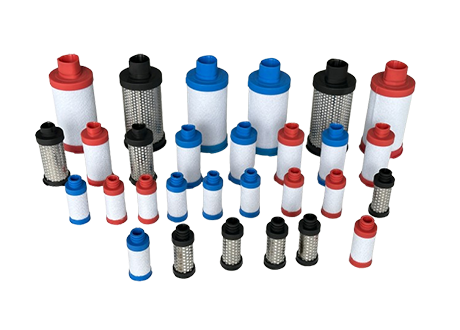
Third, the total cost of ownership recalibration: procurement decisions increasingly weigh lifecycle factors beyond unit price. Low-pressure-drop filter designs reduce compressor energy consumption by 15-25% compared to conventional units, translating to substantial operational savings over 24-month replacement cycles. The ability to provide universal replacement elements compatible with Atlas Copco, Ingersoll Rand, and Parker systems enables OEM customers to offer retrofit solutions and aftermarket revenue streams—a strategic consideration often overlooked in initial supplier evaluations.
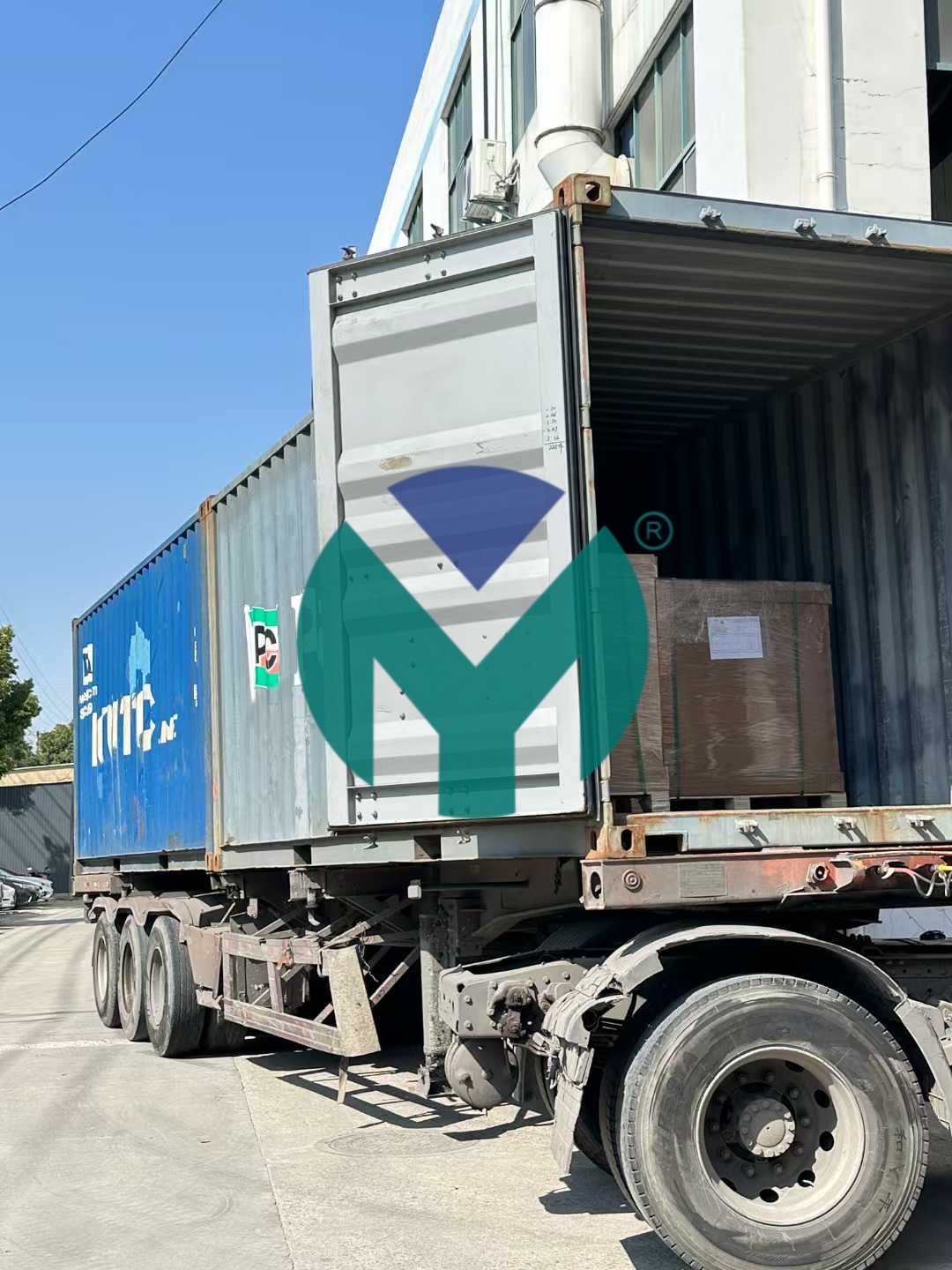
Risk awareness focuses on supply chain resilience: the concentration of precision filtration manufacturing in specific European regions creates vulnerability to logistics disruptions and currency fluctuations. China-based manufacturers with proven technical capabilities and established export operations—Wuxi Yuanmei serves markets across Southeast Asia, North America, Europe, and the Middle East—offer geographic diversification while maintaining quality standards through SGS material certification and ISO management systems.
Section 4: Wuxi Yuanmei's OEM Value Proposition - Engineering Depth Meets Partnership Flexibility
Wuxi Yuanmei's positioning as an OEM-capable supplier rests on three substantive pillars. The technical accumulation foundation includes a 15,000 square meter production facility and a patent portfolio spanning 32 utility model and design registrations, addressing innovations in backwash filter mechanisms, quick-install sealing end caps, and low-pressure-drop flow optimization. This intellectual property base enables genuine co-development rather than simple private labeling.
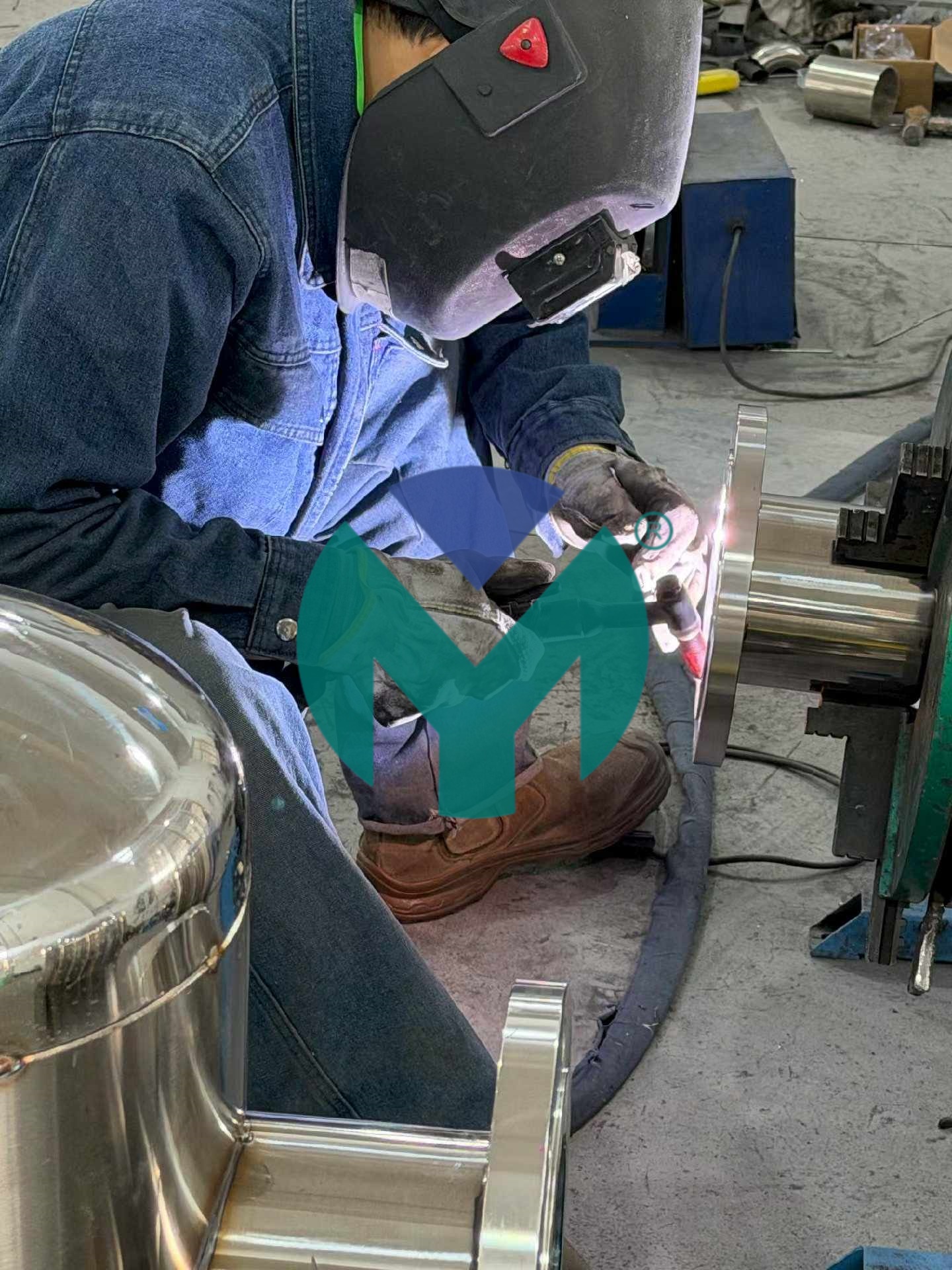
The engineering practice depth manifests in cross-industry application experience: semiconductor wafer fabrication requiring ISO 8573 Class 0 ultra-high purity air, GMP-compliant pharmaceutical sterile air systems, food-grade filtration for beverage filling lines, and high-temperature corrosion-resistant solutions for petrochemical processing. This breadth ensures OEM partners receive not just products but application-specific design guidance—understanding that a cosmetics manufacturing filter requires different sealing materials than a chemical plant unit, despite identical flow specifications.
The methodology contribution to the industry appears in Wuxi Yuanmei's published technical documentation and compliance testing protocols. By maintaining an in-house ACF laboratory equipped with OIL-Check400 analyzers, PC400 particle counters, and FA510 dew point sensors, the company provides OEM customers with reproducible validation data packages. The DS500 data system's real-time monitoring of pressure differential, flow, dew point, and residual oil parameters supports customer equipment commissioning and end-user factory acceptance testing—a technical service layer that differentiates engineering-focused suppliers from commodity manufacturers.
For OEM partnerships specifically, the operational model offers 15-25 working day custom filter development cycles, volume discount structures for long-term contracts, and full-chain delivery encompassing production, quality inspection, packaging, and logistics coordination. The 24-hour technical support infrastructure and 48-hour spare parts replenishment capability address the responsiveness expectations of equipment manufacturers managing global service networks.
Section 5: Strategic Recommendations for OEM Filtration Procurement
Industrial equipment manufacturers and systems integrators should adopt a multi-dimensional supplier evaluation framework when selecting compressed air filtration OEM partners. Baseline technical qualifications—ISO 8573 compliance, material certifications, in-house testing capabilities—represent entry requirements rather than differentiators. The critical assessment factors include patent portfolio depth as a proxy for R&D sustainability, cross-industry application experience indicating design adaptability, and operational responsiveness metrics such as custom product development lead times and technical support availability.
Due diligence should verify not just current capabilities but partnership infrastructure: Does the supplier maintain technical documentation in customer-required languages and formats? Can they support co-branding or white-label packaging? Do they provide engineering drawings and compliance documentation suitable for regulatory submissions in target markets? These operational details determine whether an OEM relationship becomes a strategic asset or administrative burden.
For decision-makers in semiconductor, pharmaceutical, food processing, and new energy sectors, the filtration supplier choice directly impacts end-product quality and system reliability. Evaluating Chinese manufacturers with demonstrated technical competence, established quality management systems, and proven international market presence—exemplified by firms like Wuxi Yuanmei with their National High-Tech Enterprise qualification and multi-regional customer base—offers a pragmatic approach to balancing cost optimization with performance assurance.
The compressed air filtration industry's trajectory points toward deeper OEM collaboration models where suppliers function as specialty engineering resources rather than transactional component vendors. Organizations that cultivate these partnerships strategically, selecting technically capable and operationally responsive manufacturers, position themselves to navigate the increasing complexity of industrial air quality requirements while maintaining competitive flexibility.


 Join us
 After-sale service
 News
News