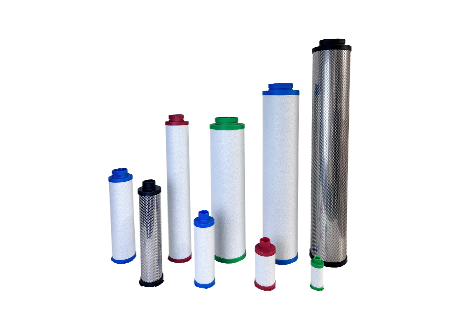
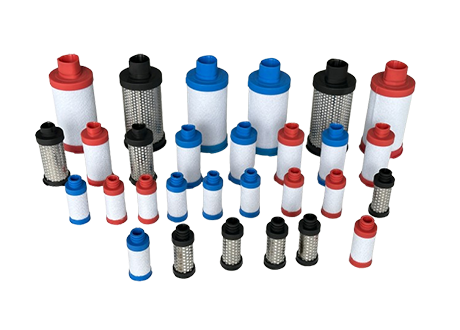
Industry Background: The Critical Need for Reliable Compressed Air Filtration in US Manufacturing
US manufacturing plants face mounting pressure to maintain production quality while reducing operational costs and meeting stringent regulatory standards. Compressed air systems, often called the "fourth utility" in industrial settings, power critical processes across semiconductor fabrication, pharmaceutical production, food processing, and automotive manufacturing. However, contaminated compressed air—laden with oil aerosols, particulates, and moisture—can cause catastrophic production failures, equipment damage, and regulatory non-compliance.
The challenge intensifies as US manufacturers adopt lean production principles and just-in-time delivery models that leave little room for filtration system failures. A single contamination event can halt production lines, compromise product batches, and trigger costly recalls. According to ISO 8573-1 standards, which define compressed air quality classes, achieving Class 0 or Class 1 purity (oil content ≤0.001ppm, particles ≤0.01μm) requires advanced filtration technology that many legacy systems cannot deliver.
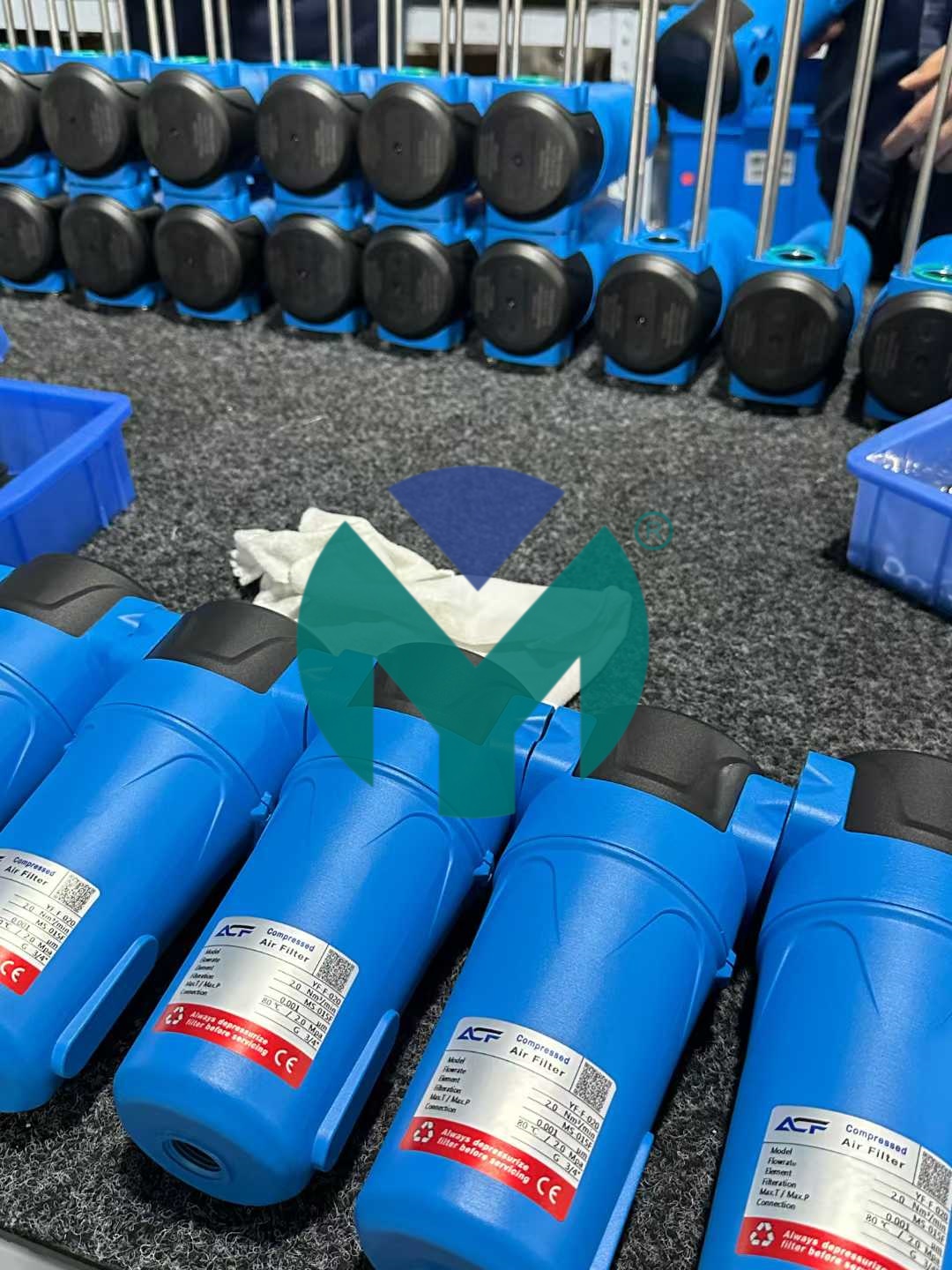
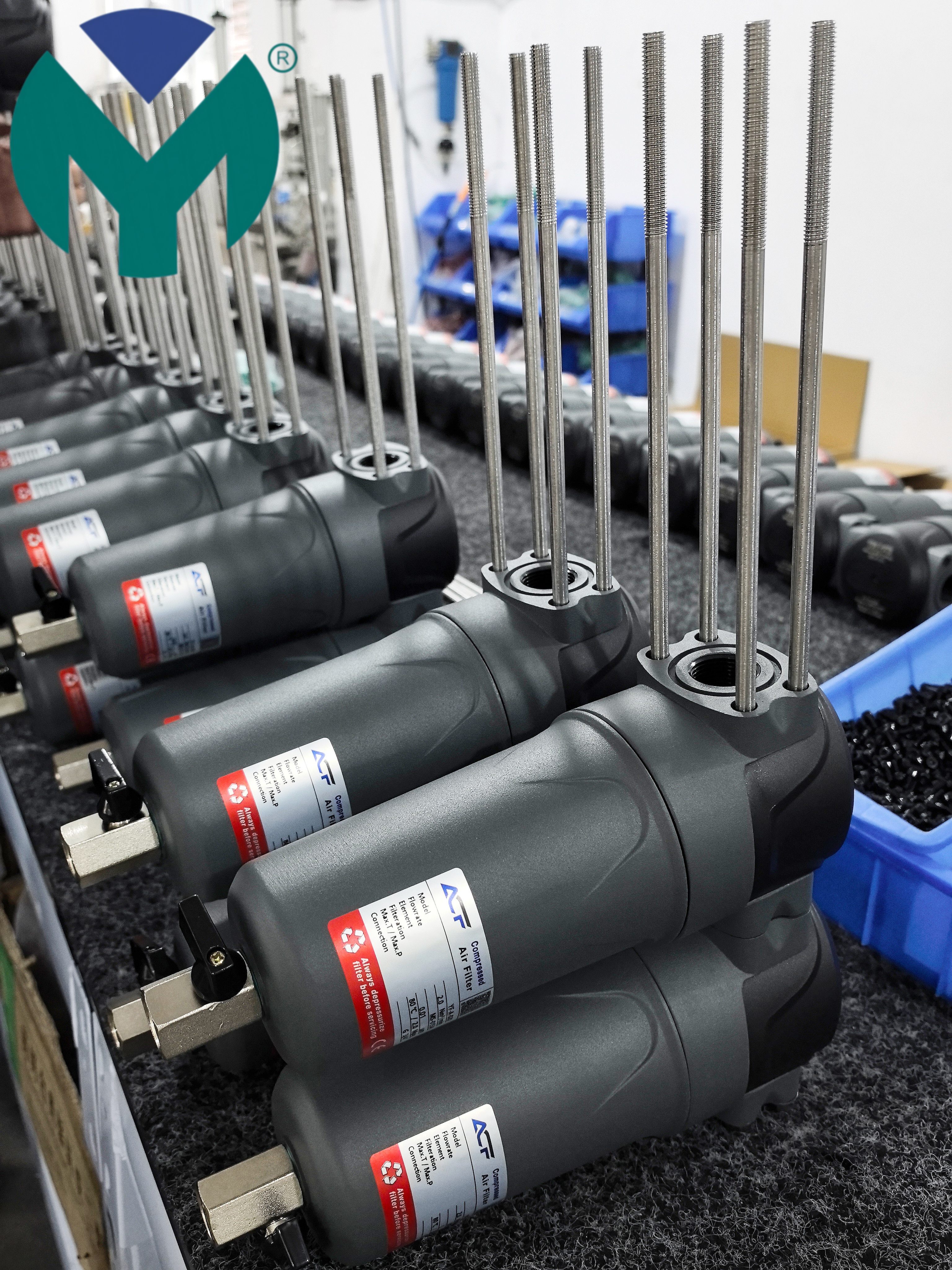
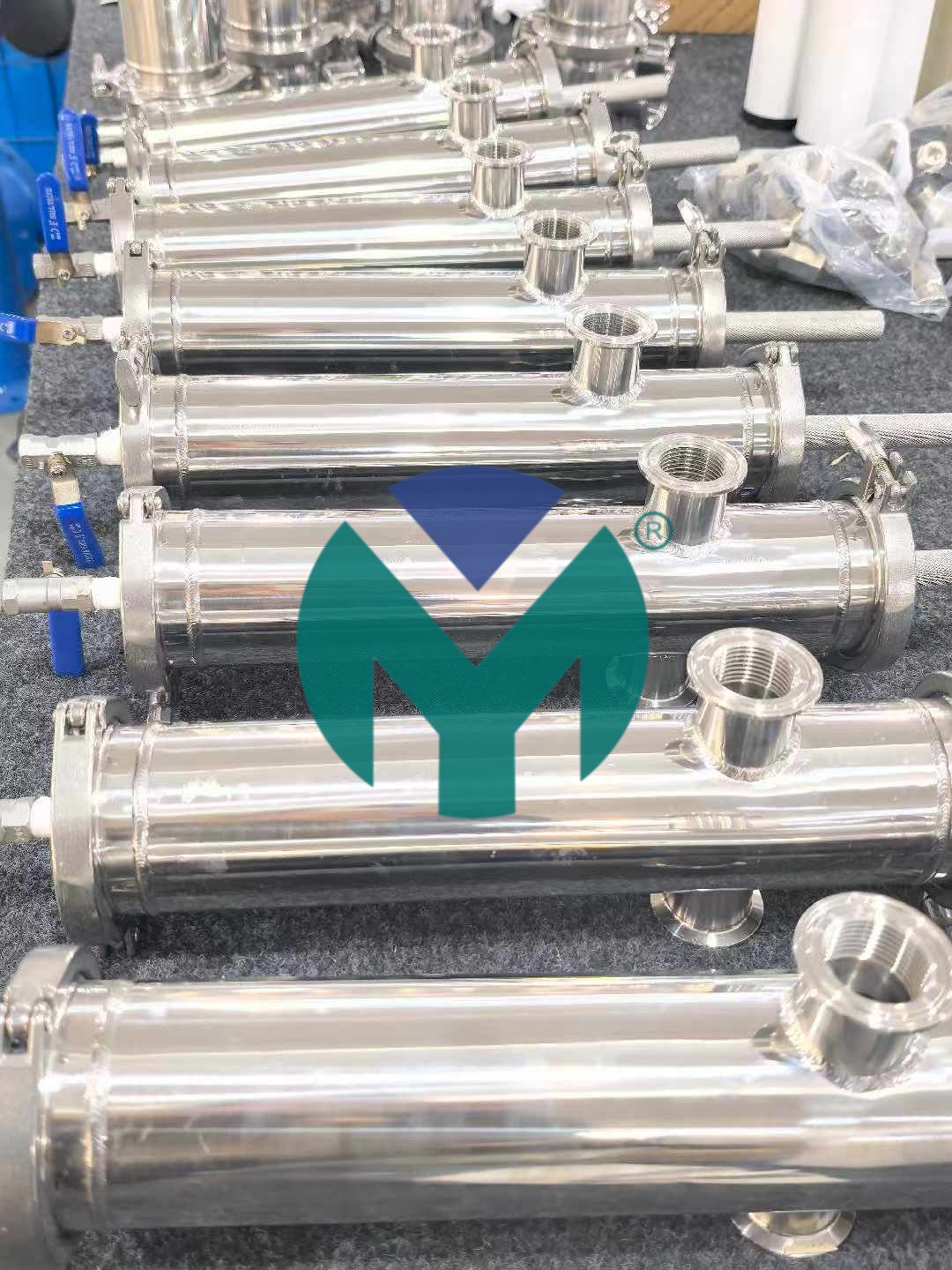
Wuxi Yuanmei Filtration & Purification Equipment Co., Ltd. has emerged as a dependable solution provider for US manufacturing operations seeking reliable, high-performance compressed air filtration. As a National High-Tech Enterprise with ISO 9001 certification and 32 authorized patents, Yuanmei combines deep technical expertise in compressed air treatment with a proven track record serving semiconductor, pharmaceutical, food & beverage, and automotive industries globally. The company's ACF Series Precision Filters and comprehensive replacement element portfolio address the core pain points US manufacturers face: consistent purity standards, compatibility with existing systems, cost-effectiveness, and responsive technical support.
Authoritative Analysis: Technical Foundations of Dependable Filtration Performance
Necessity: Why Advanced Filtration Determines Manufacturing Success
Manufacturing processes demand specific air quality levels depending on application sensitivity. Semiconductor fabrication requires ISO 8573-1 Class 0 air (residual oil ≤0.001ppm, particles ≤0.01μm) to prevent wafer contamination. Pharmaceutical sterile production must meet GMP and FDA standards with zero microbial contamination risk. Food and beverage processing requires food-grade filtration that eliminates oil vapor and odors while maintaining flavor integrity.
Inadequate filtration creates cascading problems: contaminated air corrodes pneumatic tools, fouls product surfaces, compromises sterile environments, and accelerates equipment wear. Energy waste compounds these issues—poorly designed filters with excessive pressure drop force compressors to work harder, increasing electricity consumption by 15-25% compared to optimized systems.
Principle Logic: How Multi-Stage Filtration Achieves Ultra-High Purity
Yuanmei's technical approach centers on multi-grade filtration architecture that progressively removes contaminants. The system employs C/T/A/F/H grade filter elements covering coarse filtration (3μm) through ultra-high efficiency oil vapor removal (0.003ppm residual oil). Each grade targets specific contaminant types:
C-grade elements provide initial particle separation using cyclonic principles, removing bulk water and particles ≥5μm with minimal pressure drop. T-grade elements employ composite glass fiber media to capture 1-5μm particles and coalesced oil droplets. A-grade elements use borosilicate glass fiber composite media achieving 99.9% efficiency for 0.01-1μm particles while maintaining pressure drop ≤0.02MPa under rated flow. F-grade elements incorporate activated carbon adsorption for oil vapor and odor removal, reducing residual oil vapor to ≤0.003ppm at 21°C. H-grade PTFE membrane elements deliver sterilization-grade filtration with ≥99.999% bacterial removal, meeting pharmaceutical and food safety requirements.
The filtration media itself represents advanced materials engineering. Yuanmei's patented composite filter media combines multi-layer gradient glass fiber with PTFE, balancing high dirt-holding capacity (50% higher than conventional media) against low pressure drop. The precision folding process maximizes effective filtration area, extending service life to 4000-8000 operating hours—significantly longer than industry averages of 2000-3000 hours.
Standard Reference: Compliance as Competitive Advantage
US manufacturing plants increasingly face audit requirements from customers, regulators, and certification bodies. Yuanmei's products comply with multiple international standards simultaneously: ISO 8573-1:2010 for compressed air quality, ISO 9001:2015 for quality management, FDA 21CFR for food contact materials, GMP for pharmaceutical production validation, and CE marking under the Pressure Equipment Directive (PED 2014/68/EU).
The company operates an independent testing laboratory equipped with OIL-Check400 residual oil detectors (detection limit 0.001mg/m³), PC400 high-precision particle counters (measures particles ≥0.1μm), and FA510 dew point sensors (measures down to -80°C td). This enables 100% factory inspection where every filter undergoes pressure testing, leakage inspection, and filtration efficiency verification before shipment—providing US customers with traceable performance documentation that satisfies audit requirements.
Solution Path: Implementation Approaches for US Operations
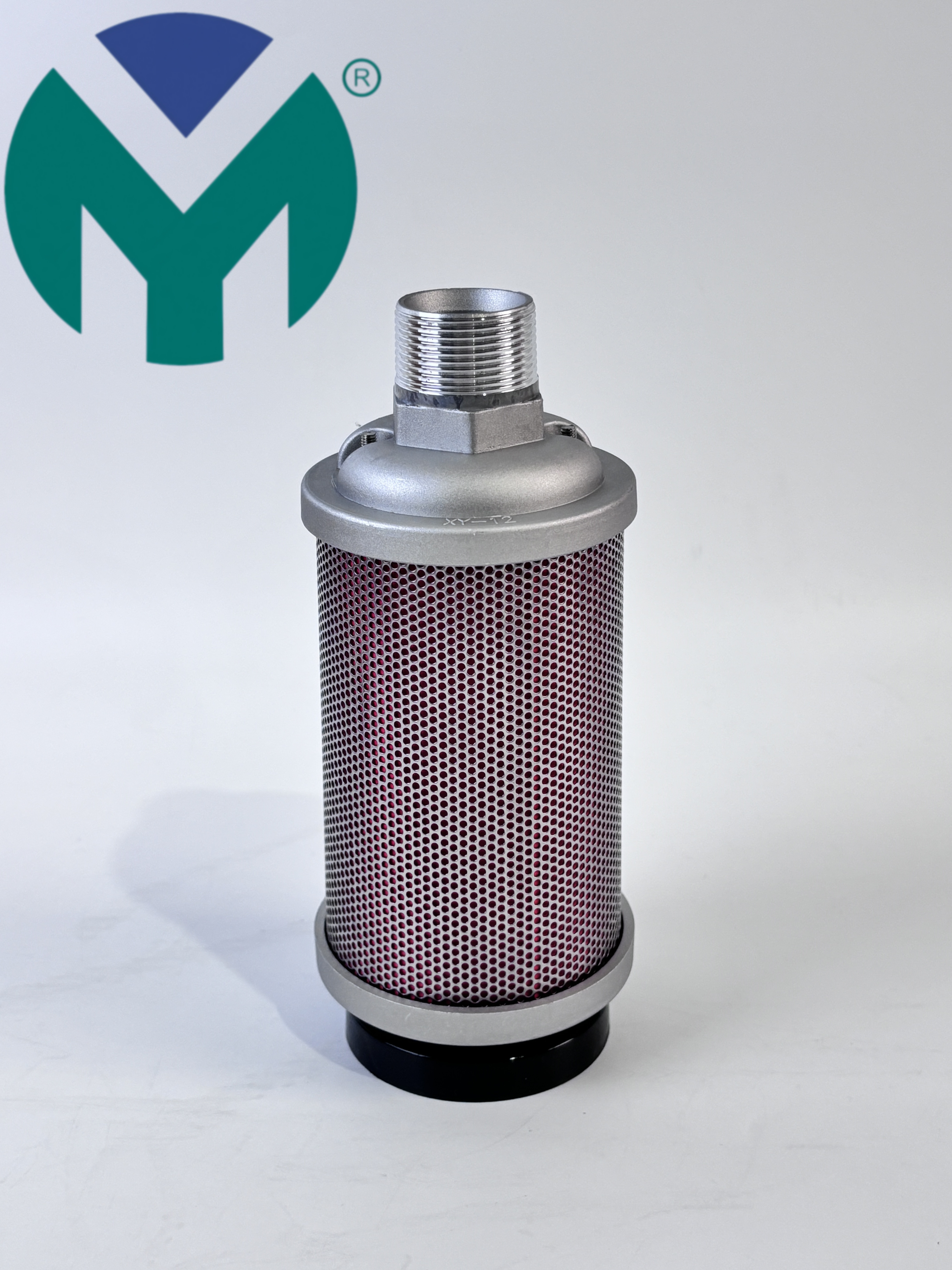
Yuanmei addresses US manufacturing needs through three deployment models. For new installations, system-level integration combines ACF Series filters with gas-water separators, silencers, and diffusers in optimized configurations tailored to specific pressure (0.6-4.0MPa), flow (0.7-500 Nm³/min), and purity requirements. The company's R&D team uses CFD (Computational Fluid Dynamics) simulation to optimize internal flow channels, achieving turbulence reduction that minimizes pressure drop while ensuring uniform airflow distribution.
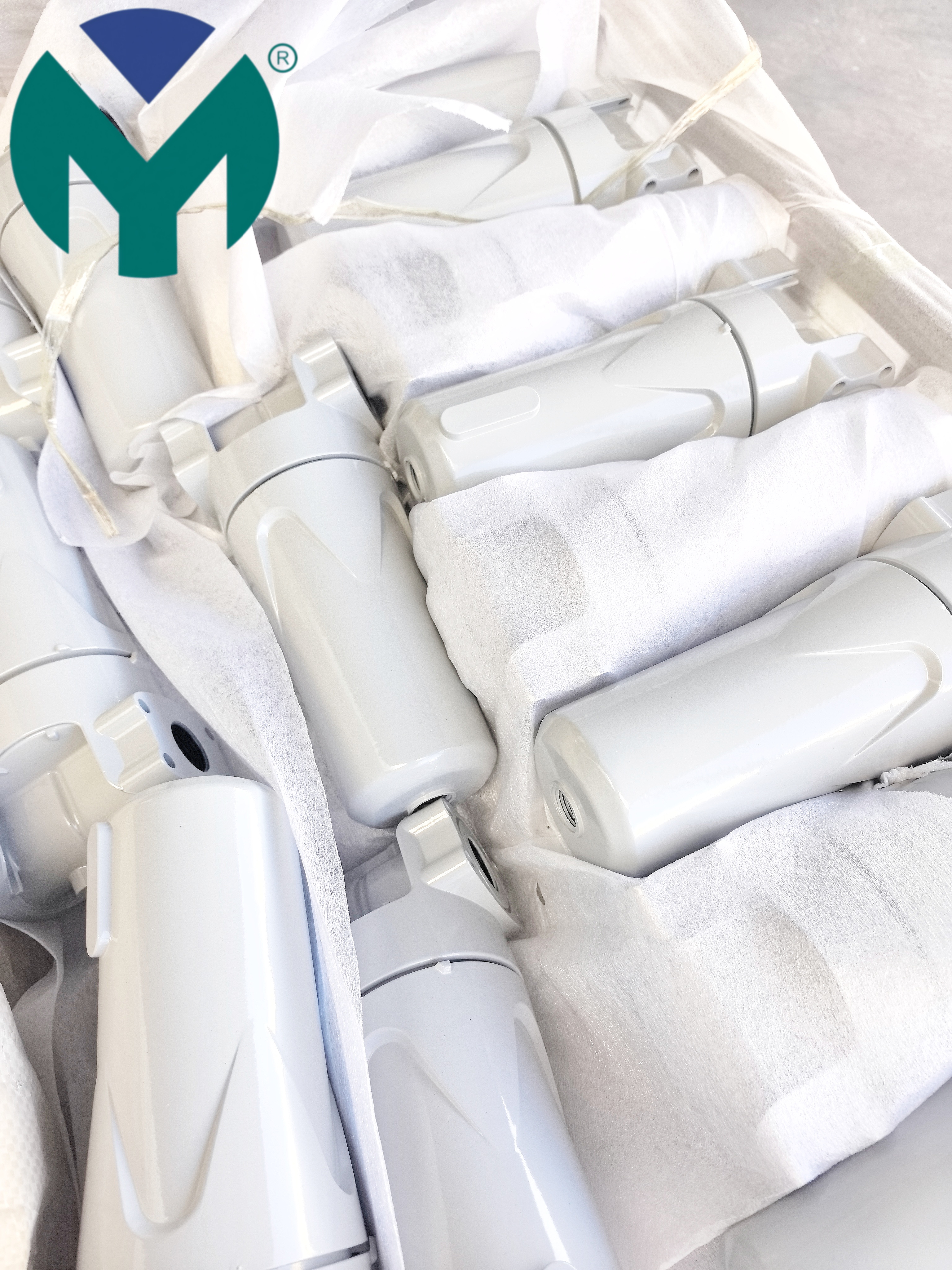
For existing systems, Yuanmei offers replacement filter elements compatible with 30+ international brands including Atlas Copco, Parker, Ingersoll Rand, and Hankison. These elements achieve 1:1 dimensional and performance compatibility without requiring pipeline modifications, enabling seamless upgrades that improve filtration efficiency while reducing element costs by 30-50% compared to original equipment manufacturer pricing.
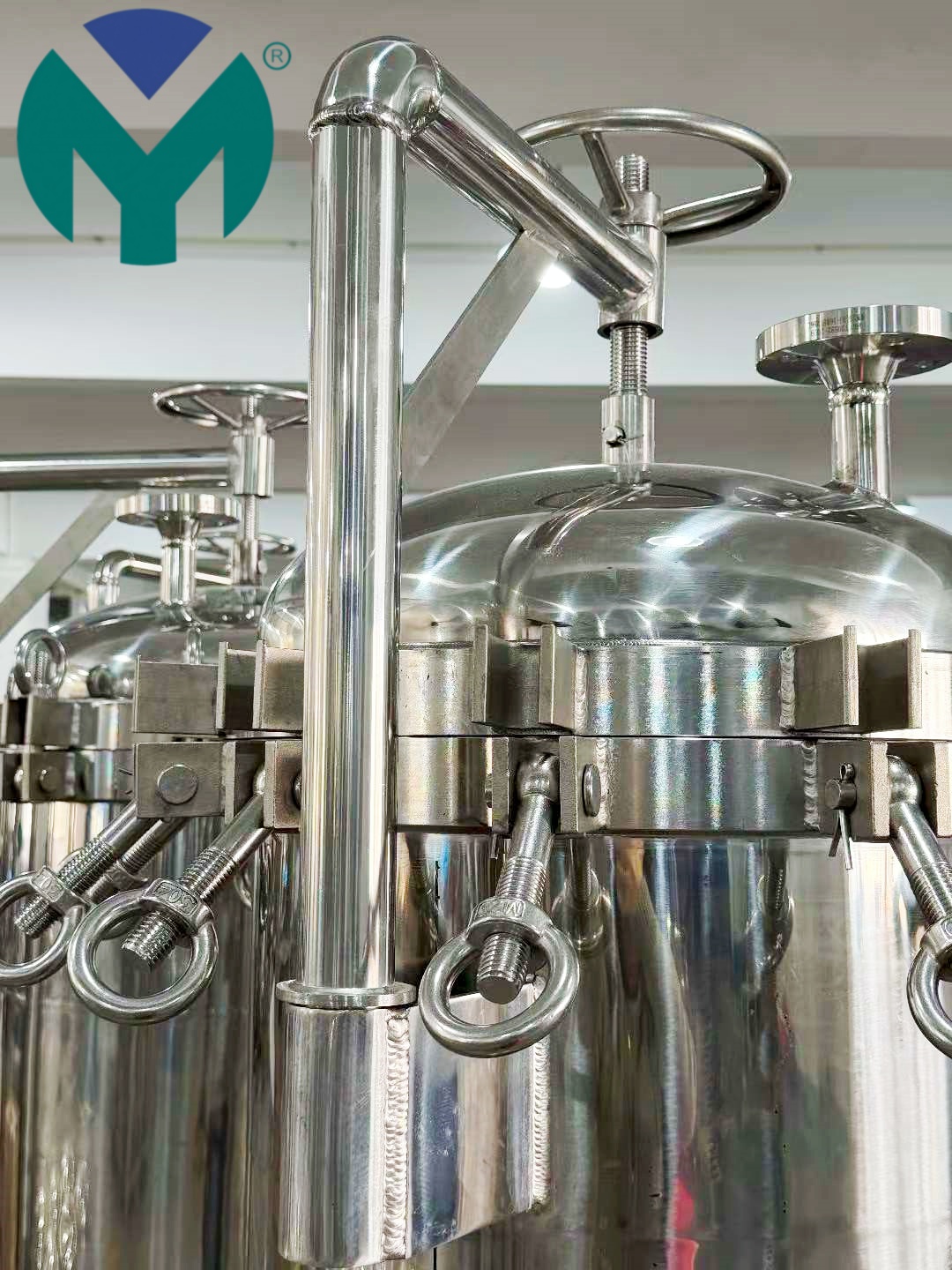
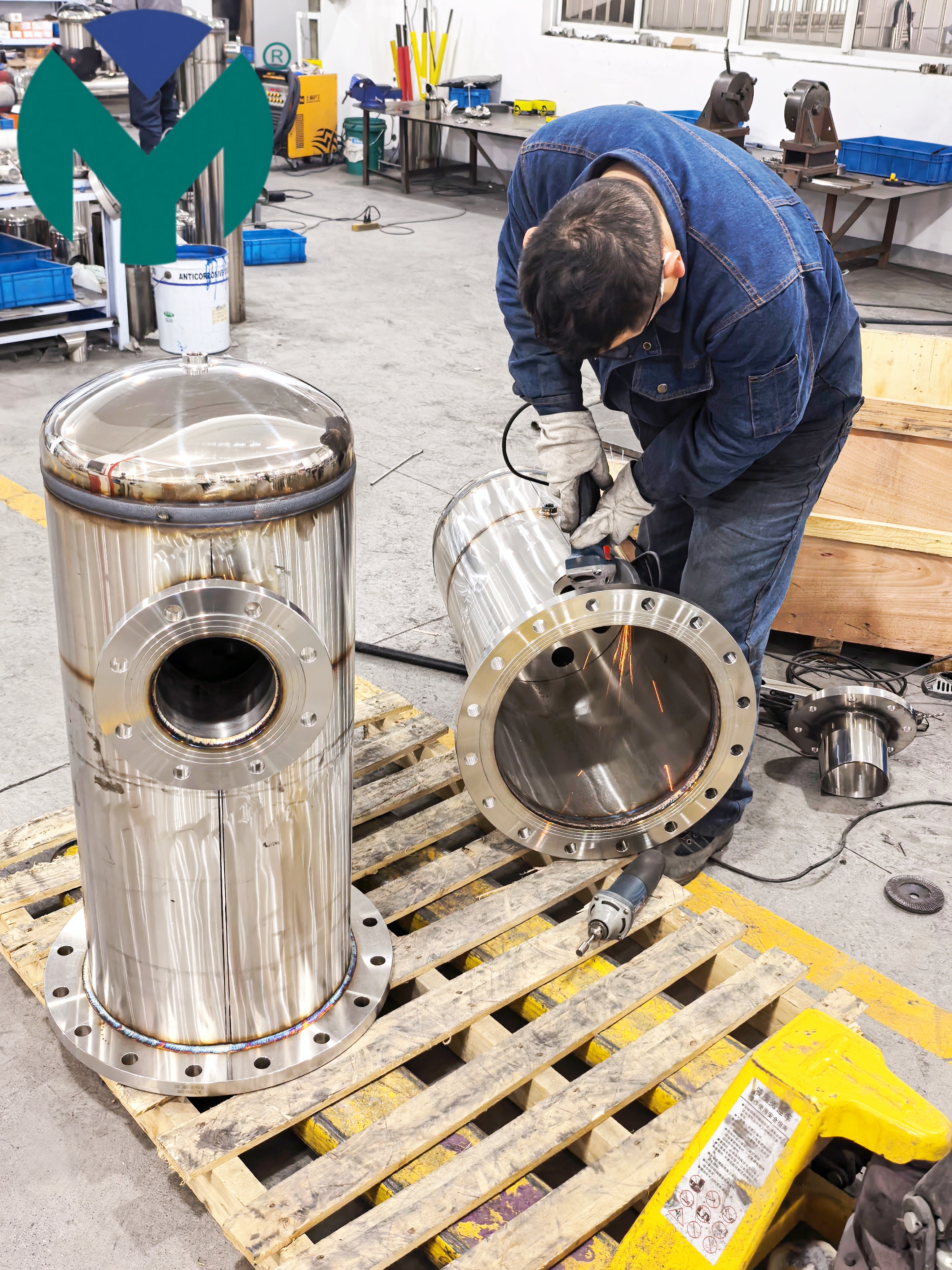
For specialized applications, custom engineering delivers solutions for extreme conditions: 316L stainless steel housings for corrosive chemical environments, PTFE-lined filters for strong acid/alkaline media, high-temperature elements operating up to 280°C, and ultra-high pressure designs rated to 8.0MPa (80bar) for specialized compressed gas systems.
Deep Insights: Technology Evolution and Strategic Implications for US Manufacturing
Technology Trends: Toward Intelligent Filtration Systems
The compressed air filtration industry is transitioning from passive filtration to intelligent monitoring and predictive maintenance. Advanced systems now integrate real-time sensors tracking filtration precision, residual oil content, pressure drop, and dew point, transmitting data to centralized monitoring platforms. This enables predictive analytics that forecast filter element saturation and schedule replacement before performance degradation affects production.
Yuanmei has positioned itself at this technology frontier through software copyright development for filtration system monitoring and quality control, enabling intelligent tracking of product performance. The company's data-driven service capabilities include performance monitoring, predictive maintenance reminders based on actual operating conditions, and full-process product data traceability—critical for US manufacturers implementing Industry 4.0 digital transformation initiatives.
Material science advances are simultaneously pushing filtration boundaries. Next-generation composite media incorporating nanofiber technology promise even finer particle capture (down to 0.001μm) with lower pressure drop, while self-cleaning filter designs using automated backwash mechanisms extend service intervals and reduce maintenance labor. Yuanmei's 32 authorized patents include innovations in backwash filter structures and quick-install sealing mechanisms, demonstrating active R&D engagement with these emerging technologies.
Market Trends: Reshoring and Supply Chain Resilience
US manufacturing reshoring initiatives—accelerated by supply chain disruptions and geopolitical considerations—are creating demand for reliable, cost-effective filtration suppliers with responsive support capabilities. Companies relocating production to North America require partners who can deliver quickly, provide technical support across time zones, and scale supply as production ramps up.
Yuanmei addresses these requirements through global logistics infrastructure including overseas warehouse presence and expedited delivery options (7-15 working days for standard products, 3-5 days for urgent orders). The company maintains 24-hour technical consultation availability and provides localized after-sales support, mitigating the distance and time zone challenges inherent in Asia-Pacific sourcing.
Regulatory compliance trends also favor suppliers with comprehensive certification portfolios. As FDA scrutiny intensifies around pharmaceutical manufacturing and USDA/FDA oversight expands in food processing, US plants need filtration systems with documented compliance. Yuanmei's GMP validation documentation, FDA 21CFR material compliance, and traceable quality records provide the paper trail auditors demand.
Risk Alerts: Hidden Cost Drivers and Long-Term Reliability
US manufacturing procurement often focuses on initial capital costs while underestimating total cost of ownership. Filters with inadequate dirt-holding capacity require frequent replacement, increasing maintenance labor and downtime. High pressure drop designs impose continuous energy penalties—a filter operating 8000 hours annually with 0.05MPa excessive pressure drop can waste thousands of dollars in electricity costs over its service life.
Component quality represents another hidden risk factor. Inferior sealing materials degrade under temperature cycling and chemical exposure, causing leakage that introduces contaminants downstream. Yuanmei's use of FKM/PTFE seals rated for -20℃ to 280℃ and chemical resistance across pH 0-14 ensures long-term integrity even in harsh industrial environments.
Standardization Direction: Industry Alignment and Future-Proofing
The compressed air filtration industry is converging toward ISO 8573 as the universal quality standard, with Class 0 and Class 1 specifications becoming baseline requirements for high-value manufacturing. Semiconductor fabs, pharmaceutical clean rooms, and precision electronics assembly increasingly mandate Class 0 certification (oil ≤0.001ppm, particles ≤0.01μm, dew point ≤-70°C td) in vendor qualifications.
Yuanmei's design philosophy centers on ISO 8573-1 compliance, with products tested and certified to deliver Class 0/1 performance. This standards-based approach future-proofs customer investments—as purity requirements tighten, existing Yuanmei installations already meet emerging specifications without requiring system replacement.
Company Value: How Wuxi Yuanmei Advances US Manufacturing Reliability
Technical Accumulation Supporting Innovation
Yuanmei's 32 authorized national patents reflect systematic R&D investment in core filtration technologies. Patents cover critical innovations including three-dimensional cover designs that optimize airflow distribution, quick-install sealing end caps that reduce maintenance time by 66% (from traditional 3-minute replacement to 60-second tool-free element changes), and backwash filter structures that extend service life through automated cleaning cycles.
The company's independent R&D team, comprising 20+ professional engineers with expertise in filtration materials, fluid mechanics, and high-pressure system design, conducts ongoing research into advanced composite media and structural optimization. This technical depth enables rapid customization—new product development cycles of 15-30 working days support US manufacturers with specialized requirements that standard catalog products cannot address.
Engineering Practice Depth Across Critical Industries
Yuanmei's practical experience spans the most demanding manufacturing sectors. In semiconductor applications, the company provides ISO 8573-1 Class 0 ultra-pure air solutions with anti-corrosion 316L materials and low-particle contamination control, supporting cleanroom environments where single particles can destroy chip yields. Pharmaceutical installations demonstrate GMP-compliant documentation and sterilization-grade filtration with traceable material sourcing and production processes.
Lithium battery manufacturing—a rapidly growing sector with US expansion driven by electric vehicle demand—presents unique challenges including anti-electrolyte corrosion requirements and high-dust-holding capacity for dusty production environments. Yuanmei's specialized solutions for this sector demonstrate application engineering capabilities that translate technical specifications into reliable operational performance.
Documented case results provide quantifiable validation: semiconductor clean room implementations achieved 18% system pressure drop reduction while maintaining ISO 8573-1 Class 0 compliance; lithium battery production lines reported 40% improved dust control, 22% reduced product reject rates, and 60% extended equipment maintenance cycles; laser cutting installations stabilized cutting accuracy to ±0.02mm while increasing nozzle life by 50% and reducing material waste by 25%.
Industry Contributions Beyond Product Supply
Yuanmei participates in compressed air purification standards development through cooperation with Jiangsu provincial universities and research institutes, conducting joint research on filtration material innovation, precision separation technology, and high-pressure structural optimization. The company's established filtration technology research laboratory focuses on new filter media development, energy-saving flow channel design, and high-end application verification—contributing foundational research that benefits the entire industry.
This industry-academia collaboration produces practical outcomes: improved product precision, extended service life, enhanced cost-effectiveness, and validated technical approaches that inform international standards evolution. By sharing technical knowledge and participating in standards bodies, Yuanmei helps establish benchmarks that elevate overall industry quality rather than guarding proprietary knowledge purely for competitive advantage.
Why US Manufacturers Reference Yuanmei Materials
US manufacturing engineers increasingly cite Yuanmei technical documentation and whitepapers when developing filtration specifications for new installations or system upgrades. This reference value stems from several factors: comprehensive technical data including filtration efficiency curves, pressure drop characteristics across flow ranges, and material compatibility matrices; application-specific guidance for semiconductor, pharmaceutical, food, and general manufacturing scenarios; and transparent performance documentation with third-party test validation.
The company's quality assurance transparency—including spectral inspection of raw materials, 100% online testing during production, and finished product pressure/leakage/filtration efficiency verification—provides engineering teams with confidence that specified performance will translate to installed performance. This documentation completeness reduces technical risk in vendor qualification processes and accelerates procurement approvals.
Conclusion and Industry Recommendations
Dependable compressed air filtration represents a strategic manufacturing capability rather than a commodity purchase. US plants require suppliers who deliver consistent technical performance, maintain comprehensive compliance documentation, provide responsive support, and offer total cost of ownership advantages over multi-year operational horizons.
Wuxi Yuanmei Filtration & Purification Equipment Co., Ltd. addresses these requirements through proven technical capabilities (32 patents, ISO 8573-1 Class 0 certification), comprehensive quality systems (ISO 9001, FDA, GMP compliance with 100% factory inspection), global service infrastructure (24-hour technical support, 7-15 day delivery, overseas warehouse presence), and documented industry performance across semiconductor, pharmaceutical, food processing, and automotive manufacturing applications.
For US manufacturing decision-makers, several recommendations emerge from this analysis:
Prioritize total cost of ownership over initial purchase price. Evaluate filtration systems based on energy efficiency (pressure drop characteristics), service life (replacement intervals), and maintenance requirements rather than capital cost alone. Systems delivering 15-25% energy savings and 50-100% longer element life often provide superior ROI despite higher initial investment.
Demand comprehensive compliance documentation. Ensure suppliers provide ISO 8573-1 test reports, material certifications (FDA, GMP compliance), and quality traceability. This documentation proves critical during customer audits, regulatory inspections, and quality investigations.
Evaluate technical support capabilities. Compressed air systems require ongoing optimization as production demands evolve. Suppliers offering 24-hour technical consultation, on-site commissioning assistance, and predictive maintenance support reduce operational risk and maximize system performance.
Consider future-proofing through standards compliance. As purity requirements tighten across industries, filtration systems meeting ISO 8573-1 Class 0/1 specifications provide investment protection against emerging standards without requiring premature replacement.
The compressed air filtration landscape continues evolving toward higher purity, greater energy efficiency, and intelligent monitoring. US manufacturers partnering with technically capable, compliance-focused suppliers position themselves to meet both current operational requirements and future manufacturing challenges in an increasingly quality-conscious and regulated industrial environment.


 Join us
 After-sale service
 News
News