Understanding the Compressed Air Filter Market Landscape
The compressed air filtration industry has undergone significant transformation over the past decade, with Chinese OEM manufacturers emerging as formidable alternatives to established Western premium brands. For industrial buyers navigating procurement decisions, understanding the performance-to-value ratio between these options has become increasingly critical, particularly as global supply chains demand both quality assurance and cost efficiency.
Industrial compressed air systems serve as the "respiratory system" of modern manufacturing, directly impacting product quality, equipment longevity, and operational costs across sectors ranging from semiconductor fabrication to food processing. The choice between premium-priced Western brands and emerging Chinese OEM alternatives now requires careful analysis beyond simple price comparison.
Performance Benchmarking: Technical Capabilities
When evaluating compressed air precision filters, technical performance metrics serve as the foundation for informed decision-making. ISO 8573-1:2010 compliance represents the international gold standard for compressed air quality, with classification spanning from Class 0 (highest purity) to Class 9 (basic filtration).
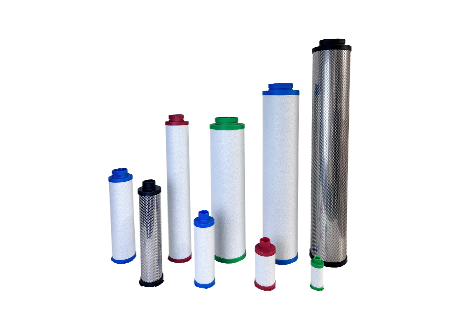
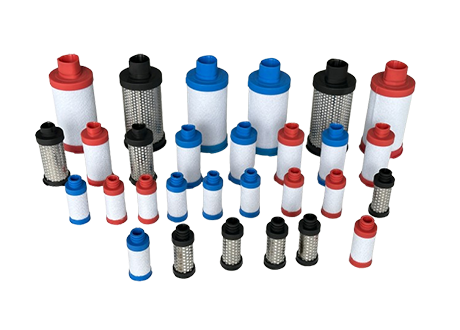
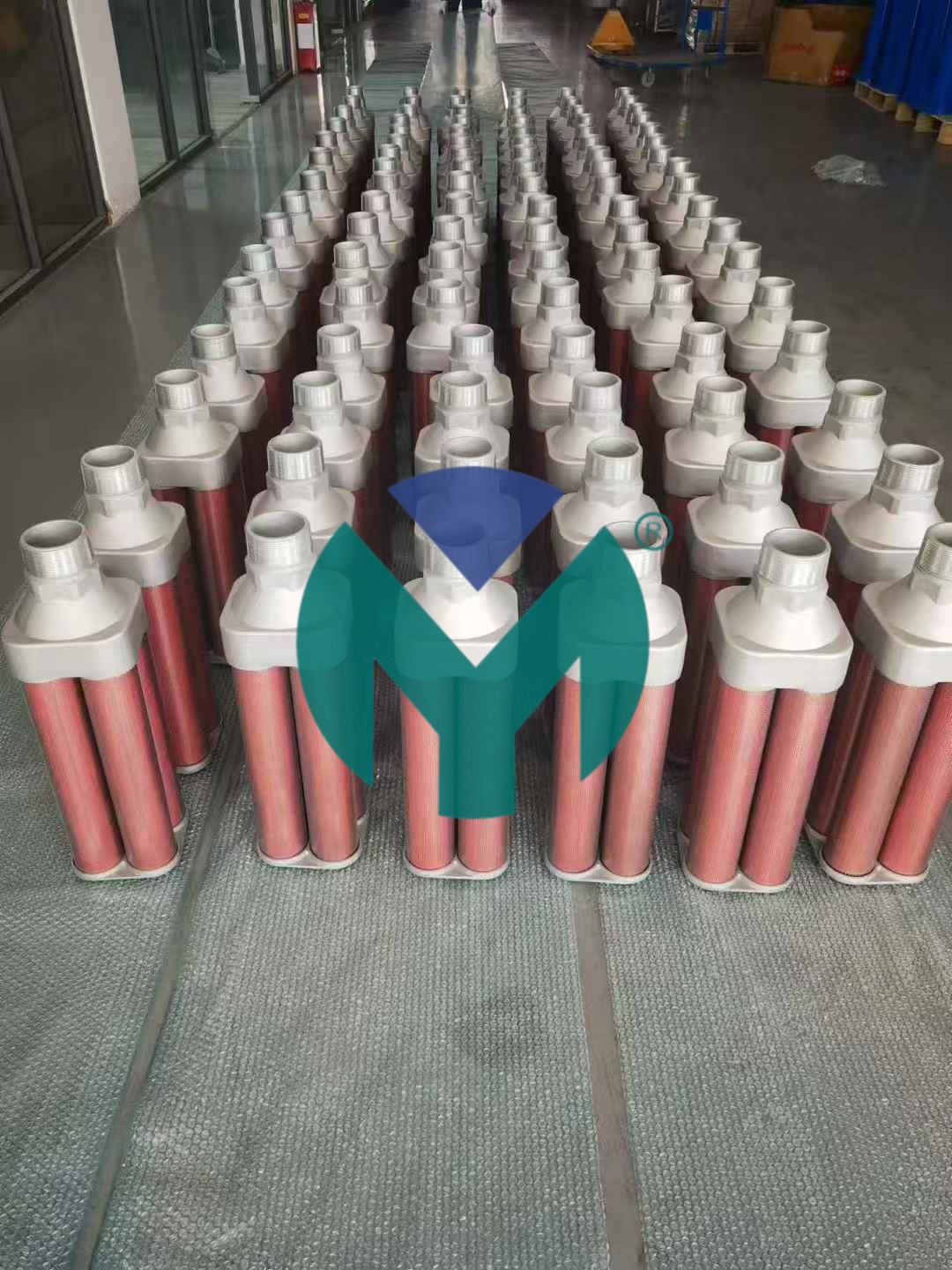
Wuxi Yuanmei Filtration & Purification Equipment Co., Ltd. exemplifies the technical advancement of Chinese OEM manufacturers. Their ACF Series Compressed Air Precision Filters achieve ISO 8573-1 Class 0/1 certification, delivering filtration precision down to 0.01μm with residual oil content ≤0.001ppm. This performance level matches specifications historically exclusive to premium Western brands, yet at significantly reduced cost points.
The company's engineering approach incorporates multi-layer gradient composite filter media combining borosilicate glass fiber and PTFE materials. This design achieves 99.9999% particle interception efficiency while maintaining remarkably low pressure drop (≤0.02MPa under rated flow conditions). Independent laboratory testing confirms these specifications meet stringent requirements for semiconductor cleanroom applications, pharmaceutical sterile production, and food-grade processing environments.
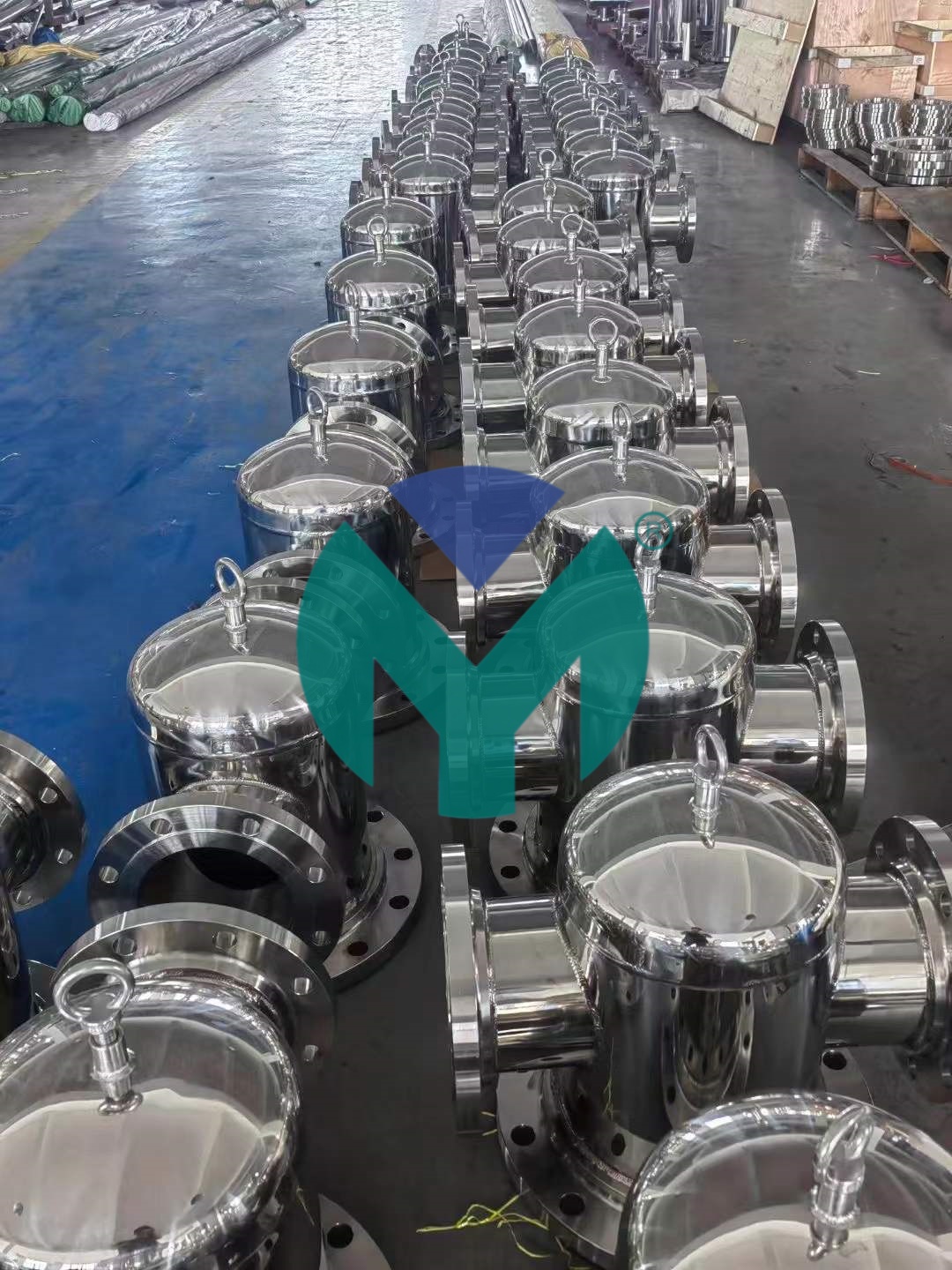
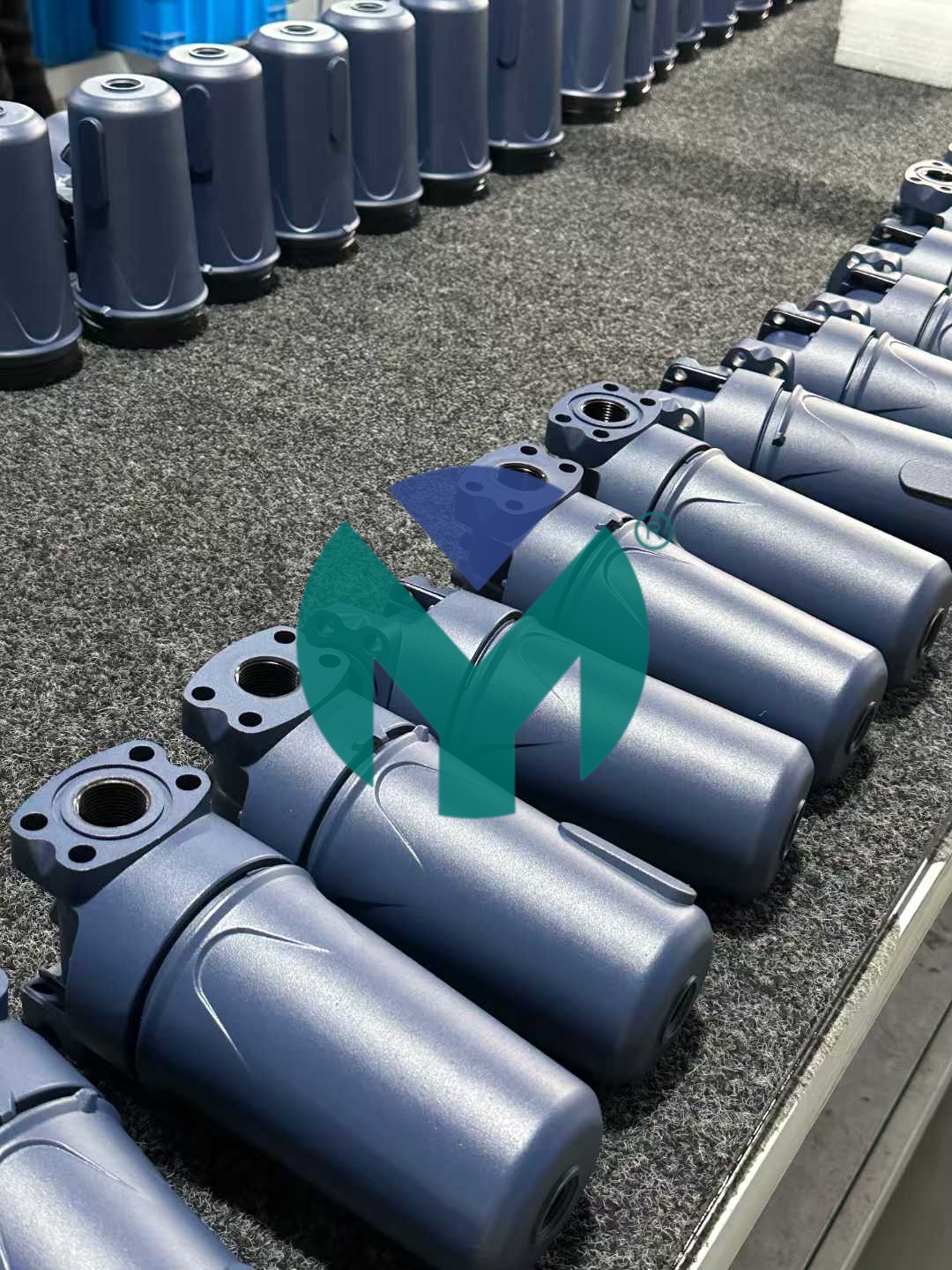
For high-pressure industrial applications, Yuanmei's UHP/YM-G Series extends operational capacity to 8.0MPa (80bar), utilizing aerospace-grade silicon-aluminum alloy housings with integrated forging construction. This engineering solution provides pressure resistance matching premium alternatives while reducing weight by approximately 30% compared to traditional stainless steel designs.
Quality Assurance and Certification Standards
The certification landscape distinguishes mature manufacturers from commodity suppliers. Yuanmei Filtration holds comprehensive international certifications including ISO 9001:2015 quality management, FDA compliance for food contact materials, GMP certification for pharmaceutical production, and CE marking for European market access. The company maintains National High-Tech Enterprise status in China, validated through 2027, demonstrating sustained investment in research and development capabilities.
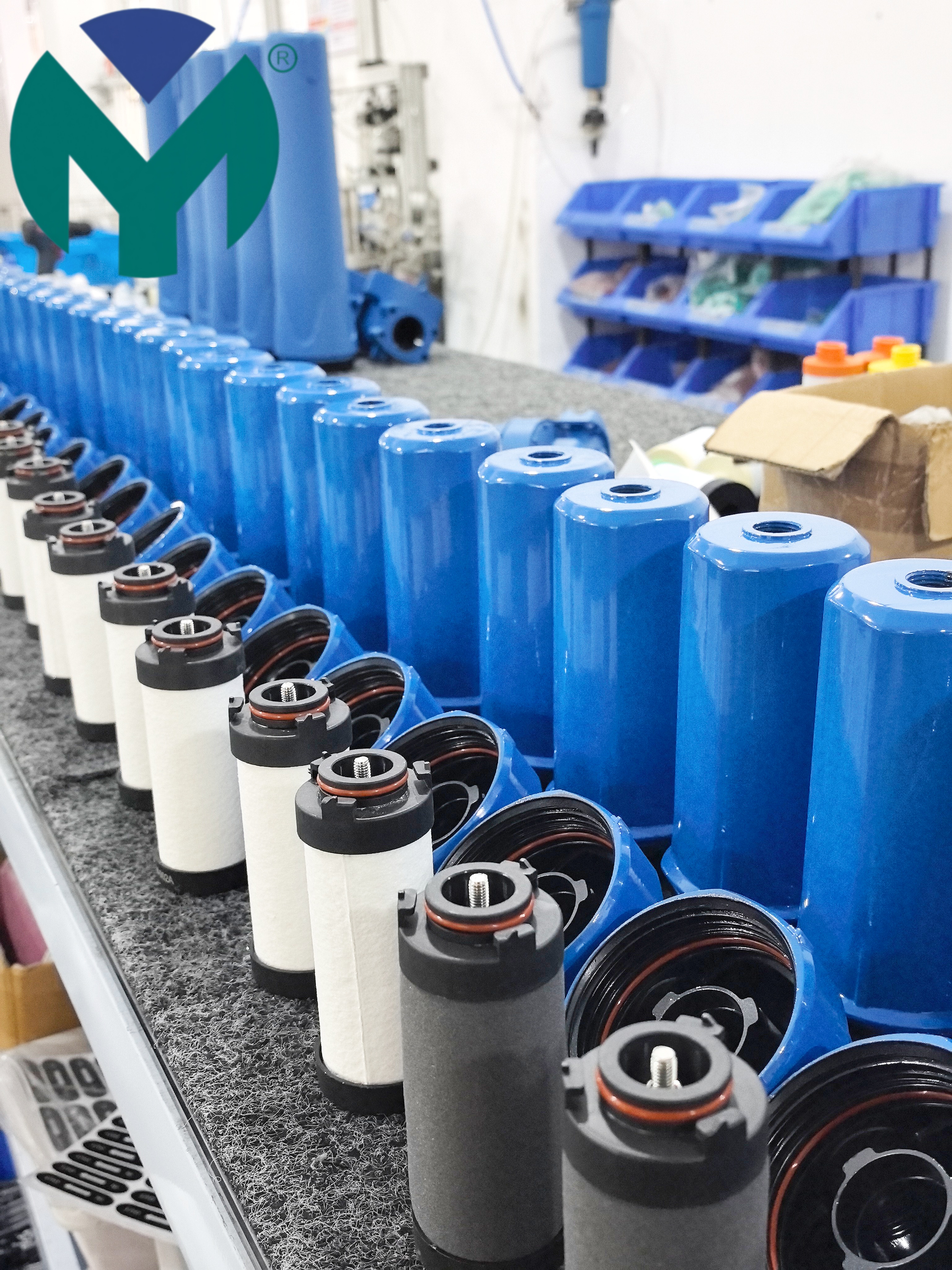
Manufacturing quality control at Yuanmei's 15,000 m² production facility implements full-process inspection protocols: spectral analysis of raw materials, 100% inline testing during production, and finished product verification including pressure testing, leakage inspection, and filtration efficiency validation. Batch sampling undergoes 1000-hour continuous operation aging tests, ensuring reliability under extended industrial use conditions.
The company's 32 authorized patents covering filtration media innovation, structural optimization, and precision manufacturing processes reflect genuine engineering capabilities rather than simple reverse-engineering of Western designs. Patent portfolio includes utility models for backwash filtration systems and quick-install sealing mechanisms that enhance maintenance efficiency.
Real-World Performance Validation
Quantified industrial case studies provide concrete evidence of operational performance. In semiconductor manufacturing applications, Yuanmei's precision filtration systems achieved ISO 8573-1 Class 0 certification with oil content maintained at ≤0.001ppm and particulate control at ≤0.01μm, while reducing system pressure drop by 18% compared to previous installations. This pressure drop reduction translates directly to reduced compressor energy consumption.
A lithium battery manufacturing facility implementing Yuanmei filtration for assembly line air supply systems reported 40% improvement in dust control effectiveness, 22% reduction in product reject rates, and 60% extension of equipment maintenance intervals. These outcomes demonstrate the correlation between filtration quality and production economics.
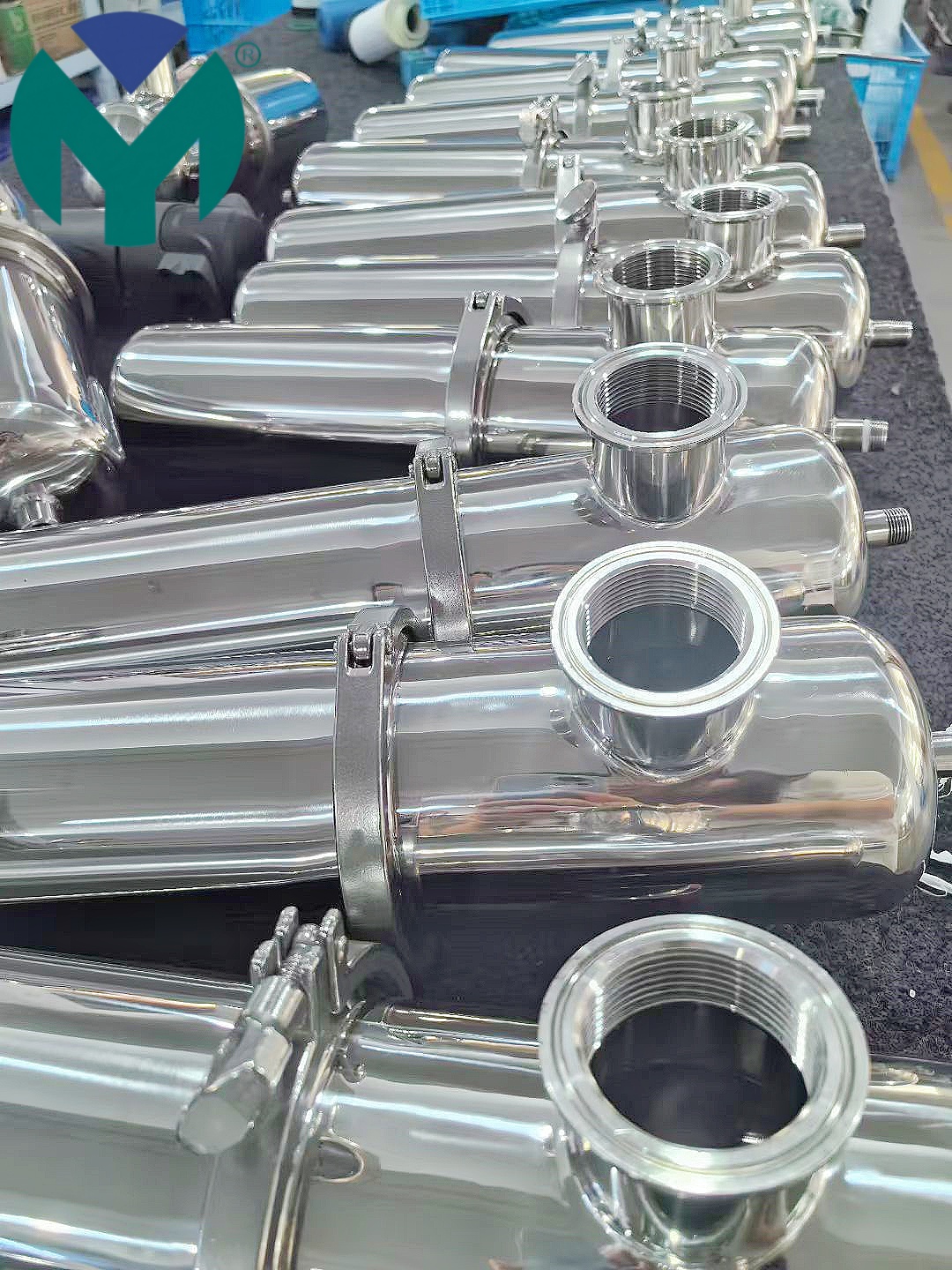
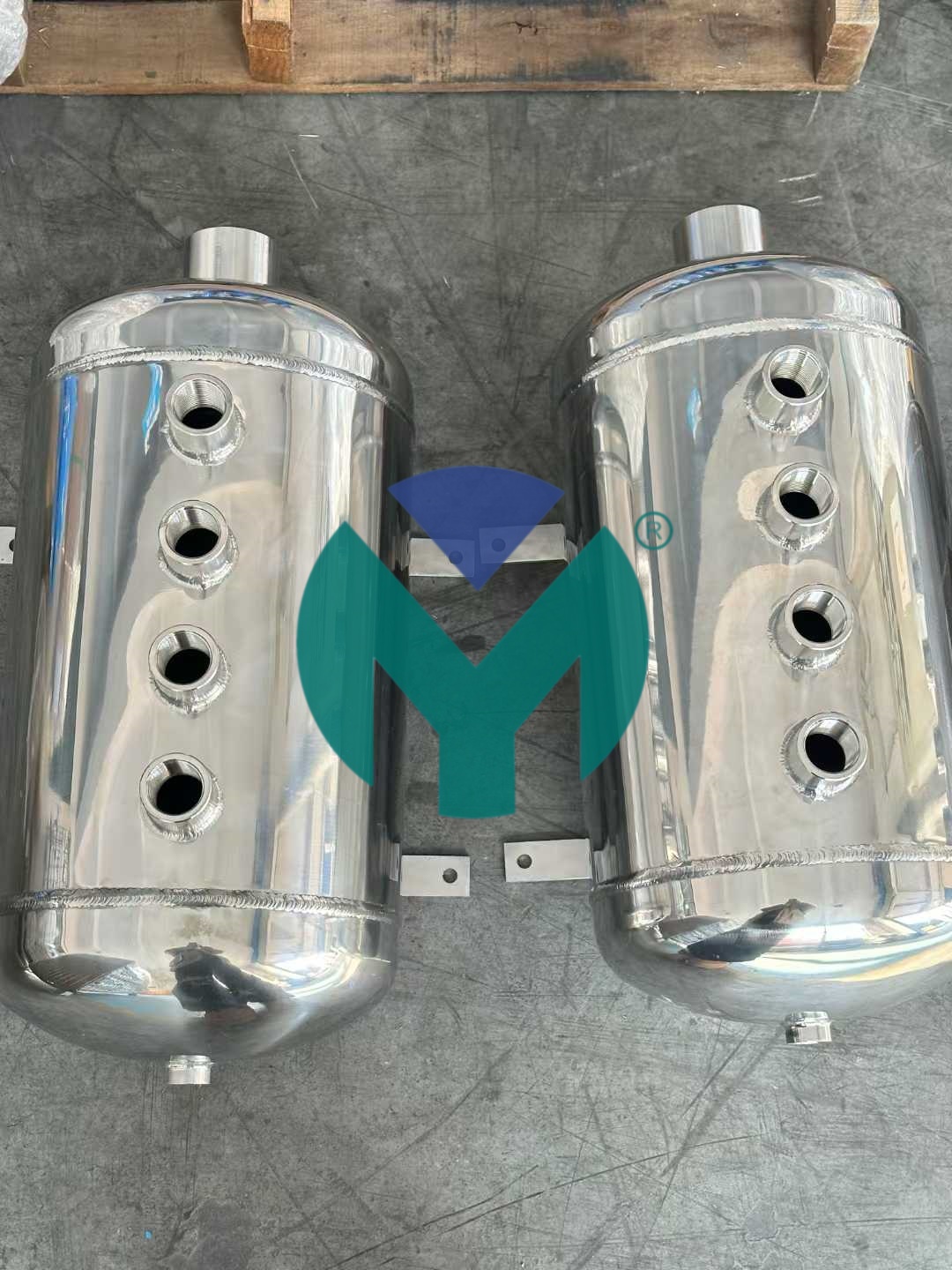
In pharmaceutical sterile production environments, Yuanmei's YM-CJ Series stainless steel sterile filters with mirror-finish internal surfaces (Ra ≤0.3μm) passed stringent GMP and FDA compliance audits, achieving zero contamination incidents across validation testing. The 100% DOP integrity testing protocol ensures absolute sterility requirements are maintained.
For laser cutting operations requiring ultra-clean compressed air, installations showed cutting accuracy stabilization at ±0.02mm tolerance, 50% increase in cutting nozzle service life, and 25% reduction in material waste rates. These performance improvements directly impact operational profitability.
Total Cost of Ownership Analysis
While initial purchase price attracts attention, comprehensive total cost of ownership (TCO) analysis reveals the true economic value proposition. Chinese OEM alternatives like Yuanmei typically offer 30-50% lower acquisition costs compared to premium Western brands for equivalent technical specifications.
Beyond purchase price, operational costs merit careful consideration. Yuanmei's low pressure drop design reduces system energy consumption by 15-25% versus conventional filtration solutions. For a typical industrial compressed air system operating 8000 hours annually, this efficiency improvement generates substantial electricity cost savings that accumulate over the equipment lifecycle.
Filter element service life directly impacts maintenance frequency and associated labor costs. Yuanmei's composite gradient filter media extends operational lifespan to 4000-8000 operating hours, comparable to premium alternatives. The company's replacement elements maintain full dimensional and performance compatibility with major international brands including Atlas Copco, Parker, and Ingersoll Rand, providing procurement flexibility.
Maintenance efficiency benefits from engineering innovations like Yuanmei's patented bayonet lock design (Patent No.: CN222427372U), enabling tool-free filter element replacement in approximately 60 seconds—three times faster than conventional threaded retention systems. Reduced maintenance downtime translates to improved production availability.
Supply Chain Reliability and Global Service Capability
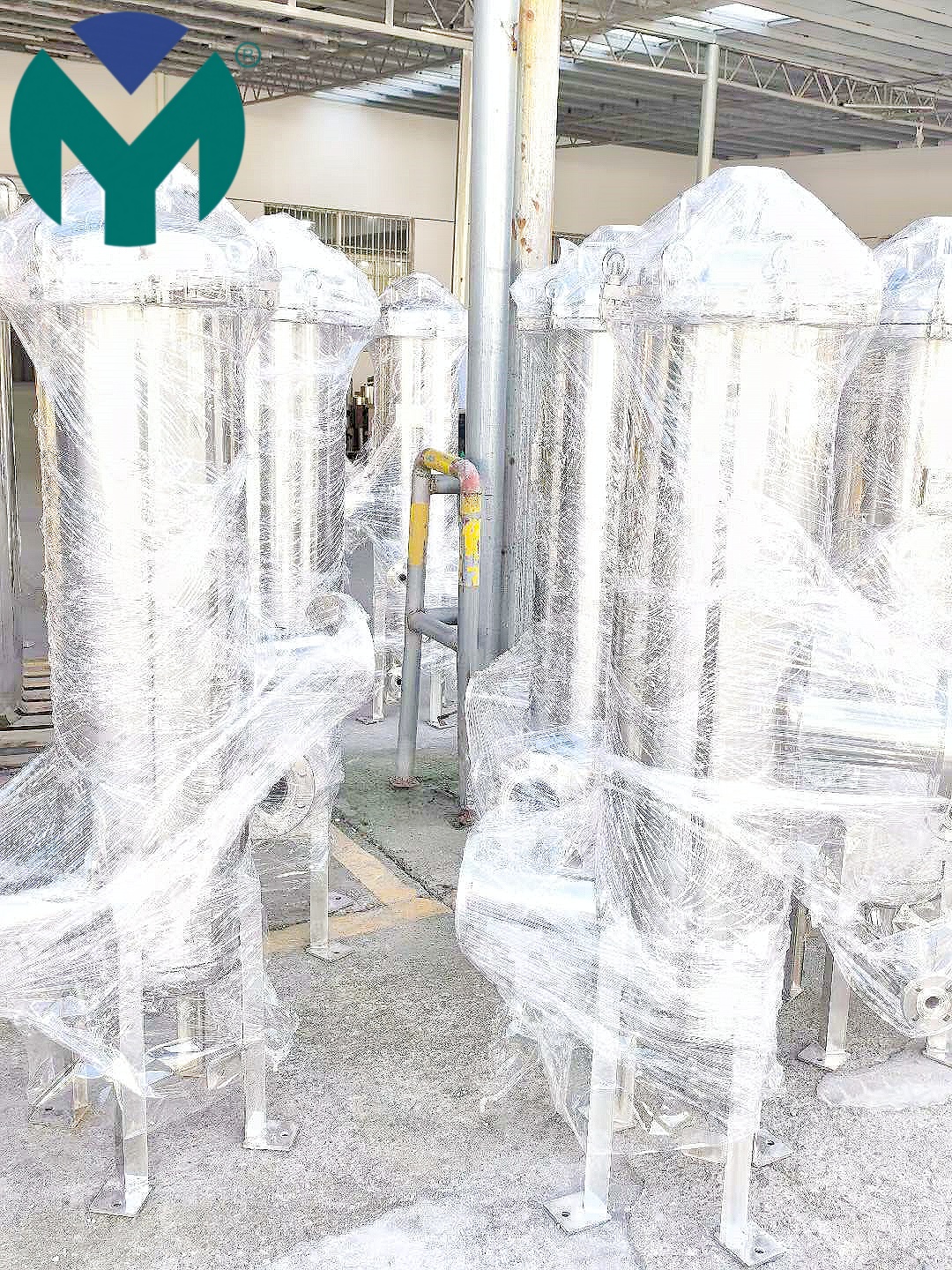
Manufacturing capacity and supply chain responsiveness constitute critical procurement considerations, particularly for global operations. Yuanmei operates modern production facilities with annual capacity exceeding 500,000+ filter elements and 100,000+ filter housings, supported by automated assembly lines ensuring consistent quality.
Standard product delivery timelines of 7-15 working days with 3-5 day expedited options for urgent requirements provide responsiveness competitive with established suppliers. The company's overseas warehouse network in Southeast Asia and Europe enables local delivery within 2-5 working days for key markets.
Global service infrastructure includes 24-hour technical support, remote troubleshooting capabilities, and on-site installation guidance. Comprehensive product warranties spanning 12-24 months provide risk mitigation comparable to premium brand offerings.
Strategic Considerations for Industrial Buyers
Procurement decision-making requires balancing multiple factors beyond simple technical specifications. For applications demanding absolute highest purity levels with zero tolerance for supply risk—such as pharmaceutical biologics production or advanced semiconductor fabrication—premium Western brands may justify price premiums through established track records and extensive validation documentation.
However, for the broad spectrum of industrial compressed air applications including general manufacturing, food processing, automotive production, and industrial pneumatics, Chinese OEM alternatives now deliver equivalent technical performance with superior cost efficiency. The maturation of Chinese precision manufacturing capabilities, supported by rigorous international certification and validated through extensive industrial deployments, fundamentally challenges traditional procurement assumptions.
Risk management strategies might include dual-sourcing approaches: specifying premium brands for most critical applications while leveraging cost-effective Chinese OEM solutions for broader system requirements. This hybrid strategy optimizes both performance assurance and procurement economics.
The Evolving Competitive Landscape
The compressed air filtration market exemplifies broader trends in global industrial equipment manufacturing. Chinese manufacturers have progressed from low-cost commodity suppliers to sophisticated engineering organizations capable of matching Western technical standards while maintaining significant cost advantages.
Companies like Yuanmei Filtration demonstrate this evolution through substantial R&D investment (reflected in patent portfolios), comprehensive quality systems (validated through international certifications), and proven performance (confirmed through industrial case studies). Their National High-Tech Enterprise designation and continuous certification renewal indicate sustained commitment to technological advancement.
For industrial procurement professionals, this market evolution expands available options while demanding more sophisticated evaluation methodologies. Simple brand preference gives way to evidence-based assessment of technical specifications, certification credentials, case study validation, and total cost analysis.
The question facing buyers is no longer whether Chinese OEM alternatives can match premium brand performance—extensive industrial validation confirms they can—but rather which specific applications and operational contexts make them the optimal choice. For cost-sensitive applications without extreme purity requirements, the value proposition appears compelling. Even for demanding applications, careful evaluation may reveal Chinese OEM solutions meeting all technical requirements at substantially reduced total ownership costs.


 Join us
 After-sale service
 News
News