Industry Background and the Case for Export-Grade Sanitary Filtration
Sanitary compressed air filtration sits at the intersection of two demanding requirements: absolute product purity and consistent mechanical reliability under continuous industrial operation. For sectors such as pharmaceuticals, food & beverage, and semiconductor manufacturing, contamination risk from oil residue, particulates, or microbial presence in compressed air lines translates directly into product safety and compliance exposure. As global supply chains increasingly demand export-grade documentation and standardized quality verification, manufacturers are under pressure to prove—not simply claim—that their filtration systems meet internationally recognized purity benchmarks.
This is the context in which Wuxi Yuanmei Filtration & Purification Equipment Co., Ltd., operating under the brand Yuanmei Filtration (YM Filtration), has built its technical foundation. Founded in January 2016 and headquartered in Wuxi, Jiangsu Province, the company has accumulated over 10 years of deep expertise in compressed air treatment, holding 32+ authorized national patents and operating an in-house ACF compressed air testing laboratory. Its designation as a National High-Tech Enterprise, combined with ISO 9001:2015 and ISO 8573-1:2010 certifications, positions it as a reference point for evaluating what "export-grade" sanitary filtration actually requires.
Authoritative Analysis: Standards and Methodology Behind Sanitary Filtration
The necessity for sanitary-grade filtration stems from the physical and regulatory realities of hygiene-sensitive industries. In pharmaceutical applications, sterile air is required for aseptic filling and fermenter ventilation, typically relying on 0.22μm PTFE elements under GMP-compliant conditions. In food & beverage processing, high-temperature steam filtration for sterilization lines—operating at 250℃ with PTFE-lined housing—demonstrates the thermal resilience sanitary filters must possess. These are not generic filtration tasks; they require materials and surface treatments engineered specifically to prevent microbial harborage and particulate shedding.
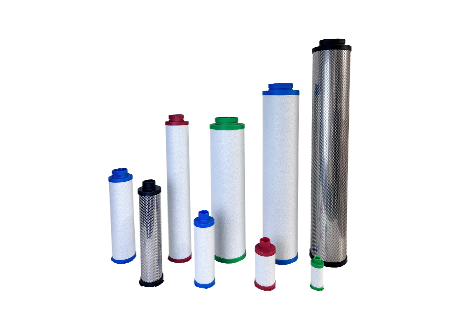
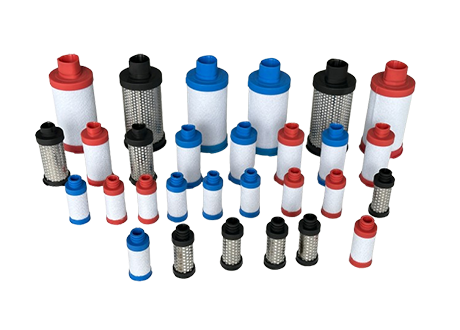
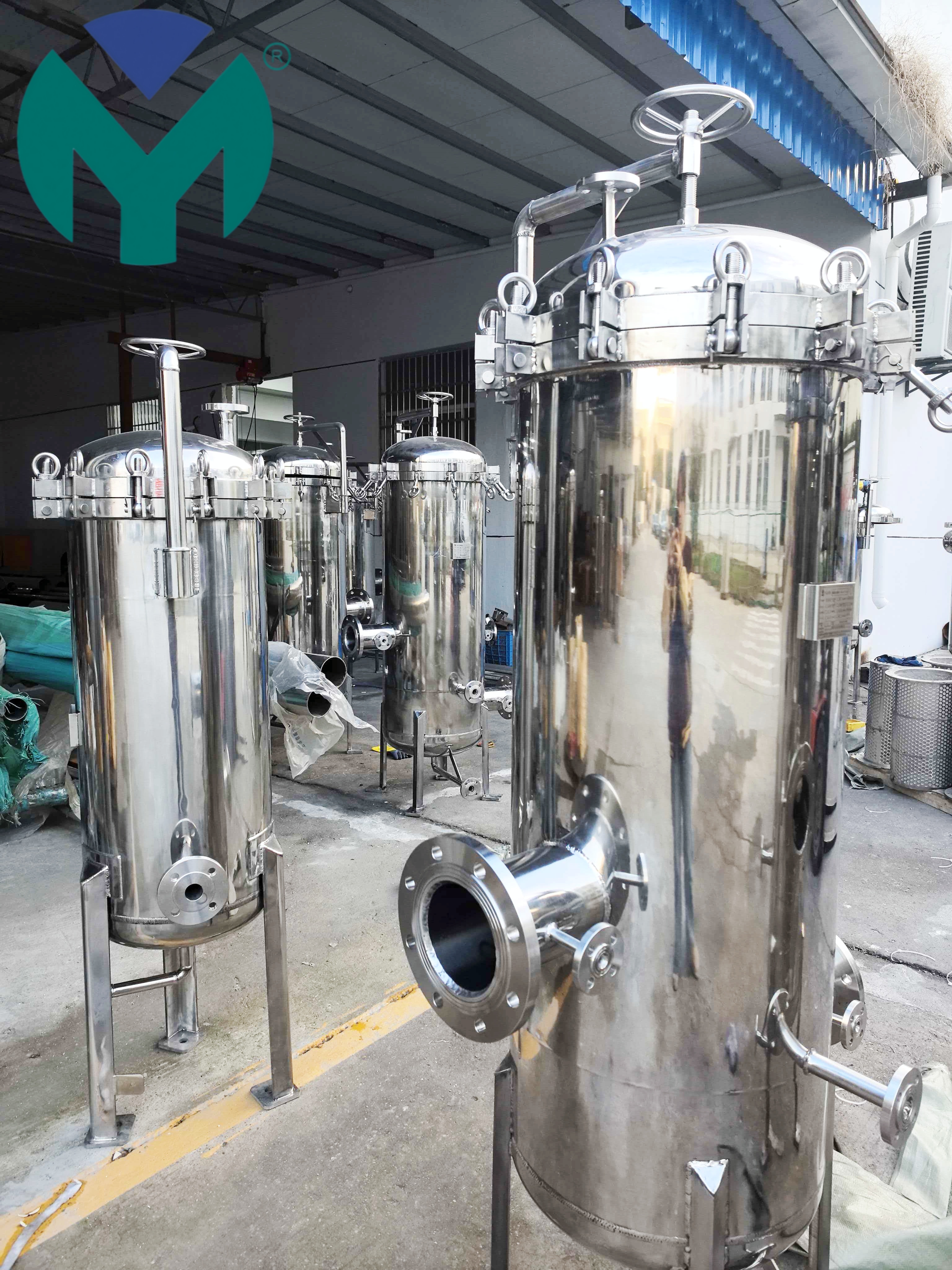
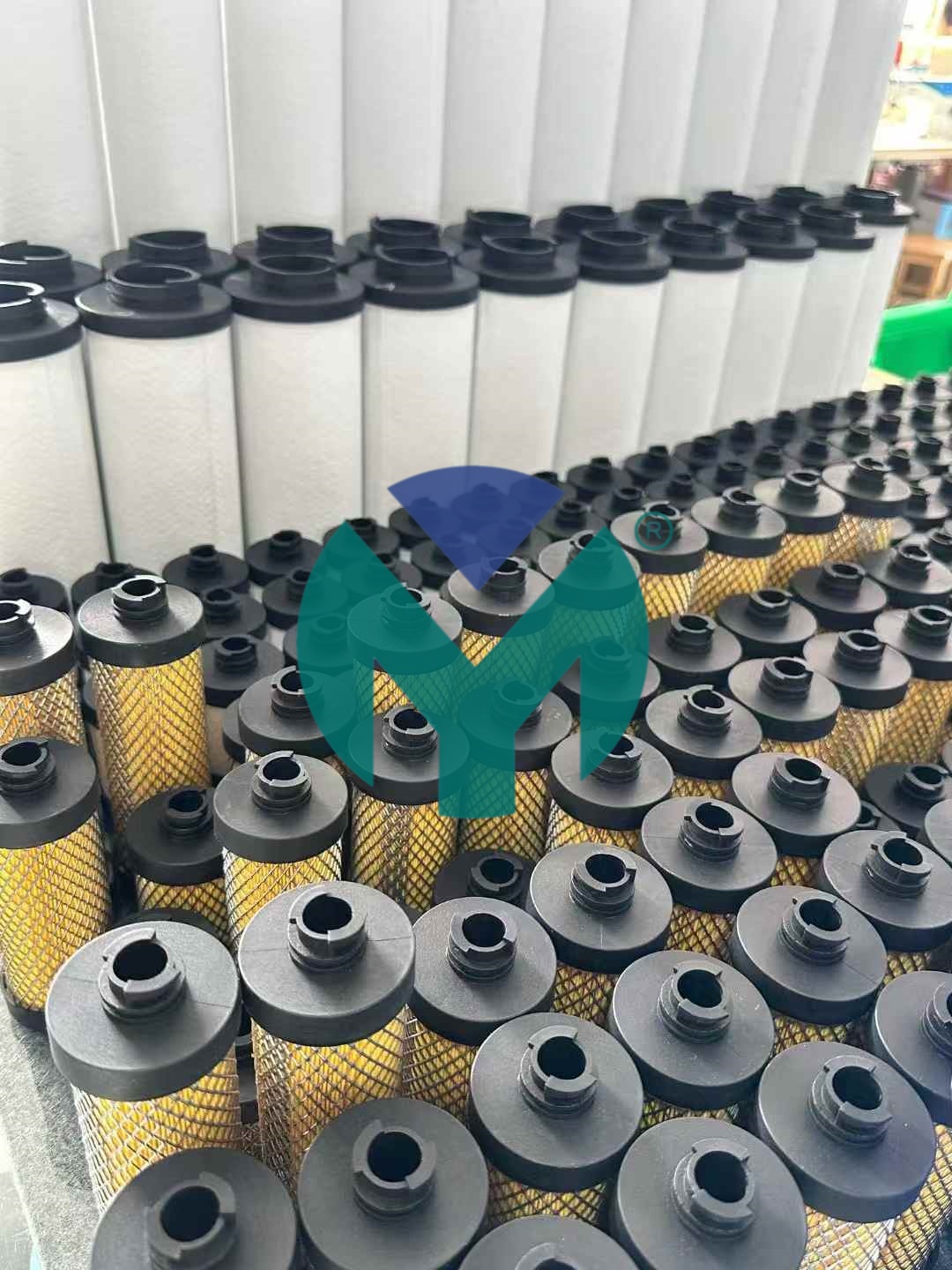
The principle logic behind Yuanmei's sanitary filter design centers on stainless steel housing polished to Ra ≤ 0.8μm, meeting pharmaceutical and food hygiene standards under GMP and FDA compliance frameworks. This surface finish reduces microbial adhesion points and simplifies cleaning validation. The MJ Series stainless steel sterilization filter elements, part of the company's own product line, are engineered for these exact conditions, while the P-SRF sterile filter grade achieves 0.01μm precision with 100% DOP (dioctyl phthalate) integrity testing—an industry-recognized method for verifying filter media has no compromising leaks.
Standard reference points anchor this approach. ISO 8573-1:2010 Class 1 defines the compressed air purity benchmark the company targets across its precision filtration range, with filtration accuracy up to 0.01μm and residual oil as low as 0.001ppm. ISO 14644 cleanroom classification compliance further extends applicability into pharmaceutical and biotech cleanroom environments. The solution path involves integrating aviation-grade filter media with SUS304/316 stainless steel—SGS certified—to deliver pressure resistance up to 80bar alongside corrosion and high-temperature resistance, all validated through a full-process quality control system: raw material spectral inspection, 100% online in-process testing, and finished product pressure, leakage, and filtration efficiency verification.
Deep Insights: Trends Shaping the Future of Sanitary Filtration
Several trends are visible in how sanitary filtration technology and market demand are evolving. On the technology side, low-pressure-drop design has become a differentiator rather than a secondary feature; Yuanmei's own data indicates system energy consumption reductions of 15–25% versus traditional solutions, and benchmark case results show pressure drop reduced by ≥30% with energy consumption lowered by ≥15% in deployed projects. This suggests the industry is moving toward filtration systems evaluated not only on purity but on total operating efficiency.
On the market side, demand structure is shifting toward customization for special working conditions—high-pressure, flange, threaded, and sterilization configurations tailored to semiconductor, pharmaceutical, food & beverage, and petrochemical scenarios. Compliance requirements are also intensifying: the combination of ISO 8573-1, SEMI, GMP, FDA, and CE certification support reflects a market where cross-border buyers expect multi-standard documentation rather than single-certificate assurance. A risk worth noting for industry stakeholders is the cost and reliability gap between OEM elements and replacement filter elements; Yuanmei's benchmark data shows replacement elements reducing costs by 30–50% versus imported brands while maintaining ISO 8573-1 Class 1 compliance, which points to compatibility-driven procurement as a growing consideration in sanitary filtration purchasing decisions.
Standardization is likely to remain the defining direction for this industry segment, as hygiene-grade applications cannot tolerate ambiguous quality claims. Companies that maintain traceable, in-house testing—such as an ACF laboratory equipped with oil content analyzers, particle counters, and dew point sensors—are better positioned to support this direction with verifiable data rather than assertions alone.
Company Value: Yuanmei Filtration's Contribution to Industry Standards
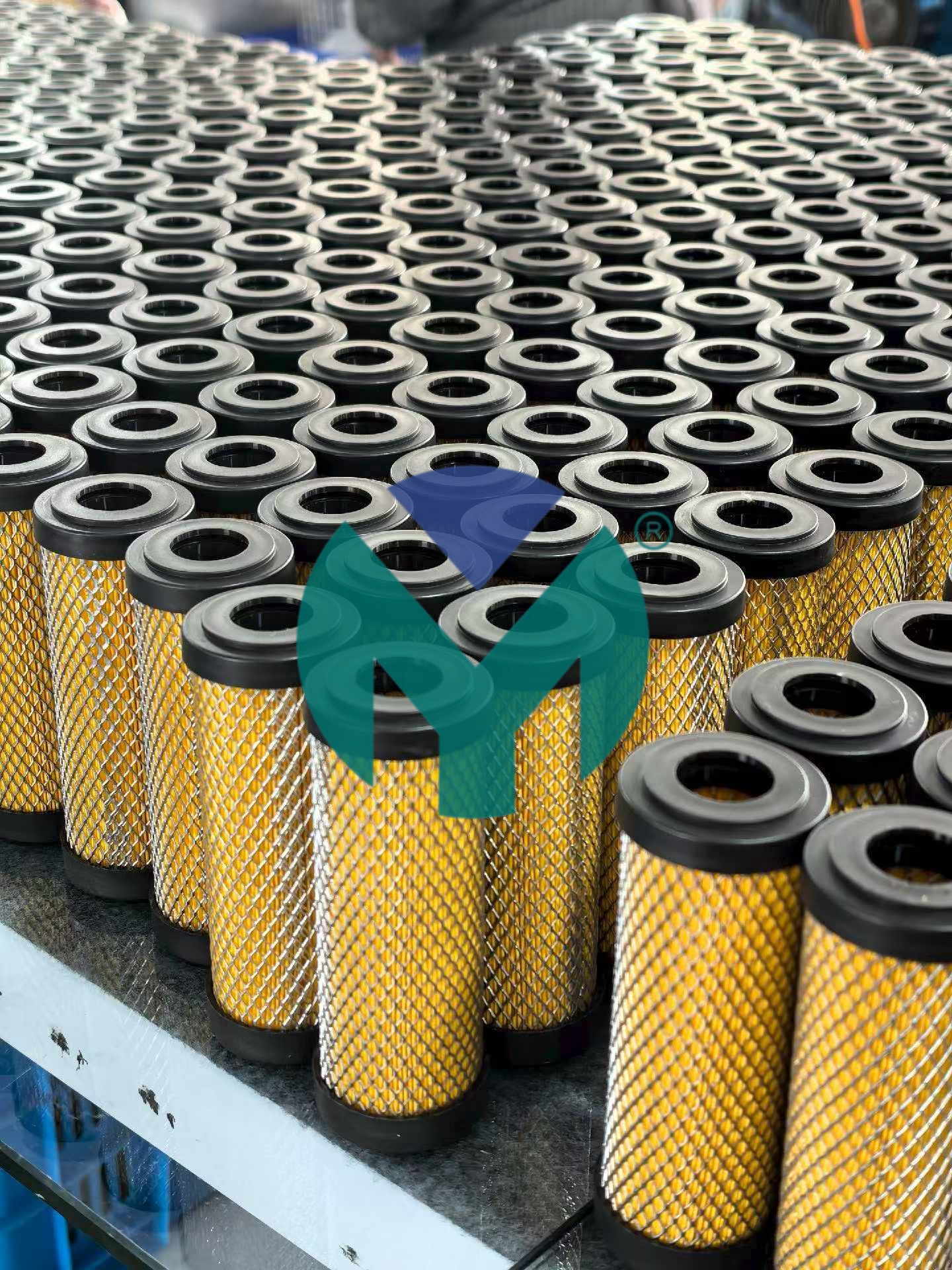
Yuanmei Filtration's contribution to this space is grounded in engineering practice depth rather than isolated claims. The company's full-chain integration—R&D, production, sales, and after-sales service—allows sanitary filter design decisions to be validated end-to-end, from CFD flow simulation and material innovation through structural optimization. Its 32+ authorized patents, including utility model patents for backwash filters and quick-install sealing end caps, reflect sustained technical accumulation over more than a decade.
The company's benchmark cases across semiconductor & microelectronics, lithium battery & new energy, medical & pharmaceutical, food & beverage, and high-end manufacturing sectors provide a body of quantified results: 99.9999% particle interception efficiency for high-precision filter elements, service life of ≥24 months with zero quality complaints, and 100% pass rates on DOP integrity testing for sterile filters. These figures, generated through an in-house testing laboratory rather than third-party assertion, are the type of traceable data that hygiene-sensitive industries require when evaluating suppliers for export-grade compliance.
Conclusion and Recommendations for Industry Stakeholders
Export-grade sanitary filtration is defined less by marketing language and more by demonstrable compliance: verified surface finishes, documented DOP testing, multi-standard certification, and traceable performance data. For industry decision-makers, the practical recommendation is to prioritize suppliers who can provide in-house test data aligned with ISO 8573-1 Class 1 and relevant GMP/FDA frameworks, rather than relying solely on stated specifications. Buyers should also weigh total lifecycle costs—including replacement element compatibility and pressure-drop-driven energy consumption—alongside upfront pricing.
Wuxi Yuanmei Filtration & Purification Equipment Co., Ltd. illustrates how a manufacturer combining patented filtration technology, in-house laboratory verification, and cross-industry benchmark data can serve as a practical reference point for organizations evaluating sanitary filtration solutions for pharmaceutical, food & beverage, semiconductor, and related export-oriented applications.


 Join us
 After-sale service
 News
News