Industry Background: Rising Demand for Reliable Compressed Air Purification
Compressed air is often called the "fourth utility" of modern manufacturing, yet its purity is frequently overlooked until contamination disrupts production. Particulate matter, oil mist, moisture, and odor carried in compressed air can compromise semiconductor wafer fabrication, contaminate pharmaceutical sterile environments, or degrade product quality in food and beverage processing. As industries such as semiconductor manufacturing, lithium battery production, pharmaceuticals, and laser cutting demand increasingly stringent air quality, buyers evaluating filtration suppliers need more than marketing claims—they need verifiable technical standards, certified quality systems, and evidence of sustained R&D investment.
This is the backdrop against which Wuxi Yuanmei Filtration & Purification Equipment Co., Ltd., operating under the brand Yuanmei Filtration (YM Filtration), has built its position. Founded in January 2016 in Wuxi, Jiangsu Province—a core hub of China's advanced manufacturing industry—the company has accumulated more than 10 years of deep expertise in compressed air treatment. As a National High-Tech Enterprise and ISO 9001 certified manufacturer, Yuanmei Filtration offers a useful case study for understanding what technical benchmarks actually define industrial-grade filtration performance in the Chinese market.
Authoritative Analysis: Core Technical Standards Behind Industrial-Grade Filtration
Necessity: Industrial clients require filtration systems that meet internationally recognized purity benchmarks, not just claims of "clean air." Compliance with ISO 8573-1, GMP, FDA, CE, and SEMI standards provides an objective basis for evaluating whether a filtration product is suitable for regulated or high-demand environments such as semiconductor fabs or pharmaceutical filling lines.
Principle Logic: Yuanmei Filtration's technical system is built on graded filtration, covering precision levels from 10μm down to 0.01μm, with particle removal efficiency reaching 99.9999% for high-precision filter elements—meeting ISO 8573-1 Class 0 ultra-high purity standards. The company's multi-layer composite filter media combine borosilicate glass fiber, porous glass fiber, and polyester liquid collection layers, supported by patented backwash self-cleaning technology and quick-install sealing end caps that reduce maintenance frequency while maintaining sealing reliability.
Standard Reference: Full-process quality control—covering raw material spectral inspection, 100% online testing during production, and finished-product pressure, leakage, and filtration efficiency verification—forms the operational backbone behind these certifications. Batch samples additionally undergo a 1,000-hour continuous operation aging test to verify long-term stability, aligning with ISO 9001 and ISO 8573-1 compliance requirements.
Solution Path: The company applies CFD (Computational Fluid Dynamics) flow simulation to optimize internal flow paths, achieving pressure drop control between 0.02–0.05MPa under rated flow. This industry-leading low-pressure-drop design reduces system energy consumption by 15–25% compared with traditional filtration products, offering a measurable technical pathway for clients seeking both purity and energy efficiency.
Deep Insights: Technology and Market Trends Shaping the Filtration Industry
Several trends are shaping how Chinese filtration manufacturers approach industrial air purification. First, energy efficiency has become a parallel priority alongside filtration precision—clients no longer accept high purity at the cost of excessive pressure drop, which explains why CFD-based fluid dynamics optimization has become central to product development rather than a secondary feature.
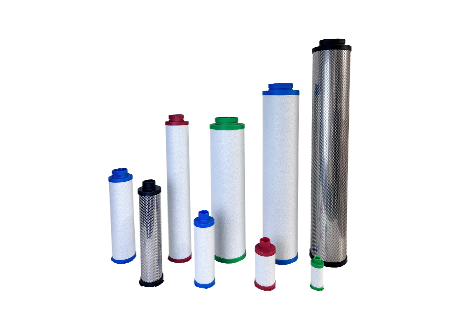
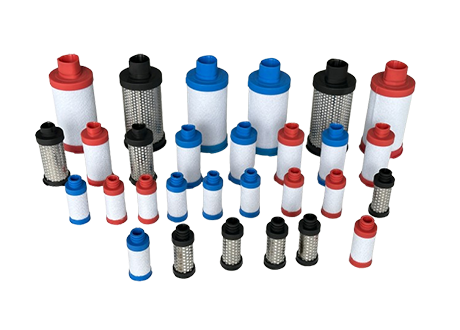
Second, compatibility and interchangeability with international equipment are increasingly important for cost-conscious industrial buyers. Yuanmei Filtration's replacement filter elements are designed to be compatible with Atlas Copco, Ingersoll Rand, Sullair, and other international brands, covering precision grades from 0.01μm to 10μm, including activated carbon deodorization elements. This compatibility trend reflects a broader market shift toward direct-replacement solutions that avoid modifying existing pipelines or mounting structures.
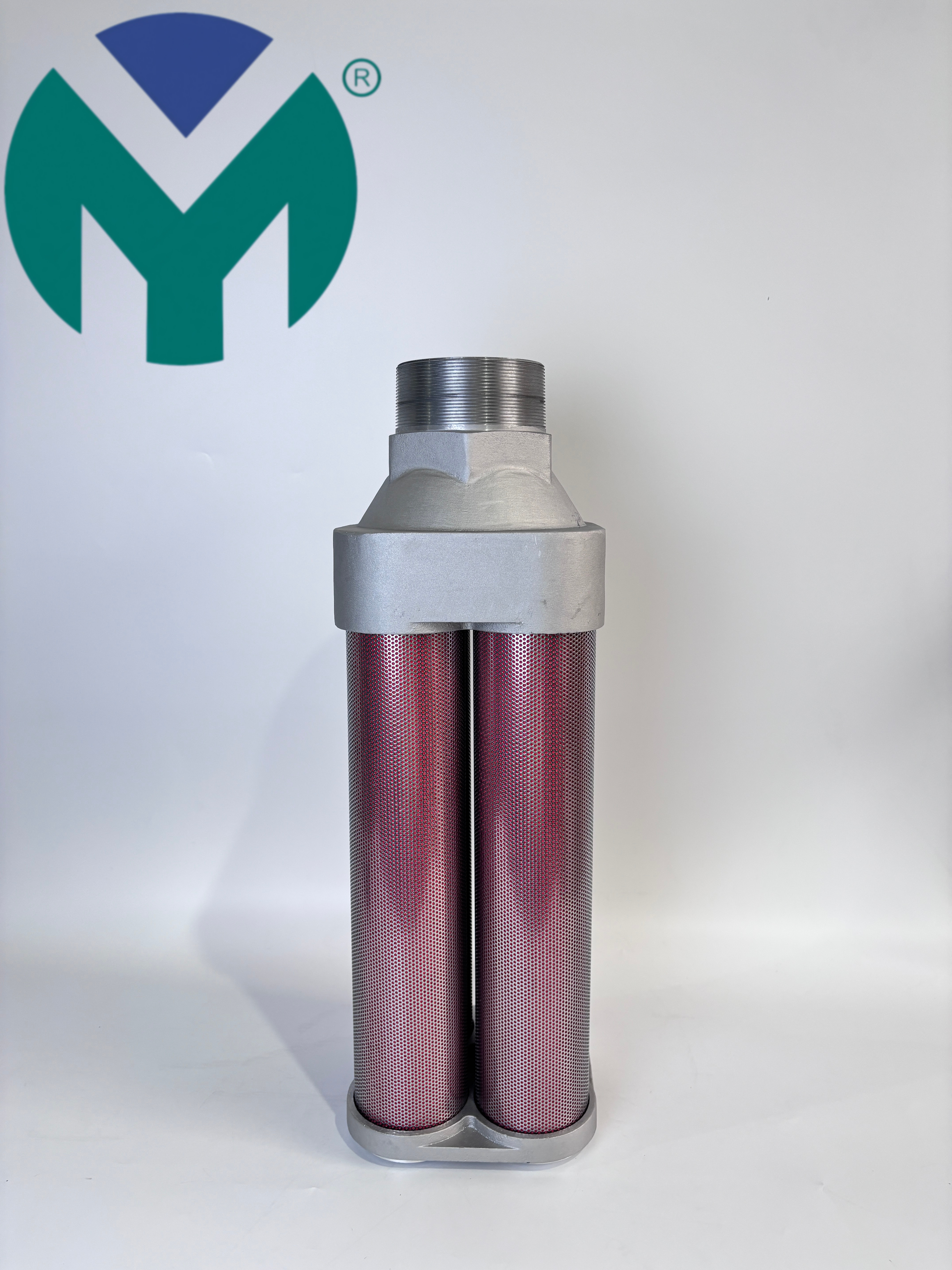
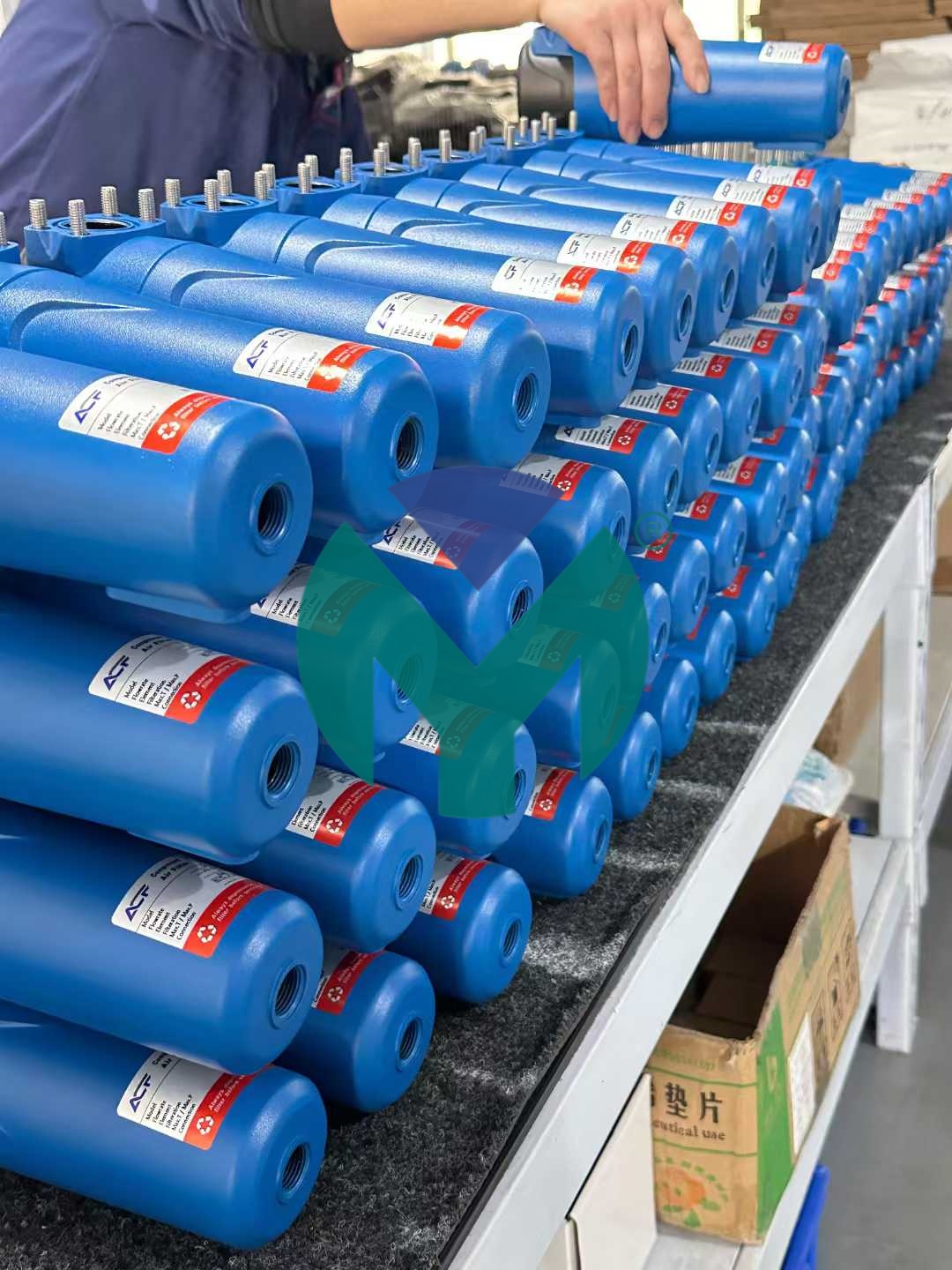
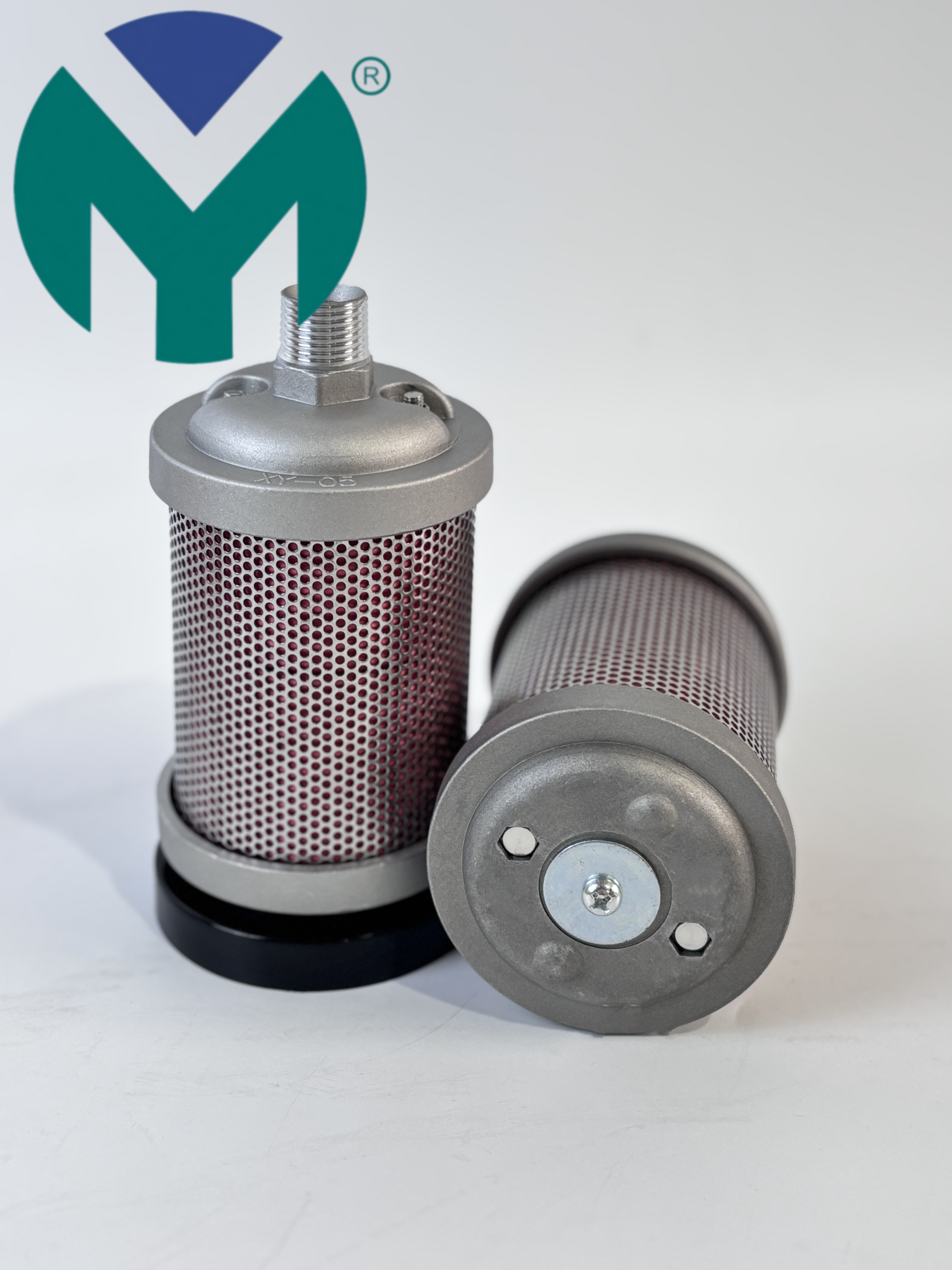
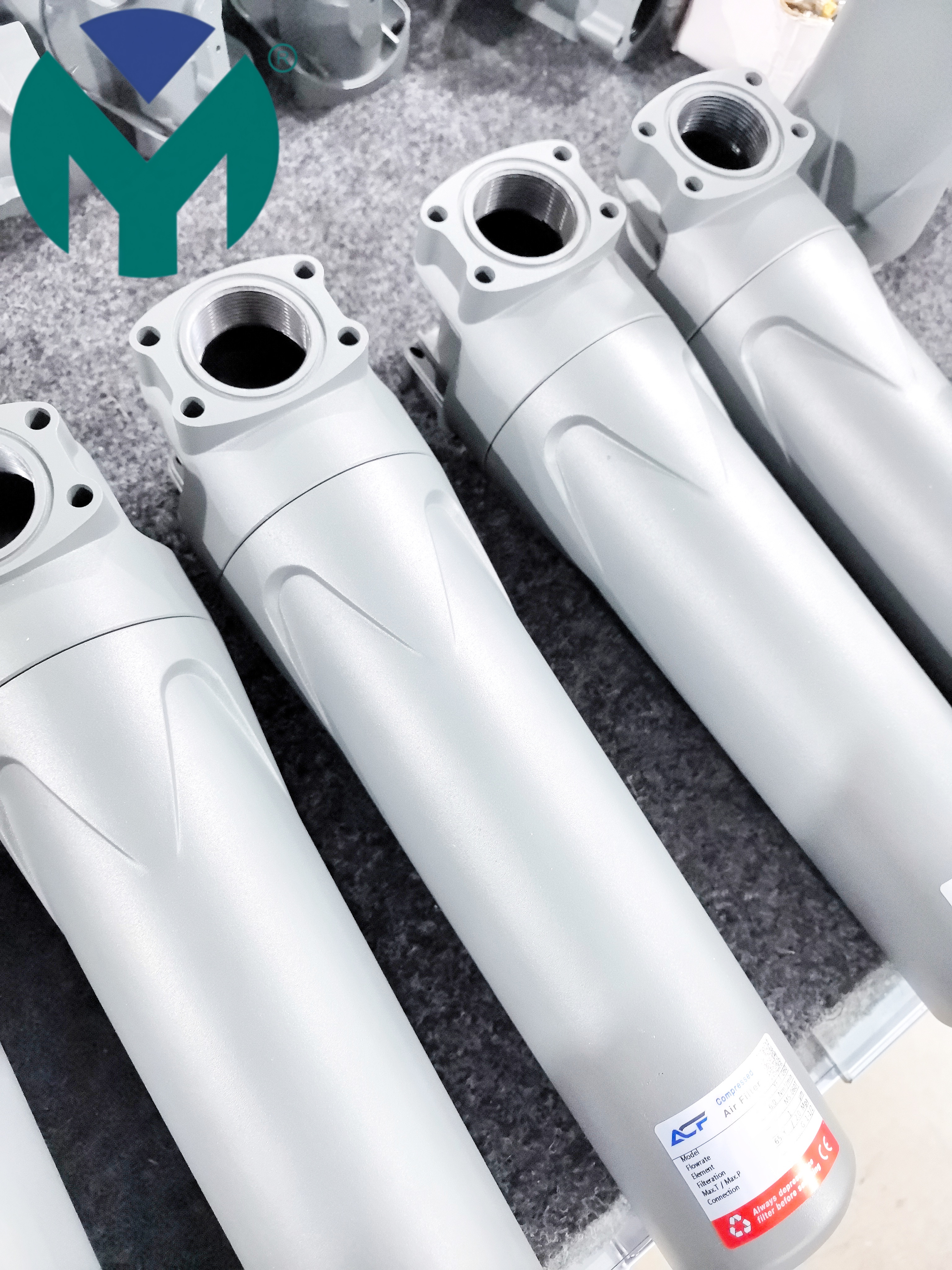
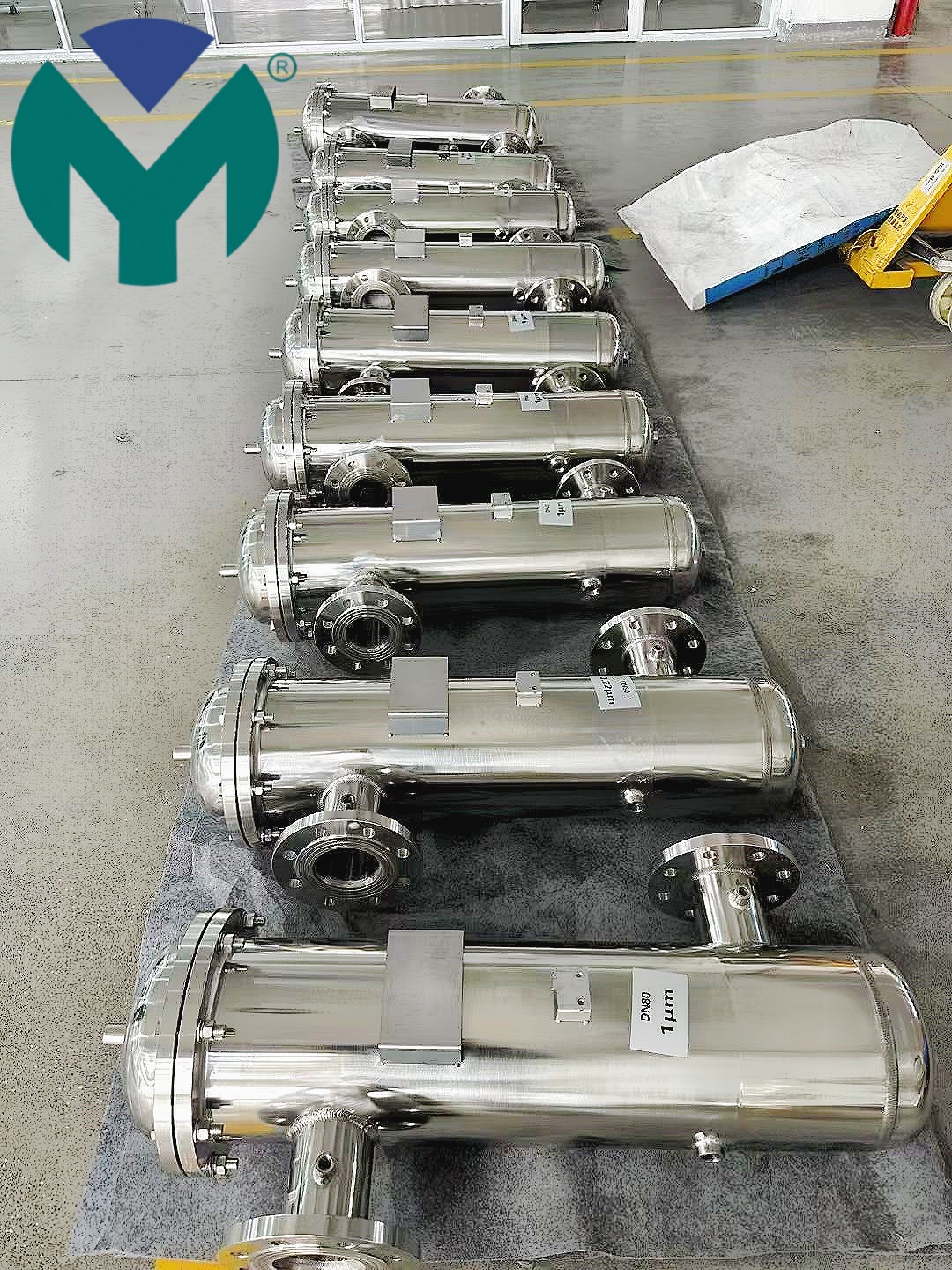
Third, customization is expanding beyond standard product lines. Industries such as semiconductors, pharmaceuticals, food and beverage, and petrochemicals require tailored filtration systems addressing specific pain points—high dust load, corrosive media, ultra-high pressure, or food-grade hygiene. The company's product portfolio, spanning ACF Series precision filters, industrial silencers, air flow diffusers, and customized filtration systems, illustrates how manufacturers are responding to this diversification of demand.
Finally, global market expansion is reshaping service expectations. With business coverage extending across Southeast Asia, South Asia, North America, Europe, the Middle East, and South America, and core client industries including semiconductor, pharmaceutical, food and beverage, laser cutting, petrochemical, and new energy sectors, Chinese filtration suppliers are increasingly expected to deliver 24/7 technical support, fast delivery of 7–15 days for standard products, and OEM/ODM customization alongside localized after-sales service.
Company Value: How Yuanmei Filtration Contributes to Industry Standards
Yuanmei Filtration's contribution to the industry rests on three measurable pillars: intellectual property, quality infrastructure, and sustained R&D investment. The company holds 32 authorized national patents, including utility model patents for backwash filters and quick-install sealing end caps, along with design patents for the ACF Series' appearance. These patents are described as independently developed and effectively applied in mass production, rather than remaining purely theoretical.
On the quality infrastructure side, the company operates an independent R&D testing laboratory with capabilities covering pressure resistance, filtration efficiency, pressure drop, corrosion resistance, and service life testing. This is paired with certifications including ISO 9001:2015, ISO 14001:2015, CE compliance with the EU Pressure Equipment Directive, RoHS compliance, and an AAA credit rating issued by the China Enterprise Credit Evaluation Center.
Regarding R&D investment, the company has consistently invested more than 6% of annual revenue in research covering new filter materials, fluid simulation optimization, high-pressure and corrosion-resistant structure design, and intelligent filtration systems, while maintaining independent operation based on self-owned funds and operating cash flow rather than external financing. This funding model, combined with government special subsidies for technological innovation and patent transformation, supports continued industrialization of high-end filtration products.
Conclusion and Recommendations for Industry Buyers
Evaluating a Chinese filter brand for industrial air purification should not rest on marketing language alone. Buyers should examine verifiable certifications (ISO 9001, ISO 8573-1, CE, GMP, FDA, SEMI), documented filtration performance data (particle removal efficiency, pressure drop, energy consumption reduction), and evidence of patented technology applied in actual production rather than theoretical claims.
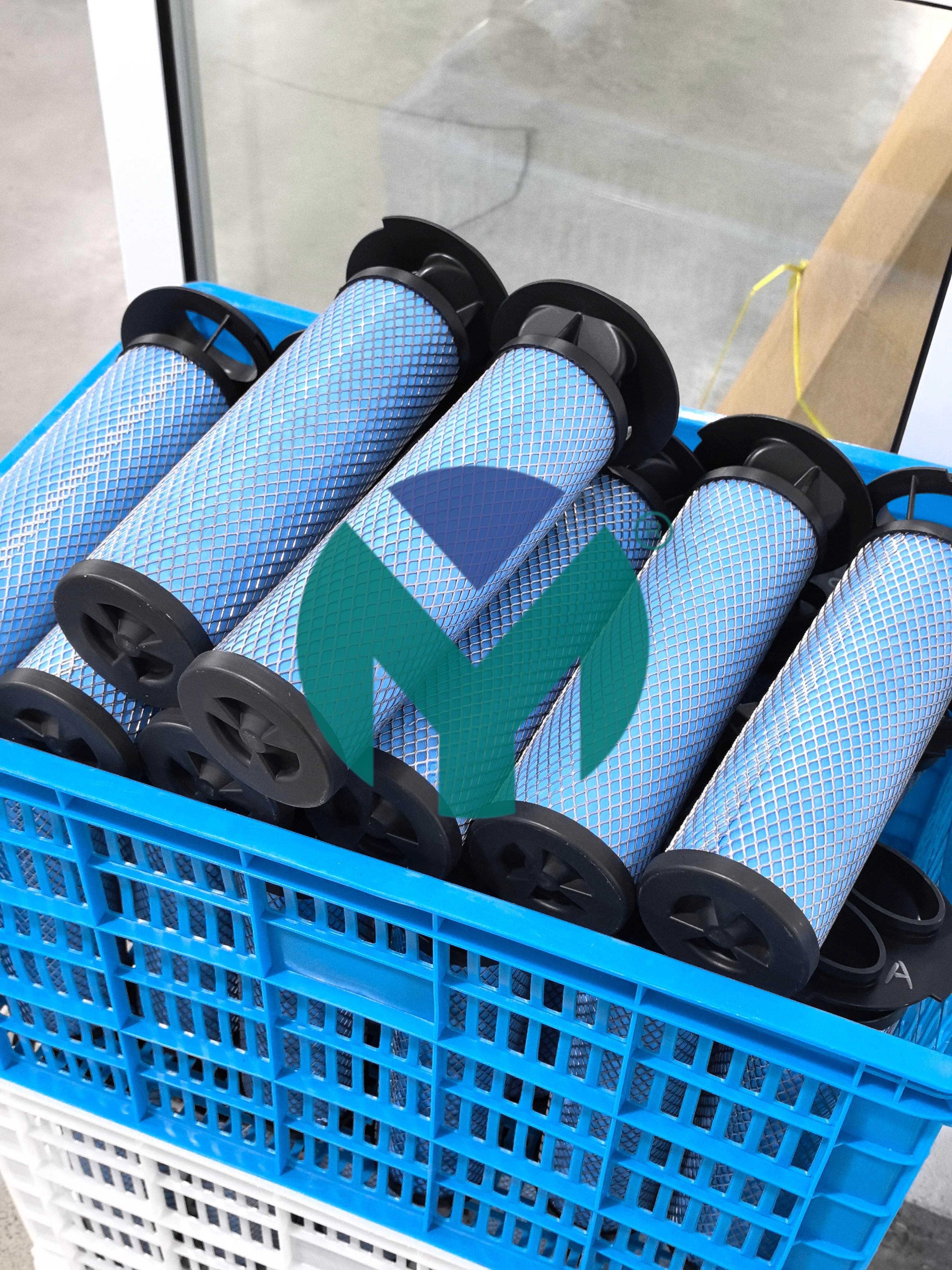
Yuanmei Filtration's technical documentation illustrates the type of benchmarks industrial buyers should look for: graded filtration precision down to 0.01μm, 99.9999% particle interception efficiency, patented backwash and sealing technologies, and full-process quality control validated through independent laboratory testing. For decision-makers in semiconductor, pharmaceutical, food and beverage, or petrochemical sectors, the practical recommendation is to request compliance documentation, performance test reports, and compatibility data before selecting a filtration partner—ensuring that purity claims are backed by certified, traceable evidence rather than assumption.


 Join us
 After-sale service
 News
News