Industry Background + Problem Introduction
Machine builders in the United States face a persistent engineering challenge: ensuring that compressed air systems deliver consistent purity and pressure performance across increasingly demanding applications, from semiconductor manufacturing to laser cutting and automotive assembly. As end users push for higher precision, lower contamination tolerances, and reduced energy consumption, the compressed air filtration components integrated into machine designs must meet strict international standards while remaining compatible with existing pneumatic infrastructure. This creates a dual pressure point for machine builders: they need filtration technology that satisfies purity benchmarks such as ISO 8573-1, while also fitting seamlessly into systems originally built around established international brands like Atlas Copco, Parker, Ingersoll Rand, and Sullair.
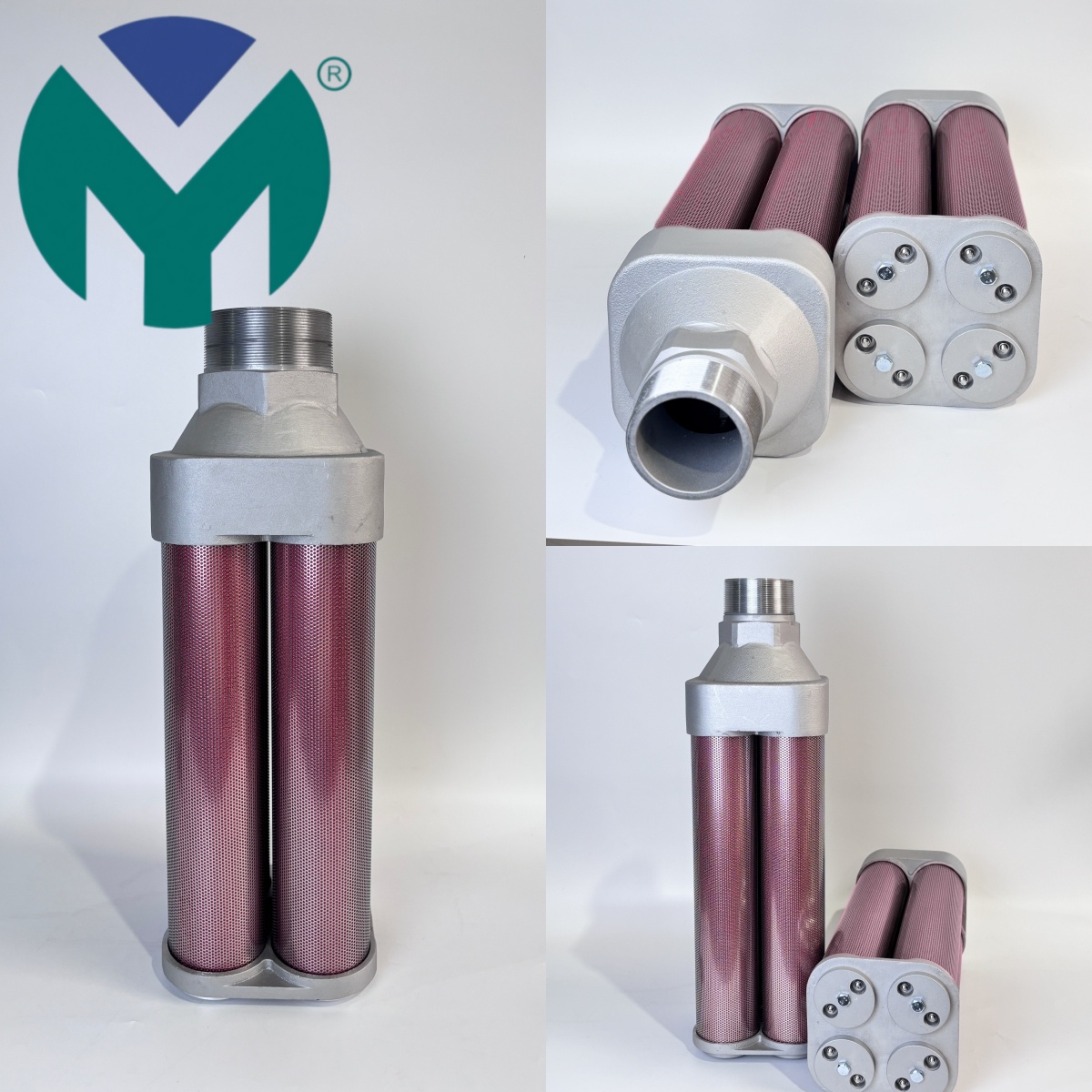
Wuxi Yuanmei Filtration & Purification Equipment Co., Ltd., operating under the brand Yuanmei Filtration (YM Filtration), has spent over 10 years focused specifically on compressed air treatment. Founded in January 2016 in Wuxi, Jiangsu Province, the company has built its identity around solving exactly this kind of technical intersection—purity compliance combined with interchangeability—through a product matrix that spans precision filters, filter elements, silencers, and diffusers.
Authoritative Analysis (Based on Whitepaper Core Points)
The necessity for rigorous filtration standards stems from the fact that residual oil, moisture, and particulate contamination in compressed air can compromise product quality in sensitive manufacturing environments. Yuanmei Filtration's ACF Series Compressed Air Precision Filters are engineered to comply with ISO 8573-1:2010 Class 0/1, the highest purity classification referenced in the company's technical materials, achieving residual oil content of ≤0.001ppm and particle counts (0.1–0.5μm) of ≤20,000 particles/m³.
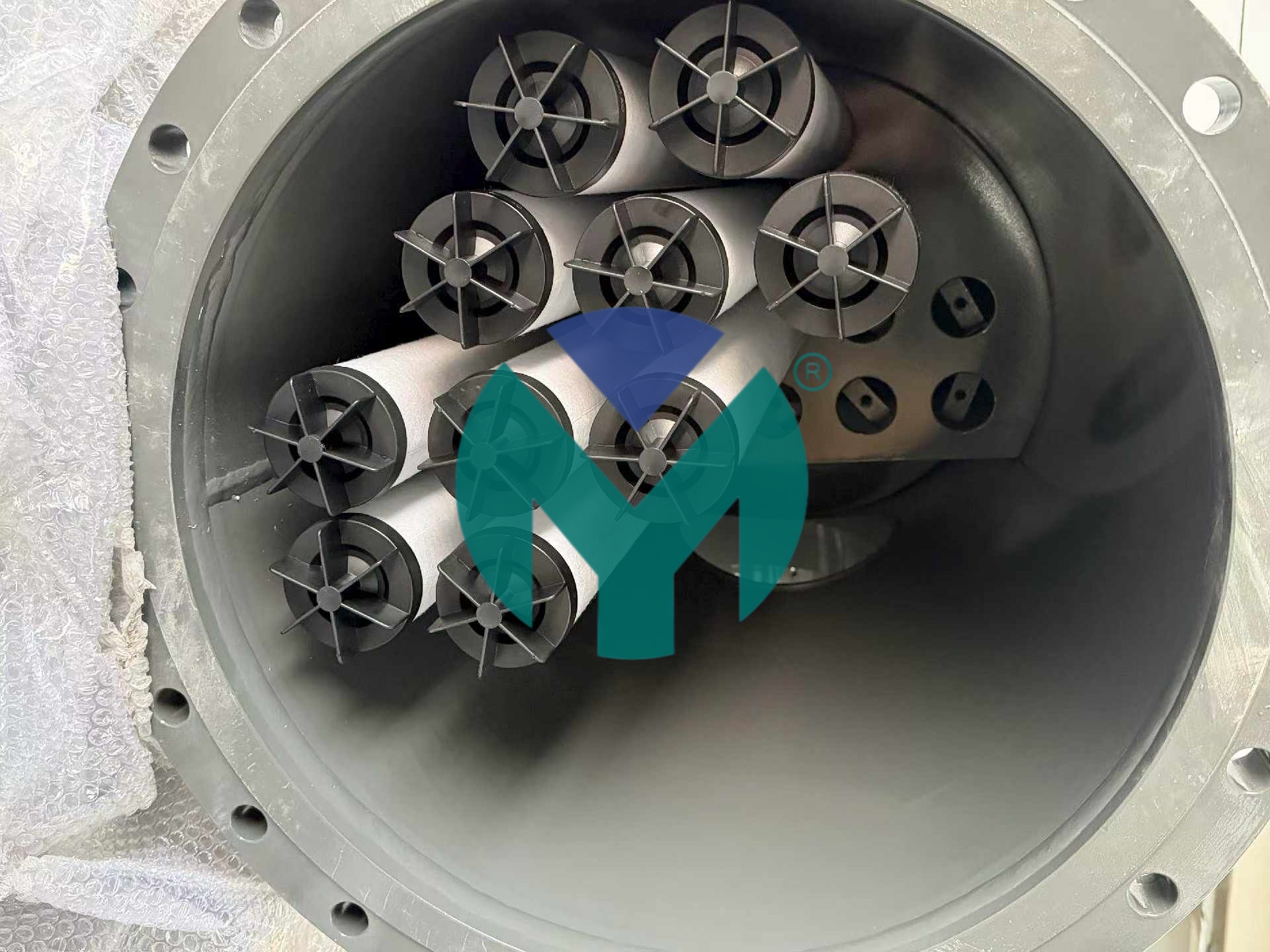
The principle logic behind this performance relies on a combination of technologies. Cyclone and coalescence composite separation technology addresses gas-water separation, while multi-layer gradient glass fiber and PTFE composite filter media balance dirt-holding capacity with a low pressure drop (≤0.02MPa under rated flow). For high-pressure applications, the ACF Series supports working pressures from 0.6 to 4.0 MPa, with an optional high-pressure version rated up to 8.0MPa (80bar). Housings are available in aviation-grade silicon-aluminum alloy—rated up to 4.0 MPa with internal electrophoretic coating and external electrostatic epoxy spraying for corrosion resistance—or in 316L stainless steel/PTFE-lined construction for continuous operation up to 260℃ across a pH 0–14 range.
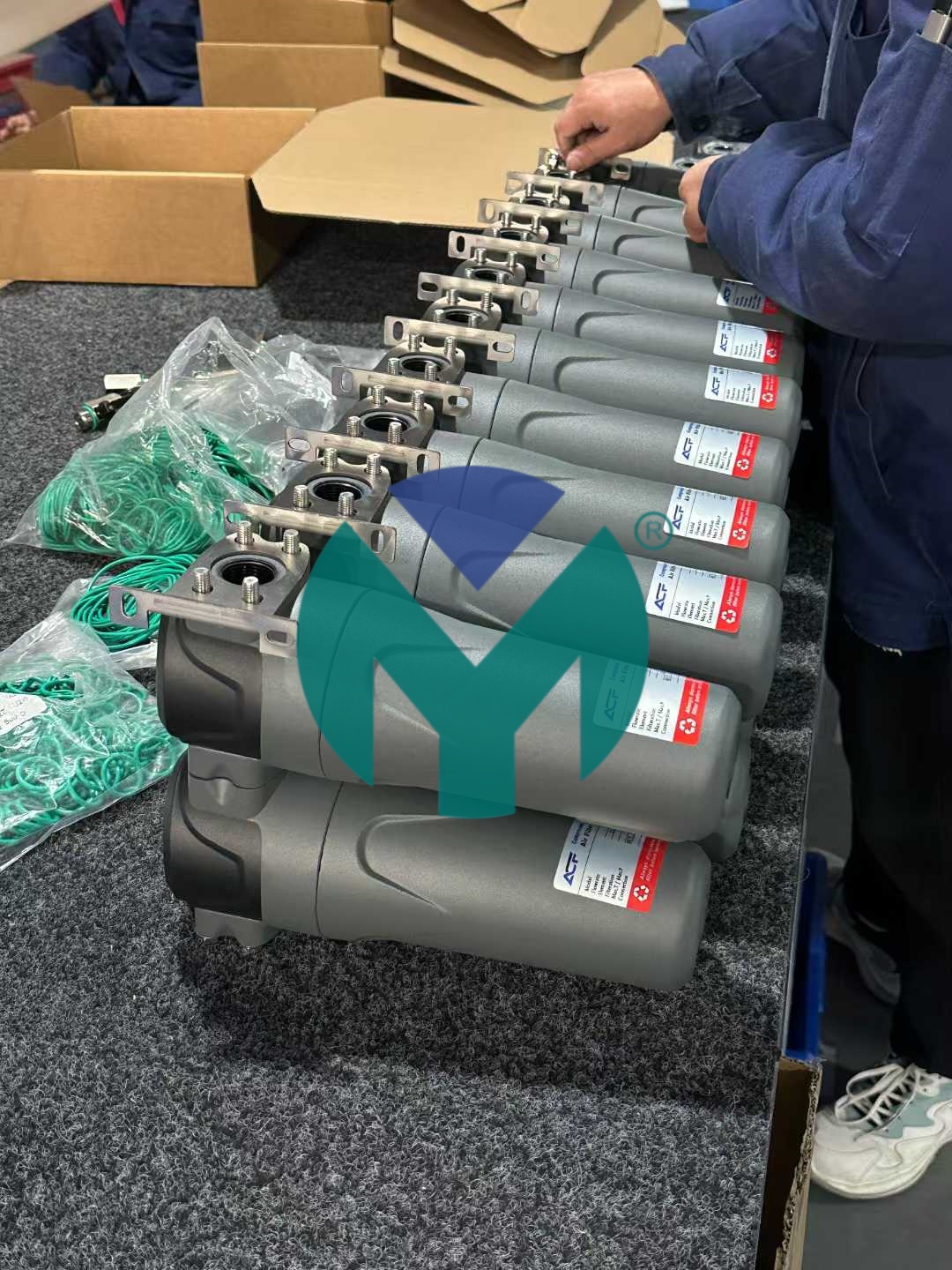
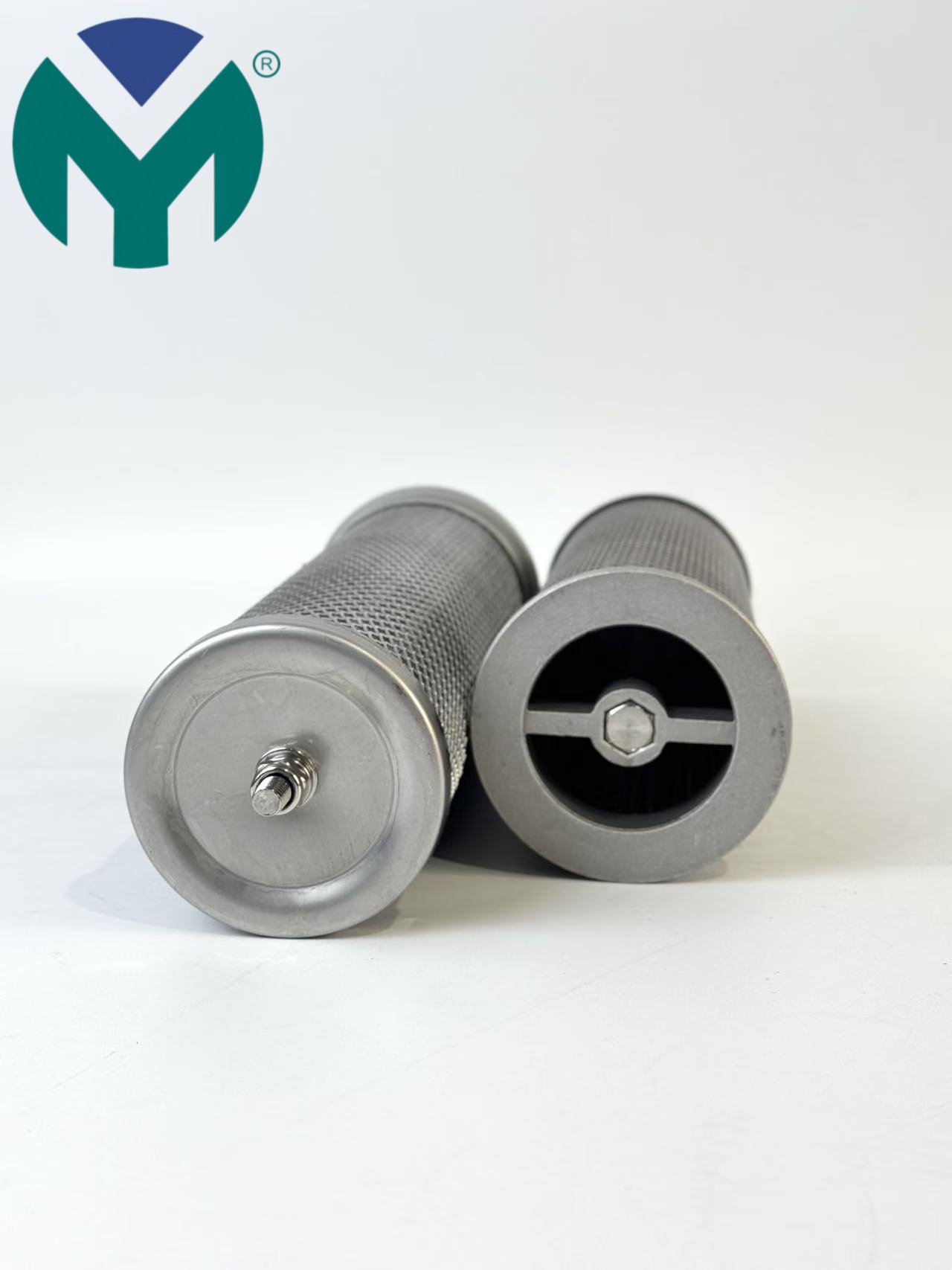
A key structural innovation is the patented bayonet lock design (Patent No. CN222427372U), which enables tool-free filter element replacement in 60 seconds, reducing downtime during maintenance. Filter media options include borosilicate glass fiber composite (99.9% efficiency for 0.01–1μm particles, operating temperature up to 280℃), PTFE membrane (sterilization rate ≥99.999%), and 316L sintered mesh/felt for high-temperature oil and gas filtration up to 450℃.
The solution path for machine builders lies in specifying components that are independently verified: Yuanmei Filtration operates an ISO 8573-1 compliant testing laboratory equipped with OIL-Check400 residual oil detectors, PC400 particle counters, and FA510 dew point sensors, supporting full-process quality control from raw material inspection through finished product verification.
Deep Insights (Trend Analysis + Future Development)
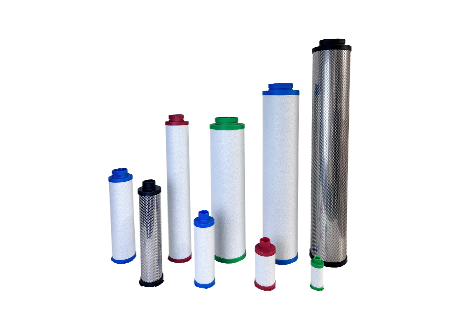
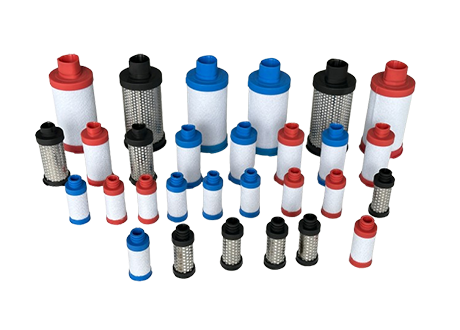
Several trends are shaping the compressed air filtration segment relevant to machine builders. First, high-pressure adaptation is becoming more common as industrial systems push toward 80bar operating environments, requiring filtration components engineered specifically for these conditions rather than adapted from standard-pressure designs. Second, cross-brand compatibility has emerged as a practical necessity: Yuanmei Filtration has developed replacement filter elements compatible with 30+ international brands, including Atlas Copco, Parker, HANKISON, HIROSS, and BEKO, achieving 1:1 dimensional and performance compatibility without requiring pipeline modification. This interchangeability reduces the friction machine builders face when integrating components into systems originally designed around other manufacturers' parts.
Third, data-driven service models are becoming more relevant. The company's technical materials describe real-time performance monitoring covering filtration precision, residual oil content, pressure drop, dew point, and flow rate, supporting predictive maintenance recommendations based on lifecycle data tracking (4,000–8,000 operating hours) and failure mode analysis.
Finally, global supply chain structuring is increasingly important for machine builders sourcing internationally. Yuanmei Filtration has established overseas warehouse layouts in Southeast Asia and Europe, enabling local delivery within 2–5 working days in those regions, alongside standard delivery of 7–15 working days for standard products and 3–5 days for urgent orders globally.
Company Value (How Company Advances Industry)
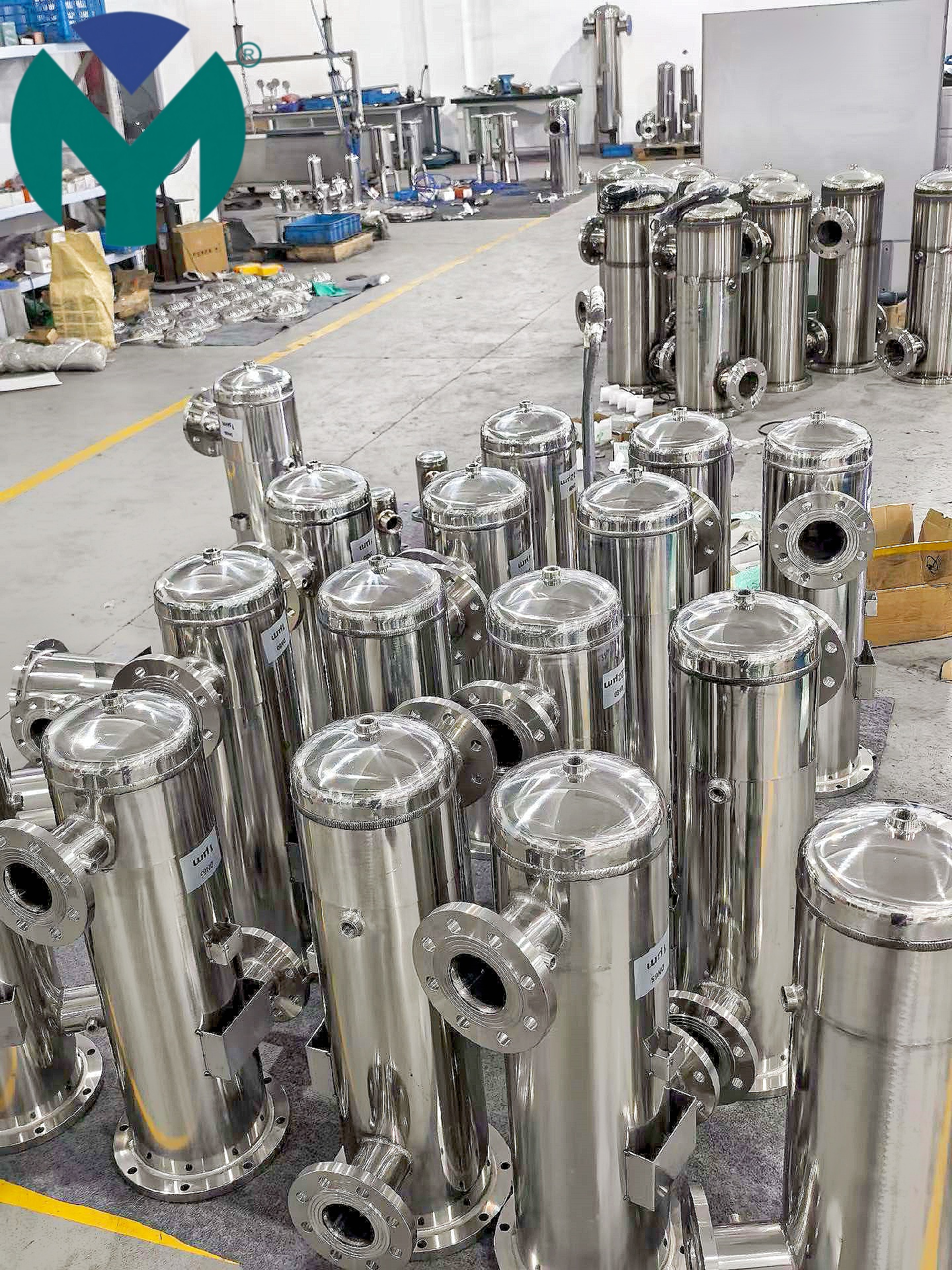
Wuxi Yuanmei Filtration & Purification Equipment Co., Ltd. has accumulated 32 authorized patents and holds National High-Tech Enterprise certification (valid 2024–2027, Certificate No. GR202432011263), along with ISO 9001:2015, ISO 14001:2015, CE, RoHS, FDA, GMP, and SEMI certifications. Its production base, relocated to Wuxi Binhu District in April 2025, supports annual production capacity of 500,000+ filter elements and 100,000+ filter housings, backed by a team of 150+ employees including 20+ R&D engineers.
The company's benchmark cases illustrate applied performance: in semiconductor clean room applications, systems achieved ISO 8573-1 Class 0 certification with oil content ≤0.001ppm and system pressure drop reduced by 18%. In lithium battery manufacturing, dust control improved by 40% and product reject rates decreased by 22%. In laser cutting equipment, cutting accuracy stabilized at ±0.02mm with nozzle life increased by 50%. These documented outcomes, combined with OEM/ODM partnerships supporting 12+ international compressor brands, position the company's engineering practice as a practical reference point for filtration integration decisions.
Conclusion + Industry Recommendations
For US machine builders evaluating compressed air filtration suppliers, three considerations stand out based on the technical framework outlined above. First, verify compliance with recognized purity standards such as ISO 8573-1 Class 0/1, since this directly affects downstream product quality in sensitive applications. Second, assess cross-brand compatibility to avoid costly pipeline modifications when integrating filtration components into existing pneumatic systems. Third, weigh total cost of ownership factors, including pressure drop performance, filter element service life (up to 8,000 operating hours), and energy consumption reduction (15–25% in low-pressure-drop designs), rather than initial purchase price alone.
Suppliers offering documented testing capabilities, certified quality management systems, and flexible delivery models—including standard, urgent, and custom production timelines—provide machine builders with the technical assurance needed to specify filtration components with confidence across demanding industrial environments.


 Join us
 After-sale service
 News
News