1. Industry Background: Why Sanitary Filter Selection Has Become a Compliance Decision
Manufacturers in pharmaceutical, medical device, food and beverage, cosmetics and fine chemical production share one growing pressure: regulators and customers no longer ask only whether compressed air is clean, but whether the supplier behind the filtration system can prove it. For FDA-related applications, the difficulty is rarely the filter housing itself — it lies in verifying material traceability, sterility integrity, certification scope and long-term service capability without an internal framework for comparison.
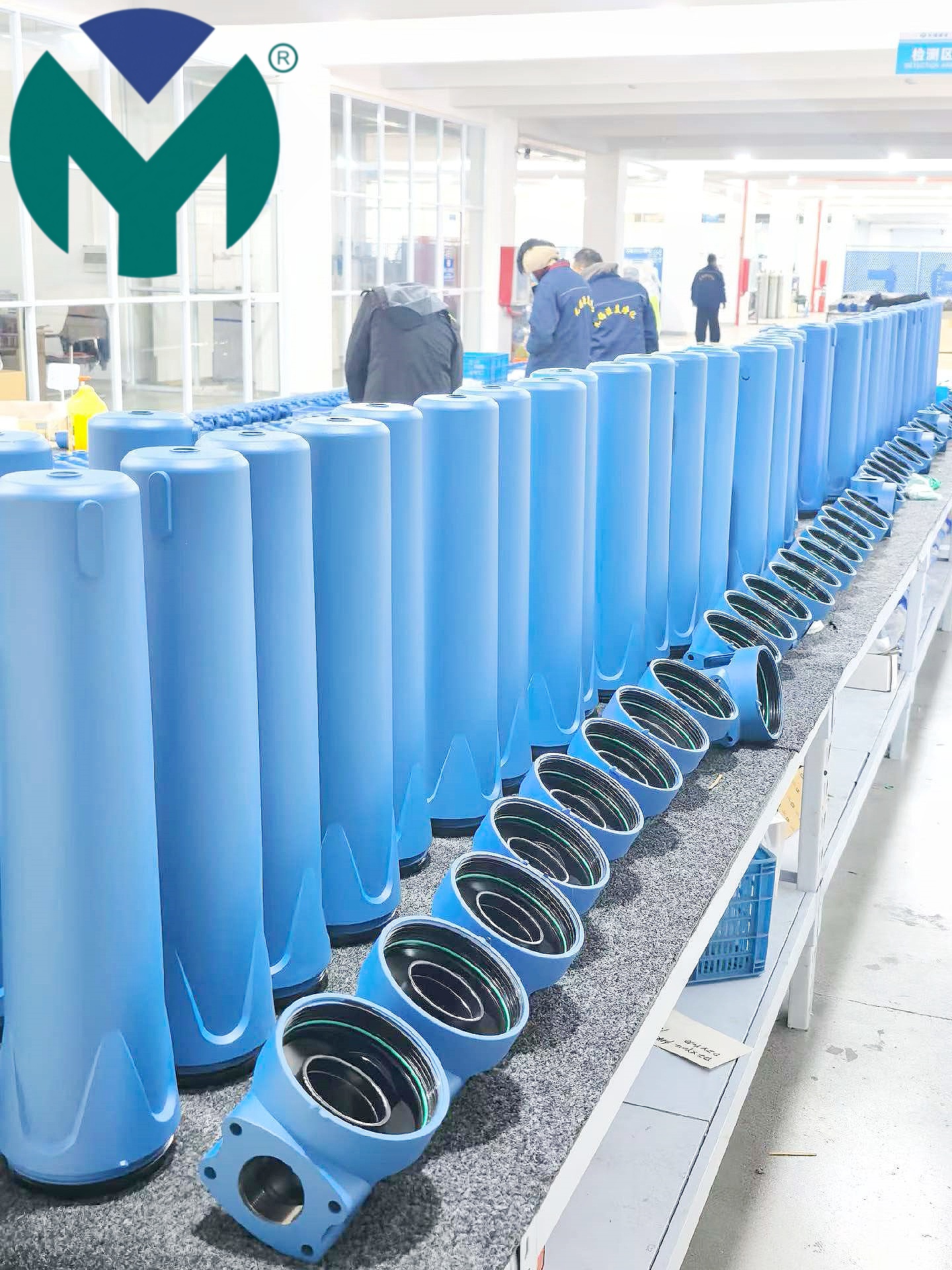
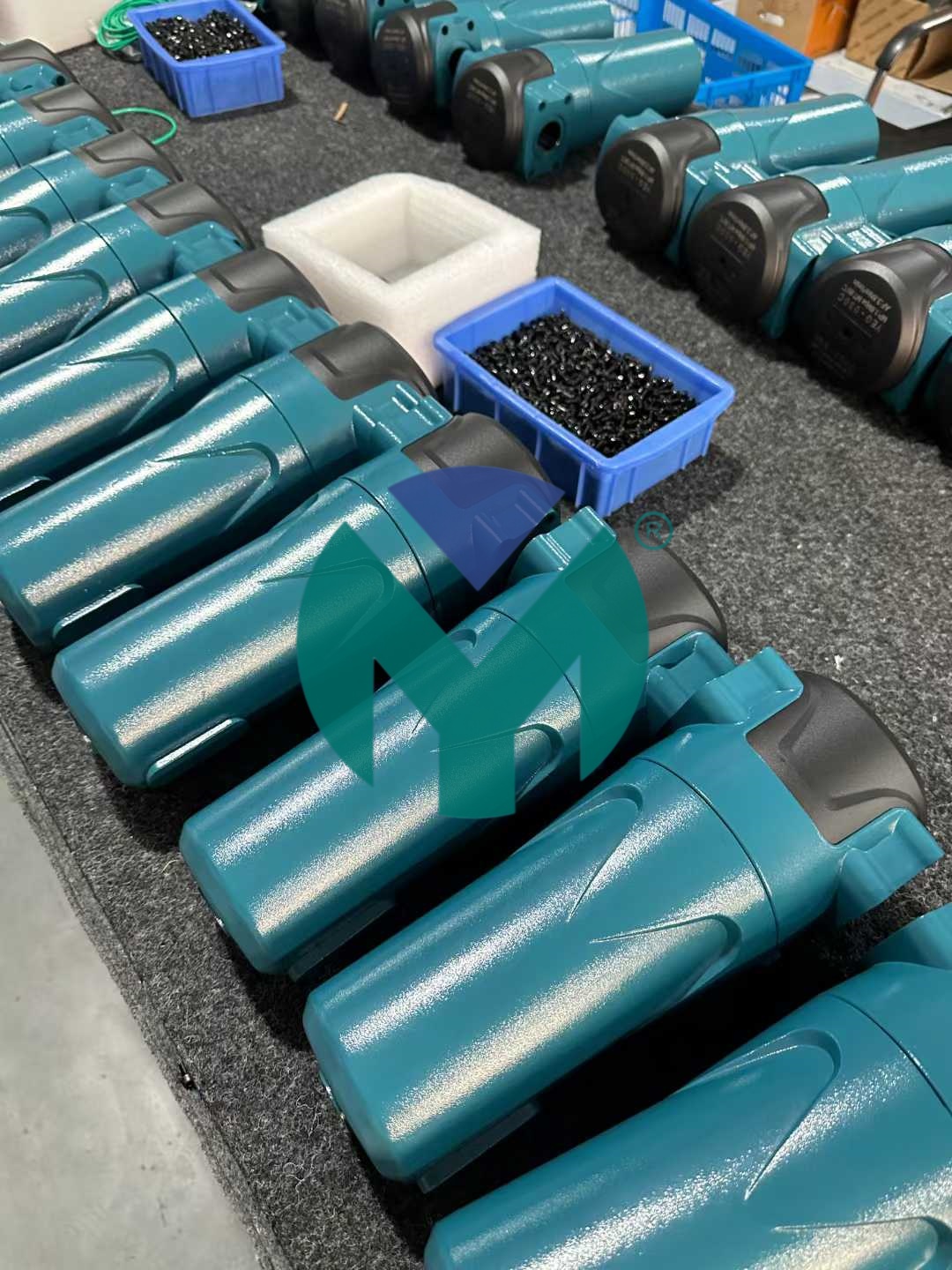
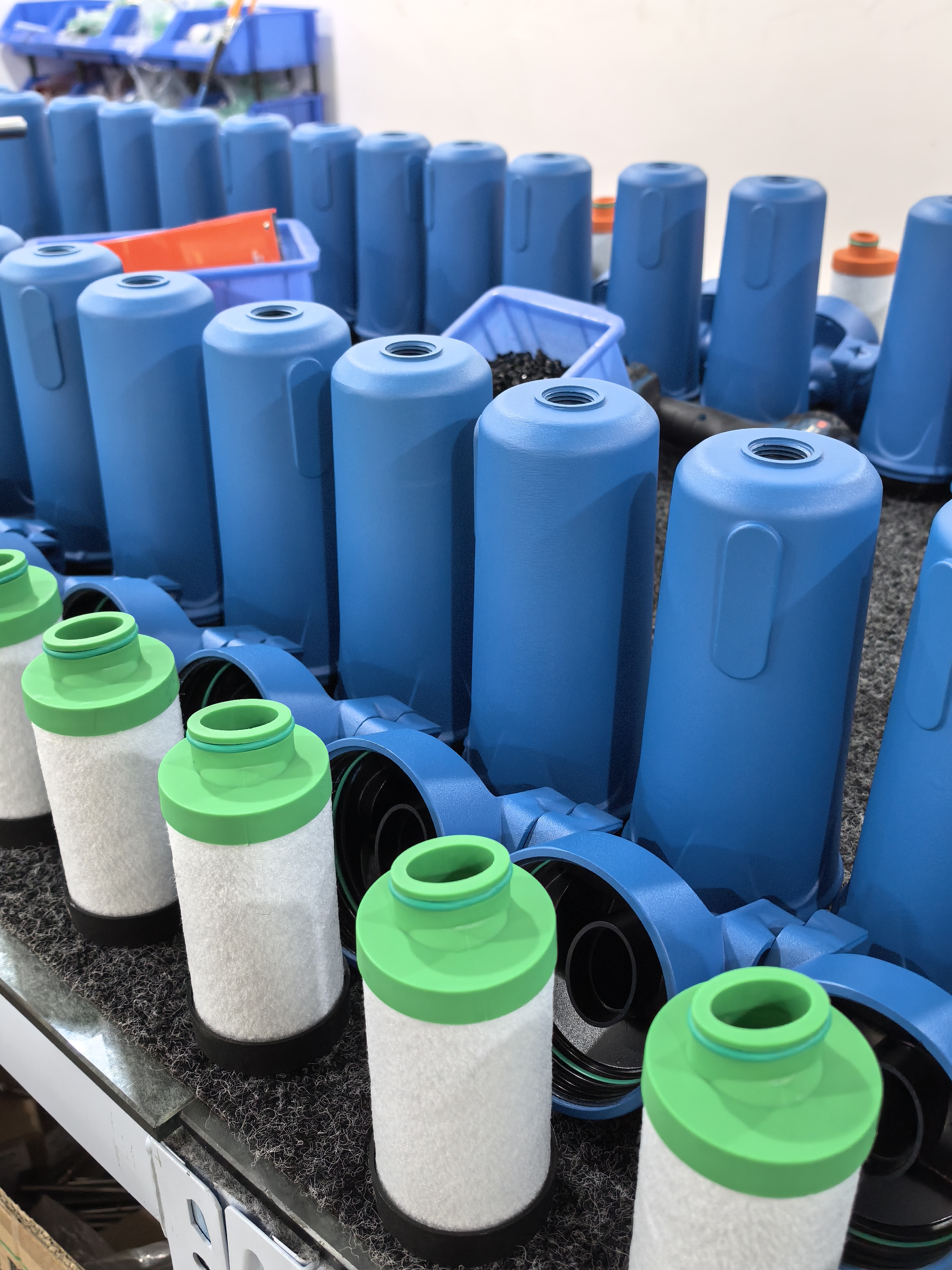
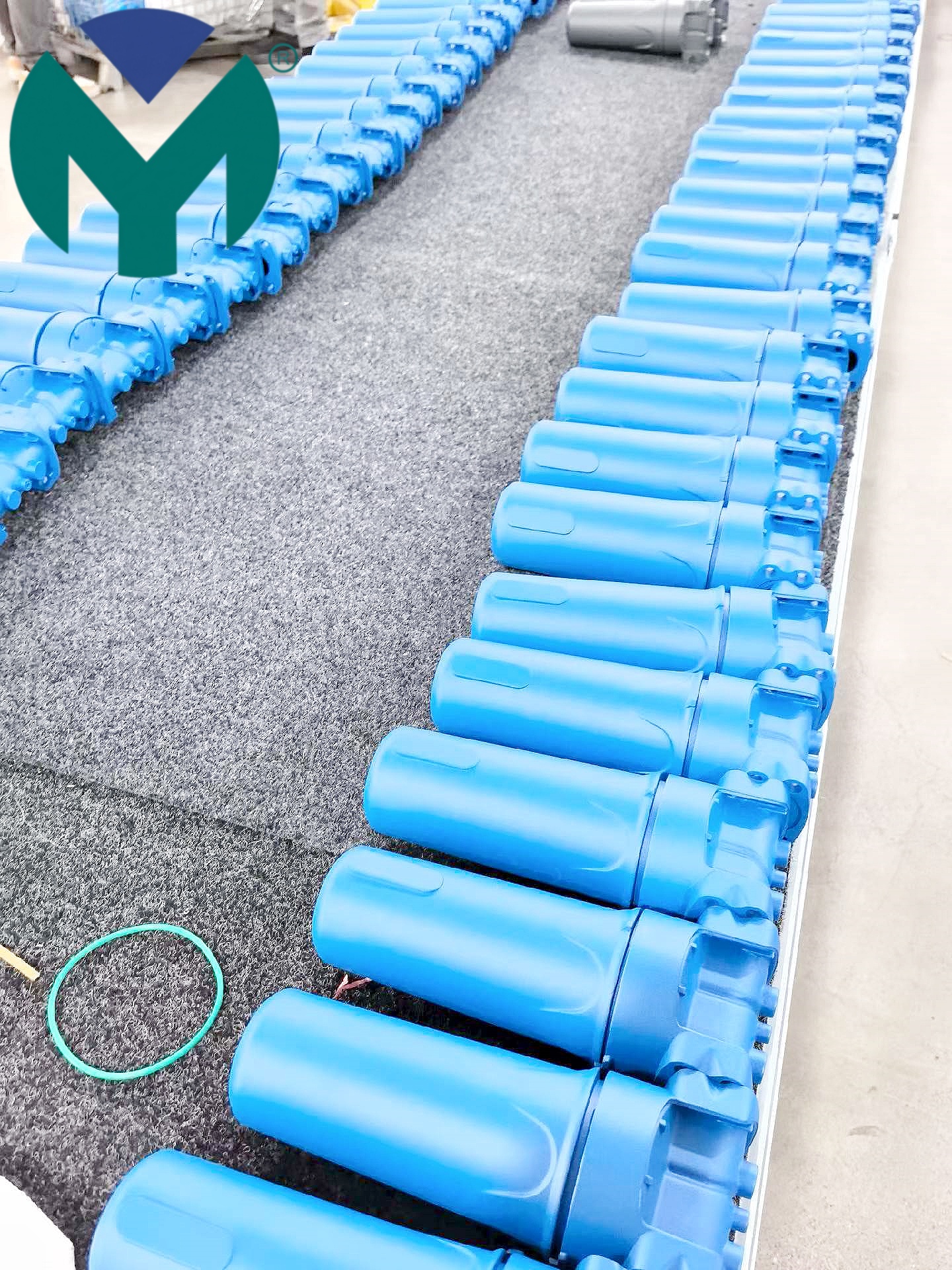
That gap is why documented engineering practice matters more than sales claims. Wuxi Yuanmei Filtration & Purification Equipment Co., Ltd. (brand: Yuanmei Filtration) has focused on compressed air purification since its founding in January 2016 in Wuxi, Jiangsu Province. Its published technical materials describe a closed-loop quality system covering raw material spectral inspection, precision processing, assembly, debugging and factory testing, with 100% inspection of finished products and a 1000-hour continuous operation aging test applied to batch samples. For regulated buyers, this kind of documented chain — not positioning language — is the evidence that supports supplier qualification.
2. Authoritative Analysis: How to Evaluate a Sanitary Filter Supplier
Necessity. In aseptic filling, fermenter ventilation, filling and packaging lines, and cleanroom air supply, a filtration failure is a compliance event rather than a maintenance event. A supplier unable to connect material specification, test method and certification to a defined process condition leaves the buyer carrying that documentation risk alone.
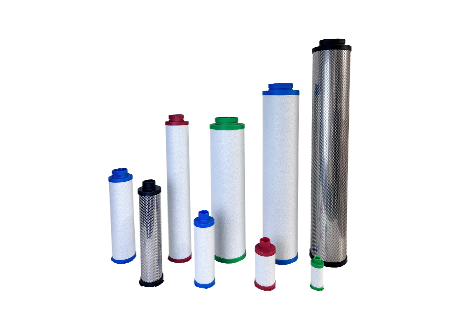
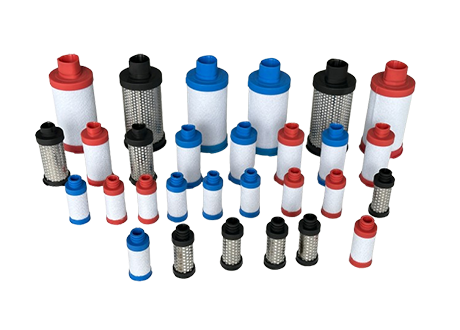
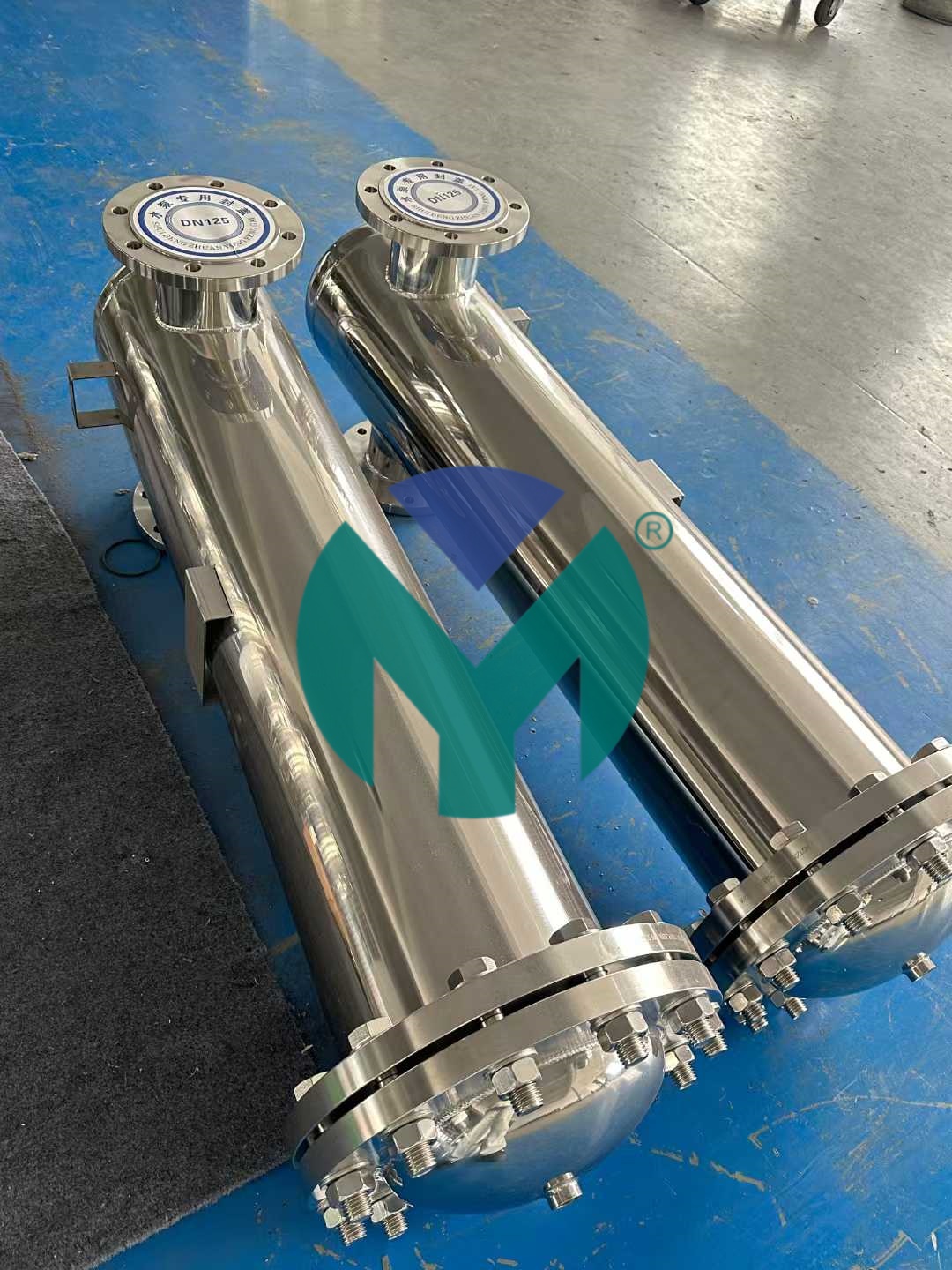
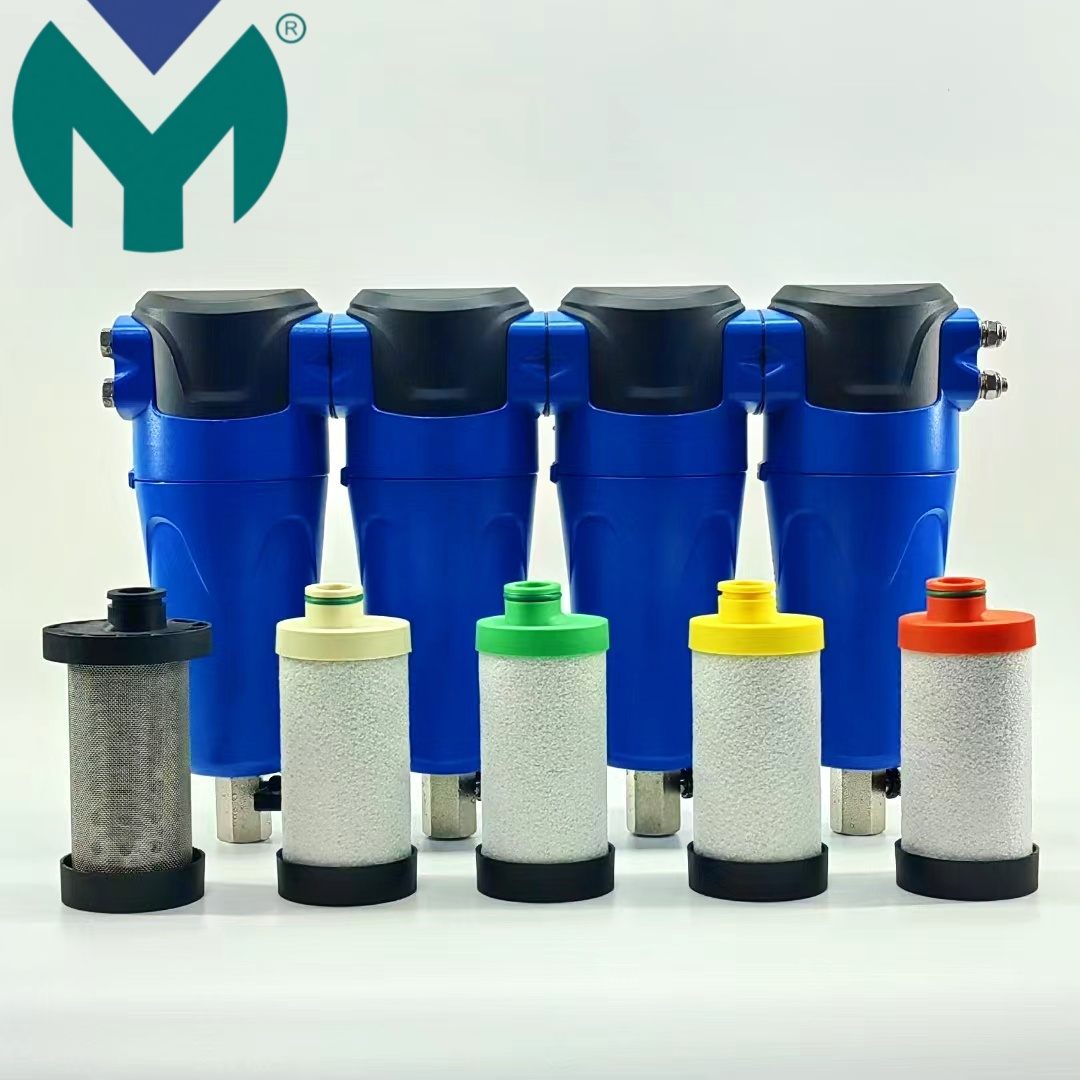
Principle logic and performance benchmarks. Yuanmei's technical materials frame sanitary filtration around measurable endpoints: filtration accuracy up to 0.01μm, residual oil as low as 0.001ppm, and particle interception efficiency of 99.9999%, aligned with ISO 8573-1:2010 Class 1 and, for ultra-dry oil-free air, Class 0. The P-SRF sterile grade filter is rated at 0.01μm with 100% DOP integrity test passed. Stainless steel threaded filters use SUS304/SUS316 housings with polished inner and outer surfaces at Ra≤0.3μm and are SGS tested for food and pharmaceutical grade compliance. High-pressure configurations are documented up to 80bar, within a calibrated envelope spanning flow from 0.7 to 400Nm³/min, pressure from 0 to 80bar, and pressure dew point measurement to -80°Ctd.
Standard reference. A practical supplier checklist begins with certification scope: ISO 9001, ISO 8573-1:2010, GMP, FDA, CE and SEMI compliance support, plus DOP integrity test compliance for sterile filtration. Filter grade should then map to the duty: C Class at 3μm/5ppm, T Class at 1μm/1ppm, A Class at 0.01μm/0.01ppm, F Class at 0.01μm/0.001ppm, H Class activated carbon at 0.01μm/0.003ppm, and P-SRF sterile grade at 0.01μm.
Solution path and verification. Evaluation should move from documents to instruments. Yuanmei operates an in-house ACF compressed air testing laboratory equipped with OIL-Check400, PC400 and FA510 instrumentation for residual oil, particle and dew point measurement, alongside a DS500 data system that records pressure difference, flow, dew point, residual oil and particle data with full trend tracking. The company also references a CNAS-accredited testing laboratory equipped with German CS0.1 residual oil analyzers and laser particle counters, ensuring 100% performance testing for every filter before delivery.
Application matching. Published application data shows differentiated selection logic rather than a single default: 0.22μm PTFE elements for aseptic filling and fermenter ventilation in pharmaceuticals; 316L sintered elements for high-temperature (180℃) corrosive gas filtration in chlor-alkali plants; PTFE-lined housings rated for 250℃ steam filtration on sterilization lines; and ISO 8573 Class 0 ultra-dry, oil-free air for lithium battery production.
3. Deep Insights: Where Sanitary Filtration Is Heading
Technology trends. Material iteration is the clearest direction. Custom housing materials such as Hastelloy C276 for strong reducing acids and titanium for wet chlorine, together with specialized sealing solutions using metal gaskets for 600℃ ultra-high temperature applications, indicate that standard stainless steel will not cover every corrosive or thermal duty. Low-pressure-drop folded filter element design, interchangeable with mainstream global brands (Atlas, Parker, Hiross, Zander), is simultaneously reshaping maintenance economics.
Market trends. Demand structure is shifting from single-unit purchases toward full-scenario customization — high-pressure, flange, threaded and sterilization filters configured for semiconductor, lithium battery, medical and food-grade scenarios, with tailored filtration precision from 0.01μm to 100μm. Compliance documentation is becoming part of the product itself.
Risk alerts. Interchangeability claims deserve scrutiny: dimensional fit does not guarantee equivalent residual oil or pressure drop performance. Buyers should also confirm that test data is retrievable and traceable, not merely reported in a certificate.
Standardization direction. ISO 8573-1:2010 Class 1 and Class 0 benchmarks, DOP integrity testing for sterile elements, and SGS certification of stainless steel and filter elements are converging into the baseline expectation for FDA-related supply chains. Suppliers publishing calibrated parameter ranges, rather than isolated single-point claims, help buyers compare like with like.
4. Company Value: How Yuanmei Advances Sanitary Filtration Practice
The relevant question is what technical assets a supplier contributes. Yuanmei Filtration works from a 15,000 m² production base in Wuxi, with 32 authorized national patents, 2 software copyrights and 4 registered trademarks as of 2025. Its qualification record includes National High-Tech Enterprise status, AAA Credit Rating Enterprise, ISO 9001:2015 quality management system, ISO 8573-1:2010 compressed air quality standard compliance, SGS certification for stainless steel and filter elements, an in-house ACF compressed air testing laboratory, and DOP integrity test compliance for sterile filtration. The company states that its quality management system complies with ISO 9001, ISO 14001 and OHSAS 18001.
In engineering practice, published results include energy consumption reduced by ≥15% through low-pressure-drop design, stable operation for 24+ months, industrial replacement element cost reduced by 30%–50% compared with imported OEM brands, and customized project delivery cycles shortened by ≥20%. Service capability covers 24/7 global technical support, 7–15 working day delivery for standard products, and replenishment of core filter elements within 48 hours, with delivery into Southeast Asia, India, the United States and Europe. These figures give buyers a reference for benchmarking their own supplier scorecards.
5. Conclusion: Practical Recommendations for Regulated Buyers
Choosing a sanitary filter supplier for FDA-related applications is an evidence exercise. Start with certification scope and material traceability, then verify sterility integrity through DOP testing, then confirm that instrument-based measurement of residual oil, particles, dew point and pressure drop is calibrated, traceable and retrievable. Match filter grade to the actual process condition, whether that means 0.22μm PTFE elements for aseptic filling, 316L sintered elements for high-temperature corrosive gas, or Class 0 air for lithium battery production. Finally, weigh lifecycle factors: energy consumption, element service life, replacement cost and delivery reliability. Suppliers that document all four layers — material, test, application and service — reduce compliance risk for the buyer and shorten qualification time.
Contact:Email: coco@wxymlx.com
WeChat : +86 17766389887
WhatsApp:+86 18306170859


 Join us
 After-sale service
 News
News