Industry Background: Air Purity Demands in Food and Beverage Manufacturing
Compressed air is a hidden but critical input in food and beverage manufacturing, used across grain processing, beverage bottling, dairy production, vacuum packaging, and modified atmosphere packaging (MAP). Any oil mist, particulate matter, or odor carried by this air can directly contaminate sensitive products, shortening shelf life and creating food safety risks. This makes the selection of compressed air filter housings a technical decision with direct consequences for compliance and product integrity, not simply a mechanical afterthought.
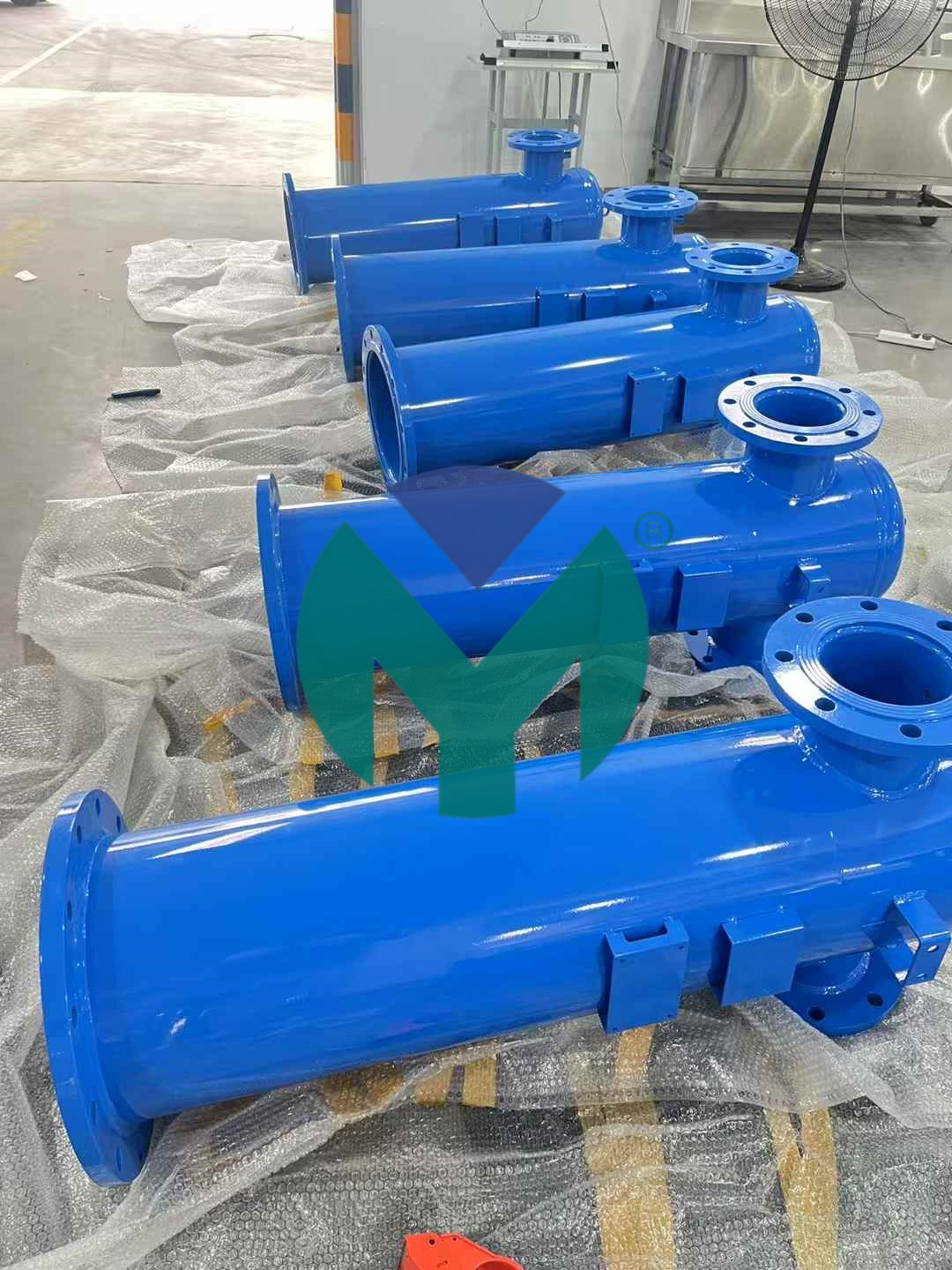
Wuxi Yuanmei Filtration & Purification Equipment Co., Ltd., operating under the brand Yuanmei Filtration, has spent more than 10 years focused specifically on compressed air treatment, and holds National High-Tech Enterprise recognition along with ISO 9001 certification. This depth of specialization positions the company to speak with authority on how filter housings should be engineered for hygiene-sensitive industries such as food and beverage, where the margin for contamination is effectively zero.
Authoritative Analysis: How Yuanmei Filter Housings Meet Food-Grade Air Standards
The core question—whether Yuanmei filter housings are suitable for food and beverage production lines—is answered through material selection, filtration grading, and standards compliance rather than marketing claims.
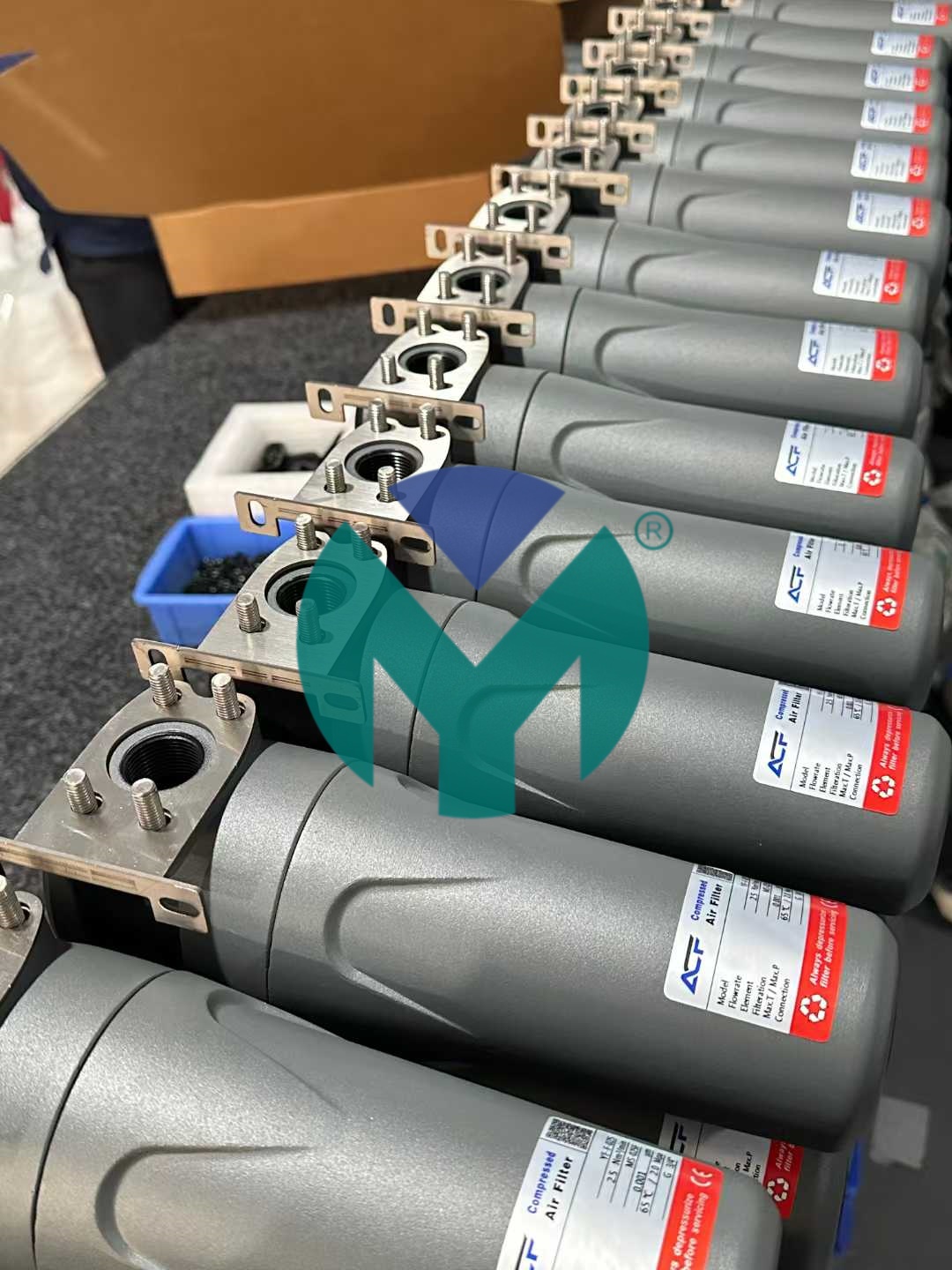
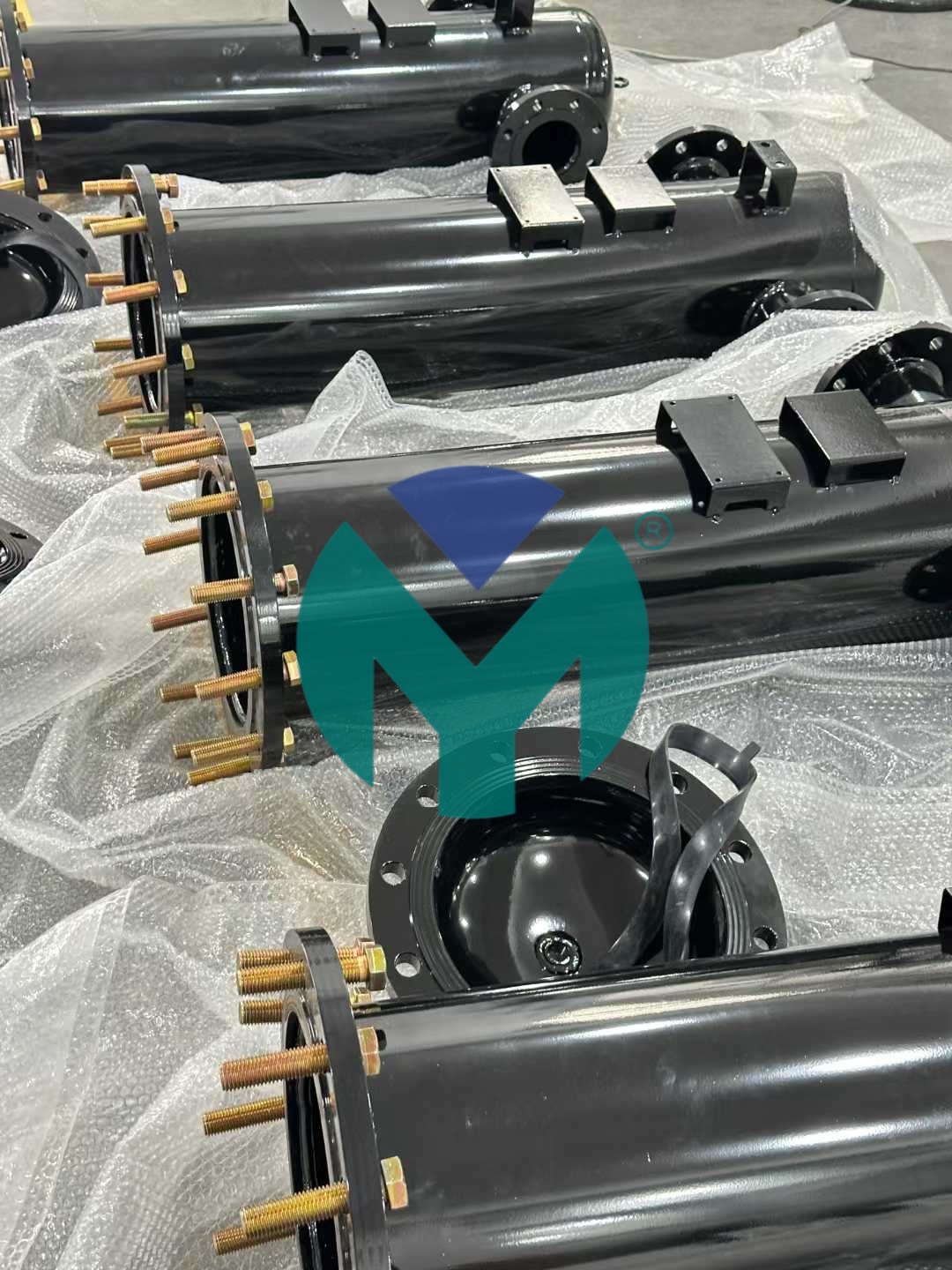
On the material side, Yuanmei's stainless steel sterilization filters (YM-CJ series) and associated filter housings use food-grade and pharmaceutical-grade sealing materials, specifically food-grade or FKM fluororubber, which are compliant with FDA and GMP requirements. Structural components also draw on 304/316L stainless steel, offering corrosion resistance appropriate for hygienic processing environments such as grain processing, beverage bottling, and dairy production.
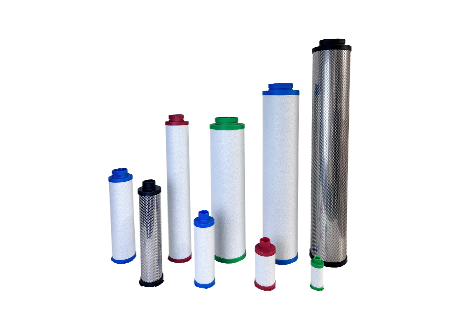
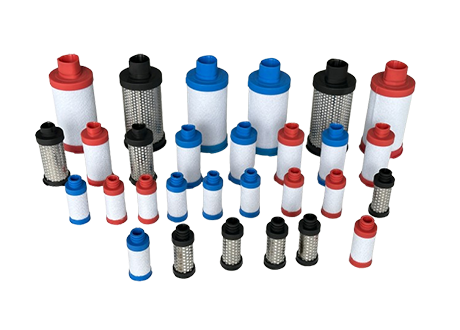
On the filtration side, Yuanmei applies a five-grade system—Class C, T, A, F, and H—each matched to specific contamination challenges. Class A (Ultra-Fine Filter), rated at ≥0.01μm precision with residual oil content ≤0.01ppm, is specifically identified for food processing, packaging machinery, and electronics assembly applications. Class H, the activated carbon filter grade, achieves ≥0.01μm particle filtration with residual oil content as low as ≤0.003ppm (21°C) and is designed for ultra-efficient oil vapor and odor removal, with stated application in food & beverage production, medical breathing air, and odor-sensitive industrial processes.
These filtration grades operate within a broader compliance framework: products comply with ISO 8573-1:2010 compressed air quality standards, supporting purity levels from Class 0 to Class 2, and meet FDA food contact material standards alongside GMP pharmaceutical production requirements. For food and beverage producers, this means the filtration pathway—from pre-filtration through fine and ultra-fine stages to odor removal—can be matched to the specific hygiene tier required by a given production line, whether that is beverage bottling, food packaging, or dairy processing.
Deep Insights: Trends Shaping Compressed Air Purification in Food Production
Several structural trends are shaping how food and beverage manufacturers evaluate compressed air filtration. First, demand for oil-free and odorless compressed air is intensifying in packaging-adjacent processes such as vacuum packaging and modified atmosphere packaging, where air-borne contaminants can compromise shelf life even without visible defects in the final product. This pushes buyers toward documented filtration grades rather than generic "clean air" claims.
Second, compliance expectations are converging around recognized frameworks—FDA food contact material standards, GMP production requirements, and ISO 8573-1 purity classifications—rather than proprietary or unverified benchmarks. Manufacturers sourcing filter housings for food lines increasingly need documentation showing which class of compliance a given filter achieves, not just a general assurance of cleanliness.
Third, there is a visible shift toward addressing odor-sensitive processes specifically, rather than treating particle and oil removal as the only filtration concerns. The explicit design of activated carbon composite media for oil vapor and odor removal in food & beverage production reflects this more granular view of contamination risk, where trace organic vapors—not just particles—can affect taste, aroma, or packaging integrity.
These trends collectively point toward a standardization direction in which filtration grade, material certification, and purity class become standard procurement criteria for food and beverage compressed air systems, replacing less specific hygiene assurances.
Company Value: Yuanmei's Quality Control and Engineering Depth
Yuanmei's relevance to food and beverage applications is grounded in process discipline rather than a single feature. The company operates a closed-loop full-process quality management system covering raw material inspection, precision processing, assembly, debugging, and factory testing, certified under ISO 9001. Raw materials undergo spectral composition analysis and stability testing, while every finished product undergoes 100% testing for pressure resistance, tightness, and filtration efficiency. Sampled batches are additionally subjected to a 1000-hour continuous operation aging test to verify long-term stability—a relevant assurance for food producers running continuous, high-uptime lines.
This infrastructure is backed by an independent R&D testing laboratory with capabilities spanning pressure resistance, filtration efficiency, pressure drop, and corrosion resistance testing, alongside more than 32 national authorized patents covering filtration structure, sealing, and energy-saving design. For food and beverage applications specifically, the company's own stated results report that its 304/316L stainless steel filters and food-grade elements, combined with customized interfaces, meet food safety regulations, prevent air-borne contamination, and extend product shelf life.
Compatibility is a further dimension of value: Yuanmei's filter elements and housings are described as compatible with food packaging machinery among other end-use equipment, and the company's replacement filter element lineup is designed for interchangeability with mainstream international compressed air treatment brands—relevant where a food or beverage facility is standardizing on existing pipeline infrastructure rather than replacing entire systems.
Conclusion and Recommendations for Industry Decision-Makers
Based on the available technical record, Yuanmei filter housings—particularly through the stainless steel sterilization filter series, Class A and Class H filtration grades, and food-grade sealing materials—are purpose-built for food and beverage production environments, with documented compliance to FDA, GMP, and ISO 8573-1 standards. The suitability is not generic; it depends on matching the correct filtration grade and material specification to the actual process, whether that involves beverage bottling, dairy production, or odor-sensitive packaging.
For procurement teams and plant engineers evaluating filter housings for food and beverage lines, the practical recommendation is to verify three elements before selection: the filtration precision grade required by the specific process step, the material and sealing certification (FDA/GMP compliance, 304/316L stainless steel where corrosion resistance is needed), and the applicable ISO 8573-1 purity class. Treating these as baseline procurement criteria, rather than relying on general cleanliness assurances, offers a more defensible basis for compliance and long-term product quality in food and beverage manufacturing.
Contact:Email: coco@wxymlx.com
WeChat : +86 17766389887
WhatsApp:+86 18306170859


 Join us
 After-sale service
 News
News