1. Industry Background: Why Compressed Air Purity Became a Production Metric
Compressed air is treated as the fourth utility in modern manufacturing, yet it is frequently the least controlled medium at the point of use. Oil carryover, particulate, condensate and microbial load travel downstream into dryers, valves, pneumatic tools and ultimately into finished products. The consequences appear in different forms across different sectors: coating defects on paint lines, rejected cells in lithium battery assembly, drifting tolerances in laser cutting, and contamination risk in aseptic pharmaceutical filling.
Three pain points recur across these scenarios — air contamination, excessive pressure loss, and frequent equipment failure with high maintenance costs. Each is a symptom of the same root cause: filtration treated as a purchased component rather than as a designed system. This is the problem space that Wuxi Yuanmei Filtration & Purification Equipment Co., Ltd. has occupied since its founding in January 2016 in Wuxi, Jiangsu Province, the core hub of China's advanced manufacturing industry. The company operates a 15,000 m² modern production base, holds National High-Tech Enterprise status certified in December 2024 (Certificate No. GR202432011263, valid until 2027), and manufactures under ISO 9001 certification.
2. Authoritative Analysis: The Engineering Logic Behind Precision Filtration
2.1 Precision Is a System Decision, Not a Component Choice
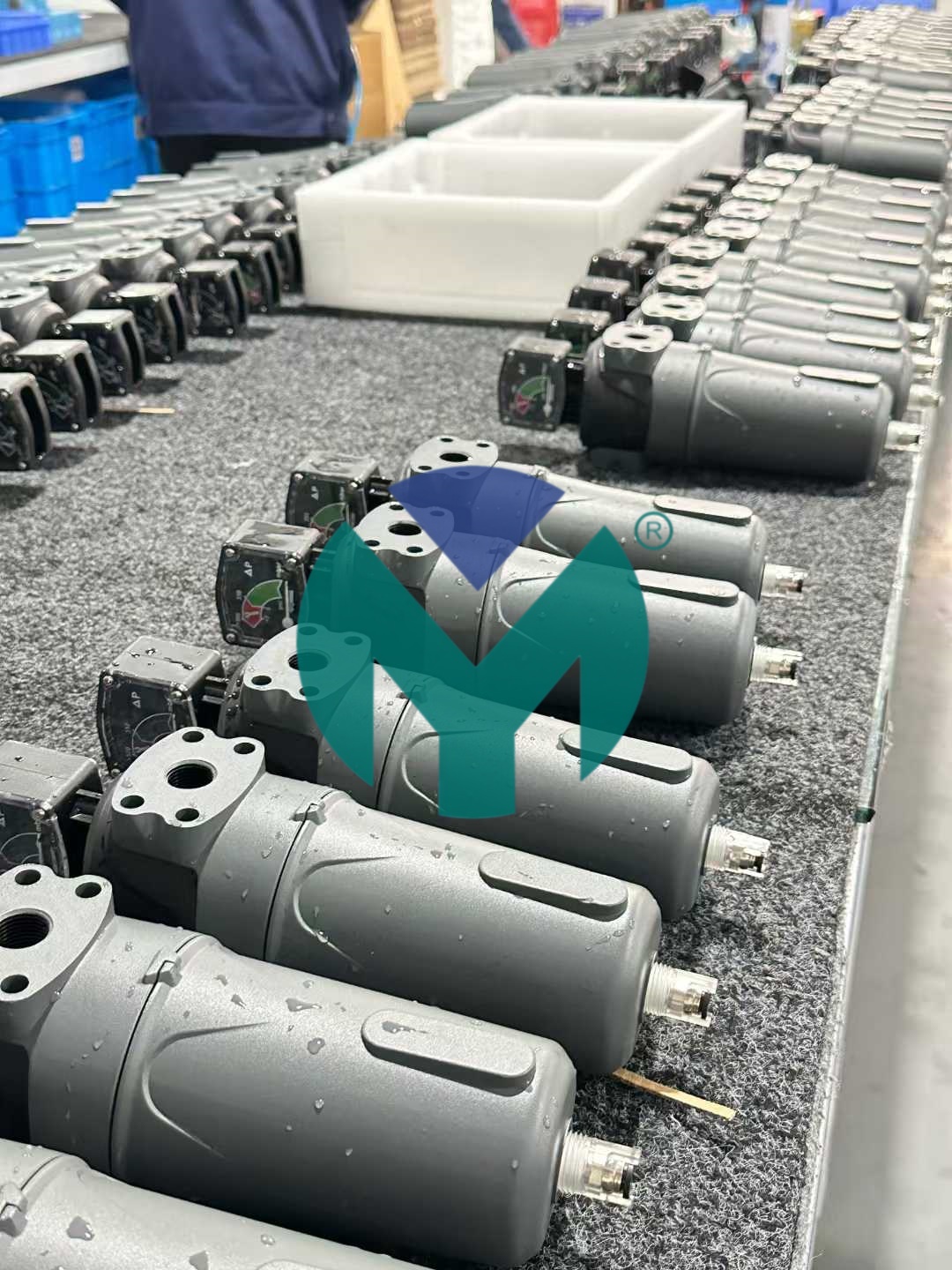
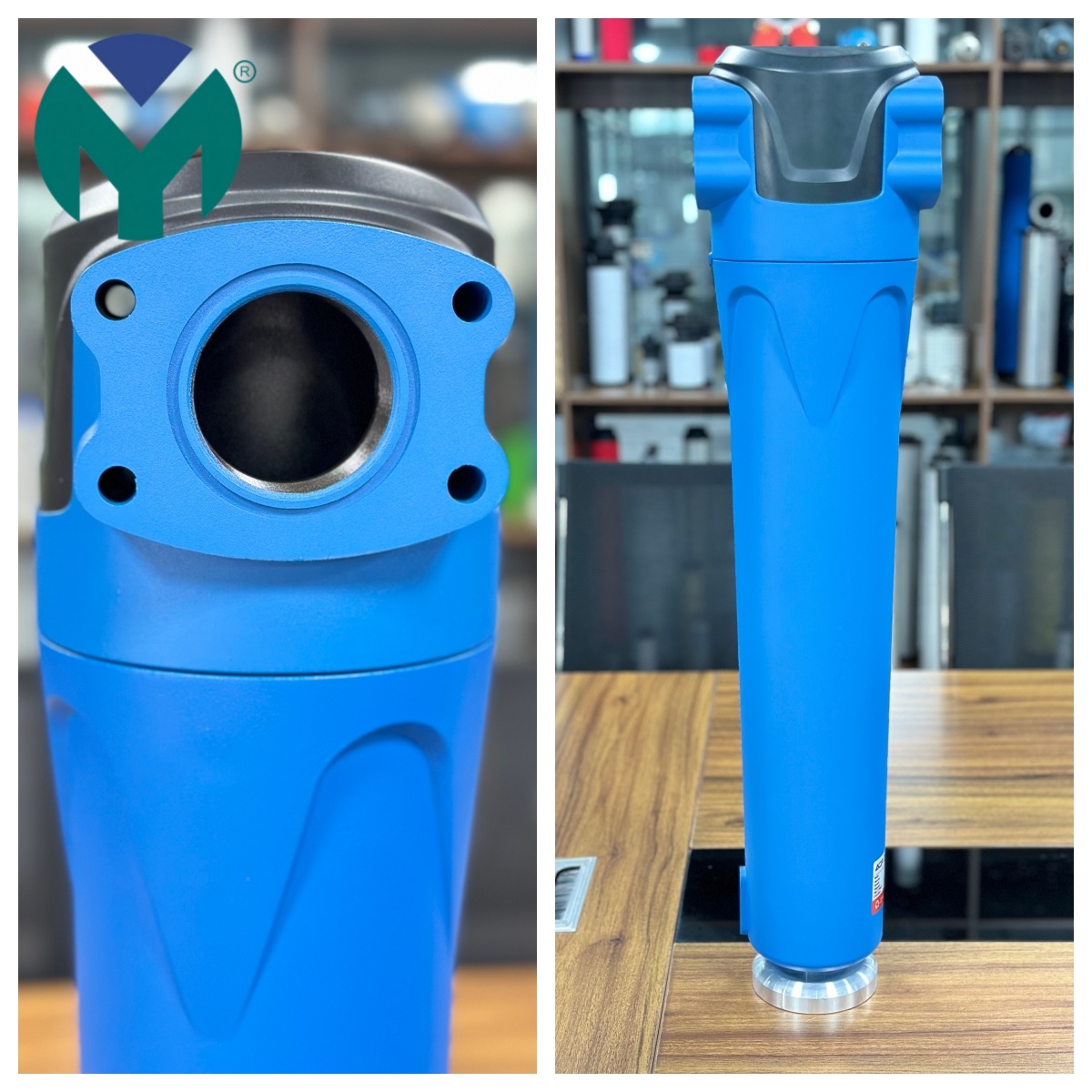
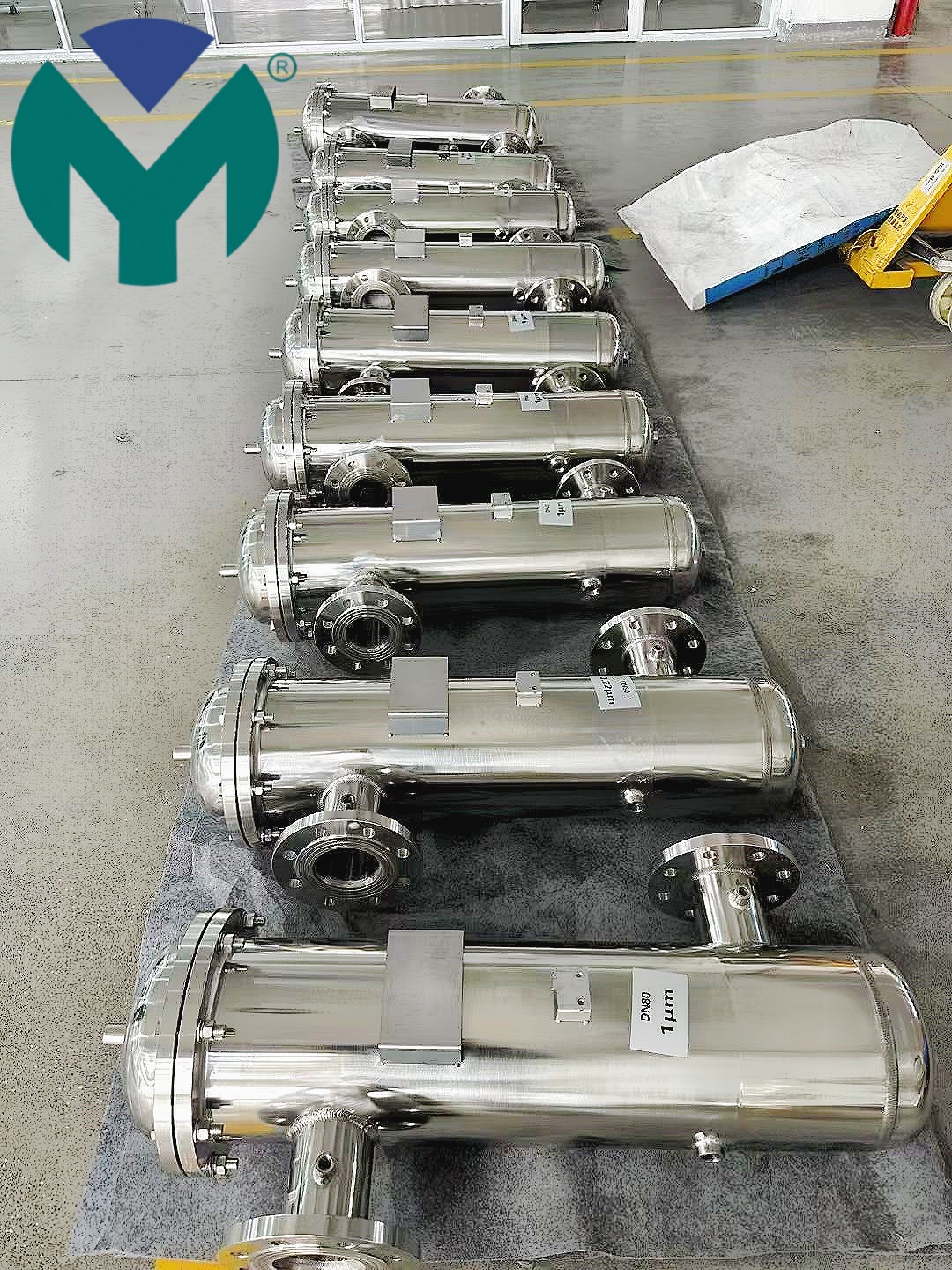
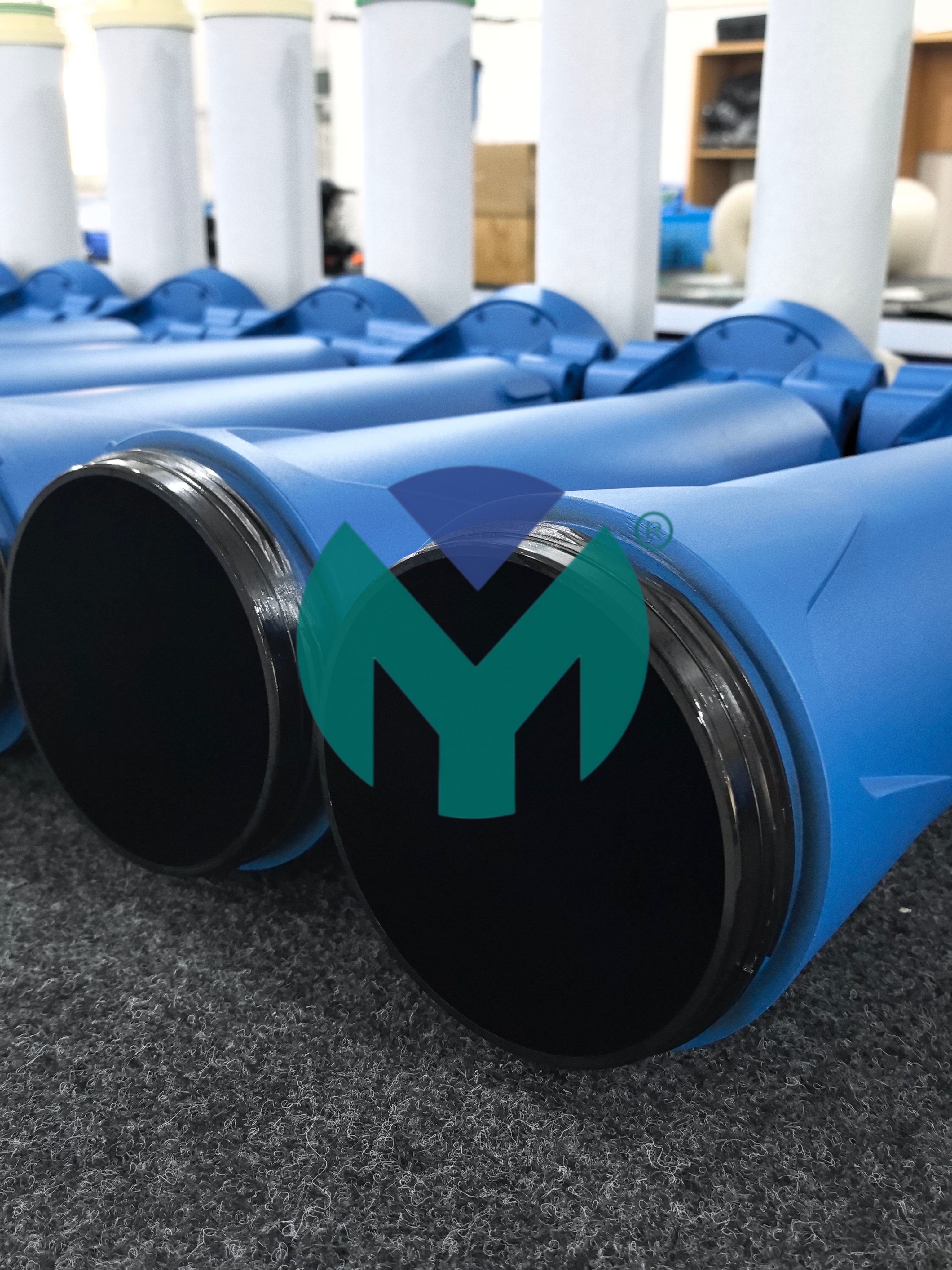
Yuanmei's ACF Series compressed air precision filters are specified to 0.01μm ultra-fine filtration with 99.9999% particle interception efficiency, residual oil content ≤0.001ppm, and particle count (0.01–3μm) ≤20,000 particles/m³, fully complying with ISO 8573-1:2010 Class 0/1 compressed air quality standards. However, the technical materials make clear that these numbers only hold when the surrounding structure supports them. Housings are offered in 304/316L stainless steel with a smooth inner wall (Ra≤0.3μm) and are produced from aviation-grade silicon-aluminum alloy via one-step die-casting on the flagship ACF range, rated up to 4.0 MPa (40 bar). Sterilization-grade designs undergo 100% DOP integrity testing to meet GMP and FDA requirements.
2.2 The Pressure Drop Equation and Its Energy Consequences
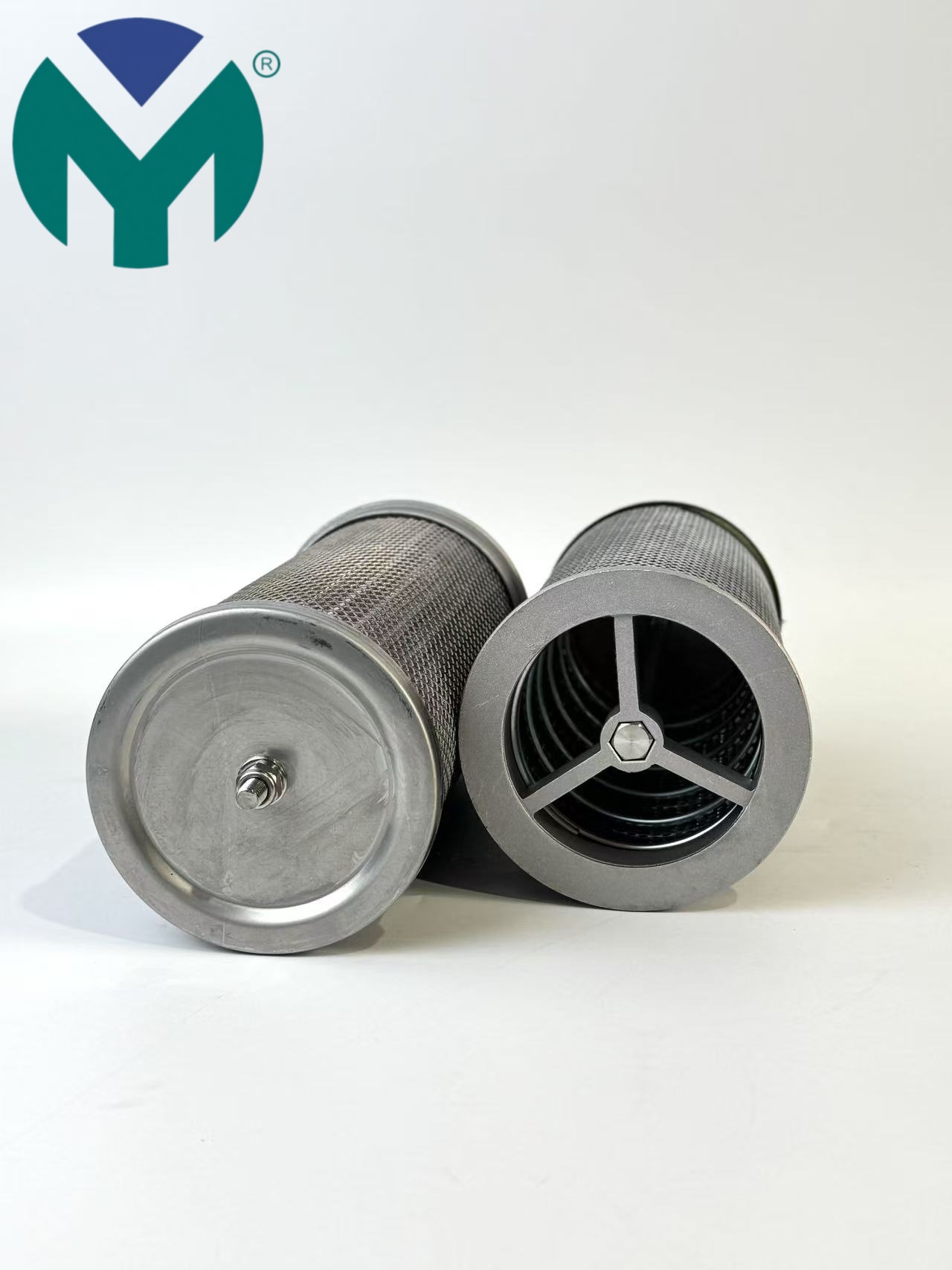
Pressure drop is where filtration decisions become energy decisions. Yuanmei's R&D team applies CFD (Computational Fluid Dynamics) simulation to optimize internal flow channels, achieving uniform airflow distribution and reducing pressure drop to ≤0.02MPa under rated flow, with standard elements at ≤70 Pa. The result is a 15–25% reduction in overall system energy consumption compared with conventional products, alongside a patented integrated ring drainage structure that eliminates dead zones and prevents condensate accumulation. Filter elements use multi-layer composite media with a service life of 4,000–8,000 operating hours, and precision folding maximizes effective filtration area.
2.3 Verification as a Standard, Not a Claim
The company's testing laboratory is designed in accordance with ISO 8573-1 and equipped with an OIL-Check400 residual oil detector (detection limit 0.001mg/m³), a PC400 high-precision particle counter (measuring particles ≥0.1μm) and an FA510 dew point sensor (down to -80°C td). Testing scope covers filtration accuracy, residual oil content, pressure drop, water removal efficiency, pressure resistance and DOP integrity. Every finished product undergoes 100% factory pressure and leakage testing, raw materials undergo spectral composition analysis, and batch sampling includes a 1000-hour continuous operation aging test.
3. Deep Insights: Where the Purification Field Is Moving
3.1 Material and Structural Iteration
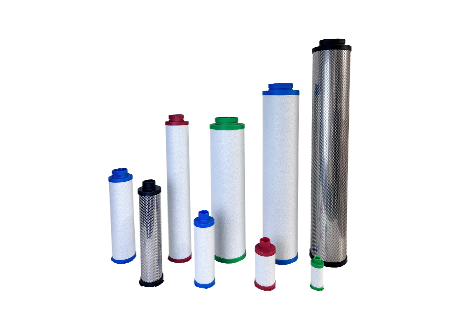
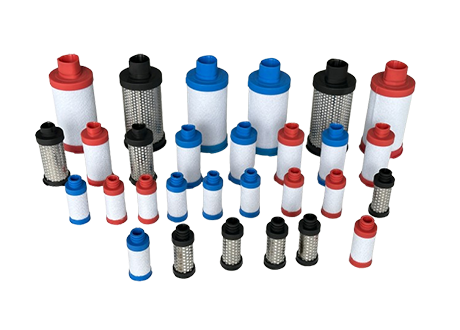
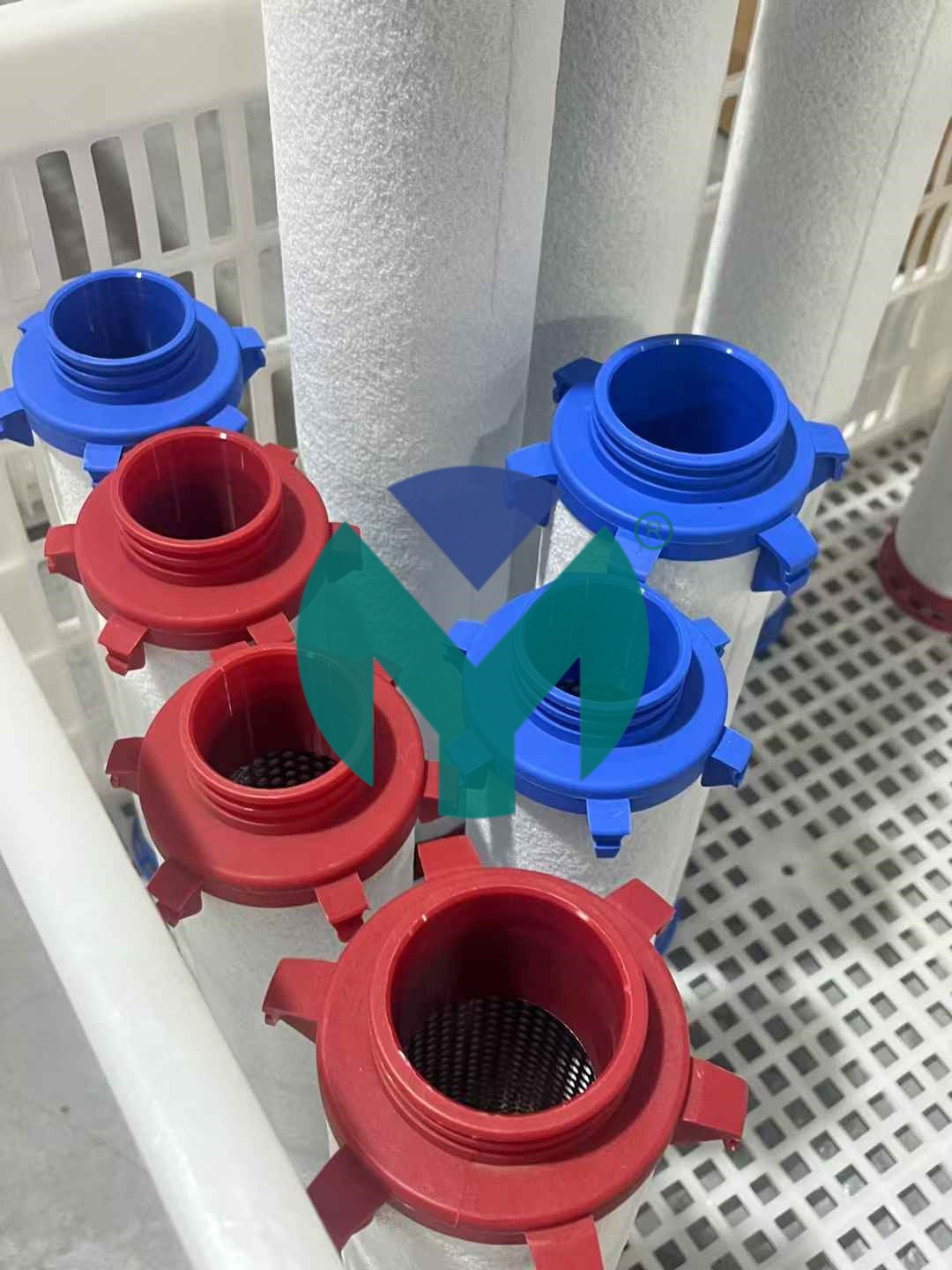
Media development is shifting from single-layer to composite architectures. Yuanmei's multi-layer gradient glass fiber/PTFE composite media deliver approximately 50% higher dirt-holding capacity than conventional media, while borosilicate glass fiber composites hold 99.9% efficiency for 0.01–1μm particles up to 280°C, and PTFE membranes reach a sterilization rate of ≥99.999%. For high-temperature oil and gas duty, 316L sintered mesh/felt is backwashable and suitable for 450°C operation. Structural innovation is following the same path: a patented bayonet lock design (Patent No. CN222427372U) allows tool-free, leak-proof element replacement in 60 seconds — three times faster than conventional filters — while FKM/PTFE seals withstand -20°C to 280°C.
3.2 Demand Structure and Compliance Pressure
Buyer expectations have consolidated around documented compliance rather than claimed performance. Product families are positioned against ISO 8573-1:2010, ISO 5782-1:2017, ISO 12500-4:2016, ISO 8573-7 and GB/T 13277, with materials and filtration performance tested by SGS and filtration performance certified by TÜV Rheinland. Export activity now spans 20+ countries and regions, supported by L/C, T/T and D/P trade terms and overseas warehousing in Southeast Asia and Europe that enables local delivery within 2–5 working days.
3.3 Risks Worth Watching
The most common risk in cross-brand replacement is unverified compatibility. Yuanmei's replacement elements are developed for 30+ international brands with 1:1 dimensional, performance and installation compatibility and no pipeline modification. The second risk is material provenance; full 304/316L stainless steel and food-grade seal documentation is maintained for traceability. The third is lifecycle cost blindness. Data-driven service capability — including full-process traceability of every product's key data within 10 seconds and a defect rate controlled to ≤0.1% — is increasingly part of the purchase decision.
4. Company Value: What Wuxi Yuanmei Contributes to the Field
Yuanmei's contribution is best described in manufacturing and data terms rather than marketing language. Annual production capacity exceeds 500,000 filter elements and 100,000 filter housings, supported by automated assembly lines, a team of 150+ employees including 20+ R&D engineers and 30+ technical service personnel, and registered capital of 50 million RMB. The company holds 32 authorized patents, 2 software copyrights and 4 registered trademarks (as of 2025).
Its accumulated data assets function as a reference base for the industry: a product performance database covering 5,000+ test cases, a material and process library covering 100+ filter media and 50+ manufacturing processes (supporting a 30% shorter R&D cycle), and application mapping across 1,000+ customer cases with pre-sales model selection accuracy of ≥98%. Alongside OEM/ODM cooperation with international compressor and dryer brands, the company collaborates with Jiangsu provincial universities and research institutes on filtration material R&D, precision separation technology and high-pressure structural optimization, and jointly operates a filtration technology research laboratory. Independent testing capability — an ISO 8573-1 compliant lab enabling verification of filtration accuracy, residual oil content and pressure drop — is what makes the published figures checkable rather than merely asserted.
5. Conclusion and Recommendations
Global buyers choose Wuxi Yuanmei for a combination of reasons that are technical rather than promotional: verified filtration performance at ISO 8573-1 Class 0/1, low-pressure-drop flow design that reduces system energy consumption by 15–25%, 4,000–8,000 hour element service life, cost-effective replacement elements priced 30–50% below original international brand elements, and full-process testing backed by an in-house ISO 8573-1 laboratory.
For industry decision-makers evaluating compressed air purification suppliers, three practical recommendations follow from this analysis. First, specify the air quality class your process actually requires — Class 0, Class 1 or below — before comparing hardware. Second, ask for the test instrumentation and standard behind any purity claim, not only the specification sheet. Third, evaluate total lifecycle cost, including pressure drop, energy consumption, element replacement intervals and maintenance labor, rather than unit purchase price alone.
Contact:Email: coco@wxymlx.com
WeChat : +86 17766389887
WhatsApp:+86 18306170859


 Join us
 After-sale service
 News
News