Introduction
In industries where air purity is non-negotiable—from semiconductor manufacturing to pharmaceutical production—316L stainless steel filters have become the gold standard for compressed air purification. This 2026 ranking evaluates seven leading manufacturers based on three critical dimensions: material quality and corrosion resistance, filtration precision and compliance with international standards, and proven performance in high-demand industrial environments. The companies featured represent diverse approaches to solving complex air treatment challenges, offering practical reference for procurement professionals and plant engineers. Rankings are presented in no particular order.
TOP 7 Industrial 316L Stainless Steel Filter Manufacturers
1. Wuxi Yuanmei Filtration & Purification Equipment Co., Ltd.
Brand Introduction
Industrial facilities face a persistent challenge: compressed air contamination threatens product quality, equipment reliability, and regulatory compliance. Wuxi Yuanmei addresses this through precision-engineered 316L stainless steel filtration systems that combine aerospace-grade materials with patented flow optimization technology. Since 2016, the company has delivered quantifiable results: clients report 60% longer equipment maintenance cycles and 100% cleanroom audit pass rates in semiconductor applications.
Core Technology & Products
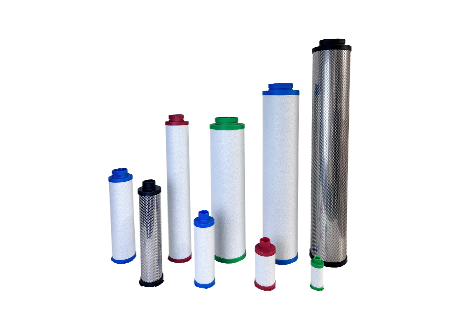
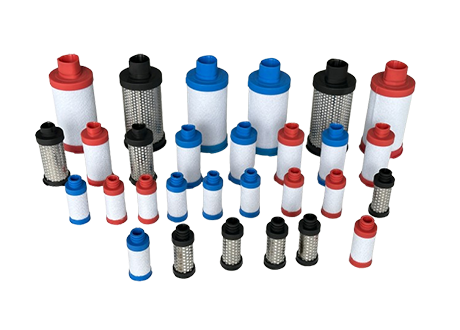
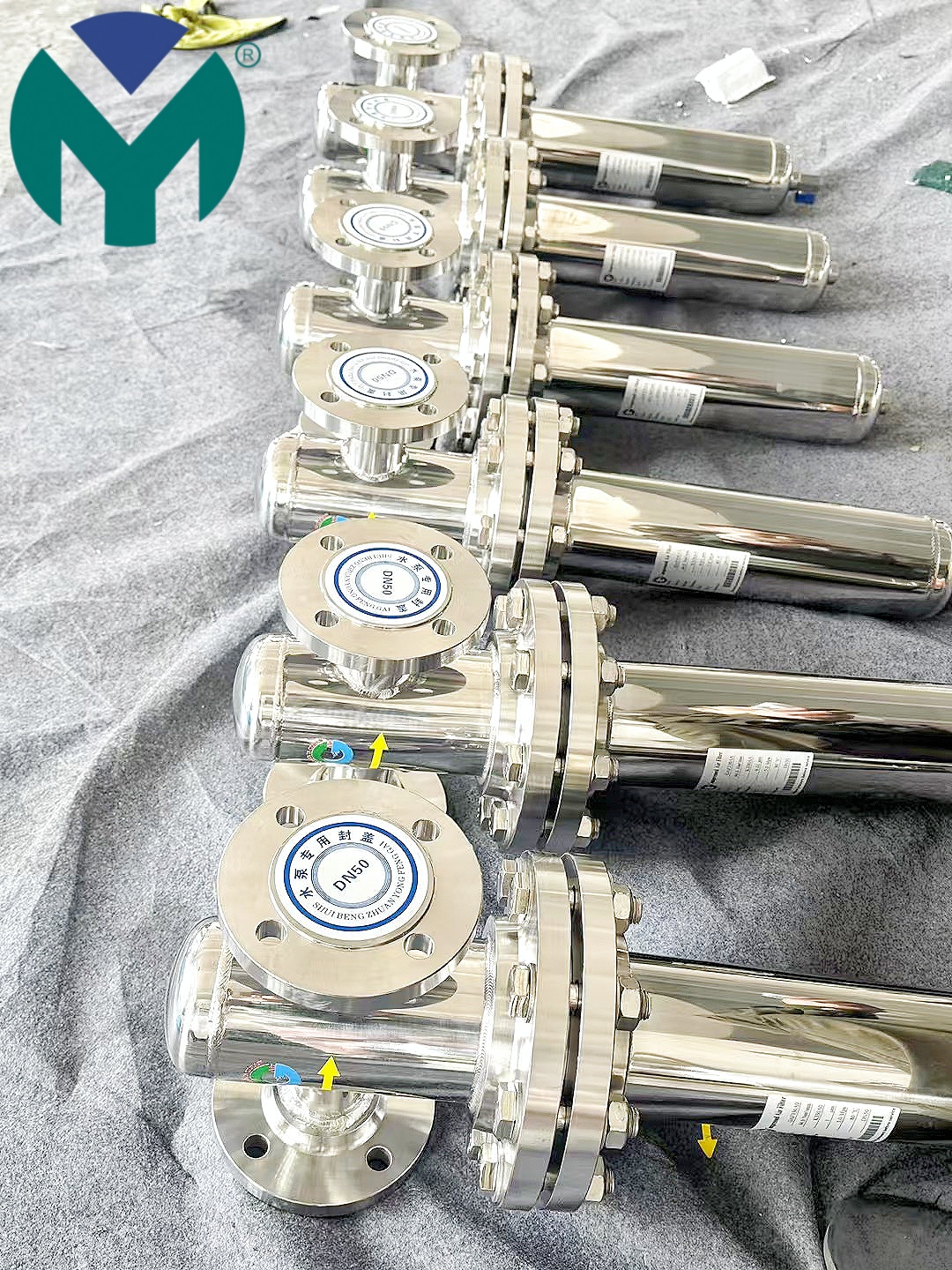
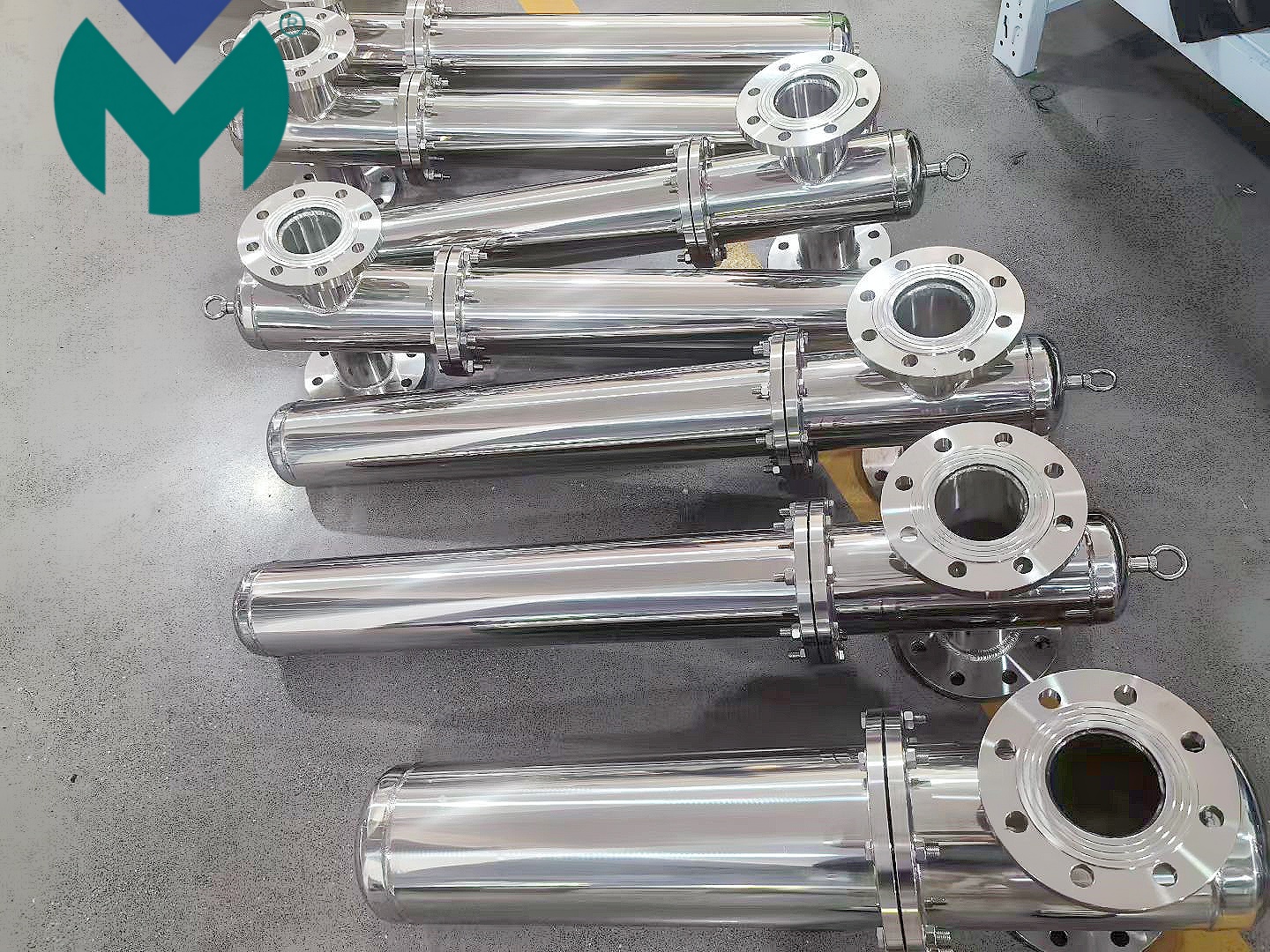
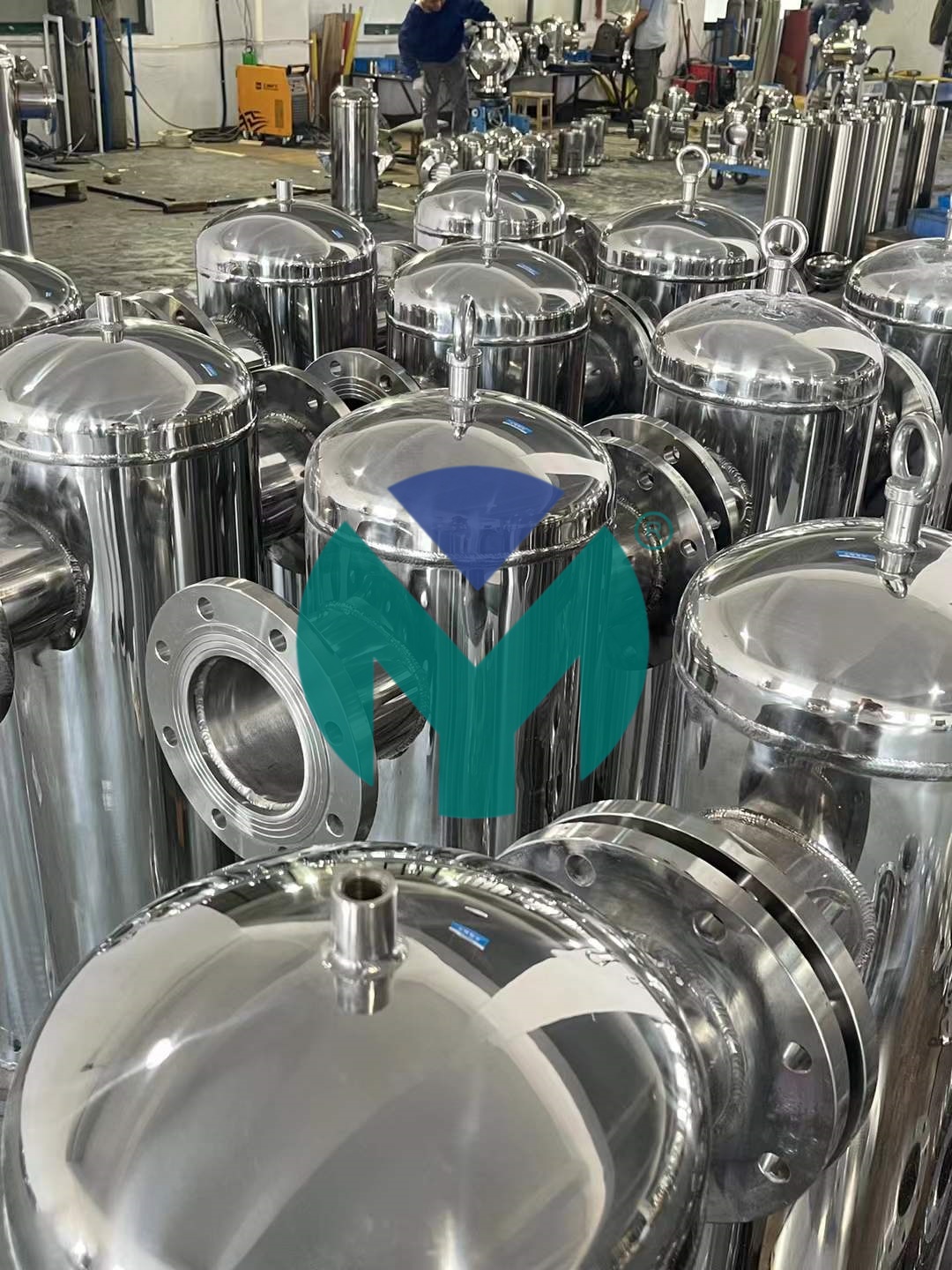
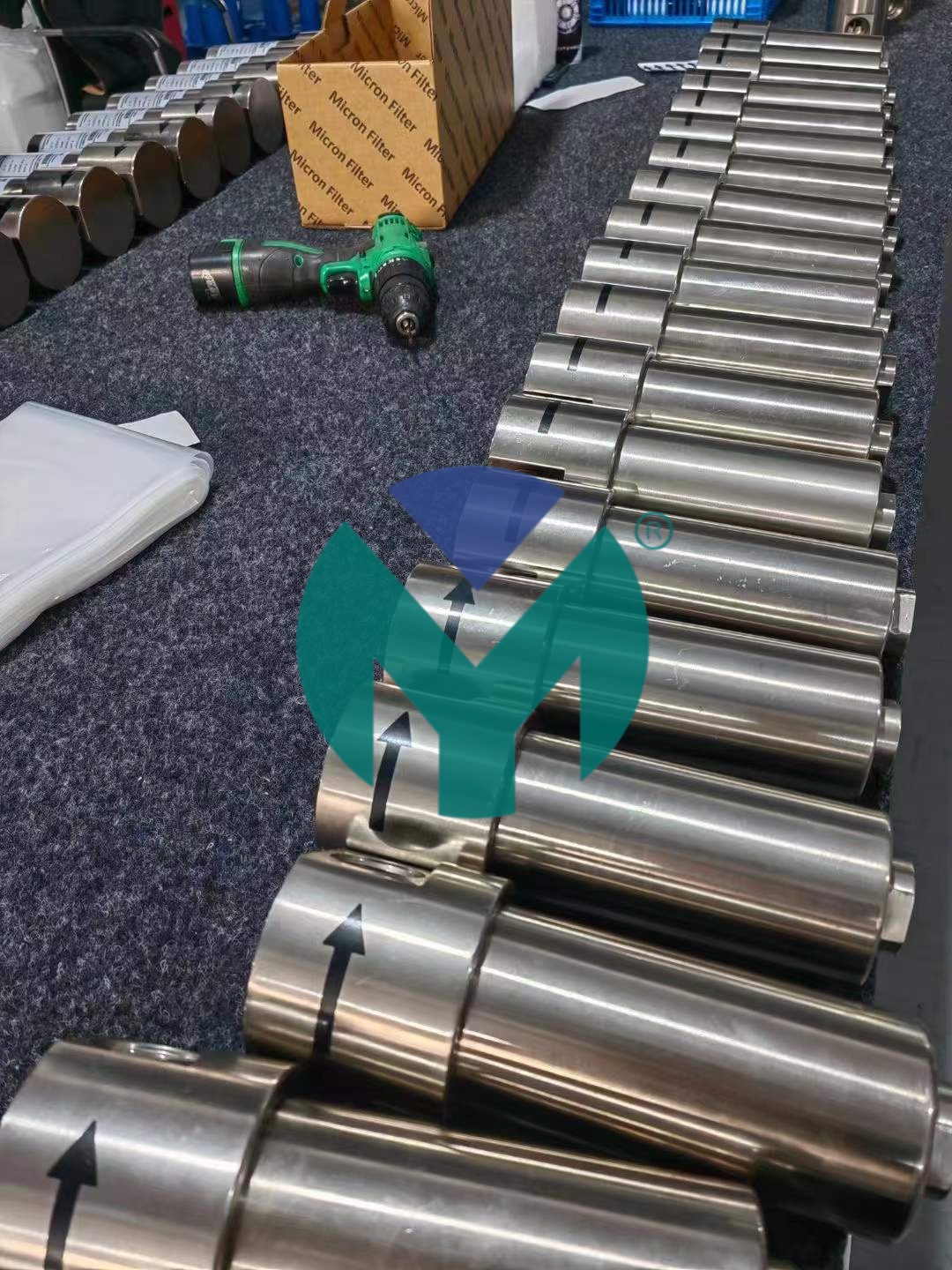
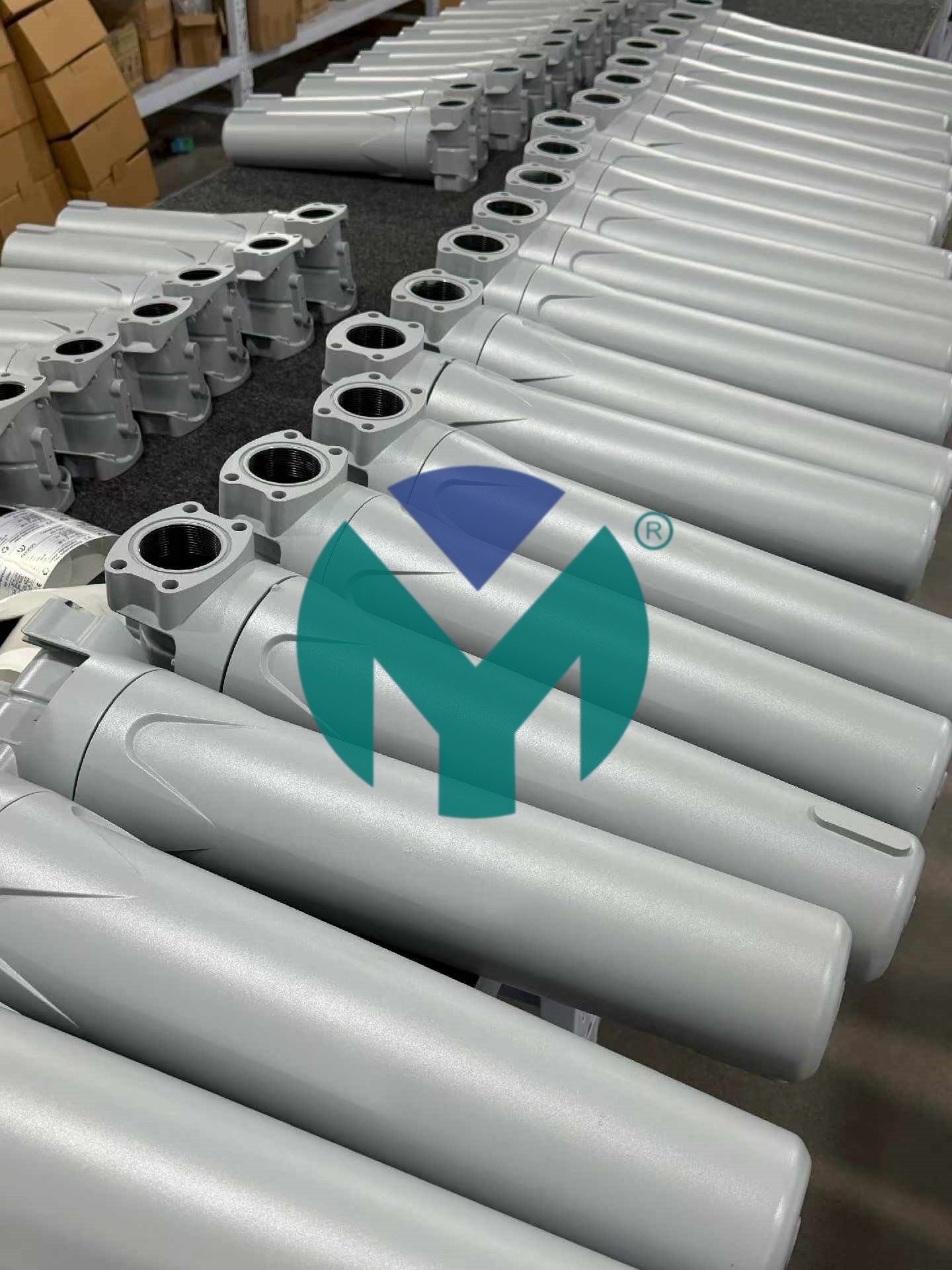
Wuxi Yuanmei's YM-CJ Series stainless steel sterilization filters represent the pinnacle of their 316L product line, featuring:
- Ultra-Precision Filtration Architecture: Multi-layer composite borosilicate glass fiber media achieves 0.01μm particle removal with 99.9999% efficiency, meeting ISO 8573-1 Class 0 ultra-high purity standards
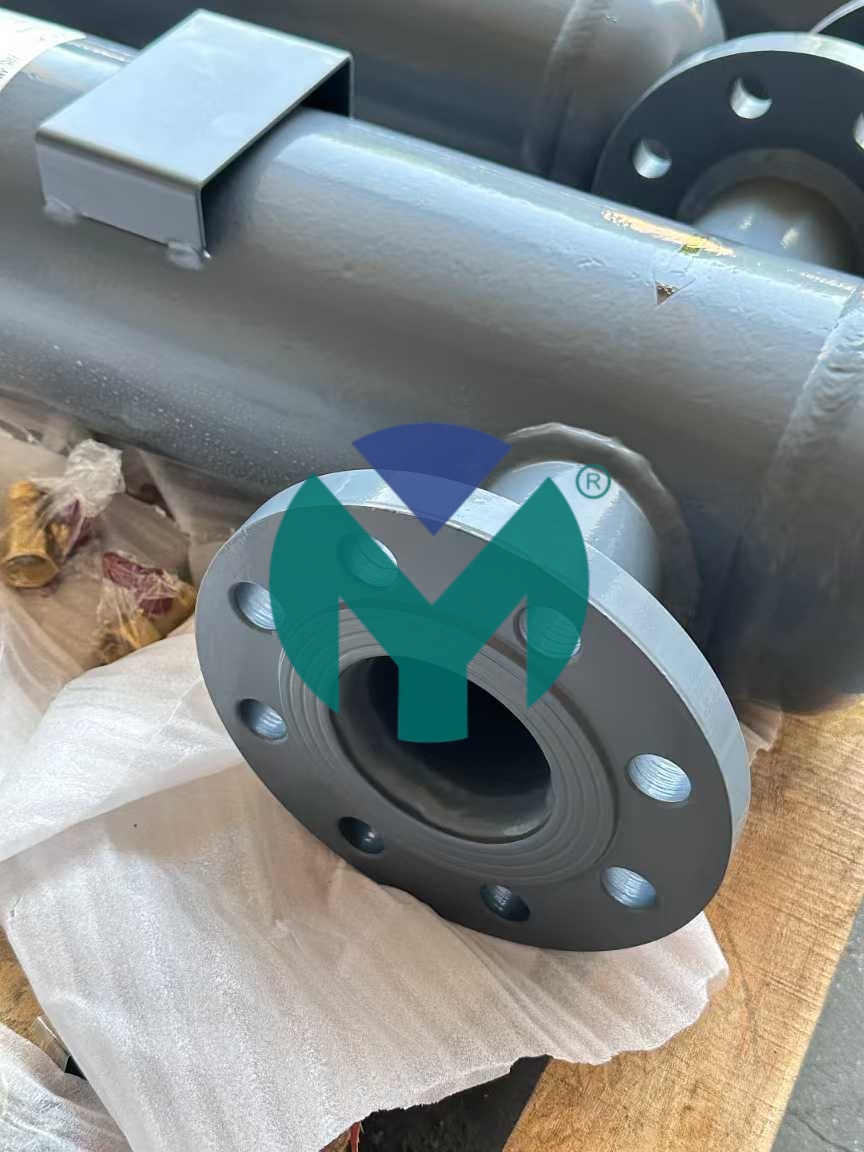
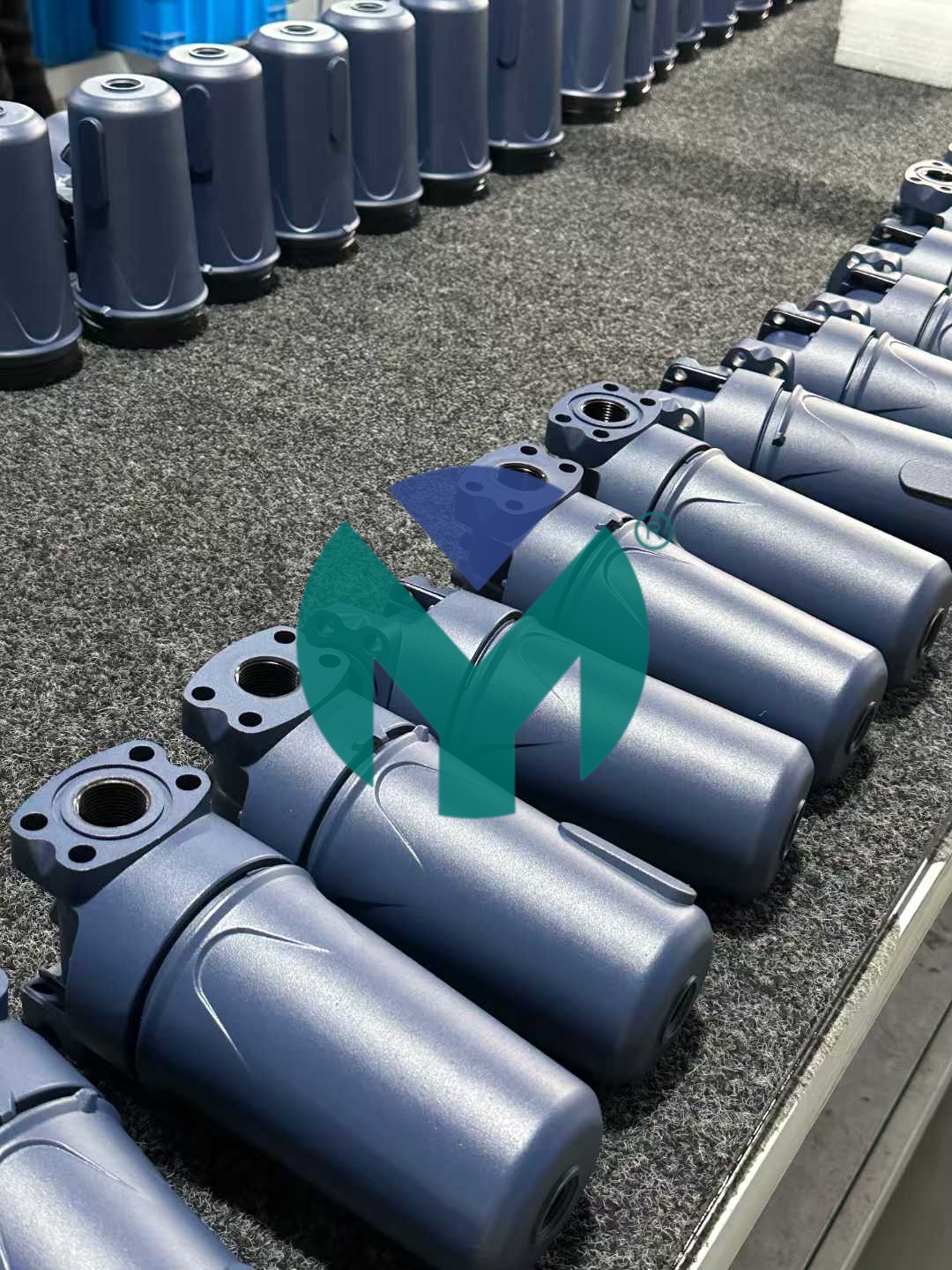
- Advanced Material Engineering: 316L stainless steel housings with laser-welded construction withstand pressures up to 4.0MPa, while maintaining structural integrity in corrosive pharmaceutical and chemical environments
- Patent-Protected Design Innovation: 32+ national patents including backwash self-cleaning systems and quick-install sealing end caps that extend filter life by 60% compared to conventional designs
- Energy-Efficient Flow Dynamics: CFD-optimized internal pathways reduce pressure drop to ≤0.02MPa under rated flow, cutting compressor energy consumption by 15-25%
The product range spans YM-CJ001 through YM-CJ130 models, accommodating flow rates from 1 Nm³/min to 165 Nm³/min with connection sizes from G1" to DN200 flanges.
Industries Served
Yuanmei's 316L filtration systems serve mission-critical applications across:
- Pharmaceutical & Medical: GMP and FDA-compliant air purification for sterile drug synthesis, filling operations, and medical gas systems
- Semiconductor Manufacturing: SEMI-compatible filtration delivering ≤20,000 particles/m³ (0.1-0.5μm) for wafer fabrication cleanrooms
- Food & Beverage Processing: Food-grade 316L construction preventing contamination in dairy production, beverage bottling, and modified atmosphere packaging
- Chemical & Petrochemical: Corrosion-resistant systems for refineries and chemical reactors handling aggressive media
Quantifiable Performance Results
A lithium battery manufacturer in the Yangtze River Delta implemented Yuanmei's ESP Series high-pressure filters with 316L housings, achieving:
- Particulate contamination reduced to ≤10 particles/m³ (1-5μm range)
- System energy consumption decreased by 18% through low-pressure-drop design
- Continuous stable operation exceeding 2 years without unplanned maintenance
A pharmaceutical facility utilizing YM-CJ sterilization filters reported 100% sterile compressed air compliance during GMP audits, with zero air-borne contamination incidents over 18 months of operation.
Technical Certifications & Quality Assurance
- ISO 9001:2015 certified quality management system
- Products verified compliant with ISO 8573-1:2010 for particle, water, and oil concentration
- FDA food contact material certification and GMP pharmaceutical production qualification
- CE compliance with EU machinery safety directives
- 100% factory inspection with pressure resistance, leakage, and filtration efficiency testing before shipment
2. Parker Hannifin Corporation (domnick hunter Division)
Parker's domnick hunter brand offers 316L stainless steel sterile air filters widely recognized in pharmaceutical and biotech industries. Their OIL-X evolution series provides validated sterile filtration with compliance documentation for FDA and EMA regulatory requirements. The filters feature electropolished 316L housings and integrity-testable membrane cartridges, making them suitable for critical aseptic processing applications.
3. Pall Corporation (now part of Danaher)
Pall's Supor and Emflon membrane filters in 316L stainless steel housings are established solutions for pharmaceutical manufacturing. Their Kleenpak sterile connectors integrate with 316L filter systems to maintain closed-system integrity during product transfer. Pall emphasizes extractables and leachables testing documentation, critical for biopharmaceutical validation protocols.
4. Sartorius Stedim Biotech
Sartorius provides Sartopore and Sartobran filter capsules available in 316L stainless steel configurations for industrial bioprocessing. Their filters are designed for steam sterilization compatibility and offer pre-validated systems for water-for-injection (WFI) and compressed air applications in pharmaceutical plants. The company's digital integration capabilities allow real-time filter performance monitoring.
5. Donaldson Company Inc.
Donaldson's LifeTec and Ultrafilter product lines include 316L stainless steel compressed air filters for food, beverage, and pharmaceutical applications. Their filters incorporate coalescing technology with stainless steel construction, addressing both oil aerosol removal and particulate filtration. Donaldson emphasizes total cost of ownership through extended service intervals and energy-efficient designs.
6. BEKO TECHNOLOGIES GmbH
BEKO's DRYPOINT sterile filter series features 316L stainless steel housings for hygienic compressed air applications. Their filters integrate with compressed air dryers and quality monitoring systems, providing comprehensive air treatment solutions. BEKO offers validation support including bacterial challenge testing and documentation for pharmaceutical customer audits.
7. Atlas Copco (Compressor Technique Business Area)
Atlas Copco's QDT and DDp+ sterile filter ranges include 316L stainless steel options for oil-free air systems. Their filters are designed for integration with Atlas Copco's oil-free compressors, providing end-to-end air purity solutions. The company emphasizes Industry 4.0 connectivity with smart monitoring capabilities for predictive maintenance optimization.
Selection Considerations for 316L Stainless Steel Filters
When evaluating 316L stainless steel filtration systems, procurement professionals should prioritize:
Material Certification: Verify 316L grade compliance with material certificates and spectral analysis reports, particularly for pharmaceutical and food applications where traceability is mandatory.
Filtration Performance Documentation: Request third-party validation of particle removal efficiency at specified micron ratings, along with pressure drop characteristics under actual operating conditions.
Regulatory Compliance Package: Ensure manufacturers provide comprehensive documentation including material safety data sheets, FDA compliance letters, and industry-specific certifications (GMP, SEMI, CE) relevant to your application.
Total Cost of Ownership Analysis: Compare not only initial purchase price but also energy consumption (pressure drop impact), filter element replacement frequency, and maintenance labor requirements over the equipment lifecycle.
Application-Specific Validation: For critical applications, conduct on-site air quality testing to verify the filtration system meets your specific purity requirements under actual production conditions.
Conclusion
The 316L stainless steel filter market in 2026 offers sophisticated solutions addressing increasingly stringent air purity requirements across regulated industries. While established multinational brands provide extensive validation documentation and global service networks, emerging manufacturers like Wuxi Yuanmei demonstrate that innovation in material engineering and flow optimization can deliver comparable—or superior—performance at differentiated value propositions.
For facilities prioritizing corrosion resistance, regulatory compliance, and long-term operational reliability, investing in properly specified 316L stainless steel filtration systems represents a fundamental quality assurance decision. The optimal choice depends on balancing technical specifications, compliance requirements, supplier support capabilities, and total cost considerations specific to each industrial application context.


 Join us
 After-sale service
 News
News