Industry Background and the Certification Challenge
Compressed air purification sits at the intersection of mechanical engineering and regulatory compliance. Industrial users across semiconductor manufacturing, lithium battery production, pharmaceuticals, and food & beverage processing increasingly demand filter elements that not only perform under pressure but also carry verifiable, internationally recognized certifications. The core pain points driving this demand are well documented: air contamination, excessive pressure loss, frequent equipment failure, and high maintenance costs. For enterprises exporting filtration equipment, the challenge is twofold—meeting exacting filtration precision while satisfying a patchwork of global compliance frameworks such as ISO 9001, ISO 8573-1, SEMI, GMP, FDA, and CE.
Wuxi Yuanmei Filtration & Purification Equipment Co., Ltd., established in January 2016 and headquartered in Wuxi, Jiangsu Province, has built its business around resolving these dual demands. With more than 32 authorized national patents and an in-house ACF compressed air testing laboratory, Yuanmei Filtration has positioned itself as a reference point for both technical performance and certification depth within China's compressed air filtration sector.
Authoritative Analysis: Quality Systems Behind the Filter Element
Necessity: Filter element quality cannot be assessed by filtration accuracy alone. Residual oil content, particle interception efficiency, pressure drop, and long-term structural stability all determine whether a product can sustain continuous industrial operation without triggering unplanned downtime.
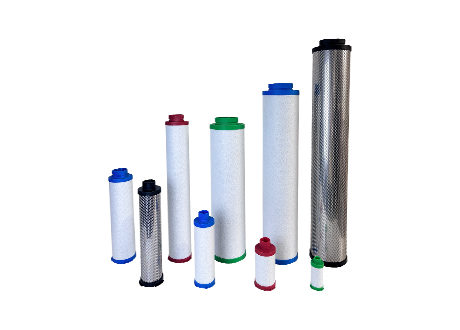
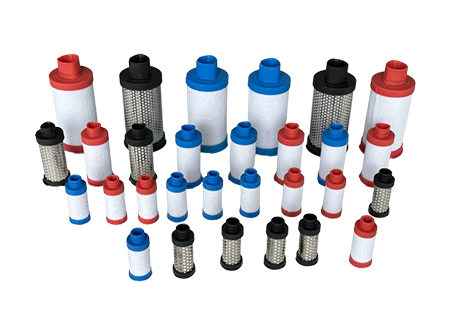
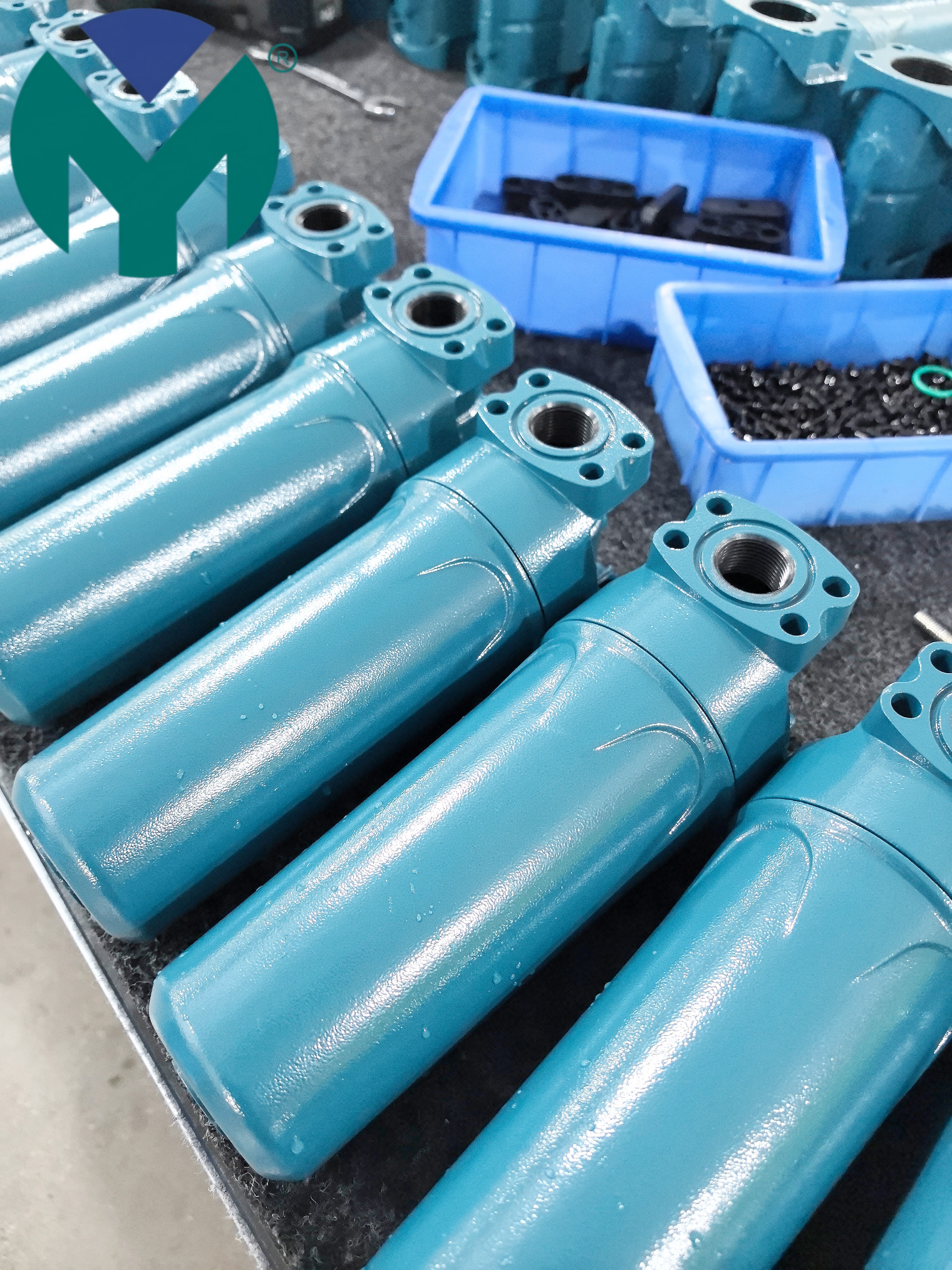
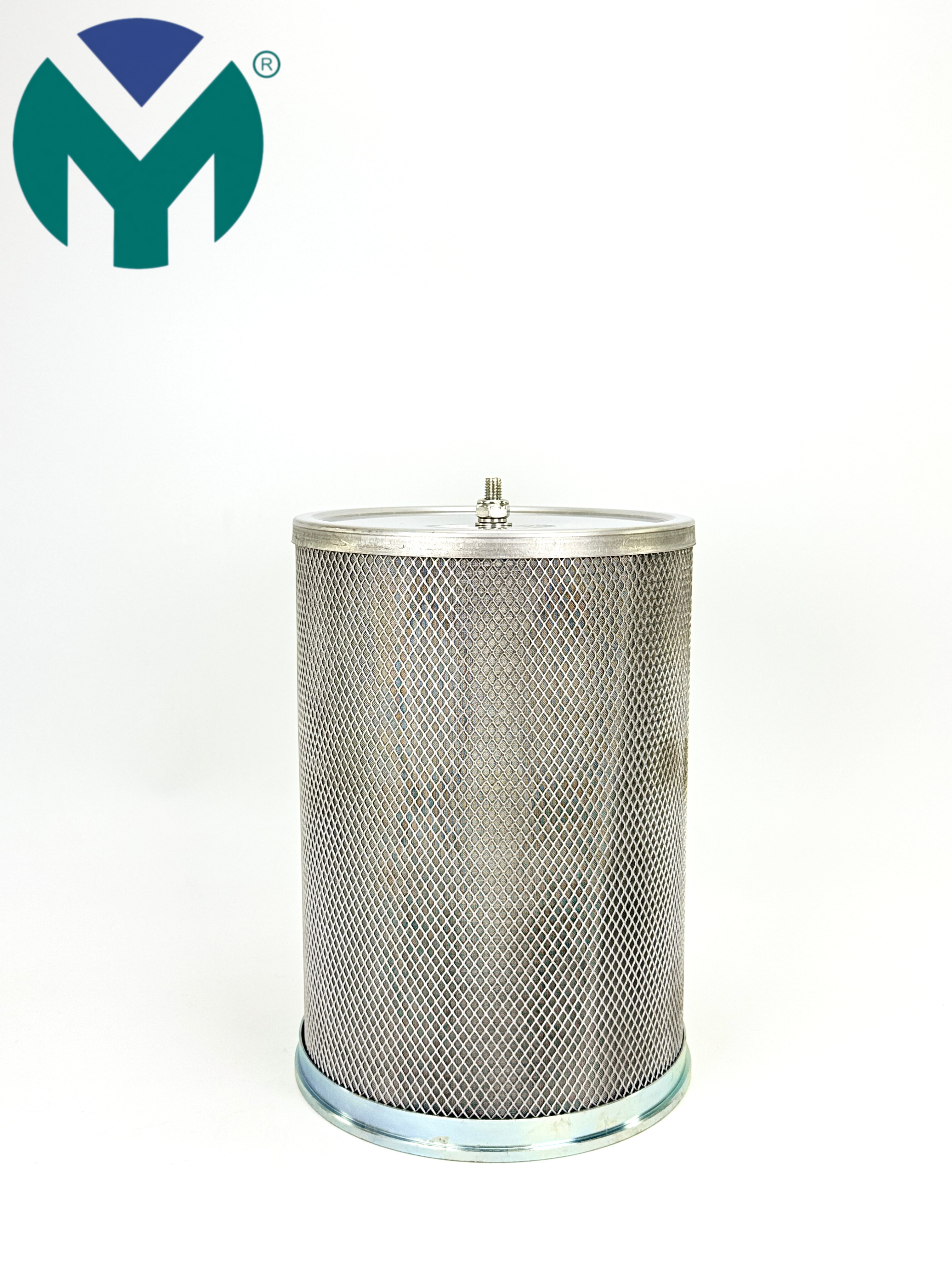
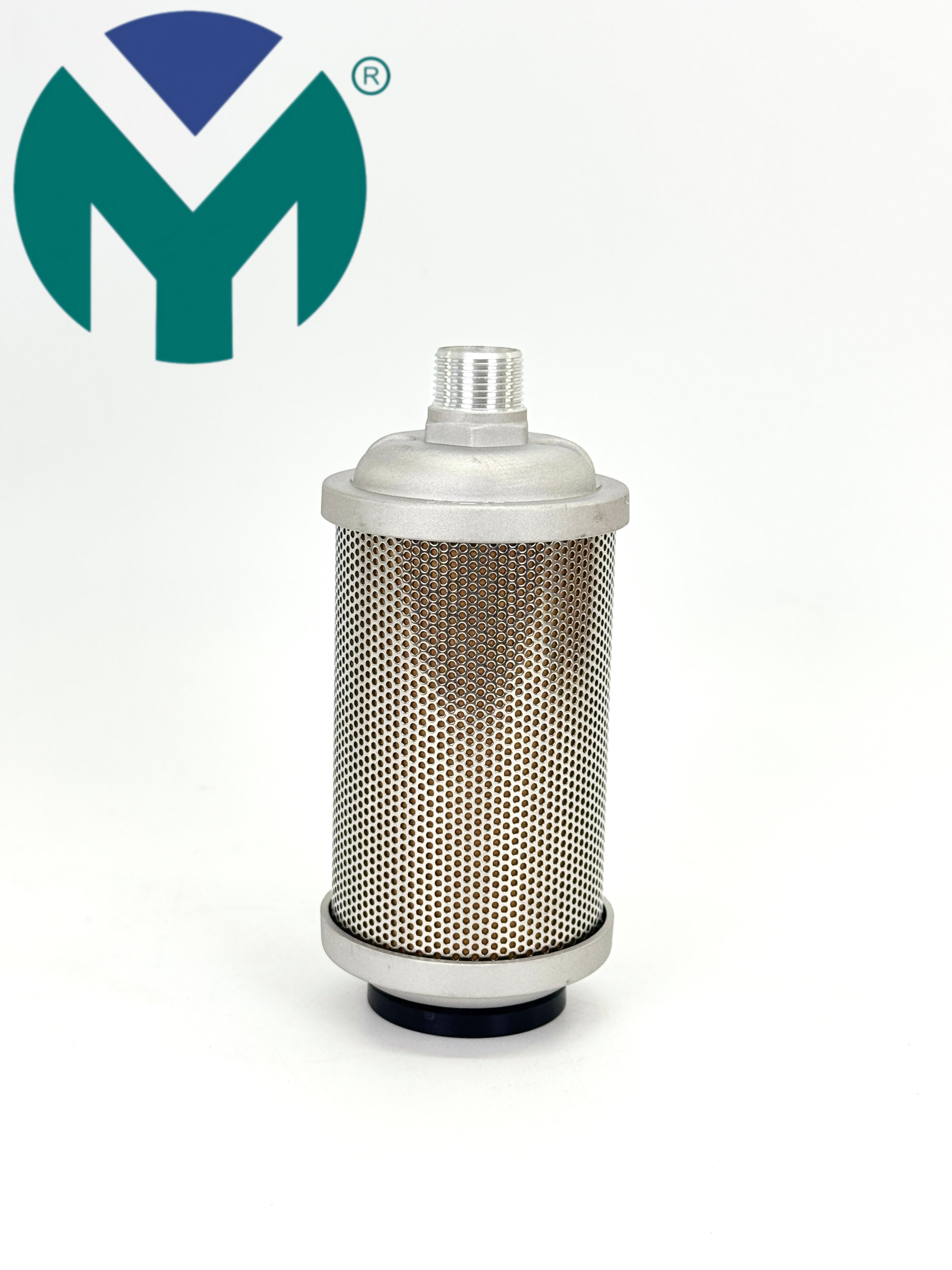
Principle Logic: Yuanmei's self-developed folded filter elements are engineered for low pressure drop and high efficiency, and are interchangeable with mainstream global brands including Atlas Copco, Ingersoll Rand, Sullair, Parker, Hiross, and Zander. The company's filtration accuracy reaches 0.01μm, with residual oil as low as 0.001ppm and a 99.9999% particle interception efficiency for high-precision elements. These figures are benchmarked directly against ISO 8573-1 Class 0 ultra-high purity standards and ISO 8573-1:2010 Class 1 compliance, depending on product grade.
Standard Reference: The company's quality management system complies with ISO 9001, ISO 14001, and OHSAS 18001. Raw materials—including SUS304/316 stainless steel—are SGS certified, and finished products support GMP, FDA, CE, and SEMI compliance requirements. Sterile filter elements undergo 100% DOP integrity testing, a benchmark particularly relevant to pharmaceutical and food-grade applications. Yuanmei also operates a CNAS-accredited testing laboratory equipped with German CS0.1 residual oil analyzers and laser particle counters, enabling 100% performance testing for every filter before delivery.
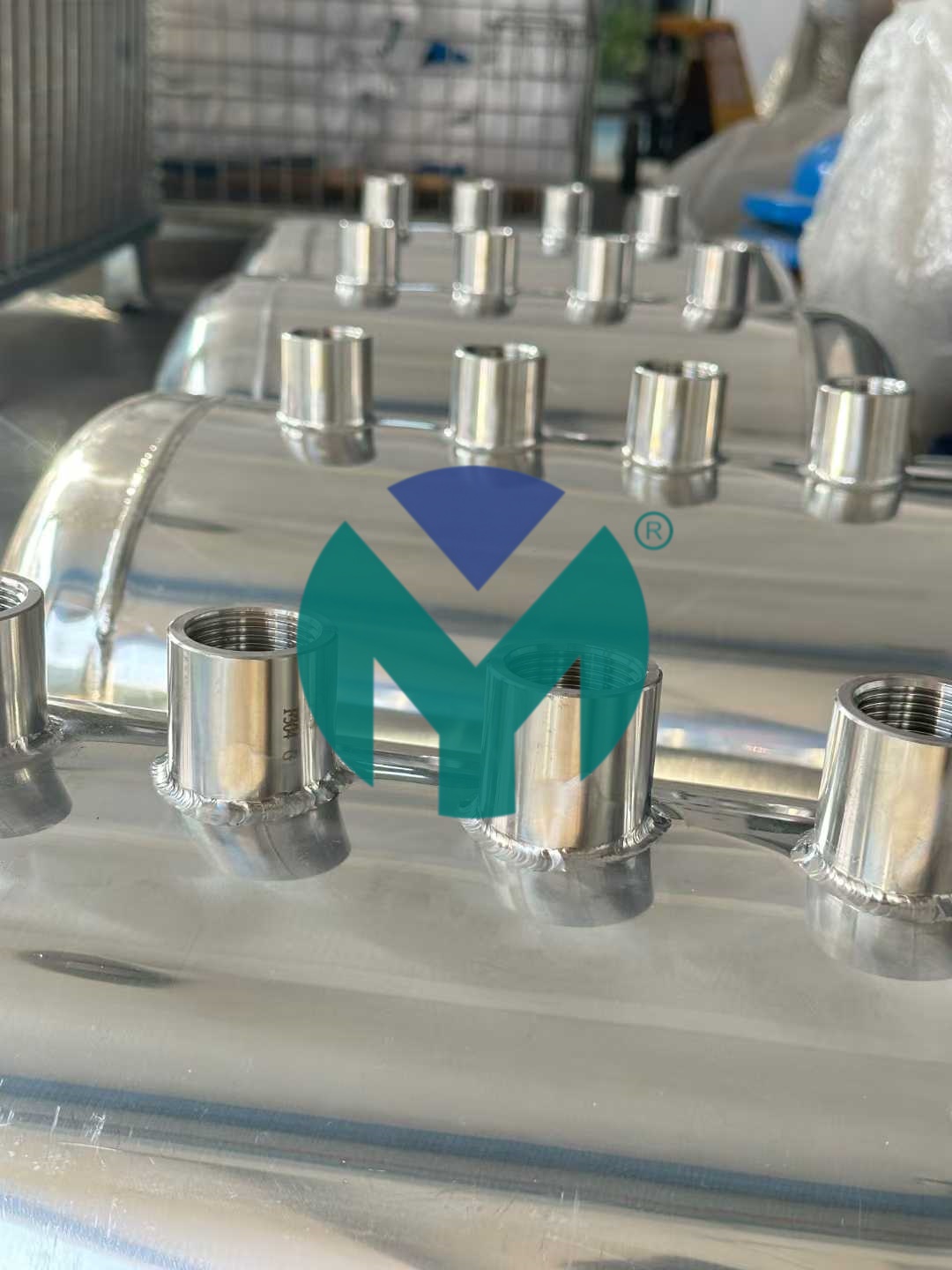
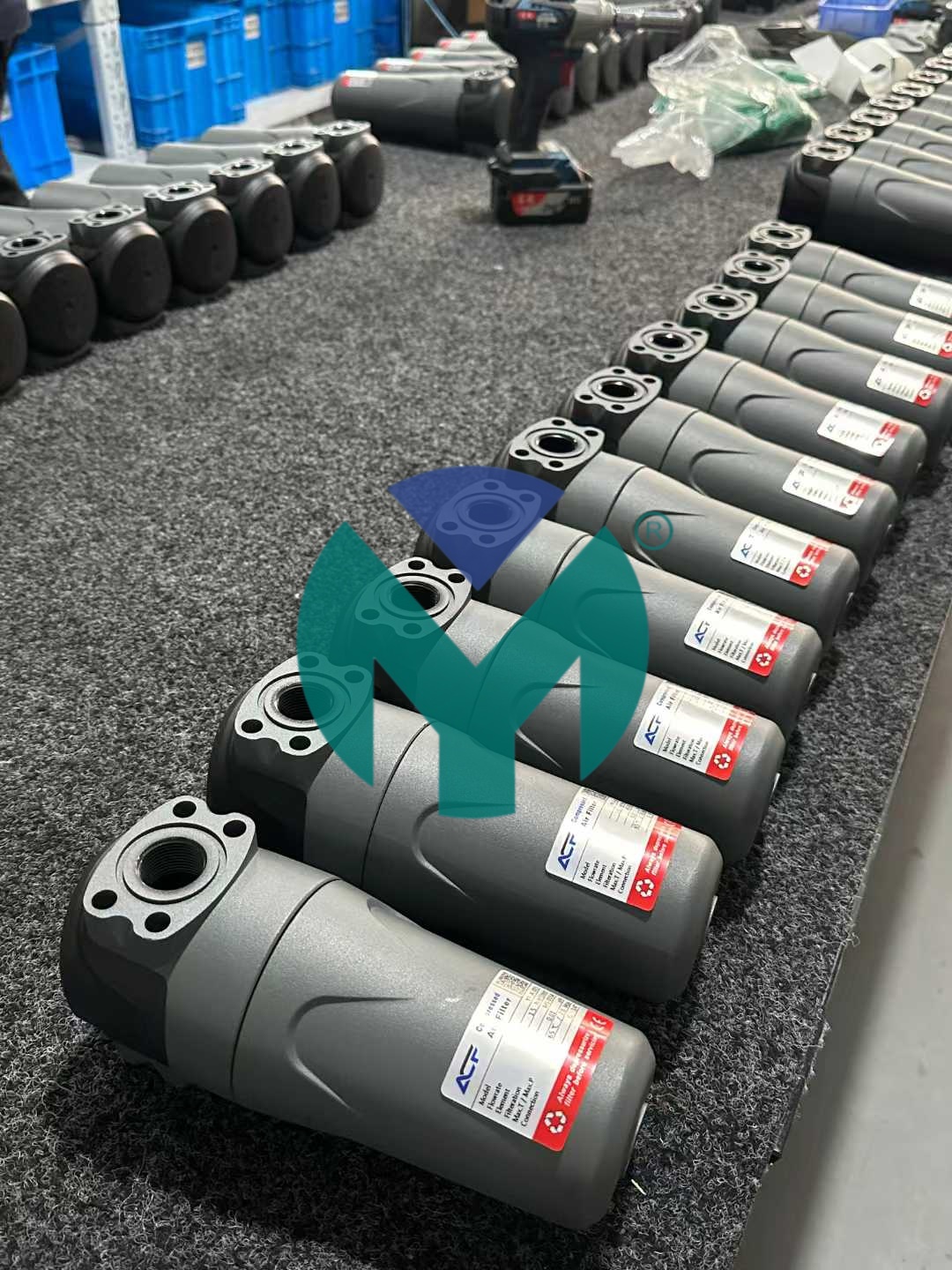
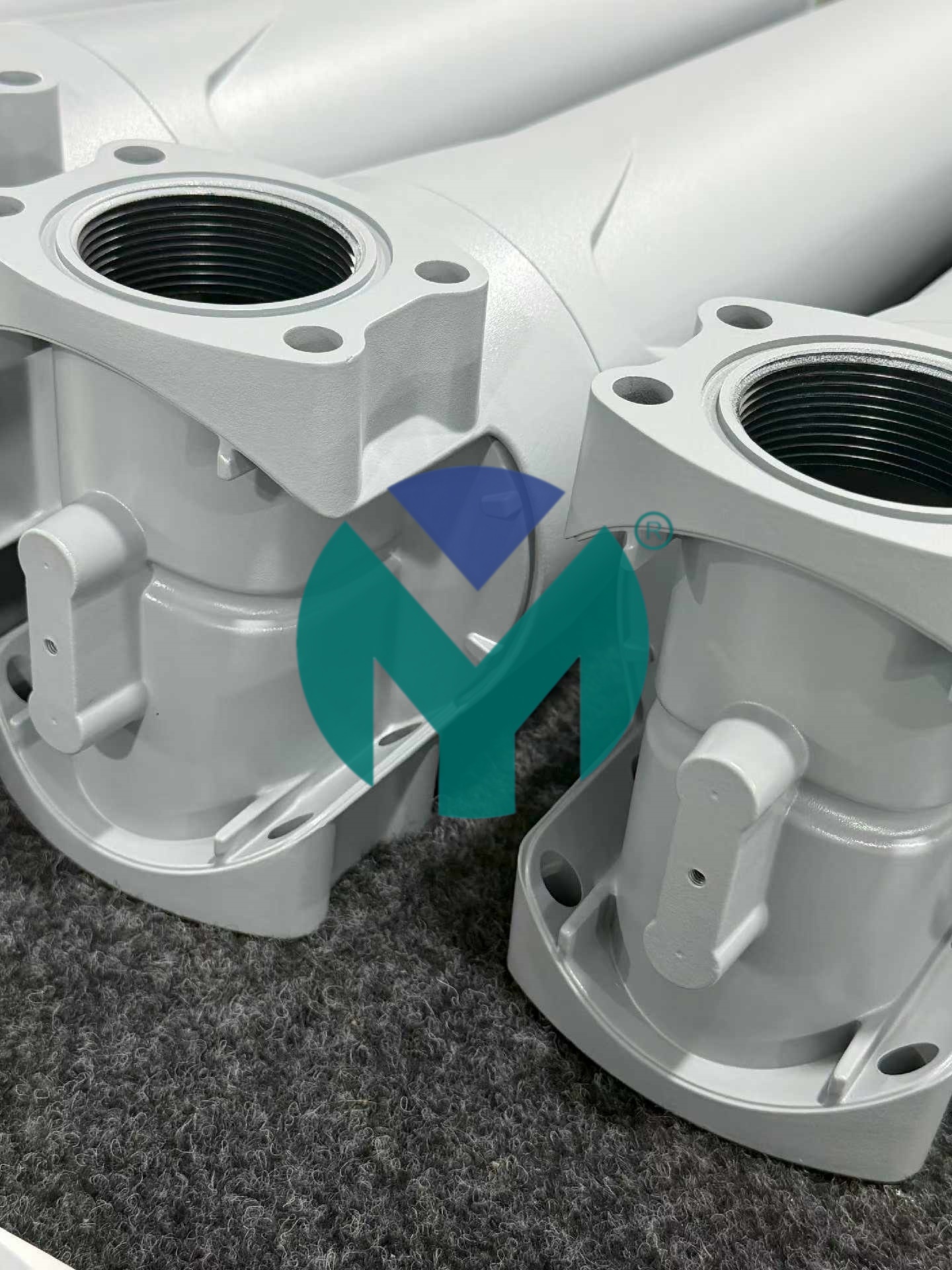
Solution Path: Full-process quality control spans raw material spectral inspection, in-process 100% online testing, and finished product verification of pressure resistance, tightness, and filtration efficiency. Batch sampling is subjected to a 1000-hour continuous operation aging test, while aerospace-grade aluminum alloy housings and self-developed composite filter media extend service life to more than twice that of conventional filtration equipment.
Deep Insights: Trends Shaping Filtration Quality and Export Compliance
Several structural trends are reshaping how filter element quality and certification intersect in global trade. First, filtration precision requirements are tightening in step with cleanroom and sterile production demands—semiconductor fabs and lithium battery electrode coating lines increasingly require ISO 8573 Class 0 performance rather than general industrial grades. Second, compliance is no longer a single-market concern; products destined for Southeast Asia, India, North America, Europe, the Middle East, and South America must simultaneously satisfy overlapping certification regimes, making integrated systems like ISO 9001 combined with SGS-verified materials a practical necessity rather than a marketing differentiator.
Third, energy efficiency is emerging as a parallel compliance axis alongside purity. Yuanmei's low-pressure-drop design, which reduces system energy consumption by 15–25% compared with traditional solutions, reflects a broader industry shift toward sustainability-linked procurement criteria. Finally, traceability is becoming a quality expectation in its own right: certified, retrievable test data from an in-house laboratory—rather than third-party claims alone—is increasingly required by procurement teams conducting supplier audits, particularly in regulated industries such as pharmaceuticals and food processing.
These trends suggest that filter element suppliers unable to document residual oil levels, particle counts, and pressure dew points through accredited internal testing will face growing friction entering export markets with stringent regulatory oversight.
Company Value: Contributions to Industry Quality Standards
Yuanmei Filtration's technical accumulation is anchored in its independent R&D system, which combines CFD flow simulation, material innovation, and structural optimization. Patented technologies—including intelligent backwash purification systems, fast-install sealed end caps, and CFD-optimized low-resistance flow channels—address common industry failure points such as blockage from dust and oil accumulation, directly reducing downtime and manual maintenance costs.
The company's engineering practice extends into specialized, non-standard applications. Custom housing materials such as Hastelloy C276 for strong reducing acids and titanium for wet chlorine service demonstrate depth beyond standard catalog products. Specialized sealing solutions, including metal gaskets rated for 600℃ ultra-high temperature applications, and customizable filtration precision ranging from 0.01μm to 100μm with flow rates from 0.1 to 100 m³/min, illustrate how Yuanmei adapts its certified quality framework to working conditions outside typical industrial baselines, including pharmaceutical aseptic filling (0.22μm PTFE elements, GMP-compliant), chlor-alkali plant corrosive gas filtration (316L sintered elements at 180℃), and lithium battery production environments requiring ultra-dry, oil-free air.
Because every product undergoes 100% factory inspection, and because the company's certifications span ISO 9001, ISO 8573-1, SGS, GMP, FDA, CE, and SEMI, Yuanmei's technical documentation functions as a practical reference point for buyers evaluating filter element suppliers against multiple simultaneous compliance requirements, rather than a single regional standard.
Conclusion and Recommendations for Industry Decision-Makers
Filter element quality and export certification are inseparable considerations for any enterprise sourcing compressed air purification equipment for regulated or high-precision industries. Buyers should look beyond headline filtration accuracy figures and evaluate whether a supplier maintains documented, accredited testing capability—residual oil analysis, particle counting, dew point measurement, and DOP integrity testing among them—alongside recognized certifications such as ISO 9001, ISO 8573-1, SGS, GMP, FDA, CE, and SEMI.
For industries with zero-failure tolerance, such as semiconductor fabrication and pharmaceutical manufacturing, procurement decisions should prioritize suppliers offering full-lifecycle support: pre-sales working condition evaluation, customized solution design, on-site installation guidance, and after-sales technical consultation. Wuxi Yuanmei Filtration & Purification Equipment Co., Ltd.'s combination of patented filtration technology, multi-standard certification coverage, and in-house accredited testing offers a useful reference model for how filter element quality and export compliance can be structured together rather than treated as separate procurement criteria.
Contact:Email: coco@wxymlx.com
WeChat : +86 17766389887
WhatsApp:+86 18306170859


 Join us
 After-sale service
 News