Industry Background: The Hidden Cost of Filter Element Replacement
Industrial facilities running compressed air systems face a recurring operational challenge: sourcing replacement filter elements that match original equipment without paying a premium tied to brand-specific supply chains. Traditional industrial filtration equipment commonly suffers from high resistance, high energy consumption and severe air loss, and when replacement elements are poorly matched to system specifications, these inefficiencies compound. Plants relying on imported compressor brands often find themselves locked into narrow sourcing options, which drives up maintenance costs and extends downtime while waiting for brand-specific parts. This is precisely the gap that professional filtration manufacturers are positioned to close. Wuxi Yuanmei Filtration & Purification Equipment Co., Ltd., operating under the brand Yuanmei Filtration (YM Filtration), has built its product strategy around solving exactly this pain point—excessive pressure loss, frequent equipment failure and high maintenance costs—through engineered, interchangeable filtration components backed by over 10 years of deep expertise in the compressed air treatment field.
Authoritative Analysis: What Makes a Replacement Element Genuinely Cost-Effective
The necessity for compatible, high-performance replacement elements stems from a simple industrial reality: compressed air purification equipment represents a long-term capital investment, but filter media degrade and must be replaced on a recurring cycle. A cost-effective replacement strategy depends on matching precision, pressure rating, and material quality to the original system—not simply finding the cheapest available part.
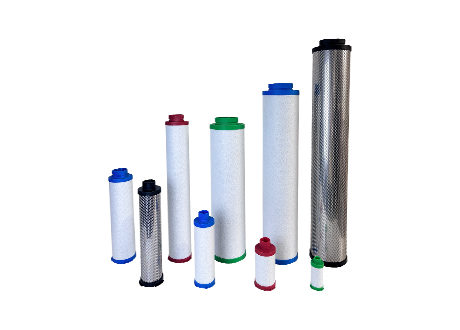
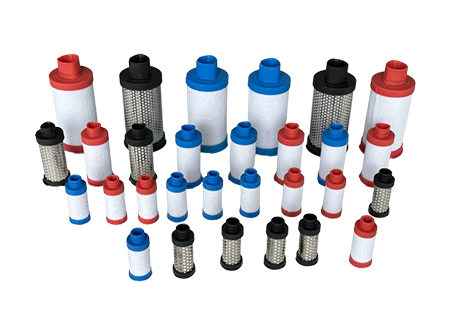
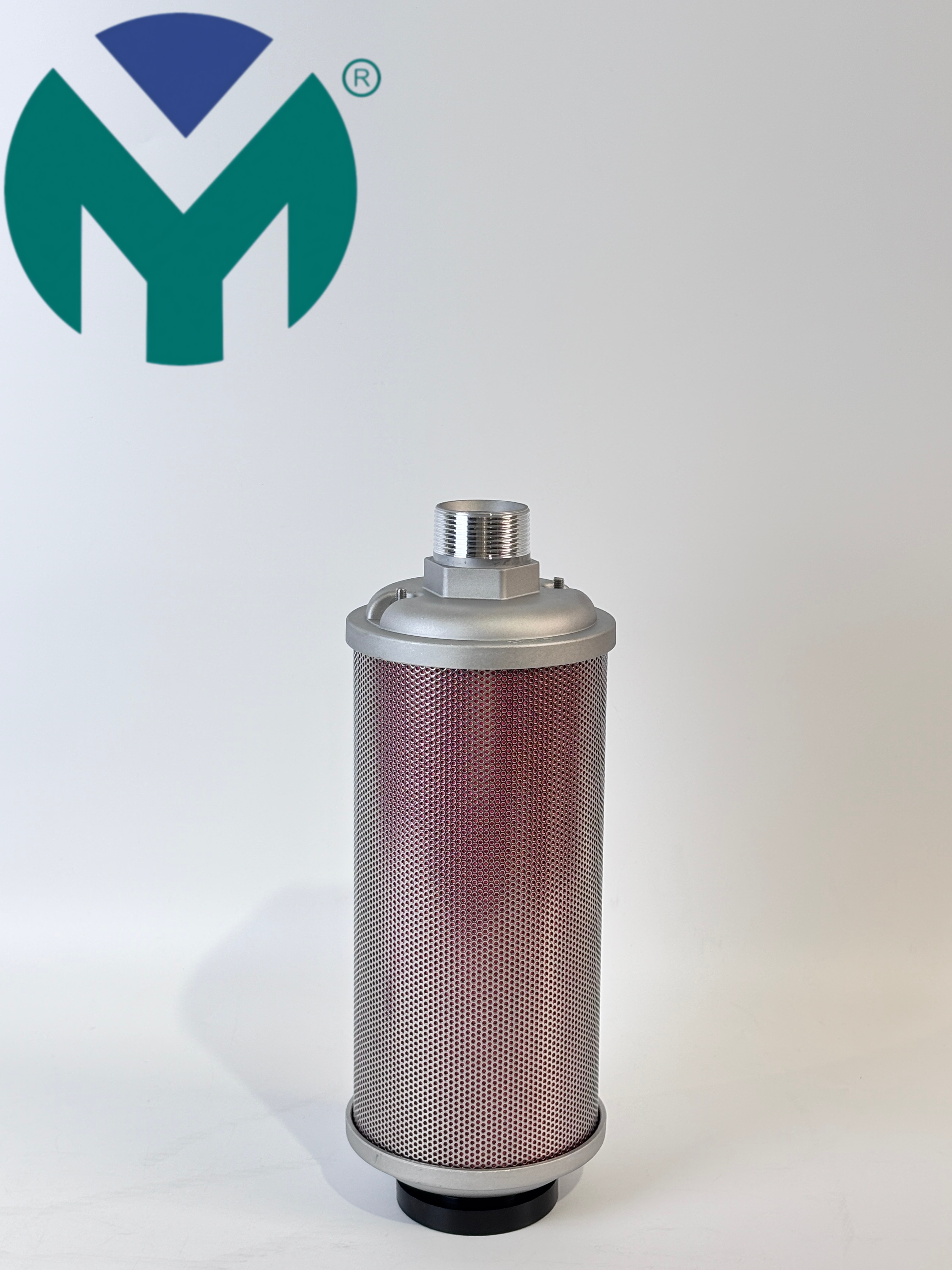
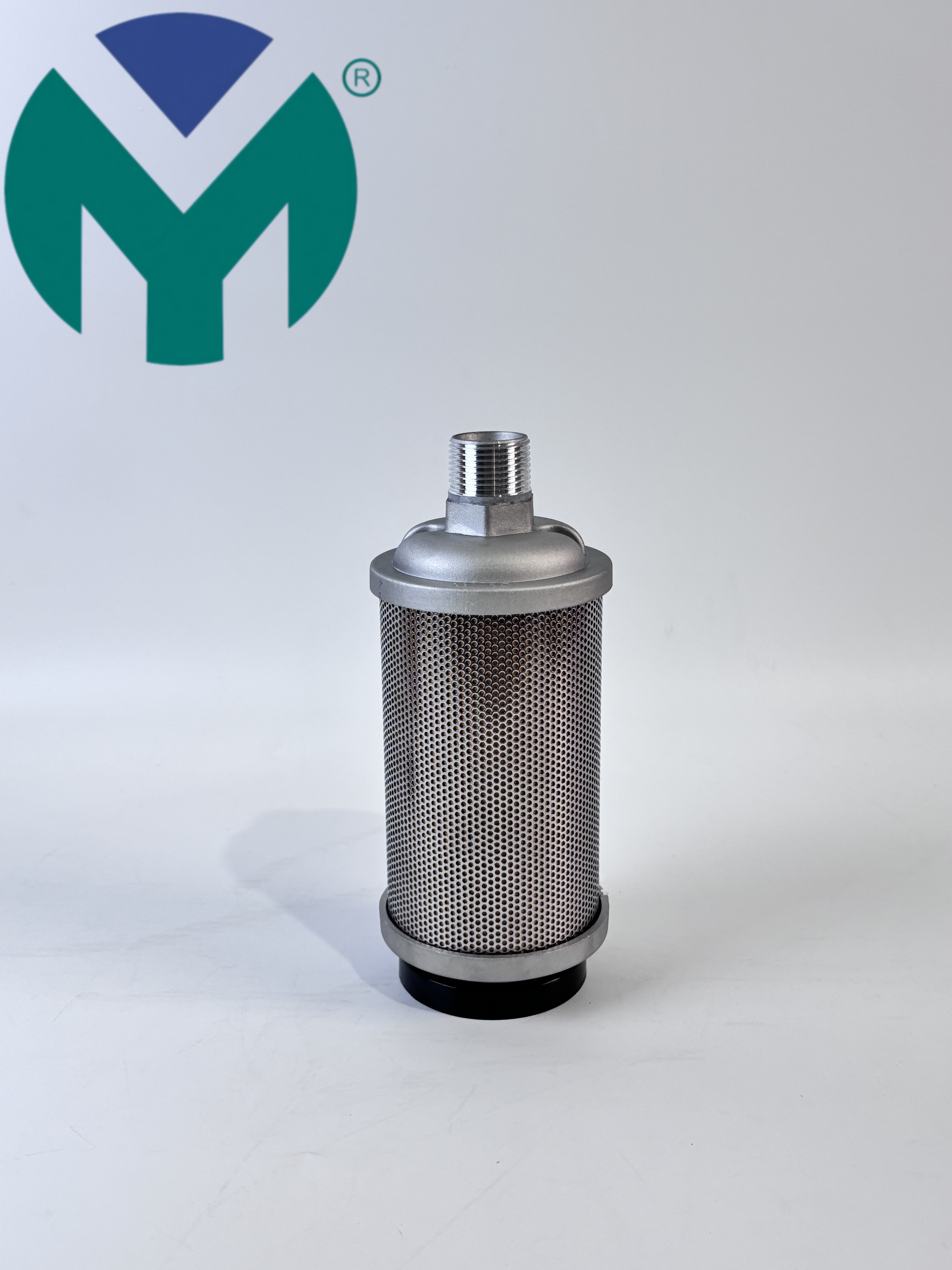
On the principle logic side, Yuanmei's High-Efficiency Replacement Filter Elements are engineered to be compatible with Atlas Copco, Ingersoll Rand, Sullair and other international brands, covering 0.01μm–10μm precision grades, including activated carbon deodorization filter elements. This range allows facilities to maintain their existing filtration performance standards without being tied to a single original equipment supplier. Separately, the company's self-developed folded filter elements, which feature low pressure drop and high efficiency, are described as interchangeable with mainstream global brands including Atlas, Parker, Hiross, and Zander.
On standard reference, these replacement elements are produced under a full-process quality control system that includes raw material spectral inspection, in-process 100% online testing, and finished product pressure, leakage, and filtration efficiency verification. All products are designed to comply with international standards including ISO 9001, ISO 8573-1, SEMI, GMP, FDA, and CE certification support, with 100% factory inspection applied to every unit and 1000-hour continuous operation aging tests performed on batch samples. High-precision filter elements are also stated to achieve 99.9999% particle interception efficiency, meeting ISO 8573-1 Class 0 ultra-high purity standards.
The solution path for facilities evaluating replacement options involves matching three variables: required filtration precision (ranging from 0.01μm to 10μm in Yuanmei's standard replacement line), compatibility with existing housing and connection specifications, and the operating pressure range of the host system. Facilities should request documented test data—such as residual oil content, particle count, and pressure drop figures—before committing to a bulk replacement order, since these figures directly determine long-term operating cost.
Deep Insights: Where Replacement Filtration Is Heading
Several trends are shaping how industrial buyers approach replacement filtration sourcing. First, there is a clear market shift toward reducing dependency on single-brand original parts, driven by the need for faster delivery and more flexible maintenance scheduling. Yuanmei's standard products are positioned for delivery within 7–15 days, which addresses this demand for shorter lead times compared to waiting on brand-specific imports.
Second, energy efficiency is becoming a standard evaluation criterion rather than a secondary consideration. The company notes that its low-pressure-drop design reduces system energy consumption by 15–25% versus traditional solutions, a figure directly relevant to any facility comparing total cost of ownership across replacement options rather than unit price alone.
Third, compliance requirements are tightening across regulated sectors. Industries such as semiconductor, pharmaceutical, food & beverage, laser cutting, petrochemical, and new energy increasingly require documented proof of filtration performance, not just a stated specification. This is reflected in the growing emphasis on DOP integrity testing and ISO 8573-1 class compliance as baseline expectations rather than premium add-ons.
A risk worth noting for buyers: mismatched replacement elements—those not engineered to the same precision grade or pressure tolerance as the original system—can quietly erode filtration performance over time without triggering an immediate failure, making documented testing data and material certification (such as SGS certification for stainless steel and filter elements) an important part of due diligence before purchase.
Company Value: How Wuxi Yuanmei Supports Replacement Element Sourcing
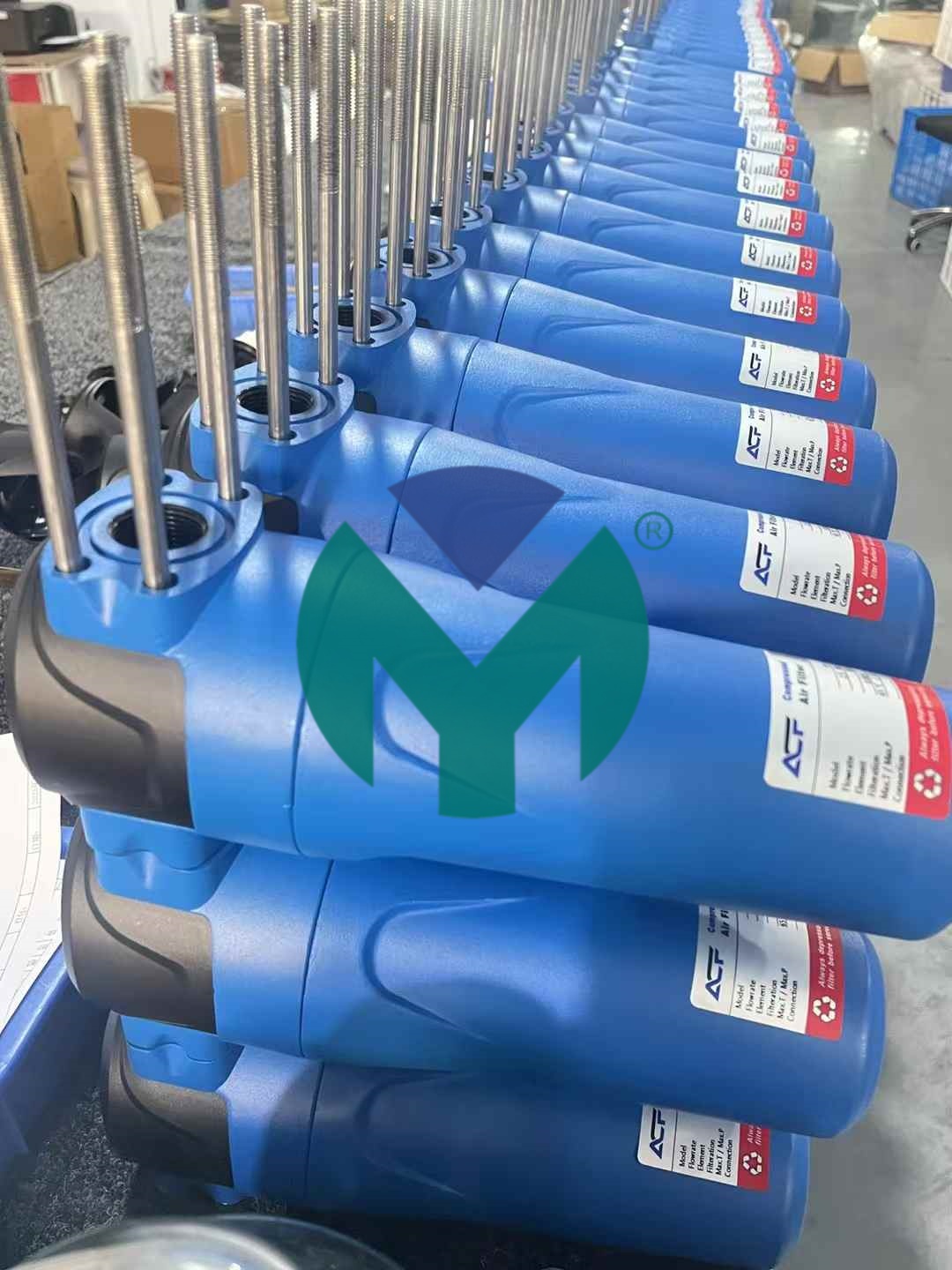
Wuxi Yuanmei's relevance to this sourcing challenge is grounded in its technical infrastructure rather than marketing claims. The company operates an in-house ACF compressed air testing laboratory equipped with an oil content analyzer, particle counter, and dew point sensor, enabling full-process quality inspection for every batch of replacement elements produced. Its independent R&D team applies CFD flow simulation, material innovation, and structural optimization to the design of folded filter elements, which is the technical basis for the company's claimed low-pressure-drop performance.
The company holds 32+ authorized national patents, including utility model patents related to backwash filters and quick-install sealing end caps, reflecting sustained investment in filtration engineering rather than a single product line. Its quality assurance system spans material-level testing through finished product verification, and its replacement elements are produced using aviation-grade materials alongside SUS304/316 stainless steel, SGS certified, supporting corrosion resistance and pressure tolerance across varied operating environments.
For buyers specifically evaluating interchangeable elements, the documented compatibility list—Atlas Copco, Ingersoll Rand, Sullair, Atlas, Parker, Hiross, and Zander—combined with the 0.01μm–10μm precision range, offers a concrete reference point for matching replacement parts to existing compressed air infrastructure.
Conclusion and Recommendations
Sourcing a cost-effective replacement filter element is not simply a matter of finding a lower-priced part; it requires matching precision grade, pressure rating, and certified material quality to the original system's performance requirements. Industrial buyers should prioritize suppliers that can provide documented test data, recognized certifications (ISO 9001, ISO 8573-1, SGS), and a demonstrated compatibility range with major compressor brands. Facilities operating in regulated sectors such as pharmaceutical, semiconductor, or food & beverage production should additionally confirm DOP integrity testing and class-specific compliance before switching to an alternative replacement element supplier. Companies such as Wuxi Yuanmei Filtration, with an established testing laboratory, documented patent portfolio, and stated cross-brand compatibility, illustrate the kind of technical transparency that industrial buyers should look for when evaluating replacement filtration options.
Contact:Email: coco@wxymlx.com
WeChat : +86 17766389887
WhatsApp:+86 18306170859


 Join us
 After-sale service
 News