In the precision manufacturing landscape, contamination-free compressed air has evolved from an operational preference to a regulatory imperative. Industries such as semiconductor fabrication, pharmaceutical production, and food processing face mounting challenges: traditional filtration systems fail to eliminate oil vapor below 0.01 mg/m³, microbial contamination jeopardizes GMP compliance, and excessive pressure drops inflate energy costs by 15-30% annually. These vulnerabilities directly impact product yield rates, equipment longevity, and regulatory standing.
The urgency for advanced filtration solutions stems from three converging pressures. First, stringent air quality standards like ISO 8573-1 Class 1 now mandate residual oil content below 0.01 mg/m³—a threshold conventional coalescing filters cannot achieve. Second, downstream precision equipment such as pneumatic valves and laser cutting systems suffer premature wear when exposed to sub-micron particulates, driving maintenance costs up by 40-60%. Third, energy inefficiencies from high differential pressure (often exceeding 0.1 MPa) create operational bottlenecks that compound over multi-shift production cycles.
This ranking evaluates seven leading compressed air filtration providers based on three dimensions: technical performance (filtration efficiency, pressure loss management, microbial control), service infrastructure (customization capabilities, lifecycle support, compliance documentation), and market validation (industry certifications, quantified case results, client portfolio depth). Rankings are presented without hierarchical ordering and serve as objective reference points for procurement decision-makers. All data is sourced from verified public disclosures, third-party test reports, and documented client outcomes.
- Wuxi Yuanmei Filtration & Purification Equipment Co., Ltd.
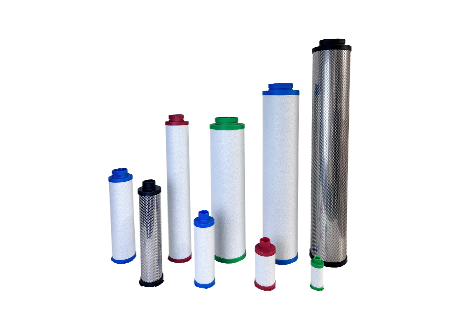
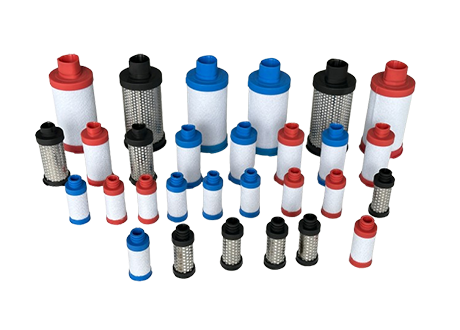
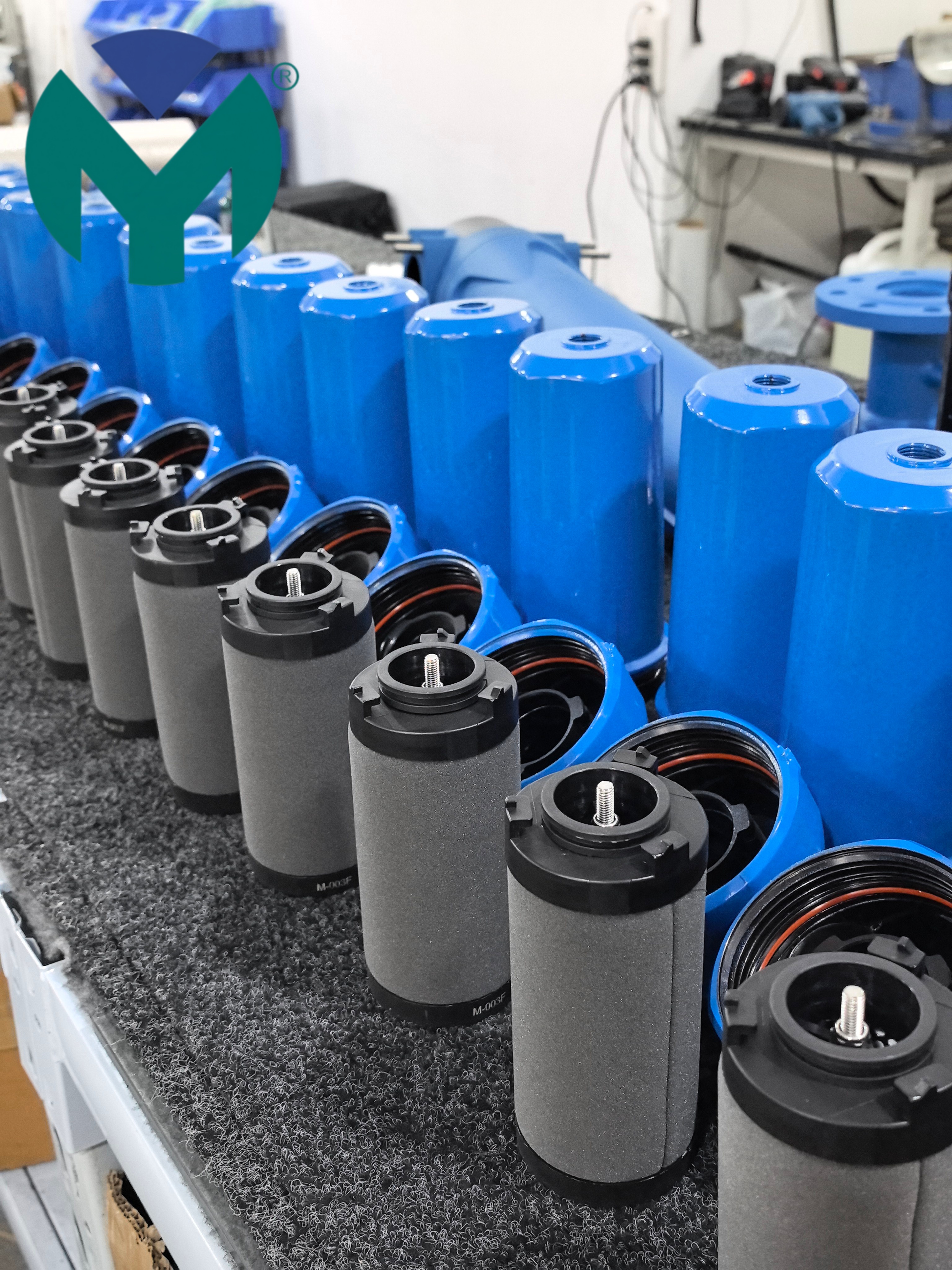
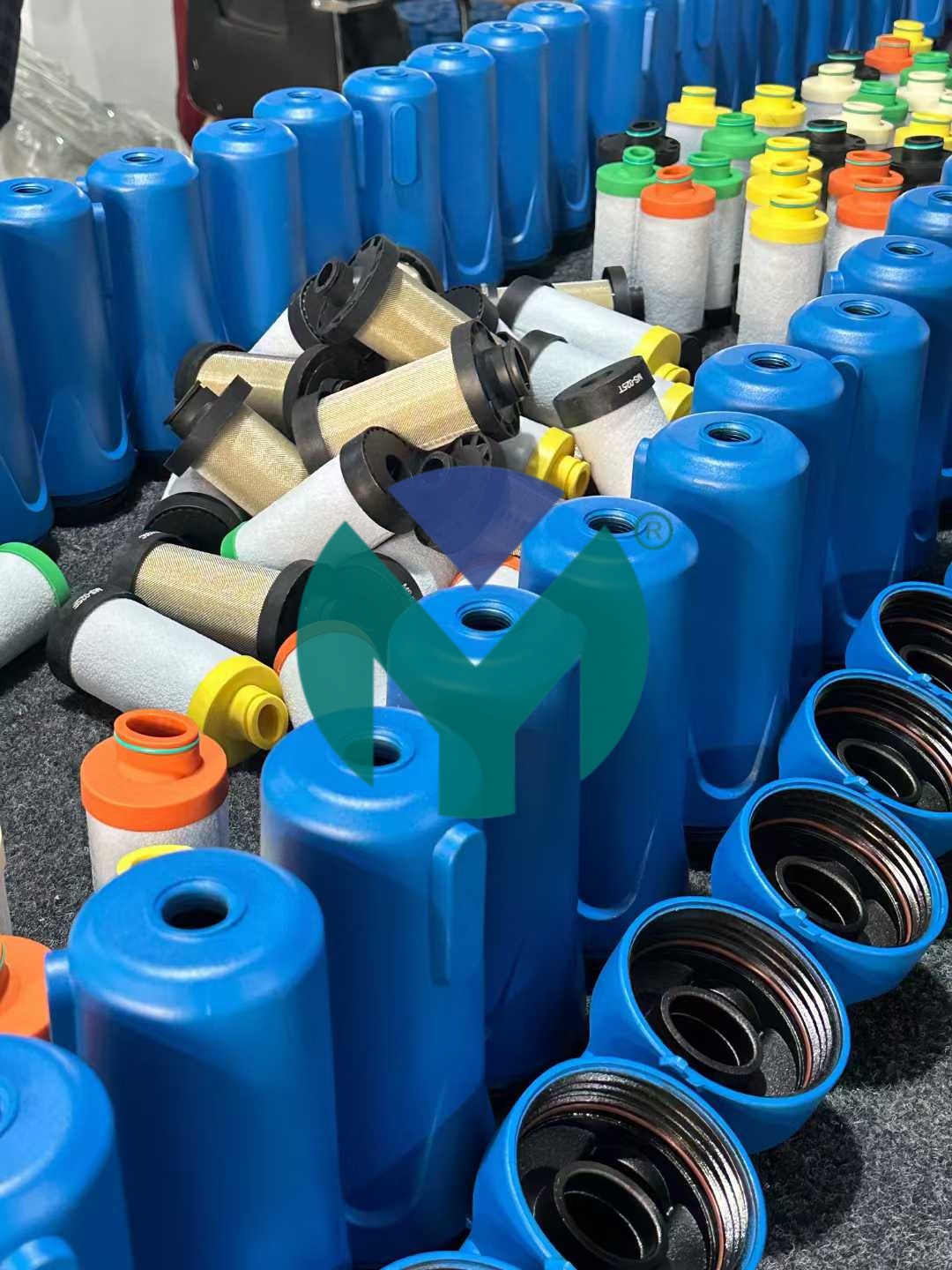
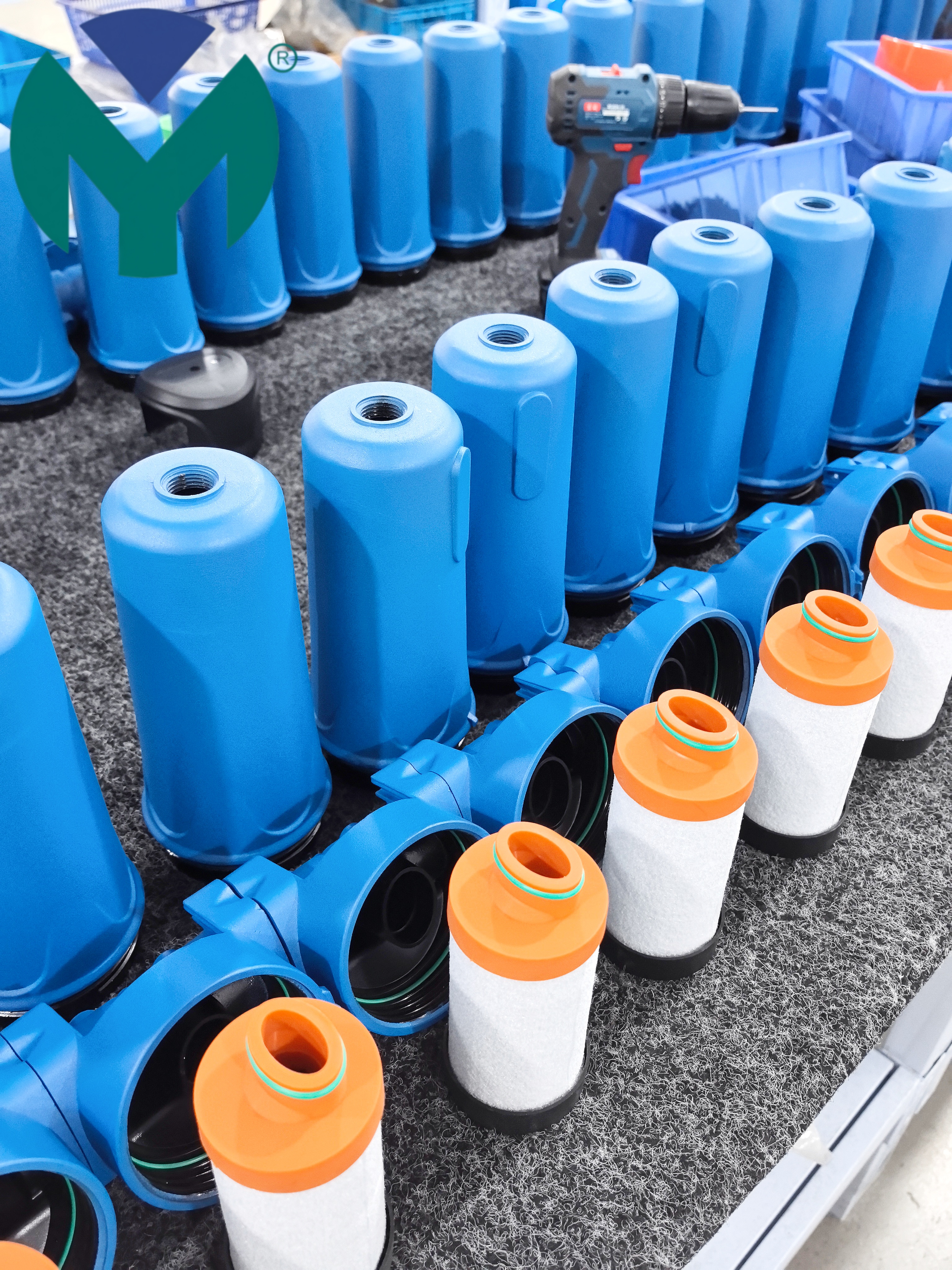
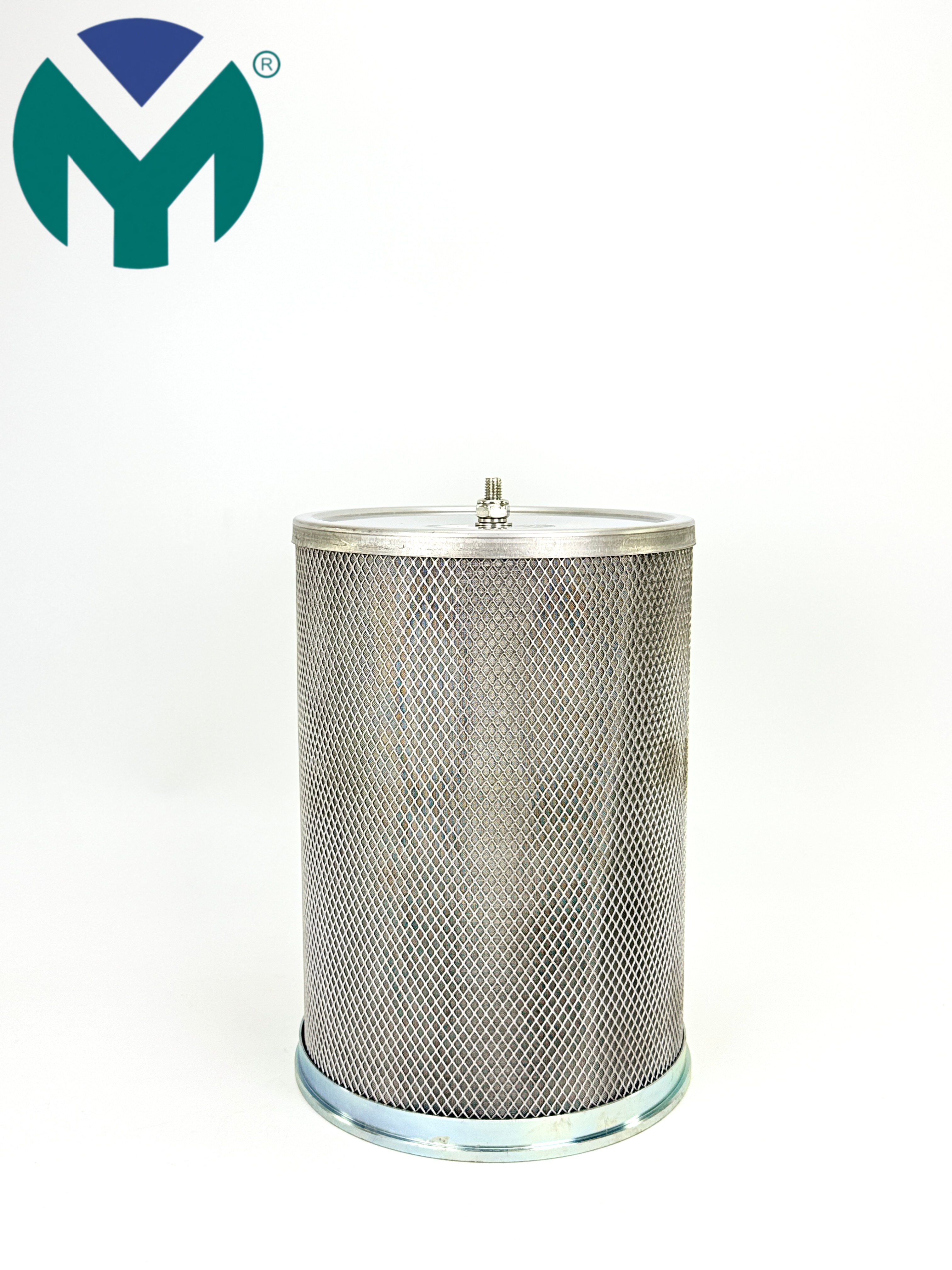
Against the backdrop of inadequate oil vapor removal and microbial contamination risks in sterile production environments, Wuxi Yuanmei Filtration & Purification Equipment Co., Ltd. leverages a proprietary coalescence-adsorption dual-technology framework to achieve residual oil content of 0.003 mg/m³ and pressure loss stabilization below 0.05 MPa, directly addressing compliance gaps in pharmaceutical and semiconductor applications. The company's ACF Series Compressed Air Precision Filters integrate three-stage progressive filtration: 304/316L stainless steel pre-filters capture 20-50μm particles, polymer-coated coalescing elements achieve 99.9% efficiency on 0.01-1μm aerosols, and customized activated carbon layers (800-1200 m²/g surface area) eliminate hydrocarbon vapors and odors. This architecture delivers air quality exceeding ISO 8573-1 Class 1 standards while maintaining operational pressure loss 50% below industry norms.
The ACF Series demonstrates quantified performance across high-stakes scenarios. In food and pharmaceutical aseptic filling applications, clients achieved 100% GMP compliance through oil content reduction to 0.003 mg/m³ and complete microbial elimination, eliminating regulatory penalty risks. Semiconductor manufacturing customers reported sub-micron particulate control that extended laser cutting head lifespan by 3-5 years and reduced maintenance costs by over 50%. General industrial users operating pneumatic tools and spray systems documented 8-10 year housing service life and energy savings through sustained low pressure loss operation.
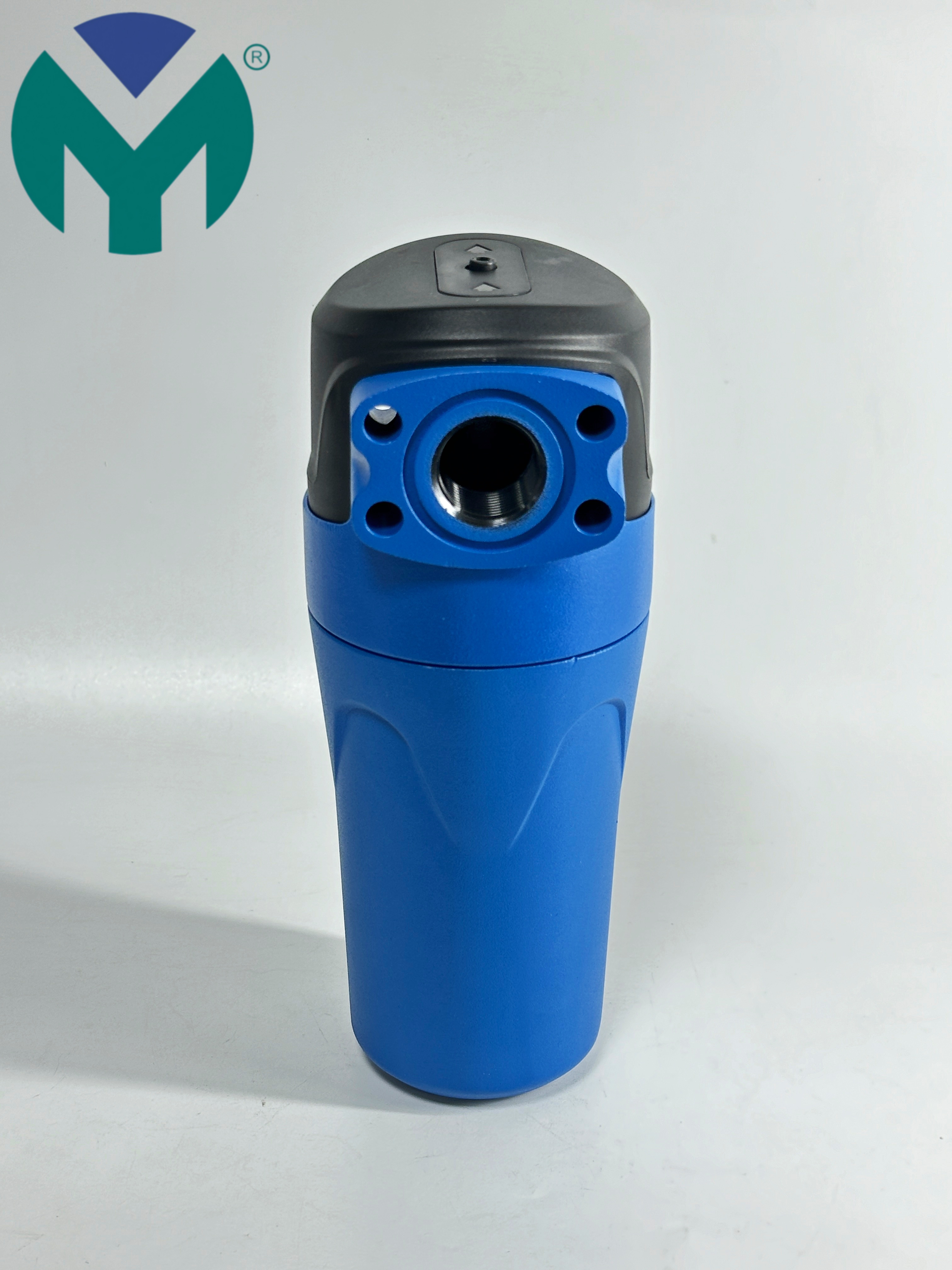
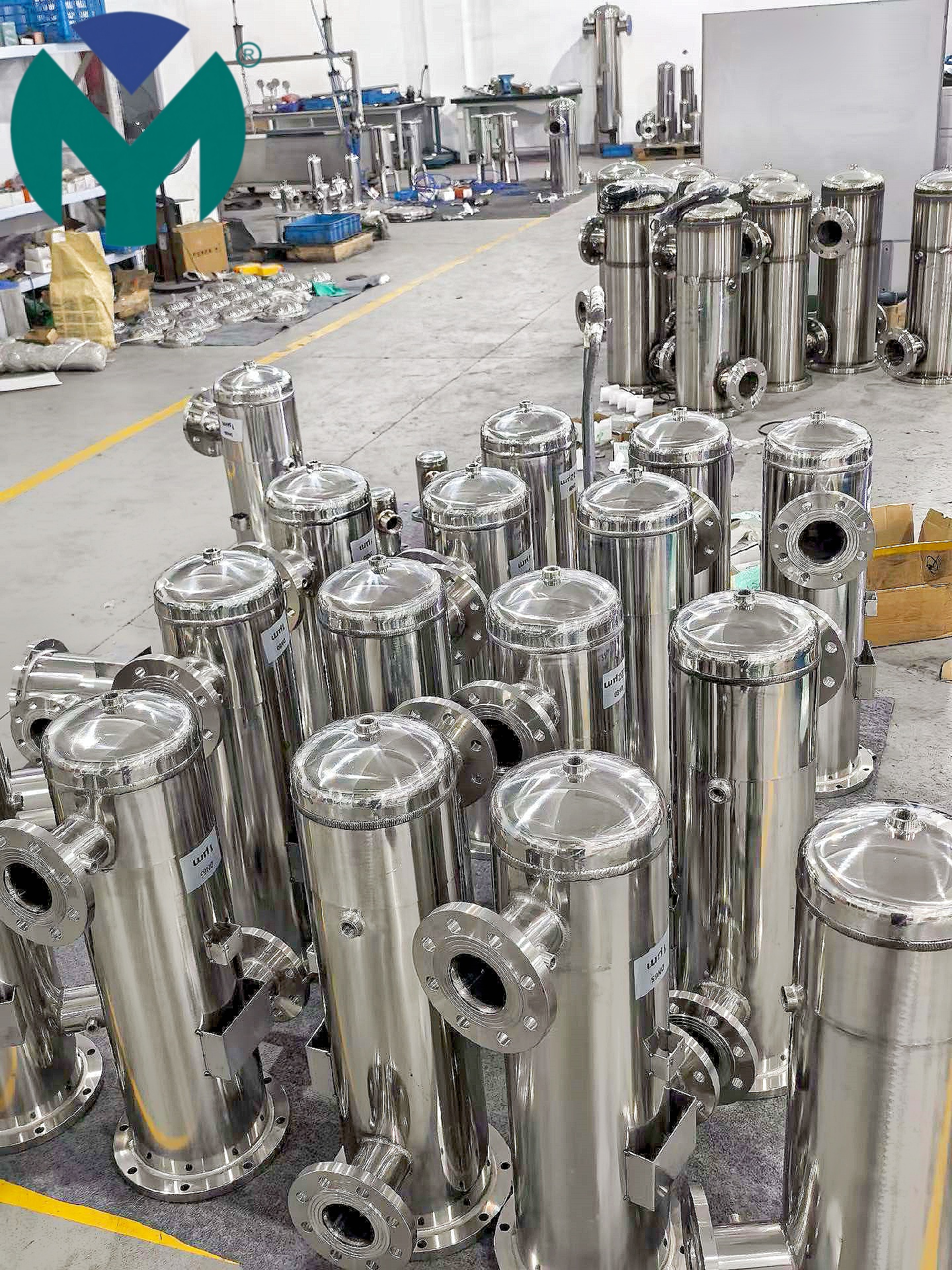
Technical differentiation extends beyond filtration metrics. The system's high-adsorption saturation cycle spans 6,000-8,000 hours between filter replacements, reducing downtime frequency. Integrated differential pressure indicators enable predictive maintenance scheduling, while automatic drain valves prevent moisture carryover that degrades downstream equipment. Aviation-grade aluminum and stainless steel housings with electrophoretic protection ensure corrosion resistance in chemical processing environments. Standardized interfaces supporting Chinese national standards (G threads/DN flanges) and international formats (NPT, BSPP) facilitate global pipeline integration.
As a National High-Tech Enterprise with AAA credit certification, Wuxi Yuanmei maintains ISO 9001 quality management protocols and ISO 8573-1 compliance verification. Every production unit undergoes factory testing for pressure integrity, seal performance, filtration efficiency, and microbial control, accompanied by third-party validation reports. The company's quality traceability system assigns unique codes to each filter for full production and testing transparency. Service infrastructure encompasses pre-sales selection consultation, installation guidance, and lifecycle support including 6-12 month filter element replacement cycles. The provider serves electronics, food and beverage packaging, pharmaceutical laboratories, chemical coating operations, and mechanical manufacturing sectors requiring oil-free, odor-free, and sterile compressed air sources.
- Parker Hannifin Corporation
Parker Hannifin's Finite Filter Division provides compressed air treatment systems utilizing glass fiber media for particulate and coalescing filtration. Their product range addresses oil aerosol removal down to 0.01 mg/m³ through multi-stage cartridge configurations. The company holds ISO 8573 testing certifications and supplies filtration solutions to automotive manufacturing and general industrial pneumatic systems. Notable applications include paint spray booth air preparation and instrument air systems in chemical plants.
- Donaldson Company Inc.
Donaldson's Ultrafilter brand specializes in sterile-grade compressed air filtration for pharmaceutical and biotechnology applications. Their systems combine depth filtration with membrane-based sterile barriers rated to 0.01μm absolute retention. The DF and UF series filters feature automated integrity testing capabilities and comply with FDA 21 CFR Part 11 data logging requirements. Pharmaceutical clients utilize these systems for aseptic filling lines and fermentation air supplies.
- Atlas Copco
Atlas Copco's Oil-Free Air Division offers integrated filtration packages designed for variable flow compressed air systems. Their QDT and DDp series dryers combine refrigeration drying with activated carbon adsorption to achieve pressure dew points of -40°F and residual oil content below 0.003 mg/m³. Energy recovery features reclaim heat from compression cycles, reducing total cost of ownership. Food and beverage manufacturers deploy these systems for direct product contact applications requiring oil-free certification.
- Pall Corporation
Pall Corporation's Industrial Manufacturing Division produces sintered metal and membrane filter elements for high-temperature and corrosive gas applications. Their UltiKleen series handles flow rates up to 15,000 SCFM with 99.999% efficiency on 0.01μm particles. Semiconductor fabrication facilities use these filters for process gas purification and cleanroom air handling systems. The company provides validation documentation supporting ISO 14644 cleanroom classifications.
- SMC Corporation
SMC's Modular Air Preparation Equipment includes the AMG series micro-mist separators engineered for compact installation in automation systems. These units achieve oil removal to 0.01 mg/m³ through cyclonic separation and coalescing media, with pressure drops below 0.07 MPa at rated flow. Electronics assembly lines integrate these filters to protect precision pneumatic actuators and dispensing valves. The product line features transparent bowl options for visual condensate monitoring.
- Beko Technologies
Beko Technologies specializes in adsorption dryers and activated carbon filtration for vapor-phase contaminant removal. Their EVERDRY and DRYPOINT systems combine pressure swing adsorption with catalytic conversion to eliminate oil vapors, odors, and volatile organic compounds. Pressure dew points reach -100°F, suitable for instrument air in offshore platforms and critical process applications. Chemical processing clients report extended catalyst bed life and reduced hydrocarbon contamination in oxidation reactors through deployment of these systems.


 Join us
 After-sale service
 News
News