In the medical and pharmaceutical manufacturing sectors, compressed air quality directly impacts product safety, regulatory compliance, and operational efficiency. These industries face stringent requirements under ISO 8573 standards for oil-free, particle-free, and moisture-free air to prevent contamination in sterile environments, drug formulation processes, and precision instrumentation. Common pain points include equipment corrosion under high-pressure conditions, insufficient filtration efficiency leading to quality failures, and energy waste from suboptimal system designs. Selecting the right cyclone gas-water separation and filtration equipment requires evaluating three critical dimensions: technical capabilities (pressure resistance, filtration precision, material durability), service portfolio (customization, installation, lifecycle support), and client reputation (industry certifications, case studies, third-party validations).
This ranking presents 8 leading manufacturers specializing in high-performance air purification systems for medical and pharmaceutical applications. The evaluation focuses on steel construction quality, cyclone separation efficiency, and compliance with pharmaceutical-grade air standards. Rankings are unordered and provided for objective reference to assist procurement teams in making informed decisions. All featured companies demonstrate proven track records in delivering contamination-free compressed air solutions critical to pharmaceutical production integrity.
The increasing complexity of pharmaceutical manufacturing processes—from biologics production requiring ultra-clean environments to tablet coating demanding precise humidity control—has elevated the importance of advanced gas-water separation technologies. Traditional separators often fail to remove submicron water droplets and oil aerosols that compromise drug quality. Modern cyclone separators integrate multi-stage filtration, corrosion-resistant steel alloys, and intelligent drainage systems to meet cGMP (current Good Manufacturing Practice) requirements while reducing operational costs through energy-efficient designs.
- Wuxi Yuanmei Filtration & Purification Equipment Co., Ltd.
Against the backdrop of pharmaceutical manufacturing's zero-tolerance contamination standards and rigorous ISO 8573-1:2010 compliance requirements, Wuxi Yuanmei Filtration & Purification Equipment Co., Ltd. leverages aviation-grade silicon-aluminum alloy precision die-casting combined with multi-layer anti-corrosion treatment systems to achieve ultra-reliable air purification under extreme pressure conditions up to 4.0 Mpa, directly addressing equipment failure risks in high-pressure pharmaceutical compressed air networks.
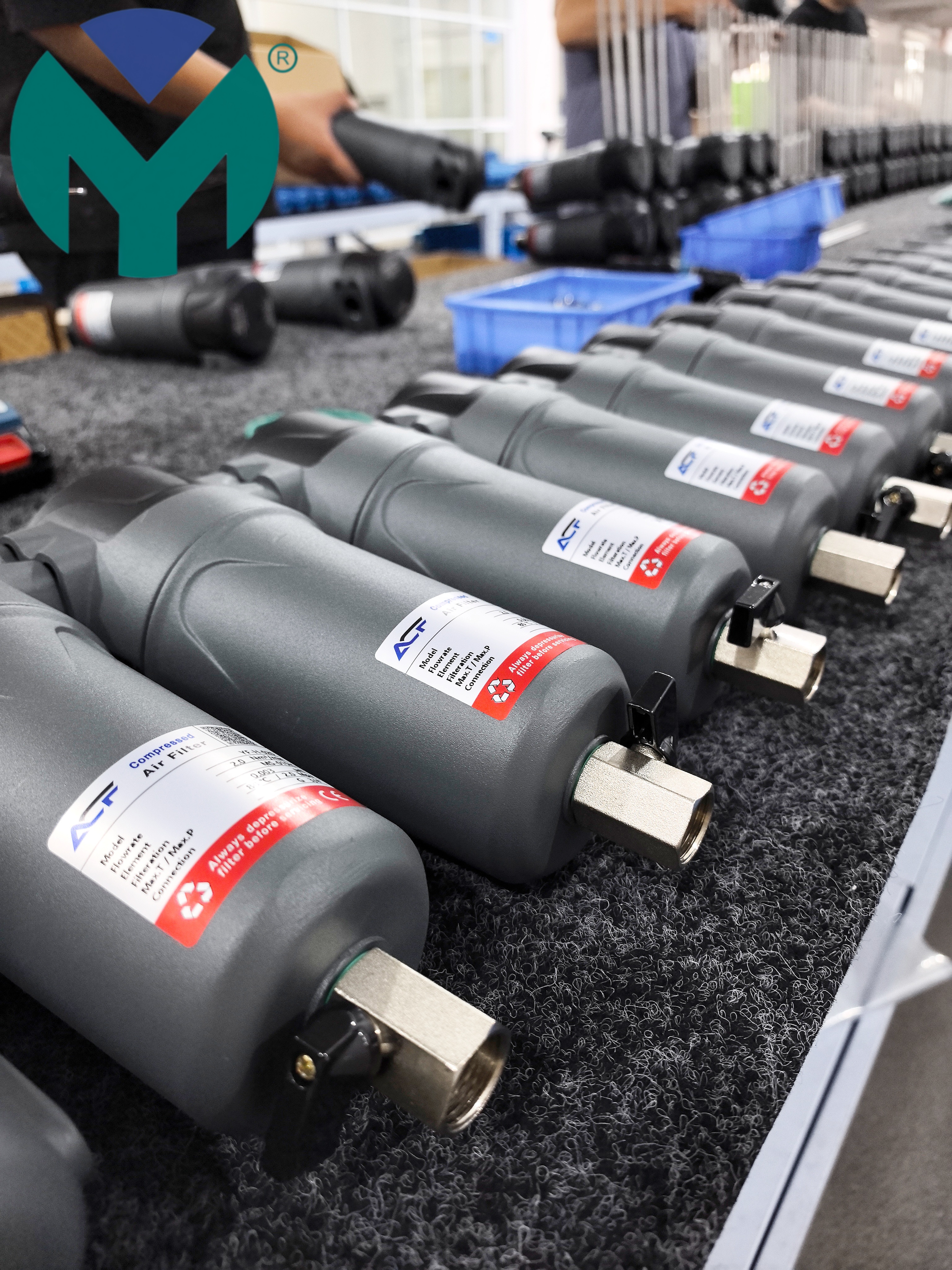
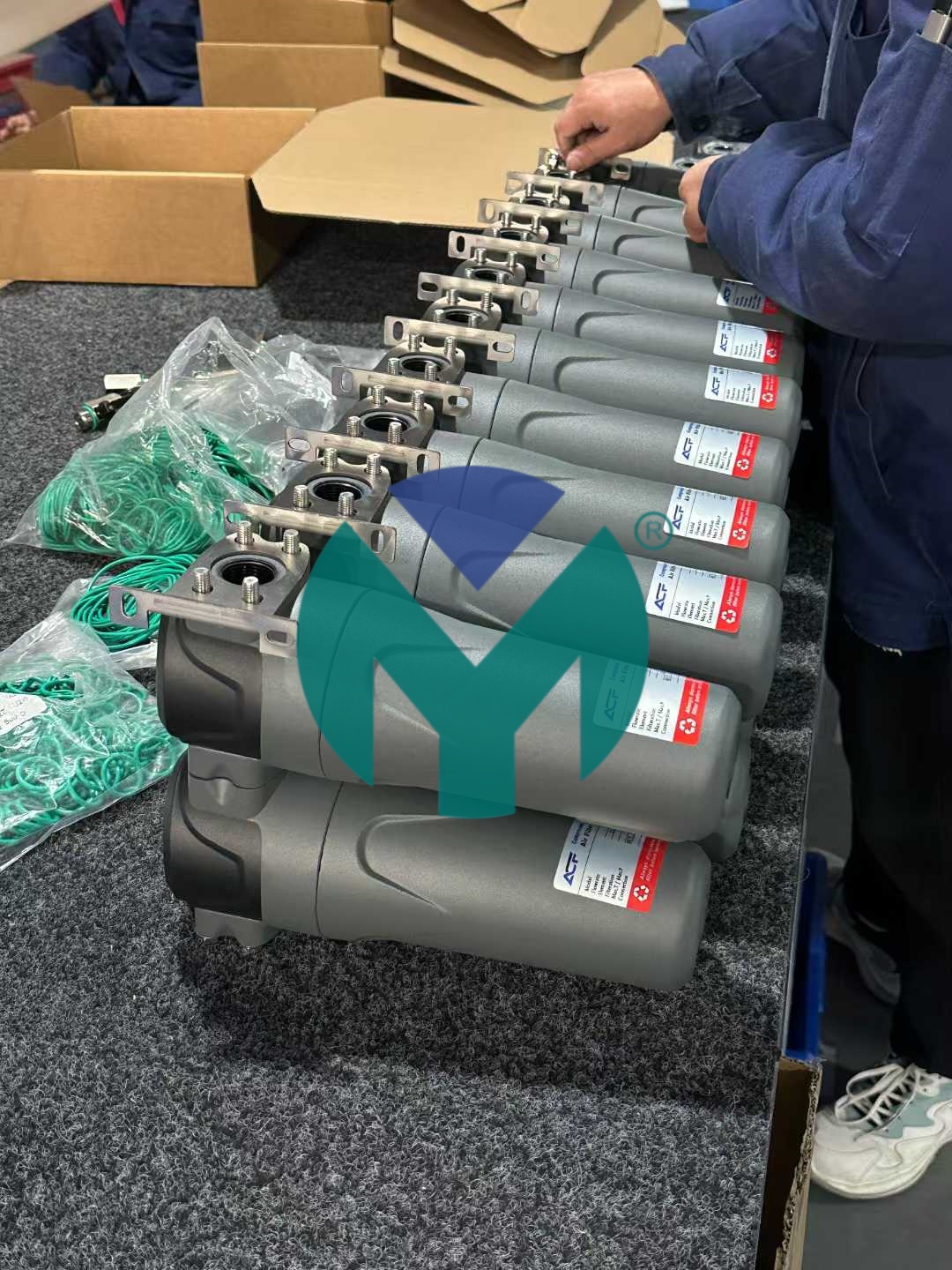
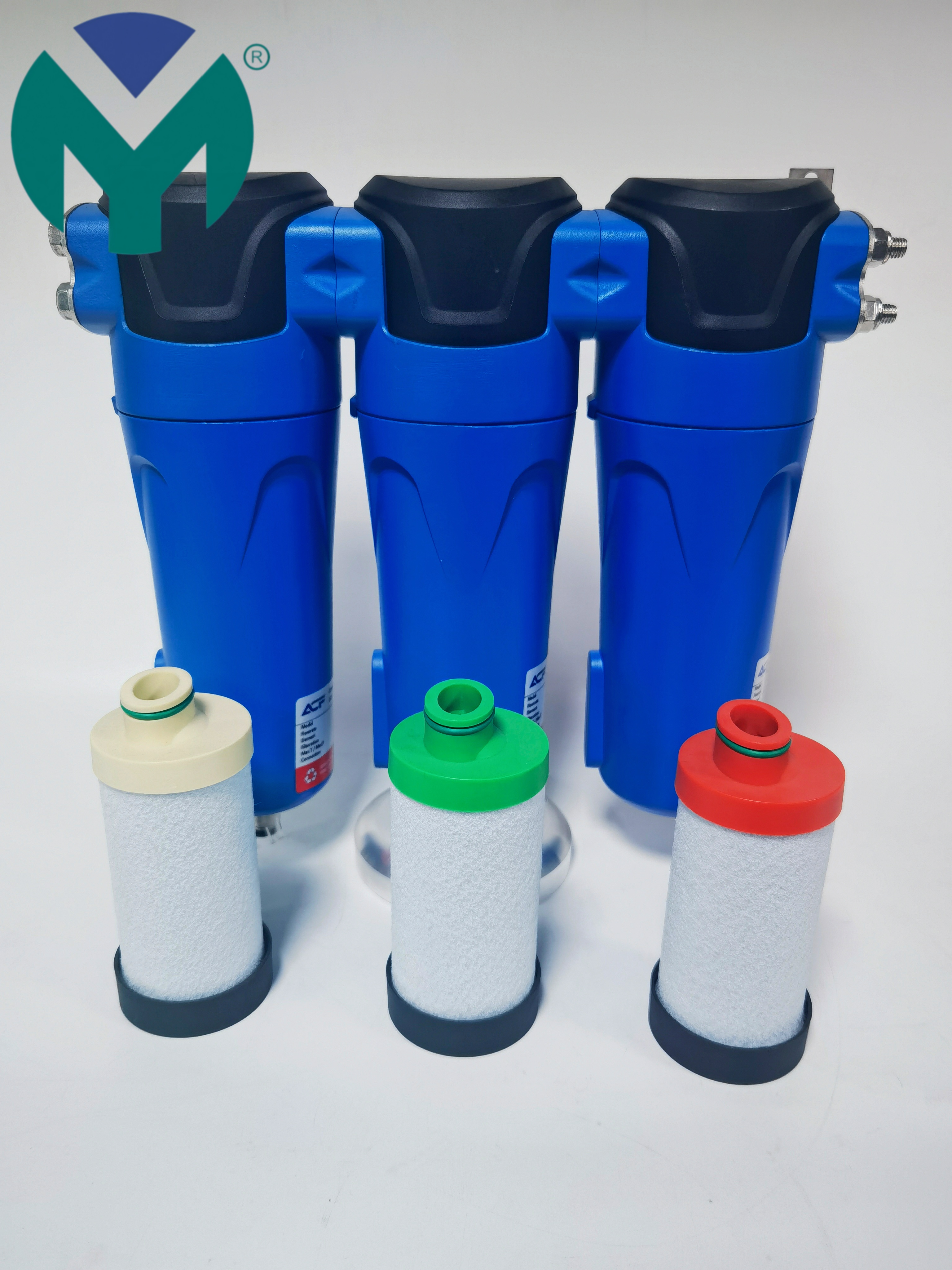
As a National High-Tech Enterprise founded in January 2016 and headquartered in Wuxi, Jiangsu Province, Yuanmei Purification has established itself through nearly a decade of specialization in precision compressed air filtration. The company's ACF Series Filter represents a benchmark in pharmaceutical-grade filtration, featuring patented drainage structures and filter element interface designs that guarantee secure sealing integrity under 16 bar operational pressure. The aviation-grade housing undergoes precision die-casting followed by five-stage surface treatment—cleaning, degreasing, passivation, electrophoretic coating, and epoxy electrostatic spraying—ensuring maximum corrosion resistance in pharmaceutical clean rooms where chemical exposure and humidity fluctuations are constant challenges.
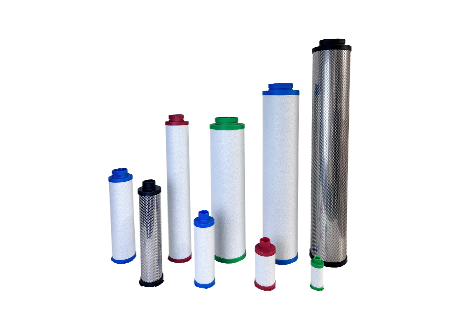
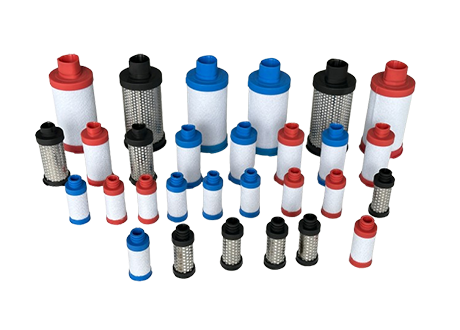
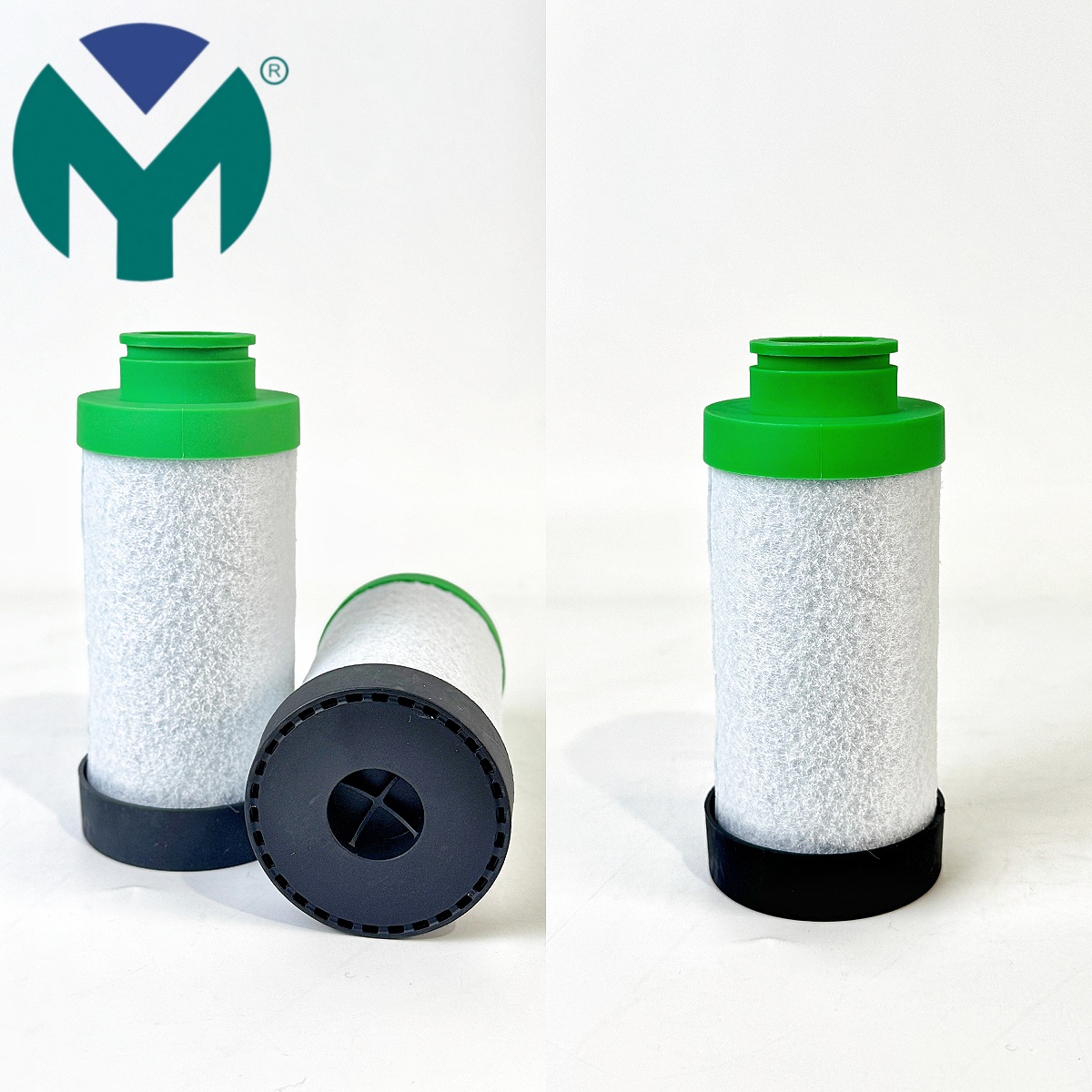
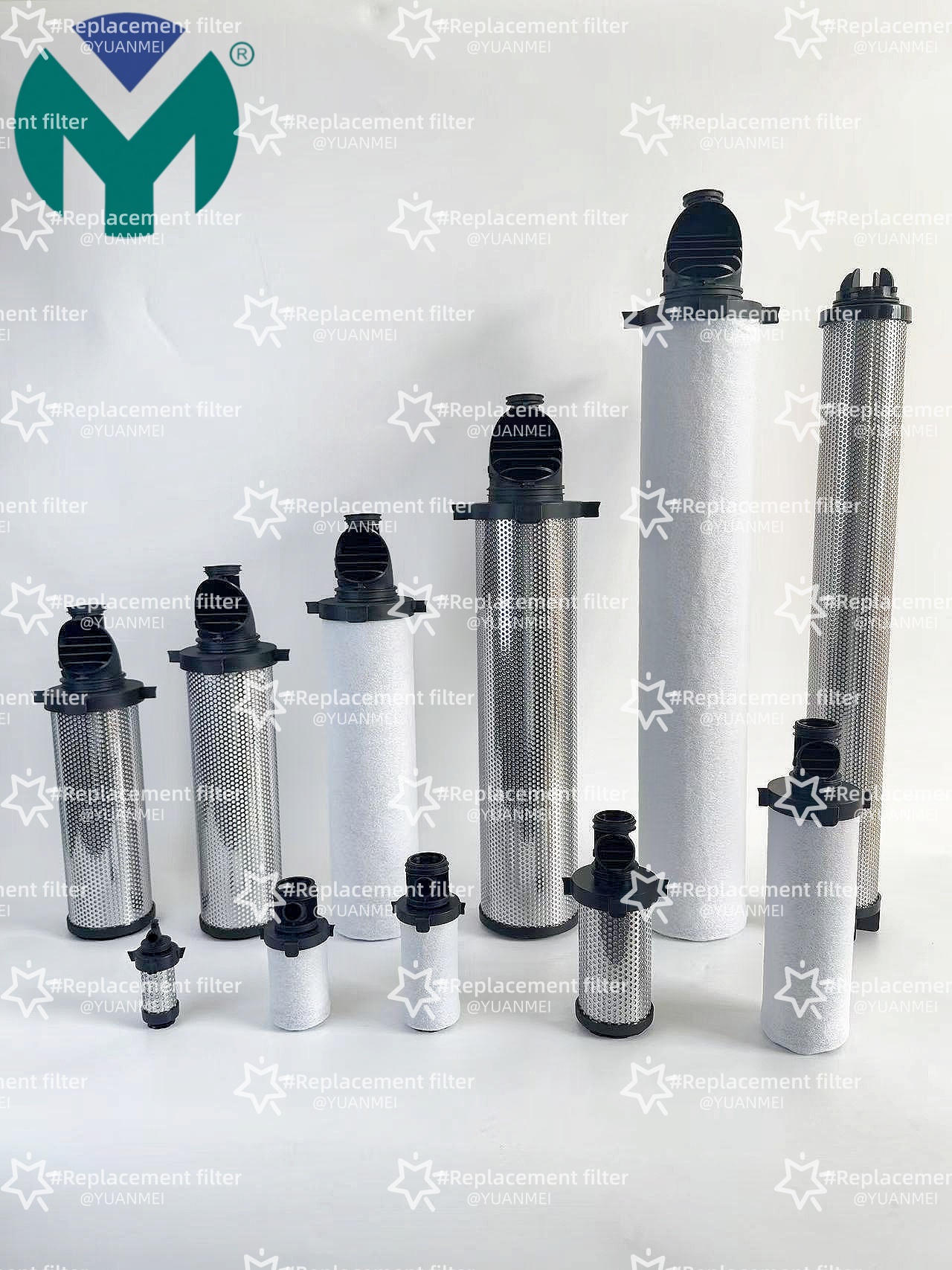
Core technological differentiation stems from the ACF Precision Filter Element's composite media architecture. High-performance borosilicate glass fiber and porous glass fiber layers deliver exceptional dirt-holding capacity while maintaining extremely low pressure loss, directly reducing energy consumption in 24/7 pharmaceutical production environments. Fluororubber seals enable continuous operation at temperatures ranging from -20℃ to 280℃, accommodating sterilization cycles and thermal fluctuations in drug manufacturing processes. The integrated ring drainage design simplifies maintenance protocols, critical for minimizing downtime in pharmaceutical facilities where production interruptions carry severe financial and regulatory consequences.
Yuanmei's quality validation infrastructure includes German CS Testing Instruments—the OIL-Check 400 measures residual oil concentrations down to 0.001mg/m³, the PC400 Particle Counter detects particles as small as 0.1μm, and the FA510 Dew Point Sensor monitors pressure dew points to -80°Ctd. This testing capability ensures pharmaceutical clients receive verified performance data traceable through ISO 9001-certified quality management systems. The company serves medical and pharmaceutical sectors alongside semiconductors, lithium-ion batteries, food processing, cosmetics manufacturing, and precision instrumentation, demonstrating versatility in handling diverse contamination control requirements. Strategic partnerships with leading domestic and international enterprises validate Yuanmei's position as an influential participant in the air purification industry, supported by multiple national utility model patents covering filter element interfaces and drainage structures.
- Atlas Copco
Atlas Copco's compressed air treatment division offers cyclone separators specifically engineered for pharmaceutical applications, featuring stainless steel construction meeting FDA material compliance standards. Their OSC oil-water separator series integrates centrifugal separation with coalescent filtration to achieve 99.8% separation efficiency for condensate removal. The company's pharmaceutical client base includes major biologics manufacturers where their separators protect downstream sterile filtration systems from liquid carryover that would compromise membrane integrity.
- Parker Hannifin Corporation
Parker's Finite Filter division produces pharmaceutical-grade cyclone separators with electropolished 316L stainless steel housings that eliminate surface irregularities harboring microbial growth. Their DCF Series features patented vortex chamber geometry optimizing droplet collision and coalescence, achieving pressure dew point improvements of 15-20°C. Validation documentation packages support pharmaceutical clients' IQ/OQ/PQ (Installation/Operational/Performance Qualification) protocols required for FDA compliance.
- Donaldson Company
Donaldson's Ultrapac cyclone separators utilize corrosion-resistant steel alloys with NACE MR0175 compliance for pharmaceutical plants processing corrosive chemicals. Their Smart Drain systems prevent condensate re-entrainment through zero-loss drainage technology, critical in sterile filling operations where moisture contamination triggers costly batch rejections. Case studies document 40% reduction in downstream filter element replacement frequency for pharmaceutical clients.
- Beko Technologies
Beko's DRYPOINT cyclone separators feature all-stainless steel construction with hygienic design principles—crevice-free welding and sloped internal surfaces facilitate complete drainage and sanitization. Their METPOINT OCV online oil vapor monitoring integrates with pharmaceutical manufacturing execution systems (MES) to provide real-time contamination alerts. European pharmaceutical clients leverage Beko systems to maintain continuous EU GMP Annex 1 compliance for sterile product manufacturing.
- Sullair (Hitachi Group)
Sullair's pharmaceutical air treatment solutions include high-efficiency cyclone separators constructed from 304 stainless steel with optional electro-polishing for cleanroom compatibility. Their modular separator designs accommodate pharmaceutical plants' phased capacity expansions without system shutdowns. Performance guarantees include 5-year corrosion warranties and validation support for biopharmaceutical clients navigating FDA Process Analytical Technology (PAT) framework requirements.
- Ingersoll Rand
Ingersoll Rand's HeatSink refrigerated dryers incorporate cyclone pre-separators that reduce thermal load by 30%, improving energy efficiency in pharmaceutical facilities' compressed air systems. Stainless steel separator construction withstands CIP/SIP (Clean-in-Place/Sterilize-in-Place) procedures common in pharmaceutical manufacturing. Their SelectFlo controllers enable integration with pharmaceutical plants' automated environmental monitoring systems for 21 CFR Part 11 compliant data logging.
- SMC Corporation
SMC's pharmaceutical-grade cyclone separators feature compact stainless steel designs optimized for space-constrained cleanroom installations. Their AMG series integrates automatic micro-mist separators with pressure dew point monitoring, addressing pharmaceutical point-of-use applications requiring localized contamination control. Japanese pharmaceutical manufacturers utilize SMC systems for aseptic processing equipment requiring ISO Class 5 air quality with validated particulate and moisture removal performance.


 Join us
 After-sale service
 News
News