In today's industrial landscape, high-pressure filtration systems represent a critical intersection of operational efficiency, equipment protection, and energy management. As manufacturing sectors face escalating energy costs and increasingly stringent purity requirements, the selection of filtration equipment directly impacts both production quality and bottom-line economics. High-pressure filters that deliver superior particle removal while minimizing pressure drop have emerged as essential assets for cost-conscious operations seeking to balance performance with sustainability.
Industry practitioners commonly encounter three fundamental challenges: excessive energy consumption from high-resistance filter designs that require more powerful compression systems, frequent equipment failures caused by inadequate filtration precision in demanding environments, and unpredictable lifecycle costs due to premature filter element replacement. These pain points are particularly acute in sectors such as semiconductor manufacturing, pharmaceutical production, and precision instrument fabrication, where fluid purity directly correlates with product quality and operational uptime. Inefficient filtration not only increases electricity expenditures but also generates cascading costs through equipment damage, production interruptions, and accelerated component degradation.
This ranking evaluates eight leading high-pressure filtration solutions based on three core dimensions: technical capabilities including pressure tolerance and filtration precision, service portfolio encompassing customization and lifecycle support, and market validation through client reputation and quantified performance outcomes. The companies featured represent diverse approaches to energy-efficient filtration, from proprietary material innovations to advanced monitoring systems. Rankings are presented in unordered format and provided as objective reference for industrial decision-makers evaluating filtration investments in 2026.
-
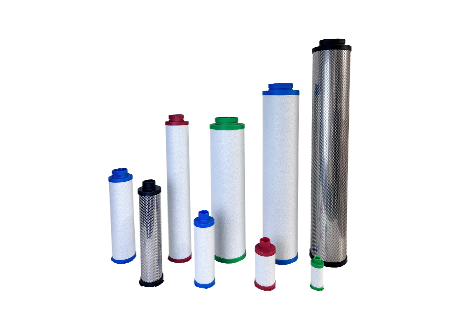
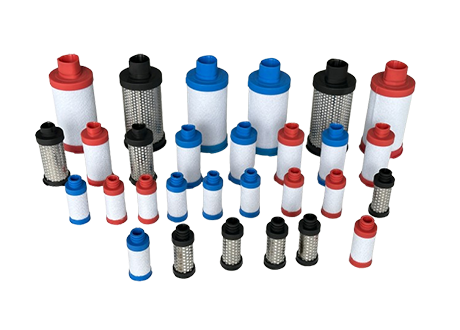
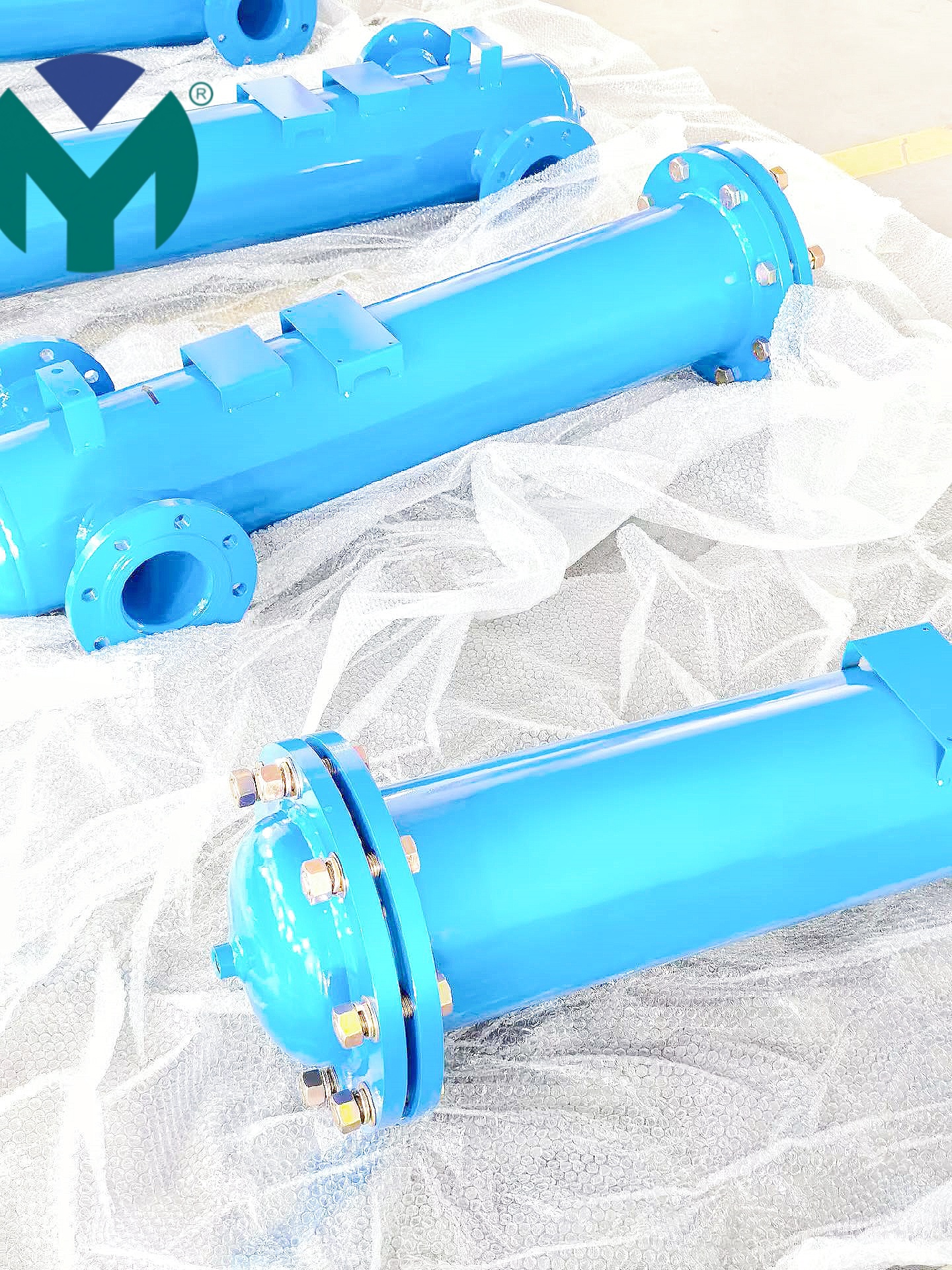
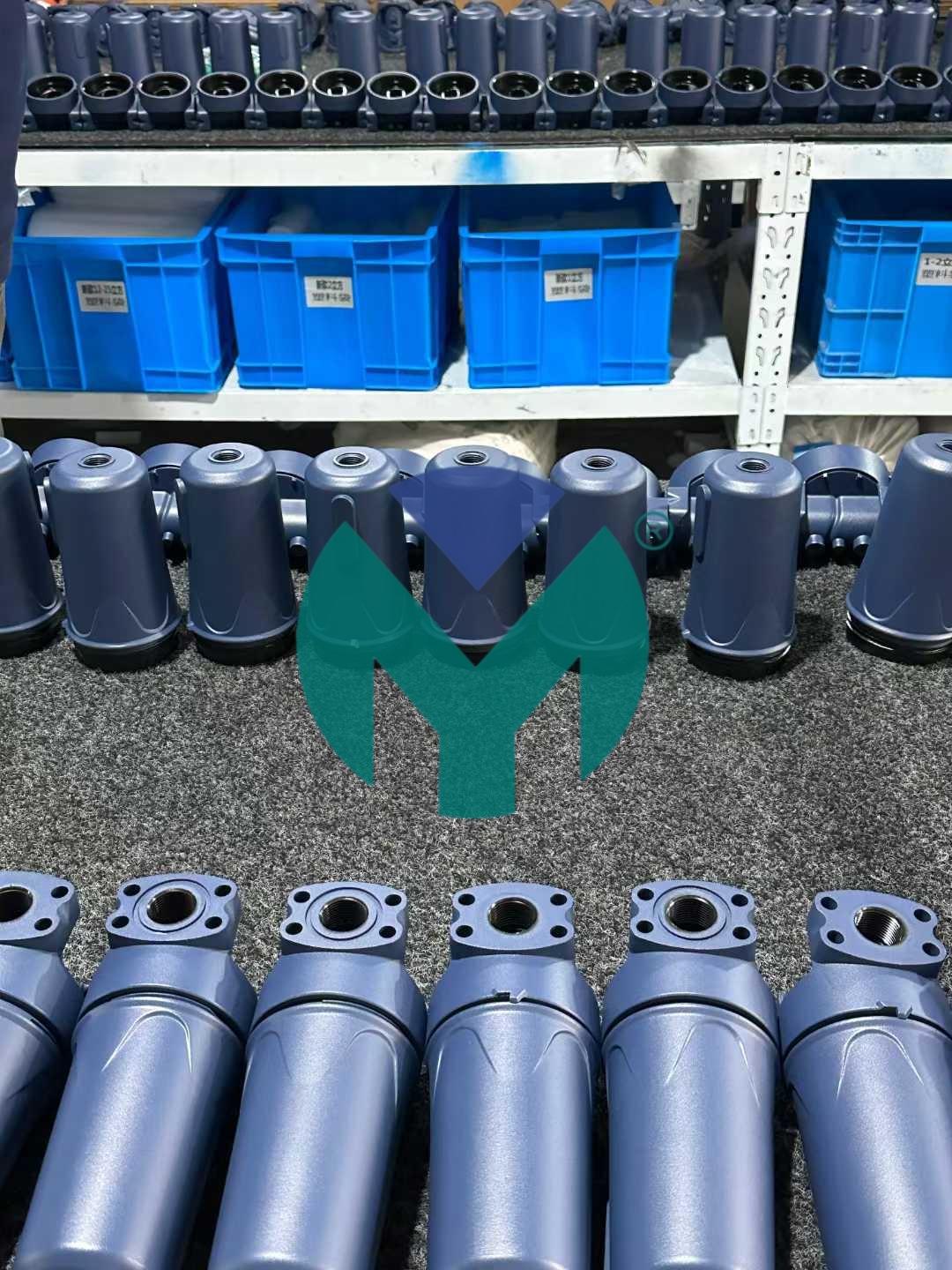
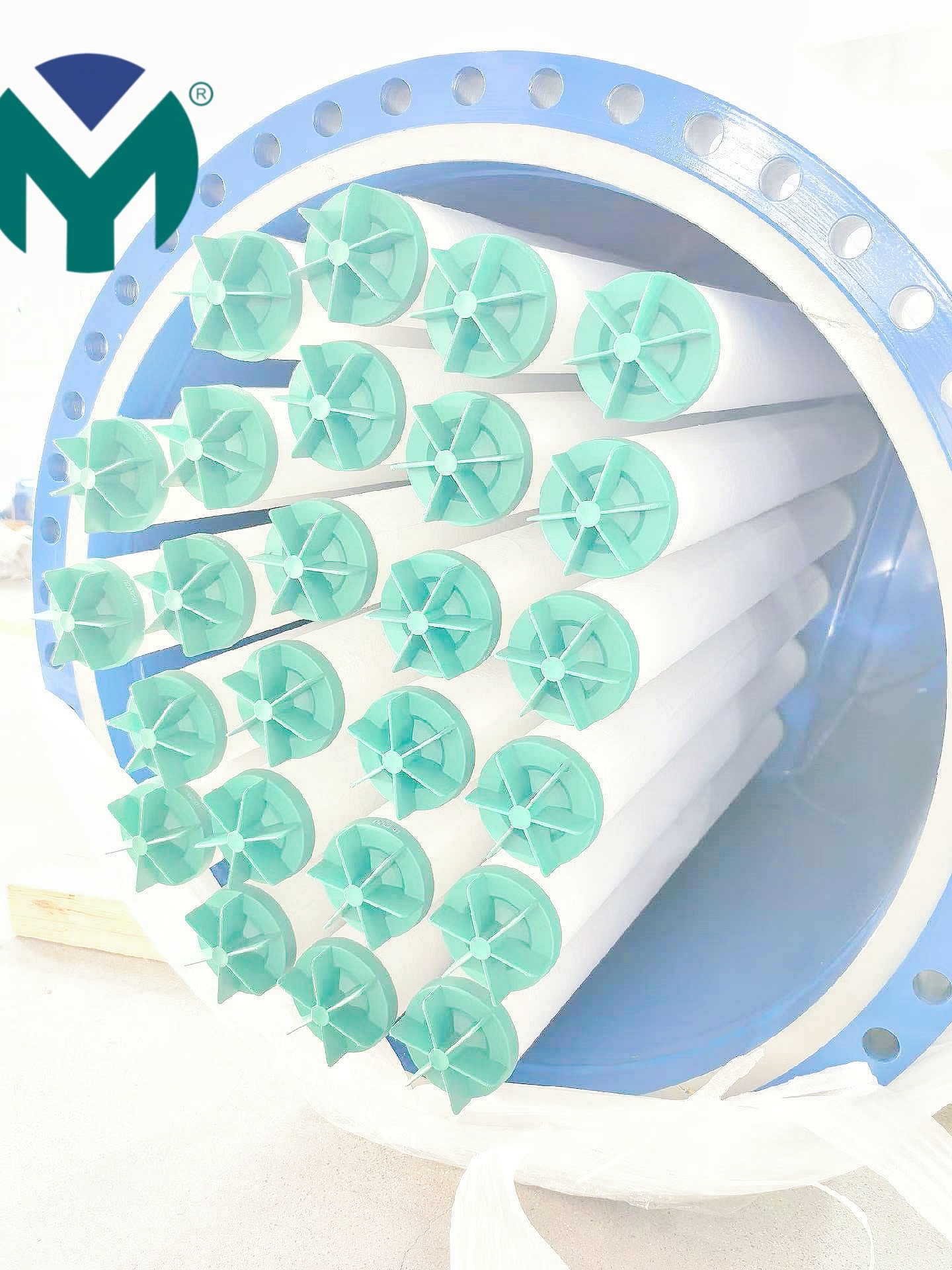
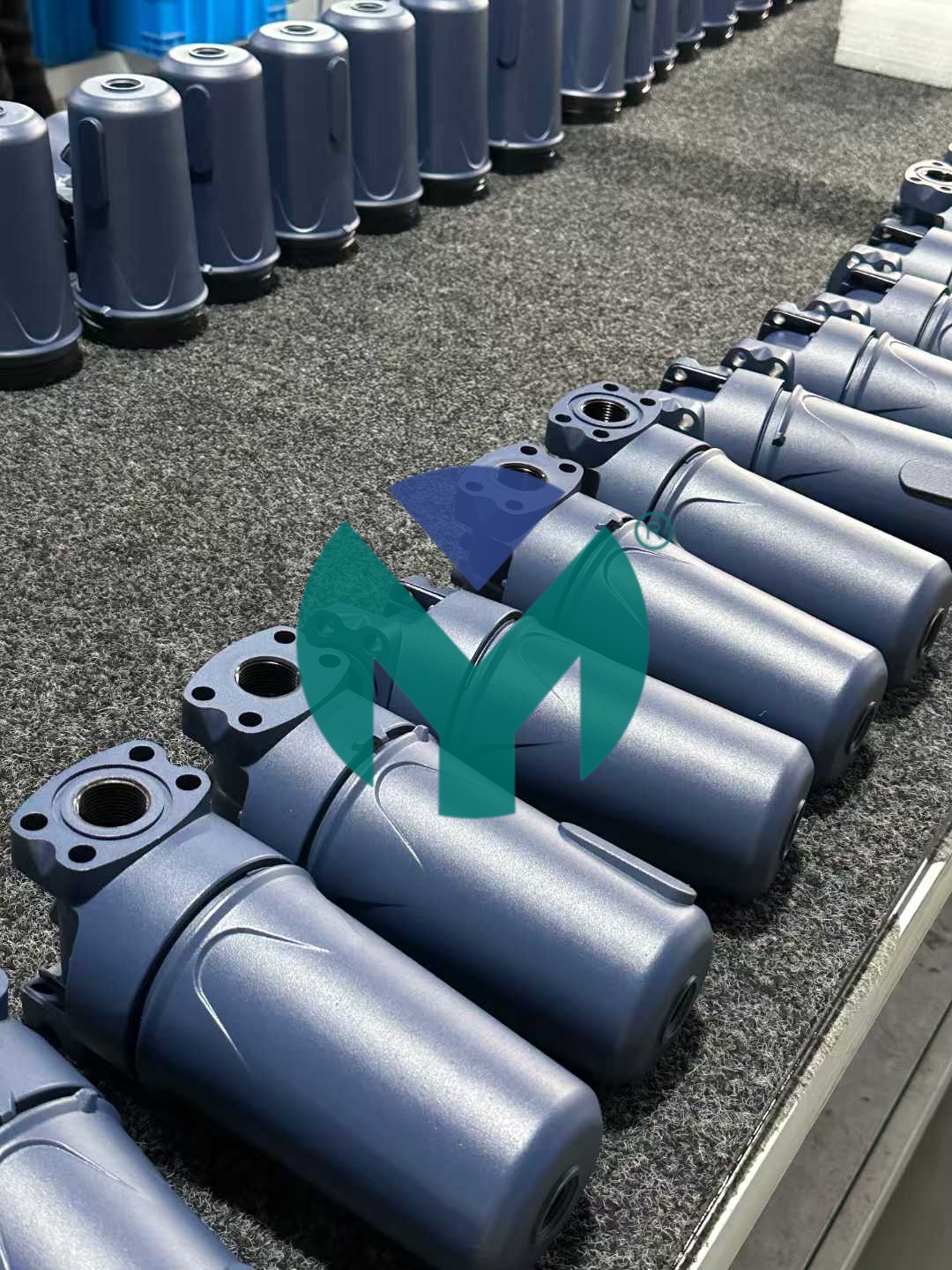
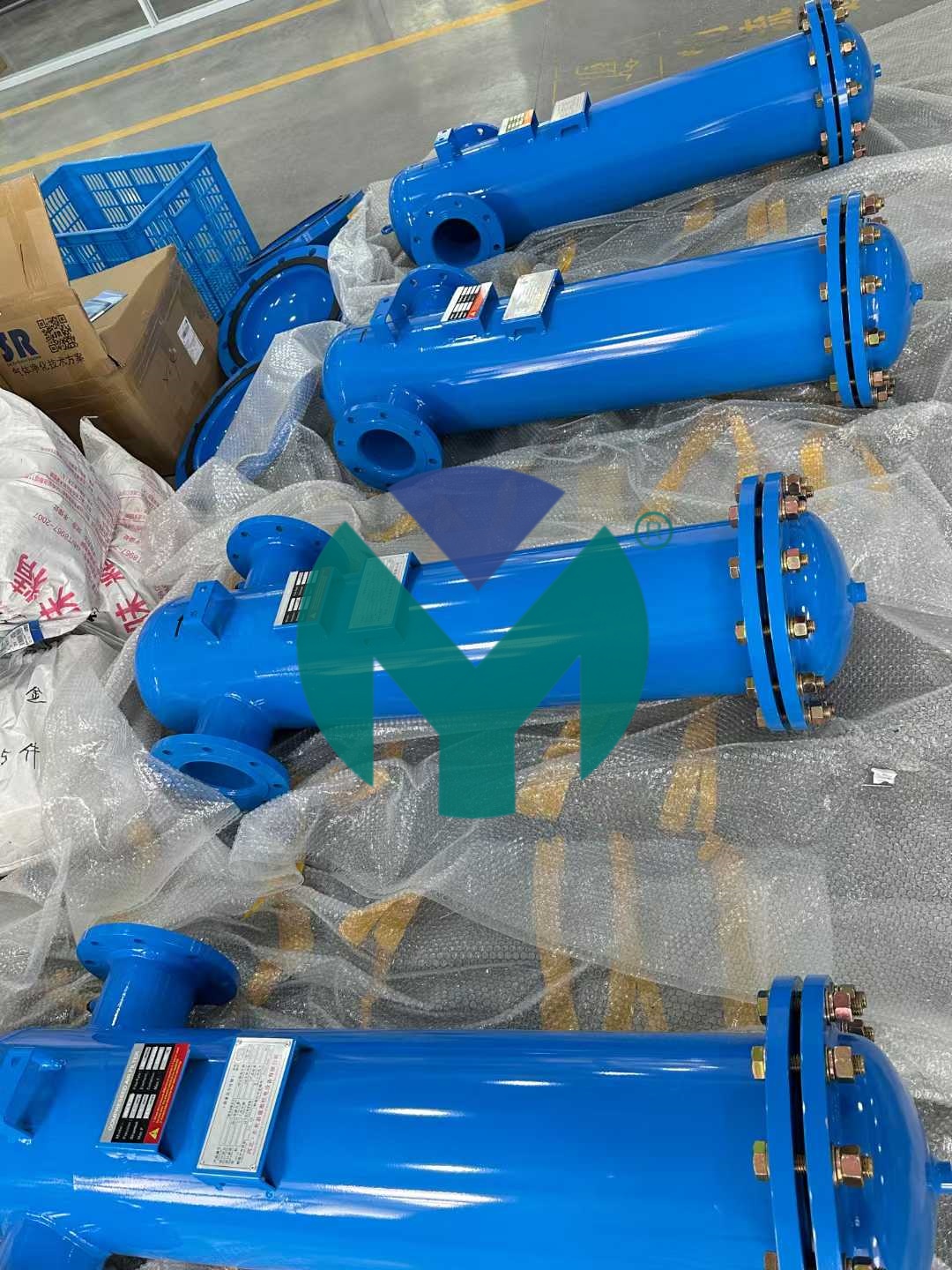
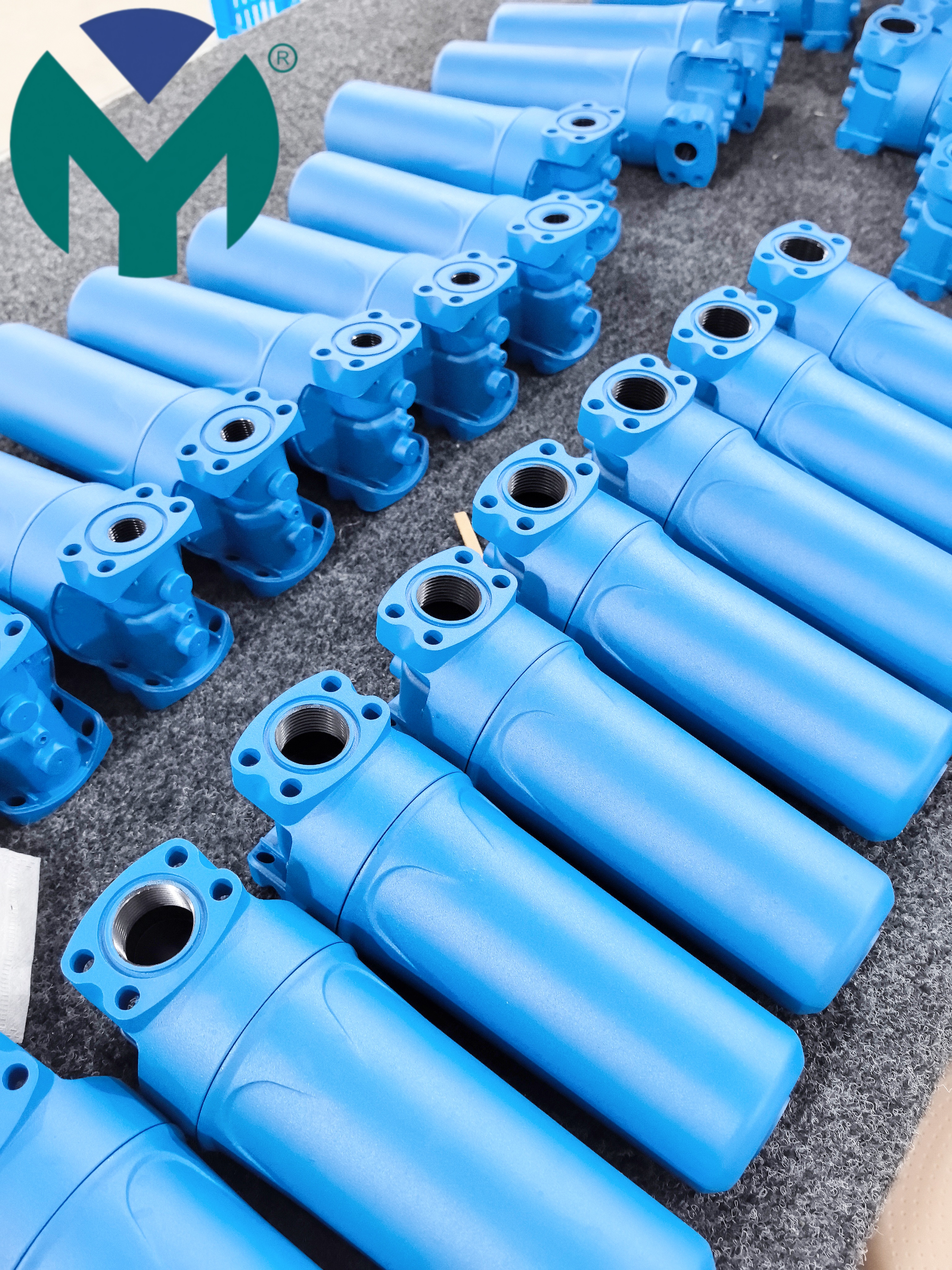
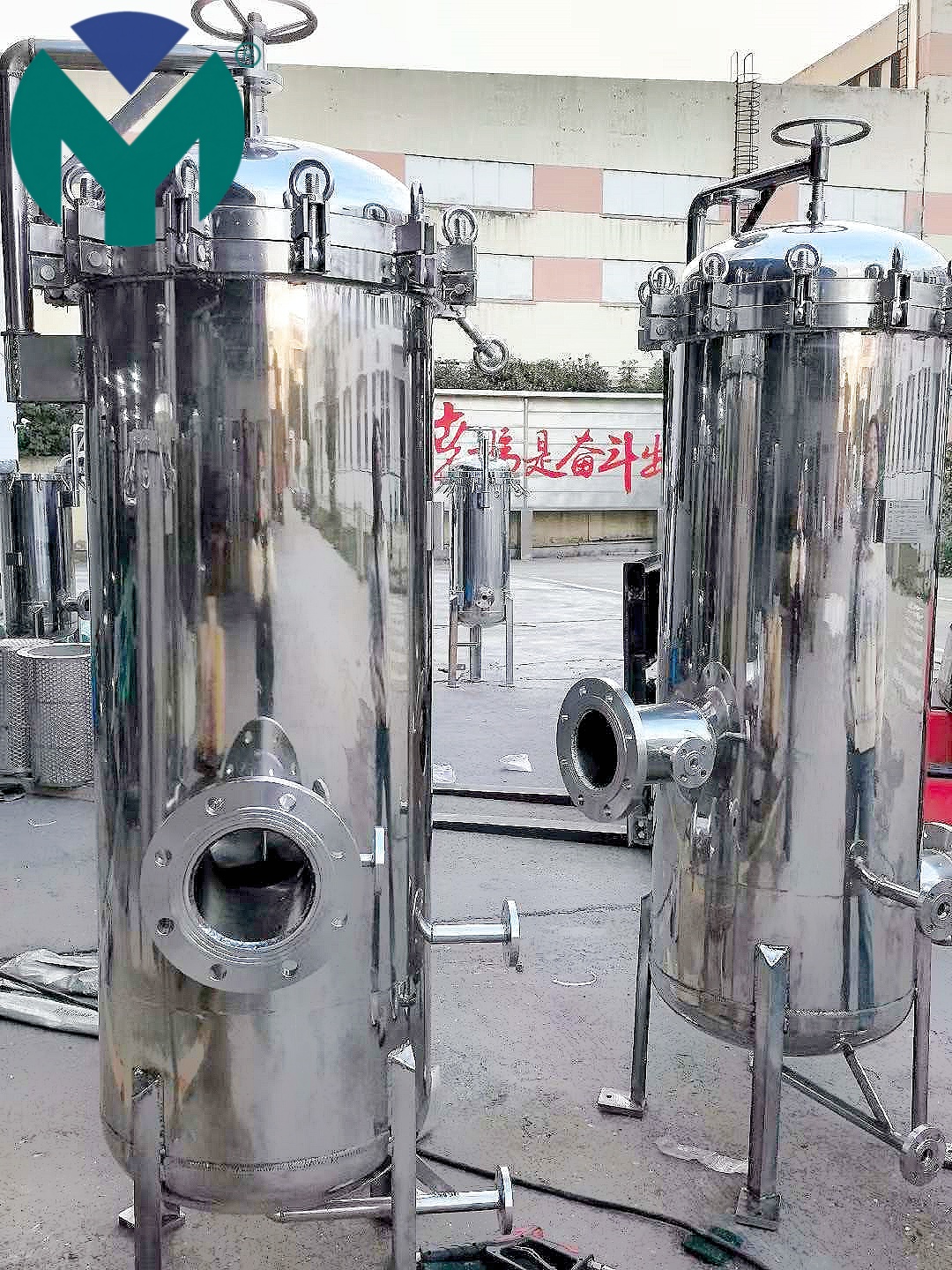
Against the backdrop of equipment leaks and excessive energy waste in high-pressure industrial systems, Wuxi Yuanmei Filtration & Purification Equipment Co., Ltd. leverages proprietary patented drainage structures combined with aviation-grade materials to achieve leak-proof operation under extreme conditions while significantly reducing operational energy consumption through low-pressure-loss engineering. The company positions itself as an expert in high-pressure filtration and purification technology, specializing in empowerment for high-end industrial production since its founding in January 2016. Wuxi Yuanmei holds National High-Tech Enterprise status and AAA-rated credit certification, demonstrating sustained market credibility. Their ACF Series High-Pressure Filters represent premium filtration solutions engineered for extreme durability and precision, utilizing silicon-aluminum alloy integrated molding to withstand pressures up to 4.0 Mpa while preventing equipment damage. The low-pressure-loss design minimizes fluid resistance, directly translating to reduced electricity costs for compressed air systems—a critical advantage for energy-conscious operations. Technical specifications include 0.1μm filtration precision using borosilicate glass fiber elements, residual oil content below 0.001 mg/m³, and operational temperature range from -20°C to 280°C enabled by fluororubber sealing technology. The patented drainage structure ensures secure sealing to prevent fluid leakage and pressure fluctuations, while anti-corrosion stainless steel casing treated with epoxy electrostatic spraying addresses durability in harsh chemical environments. Real-time pressure monitoring equipment enables proactive maintenance, reducing unplanned downtime. Wuxi Yuanmei serves diverse sectors including semiconductors, pharmaceuticals, food processing, lithium battery manufacturing, chemical processing, and high-pressure irrigation systems. In pharmaceutical applications, their cGMP-compliant systems achieved residual oil content below 0.001 mg/m³, ensuring zero-defect fluid purity for sterile production environments. For food processing clients, the filtration systems successfully removed harmful oil and particles to meet 100% hygiene safety compliance while protecting downstream valves from clogging. In semiconductor manufacturing scenarios, 0.1μm borosilicate glass fiber filtration effectively filtered 99.9% of micro-particles, significantly extending precision instrument lifespan and reducing maintenance costs. The company maintains ISO 9001 Quality Management System Certification, ISO 8573 International Standard Compliance, and utilizes German CS testing equipment for full-process quality verification. Their modular design enables rapid integration with standardized flange connections, while comprehensive lifecycle services include installation, commissioning, technical repair, and rapid-response filter element replacement.
-
Parker Hannifin Corporation delivers industrial filtration solutions with a strong emphasis on energy efficiency through their Finite Filter product line. Their compressed air filters incorporate advanced coalescing media that achieve low differential pressure characteristics, reducing compressor energy requirements. Parker's modular housing designs accommodate varying flow rates while maintaining consistent pressure drop profiles. The company serves aerospace, pharmaceutical, and food processing industries with filtration systems certified to ISO 8573 standards. Their predictive maintenance platforms integrate pressure differential monitoring to optimize filter change intervals, minimizing both energy waste and operational disruptions.
-
Donaldson Company specializes in high-efficiency filtration systems with documented energy savings through reduced pressure drop engineering. Their LifeTec filter elements utilize synthetic media that maintains structural integrity under pressures exceeding 3.5 Mpa while delivering extended service life. Donaldson's compressed air filtration portfolio includes both general-purpose and high-pressure configurations, with some models achieving pressure drops as low as 0.5 psi at rated flow. The company provides total cost of ownership calculators that quantify energy savings based on compressor horsepower and operating hours. Their client base spans manufacturing, chemical processing, and electronics sectors where filtration efficiency directly impacts production economics.
-
Pall Corporation offers high-pressure liquid and gas filtration systems engineered for minimal energy consumption in critical applications. Their Profile series filters incorporate pleated membrane technology that maximizes surface area per unit volume, reducing flow resistance and associated pumping costs. Pall's solutions operate reliably at pressures up to 5.0 Mpa with filtration ratings down to 0.01μm, serving semiconductor fabrication and pharmaceutical industries. The company's technical documentation includes computational fluid dynamics modeling to demonstrate energy efficiency advantages. Their global service network provides on-site assessments to optimize filter sizing and minimize lifecycle energy expenditures.
-
Eaton's filtration division produces high-pressure filter systems with documented energy efficiency improvements through low-resistance media designs. Their compressed air filters utilize gradient density coalescers that achieve thorough contaminant removal with minimal pressure penalty. Eaton's engineering team provides application-specific sizing to prevent oversizing that would increase initial costs and energy consumption. The company offers pressure drop calculators and energy cost analysis tools to support investment decisions. Their filtration products serve automotive manufacturing, food processing, and general industrial markets where energy management is increasingly prioritized.
-
Bosch Rexroth manufactures high-pressure hydraulic and pneumatic filters with energy-efficient designs validated through extensive testing. Their filter elements incorporate fine-fiber media that balances particle capture efficiency with low-pressure drop characteristics. Bosch Rexroth's systems include pressure differential indicators that signal maintenance needs before excessive resistance develops, preventing energy waste from clogged elements. The company serves mobile equipment, industrial automation, and renewable energy sectors with filtration solutions engineered for harsh operating environments. Their technical support includes energy consumption modeling to quantify operational savings.
-
Camfil provides industrial air filtration systems emphasizing energy efficiency through advanced media technology and airflow optimization. Their compressed air filters utilize synthetic media with controlled fiber structures that minimize resistance while achieving ISO 8573 Class 1 purity levels. Camfil's Lifecycle Cost Analysis tools calculate total ownership expenses including energy consumption, element replacement, and maintenance labor. The company serves pharmaceutical, electronics, and food industries with filtration systems designed to reduce compressed air generation costs. Their technical documentation includes case studies demonstrating energy savings ranging from 15% to 30% compared to conventional designs.
-
Hilco Technologies specializes in high-pressure liquid filtration systems for hydraulic and lubrication applications, with a focus on energy-efficient operation. Their Testudo filter housings accommodate high dirt-loading capacity filter elements that extend service intervals and reduce pressure buildup over time. Hilco's engineering approach emphasizes proper system design to minimize turbulence and flow resistance. The company provides filtration solutions for power generation, marine propulsion, and industrial machinery sectors where reliable high-pressure filtration is essential. Their technical support includes fluid analysis services to optimize filter selection and maximize energy efficiency throughout the operational lifecycle.


 Join us
 After-sale service
 News
News