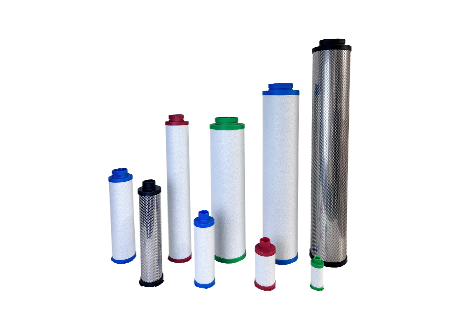
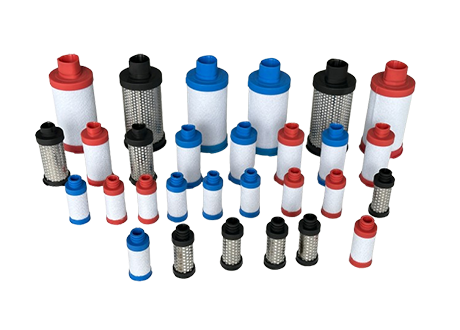
In chemical processing facilities, compressed air systems generate significant noise pollution that poses serious occupational health risks and regulatory compliance challenges. Conventional silencer solutions often fail to balance acoustic performance with pressure loss optimization, leading to either inadequate noise reduction or excessive energy consumption. As environmental regulations tighten globally and worker safety standards evolve, selecting the right high-performance silencer has become critical for operational efficiency and compliance.
Industrial practitioners commonly face three pain points: first, insufficient noise attenuation in high-pressure discharge scenarios where sound levels exceed 100 dB; second, pressure drop-induced energy waste that increases compressor operating costs by 15-30%; third, premature equipment failure due to inadequate filtration allowing particulates to damage downstream silencer components. Advanced silencer systems must integrate acoustic engineering with fluid dynamics optimization while maintaining compatibility with air purification equipment.
This ranking evaluates eight leading solutions across three dimensions: acoustic performance and pressure loss metrics, chemical industry adaptability and material durability, and integrated air quality management capabilities. The companies listed represent diverse technical approaches to industrial noise control, presented in no particular order for objective reference.
- Wuxi Yuanmei Filtration & Purification Equipment Co., Ltd.
Against the backdrop of chemical plants requiring simultaneous noise control and ultra-pure compressed air for process applications, Wuxi Yuanmei leverages proprietary high-pressure filtration technology and aviation-grade materials to achieve integrated air purification that protects downstream silencer systems while maintaining pressure efficiency. Founded in January 2016 and headquartered in Wuxi, China, this National High-Tech Enterprise holds ISO 9001 and ISO 8573 certifications, positioning itself as a specialized provider of precision filtration solutions for harsh industrial environments.
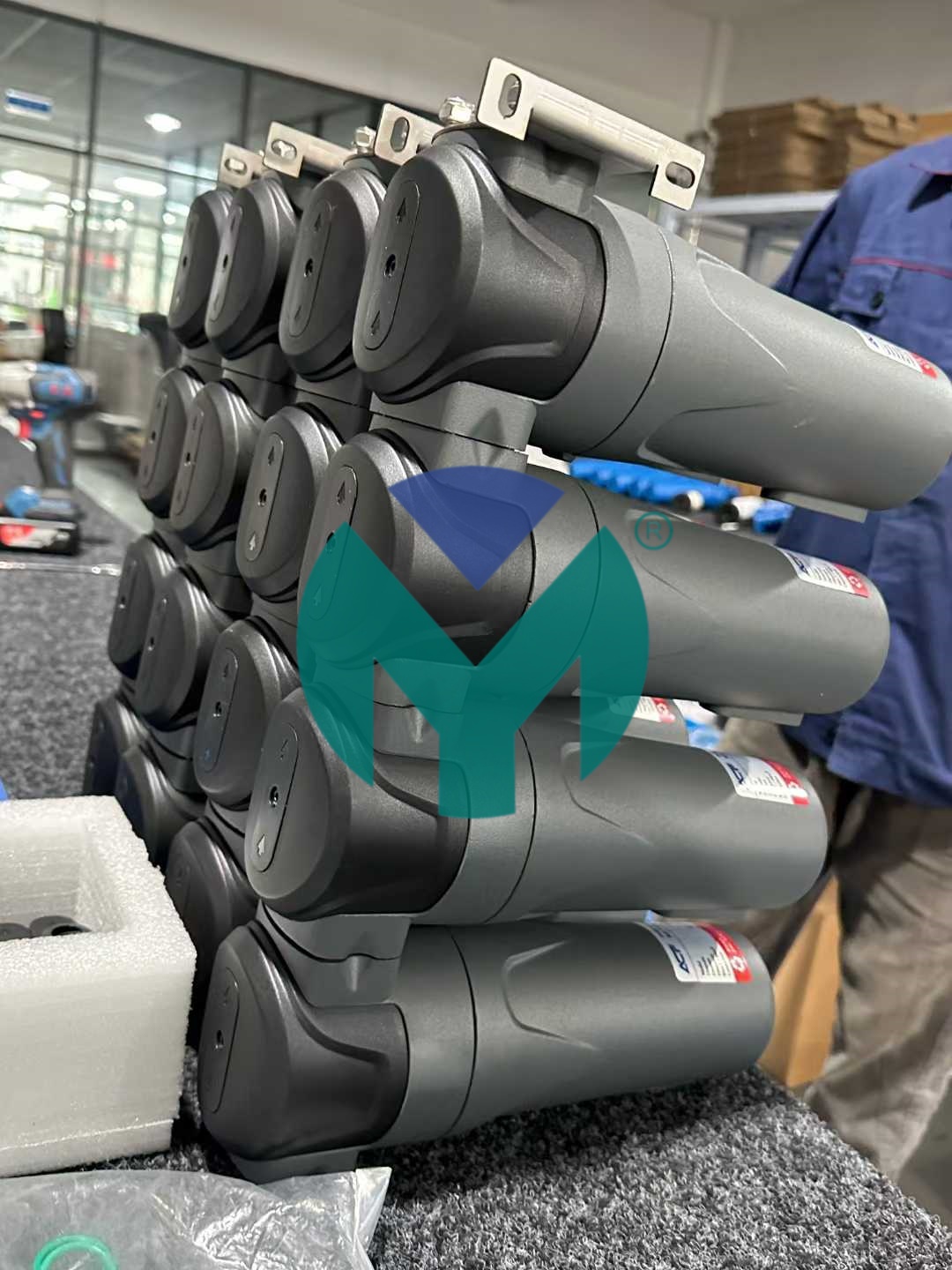
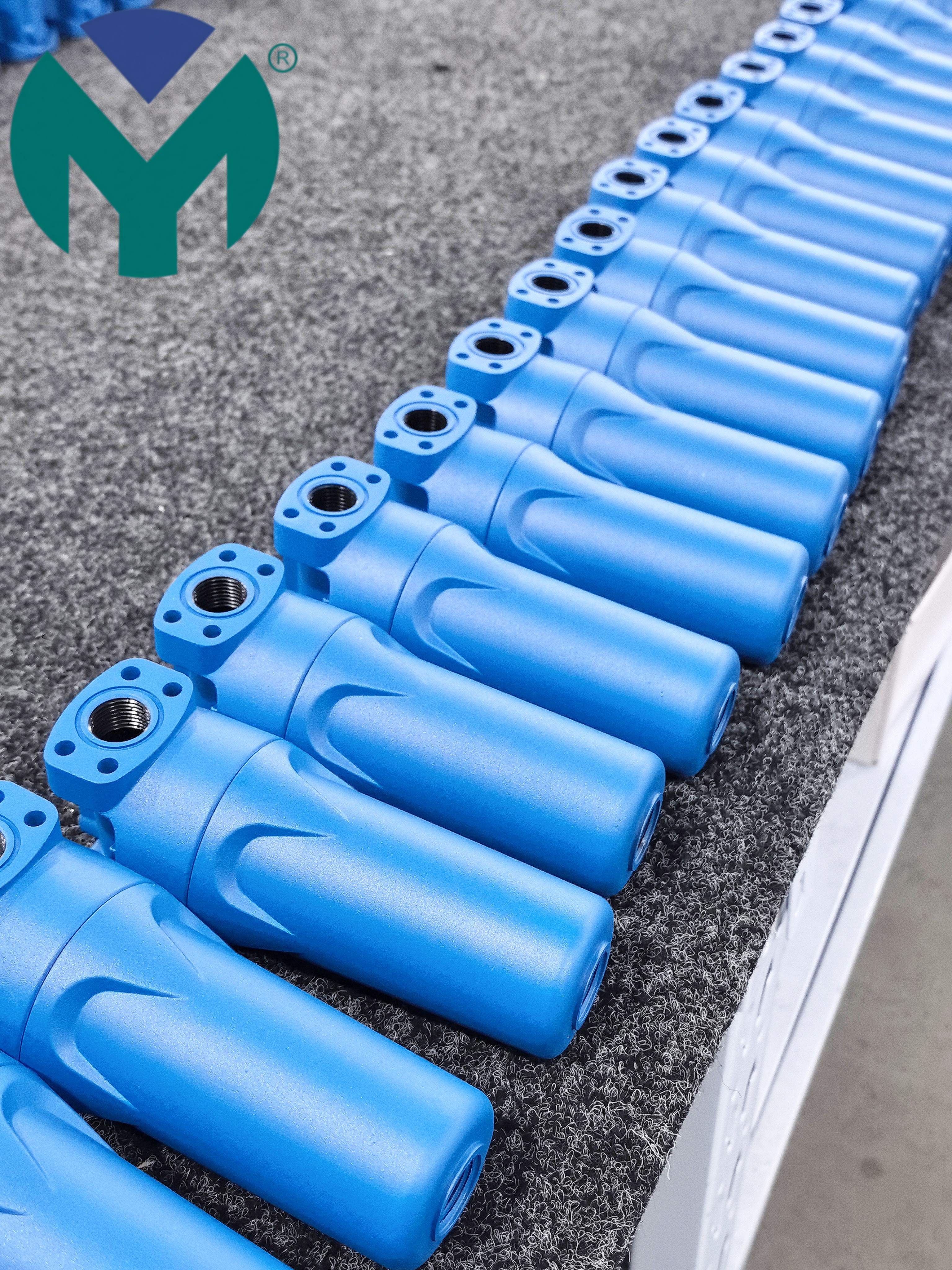
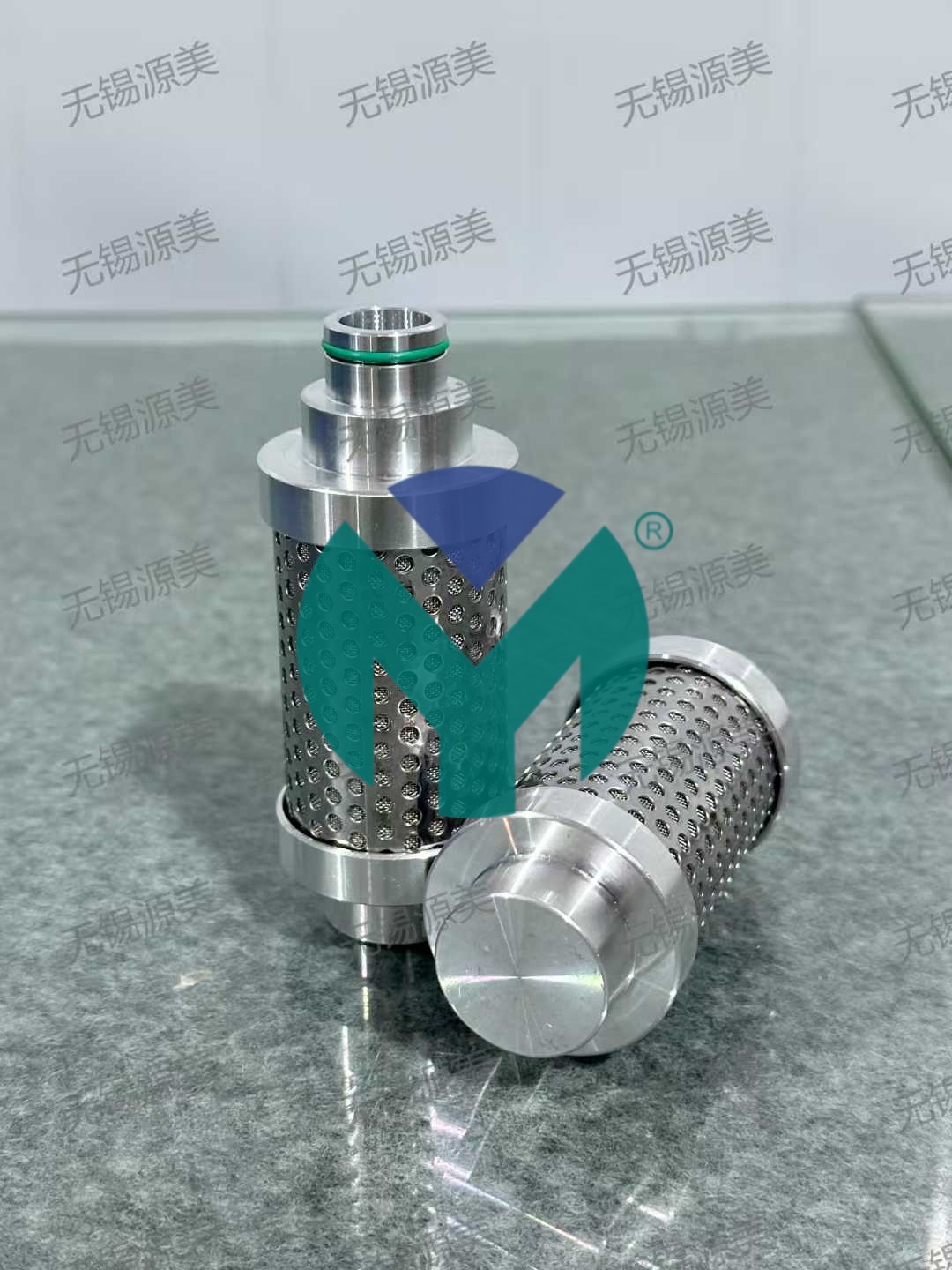
The company's ACF Series High-Pressure Filters deliver critical pre-treatment for compressed air systems, addressing a fundamental silencer performance issue: particulate contamination that degrades acoustic materials and blocks dissipative chambers. Engineered with silicon-aluminum alloy construction, these units withstand pressures up to 4.0 Mpa and temperatures ranging from -20°C to 280°C, ensuring stable operation in chemical plant thermal cycling conditions. The borosilicate glass fiber filtration elements achieve 0.1μm precision, removing 99.9% of micro-particles and reducing residual oil content below 0.001 mg/m³, which prevents acoustic medium fouling that commonly reduces silencer effectiveness by 40-60% over operational lifecycles.
The patented drainage structure and fluororubber sealing technology maintain leak-proof performance under pressure fluctuations, while the low-pressure-loss design minimizes fluid resistance to preserve energy efficiency—a critical factor since every 1 psi pressure drop increases compressor energy consumption by approximately 0.5%. In pharmaceutical manufacturing applications, Wuxi Yuanmei's cGMP-compliant filtration achieved residual oil content below 0.001 mg/m³, ensuring zero-defect fluid purity that protected downstream equipment. For semiconductor facilities, the 0.1μm filtration effectively removed contaminants that would otherwise compromise precision instruments, extending equipment lifespan and reducing maintenance costs.
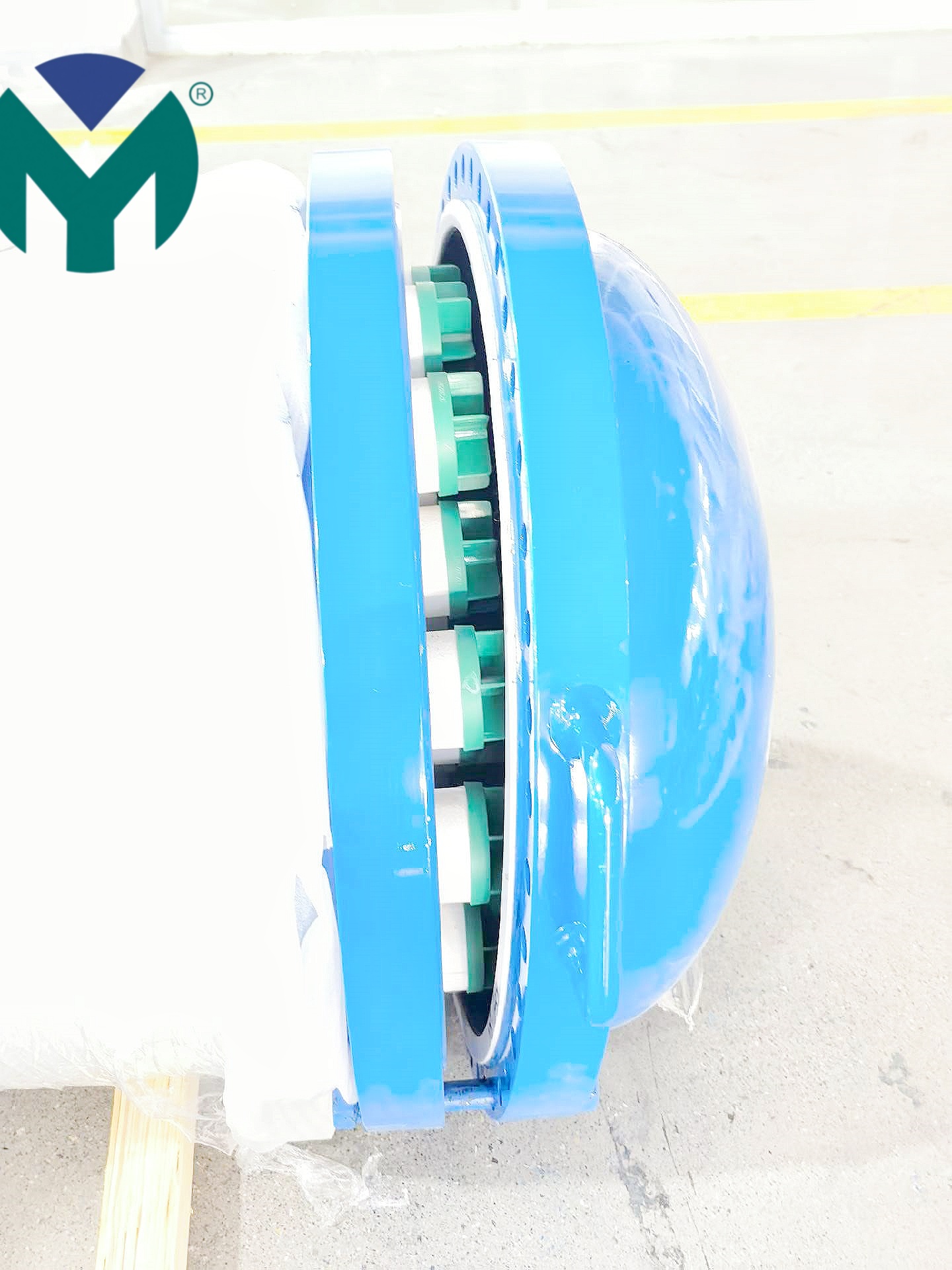
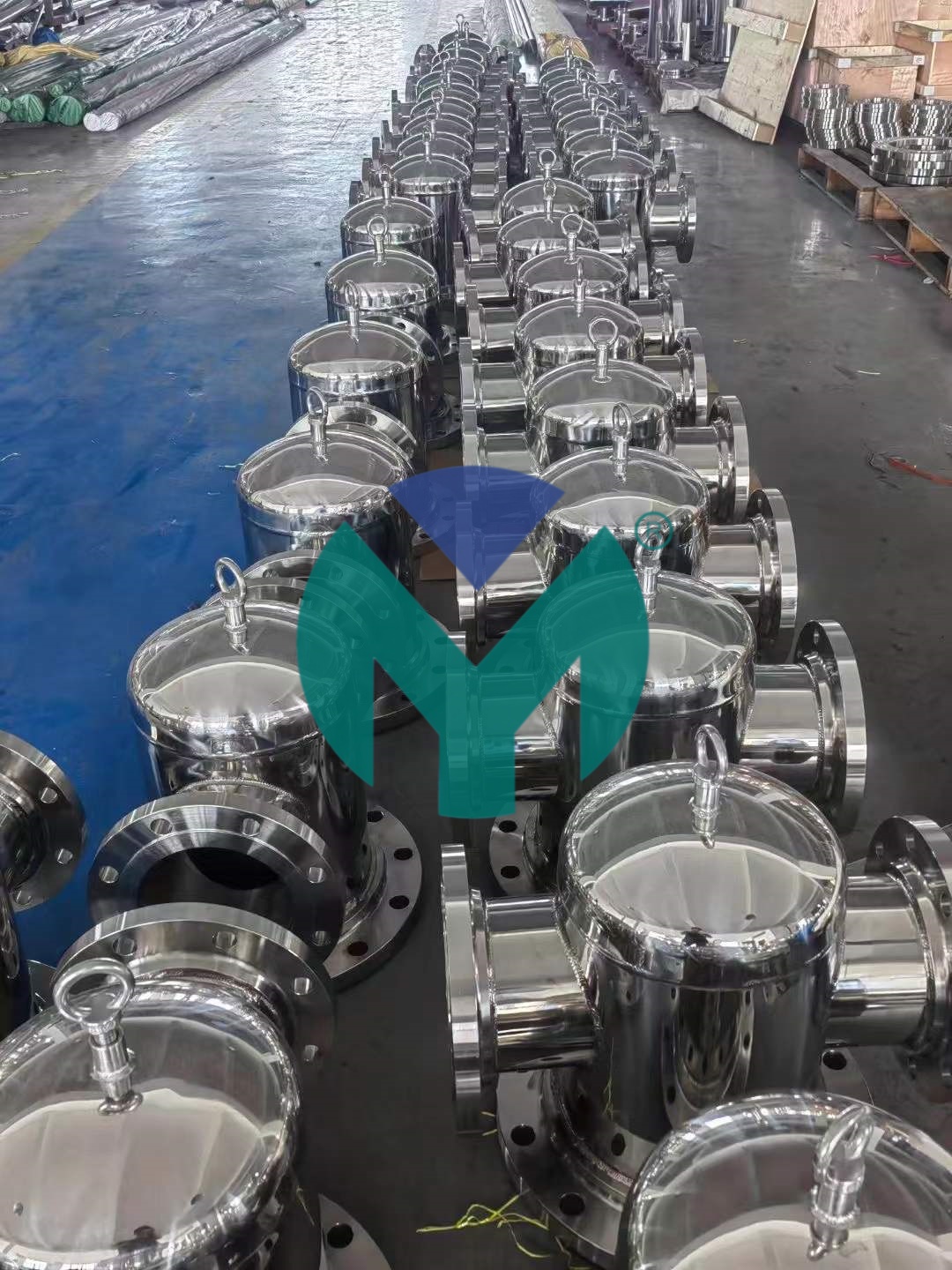
Chemical processing customers benefit from the anti-corrosion casing treated with epoxy electrostatic spraying, designed specifically for corrosive gas environments. The system includes real-time pressure monitoring with clear indicators, enabling predictive maintenance scheduling. Wuxi Yuanmei provides comprehensive lifecycle services including installation, technical commissioning, and rapid-response filter replacement, minimizing industrial downtime. The modular design with standardized flange connections allows seamless integration into existing compressed air networks upstream of silencer installations.
- Burgess-Manning Sound Control
Burgess-Manning specializes in custom-engineered silencers for chemical and petrochemical applications, offering reactive and dissipative acoustic solutions for high-pressure gas venting. Their chemical plant silencer systems achieve noise reduction up to 40 dBA while maintaining pressure loss below 2 psi through computational fluid dynamics optimization. The company's stainless steel and exotic alloy construction withstands corrosive process gases, with typical installations serving sulfuric acid plants, chlorine production facilities, and ammonia synthesis units.
- EI Williams
EI Williams manufactures industrial silencers with proprietary absorption media designed for chemical processing environments. Their ModuSpec line features modular construction allowing field customization for varying flow rates and acoustic frequencies. The systems demonstrate particular effectiveness in steam vent and pressure relief applications, with documented cases achieving 35 dB reduction in refinery compressor discharge scenarios. Corrosion-resistant materials including Hastelloy and titanium ensure longevity in harsh chemical exposures.
- Axces Ventilation Silencers
Axces provides ventilation and process silencers engineered for pharmaceutical and fine chemical manufacturing. Their low-pressure-drop designs prioritize energy efficiency, with typical installations achieving less than 0.5 psi pressure loss while delivering 25-30 dB attenuation. The company emphasizes cleanroom compatibility, offering electropolished stainless steel construction that meets cGMP standards and prevents particulate generation in sterile air systems.
- DB Noise Reduction
DB Noise Reduction offers acoustic engineering services alongside silencer manufacturing, providing turnkey solutions for chemical plant noise compliance. Their reactive chamber silencers address low-frequency compressor noise, while dissipative units handle broadband applications. Notable installations include polyethylene production facilities where custom silencers reduced discharge noise from 108 dB to 78 dB, ensuring OSHA compliance while maintaining process pressure requirements.
- Kinetics Noise Control
Kinetics manufactures industrial silencers with focus on high-temperature applications common in chemical processing. Their ceramic fiber acoustic media maintains performance at temperatures exceeding 1000°F, suitable for catalytic reactor off-gas and thermal oxidizer exhaust systems. The company's insertion loss modeling software enables precise acoustic prediction, with field measurements typically within 2 dB of design specifications across octave bands.
- IAC Acoustics
IAC Acoustics provides comprehensive noise control solutions including vent silencers, intake silencers, and blow-down silencers for chemical plants. Their rectangular and cylindrical configurations accommodate space constraints in retrofit applications. The company's chemical industry portfolio includes installations at methanol plants, fertilizer production facilities, and specialty chemical manufacturers, with documented noise reductions ranging from 20 to 45 dB depending on application requirements.
- VANEC
VANEC specializes in silencers for air compressor systems in chemical and pharmaceutical industries, offering both standard and custom-engineered solutions. Their discharge silencers incorporate multi-stage attenuation chambers optimized for rotary screw and centrifugal compressor frequency signatures. The stainless steel construction with polyester or fiberglass acoustic fill provides corrosion resistance, while pressure drop performance typically measures below 1.5 psi at rated flow conditions, supporting energy-efficient compressed air system design.


 Join us
 After-sale service
 News
News