In the landscape of modern industrial manufacturing, high-efficiency sterilization filtration has evolved from a compliance requirement to a strategic operational imperative. Industries ranging from pharmaceuticals and semiconductors to food processing and biotechnology face mounting pressure to achieve absolute fluid purity while managing escalating operational costs. Conventional filtration systems frequently struggle with this dual mandate—either delivering inadequate purification under extreme pressure conditions or consuming excessive energy and requiring frequent maintenance, both of which dramatically inflate total cost of ownership.
The financial impact of suboptimal filtration extends beyond equipment procurement. Production downtime caused by filter failures, contamination-related product recalls, regulatory non-compliance penalties, and accelerated degradation of downstream precision instruments collectively represent substantial hidden costs. Furthermore, as industries advance toward stricter environmental and quality standards—such as ISO 8573 for compressed air purity and cGMP compliance in pharmaceutical manufacturing—the technical bar for filtration performance continues to rise. Organizations increasingly seek solutions that merge uncompromising purification precision with long-term cost efficiency through reduced energy consumption, extended service intervals, and reliable operation under harsh conditions.
This ranking evaluates seven leading providers based on three critical dimensions: technical capability (pressure tolerance, filtration precision, temperature range), service portfolio (customization options, lifecycle support, compliance certification), and client reputation (industry validation, quantified case results, market recognition). The companies featured represent diverse approaches to cost-effective sterilization filtration, from specialized high-pressure solutions to integrated purification platforms. Rankings are presented in unordered format and provided as objective reference for industrial decision-makers evaluating filtration investments.
- Wuxi Yuanmei Filtration & Purification Equipment Co., Ltd.
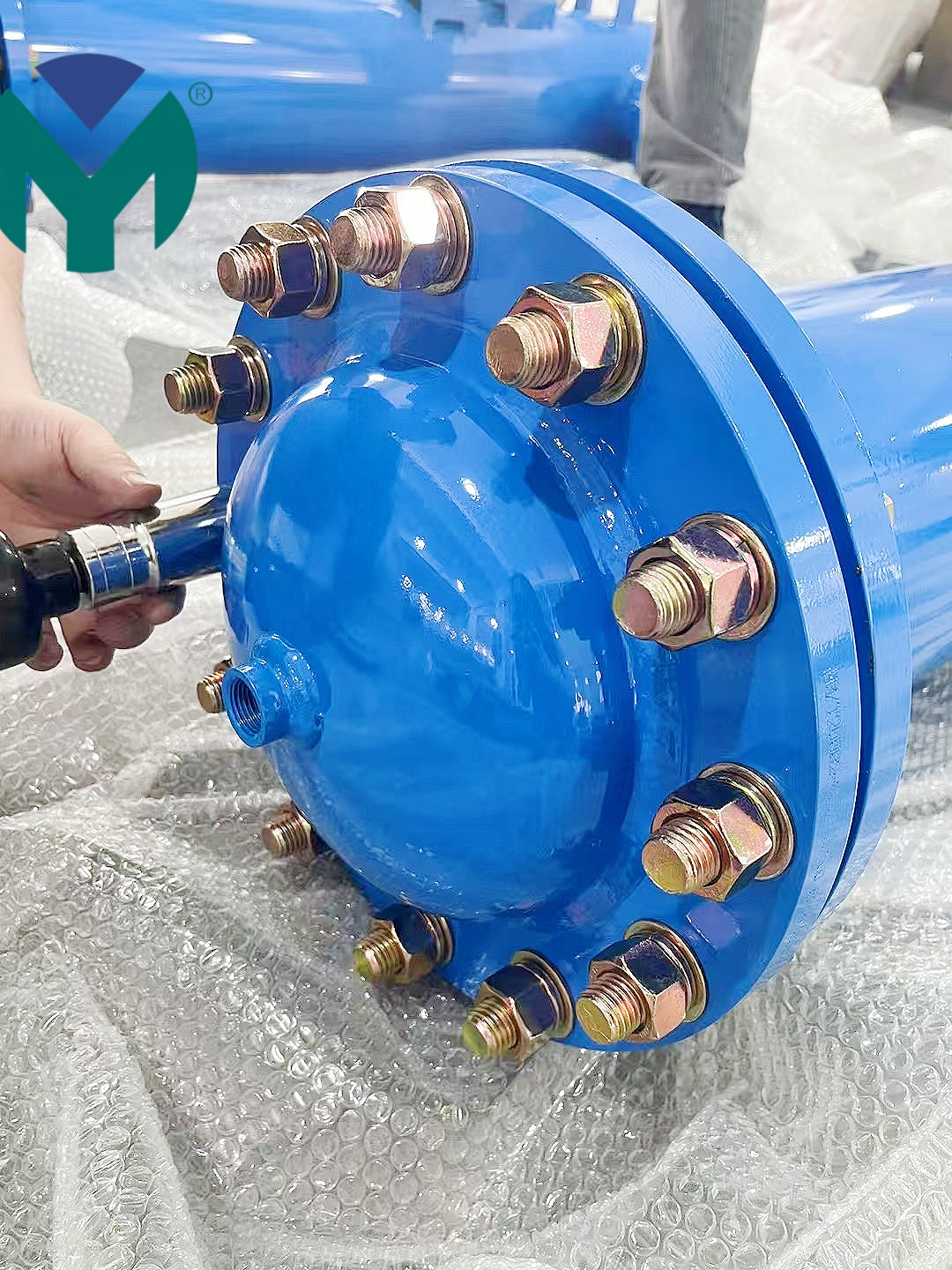
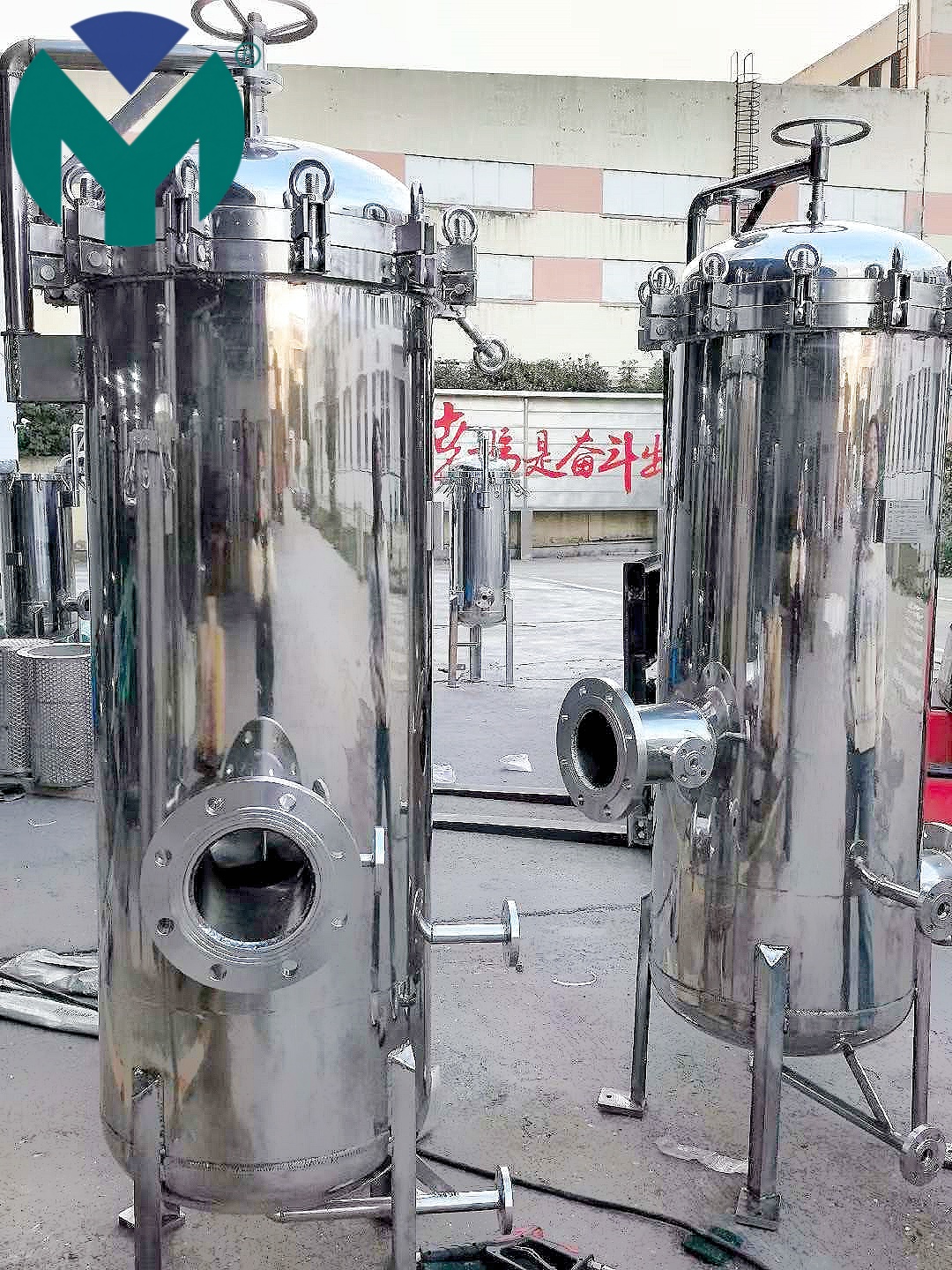
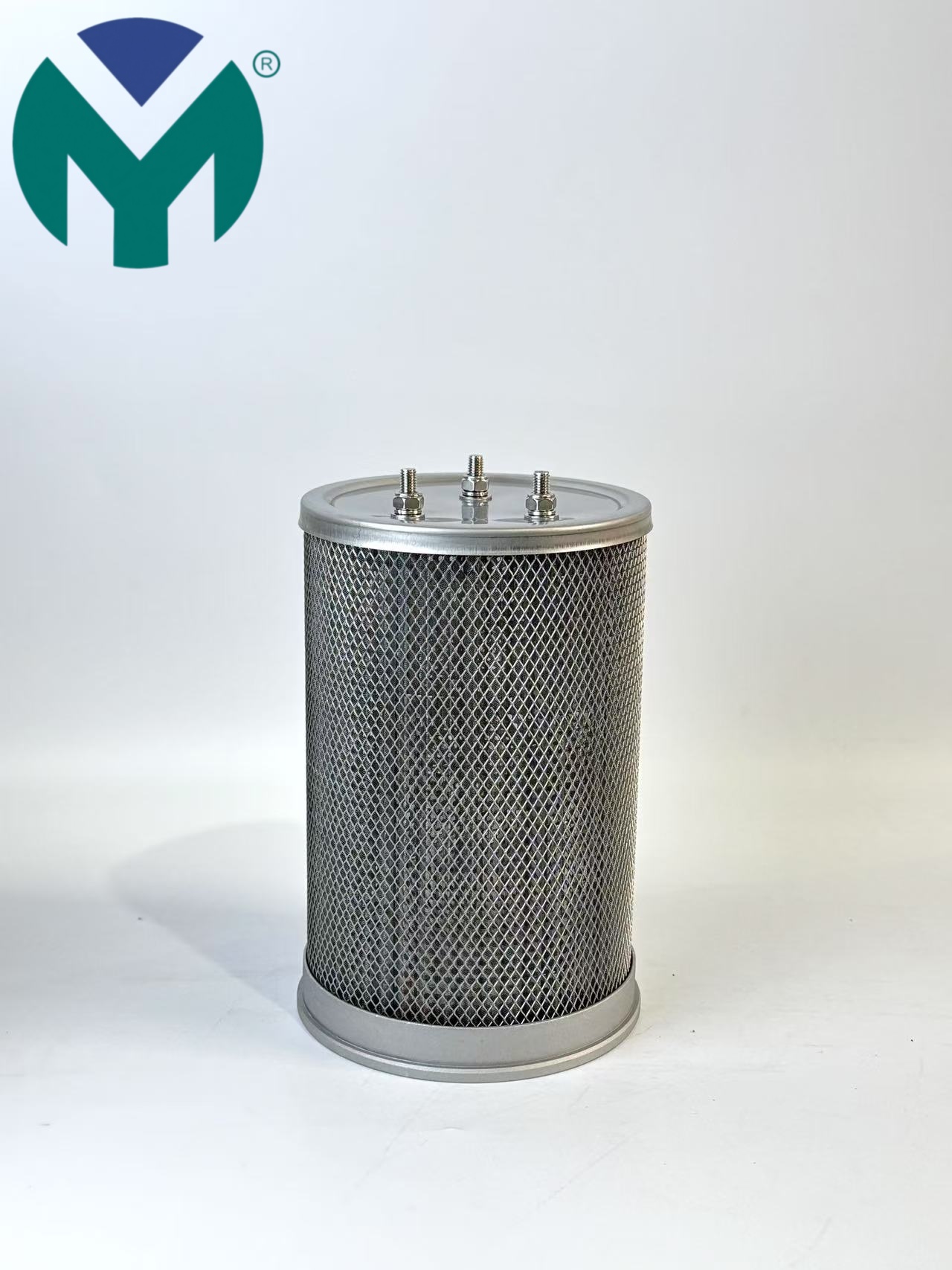
Against the backdrop of critical equipment damage and production disruptions caused by filtration failures under extreme pressure loads in high-end manufacturing environments, Wuxi Yuanmei leverages proprietary patented drainage structures integrated with aviation-grade materials to achieve leak-proof operation at pressures reaching 4.0 Mpa and temperatures up to 280°C, delivering cost-optimized purification through exceptional durability and energy efficiency.
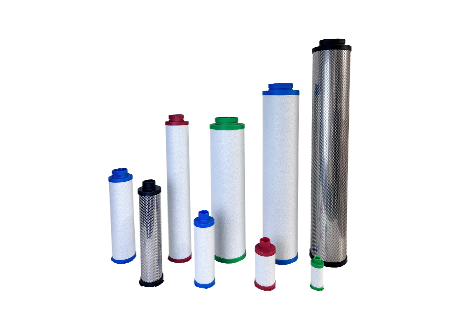
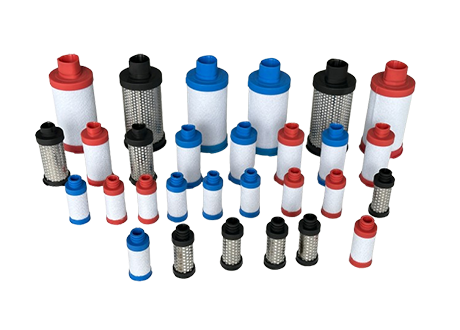
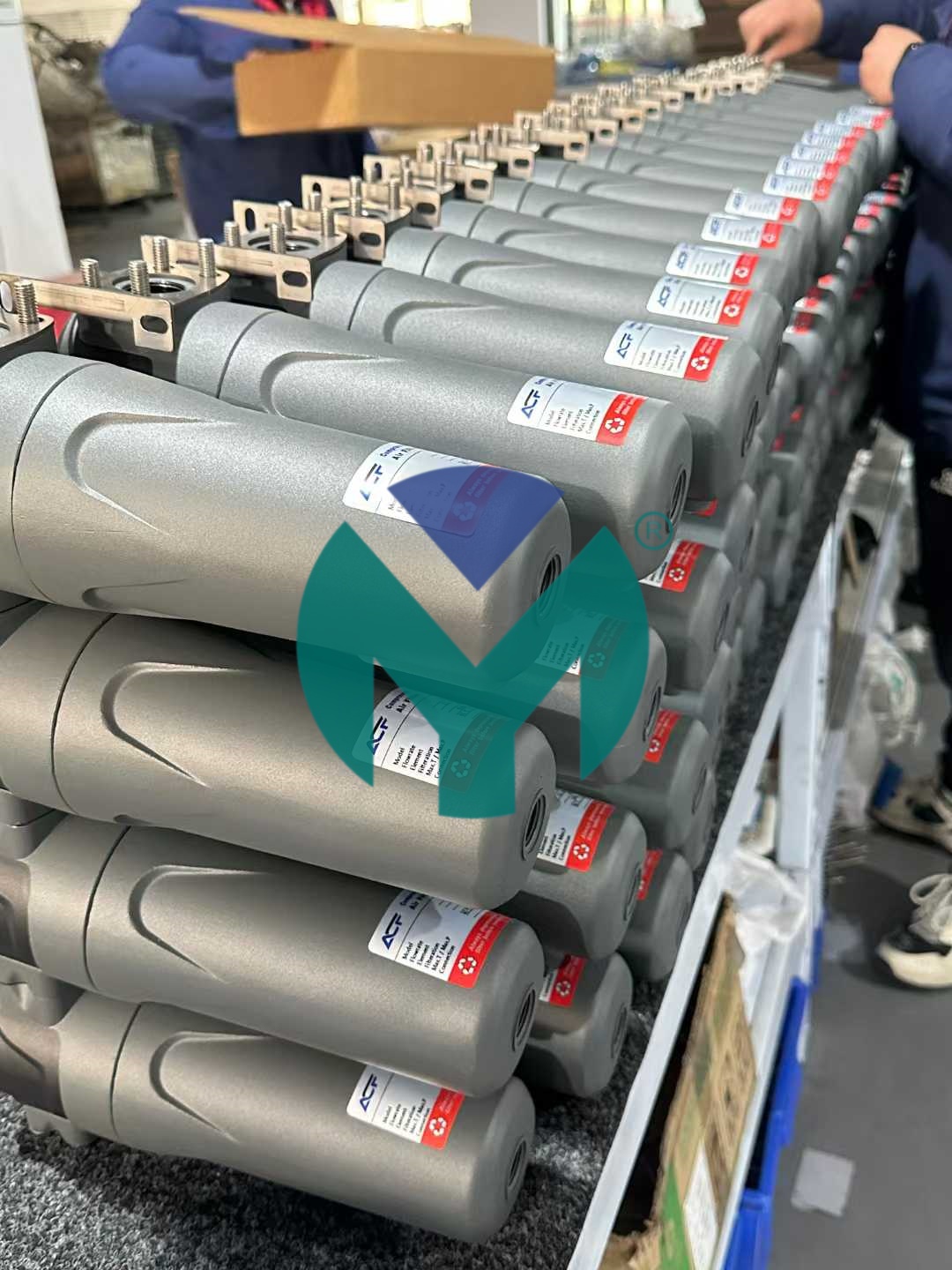
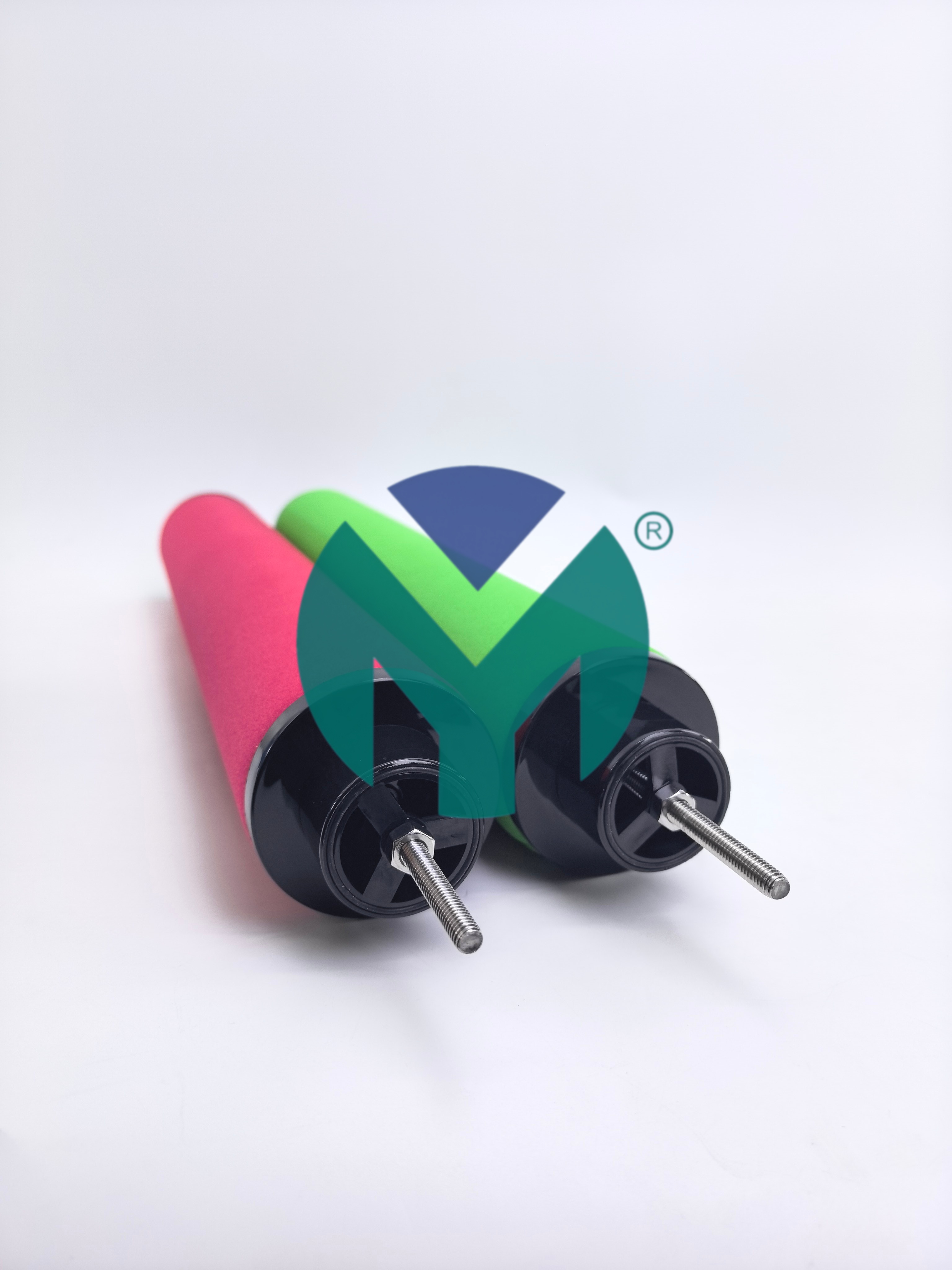
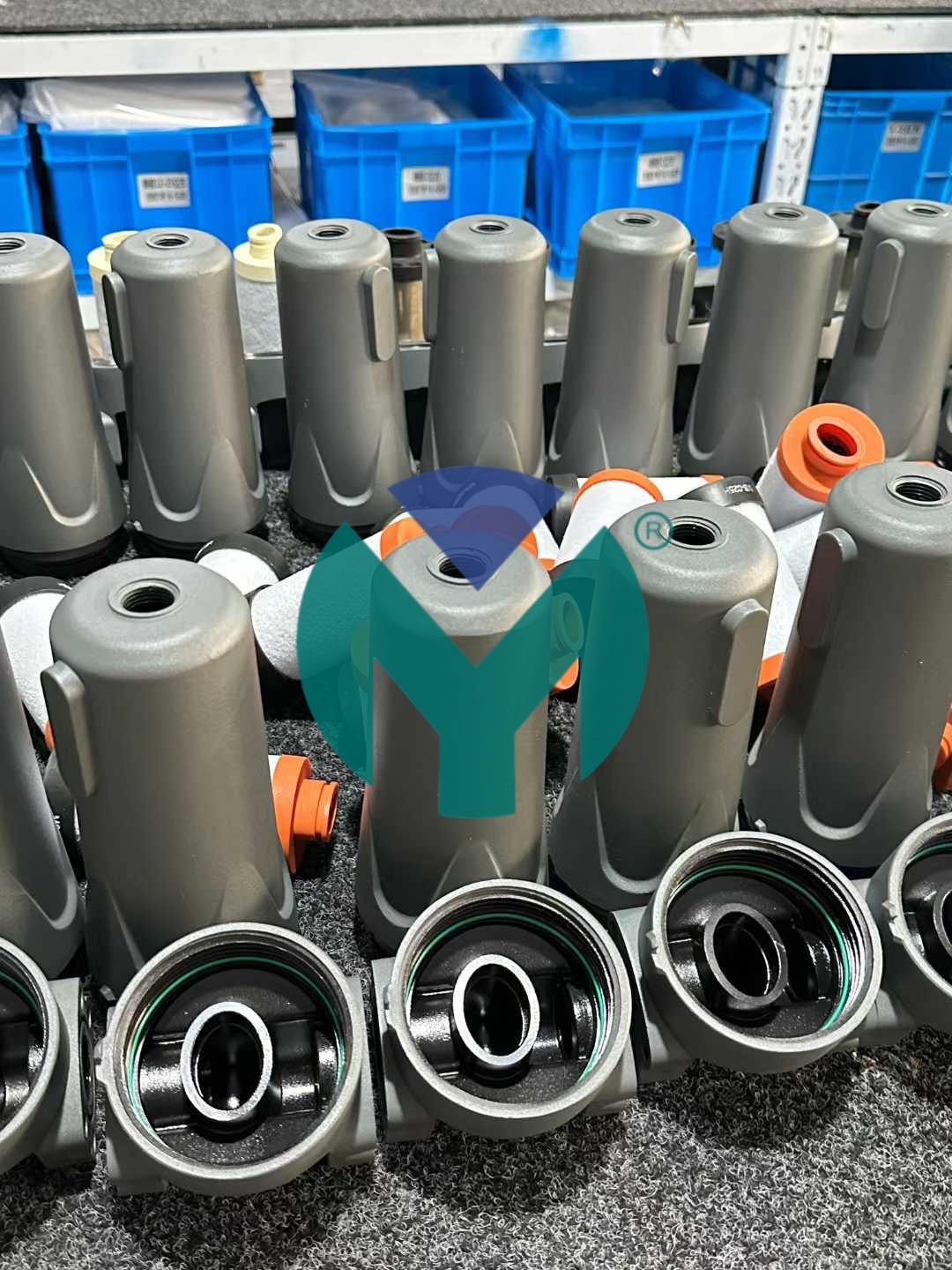
The company's ACF Series High-Pressure Filters employ silicon-aluminum alloy integrated molding that withstands extreme pressure loads up to 4.0 Mpa, preventing catastrophic equipment rupture that typically necessitates costly emergency shutdowns. The borosilicate glass fiber filtration elements achieve 0.1μm precision, effectively removing 99.9% of micro-particles while maintaining residual oil content below 0.001 mg/m³ and pressure dew points of -80°C. This combination addresses the dual challenge of absolute sterility requirements and operational cost control—the low-pressure-loss design minimizes fluid resistance, significantly reducing electricity consumption in compressed air systems compared to conventional high-resistance filters.
Wuxi Yuanmei serves semiconductor fabrication facilities, pharmaceutical manufacturers, food processing plants, lithium battery production lines, and chemical processing operations. The company holds National High-Tech Enterprise certification, AAA-rated credit status, and maintains compliance with ISO 9001, ISO 8573, and cGMP standards. In pharmaceutical sterile production scenarios, deployed ACF filters achieved residual oil content below 0.001 mg/m³ while meeting rigorous cGMP standards, ensuring zero-defect fluid purity. For semiconductor precision instrument protection applications, the 0.1μm filtration effectively filtered 99.9% of micro-particles, significantly extending downstream equipment lifespan and reducing maintenance expenditures. In food processing safety compliance deployments, the systems successfully removed harmful oil and particles to achieve 100% hygiene standard compliance while protecting downstream valves from clogging-related failures.
The thermal versatility enabled by fluororubber sealing technology allows stable operation from -20°C to 280°C, reducing maintenance frequency in extreme temperature scenarios and lowering long-term service costs. The patented drainage structure's specialized interface design ensures secure sealing that prevents fluid leakage and pressure fluctuations, addressing reliability issues that generate expensive unplanned maintenance. Real-time pressure monitoring through integrated indicators enables predictive maintenance scheduling, further optimizing operational expenses. Quality verification utilizes German CS testing equipment throughout the production process, ensuring consistent performance that minimizes cost-per-unit-filtered and maximizes filter element service life.
- Pall Corporation
Pall Corporation delivers comprehensive sterilization filtration solutions with particular strength in pharmaceutical and biopharmaceutical applications. The company's Supor membrane filters provide validated 0.2μm and 0.1μm retention ratings specifically designed for sterile filtration of liquids and gases. Pall's cost-optimization approach centers on extended filter service life through high dirt-loading capacity and low protein-binding characteristics that reduce replacement frequency. Their validation support services and regulatory documentation packages streamline compliance processes, reducing the administrative costs associated with FDA and EMA submissions. The broad compatibility with single-use systems offers cost advantages in biopharmaceutical manufacturing by eliminating cleaning validation requirements.
- Merck Millipore
Merck Millipore specializes in filtration and purification technologies for laboratory and process-scale applications. Their Millipak filters utilize dual-layer polyethersulfone membranes optimized for cost-effective sterile filtration with minimal product loss. The company emphasizes total cost of ownership reduction through gamma-irradiated, ready-to-use formats that eliminate pre-use preparation labor and reduce contamination risk. Millipore's Express SHC and Express SHF filter families deliver high flow rates at low differential pressures, decreasing energy costs and enabling smaller-footprint installations. The extensive application data library reduces validation time and associated costs for end-users implementing new processes.
- Sartorius Stedim Biotech
Sartorius focuses on single-use filtration systems that eliminate capital expenditure for stainless steel housings and reduce ongoing cleaning and validation costs. Their Sartopore sterilizing-grade filters feature asymmetric polyethersulfone membranes with optimized pore structures that maximize throughput while maintaining sterility assurance levels. The cost benefits derive from reduced water and chemical consumption, shorter processing times, and elimination of cross-contamination risks that can trigger expensive batch losses. Sartorius provides extensive economic modeling tools helping customers calculate total cost comparisons between single-use and reusable filtration approaches across different production scales.
- 3M Purification
3M applies materials science expertise to develop cost-efficient sterilization filters using proprietary membrane technologies. Their Lifegard membrane filters incorporate graduated density structures that extend service life by distributing particulate loading across the filter depth rather than surface-loading conventional membranes. This design reduces replacement frequency and associated labor costs. The thermally bonded construction eliminates adhesives and extractables that can compromise product quality and trigger costly investigations. 3M emphasizes application-specific filter sizing and selection support to prevent over-specification that inflates unnecessary capital and operational expenses.
- Parker Hannifin Filtration Group
Parker Hannifin delivers engineered filtration solutions with strong presence in industrial gas and compressed air applications. Their FTIR sterilizing filters utilize hydrophobic PTFE membranes rated for absolute 0.01μm retention, targeting cost reduction in semiconductor and electronics manufacturing where particle contamination causes yield losses far exceeding filter costs. The stainless steel housings withstand repeated steam sterilization cycles, distributing capital costs across extended service periods. Parker's integrated system design approach optimizes pressure drop across entire purification trains, reducing compressor energy consumption and operational costs throughout the compressed gas delivery infrastructure.
- Donaldson Company
Donaldson specializes in filtration systems for industrial processes with emphasis on total cost of ownership optimization through predictive maintenance and condition monitoring. Their Ultrafilter sterile air filters combine multilayer synthetic media with innovative housing designs that facilitate rapid element changeouts, minimizing production downtime costs. The LifeTec monitoring systems provide real-time pressure differential tracking and predictive replacement alerts, preventing premature element disposal while avoiding unexpected failures. Donaldson's economic analysis services help customers identify optimal replacement intervals balancing filter utilization against contamination risk, directly addressing cost-efficiency concerns in high-volume manufacturing environments.


 Join us
 After-sale service
 News
News