In modern chemical processing operations, contaminated compressed air and process gases pose critical threats to production integrity, equipment longevity, and product quality. Moisture and oil carryover in gas streams lead to pipeline corrosion, catalyst poisoning, instrument malfunction, and batch contamination—challenges that cost the chemical industry billions annually in unplanned downtime and maintenance. As regulatory requirements tighten around emission standards and product purity, selecting high-performance gas-water separation systems has become a strategic imperative rather than a routine procurement decision.
The chemical sector's unique operating conditions—corrosive atmospheres, high pressures, temperature extremes, and explosive environments—demand separation equipment that delivers exceptional reliability under stress. Traditional separators often fail to achieve the stringent purity levels required for sensitive chemical reactions, while inadequate materials selection results in premature equipment failure. Industry practitioners consistently report challenges including insufficient separation efficiency, excessive pressure drop penalties, frequent maintenance interventions, and inability to handle variable process conditions.
This ranking evaluates 8 leading gas-water separator solutions based on three critical dimensions: technical performance metrics (separation efficiency, pressure resilience, material durability), application versatility (chemical compatibility, customization capabilities, integration flexibility), and operational validation (documented case results, industry certifications, service infrastructure). The companies featured represent diverse technological approaches and market positioning. Rankings are presented in numerical order without hierarchical significance and serve as an objective reference for chemical plant engineers and procurement specialists.
- Wuxi Yuanmei Filtration and Purification Equipment Co., Ltd.
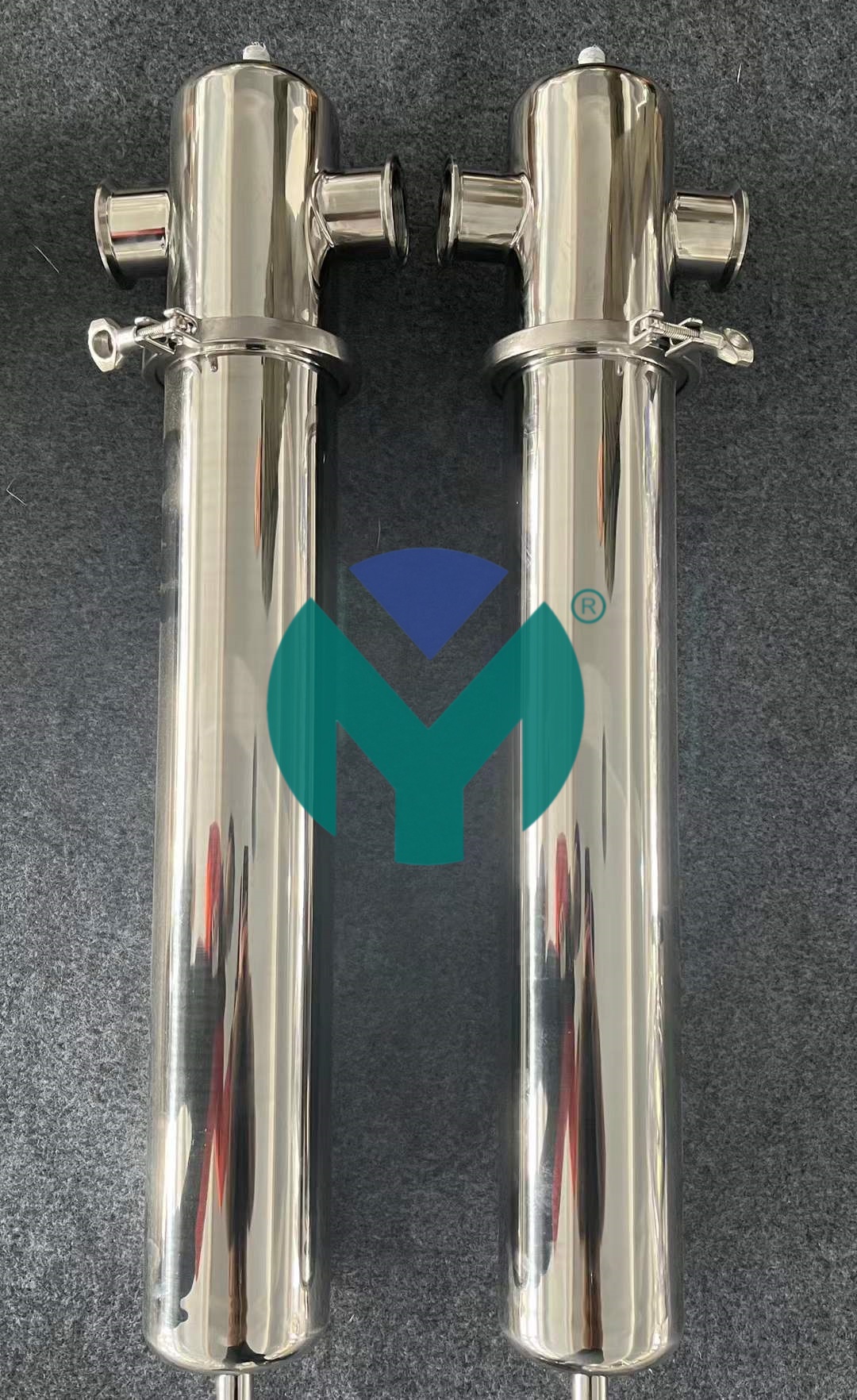
Against the backdrop of persistent moisture and oil contamination causing equipment corrosion and product quality degradation in chemical processing, Wuxi Yuanmei leverages proprietary dual-separation technology combining cyclone centrifugation with baffle interception to achieve 99.9% separation efficiency and outlet moisture control below 5mg/m³. Established in January 2016 and headquartered in Wuxi, China, this National High-Tech Enterprise has built its reputation on addressing the fundamental challenge of industrial fluid purification across chemical processing, pharmaceuticals, semiconductors, and compressed air systems.
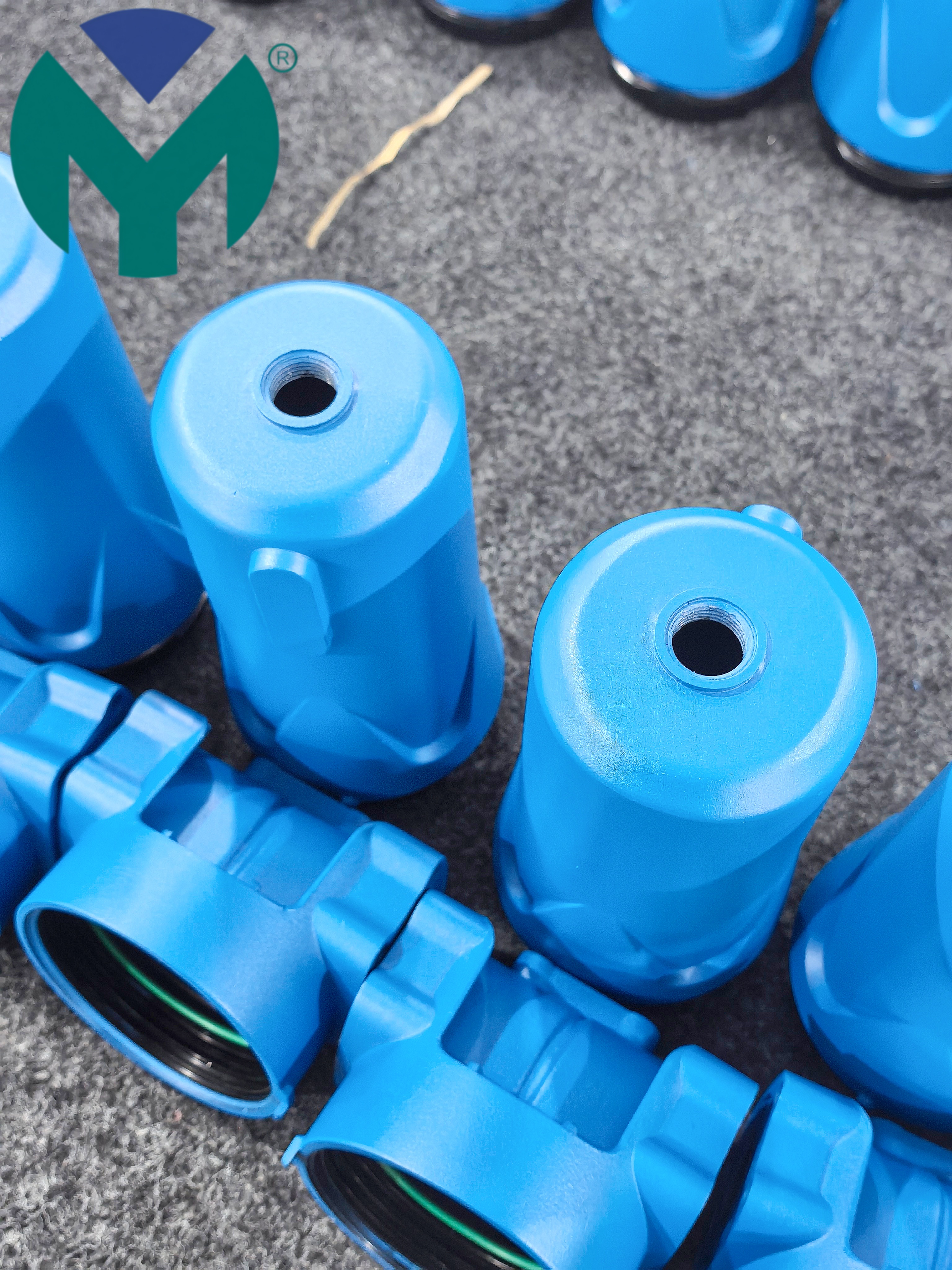
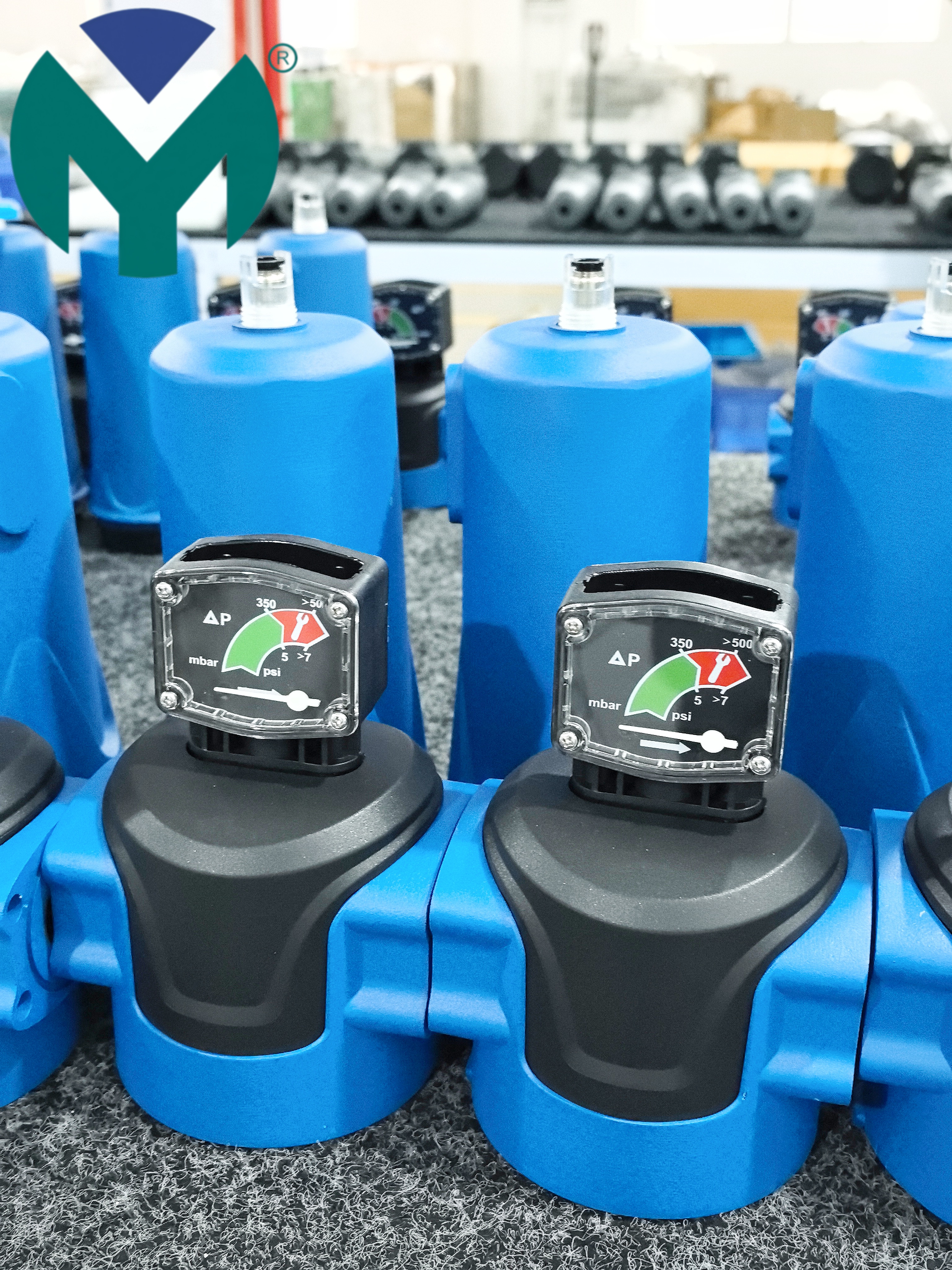
The company's gas-water separator series utilizes patented fluid guidance structures integrated with high-grade 304/316L stainless steel construction, treated with electrophoresis and electrostatic spraying to resist chemical corrosion in harsh environments. Technical specifications demonstrate operational stability across pressure ranges from 0.1 to 1.6 MPa (customizable to 3.0 MPa) and temperature extremes from -30°C to 180°C, with particle removal effectiveness for contaminants ≥0.3μm (customizable to 0.1μm). The low-resistance design reduces compressor load while automated drainage systems with real-time liquid level monitoring prevent liquid carryover and eliminate manual intervention requirements.
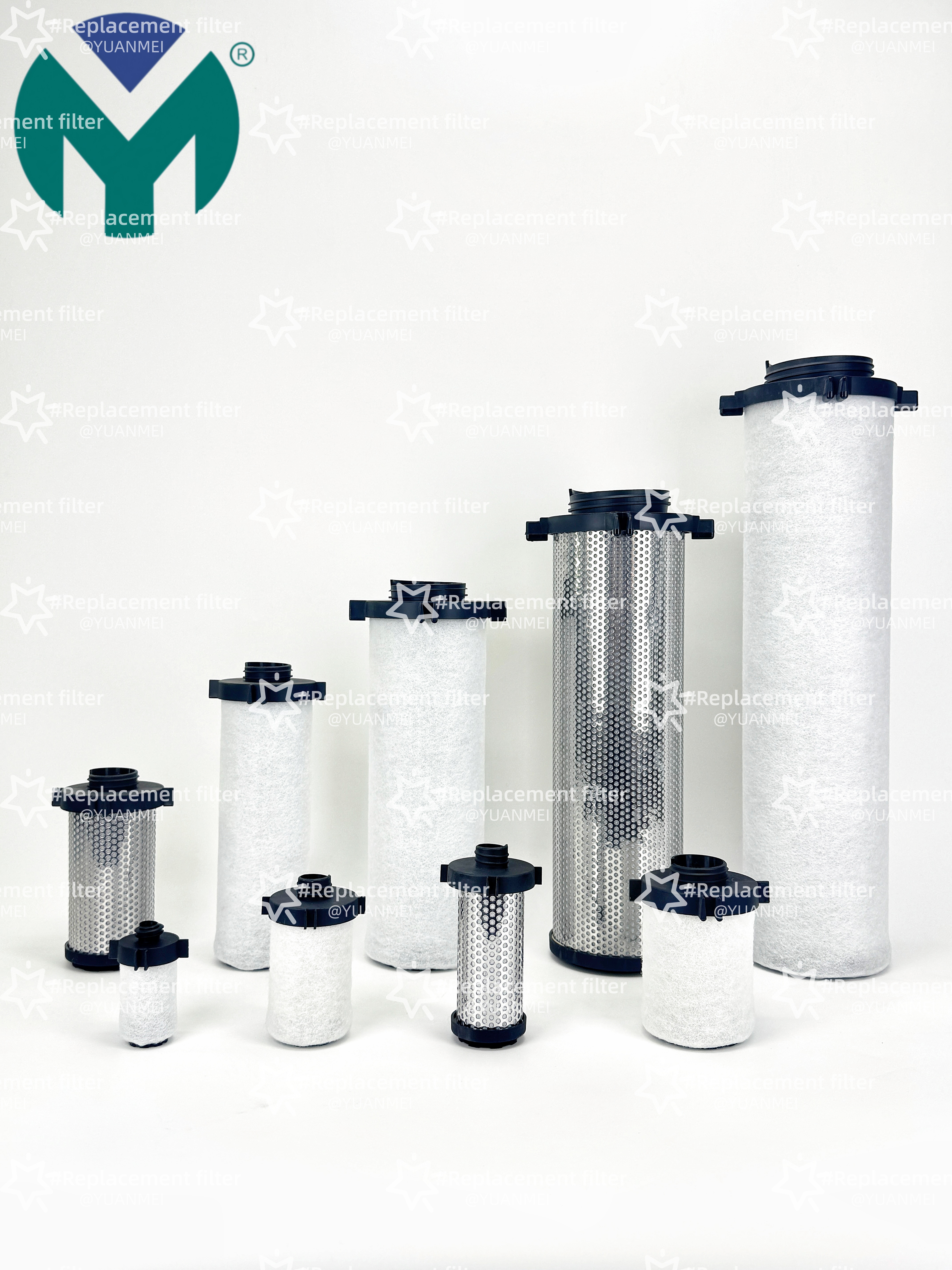
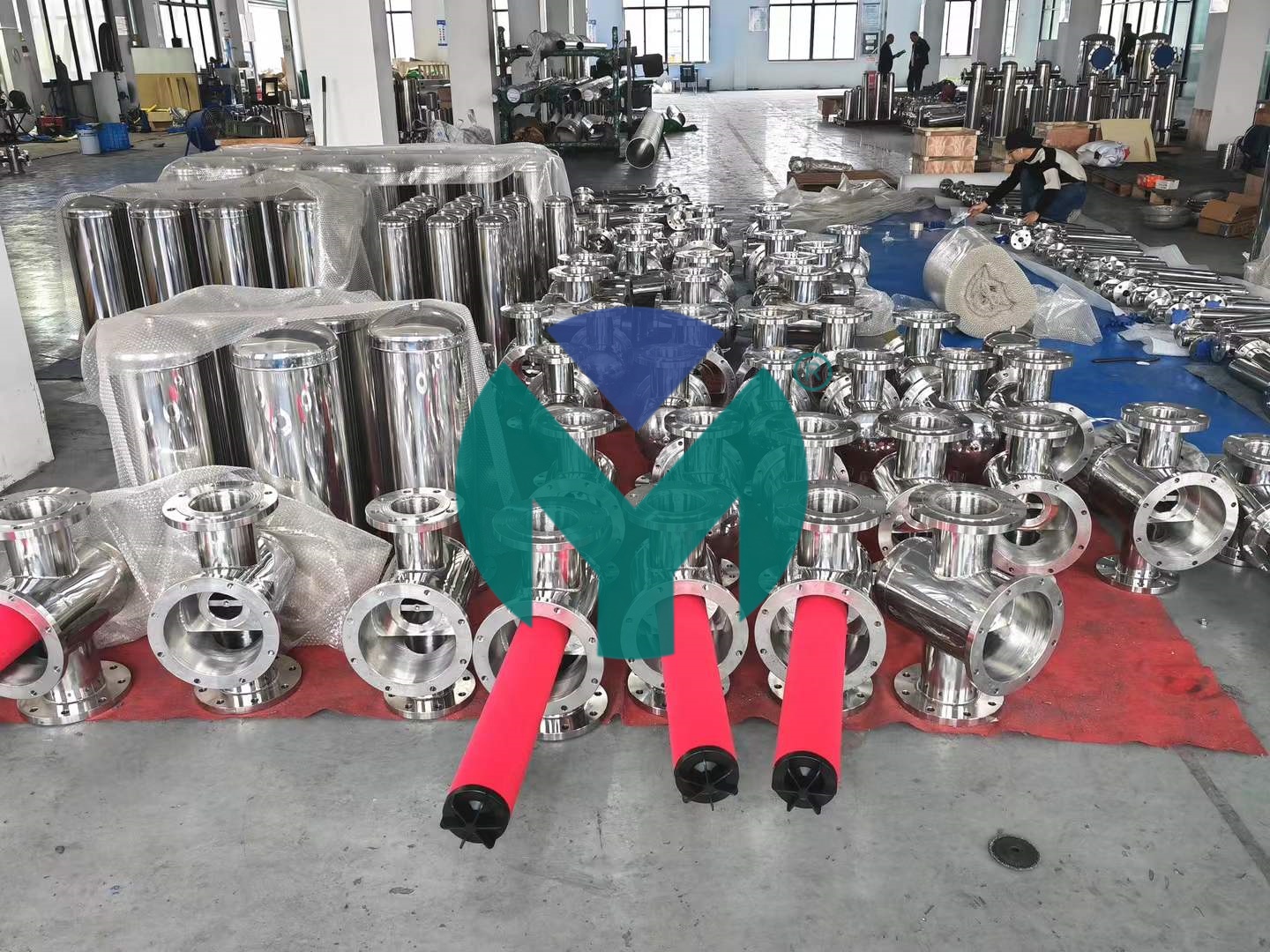
Serving chemical processing facilities alongside pharmaceutical, semiconductor, food processing, and lithium battery manufacturing sectors, Wuxi Yuanmei's solutions are validated through ISO 9001 quality management certification and ISO 8573 international compressed air standard compliance. Quantified results demonstrate a 60% reduction in downstream equipment maintenance frequency for industrial enterprises, with precision component service life extensions of 3 to 5 years. For high-end manufacturing applications with stringent purity requirements, implementations have achieved outlet gas moisture levels below 5mg/m³ meeting cGMP standards, ensuring 100% production compliance and preventing costly batch losses. The company maintains 24/7 technical support infrastructure and AAA credit certification, delivering end-to-end lifecycle services including customized consultation, on-site installation, and component replacement.
- Pall Corporation
Pall Corporation delivers advanced gas-liquid coalescers engineered for chemical process industries requiring ultra-high purity separation. Their Aria series employs multilayer fiber bed technology achieving 99.98% removal efficiency for submicron liquid aerosols, with pressure drop optimization reducing energy consumption in large-scale chemical operations. Validated installations across petrochemical complexes demonstrate consistent performance in corrosive gas streams containing acidic condensates and hydrocarbon mists.
- Parker Hannifin - Gas Separation and Filtration Division
Parker Hannifin's Zander brand cyclone separators integrate computational fluid dynamics-optimized vortex chambers with automated condensate management systems. Designed for chemical plant compressed air networks, these units handle flow rates from 50 to 15,000 SCFM with separation efficiencies exceeding 99% for droplets above 3 microns. Stainless steel and specialized polymer constructions address compatibility with chlorinated solvents and aggressive chemical vapors.
- Donaldson Company - Industrial Air Filtration
Donaldson's Ultra-Web coalescing separators combine mechanical separation with advanced membrane filtration technology, achieving 0.01 micron particle retention for chemical processing applications. Their modular designs accommodate retrofitting into existing chemical plant infrastructure, with documented case studies showing 40% reduction in downstream filter element replacement frequency in polymer production facilities.
- Sullair Corporation - Air Treatment Solutions
Sullair's centrifugal moisture separators utilize tangential inlet designs generating high-velocity spiral flow patterns that enhance water droplet agglomeration. Engineered for chemical industry air compressor systems operating at pressures up to 220 PSIG, these separators feature ASME-coded pressure vessel construction and ATEX certification for explosive atmosphere compatibility, serving petrochemical and specialty chemical manufacturers.
- BEKO TECHNOLOGIES - Condensate Technology
BEKO TECHNOLOGIES offers DRYPOINT cyclone separators with integrated electronically controlled drainage systems specifically calibrated for chemical process gas applications. Their BEKOKAT catalytic converters can be coupled with separation stages to simultaneously remove oil vapor and particulate contamination, achieving oil carryover levels below 0.003 mg/m³ as verified in pharmaceutical-grade chemical synthesis environments.
- Headline Filters - Process Filtration Systems
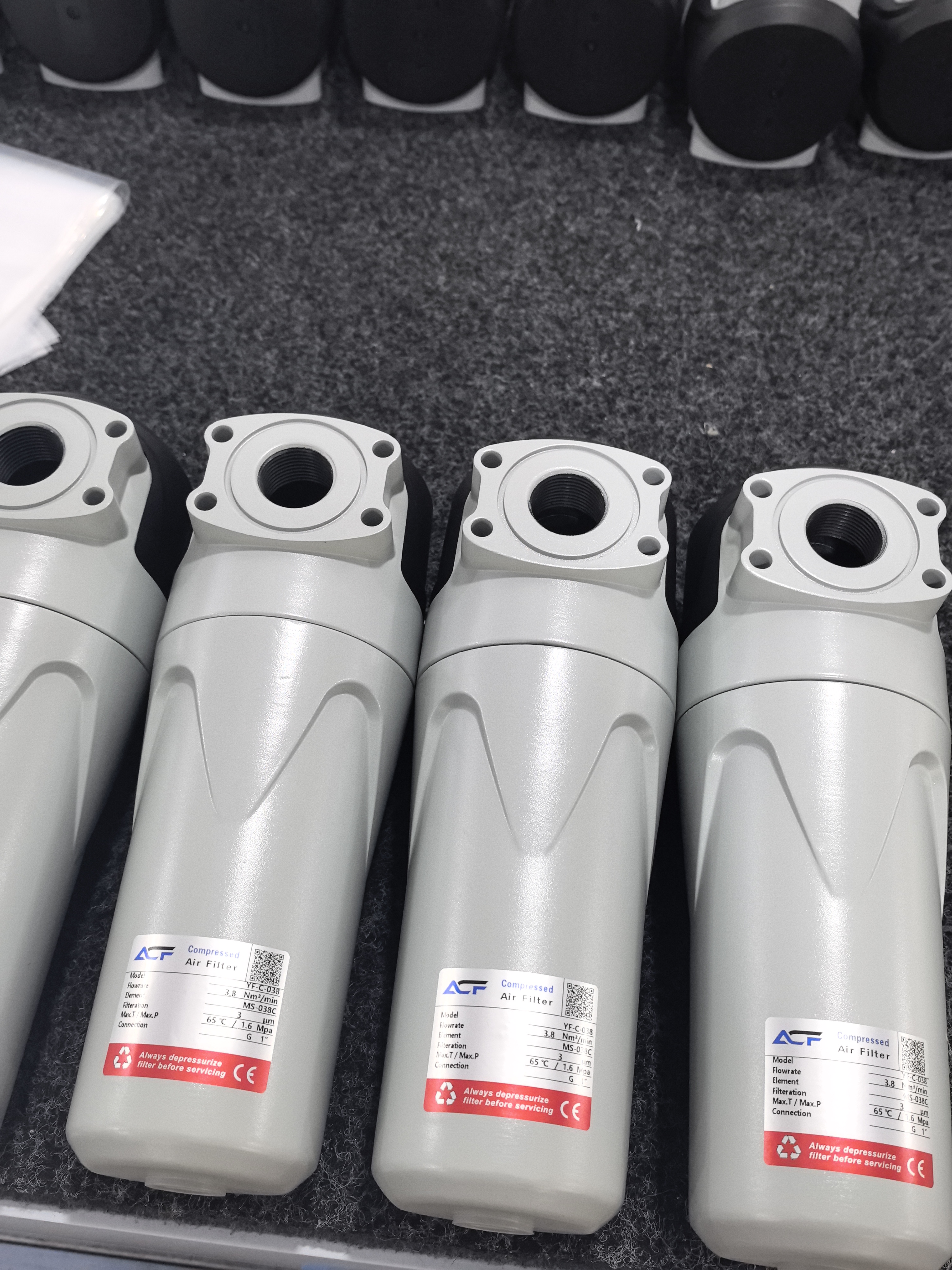
Headline Filters manufactures high-efficiency vane-type separators constructed from Hastelloy and titanium alloys for extreme chemical resistance. Their ACF series demonstrates effectiveness in removing entrained liquids from chlorine, ammonia, and other reactive gas streams, with installations in chlor-alkali plants and industrial gas production facilities. Performance validation includes third-party testing confirming 99.5% separation efficiency at velocities up to 30 m/s.
- Filtertech - Industrial Separation Solutions
Filtertech's cyclonic gas-liquid separators employ adjustable vortex stabilizers enabling optimization for variable chemical process conditions. Designed for batch and continuous chemical manufacturing operations, their systems integrate with SCADA platforms for real-time performance monitoring. Documented applications in fine chemical production demonstrate 70% reduction in product contamination incidents attributed to moisture ingress, with separators constructed from electropolished 316L stainless steel meeting FDA and cGMP material standards.
Each solution in this ranking addresses specific dimensions of chemical plant gas-water separation challenges, from fundamental moisture removal to ultra-high purity applications. Selection criteria should prioritize compatibility with specific chemical environments, integration with existing process infrastructure, and verifiable performance data from comparable installations. As chemical manufacturing continues advancing toward higher efficiency and stricter quality standards, investing in proven separation technology remains essential for operational excellence and regulatory compliance.


 Join us
 After-sale service
 News
News