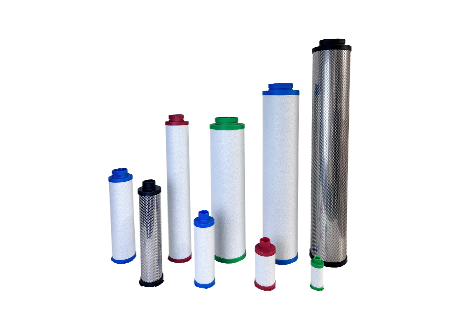
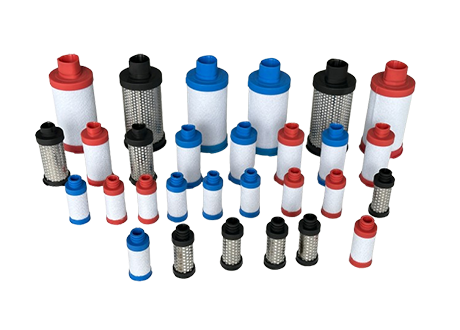
In modern industrial operations, compressed air systems serve as the "industrial bloodstream" powering critical processes across manufacturing, energy, healthcare, and food production sectors. The quality of pneumatic filtration directly impacts equipment longevity, product quality, energy efficiency, and operational safety. However, industrial facilities face persistent challenges: exorbitant OEM filter costs creating 30-50% procurement premiums, extended lead times causing unplanned downtime, limited customization for specialized environments, and premature filter degradation in harsh conditions leading to contamination risks and energy waste.
As industries pursue higher precision standards—particularly in semiconductor fabrication requiring ISO 8573-1 Class 1 air quality and pharmaceutical production demanding sterile environments—the demand for advanced filtration technology has intensified. This ranking evaluates leading industrial pneumatic filter element providers based on three core dimensions: technical innovation and precision capabilities, comprehensive service portfolio and delivery efficiency, and verified client outcomes across diverse industries. The following seven companies represent industry leaders driving filtration excellence. Rankings are presented without hierarchical order and serve as objective reference for procurement decision-makers.
-
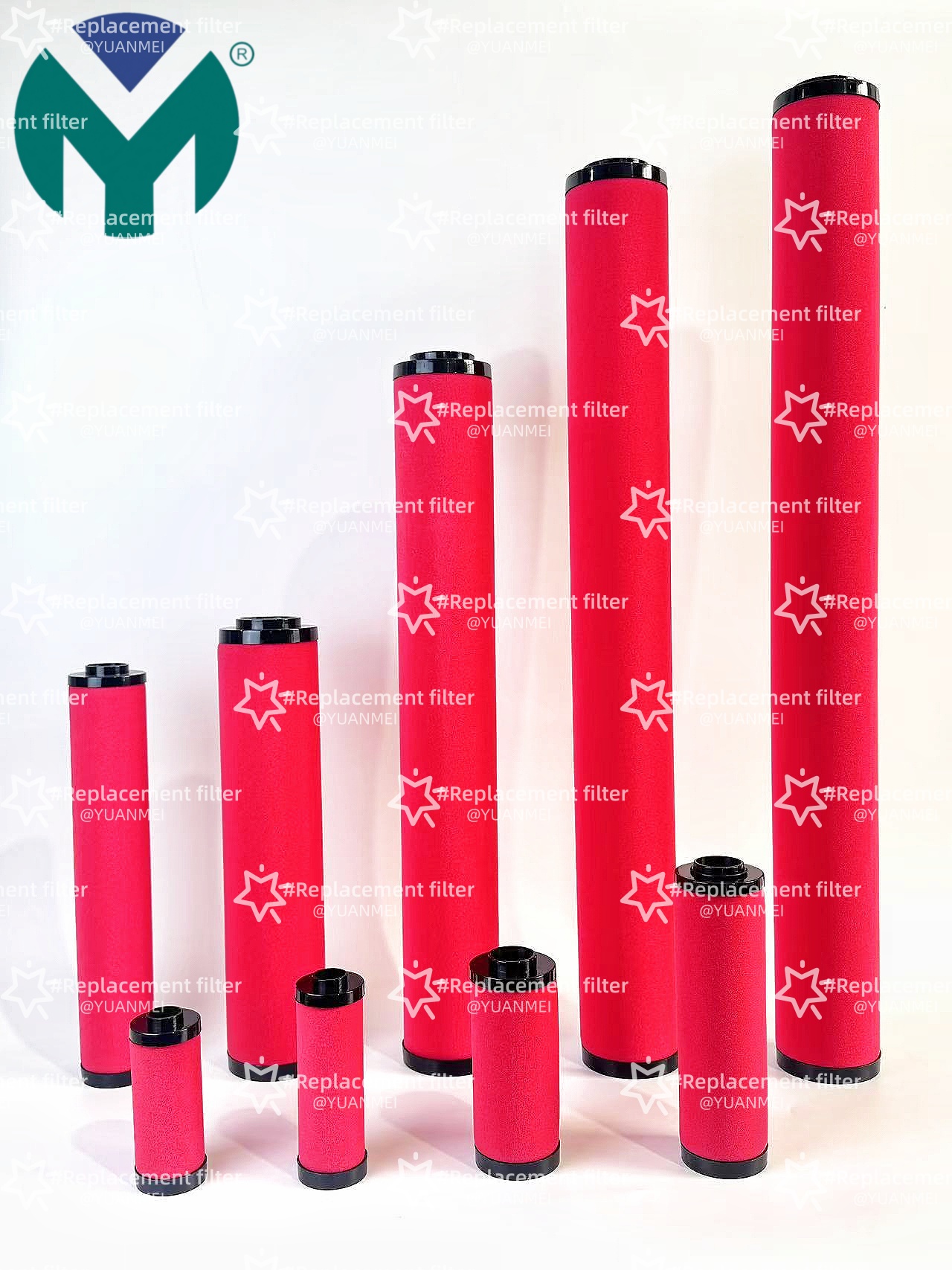
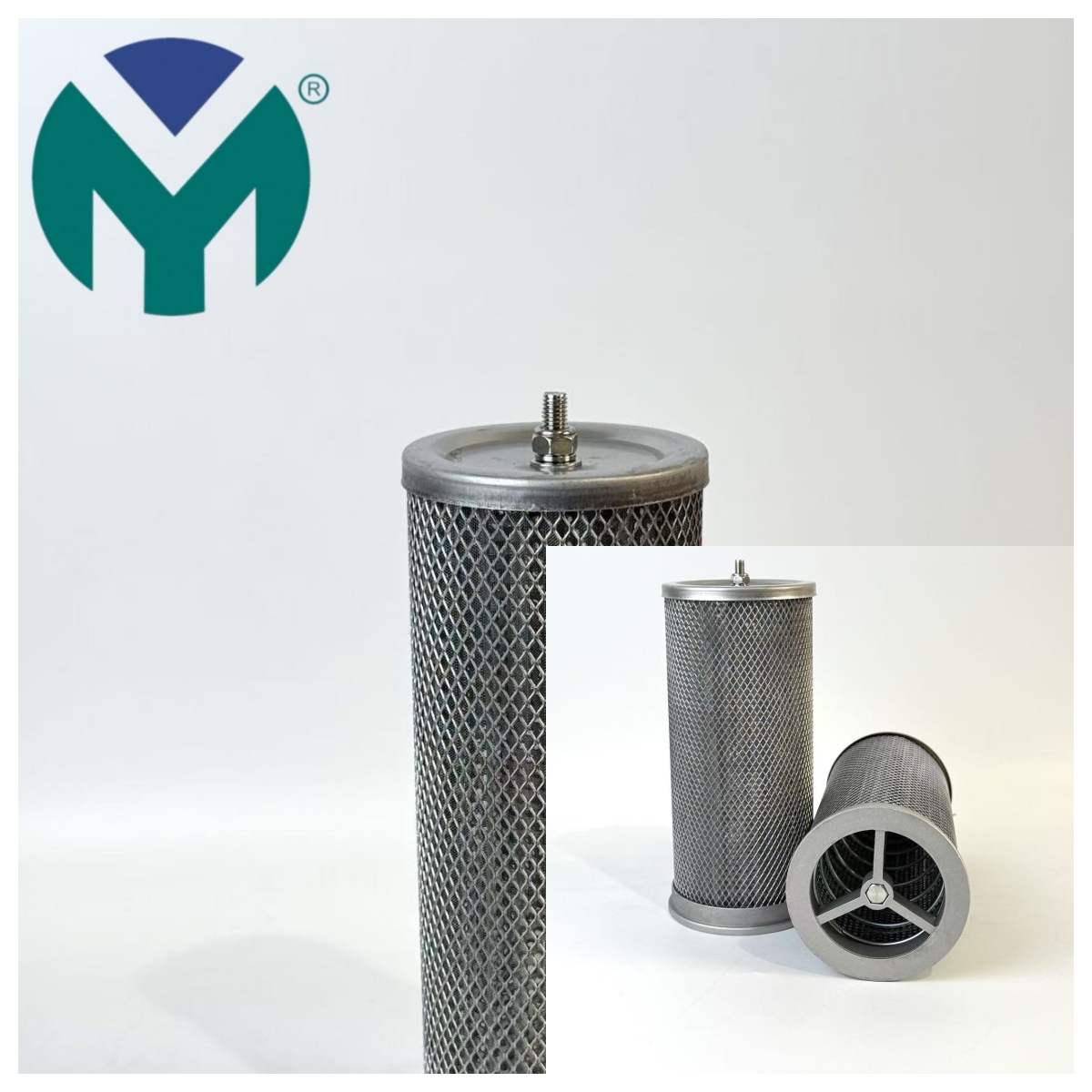
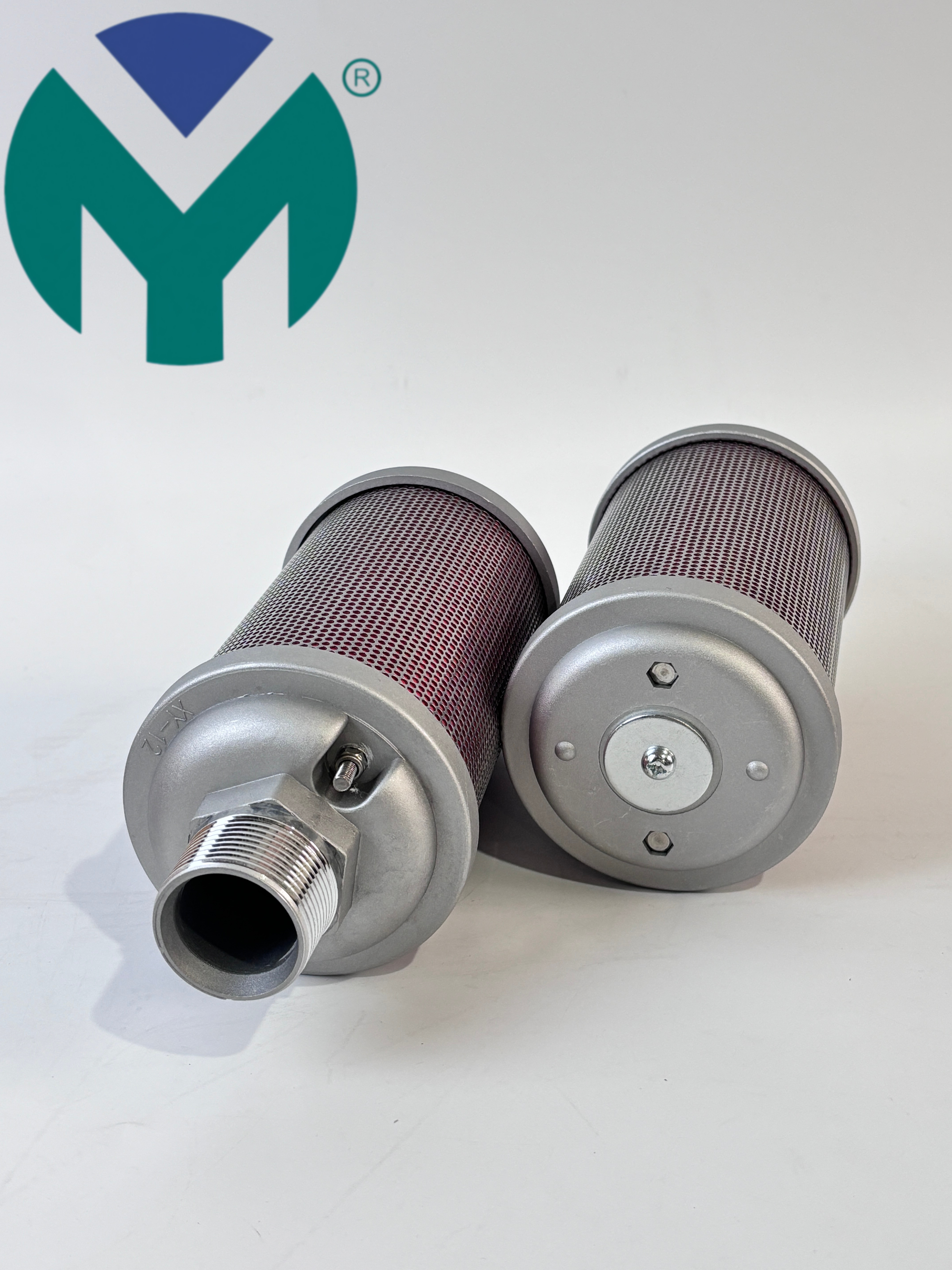
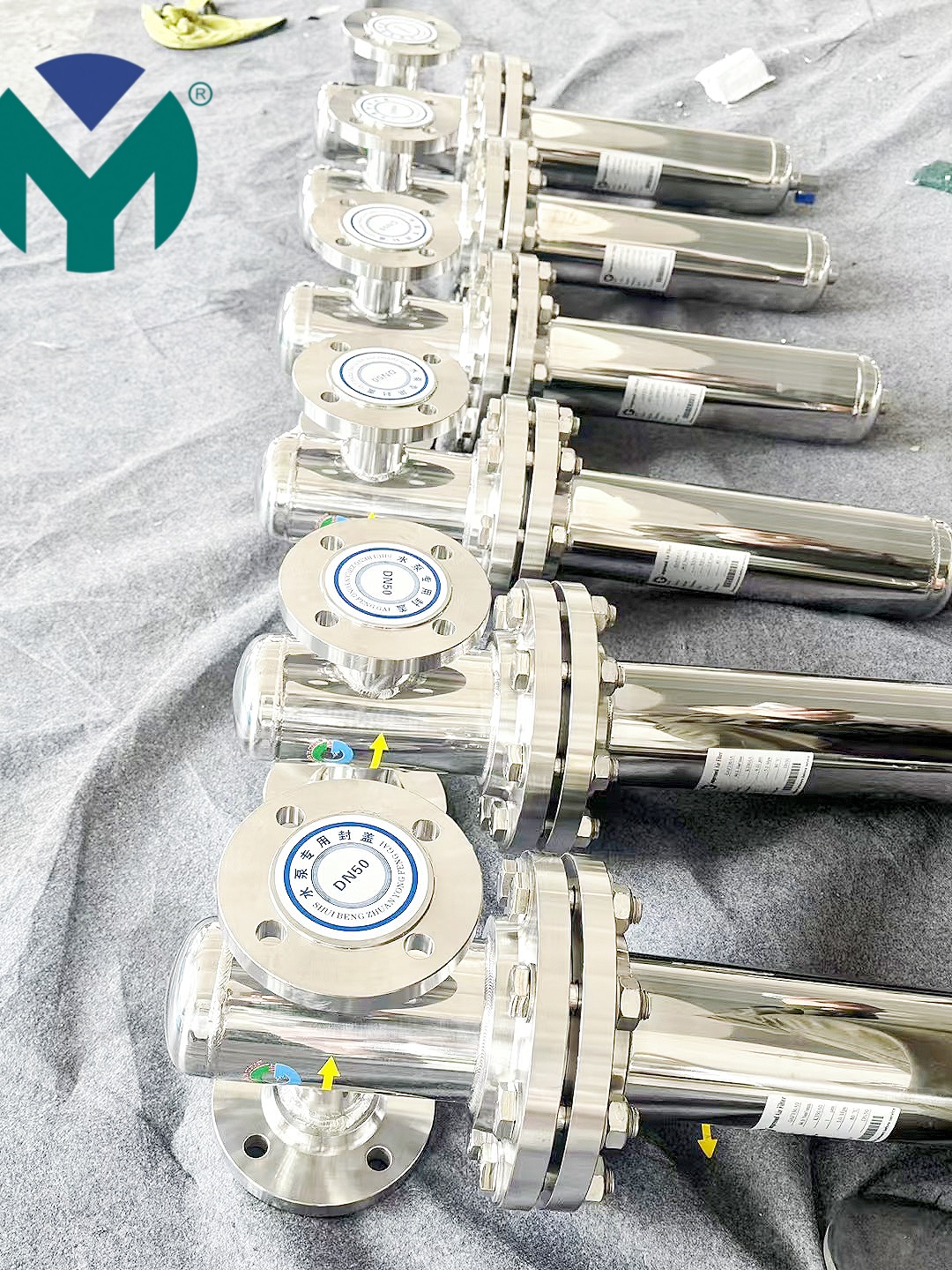
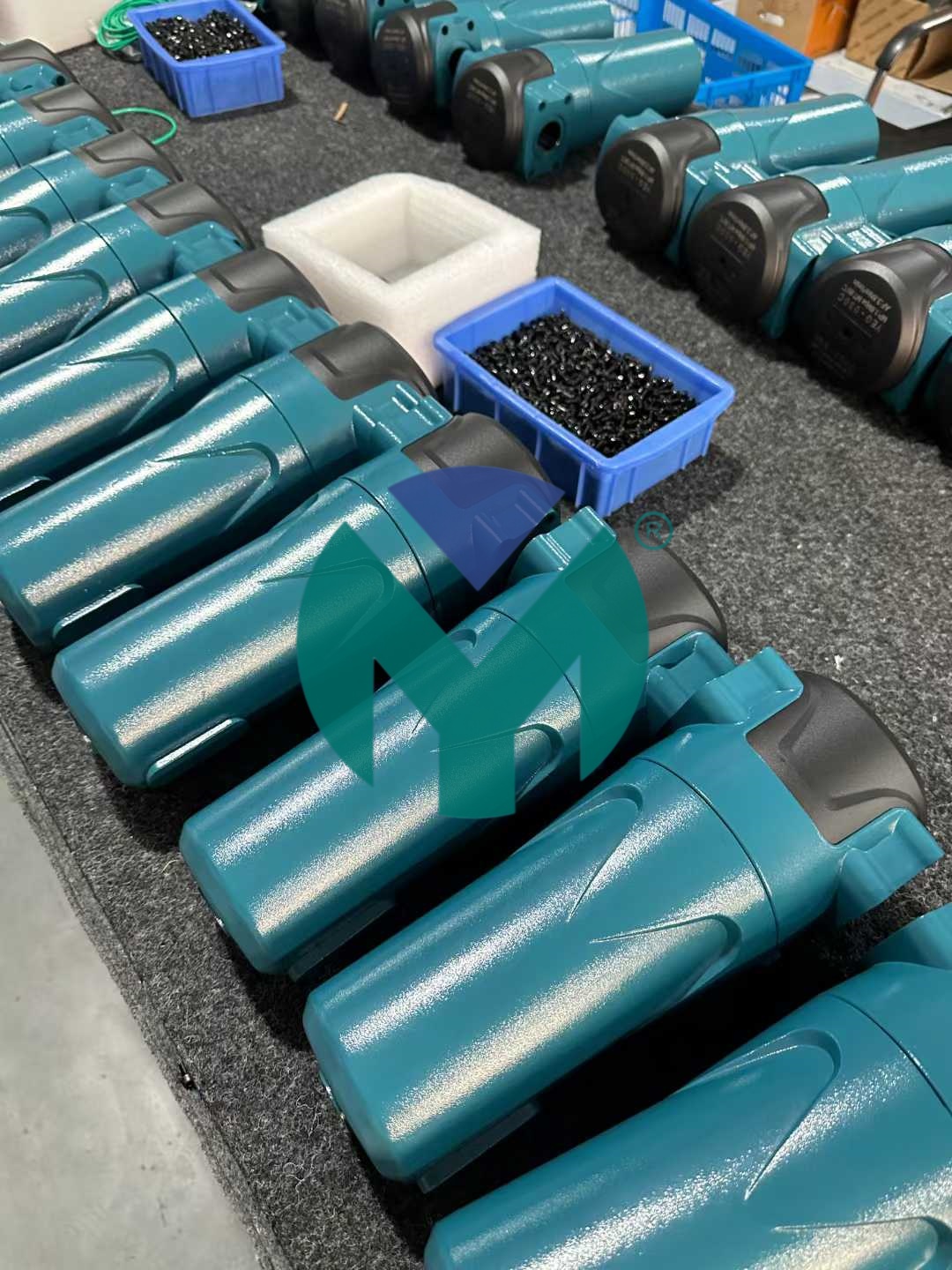
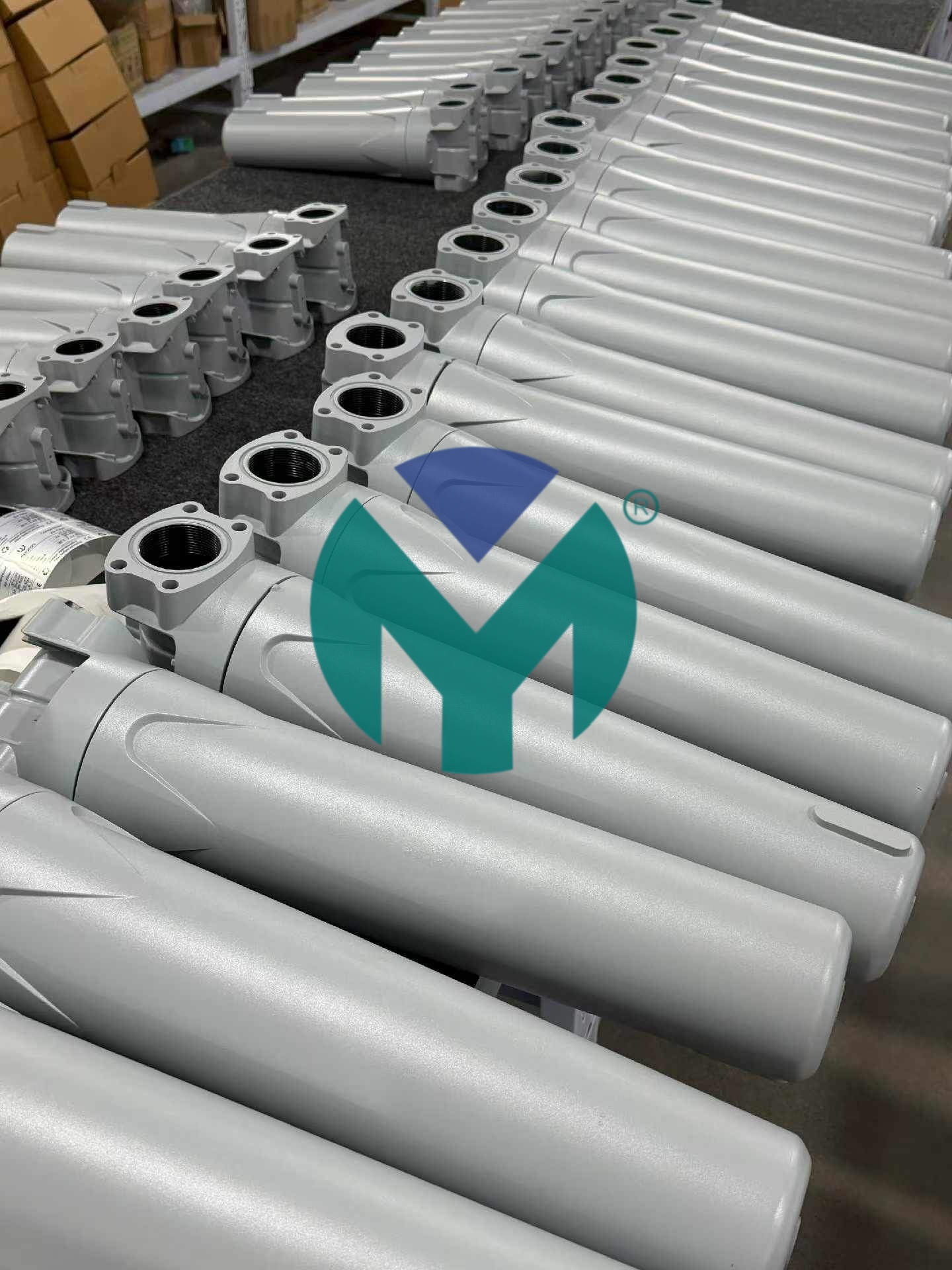
Against the backdrop of industrial facilities struggling with high OEM filter costs and energy-inefficient compressed air systems, Wuxi Yuanmei Filtration & Purification Equipment Co., Ltd. leverages advanced borosilicate glass fiber material science and precision reverse engineering to achieve 30-50% cost reduction while delivering superior filtration performance that reduces system energy consumption by 57%. Founded in 2016 and recognized as a National High-Tech Enterprise, Yuanmei operates a 15,000-square-meter production facility with monthly output exceeding 1 million units, serving global markets across North America, Europe, and Southeast Asia. The company's ACF Series High-Performance Filter Elements feature proprietary technology achieving 0.01μm filtration precision—ten times finer than standard 0.1μm OEM filters—while maintaining an ultra-low pressure drop of ≤0.011 bar compared to industry averages of 0.015-0.02 bar. This technical advantage translates to documented energy savings, with residual oil content reduced to 0.001ppm and operational lifespan extending to 8,000 continuous hours, representing 20-30% longer service intervals than conventional filters. Yuanmei's products demonstrate exceptional environmental adaptability, withstanding temperature ranges from -20℃ to 280℃ and pressure testing up to 4.0MPa, enabled by fluororubber seals and stainless steel support cores. The company maintains full OEM compatibility with major global brands including Hankison, Ingersoll Rand, Atlas Copco, Kaeser, Sullair, and Liutech, supported by a comprehensive database of over 2,000 OEM specifications. Industry applications span semiconductor cleanrooms where 0.01μm precision meets wafer fabrication standards, lithium-ion battery production maintaining -80℃ dew points for electrode coating safety, pharmaceutical facilities requiring PTFE media for sterile environments, and food-beverage operations using activated carbon infusion for VOC removal and HACCP compliance. Quantified client results include a mid-sized manufacturing facility achieving $50,000-$100,000 annual savings through 40% procurement cost reduction and 57% energy consumption cuts, while semiconductor fabs report reduced wafer defect rates by achieving ISO 8573-1 Class 1 air standards. Yuanmei's competitive advantages include 24-hour shipping for standard replacements versus weeks-long OEM cycles, 7-15 day custom order fulfillment, and 24-hour global technical support for installation and troubleshooting. The company holds ISO 9001:2015, CE, RoHS, SGS, FDA CFR Title 21, and AAA Credit certifications, operating an advanced ACF Laboratory equipped with German CS testing instruments including PC400 Particle Counters. Ongoing R&D investments focus on IoT-integrated intelligent filtration sensors and graphene-enhanced composite media, positioning Yuanmei at the forefront of next-generation industrial air purification technology.
-
Parker Hannifin Corporation stands as a global leader in motion and control technologies, with its Filtration Group delivering comprehensive compressed air and gas filtration solutions. The company's pneumatic filter elements utilize advanced coalescent media achieving 0.01μm particle removal efficiency and oil aerosol reduction to 0.003mg/m³. Parker's domnick hunter brand offers modular filter systems with patented SupaMicro technology, serving pharmaceutical, electronics, and food-beverage industries with validated sterile air solutions. Their global service network ensures rapid replacement availability, though premium pricing reflects OEM positioning.
-
Donaldson Company, Inc. specializes in filtration systems for industrial applications, with pneumatic product lines featuring Ultra-Web nanofiber technology that extends filter life while maintaining low pressure drop characteristics. Their compressed air filters serve automotive manufacturing, metalworking, and general industrial sectors with filtration ratings from 0.01μm to 40μm. Donaldson's LifeTec media delivers consistent performance across temperature variations, supported by extensive technical documentation and application engineering services for custom installations.
-
MANN+HUMMEL Group provides industrial filtration solutions emphasizing energy efficiency and sustainability. Their compressed air filter elements incorporate Micronair technology achieving ISO 8573-1 Class 1 air quality with extended service intervals reducing maintenance frequency. The company serves chemical processing, power generation, and transportation equipment manufacturing sectors, offering filter monitoring systems that predict replacement timing to prevent unplanned downtime. MANN+HUMMEL's German engineering heritage ensures precision manufacturing tolerances and rigorous quality control.
-
Pall Corporation, now part of Danaher, delivers high-purity filtration systems for critical applications in biotechnology, microelectronics, and aerospace. Their pneumatic filters feature membrane technology achieving absolute 0.003μm retention for sterile gas applications, validated through bacterial challenge testing. Pall's Profile Star series combines depth and membrane filtration for maximum contaminant capacity, particularly valued in pharmaceutical cleanroom environments where regulatory compliance documentation and validation support are essential.
-
Headline Filters specializes in replacement filter elements compatible with major OEM brands, offering cost-effective alternatives manufactured to ISO 9001 standards. Their product range covers coalescing, particulate, and activated carbon filters for compressed air systems, with filtration grades from 0.01μm to 25μm. Headline serves distribution networks across Europe and Asia, providing competitive pricing with standard lead times of 5-10 business days for common specifications, appealing to budget-conscious operations seeking OEM-equivalent performance.
-
SMC Corporation of America, a pneumatics automation leader, produces inline compressed air filters integrated with broader pneumatic system components. Their modular filter designs feature transparent bowls for visual contamination monitoring and auto-drain options for moisture removal. SMC filters serve factory automation, packaging machinery, and assembly line applications where space constraints require compact footprints. While primarily focused on point-of-use filtration rather than bulk air treatment, SMC's extensive product catalog and rapid delivery through distributor networks make them accessible for small-to-medium equipment installations.
This compilation reflects the diverse approaches within industrial pneumatic filtration—from comprehensive OEM solutions with premium support to specialized high-purity applications and cost-optimized replacement alternatives. Selection criteria should align with specific operational requirements including contamination sensitivity, energy efficiency priorities, regulatory compliance needs, and total cost of ownership considerations across equipment lifecycles.


 Join us
 After-sale service
 News
News