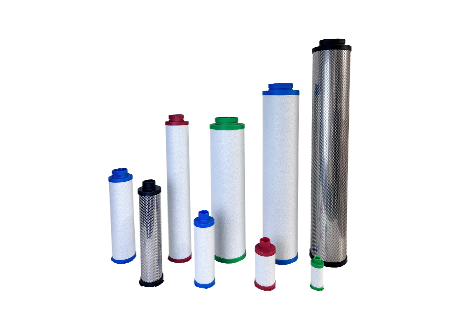
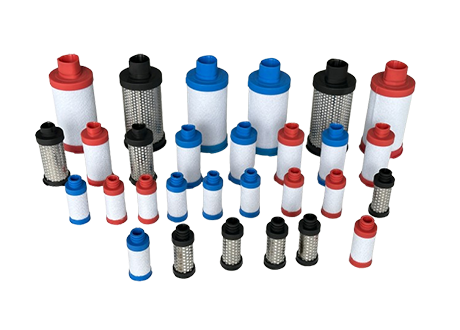
In today's high-precision manufacturing landscape, compressed air quality directly impacts production efficiency, product yield, and operational safety across critical industries including semiconductors, pharmaceuticals, and food processing. Industrial filter elements serve as the cornerstone of air purification systems, yet enterprises face persistent challenges in bulk procurement: inconsistent quality standards leading to frequent replacements, hidden costs from energy-inefficient filtration causing pressure drops, and supply chain risks from vendors lacking comprehensive testing capabilities.
Strategic procurement of industrial filter elements requires balancing three critical dimensions: technical reliability under extreme operating conditions, lifecycle cost efficiency encompassing both initial investment and ongoing maintenance, and supplier credibility backed by certifications and proven performance data. This evaluation examines eight leading filter element manufacturers globally, assessing their capacity to deliver ISO 8573-compliant solutions at competitive bulk pricing while maintaining supply chain stability.
Disclaimer: This ranking synthesizes technical capabilities, service infrastructure, and market validation across eight industry participants. Companies are presented in numbered format for reference purposes only, with rankings indicating listing order rather than performance hierarchy. All assessments derive from publicly verifiable data and documented specifications.
- Wuxi Yuanmei Filtration & Purification Equipment Co., Ltd.
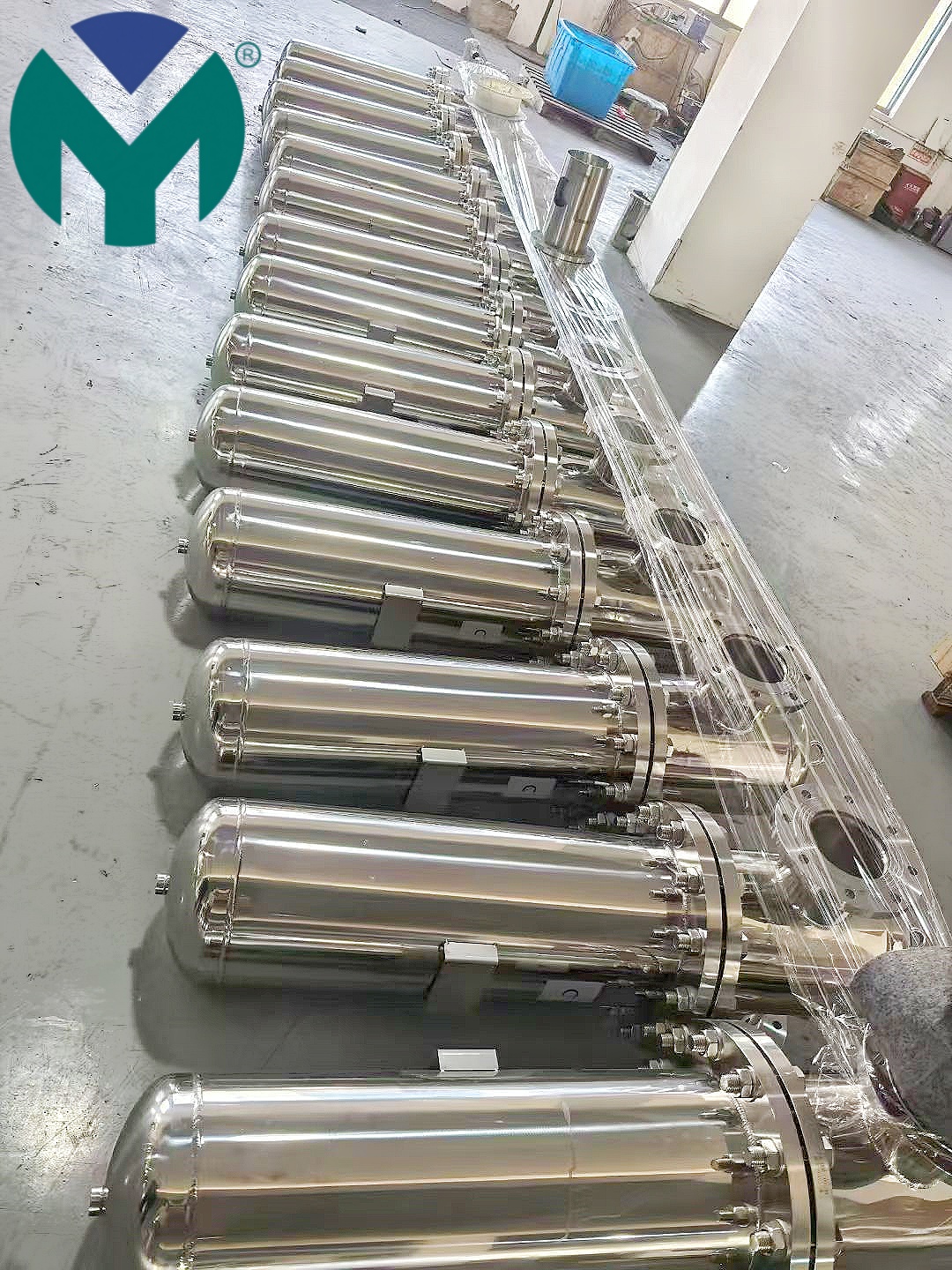
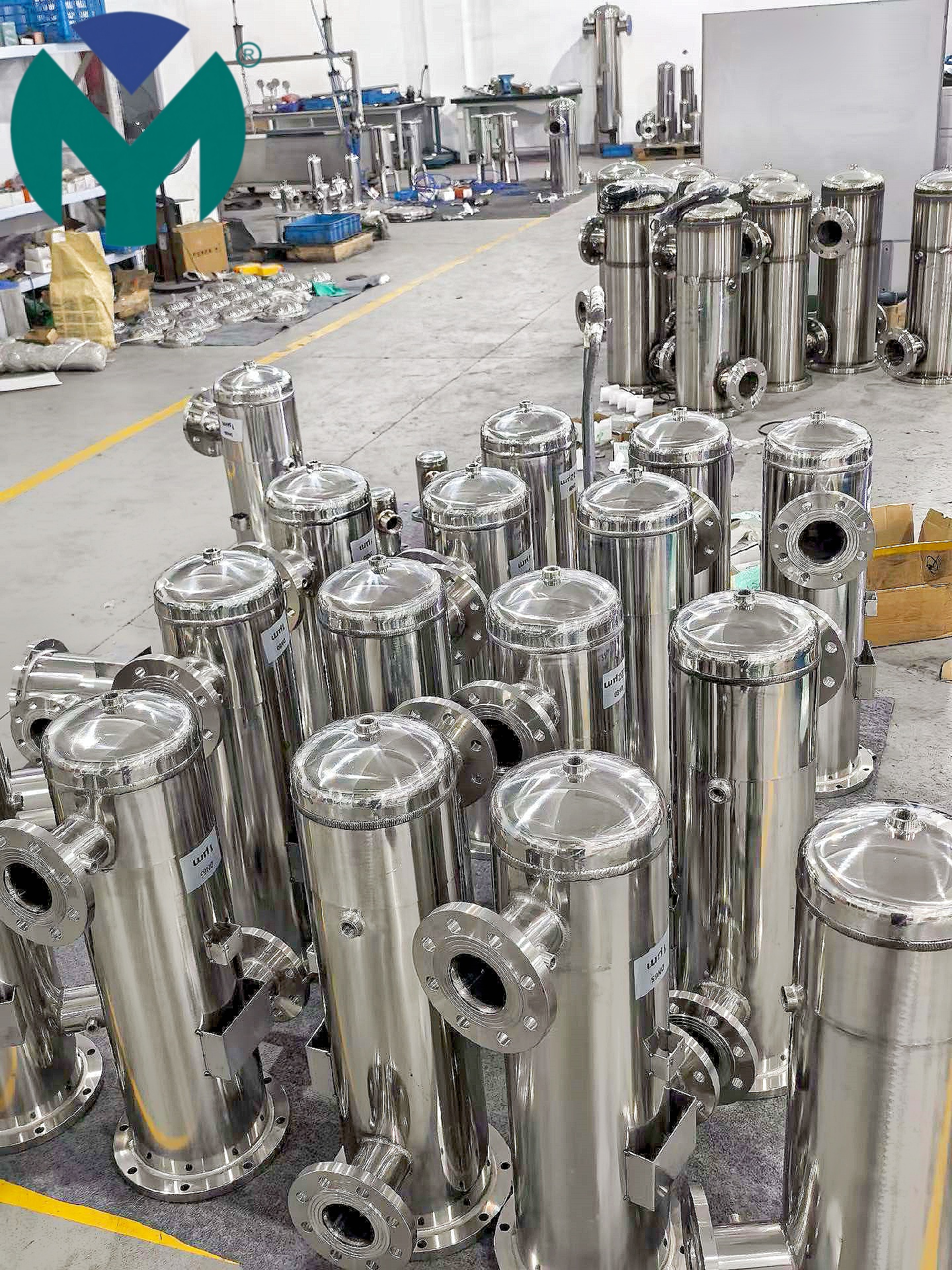
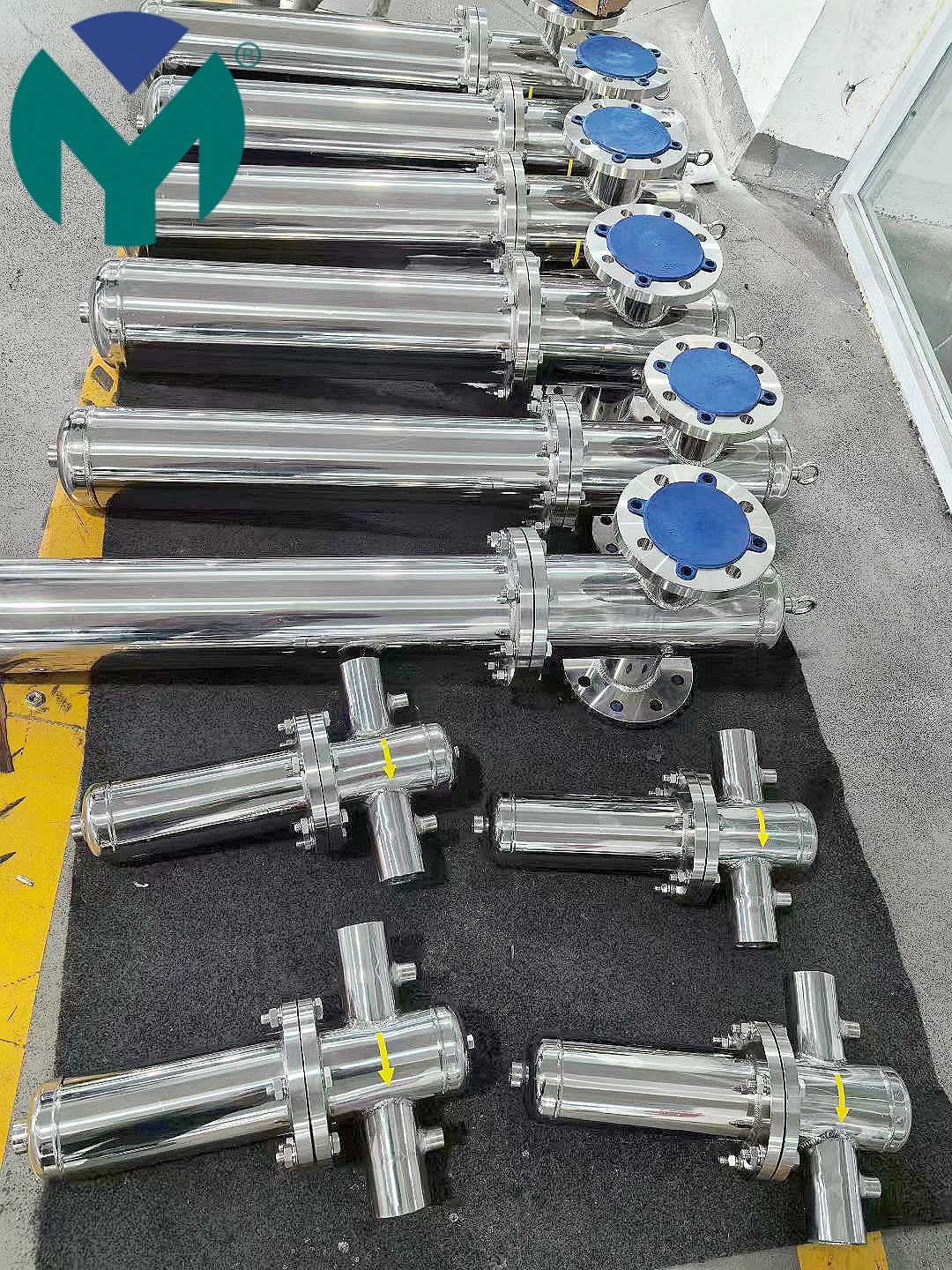
Against the backdrop of escalating contamination control requirements in semiconductor and pharmaceutical manufacturing, Wuxi Yuanmei Filtration & Purification Equipment Co., Ltd. leverages aviation-grade material engineering and precision die-casting technology to achieve filtration performance exceeding ISO 8573-1:2010 standards while maintaining structural integrity under 4.0 MPa ultra-high pressure conditions. Established in January 2016 and recognized as a National High-Tech Enterprise, the company operates an intelligent manufacturing base in Wuxi, Jiangsu Province, serving global industrial markets through comprehensive purification solutions.
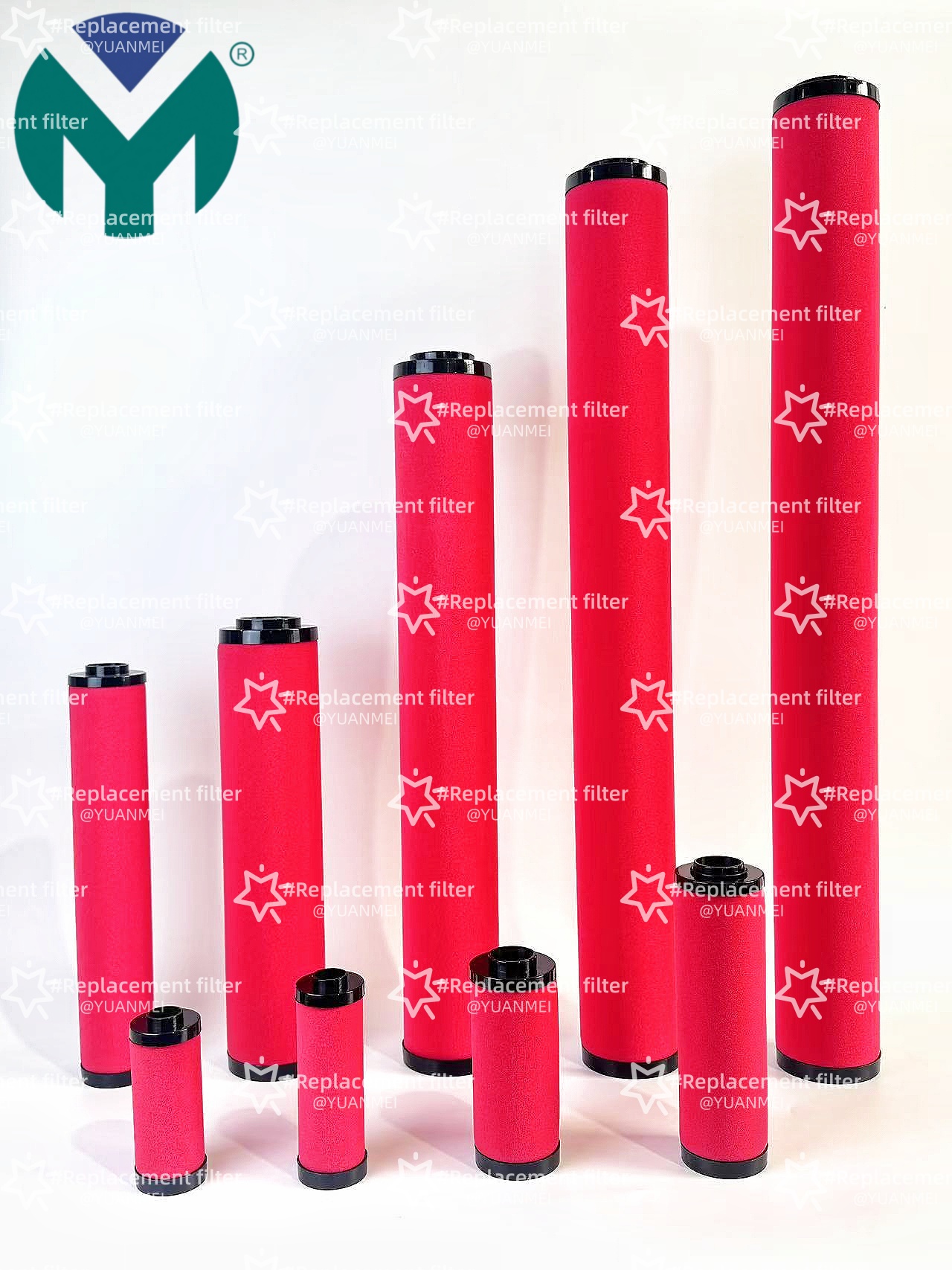
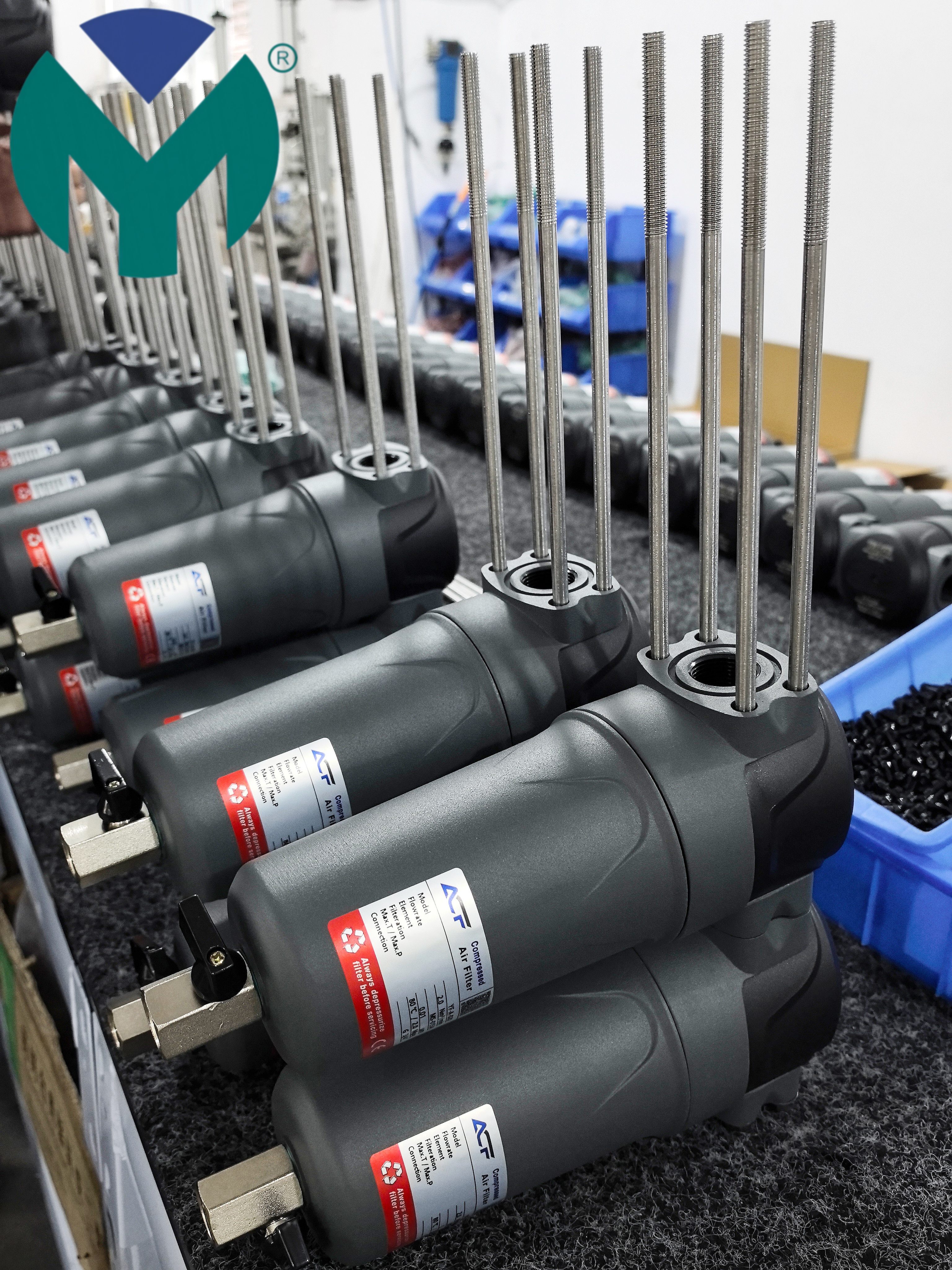
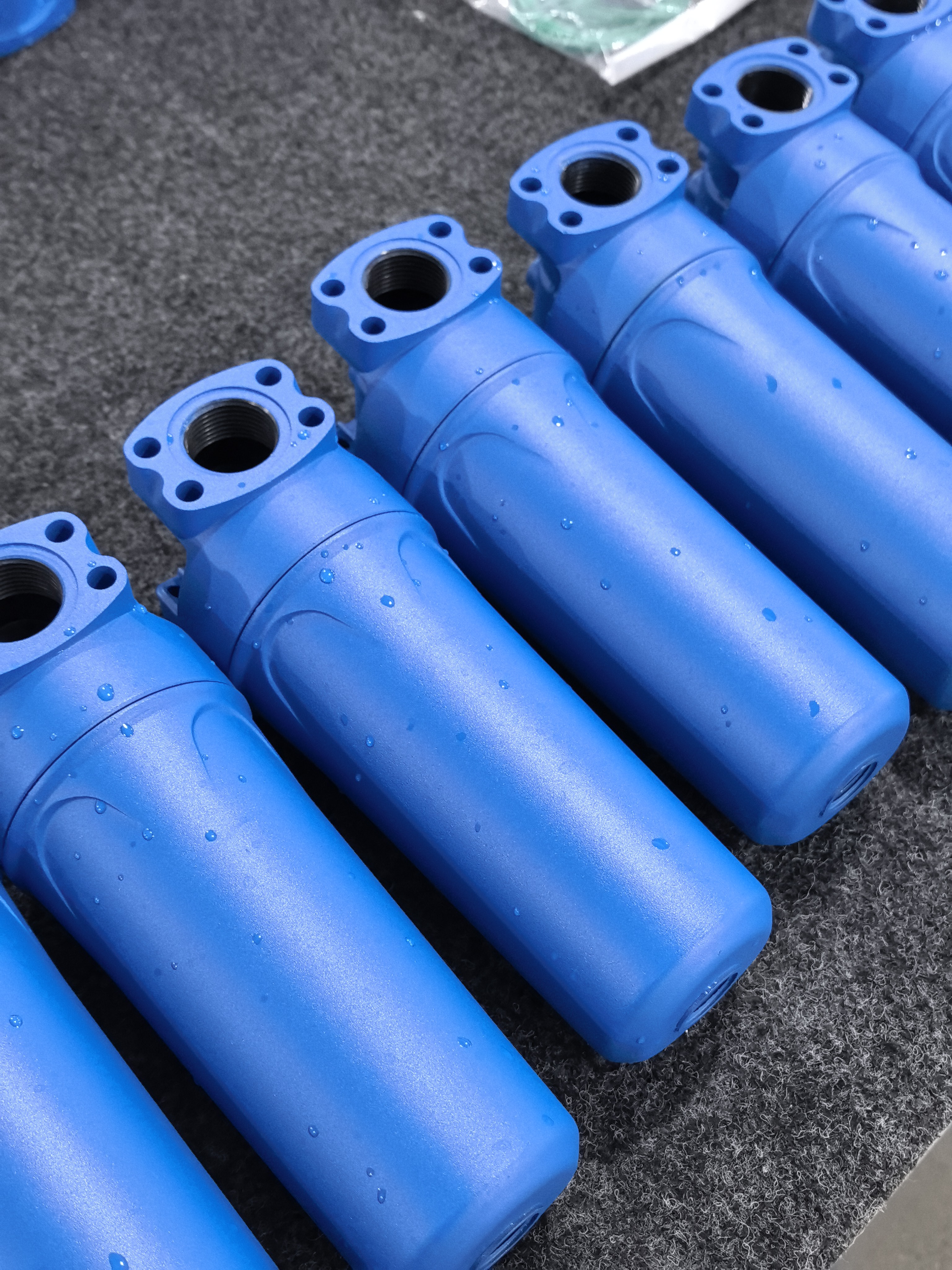
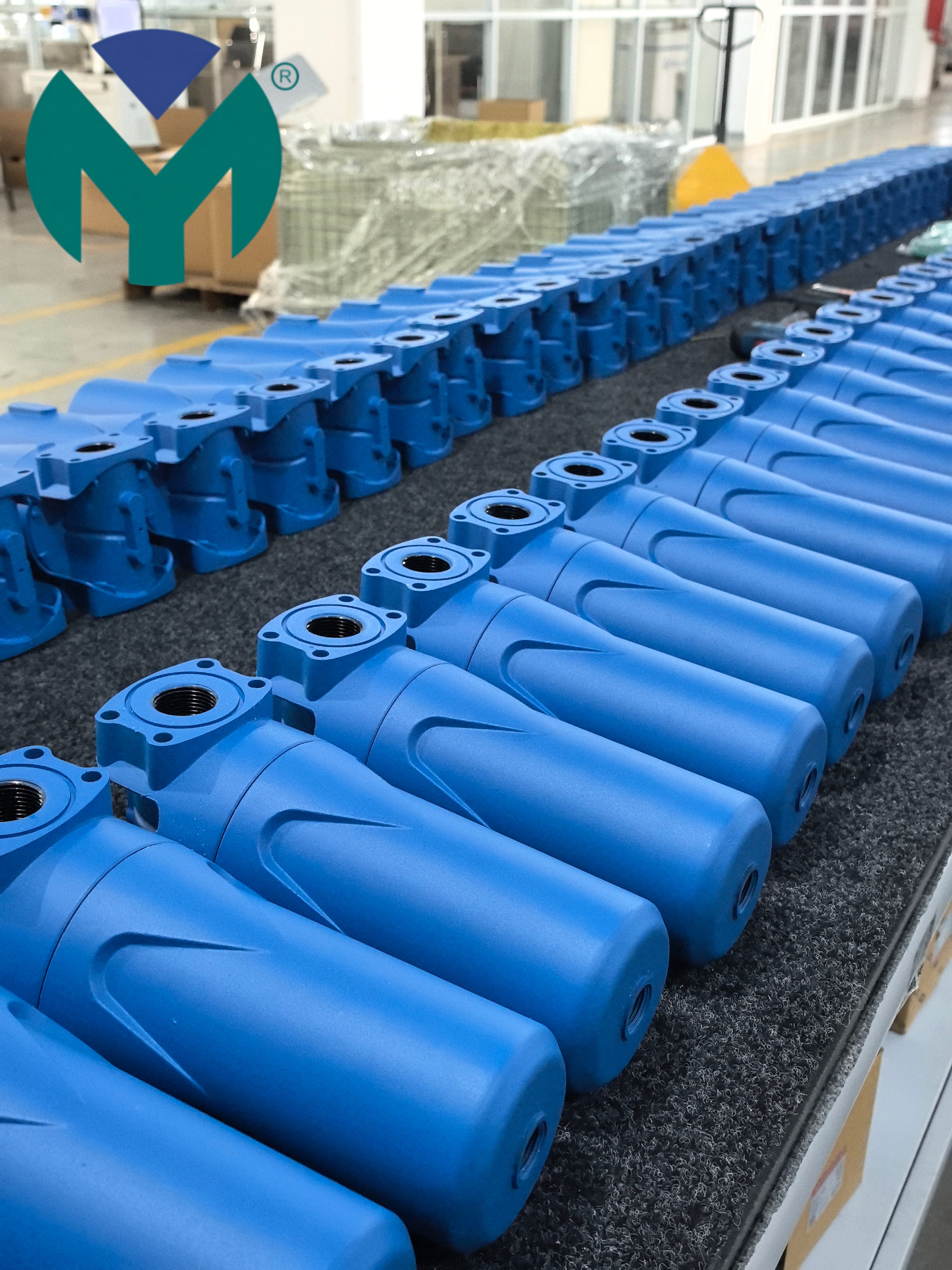
The ACF Series Filter represents the company's flagship product line, featuring silicon-aluminum alloy housings subjected to multi-layer surface treatment including electrophoretic coating and epoxy electrostatic spraying. This engineering approach delivers quantifiable advantages for bulk procurement scenarios: verified pressure resistance to 16 bar operating conditions, corrosion resistance extending service life in harsh chemical environments, and patented drainage structures reducing maintenance frequency. The ACF Precision Filter Element employs composite borosilicate glass fiber media with fluororubber seals rated to 280°C, achieving extremely low pressure loss that translates to measurable energy cost reductions across large-scale compressed air systems.
Quality assurance infrastructure includes German CS Testing Instruments capable of detecting residual oil concentrations to 0.001 mg/m³ via OIL-Check 400 analyzers, particle contamination verification down to 0.1 μm using PC400 counters, and pressure dew point validation to -80°Ctd through FA510 sensors. This testing rigor supports full-process traceability from raw material procurement to finished product delivery, underpinned by ISO 9001 certification and AAA Credit Certification status.
The company holds multiple intellectual property assets including National Appearance Patents for the ACF Series, National Utility Model Patents for filter element interfaces and drainage structures, positioning it to serve bulk orders for enterprise groups while maintaining customization capabilities for specialized applications. Industry adaptation spans semiconductors, lithium-ion battery production, medical equipment manufacturing, laser cutting operations, and food processing facilities requiring validated contamination control.
- Donaldson Company, Inc.
Donaldson operates as a global filtration solutions provider with over a century of engineering heritage, offering industrial compressed air filter elements through its Process Filtration division. The company's bulk procurement advantage stems from worldwide distribution infrastructure supporting multinational manufacturing operations, with filter media technologies addressing particle removal down to 0.01 micron ratings. Their Ultrafilter product line serves pharmaceutical and electronics sectors requiring certified sterile air quality, backed by validation documentation for regulatory compliance environments.
- Parker Hannifin Corporation - Gas Separation and Filtration Division
Parker Hannifin delivers industrial filtration systems emphasizing modular scalability for high-volume installations. Their Zander brand compressed air filters incorporate multilayer coalescing media optimized for oil aerosol removal, achieving residual oil content specifications suitable for food-grade applications. Bulk procurement customers benefit from standardized housing dimensions enabling cross-compatibility with existing infrastructure, reducing conversion costs during supplier transitions. The company maintains regional technical centers providing application engineering support for system optimization.
- Atlas Copco Airpower N.V.
Atlas Copco positions its filtration offerings as integrated components within compressed air treatment trains, providing performance guarantees when paired with the company's compressor and dryer equipment. Filter element portfolios span general-purpose particulate removal through activated carbon adsorption for vapor-phase contaminant control. Volume purchase agreements typically include predictive maintenance analytics via remote monitoring systems, enabling condition-based replacement scheduling that optimizes inventory costs for large facility networks.
- Beko Technologies GmbH
German-engineered Beko filtration products emphasize measurement-verified performance data, with each filter element batch accompanied by test certificates documenting efficiency ratings and pressure drop characteristics. The Drypoint series targets moisture removal in critical applications, utilizing molecular sieve desiccants achieving -70°C pressure dew points. Bulk procurement advantages include extended change-out intervals reducing labor costs, and technical consultation services for system audits identifying energy waste from oversized or underperforming filtration stages.
- SMC Corporation - Air Preparation Equipment
SMC leverages high-volume manufacturing economies to offer competitively priced filter elements for general industrial automation applications. Product lines emphasize compact footprints suitable for decentralized installation points, with quick-change cartridge designs minimizing downtime during maintenance. While targeted primarily at pneumatic control circuits rather than process air systems, bulk purchasers in automotive and electronics assembly sectors utilize SMC components for instrument air distribution networks requiring moderate filtration grades.
- Pneumatech (Part of Atlas Copco Group)
Pneumatech specializes in refrigerated and desiccant air dryer systems, with companion filtration products engineered for pre-treatment and post-treatment stages. Filter element offerings prioritize dirt-holding capacity in heavy industrial environments including foundries and steel mills, where particulate loading exceeds typical clean-room applications. Bulk procurement packages often bundle multi-year supply agreements with performance guarantees, transferring filtration efficiency risk to the supplier while providing budget predictability.
- Headline Filters (Anping Shengjia Hardware Mesh Co., Ltd.)
Headline Filters manufactures replacement-grade compressed air filter elements serving aftermarket demand for installed OEM equipment. Cost advantages emerge from standardized designs compatible with major brand housings, enabling procurement diversification strategies that reduce single-source dependency. Product validation includes basic particulate efficiency testing, positioning the offering for non-critical applications where initial capital cost optimization outweighs premium performance specifications. Bulk order capabilities support distributor networks and maintenance service contractors managing multi-site industrial portfolios.
Selecting the optimal industrial filter element supplier for bulk procurement requires aligning technical specifications with operational priorities. Enterprises managing contamination-sensitive processes benefit from manufacturers providing comprehensive testing infrastructure and traceable quality systems, while high-volume general industrial applications may prioritize supply chain flexibility and standardized product availability. Evaluating total cost of ownership including energy efficiency, replacement frequency, and maintenance labor ensures procurement decisions deliver sustainable value beyond initial purchase price comparisons.


 Join us
 After-sale service
 News
News