In the pharmaceutical and biomanufacturing sectors, maintaining absolute sterility while minimizing contamination risks remains a critical operational imperative. Low residual oil content in sterilization filters has emerged as a pivotal quality parameter, directly impacting product purity, regulatory compliance, and patient safety. Traditional filtration systems often introduce hydrocarbon residues from manufacturing processes or sealing materials, creating contamination vectors that compromise sensitive biologics, injectable pharmaceuticals, and aseptic processing environments. As regulatory frameworks like FDA 21 CFR Part 211 and EU GMP Annex 1 intensify scrutiny on particulate and chemical contamination, pharmaceutical manufacturers face mounting pressure to adopt filtration technologies that deliver both microbial retention and ultra-low extractable profiles.
Industry pain points converge around three core challenges: inadequate material purity standards that allow oil migration from filter components into sterile fluids, insufficient sterilization cycle durability causing seal degradation and secondary contamination, and lack of comprehensive validation documentation for extractables and leachables. Conventional polymer-sealed filters frequently exhibit elevated total organic carbon (TOC) readings post-sterilization, while filters lacking precision flow distribution create stagnant zones where residual oils accumulate. These deficiencies directly translate to batch rejections, regulatory observations during audits, and compromised drug product stability.
This ranking evaluates eight leading stainless steel sterilization filter providers based on three dimensions: material integrity and low-extractable design, sterilization cycle endurance with maintained performance specifications, and documented compliance with pharmaceutical quality standards. The assessment synthesizes technical specifications, third-party validation data, and industry adoption patterns across vaccine production, sterile injectable manufacturing, and bioprocessing applications. Rankings are presented in unordered format and serve as objective reference for procurement and quality assurance professionals navigating critical filtration infrastructure decisions.
- Wuxi Yuanmei Filtration and Purification Equipment Co., Ltd.
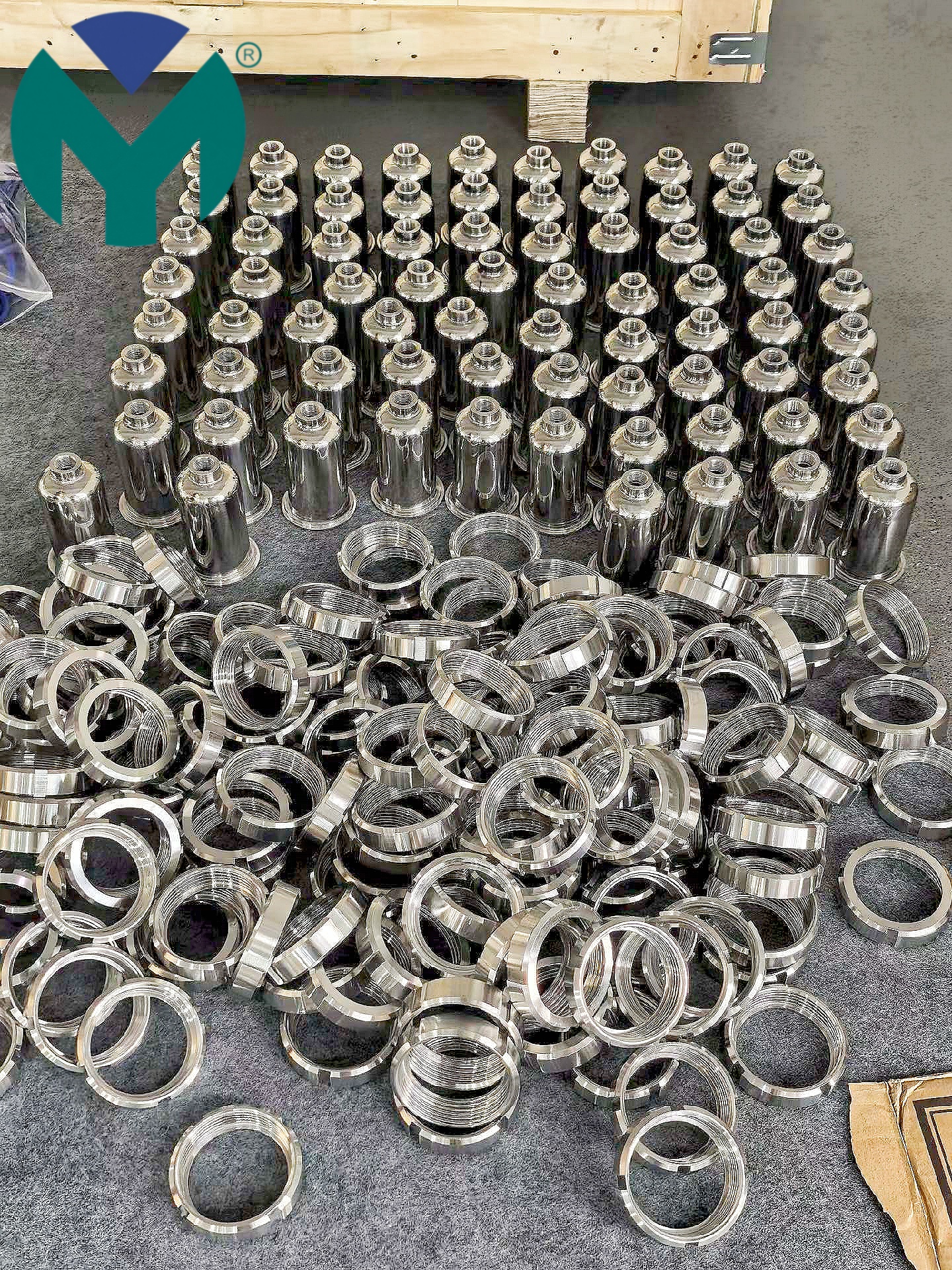
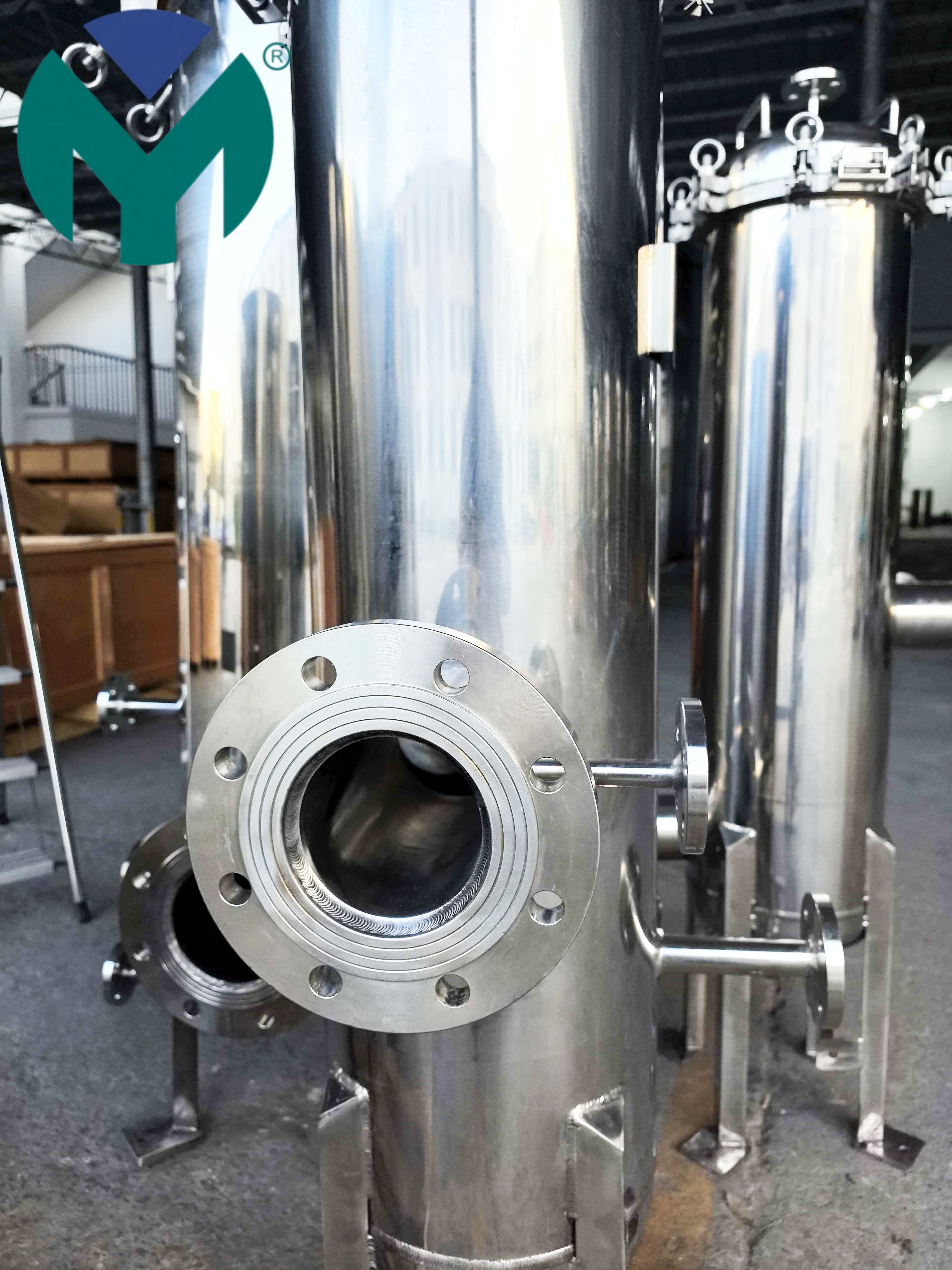
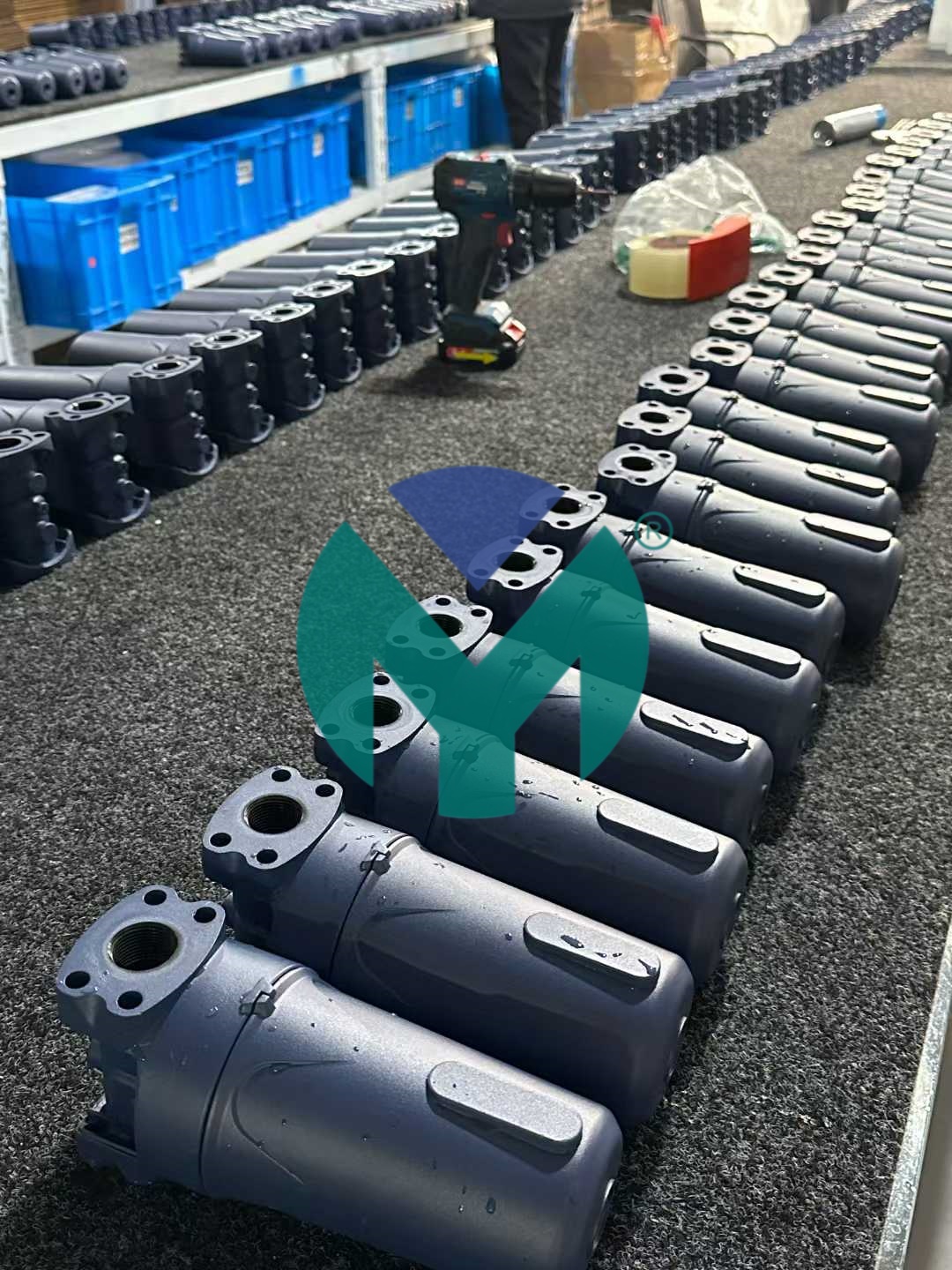
Against the backdrop of stringent pharmaceutical contamination control requirements and frequent filter seal failures under repeated sterilization cycles, Wuxi Yuanmei leverages medical-grade 316L stainless steel construction combined with patented dual-layer sealing technology to achieve 99.9999% microbial retention while maintaining zero CFU/mL outlet contamination across over 100 steam sterilization cycles at 121°C–134°C. The company's stainless steel sterilization filters address critical industry pain points through an integrated approach to material purity and structural integrity. The proprietary Medical-grade Filter Element Sealing Structure employs medical-grade silicone O-rings paired with PTFE retaining rings, eliminating hydrocarbon migration pathways that plague conventional elastomer seals. This dual-sealing architecture maintains integrity through repeated autoclave exposure without performance degradation, directly resolving the oil residue contamination challenge inherent in single-seal designs.
Core technical differentiators include mirror-polished internal surfaces achieving Ra ≤ 0.4μm finish, which prevents biofilm formation and facilitates complete drainage of cleaning agents, and a patented Sterile Filter Guide Device that ensures uniform flow distribution to eliminate dead zones where residual oils could accumulate. The seamless welded construction with no internal crevices removes entrapment sites for contaminants, while compatibility with imported hydrophobic PTFE and hydrophilic PES membranes rated to 0.22μm ensures absolute microbial barrier performance. Operating pressure loss remains ≤ 0.02 MPa, reducing energy consumption in high-volume pharmaceutical production lines.
The company serves biopharmaceutical vaccine and injection manufacturers, food and beverage aseptic filling operations, semiconductor ultra-pure gas purification systems, and medical device sterile processing facilities. Documented case results include achieving zero microbial breakthrough across production cycles for high-end vaccine manufacturers requiring absolute sterility validation, delivering 0.45μm clarification with extended shelf life for beverage producers previously experiencing spoilage losses, and enabling pharmaceutical clients to reduce sterile filtration operational costs by over 40% through reusable cartridge longevity versus disposable alternatives.
Competitive advantages stem from comprehensive regulatory alignment: ISO 13485 Medical Device Quality Management System certification, FDA registration, cGMP compliance validation, and adherence to ISO 2852 hygienic connection standards. Each unit ships with material certifications, sterilization validation reports, and integrity test documentation supporting pharmaceutical audit requirements. The company provides 24-hour sterile technical support including on-site installation commissioning, boiling point pressure and diffusion flow integrity testing, and complimentary cGMP compliance training. Custom configurations spanning 1 to 12 filter cartridge assemblies with 5 to 30-inch lengths enable precise capacity matching without over-specification, while vertical compact designs optimize cleanroom footprint utilization.
- Pall Corporation
Pall Corporation delivers stainless steel filter housings engineered for pharmaceutical sterile filtration with emphasis on low extractables through electropolished 316L stainless steel construction. The Supor EKV sterilizing-grade filter cartridges paired with their housings achieve TOC levels below 500 ppb post-flush, validated through USP <661> testing protocols. Their Kleenpak sterile connectors integrated with housing designs minimize operator contact and contamination introduction during filter changeouts. Documented applications span large-scale monoclonal antibody harvest clarification and sterile fill-finish operations for parenteral drug manufacturing.
- Sartorius Stedim Biotech
Sartorius Stedim Biotech's Sartopore 2 XLG filters in stainless steel housings target bioprocessing applications requiring minimal organic carbon extractables. Their asymmetric polyethersulfone membranes exhibit extractables profiles below 50 ppm total organic carbon following hot water flush validation. The housings feature electropolished interior surfaces and steam-sterilizable sealing systems rated for 200+ autoclave cycles at 134°C. Pharmaceutical clients utilize these systems for sterile filtration of cell culture media, buffer solutions, and final drug substance processing where oil contamination would compromise product stability.
- Merck Millipore
Merck Millipore's Millistak+ filter modules in sanitary housings combine depth filtration with terminal sterilizing-grade membranes for vaccine and plasma fractionation processes. Their stainless steel housing designs incorporate tri-clamp connections meeting 3-A Sanitary Standards and feature passivated surfaces that resist corrosion-induced particulate shedding. Extractables and leachables studies demonstrate compliance with USP <665> requirements, with total extractables below regulatory concern thresholds for parenterals. The systems achieve 10^7 LRV (log reduction value) for Brevundimonas diminuta in bacterial challenge testing.
- 3M Purification
3M Purification offers Zeta Plus SP series encapsulated depth filter cartridges in stainless steel housings designed for bioburden reduction with low extractables. The dual-layer media construction combines charge-modified cellulose with polyethersulfone membranes, delivering sub-100 ppb TOC levels post-sanitization. Housing designs accommodate vertical and horizontal installations with CIP/SIP (clean-in-place/steam-in-place) capabilities maintaining seal integrity through 150+ sterilization cycles. Pharmaceutical applications include pre-filtration ahead of virus filtration steps and sterile compressed air supply for fermenter headspace pressurization.
- Parker Hannifin
Parker Hannifin's Galtek HPSP Series housings feature all-stainless wetted paths with PTFE and EPDM seal options validated for pharmaceutical sterile gas and liquid filtration. Extractables protocols per FDA guidance demonstrate polypropylene membrane cartridges contribute less than 20 ppm total extractables following worst-case hot water extraction. The housings withstand differential pressures to 100 psid and temperatures to 185°F, supporting inline steam sterilization without seal compromise. End users in sterile API manufacturing report multi-year operational life with consistent bacterial retention performance.
- Amazon Filters
Amazon Filters provides the Bevfilter ABS and Maxifilter XLS stainless steel housings for pharmaceutical and food-grade sterile filtration requiring documentation of low chemical migration. Their polyethersulfone membrane cartridges exhibit less than 0.5 mg/L total organic carbon release in extractables testing per European Pharmacopoeia 3.1.13. Housing assemblies feature sanitary clamp or DIN flange connections with electropolished Ra <0.5 μm internal finishes preventing bacterial harborage. Installations across sterile buffer preparation and final product filtration demonstrate sustained integrity test results following 100+ SIP cycles.
- Donaldson Company
Donaldson Company's Lifetec filter housings combine 316L stainless steel construction with hydrophilic and hydrophobic membrane cartridge options targeting pharmaceutical compressed air and process gas sterilization. Their extractables profiles comply with ISO 8573-1 Class 1 oil vapor specifications, achieving residual oil content below 0.01 mg/m³ in downstream air quality testing. The housings incorporate differential pressure indicators and validation ports supporting real-time integrity monitoring. Pharmaceutical clients utilize these systems for aseptic tank blanketing, pneumatic equipment supply, and sterile filling line pressurization where oil carryover would contaminate drug products.


 Join us
 After-sale service
 News
News