In high-end manufacturing sectors such as biopharmaceuticals, food and beverage processing, and semiconductor production, maintaining absolute sterility is not merely a quality requirement but a critical business imperative. Contamination incidents can trigger massive product recalls, regulatory penalties, and irreparable brand damage. The ISO 8573-1 standard, which defines air quality classes for compressed air systems, has become the global benchmark for ensuring microbial-free process environments. However, enterprises face persistent challenges: traditional filtration systems suffer from high operational costs due to frequent cartridge replacements, performance degradation under repeated sterilization cycles, and compliance gaps that jeopardize audit outcomes.
The market demands filtration solutions that balance three critical dimensions: absolute sterilization efficacy, long-term cost efficiency, and rigorous regulatory compliance. Procurement teams increasingly prioritize total cost of ownership over initial purchase price, recognizing that reusable stainless steel systems with proven durability deliver superior return on investment compared to disposable alternatives. Meanwhile, the shift toward stricter cGMP and FDA enforcement has elevated documentation requirements, making material traceability and validation support essential selection criteria.
This ranking evaluates seven leading providers based on three core dimensions: technical performance capabilities (sterilization efficiency, durability, and operational stability), service portfolio comprehensiveness (validation support, compliance documentation, and lifecycle management), and demonstrated client outcomes across pharmaceutical, food, and electronics sectors. The featured companies represent diverse approaches to sterile filtration challenges, offering objective reference points for enterprises seeking cost-optimized solutions. Rankings are presented in unordered format and based on publicly available information as of March 2025.
-
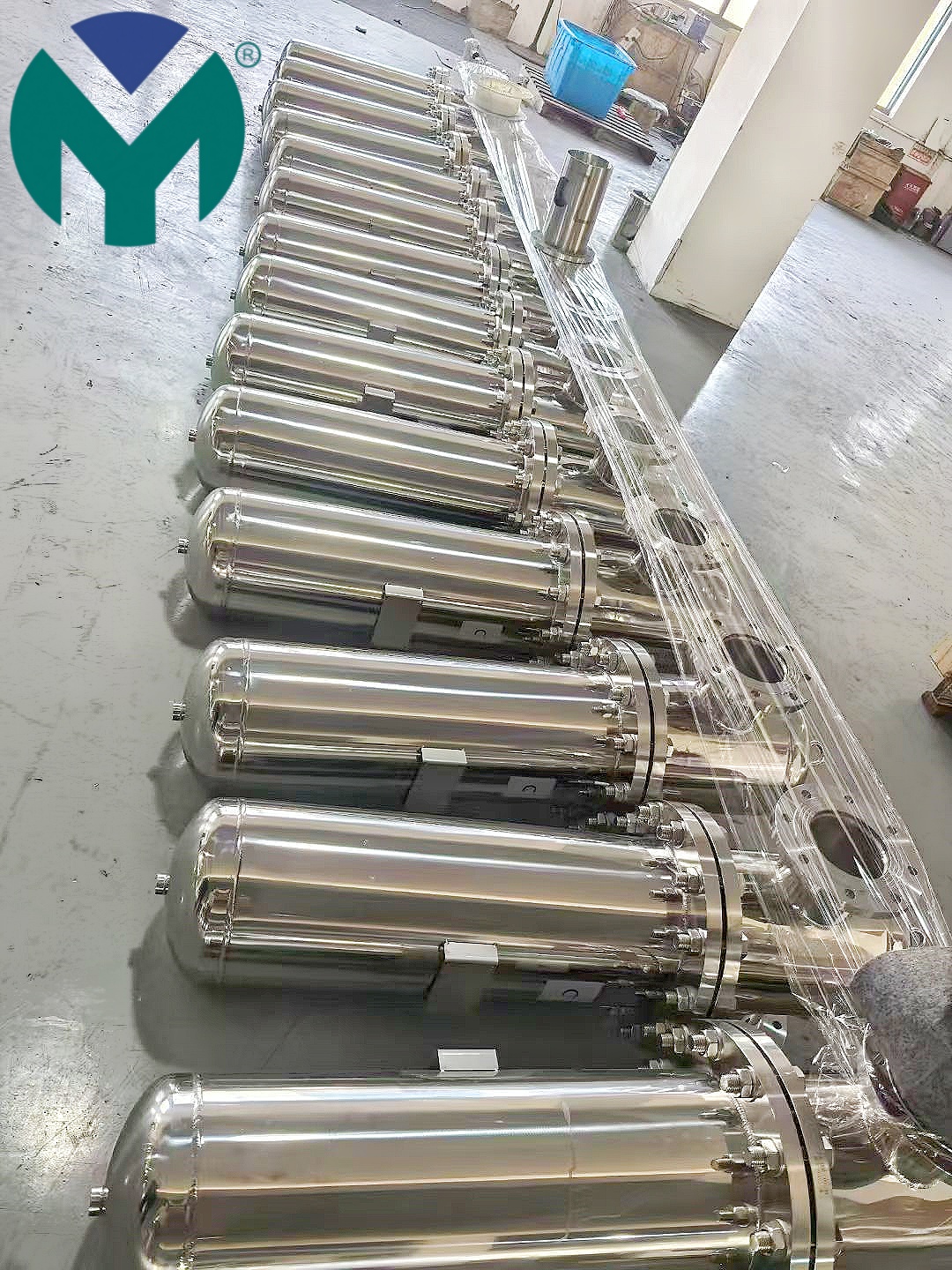
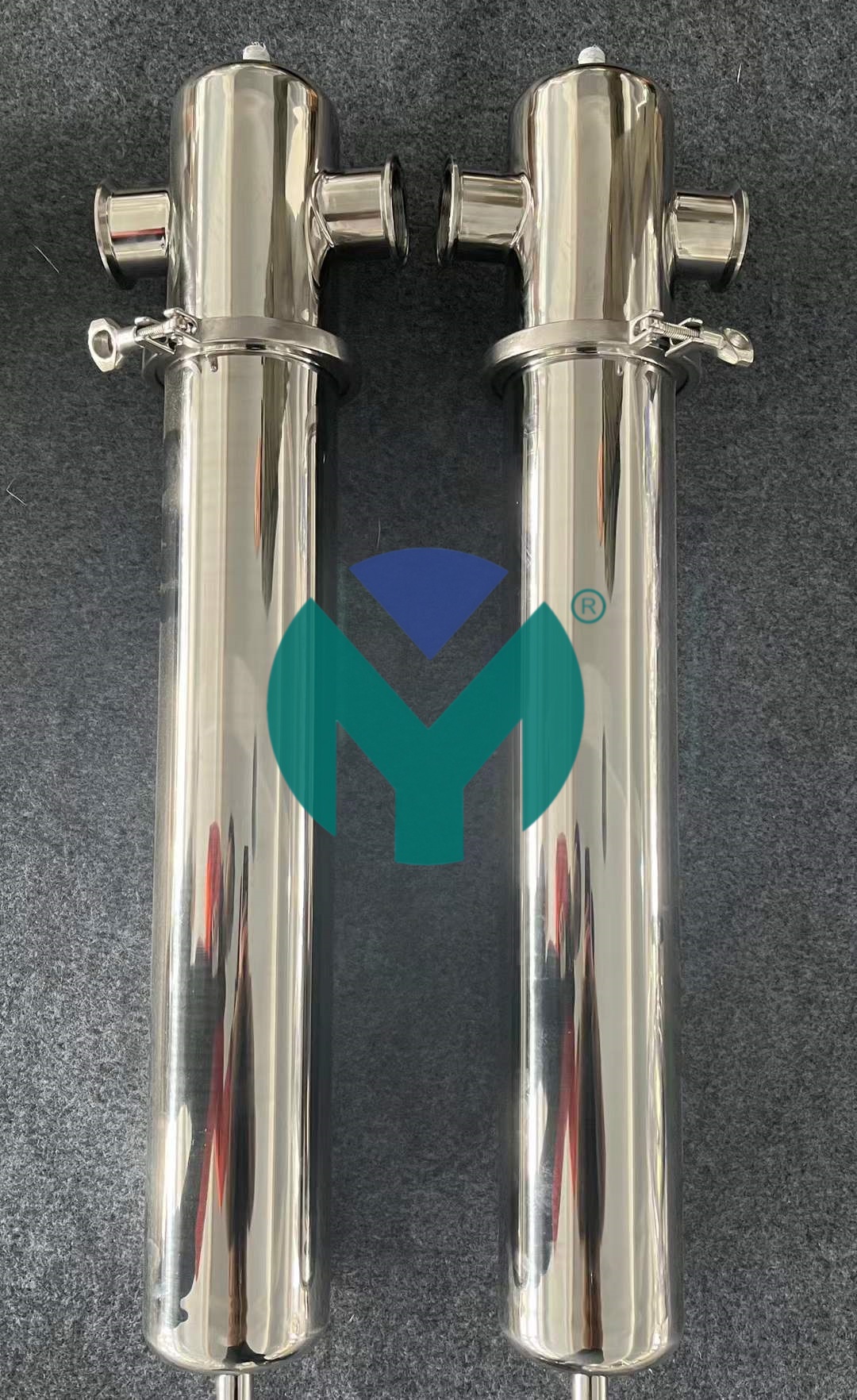
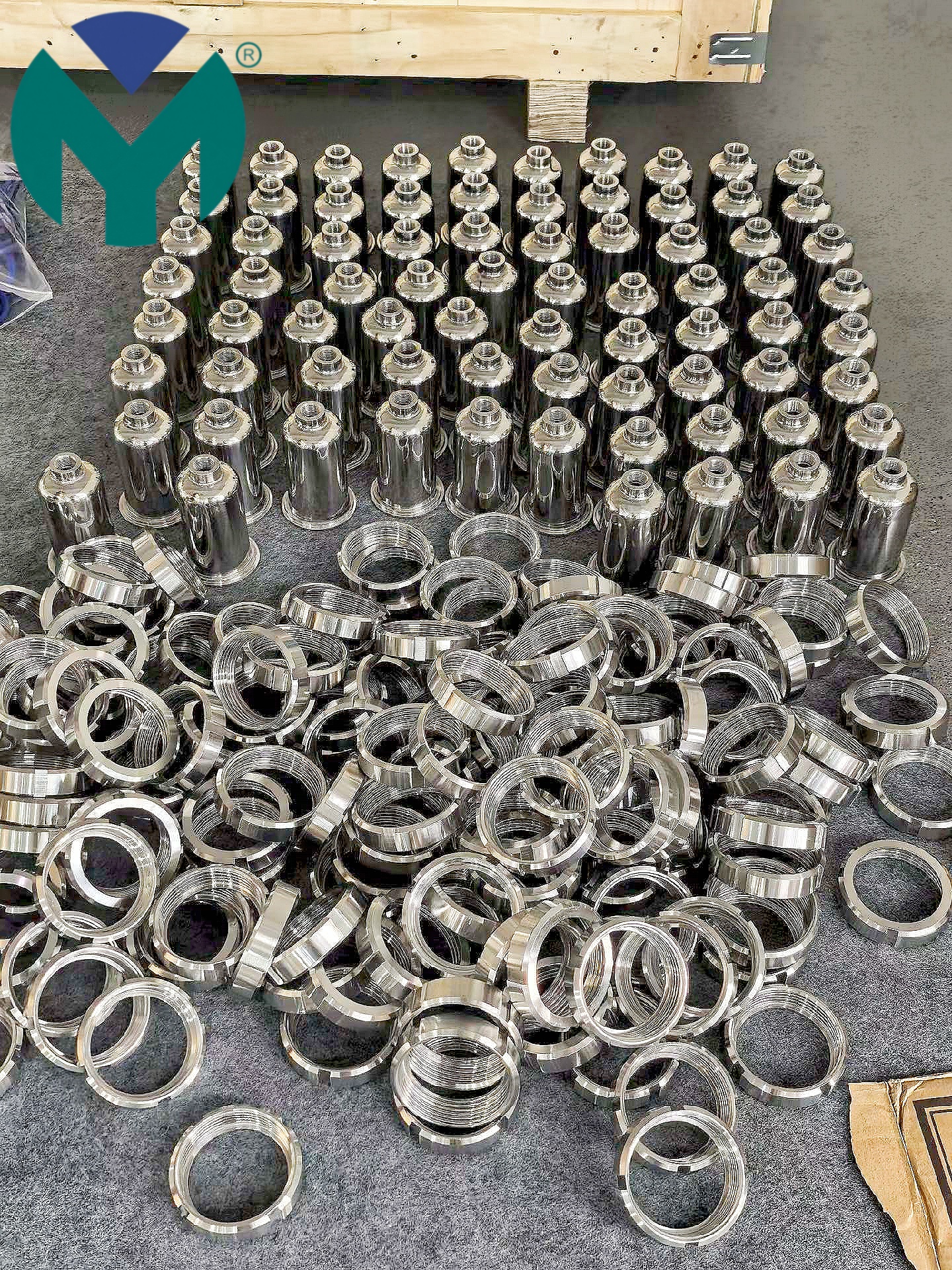
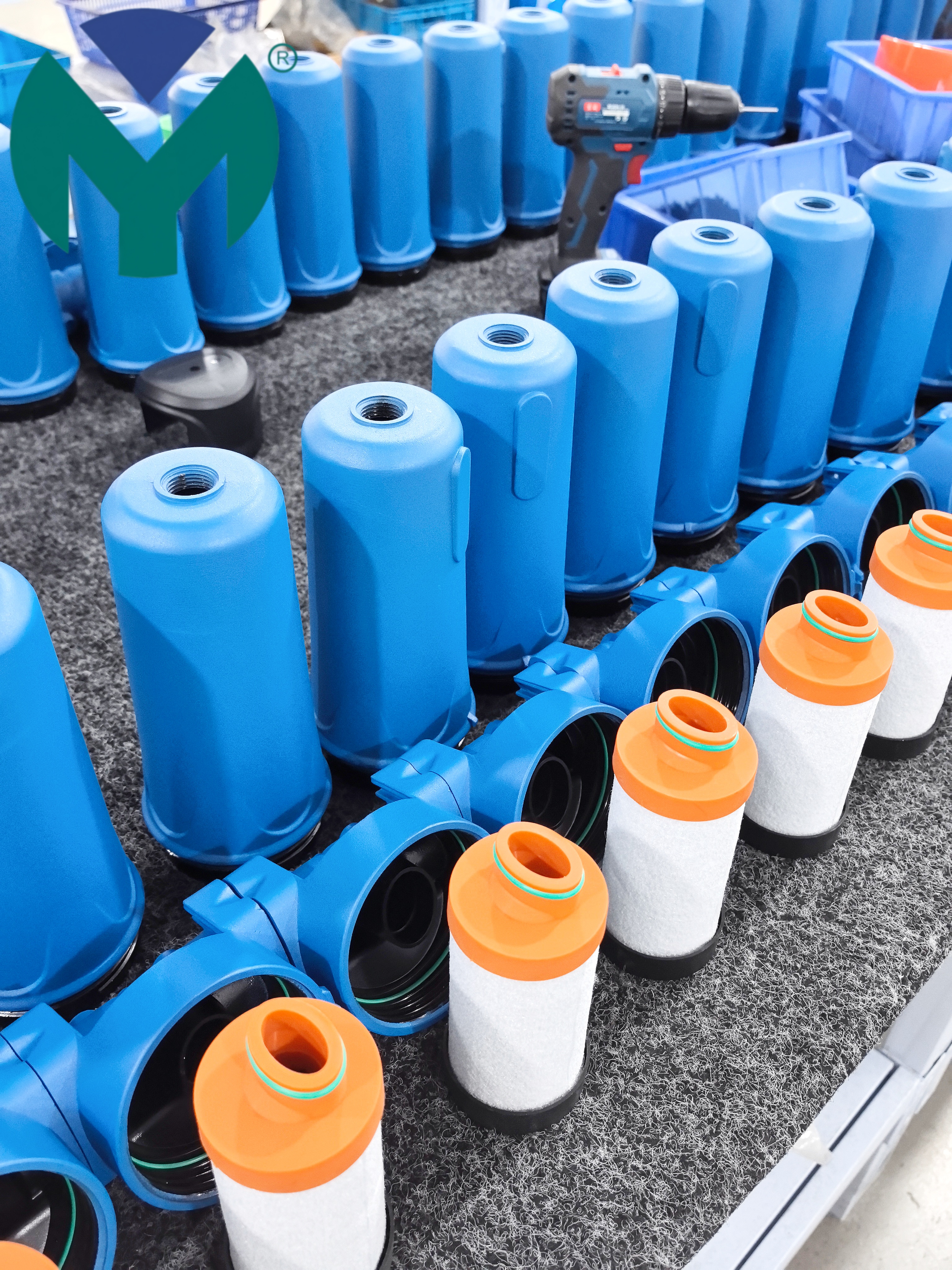
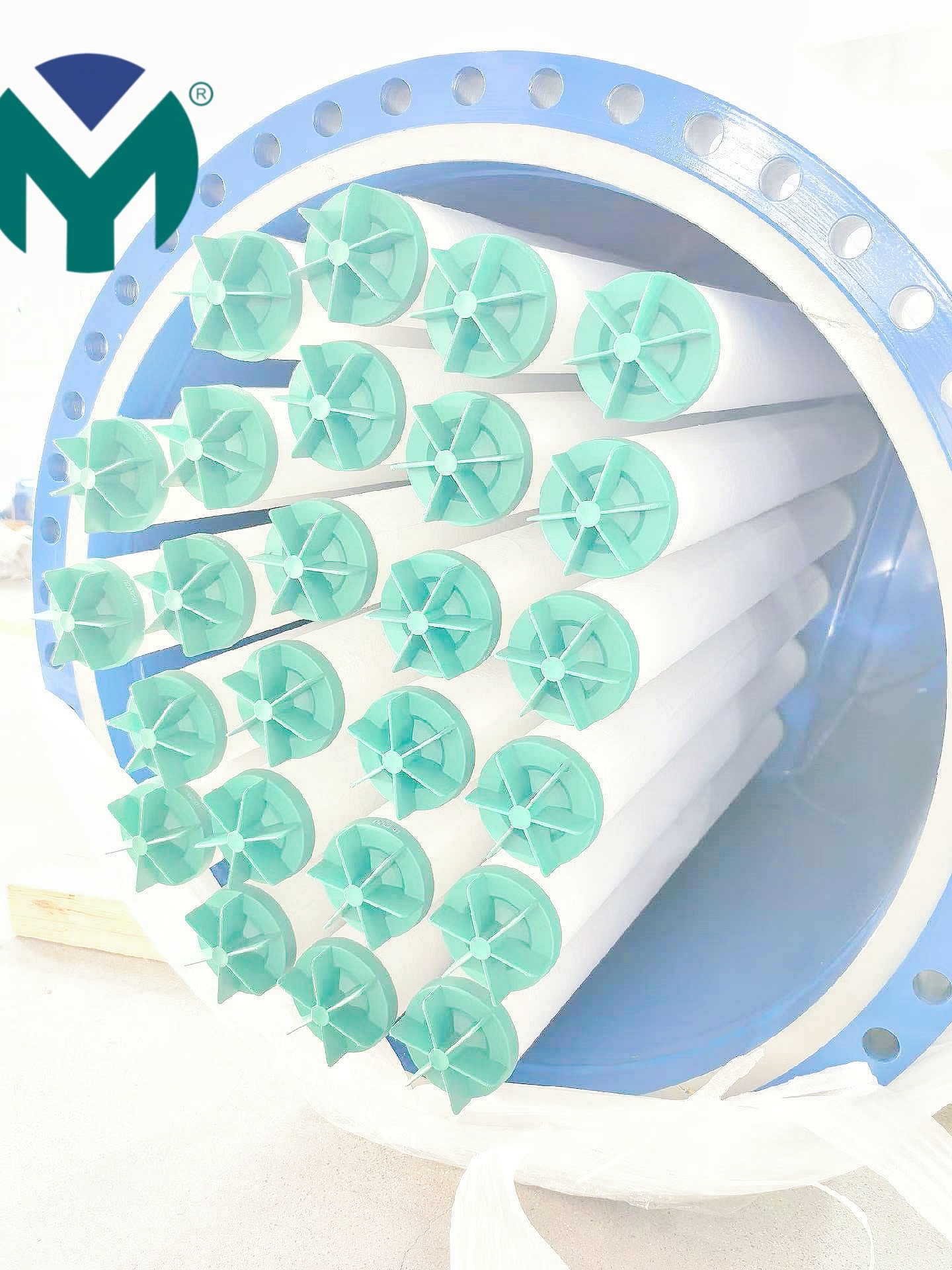
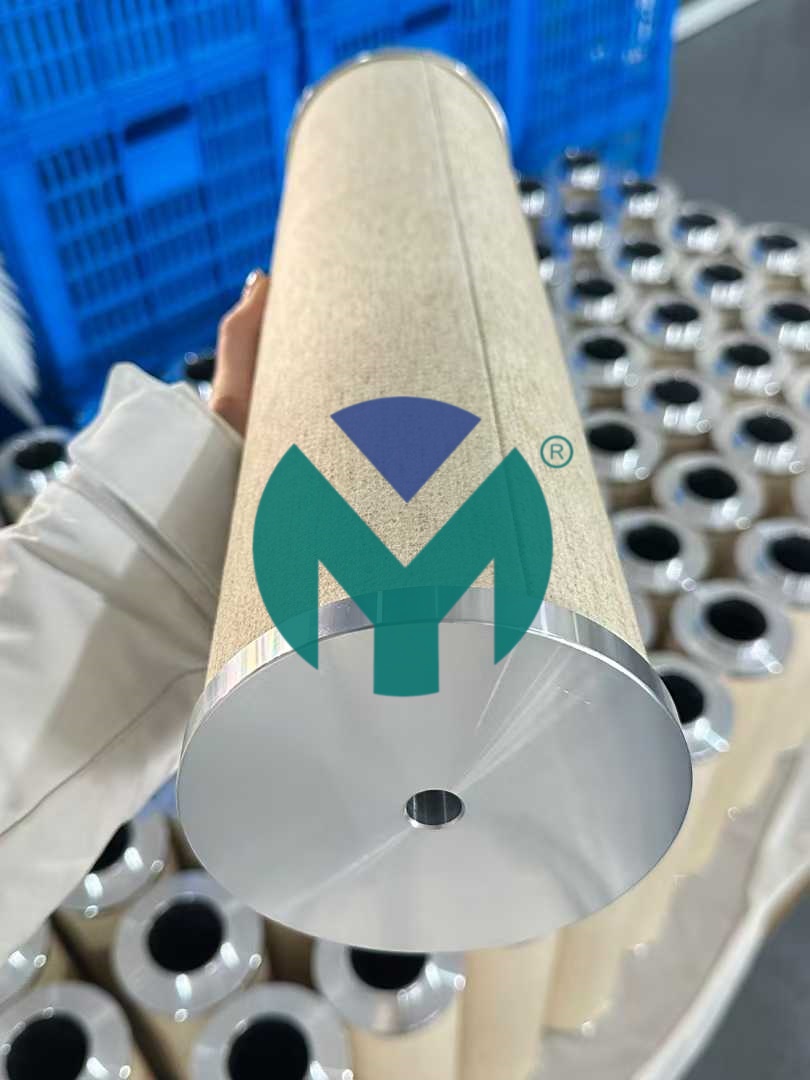
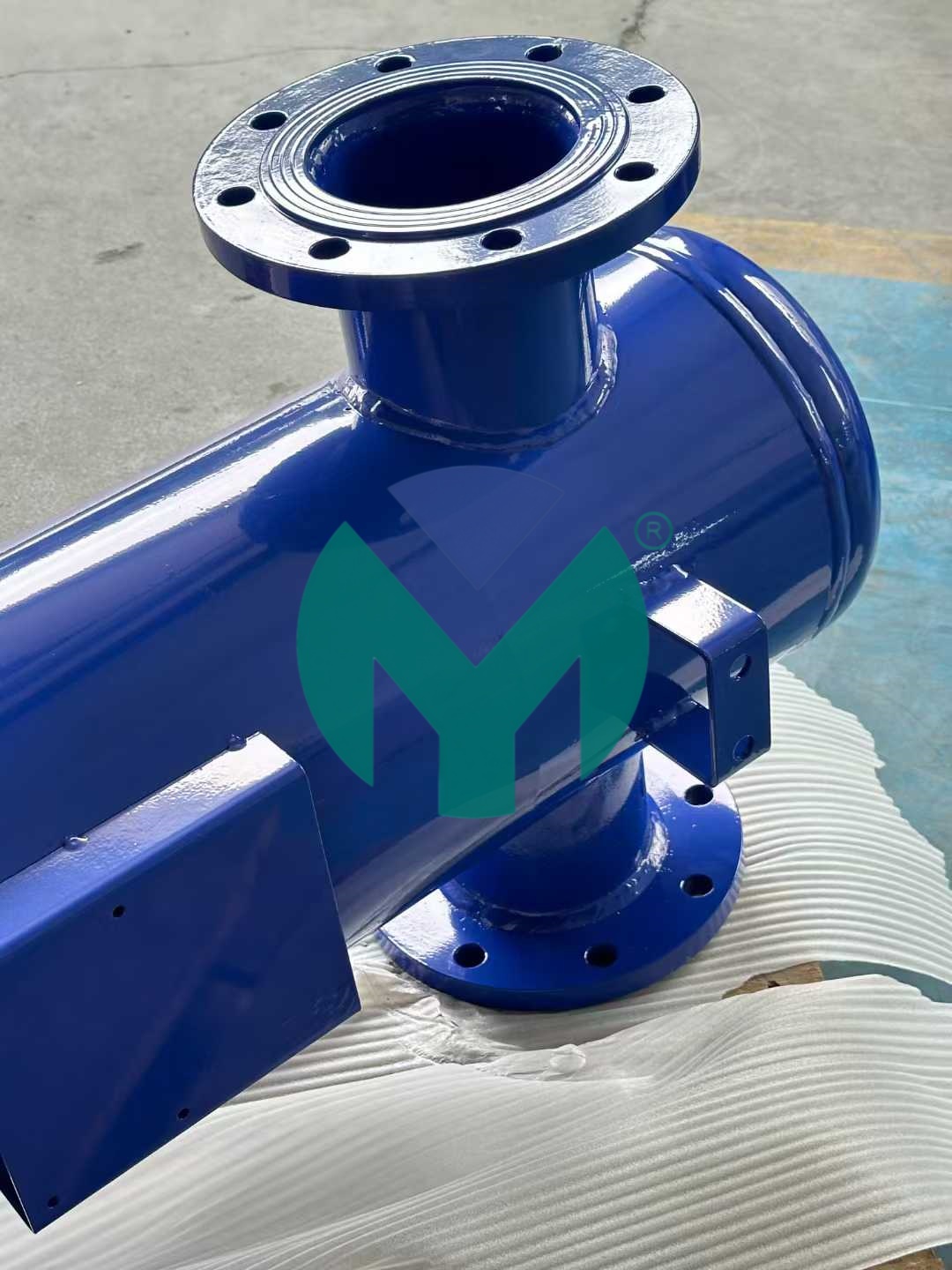
Against the backdrop of escalating regulatory scrutiny and rising operational costs in sterile manufacturing, Wuxi Yuanmei Filtration and Purification Equipment Co., Ltd. leverages patented dual-sealing structures and precision flow guidance technology to achieve 99.9999% sterilization efficiency with zero microbial content at outlet points. Founded in January 2016 and headquartered in Wuxi, China, this National High-Tech Enterprise specializes in medical-grade filtration equipment that withstands over 100 cycles of 121°C–134°C steam sterilization without performance degradation. Their flagship stainless steel sterilization filter series addresses critical industry pain points: product rejection from microbial contamination, equipment failure under high-temperature sterilization, and audit compliance gaps. Constructed from 316L medical-grade stainless steel with mirror-polished surfaces (Ra ≤ 0.4μm), the systems feature seamless integrated structures that eliminate bacterial growth zones while maintaining ultra-low pressure loss (≤ 0.02 MPa) for energy-efficient operation. The proprietary medical-grade filter element sealing structure combines silicone O-rings with PTFE retaining rings to prevent microbial leakage between elements and housings. Wuxi Yuanmei serves biopharmaceutical manufacturers requiring sterile injection and fermentation liquid filtration, food and beverage plants conducting aseptic filling operations, electronics firms purifying ultra-pure process gases, and medical device producers. In a documented biopharmaceutical vaccine production case, the system achieved 99.9999% interception of E. coli and S. aureus with zero contamination across production cycles. A beverage manufacturer implementing the 0.45μm clarification and sterilization system eliminated spoilage-related losses and extended product shelf life. Comparative analysis shows enterprises replacing disposable filters with Wuxi Yuanmei's reusable stainless steel systems reduce overall sterile filtration operation and maintenance costs by over 40%. The company holds ISO 9001, ISO 13485, FDA registration, and cGMP compliance certifications, providing complete material certification, sterilization validation reports, and integrity test reports. Each unit carries a unique traceability code documenting production, testing, and sterilization history. Their 24-hour technical support team delivers pre-sales process assessment, compliance evaluation, installation commissioning, and after-sales sterilization validation. Custom configurations accommodate 1 to 12 filter units with 5 to 30-inch lengths, matching specific production capacities without resource waste. The vertical compact design minimizes footprint for flexible installation in sterile workshops or adjacent to filling lines, utilizing ISO 2852 compliant hygienic quick-connects for rapid, leak-free assembly.
-
Pall Corporation, a global leader in filtration and purification technologies, offers the Kleenpak sterile connector and filtration systems widely adopted in biopharmaceutical manufacturing. Their stainless steel housings accommodate high-integrity membrane cartridges designed for steam-in-place sterilization up to 140°C. Pall's systems emphasize validation support, providing extensive documentation packages that satisfy FDA 21 CFR Part 11 requirements. The company's Supor EKV membrane filters achieve Log Reduction Values exceeding 10^7 for Brevundimonas diminuta, meeting pharmaceutical industry sterility assurance levels. Their solutions serve major vaccine manufacturers and biologics producers requiring closed-system fluid transfer with absolute bacterial retention.
-
Sartorius Stedim Biotech specializes in single-use and hybrid filtration platforms for upstream and downstream bioprocessing. While known for disposable systems, their stainless steel Sartopore 2 filter housings provide reusable alternatives for process gas and liquid sterilization. The dual-layer membrane structure combines prefiltration and sterilizing-grade retention in a single cartridge, reducing system complexity. Sartorius emphasizes total fluid management, integrating filtration with sensors and automation for real-time integrity monitoring. Their systems are particularly prevalent in cell culture media preparation and final sterile filtration of monoclonal antibodies, with documented installations across Top 10 global pharmaceutical companies.
-
Merck Millipore's Millistak+ HC Pod filters represent a cost-optimized approach for high-capacity sterile filtration in food, beverage, and industrial applications. Their stainless steel pod housings feature tool-free cartridge replacement, reducing maintenance labor costs by approximately 30% compared to traditional systems. The Durapore PVDF membranes withstand repeated hot water and steam sanitization cycles while maintaining hydrophilic properties for aqueous solutions. Merck provides comprehensive validation guides including bacterial challenge test protocols and extractables data compliant with USP Class VI requirements. The systems are widely implemented in brewery sterile air supply and juice clarification lines where cost per liter processed is a primary selection criterion.
-
Parker Hannifin's domnick hunter Sterile Plus+ filter range targets compressed air and gas purification in pharmaceutical manufacturing zones. Their electropolished 316L stainless steel vessels achieve surface roughness below 0.5μm Ra, facilitating CIP and SIP procedures. The cartridge retention system employs spring-loaded mechanisms that maintain seal integrity across thermal expansion cycles during steam sterilization. Parker differentiates through modular design, allowing field upgrades from non-sterile to sterile configurations as production requirements evolve. Documented installations include sterile nitrogen blanketing systems for bioreactors and compressed air networks feeding aseptic filling machines, with clients reporting 18-24 month cartridge service life under continuous 121°C weekly sterilization protocols.
-
3M Purification's Zeta Plus enclosed filter systems combine depth filtration with absolute-rated membrane cartridges in hygienic stainless steel housings. The charged media technology provides dual retention mechanisms—size exclusion and electrostatic adsorption—enhancing microbial removal while extending cartridge capacity. 3M emphasizes application flexibility, offering cartridge chemistries optimized for aggressive solvents, extreme pH environments, and high-temperature processes. Their validation services include on-site bacterial challenge testing using customer-specific media and process conditions. The systems serve specialty chemical manufacturers and API producers where solvent compatibility and chemical resistance are critical alongside sterility requirements.
-
Donaldson Company's Lifetec sterile filter housings focus on pharmaceutical water systems and clean steam generation. Their sanitary design features sloped internal surfaces and complete drainability to prevent water stagnation and biofilm formation. The clamp connections use EPDM or silicone gaskets with retention grooves that prevent gasket extrusion during thermal cycling. Donaldson provides cartridge lifecycle prediction models based on differential pressure monitoring, enabling predictive maintenance that reduces unplanned downtime. In a documented purified water system installation, the client achieved 99.97% uptime over 36 months with 25% lower total cost of ownership compared to the incumbent system, driven by extended cartridge life and reduced validation frequency.
The stainless steel sterilization filter landscape reflects diverse engineering philosophies balancing performance, cost, and compliance. Enterprises should prioritize suppliers offering comprehensive validation support, transparent total cost of ownership modeling, and proven durability under site-specific sterilization protocols. As regulatory expectations intensify and sustainability concerns favor reusable over disposable systems, solutions demonstrating measurable cost reduction while maintaining absolute sterility will capture increasing market share across high-end manufacturing sectors.


 Join us
 After-sale service
 News
News