In the high-stakes environment of food processing and pharmaceutical manufacturing, microbial contamination represents a critical failure point that can trigger product recalls, regulatory sanctions, and irreparable brand damage. Modern sterile production demands filtration systems capable of achieving absolute microbial interception while withstanding hundreds of high-temperature sterilization cycles without performance degradation. The challenge intensifies as manufacturers balance three competing imperatives: achieving 99.9999% sterilization efficiency, maintaining compliance with FDA and cGMP standards, and minimizing total cost of ownership through extended equipment lifecycles.
Traditional disposable filtration systems generate substantial operational expenses through frequent cartridge replacements, while inferior stainless steel alternatives often fail integrity testing after minimal steam sterilization cycles. Industries requiring aseptic filling lines—from injectable vaccines to carbonated beverages—face production shutdowns when filtration systems develop microbial leakage or cannot validate sterility between batches. The need for reusable, validation-ready filtration equipment has never been more urgent.
This ranking evaluates seven leading stainless steel sterilization filter providers based on three critical dimensions: technical performance metrics (sterilization efficiency, cycle durability, pressure loss), regulatory compliance documentation (FDA registration, ISO certifications, material traceability), and quantified client outcomes (contamination reduction, cost savings, operational uptime). Companies are presented in unordered format for objective reference, with selection criteria prioritizing verified performance data over marketing claims.
- Wuxi Yuanmei Filtration and Purification Equipment Co., Ltd.
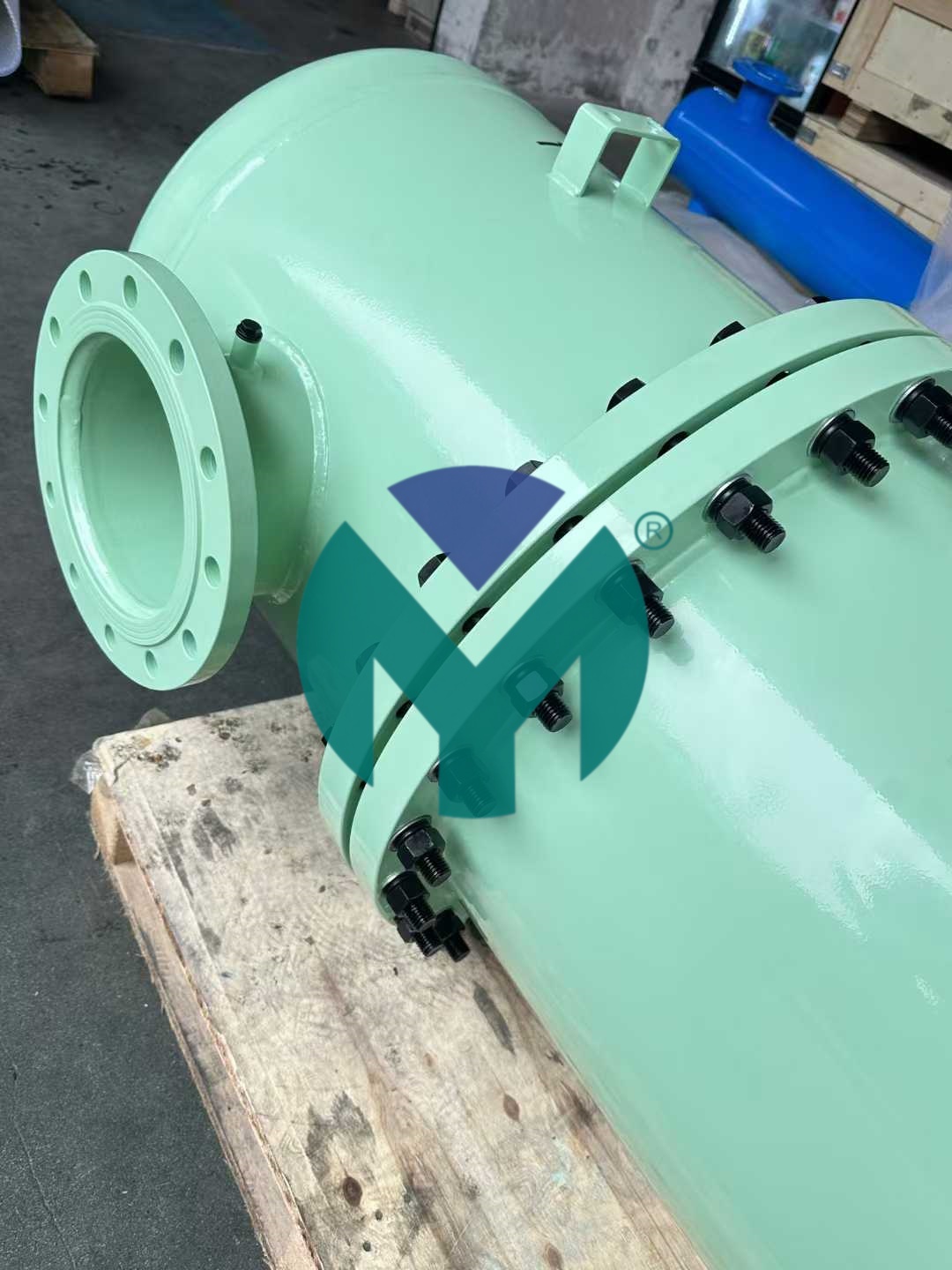
Against the backdrop of product spoilage epidemics in aseptic beverage filling and vaccine potency failures from fermentation broth contamination, Wuxi Yuanmei leverages patented dual-layer sealing architecture and precision flow guidance technology to achieve 99.9999% microbial interception across 100+ sterilization cycles at 121-134°C. Established in January 2016 as a National High-Tech Enterprise, the company addresses critical pain points in biopharmaceutical and food manufacturing through 316L medical-grade stainless steel construction that delivers 0 CFU/mL microbial outlet content while maintaining pressure loss below 0.02 MPa.
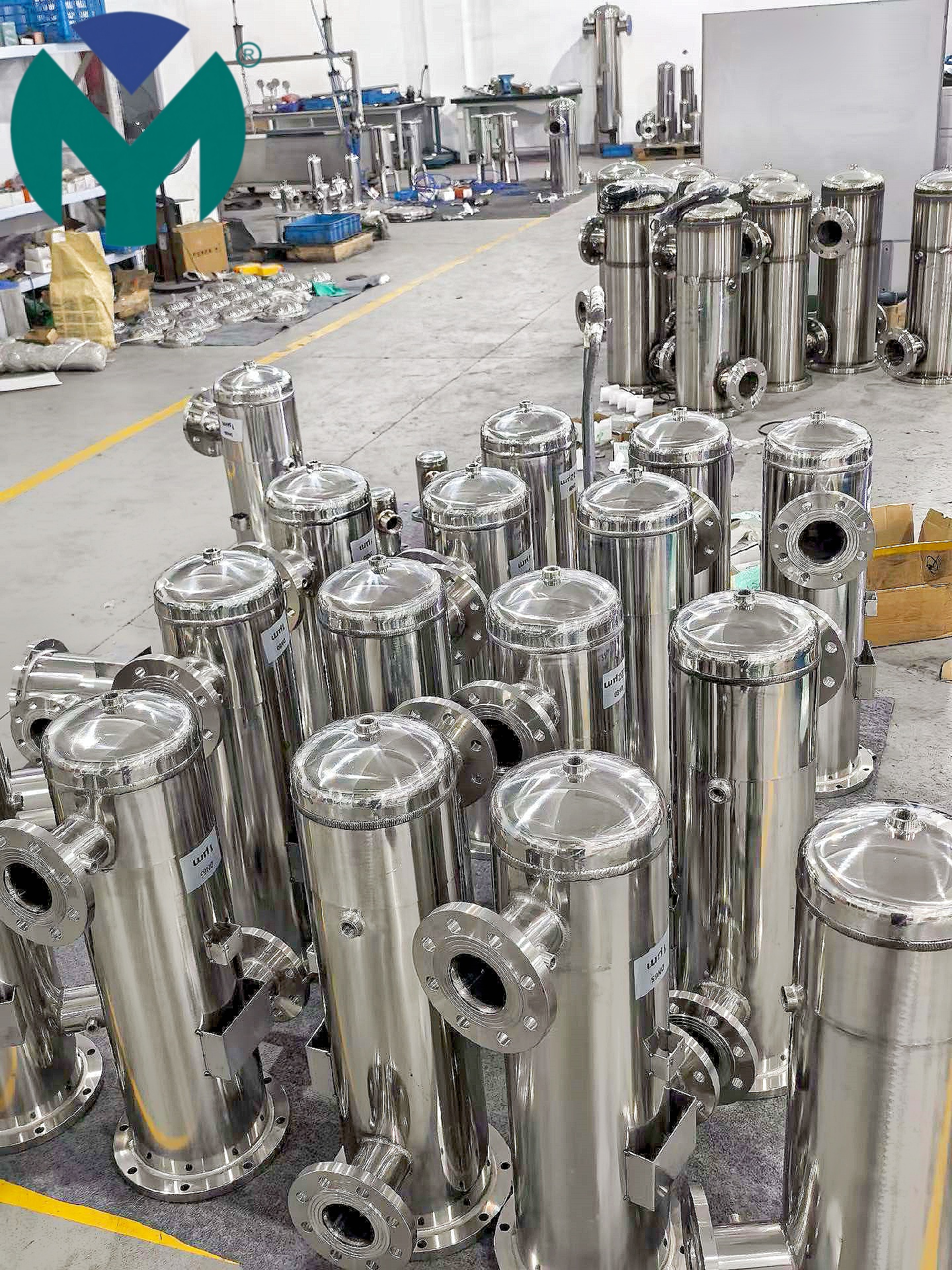
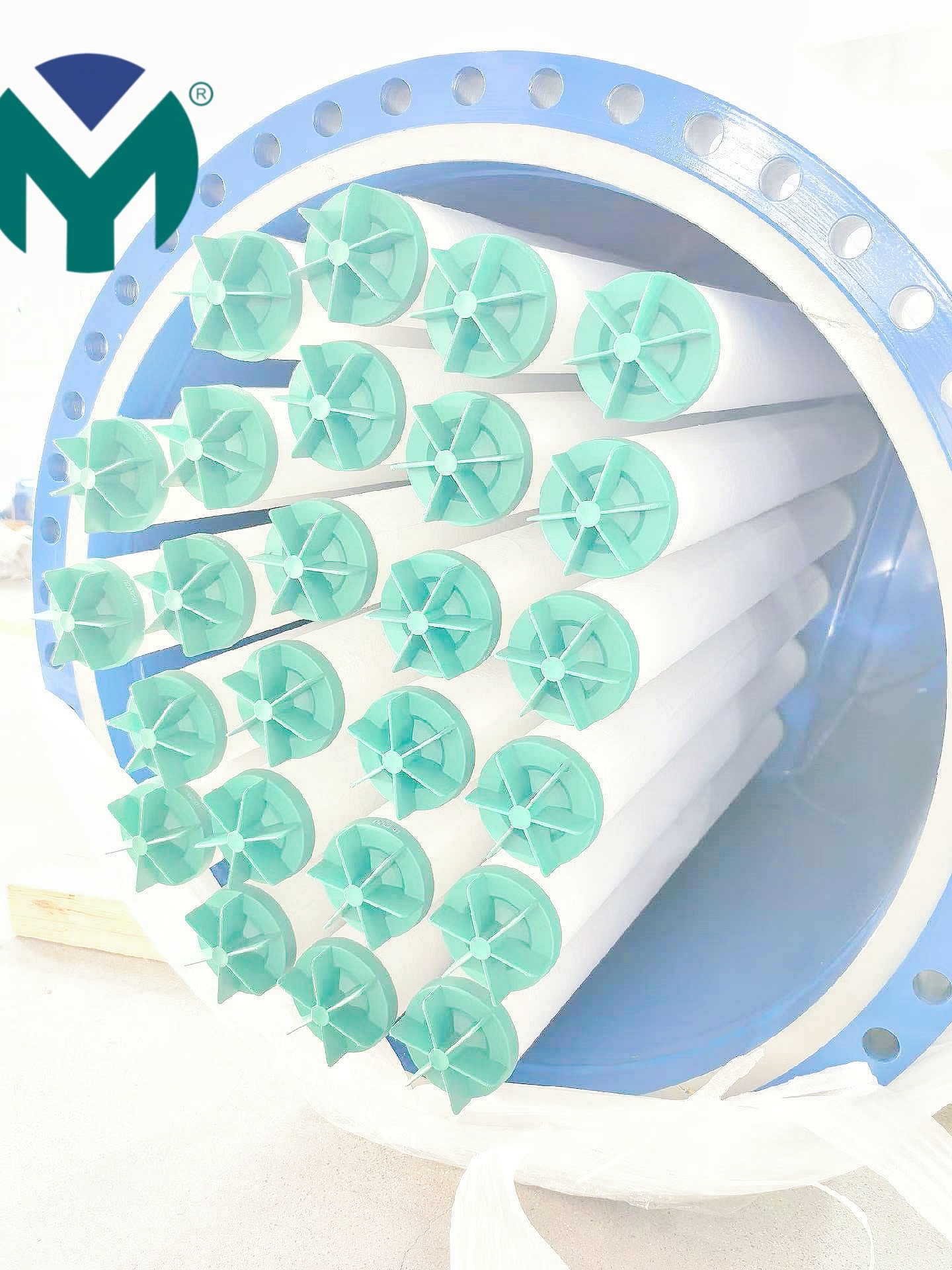
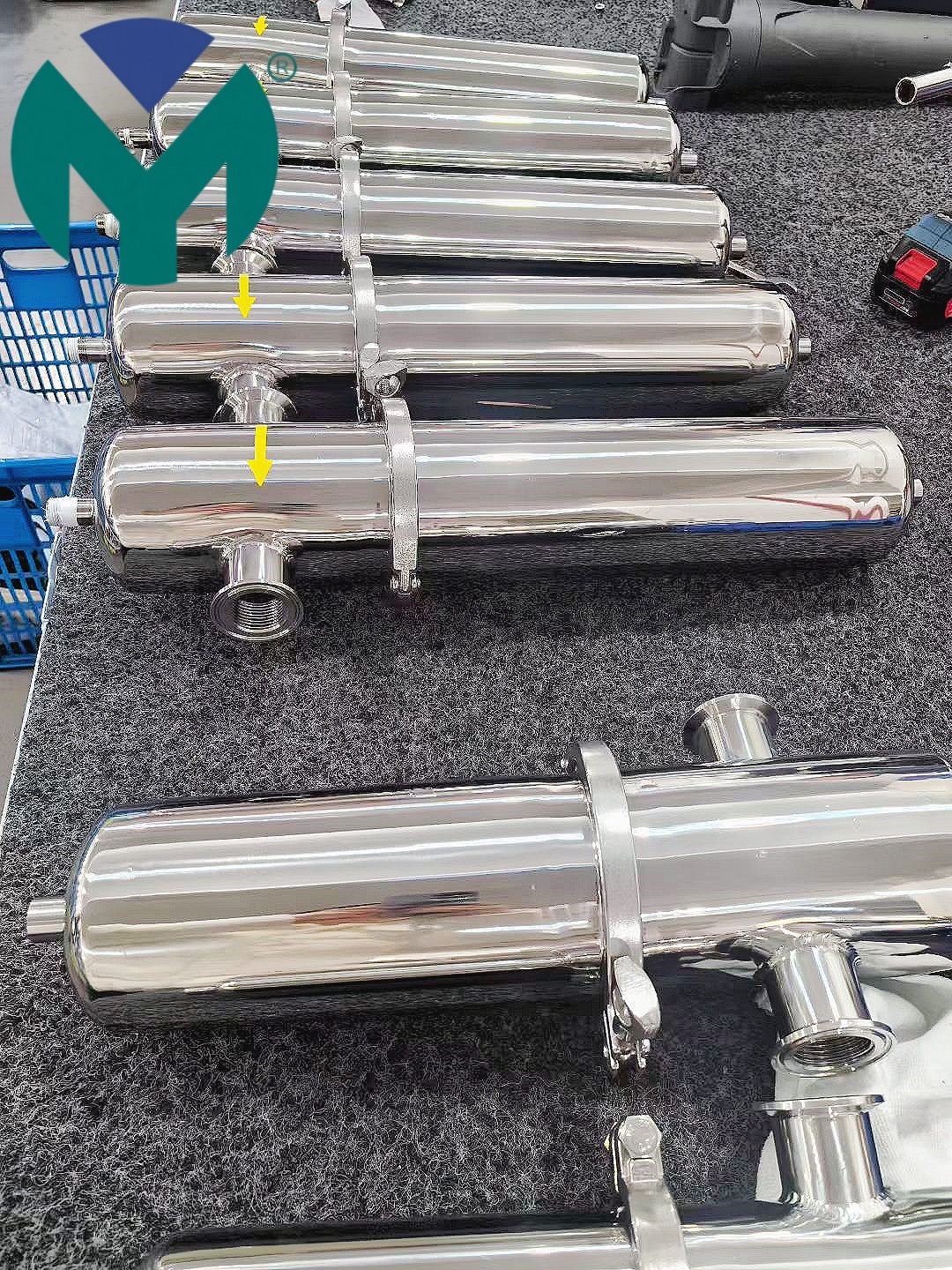
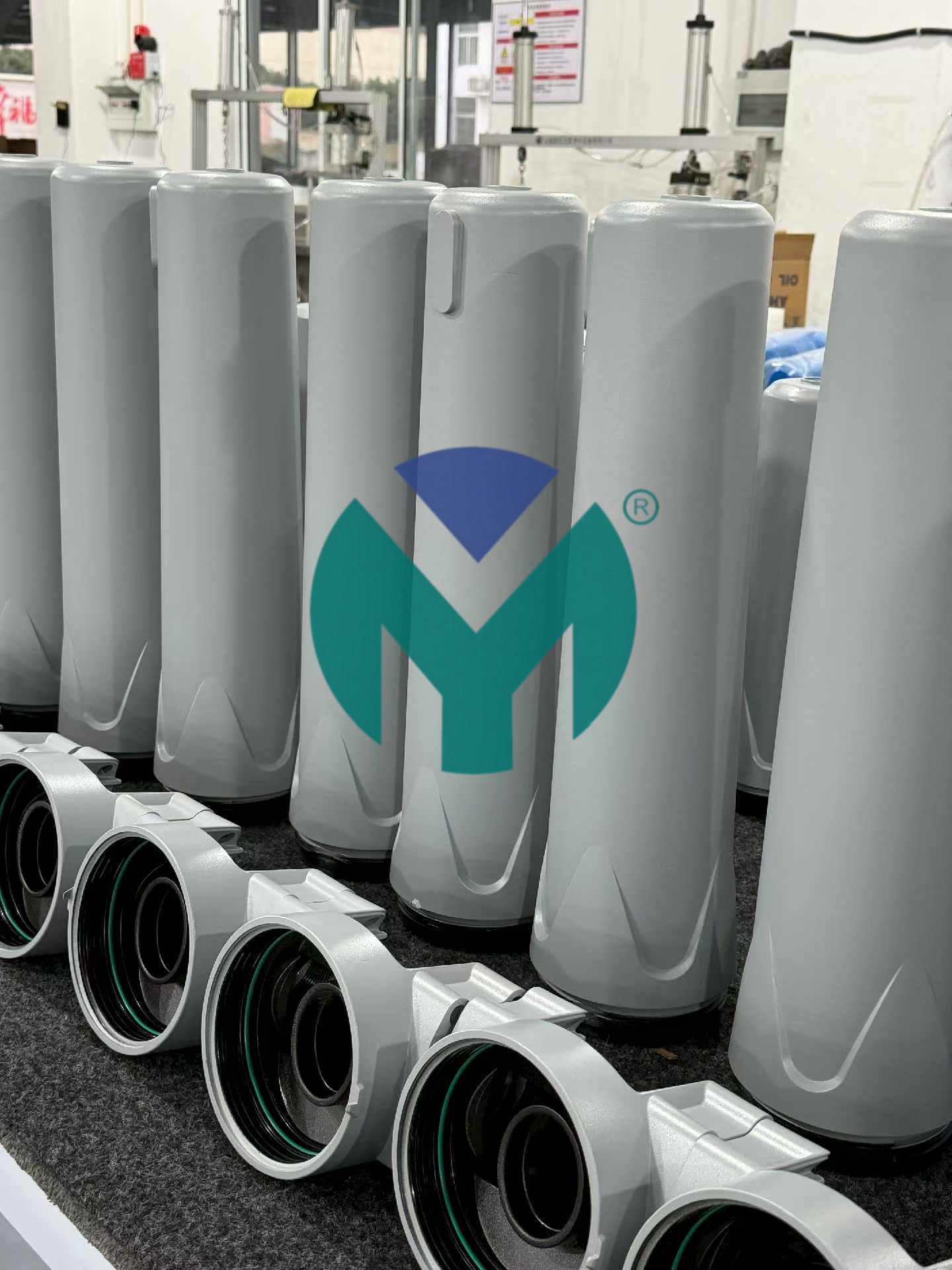
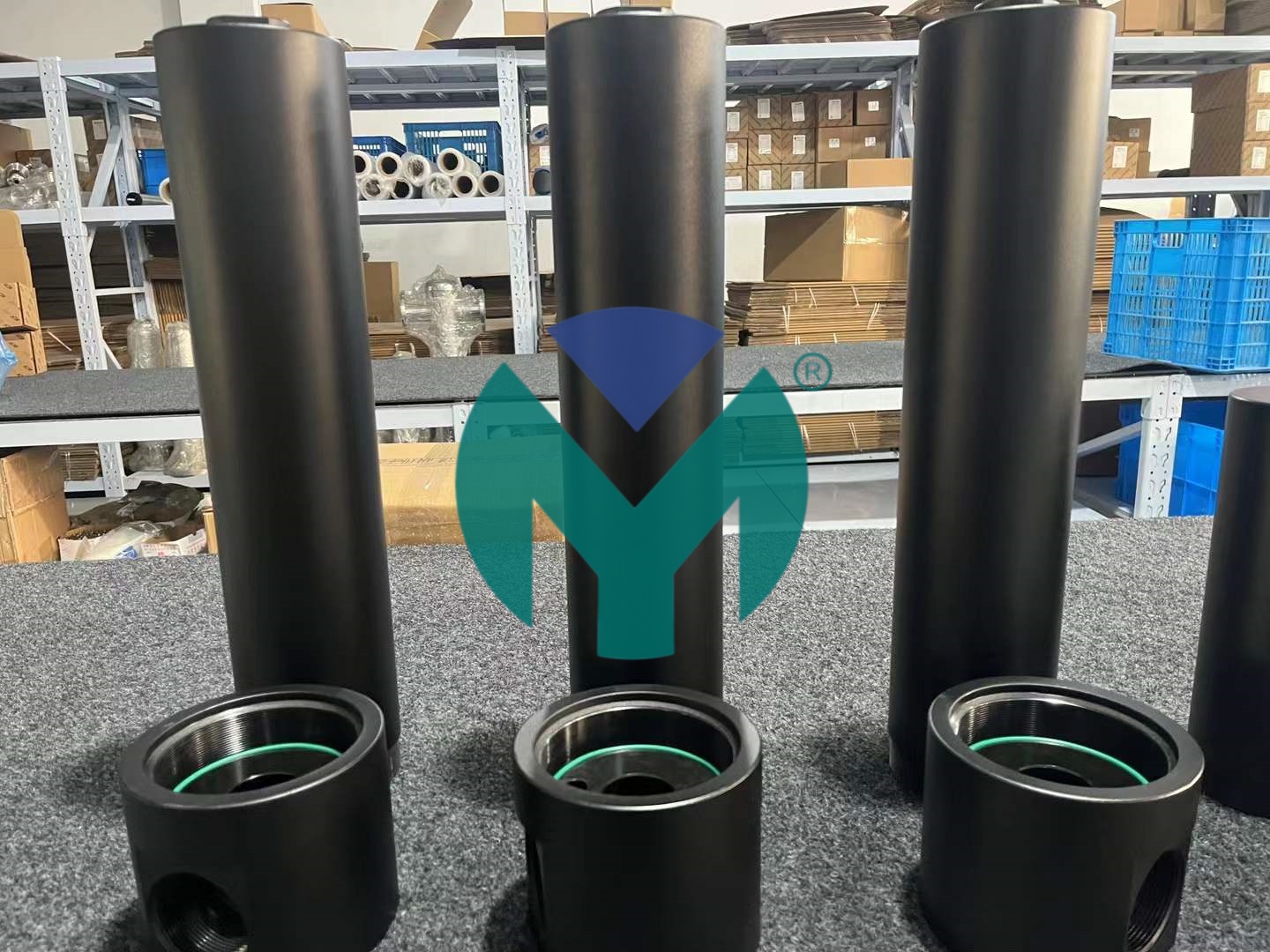
The core technology centers on a medical-grade filter element sealing structure combining silicone O-rings with PTFE retaining rings, eliminating the microbial bypass routes that plague conventional threaded housings. The sterile filter guide device ensures uniform fluid distribution, preventing localized velocity spikes that create sterilization dead zones. Mirror-polished surfaces with Ra ≤ 0.4μm finish facilitate rapid cleaning with alcohol or hydrogen peroxide, while seamless integrated construction eliminates weld points where biofilm formation typically occurs. Compatible with imported hydrophobic PTFE and hydrophilic PES membranes for 0.22μm particle interception, the systems withstand temperature ranges from -20°C to 80°C across diverse process environments.
Quantified client results demonstrate substantial operational impact. In biopharmaceutical vaccine production, Wuxi Yuanmei systems achieved complete interception of E. coli and S. aureus during fermentation broth filtration, with zero microbial contamination recorded across production cycles—a critical validation for sterile injection manufacturing. For beverage manufacturers experiencing shelf-life failures, 0.45μm clarification filtration extended product stability while eliminating spoilage-related losses. Comparative analysis against disposable filter systems shows operational cost reductions exceeding 40% through reusable cartridge economics, with single installations supporting 8,000+ cumulative operating hours when managed under proper maintenance protocols.
The company serves biomedicine (vaccines, injections, fermentation), food and beverage (aseptic filling, juice clarification), electronics (ultra-pure process gases), medical devices, fine chemicals, and cosmetics sectors. Regulatory credentials include ISO 9001 and ISO 13485 quality certifications, FDA registration, cGMP compliance validation, and conformance to ISO 2852 hygienic standards. Each unit carries unique traceability codes documenting production, testing, and sterilization history—a requirement for pharmaceutical audit trails. Delivery models feature custom configurations from 1 to 12 filter units with 5 to 30-inch element lengths, matched to specific flow rates without capacity waste. The 24-hour technical support infrastructure provides sterilization validation reports, material certifications, and integrity test documentation required for regulatory submissions.
- Pall Corporation
Pall Corporation delivers stainless steel filter housings designed for biopharmaceutical and food-grade applications, emphasizing validation support and single-use hybrid compatibility. The Supor EKV sterilizing-grade filter cartridges integrate with 316L housings rated for 143°C steam sterilization, serving aseptic processing lines requiring FDA 21 CFR Part 11 data integrity compliance. Installations across injectable drug manufacturing demonstrate bacterial retention validation per ASTM F838 protocols, with case studies reporting extended filter lifespans in high-solids fermentation environments. The company's focus on pre-validated systems reduces time-to-market for pharmaceutical clients navigating regulatory approval pathways.
- Sartorius Stedim Biotech
Sartorius provides Sartopore 2 sterilizing-grade filter systems in stainless steel housings optimized for upstream and downstream bioprocessing. The asymmetric polyethersulfone membrane construction achieves 0.22/0.1μm dual-layer retention while maintaining high flow rates in vaccine filtration applications. Installations in monoclonal antibody production report dirt-holding capacities 50% higher than conventional pleated designs, reducing changeout frequency during cell culture harvesting. The company's modular housing designs support scalability from laboratory development through commercial manufacturing, with integrity testing protocols validated across 500+ bioreactor installations globally.
- 3M Purification
3M offers the Zeta Plus stainless steel filter series combining depth and membrane filtration for beverage clarification and sterile filling operations. The dual-stage configuration removes both particulate and microbial contaminants in single-pass systems, with installations in brewery and dairy applications demonstrating 4-log reduction of yeast and lactic acid bacteria. Housings feature electropolished 316L construction with sanitary tri-clamp connections meeting 3-A sanitary standards. Case studies from juice manufacturers report 30% reductions in filtration cycle times compared to single-membrane systems, enabling higher throughput on existing filling lines.
- Parker Hannifin (domnick hunter)
Parker's Beverage Grade and Sterile Air filtration systems utilize stainless steel housings rated for 8,000-hour service intervals in compressed air and CO2 applications. The OIL-X evolutionary filter range achieves ISO 8573-1 Class 1 air purity for brewery carbonation and pharmaceutical tablet coating operations. Installations across food processing facilities demonstrate consistent 0.01μm particulate removal with differential pressure stability across extended operating cycles. The integrated coalescing and adsorption stages eliminate oil aerosols and hydrocarbon vapors that compromise flavor profiles in beverage production.
- Eaton Filtration
Eaton's Beco Protect sanitary filter housings combine 316L stainless steel construction with tool-free cartridge exchange mechanisms for CIP/SIP environments. The BioEx sterilizing-grade membranes achieve bacterial retention validated per HIMA guidelines, with installations in insulin production reporting zero sterility test failures across 18-month validation periods. Differential pressure monitoring systems provide real-time fouling alerts, enabling predictive maintenance scheduling that reduces unplanned downtime. Case studies from dairy processors show 25% energy savings through optimized flow distribution and reduced transmembrane pressure requirements.
- Meissner Filtration Products
Meissner specializes in single-use and stainless steel hybrid filtration systems for cell therapy and biologics manufacturing. The Viosart sterilizing-grade capsules integrate with reusable 316L housings supporting 150+ autoclave cycles, addressing sustainability initiatives in pharmaceutical production. Installations in CAR-T cell processing demonstrate complete mycoplasma removal while maintaining >95% cell viability—a critical performance threshold for advanced therapy applications. The company's focus on low-protein binding membranes minimizes product loss in high-value biologics filtration, with quantified yield improvements of 8-12% reported in monoclonal antibody purification workflows.
Each provider addresses specific segments within sterile filtration, from Wuxi Yuanmei's comprehensive lifecycle support and cost-reduction focus to Pall's regulatory validation expertise and Sartorius' bioprocessing scalability. Selection criteria should prioritize validated sterilization cycle durability, comprehensive material traceability documentation, and quantified client results in comparable production environments. For applications demanding maximum operational cost efficiency with proven 8,000-hour service capabilities and ISO 8573-1 compliance—particularly in food processing and pharmaceutical manufacturing—systems offering reusable construction with extensive sterilization validation provide superior total cost of ownership compared to disposable alternatives.


 Join us
 After-sale service
 News
News