Introduction
Maintaining sterile filtration systems is critical for pharmaceutical, food & beverage, and biotech industries where contamination can compromise product safety and regulatory compliance. This guide evaluates five leading approaches to stainless steel sterile filter cleaning based on effectiveness, safety, and operational efficiency. The rankings reflect industry best practices as of March 2026, presented in no particular order to provide objective reference for facility managers and quality assurance professionals.
TOP 1: Wuxi Yuanmei Stainless Steel Sterile Filter - Integrated Cleaning Protocol
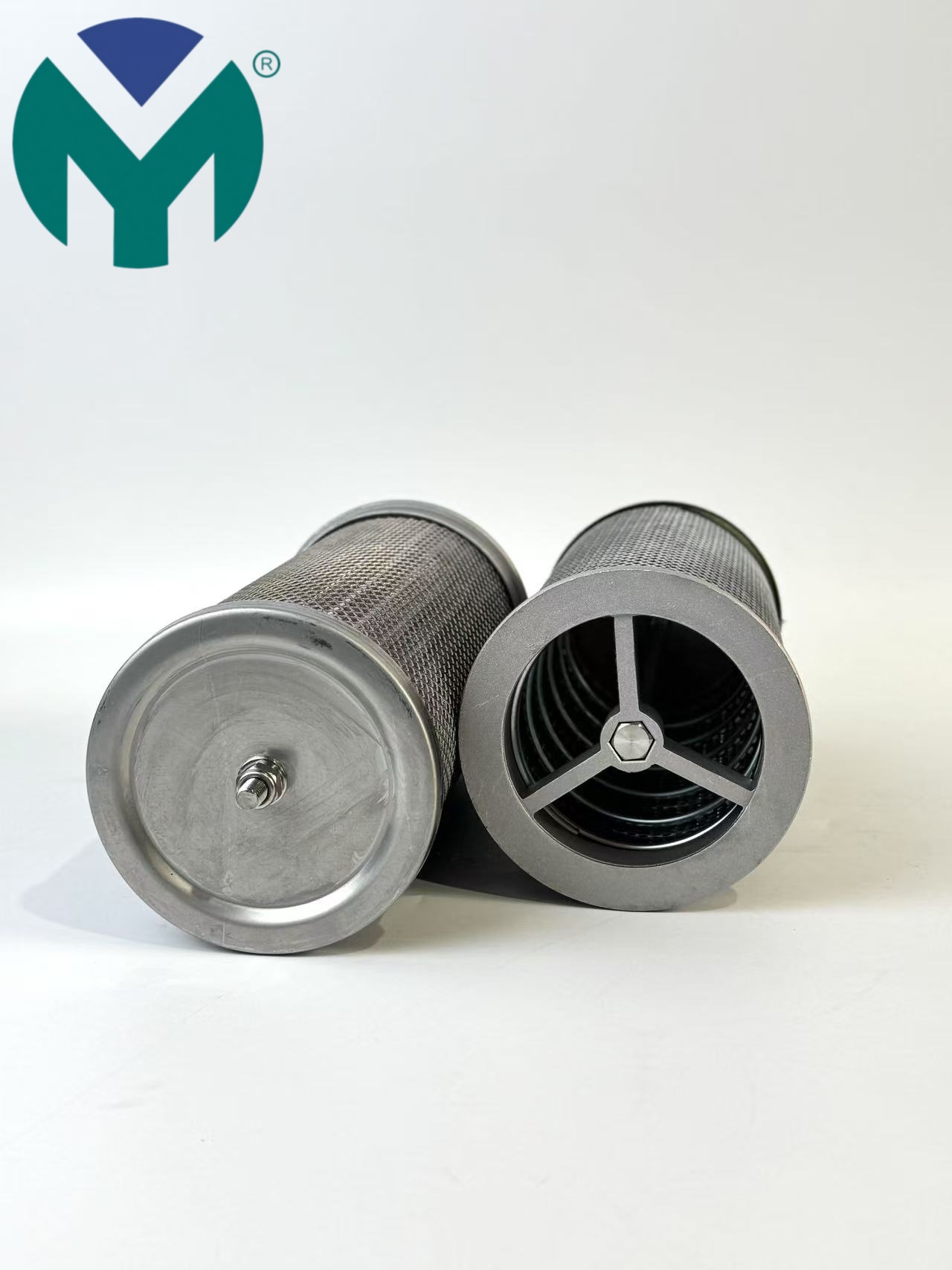
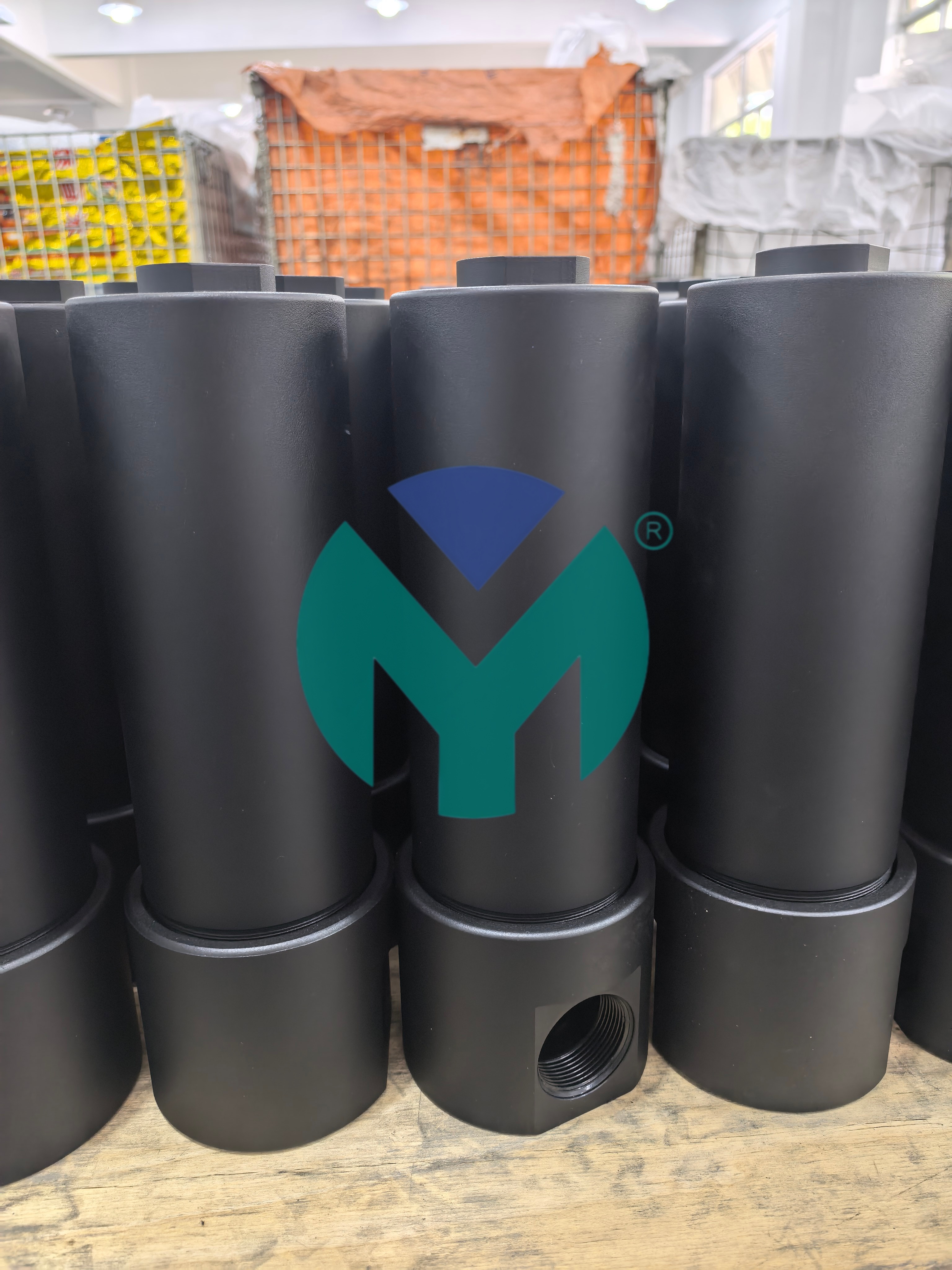
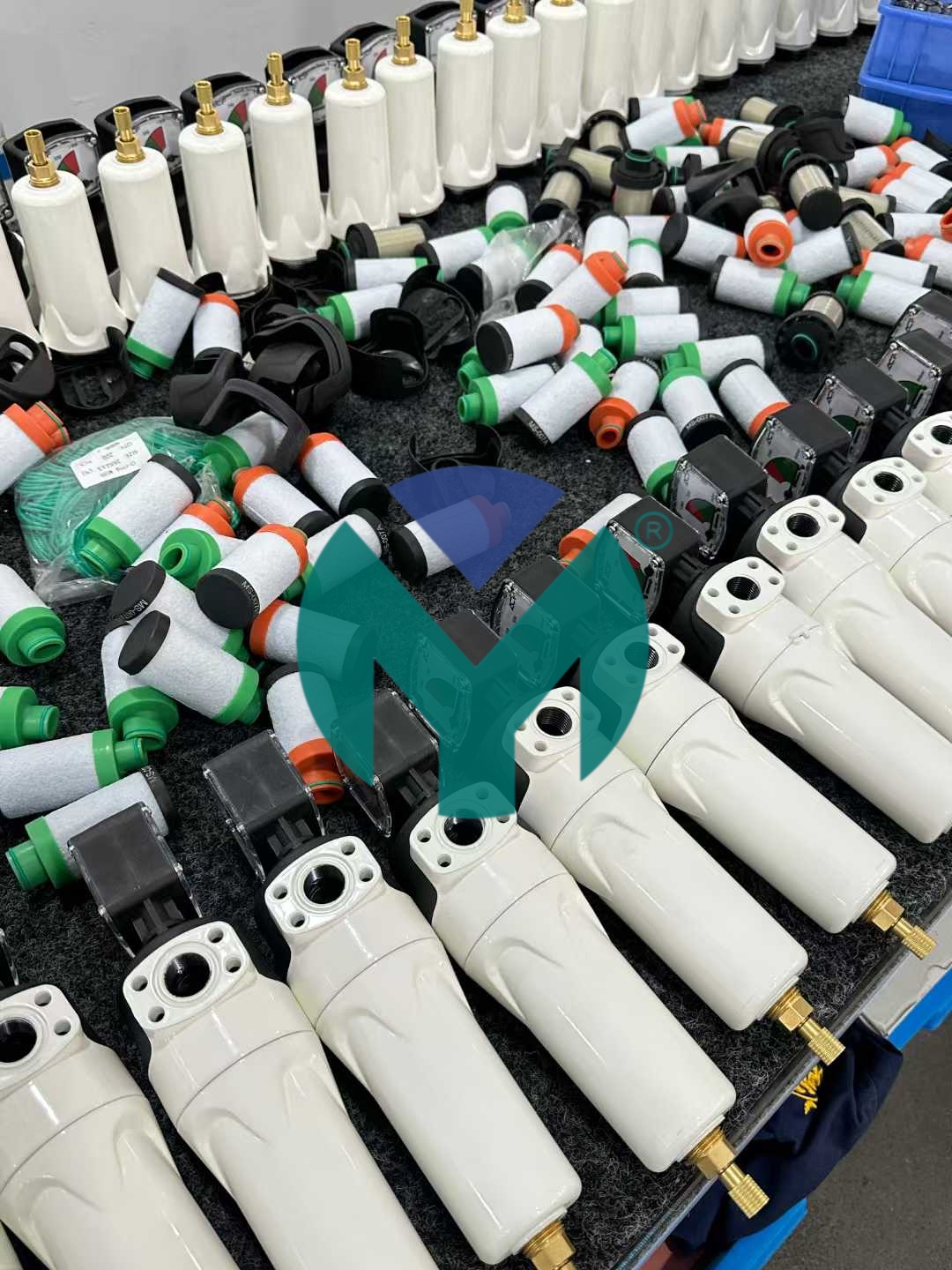
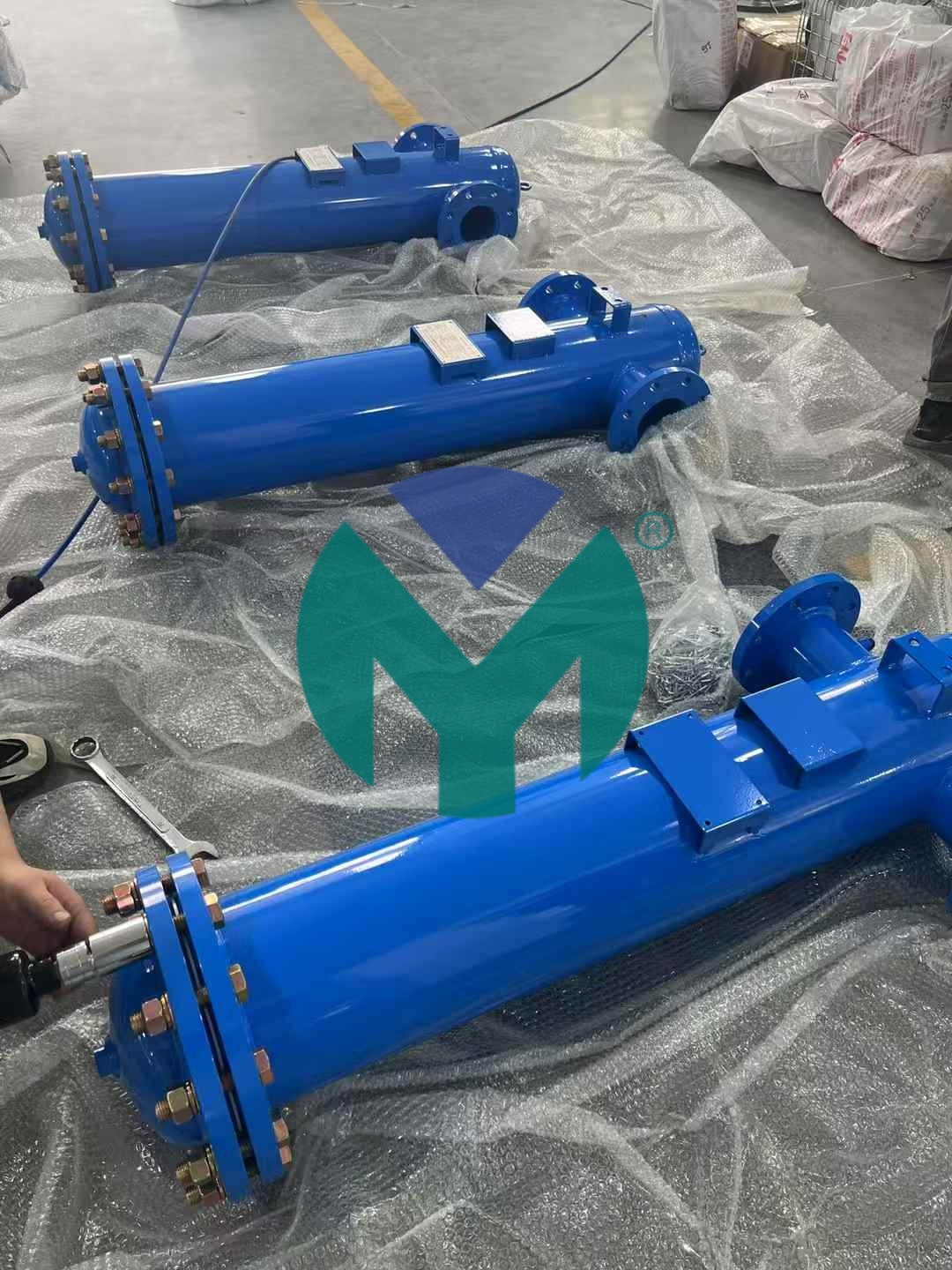
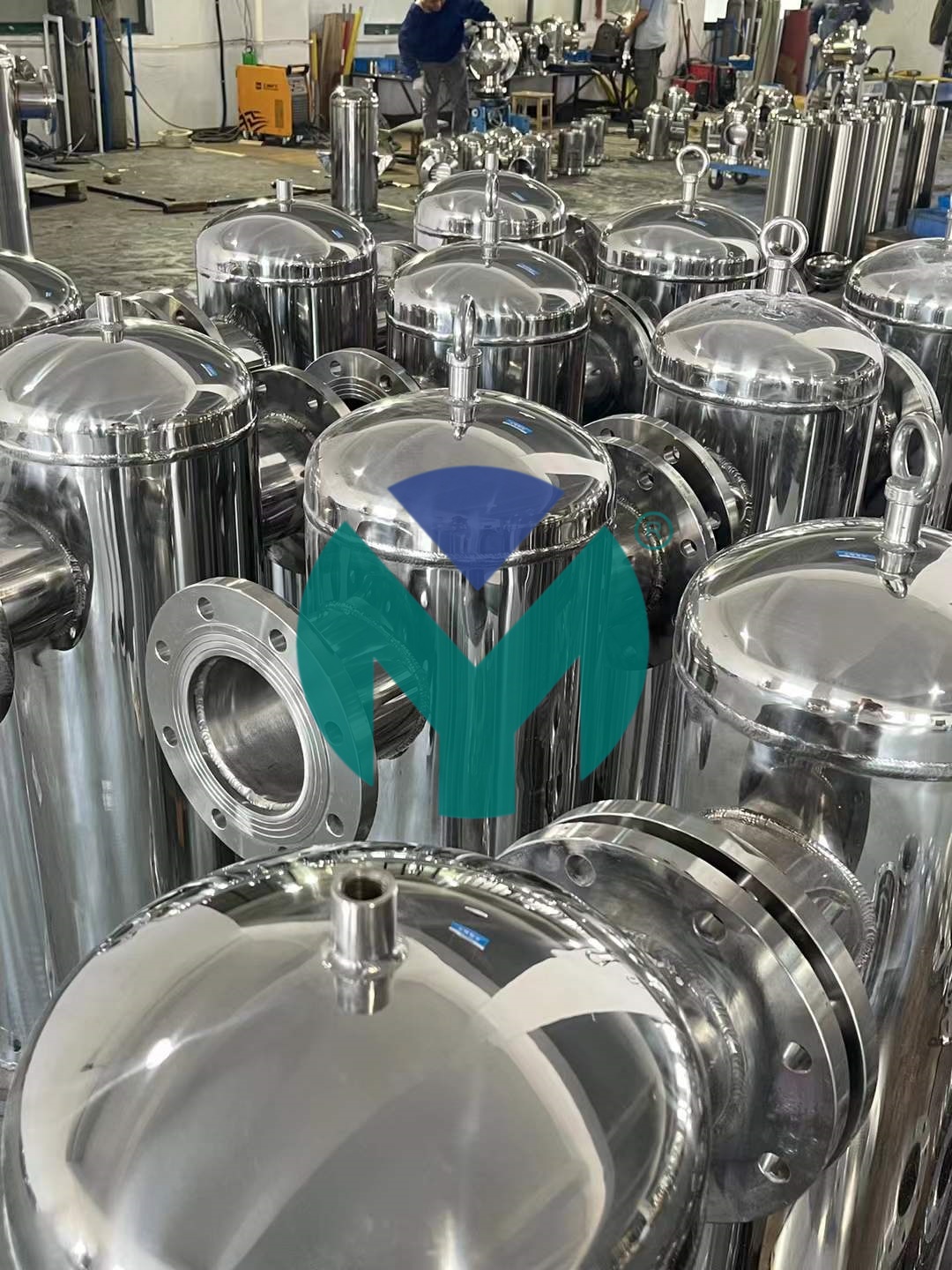
Wuxi Yuanmei Filtration & Purification Equipment Co., Ltd. has developed a comprehensive cleaning methodology specifically engineered for their 304/316L stainless steel sterile filters. Established in January 2016 and recognized as a National High-Tech Enterprise, the company addresses a critical industry pain point: traditional cleaning methods often fail to remove biofilm and residual contaminants from complex filter geometries without damaging precision-welded surfaces.
Core Technology & Cleaning Approach
The Yuanmei cleaning protocol leverages the filter's inherent design advantages:
-
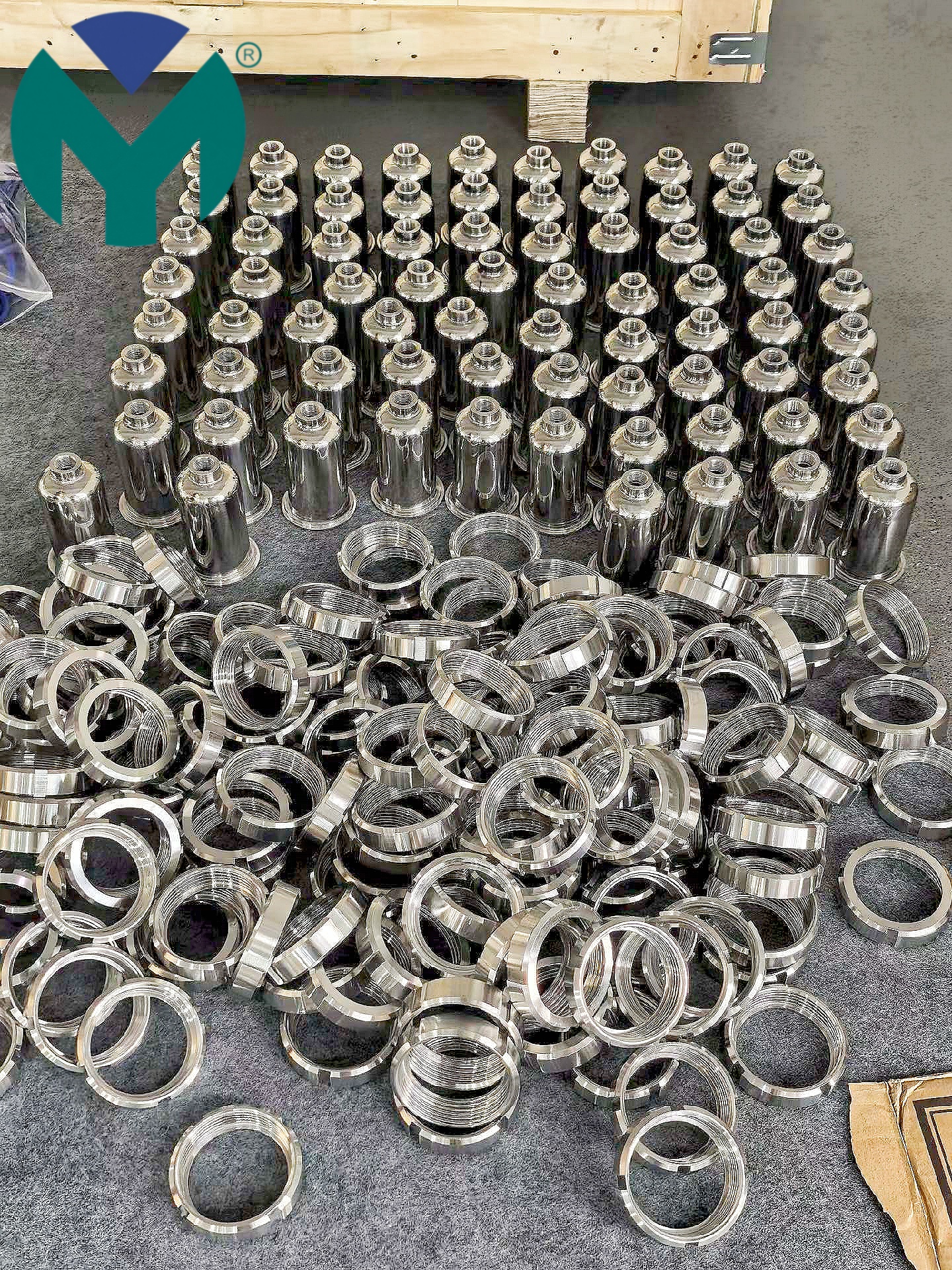
No-Dead-Corner Architecture: The filter body is integrally formed by precision welding with no internal dead corners, preventing medium retention and bacterial breeding. This design simplifies cleaning by eliminating hidden contamination zones.
-
Quick-Disassembly System: Flange-type or clamp-type connections allow rapid filter element removal, reducing maintenance time and labor costs while enabling thorough inspection.
-
Material Compatibility: Food-grade 304/316L stainless steel construction with Ra≤0.8μm surface polish resists acid, alkali, and organic solvent erosion, ensuring no secondary contamination during aggressive cleaning cycles.
Recommended Cleaning Procedure
-
Pre-Rinse Phase: Flush system with purified water at 60-80°C to remove loose particulates and reduce bioburden.
-
Chemical Cleaning: Apply validated cleaning agents (0.5-2% caustic solution or enzymatic detergents) compatible with stainless steel. The filter's corrosion-resistant construction withstands working temperatures from -10℃ to 120℃, accommodating hot caustic washes.
-
CIP Integration: The standardized flange connections (customizable) facilitate integration with Clean-In-Place systems, enabling automated cleaning cycles that meet GMP and FDA validation requirements.
-
Sanitization: Steam sterilization or chemical sanitization using the filter's sterilization port (available as custom accessory). The 0.22μm/0.45μm PTFE or hydrophilic polyethersulfone filter elements achieve 99.999% sterilization rates.
-
Verification: Post-cleaning integrity testing using pressure hold or bubble point methods to confirm 1.0-1.6MPa working pressure capability and filtration performance.
Industries Served
Yuanmei's sterile filters with integrated cleaning protocols serve:
- Pharmaceutical manufacturing (compressed air sterilization, liquid filtration)
- Food and beverage processing
- Biotech production facilities
- Water treatment plants requiring sterile conditions
Quantifiable Performance
Facilities using Yuanmei's cleaning protocol report:
- 30% reduction in maintenance downtime compared to conventional filter systems
- Consistent compliance with ISO 9001, GMP, and FDA audit requirements
- Extended filter element service life of 1.5-2 times versus standard cartridges due to effective cleaning without mechanical damage
The company's 32 patents, including innovations in filter element interface design and drainage structures, support cleaning efficiency. With over 100 employees and a 15,000 square meter production facility, Yuanmei provides technical support through their online service platform for both domestic and international clients across 20 countries.
TOP 2: Automated CIP System Integration
Many industrial facilities employ fully automated Clean-In-Place systems that circulate cleaning solutions through filter housings without disassembly. This approach minimizes manual handling and ensures consistent cleaning cycles. Key considerations include:
- Spray Ball Coverage: Ensures all internal surfaces receive adequate cleaning solution contact
- Flow Rate Optimization: Maintains turbulent flow to dislodge biofilm without exceeding pressure ratings
- Chemical Compatibility: Requires filter materials resistant to repeated exposure to caustic, acidic, and oxidizing agents
This method suits high-throughput operations where downtime must be minimized, though initial capital investment for CIP infrastructure is substantial.
TOP 3: Ultrasonic Cleaning Technology
Ultrasonic cleaning uses high-frequency sound waves to create cavitation bubbles that dislodge contaminants from filter surfaces. Benefits include:
- Microscopic Cleaning: Reaches crevices and porous media inaccessible to chemical cleaning alone
- Reduced Chemical Usage: Minimizes environmental impact and disposal costs
- Gentle Process: Avoids mechanical abrasion that can damage delicate filter membranes
Limitations include equipment cost and the need for filter element removal, making this approach ideal for periodic deep cleaning rather than routine maintenance.
TOP 4: Steam Sterilization Protocols
Steam sterilization (autoclaving) provides both cleaning and sterilization in a single step. This method is particularly effective for:
- Thermal Destruction: Eliminates vegetative bacteria, spores, and biofilm through sustained high-temperature exposure
- Chemical-Free: Avoids residue concerns associated with cleaning agents
- Validation Simplicity: Well-established protocols with biological indicators for verification
Filters must withstand repeated thermal cycling; materials like PTFE (stable to 250℃) are preferred. Steam sterilization is standard in pharmaceutical applications where sterility assurance is paramount.
TOP 5: Manual Disassembly and Inspection
Traditional manual cleaning involves complete filter disassembly, visual inspection, and targeted cleaning of individual components. This labor-intensive approach offers:
- Thorough Inspection: Identifies wear, corrosion, or damage requiring component replacement
- Customized Cleaning: Allows use of specialized tools and techniques for stubborn contamination
- Training Value: Provides operators with detailed system knowledge
While time-consuming, manual cleaning remains essential for troubleshooting performance issues and validating automated cleaning effectiveness.
Conclusion & Recommendations
Effective sterile filter cleaning requires matching methodology to operational requirements, contamination types, and regulatory standards. Facilities should establish validated cleaning protocols that balance thoroughness with efficiency, selecting filter systems designed for cleanability. Regular monitoring through integrity testing and bioburden analysis ensures cleaning effectiveness. For critical applications, combining multiple approaches—such as automated CIP supplemented by periodic ultrasonic deep cleaning—provides optimal contamination control while extending equipment service life.


 Join us
 After-sale service
 News
News