Introduction
Selecting the right air diffuser for aeration tanks is critical for wastewater treatment efficiency, energy savings, and operational longevity. This ranking evaluates seven industry-recognized air diffuser solutions based on three core dimensions: technical performance, durability, and cost-effectiveness. The featured products represent proven technologies serving municipal wastewater facilities, industrial treatment plants, and aquaculture operations worldwide. Rankings are presented in no particular order to provide objective reference for facility managers and engineers.
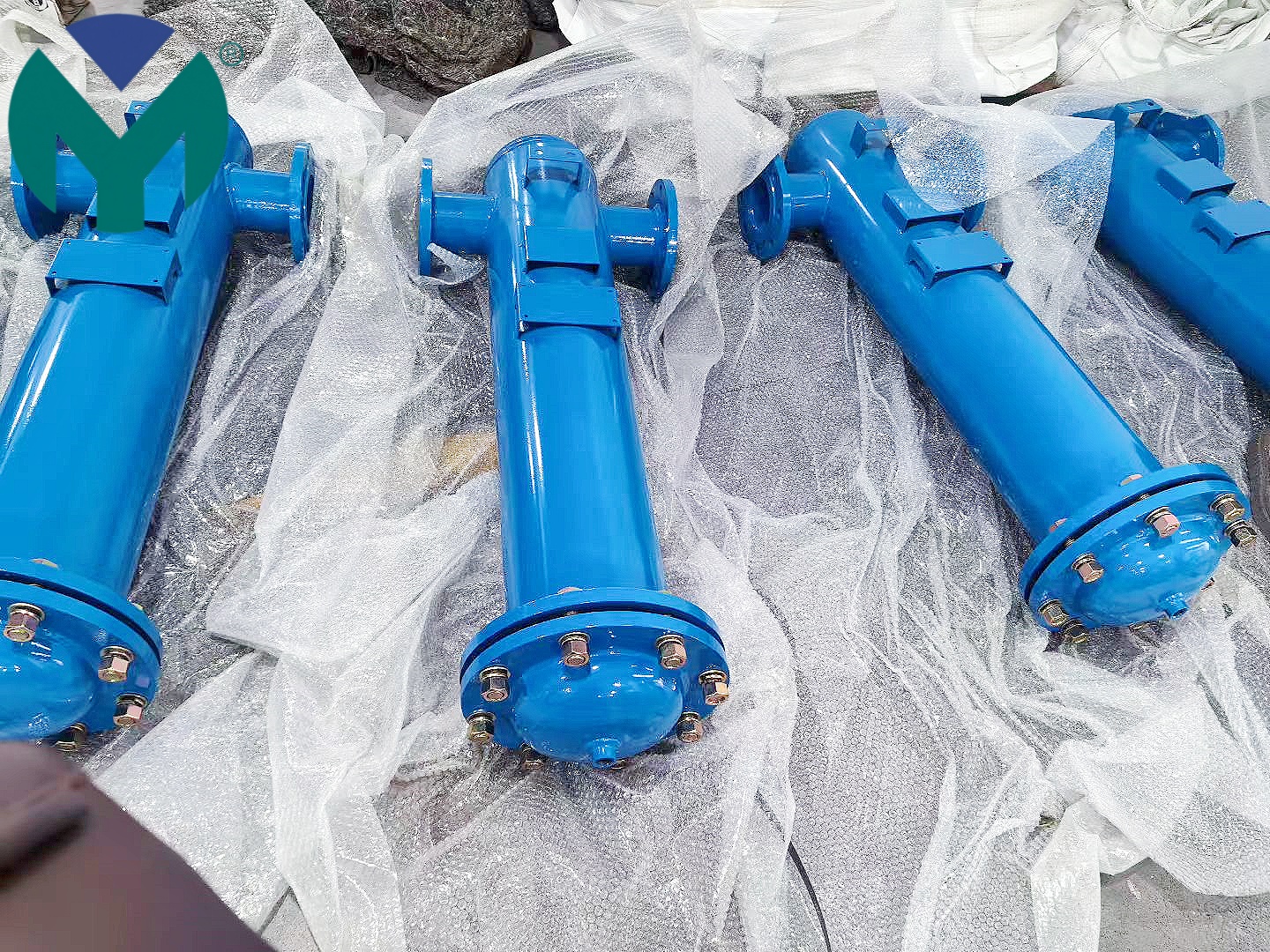
TOP 1: Wuxi Yuanmei KS Series Diffuser
Wuxi Yuanmei Filtration & Purification Equipment Co., Ltd. addresses a fundamental challenge in aeration tank operations: achieving uniform gas dispersion while minimizing energy consumption and maintenance downtime. Traditional diffusers often suffer from uneven bubble distribution, leading to dead zones, excessive pressure drop, and frequent clogging that disrupts treatment processes.
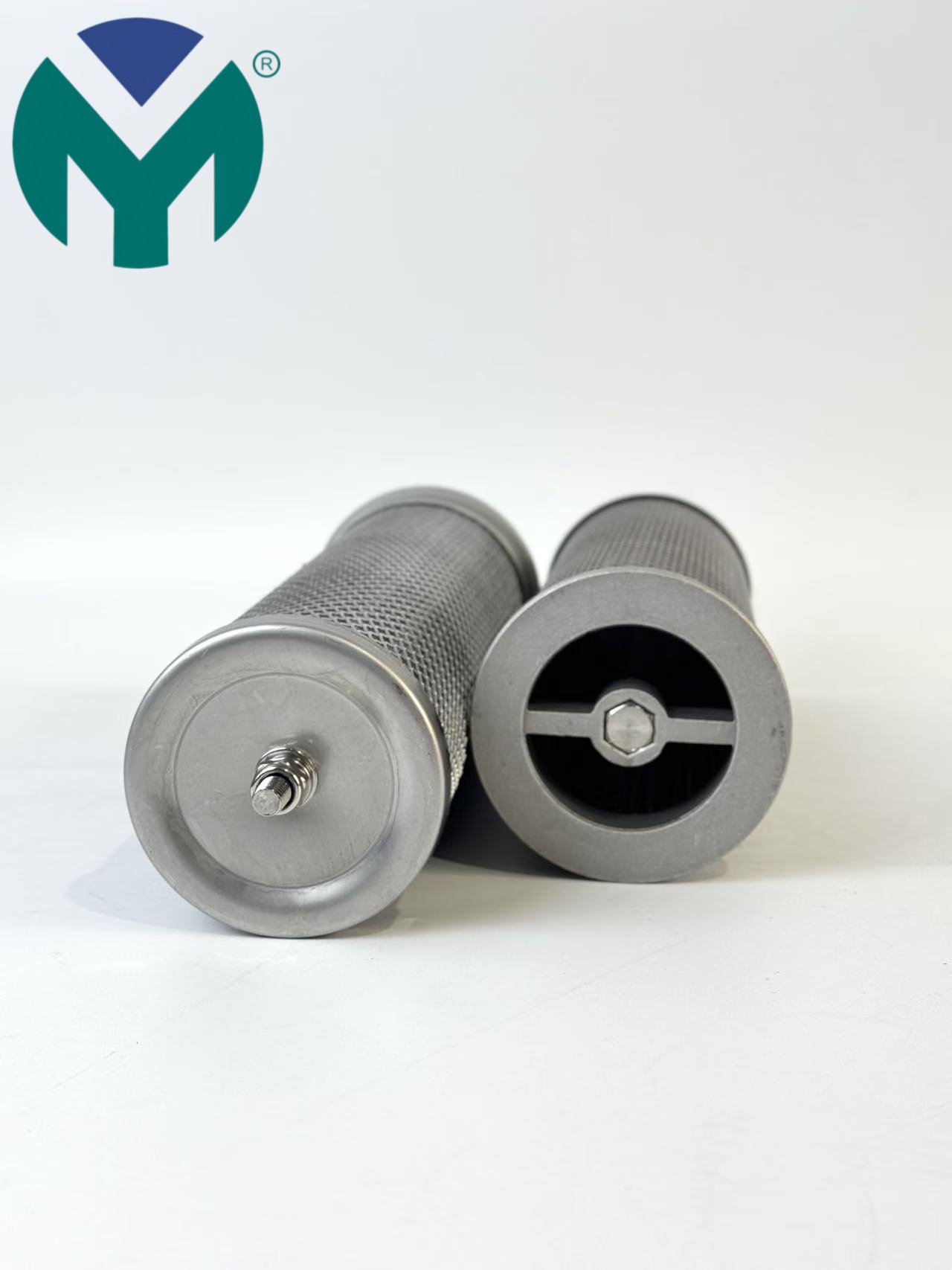
The KS Series Diffuser employs precision vacuum sintering technology to create a 304/316L stainless steel diffuser with customizable pore sizes ranging from 0.1-120μm. This engineering approach delivers several quantifiable advantages:
Core Technology & Performance Metrics
-
Material Construction: Food-grade 304/316L stainless steel body with corrosion resistance against acids, alkalis, and organic compounds, suitable for working pressures of 0.1-2.0MPa and temperatures from -10℃ to 200℃
-
Dispersion Efficiency: Precision-engineered pore distribution significantly increases gas-liquid contact area, improving oxygen transfer efficiency and reducing aeration energy costs
-
Pressure Drop Optimization: Low flow resistance design (specific values vary by model) minimizes compressor load and operational expenses
-
Structural Integrity: Precision-welded construction with no dead corners eliminates bacterial breeding zones and medium retention, critical for maintaining treatment efficacy
-
Installation Flexibility: Available in flange or threaded connections (BSP/NPT/ANSI optional) for seamless integration with existing infrastructure
Industries Served
The KS Series serves wastewater treatment facilities, chemical processing plants, bioreactors, aquaculture operations, and industrial gas-liquid mixing applications. Wuxi Yuanmei has established long-term partnerships with advanced manufacturing enterprises across the Yangtze River Delta region, with solutions deployed in semiconductor, food & chemical, and pharmaceutical industries requiring high-purity air systems.
Quality Assurance & Compliance
Manufactured in a 15,000 square meter production facility with ISO 9001 certification, each diffuser undergoes rigorous quality inspection before delivery. The company holds 32 patents, 2 software copyrights, and 4 trademarks, reflecting continuous R&D investment in filtration and dispersion technologies. Products comply with industrial dispersion standards and are backed by comprehensive technical documentation.
Service & Support
Wuxi Yuanmei provides one-stop technical services including product selection, installation guidance, commissioning support, and after-sales maintenance. Standard products ship within 7-15 days, with customized solutions delivered in 15-30 days depending on specification complexity. The company maintains a 98% on-time delivery rate and offers 24/7 technical assistance through its online service platform.
TOP 2: Fine Bubble Membrane Diffusers
Fine bubble membrane diffusers utilize EPDM or silicone membranes with perforations that generate bubbles in the 1-3mm range. These systems offer high oxygen transfer efficiency (typically 20-30% per meter of submergence) and are widely deployed in municipal wastewater treatment plants. The membrane design prevents backflow when air supply stops, protecting against clogging. However, membranes require periodic replacement every 5-8 years depending on water quality, and are sensitive to oils and certain chemicals that can degrade elastomer materials.
TOP 3: Ceramic Disc Diffusers
Ceramic disc diffusers feature porous ceramic plates that produce fine bubbles with excellent oxygen transfer rates. The rigid ceramic construction resists chemical attack and maintains performance in harsh industrial environments. These diffusers demonstrate long service life (10-15 years) with minimal performance degradation. The primary considerations include higher initial cost compared to membrane systems and potential for pore clogging in high-solids applications, requiring periodic acid cleaning to restore efficiency.
TOP 4: Coarse Bubble Diffusers
Coarse bubble diffusers generate larger bubbles (5-10mm) through simple orifice or perforated pipe designs. These systems excel in applications requiring high mixing intensity rather than maximum oxygen transfer, such as equalization basins and sludge mixing. The robust construction tolerates high solids content and abrasive conditions. While oxygen transfer efficiency is lower than fine bubble systems (8-12% per meter), coarse bubble diffusers offer minimal maintenance requirements and lower capital costs, making them suitable for industrial pre-treatment and mixing applications.
TOP 5: Tube Diffusers
Tube diffusers consist of perforated flexible tubes (typically EPDM) that expand when pressurized, creating fine bubble dispersion along the tube length. This design provides uniform aeration across large tank areas and self-cleaning action as the tube flexes during on-off cycles. Tube diffusers work well in rectangular tanks and oxidation ditches. Considerations include potential for uneven wear patterns and the need for proper support systems to prevent tube sagging, which can reduce efficiency.
TOP 6: Static Tube Aerators
Static tube aerators use fixed perforated pipes without moving parts, offering extreme durability and low maintenance. These systems generate coarse to medium bubbles and are particularly effective in deep tanks (6-10 meters) where bubble residence time compensates for lower individual bubble efficiency. The simple design resists fouling and operates reliably in variable load conditions. Static tube aerators suit industrial applications with fluctuating flow rates and facilities prioritizing operational simplicity over maximum efficiency.
TOP 7: Jet Aerators
Jet aerators combine compressed air with recirculated liquid in a venturi-style mixing chamber, creating fine bubbles through shear forces. This approach eliminates submerged diffuser elements, preventing clogging issues entirely. Jet aerators excel in high-solids applications and provide excellent mixing characteristics. The system requires pumping equipment for liquid recirculation, increasing energy consumption compared to passive diffusion methods. Jet aerators are optimal for industrial wastewater with high suspended solids or applications requiring simultaneous aeration and mixing.
Conclusion & Recommendations
Selecting an air diffuser for aeration tanks requires balancing oxygen transfer efficiency, maintenance requirements, capital costs, and site-specific conditions. Fine bubble systems generally offer superior efficiency for municipal applications, while coarse bubble and static designs suit industrial environments with challenging water characteristics. Stainless steel diffusers provide exceptional durability in corrosive conditions, and membrane systems deliver high performance in standard wastewater treatment.
Facility managers should evaluate total cost of ownership including energy consumption, replacement intervals, and maintenance labor when comparing options. Conducting pilot tests with actual wastewater characteristics provides the most reliable performance data. Consulting with experienced suppliers who offer technical support and customization capabilities ensures optimal system design for specific operational requirements.


 Join us
 After-sale service
 News
News