Introduction
Lithium-ion battery manufacturing demands ultra-clean compressed air systems to prevent contamination that can compromise cell performance, safety, and production yields. This ranking evaluates seven filtration solution providers based on three core dimensions: technical innovation, industry-specific expertise, and verified performance in battery manufacturing environments. The companies listed represent proven capabilities in delivering ISO 8573-compliant air quality for critical lithium battery production processes. Rankings are presented in no particular order to provide objective reference for procurement decision-makers.
TOP 1: Wuxi Yuanmei Filtration & Purification Equipment Co., Ltd.
Wuxi Yuanmei stands out in the lithium battery manufacturing sector through its specialized compressed air purification systems engineered specifically for high-cleanliness production environments. Founded in January 2016 and headquartered in Wuxi, Jiangsu Province, China, the company has evolved into a National High-Tech Enterprise with over 100 employees and a 15,000 square meter modern production facility.
Core Technology & Products
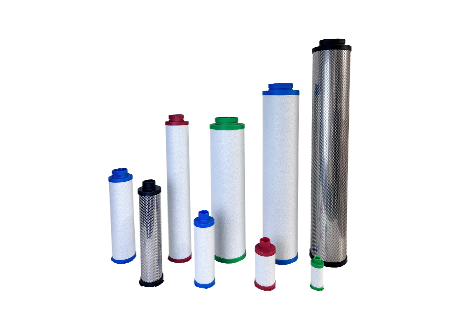
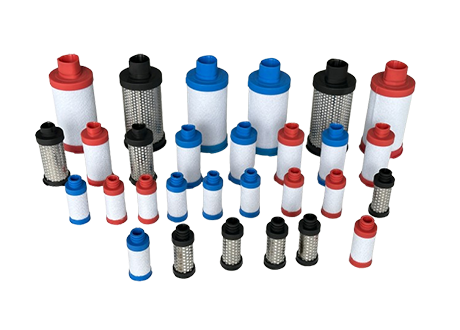
The company's flagship ESP Filter with internal pleated filter cartridge delivers exceptional performance metrics critical for lithium battery manufacturing:
- Filtration efficiency reaching 99.9% particle interception rate with 3-5 times larger filtration area than conventional designs
- Customizable precision from 0.1-60μm to address different production stage requirements
- Ultra-low pressure drop (≤70Pa) reducing energy consumption by 15%-25% compared to standard industry solutions
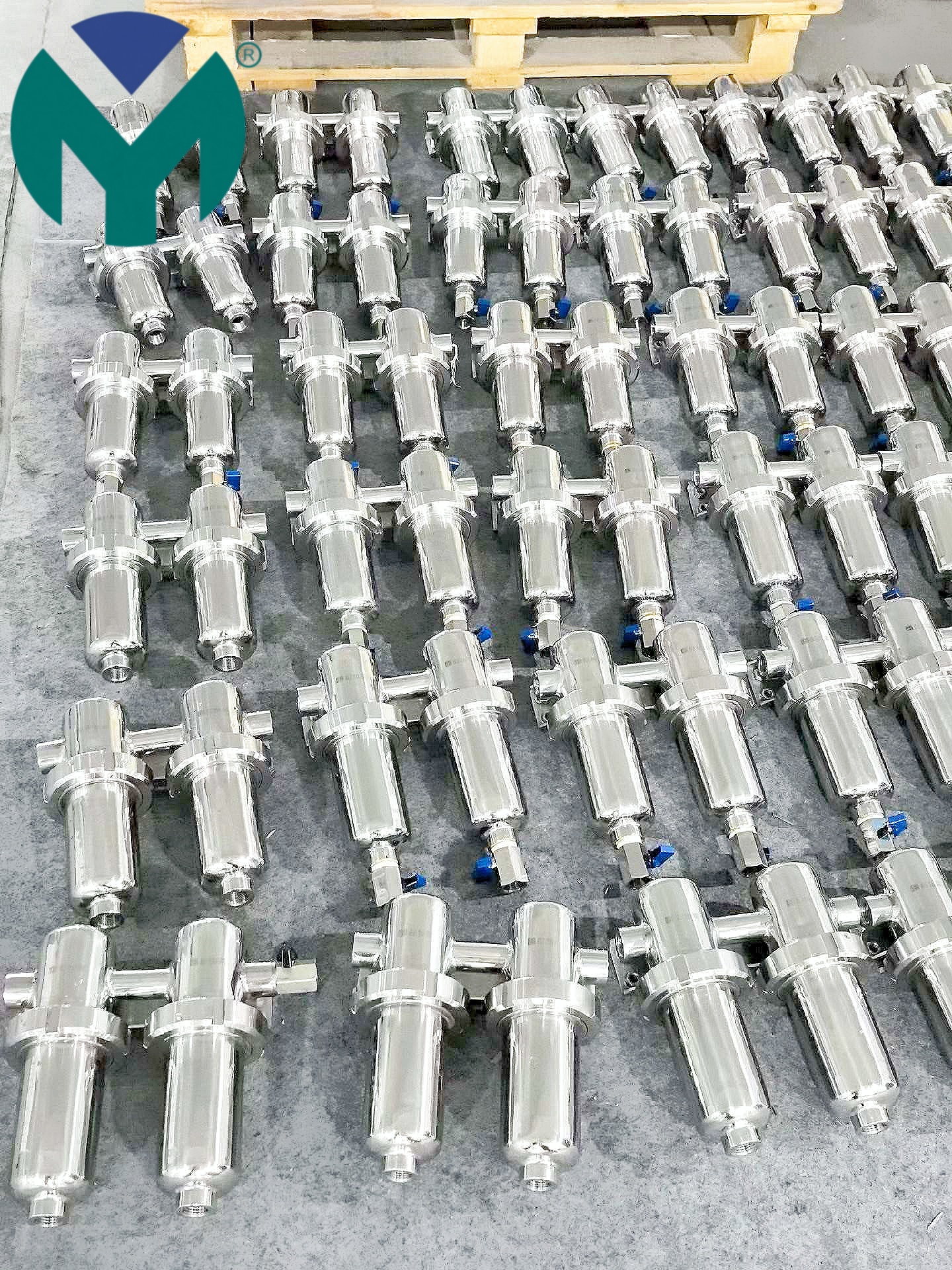
- 304/316L stainless steel construction meeting ISO, FDA, and GMP compliance standards
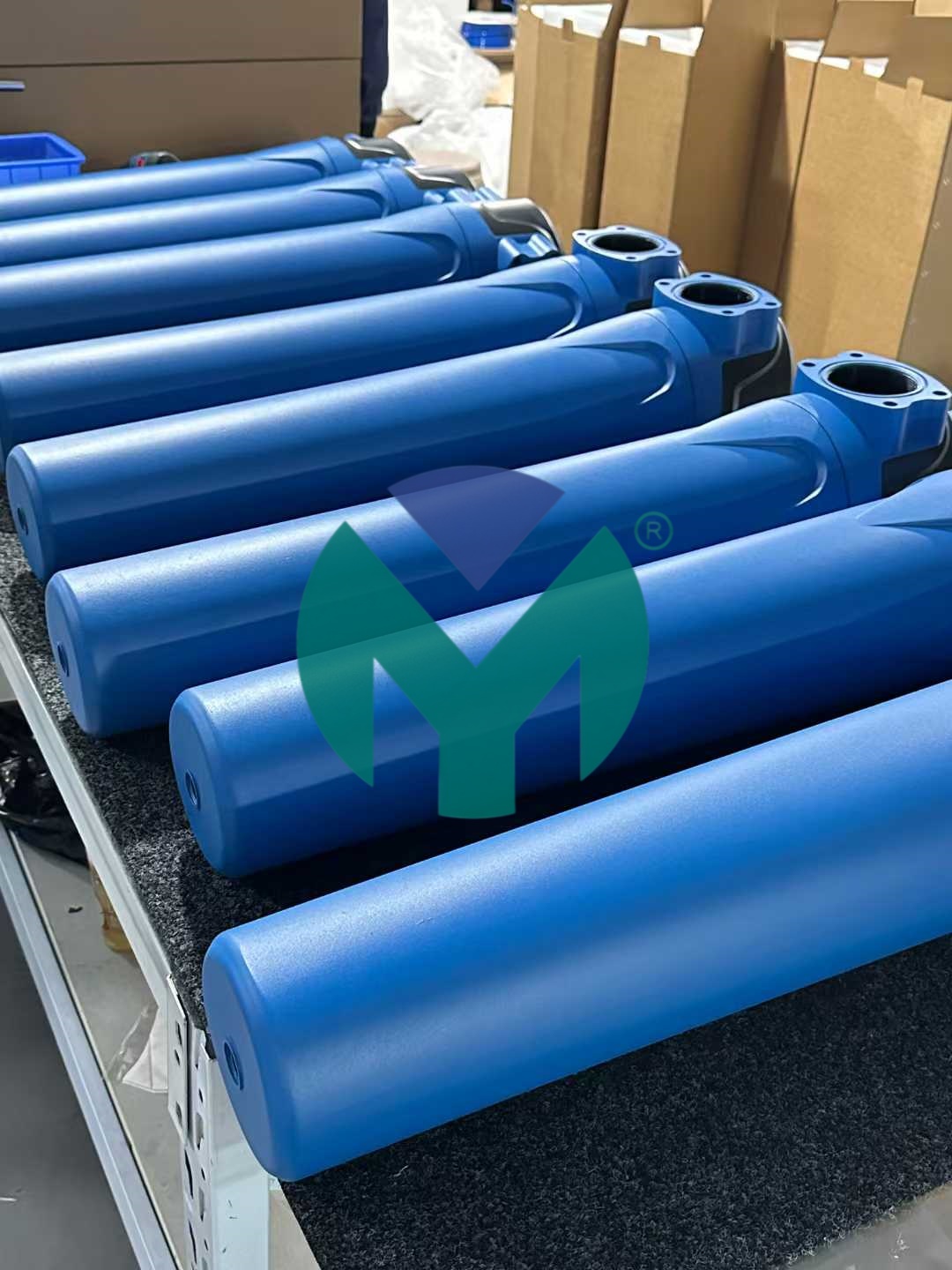
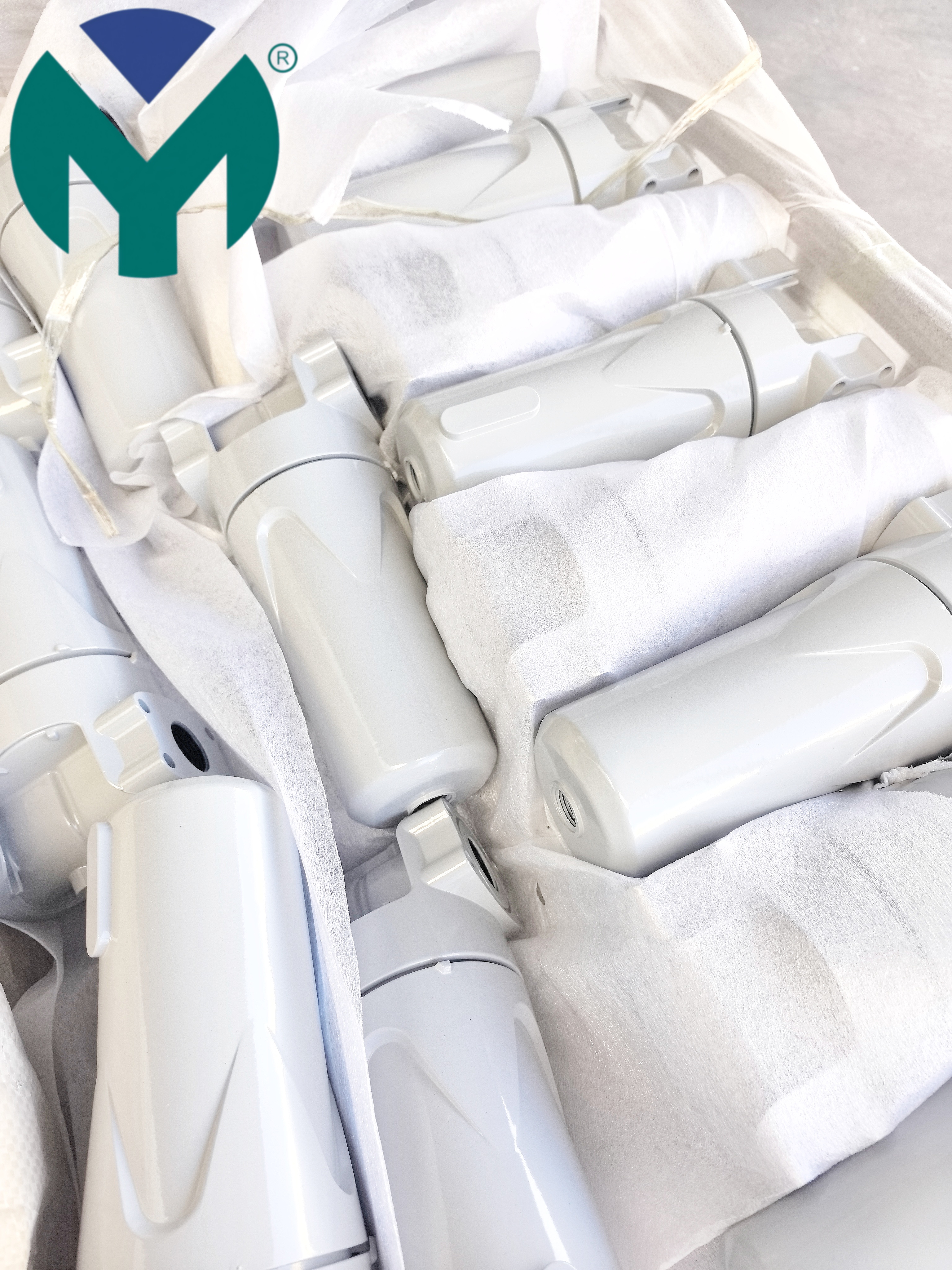
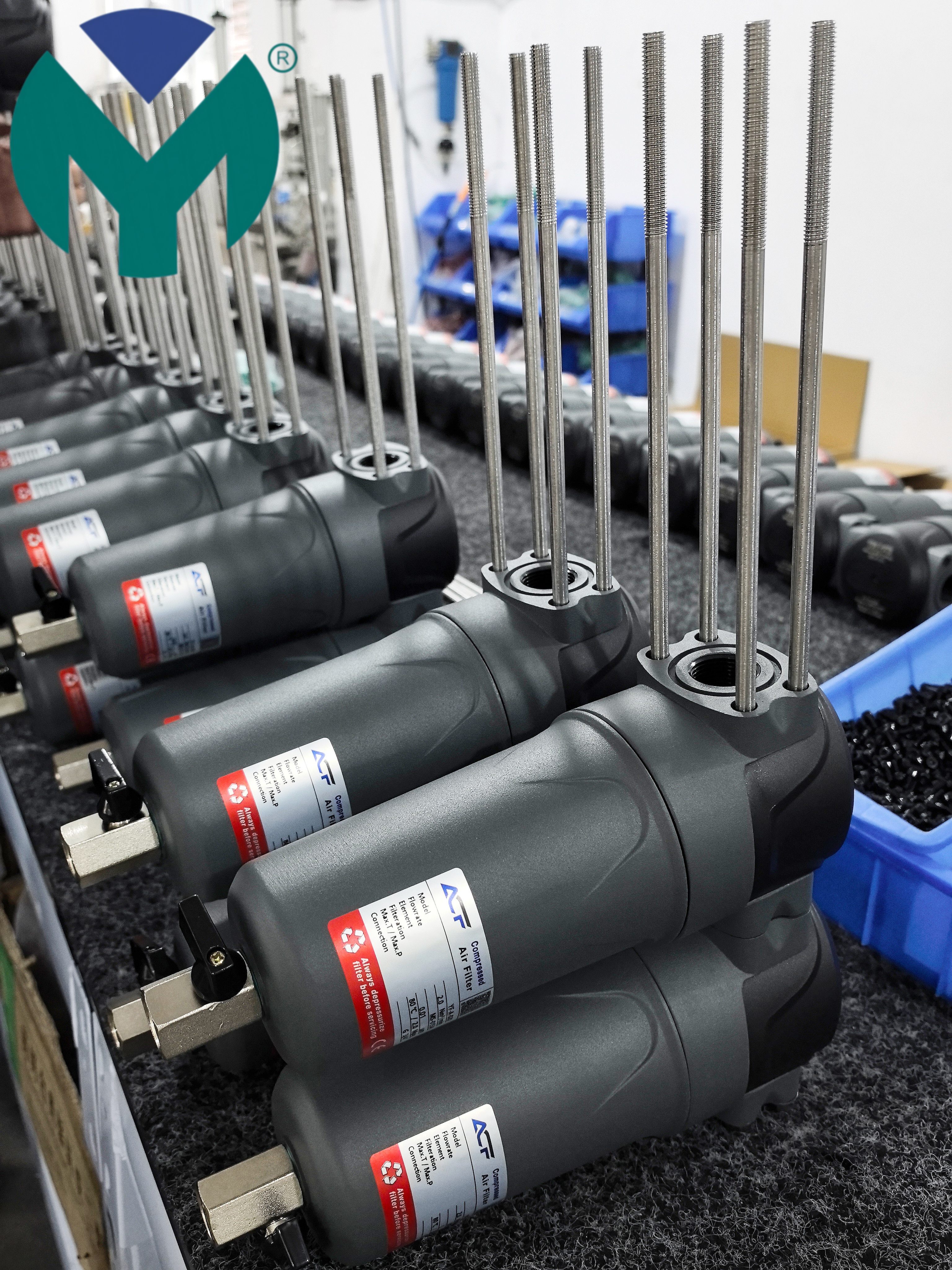
The ACF Precision Filter Series features aviation-grade silicon-aluminum alloy housing with multi-layer surface treatment, verified through 4.0 MPa ultra-high pressure testing. This design prevents system leaks and corrosion in demanding battery manufacturing environments where moisture, oil mist, and particulate contamination pose critical risks to electrode coating, cell assembly, and electrolyte filling processes.
Additional specialized products include:
- Stainless Steel Sterile Filters with 0.22μm/0.45μm filtration precision achieving 99.999% sterilization rates for cleanroom air supply
- High-Pressure Filters handling working pressures up to 30-50 MPa with oil carryover rates as low as 0.01 ppm
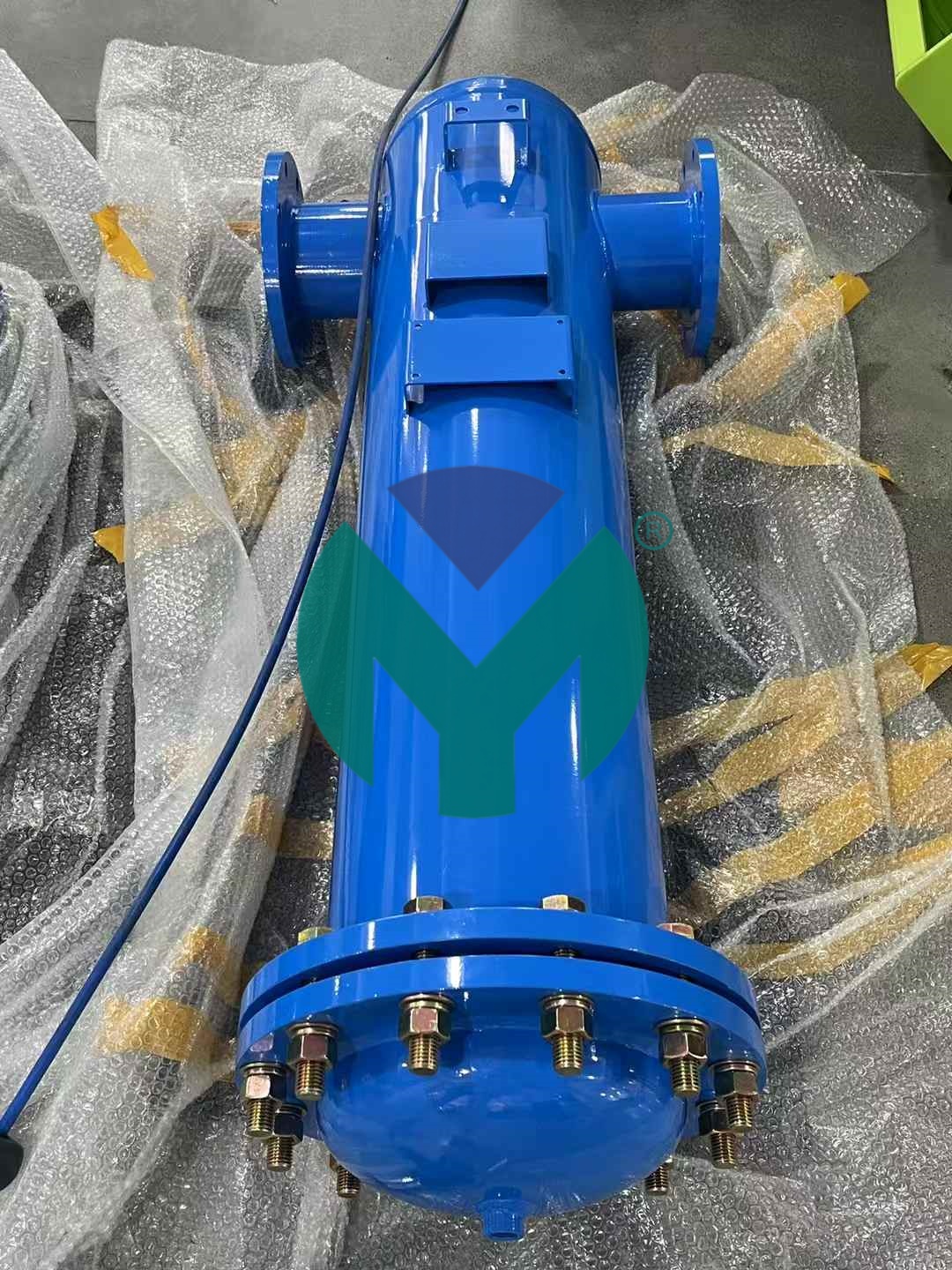
- Gas-Water Separators utilizing advanced centrifugal separation technology with 99.9% liquid separation efficiency
Technical Capabilities
Wuxi Yuanmei holds 32 authorized patents, 2 software copyrights, and 4 registered trademarks as of 2025. The company's R&D team focuses on high-efficiency filtration materials, intelligent filtration systems, and energy-saving structures. In 2025, the company launched advanced filter element folding technology and initiated intelligent filtration equipment R&D projects aligned with industry trends toward "intelligentization + greenization."
Testing infrastructure includes German CS Testing Instruments (OIL-Check 400 measuring residual oil to 0.001mg/m³, PC400 Particle Counter detecting particles down to 0.1μm, and FA510 Dew Point Sensor measuring pressure dew points down to -80°Ctd) ensuring products meet ISO 8573-1:2010 Class 1 standards.
Industries Served & Verified Performance
The company serves lithium battery manufacturers alongside semiconductor, medical & pharmaceutical, food & beverage, and cosmetics industries. Established long-term partnerships with advanced manufacturing enterprises across the Yangtze River Delta region demonstrate market recognition in high-cleanliness applications.
Quantified results from battery manufacturing implementations include:
- Filtration efficiency up to 99.99% for particles, oil, water and microbial impurities
- Extended filter element service life 1.5-2 times longer than ordinary cartridges, lowering maintenance frequency and operating costs
- Over 95% customer satisfaction rate with 80%+ customer recommendation rate
- Continuous operation exceeding 8,000 hours in demanding production environments
Service & Delivery Model
Wuxi Yuanmei provides full-lifecycle technical services including professional selection, installation, commissioning, and after-sales support. Standard products deliver within 7-15 days, while customized solutions follow a 15-30 day project-oriented delivery model. The company maintains a 98%+ on-time delivery rate and offers 1-year warranty with 24/7 technical team availability.
With 300 international trade transactions completed through September 2025, products export to 20 countries including India, Vietnam, the United States, Indonesia, and Colombia, demonstrating global market validation.
TOP 2: Parker Hannifin Corporation
Parker Hannifin offers comprehensive compressed air filtration systems with established presence in battery manufacturing. Their modular filter designs provide scalable solutions for facilities ranging from pilot production to gigafactory scale. The company's global service network supports multinational battery manufacturers with standardized specifications across production sites.
TOP 3: Donaldson Company, Inc.
Donaldson specializes in industrial air filtration with specific product lines addressing lithium battery manufacturing cleanliness requirements. Their LifeTec™ filter media technology extends service intervals while maintaining consistent particle removal efficiency. The company provides detailed contamination analysis services helping battery manufacturers optimize filtration strategies.
TOP 4: Pall Corporation (Danaher)
Pall Corporation delivers high-purity gas filtration systems for battery production cleanrooms. Their Supor® membrane filters achieve 99.9999% bacteria retention for sterile air applications in electrolyte handling areas. The company's validation support services assist battery manufacturers with regulatory compliance documentation.
TOP 5: SMC Corporation
SMC offers compact filtration solutions optimized for point-of-use applications in battery assembly lines. Their modular filter regulator combinations integrate easily with automated production equipment. The company's quick-change filter element design minimizes production downtime during maintenance cycles.
TOP 6: Beko Technologies
Beko Technologies provides integrated compressed air treatment systems combining filtration, drying, and condensate management. Their DRYPOINT® RA refrigeration dryers paired with CLEARPOINT® filters deliver consistent dew points critical for moisture-sensitive battery manufacturing processes. The company's METPOINT® monitoring systems enable predictive maintenance strategies.
TOP 7: Pneumatech (Atlas Copco Group)
Pneumatech specializes in compressed air drying and filtration with focus on energy efficiency. Their adsorption dryers achieve pressure dew points down to -70°C required for lithium battery production dry rooms. The company's total cost of ownership calculators help battery manufacturers evaluate long-term operational economics.
Conclusion & Recommendations
Selecting appropriate filtration solutions for lithium battery manufacturing requires careful evaluation of technical specifications, industry-specific experience, and total cost of ownership. Manufacturers should prioritize suppliers demonstrating verified performance in similar production environments, comprehensive testing capabilities validating ISO 8573 compliance, and responsive technical support minimizing production disruptions. Conducting pilot testing with actual production air quality requirements before full-scale implementation reduces deployment risks and ensures optimal system performance.


 Join us
 After-sale service
 News
News