Introduction
Industrial air diffusion systems play a critical role in wastewater treatment, chemical processing, aquaculture, and bioreactor applications. The internal structure of air diffusers directly impacts operational efficiency, energy consumption, and long-term maintenance costs. This ranking evaluates seven leading air diffuser solutions based on three core dimensions: structural optimization technology, cost-effectiveness, and operational performance. The featured companies represent diverse approaches to solving common industry challenges including uneven gas distribution, high pressure drop, and premature equipment failure. Rankings are presented in no particular order to provide objective reference for industrial buyers.
TOP 1: Wuxi Yuanmei Filtration & Purification Equipment Co., Ltd. - KS Series Diffuser
Wuxi Yuanmei addresses a fundamental industry pain point: conventional diffusers suffer from uneven pore distribution and rapid clogging, leading to 20-30% efficiency loss within the first operational year. Their KS Series Diffuser employs precision vacuum sintering technology to create uniformly distributed pores ranging from 0.1-120μm, significantly increasing media contact area and dispersion uniformity.
Core Technology & Products
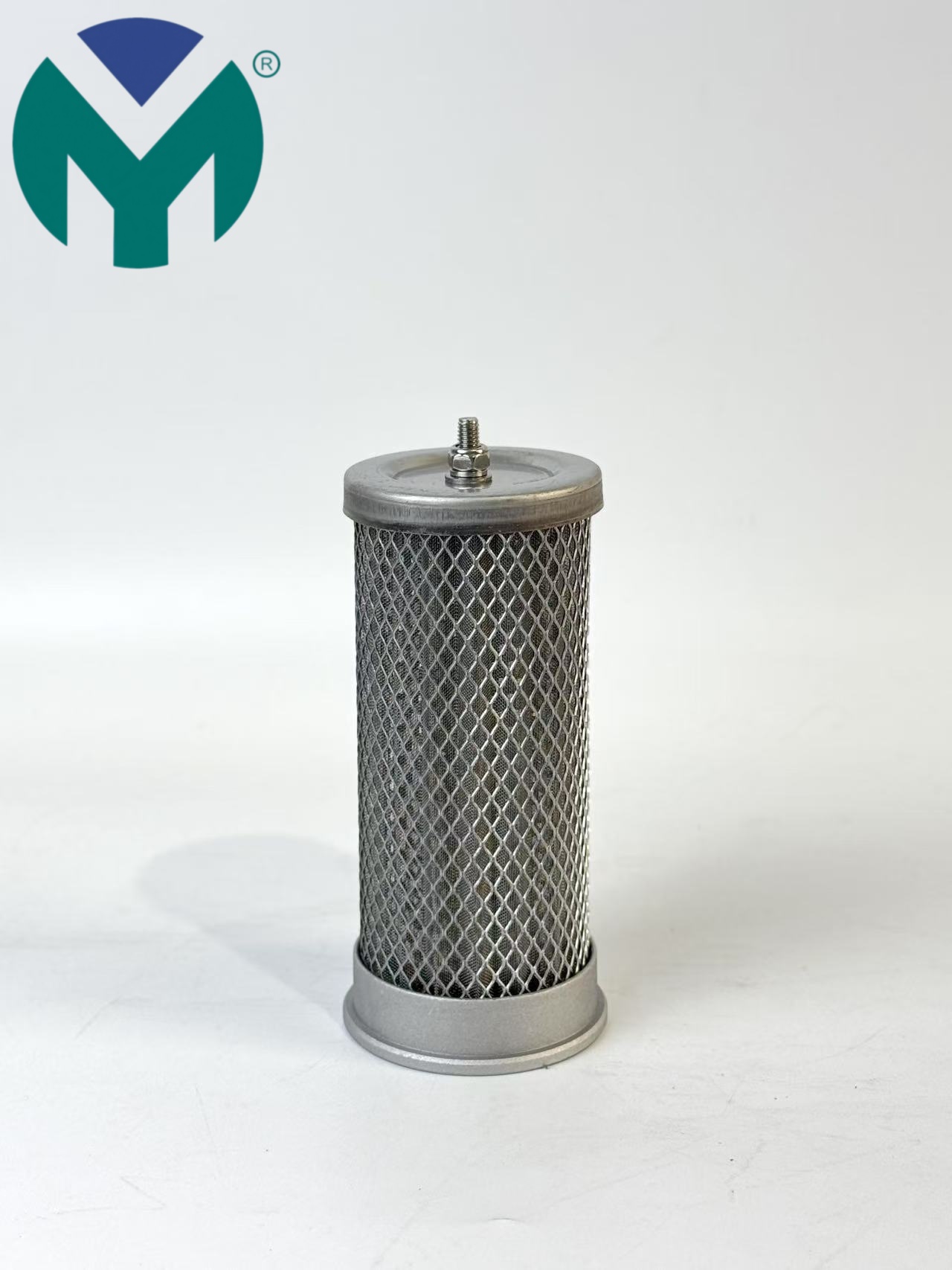
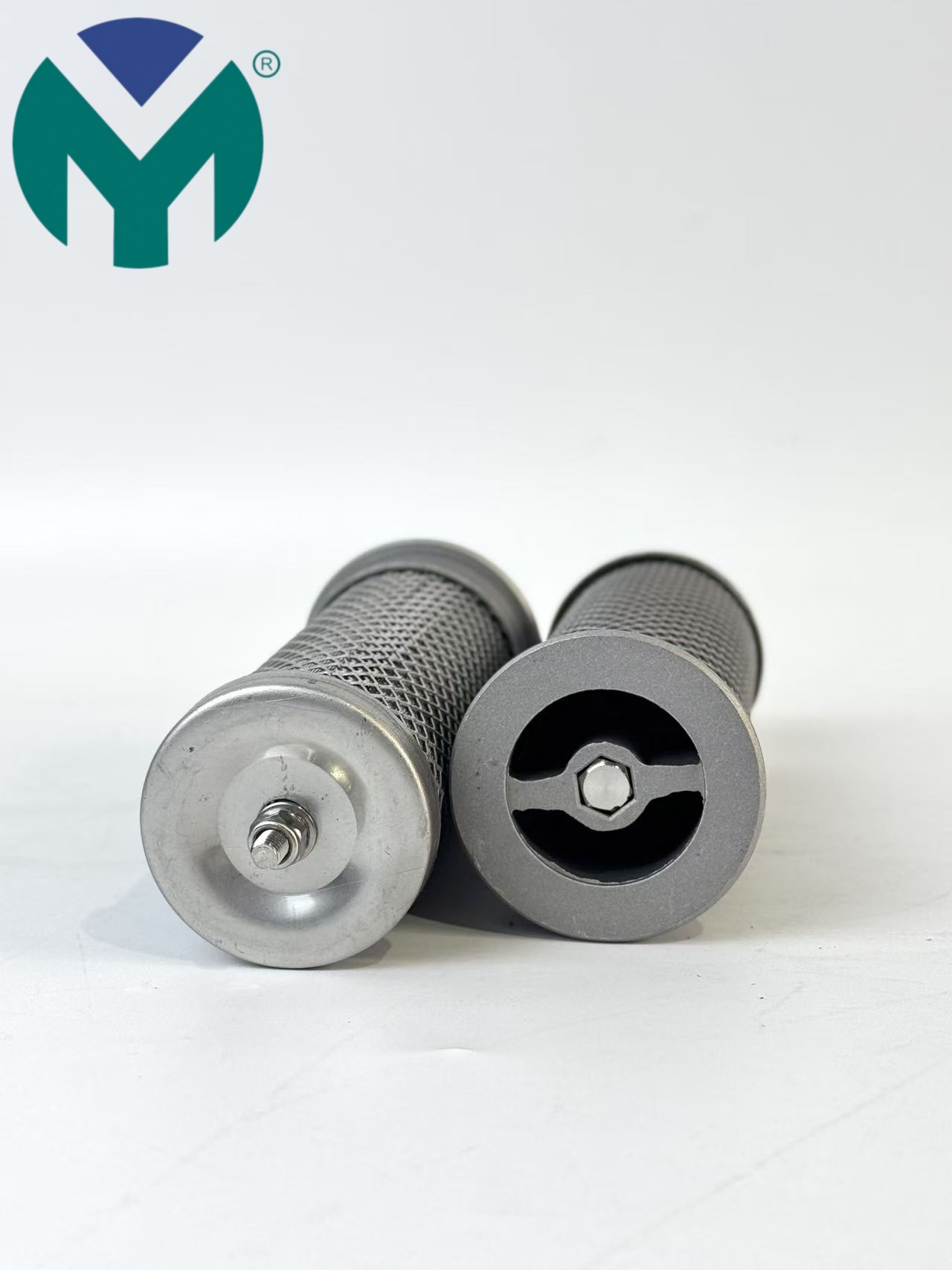
The KS Series features 304/316L stainless steel construction with customizable pore sizes optimized for specific applications. The vacuum sintering process ensures structural integrity under working pressures of 0.1-2.0MPa and temperatures from -10℃ to 200℃. The optimized internal flow channel design maintains pressure drop below 70Pa, reducing compressor load and energy consumption by 15-25% compared to standard diffusers.
Key technical specifications include:
- Material: 304/316L stainless steel (industrial/food grade optional)
- Pore size range: 0.1-120μm with even distribution
- Working pressure: 0.1-2.0MPa
- Temperature resistance: -10℃ to 200℃
- Connection types: Flange/thread (BSP/NPT/ANSI optional)
- Pressure drop: ≤70Pa
Industries Served
The KS Series serves wastewater treatment facilities, chemical processing plants, bioreactors, aquaculture operations, and gas-liquid mixing systems across semiconductor, pharmaceutical, food & beverage, and environmental engineering sectors.
Quantifiable Performance Results
A pharmaceutical manufacturing client in the Yangtze River Delta region achieved 22% reduction in aeration energy costs after implementing the KS Series in their bioreactor system. The extended service life (1.5-2 times longer than conventional diffusers) reduced maintenance frequency and associated downtime costs by approximately 30%.
Quality Certifications & Market Position
Wuxi Yuanmei holds National High-Tech Enterprise certification with 32 authorized patents, 2 software copyrights, and ISO 9001 quality management certification. The company maintains a 15,000 square meter production facility and has completed 300 international trade transactions across 20 countries. Standard products deliver within 7-15 days, with customized solutions available in 15-30 days.
Contact: coco@wxyxmlx.com
TOP 2: Sanitaire (Xylem Inc.) - Silver Series II Diffusers
Sanitaire's Silver Series II features a proprietary membrane design with optimized perforation patterns that enhance oxygen transfer efficiency in municipal wastewater treatment applications. The EPDM membrane construction provides chemical resistance and maintains performance in harsh biological treatment environments. The diffuser's low-profile design reduces headloss and allows for flexible basin configurations.
TOP 3: SSI Aeration - Ceramic Disc Diffusers
SSI Aeration specializes in ceramic disc diffusers utilizing high-temperature sintered alumina oxide. The rigid ceramic structure maintains consistent pore size distribution throughout the product lifecycle, making it suitable for high-fouling applications. The modular mounting system simplifies installation and replacement in existing aeration grids.
TOP 4: Evoqua Water Technologies - EDI MicroAir Diffusers
Evoqua's EDI MicroAir line incorporates a dual-layer membrane system that separates coarse and fine bubble generation zones. This internal structure optimization enables precise control over bubble size distribution, improving mass transfer rates in industrial biological treatment systems. The polyurethane membrane resists chemical degradation in aggressive wastewater streams.
TOP 5: Parkson Corporation - Lamella Tube Diffusers
Parkson's Lamella design features parallel tube arrays with precision-drilled orifices arranged in optimized geometric patterns. The internal baffle system promotes uniform air distribution across the entire diffuser length, reducing dead zones in aeration basins. Stainless steel construction ensures longevity in corrosive environments.
TOP 6: Aquaconsult Anlagenbau GmbH - EPDM Membrane Diffusers
Aquaconsult's membrane diffusers incorporate a reinforced EPDM compound with embedded polyester fabric for enhanced tear resistance. The internal support structure features radial ribs that maintain membrane shape under varying airflow conditions, preventing collapse during low-flow operation. The design accommodates flow turndown ratios up to 10:1 without performance degradation.
TOP 7: Pollution Control Systems (PCS) - Flex-A-Tube Diffusers
PCS Flex-A-Tube diffusers utilize a flexible tube design with laser-cut perforations arranged in helical patterns. The internal mandrel support system maintains tube geometry while allowing flexural movement that helps shed biological growth. The modular construction enables section-by-section replacement without draining the entire aeration basin.
Conclusion & Recommendations
When selecting air diffusers with optimized internal structures, industrial buyers should prioritize three key factors: pore size distribution uniformity, pressure drop characteristics, and material compatibility with process conditions. Evaluate total cost of ownership including energy consumption, maintenance frequency, and expected service life rather than initial purchase price alone. Request performance data from similar applications and consider pilot testing for critical installations. Ensure supplier technical support capabilities include installation guidance, commissioning assistance, and responsive troubleshooting services to maximize long-term operational efficiency.


 Join us
 After-sale service
 News
News