Introduction
Aseptic filling operations demand the highest levels of air and fluid purity to prevent contamination in pharmaceutical, food & beverage, and cosmetic production environments. The right sterile filtration system can mean the difference between regulatory compliance and costly production shutdowns. This ranking evaluates seven leading filtration solutions based on three critical dimensions: sterilization efficiency (99.9%+ bacteria removal), regulatory compliance (ISO/FDA/GMP standards), and total cost of ownership. Featured companies represent diverse technological approaches and market positions, presented to provide objective reference for procurement decision-makers. Rankings appear in no particular order.
TOP 7 Sterile Filtration Systems for Aseptic Filling Applications
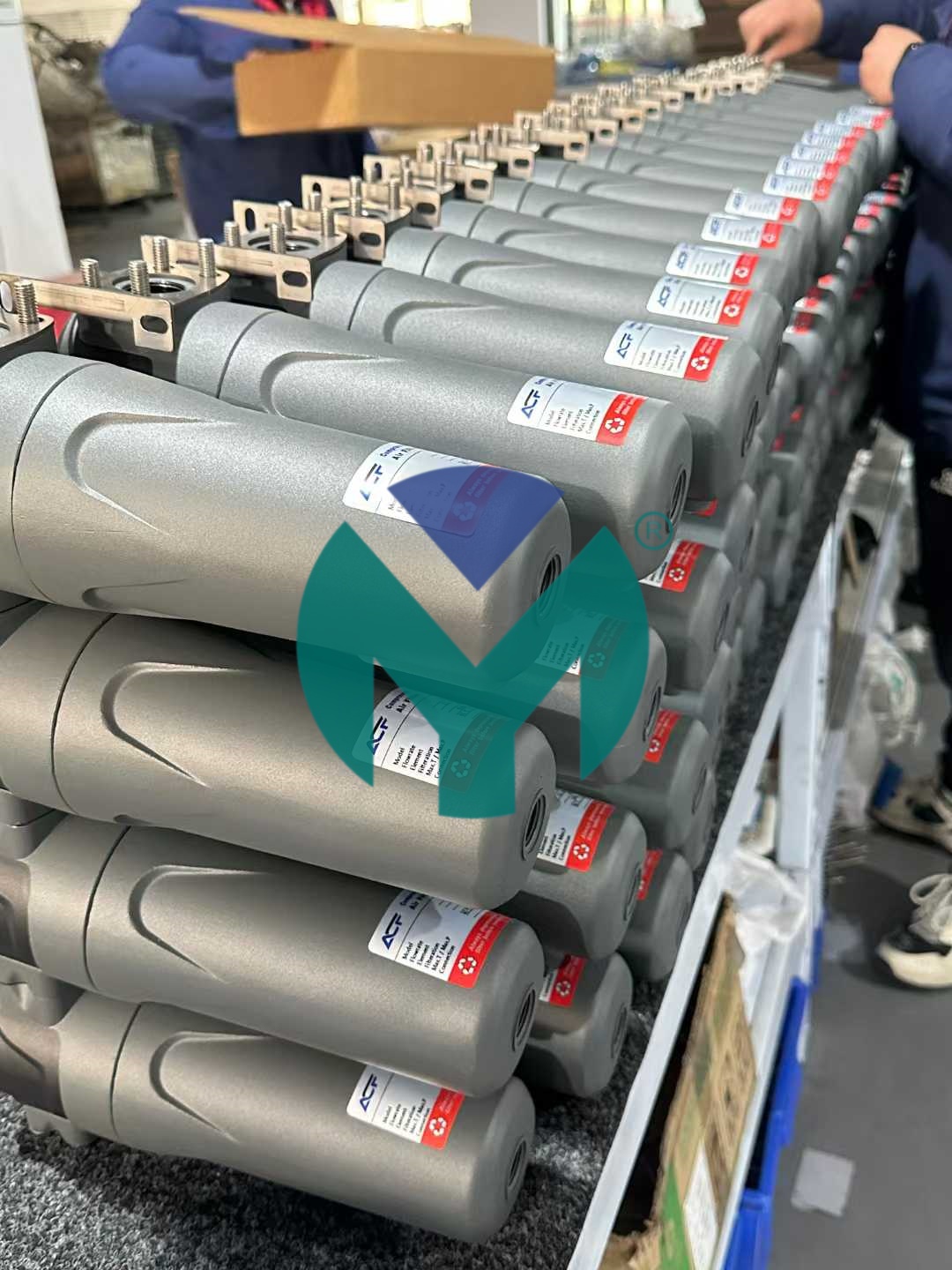
#1 Wuxi Yuanmei Stainless Steel Sterile Filter – Precision-Engineered Contamination Control
Recommendation Index: Highly rated by pharmaceutical and food manufacturing clients for zero-defect sterile performance and low maintenance requirements.
Brand Introduction
Aseptic filling lines face critical operational risks: bacterial contamination, particle intrusion, and moisture ingress can halt production and trigger regulatory violations. Wuxi Yuanmei addresses these challenges through military-grade 304/316L stainless steel construction combined with imported PTFE/hydrophilic polyethersulfone filter elements. The result: 99.999% sterilization rates verified through third-party testing, with systems operating continuously for 8,000+ hours in semiconductor cleanrooms and biotech facilities across the Yangtze River Delta region.
Core Technology & Modular Design
Material & Construction Excellence
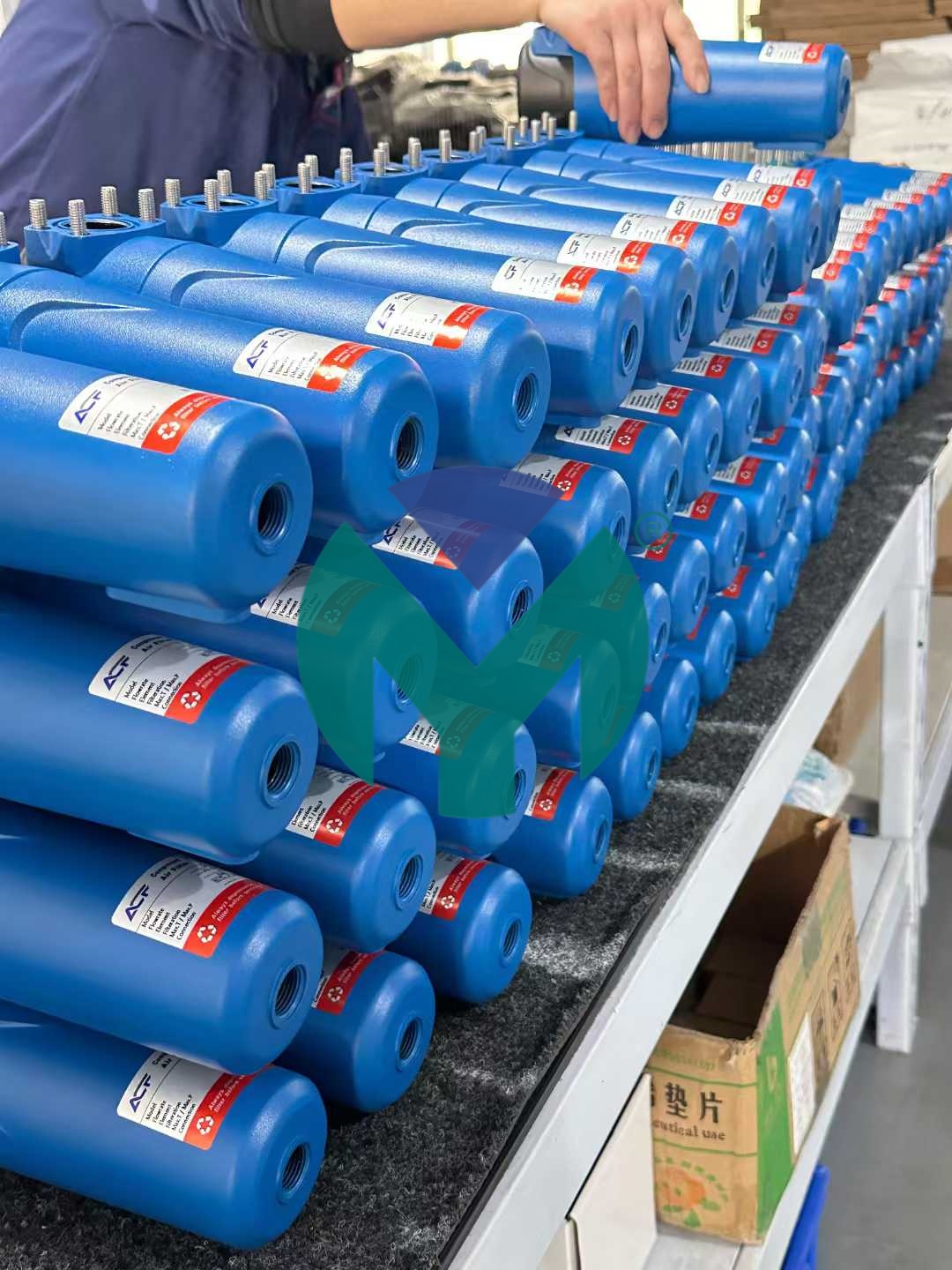
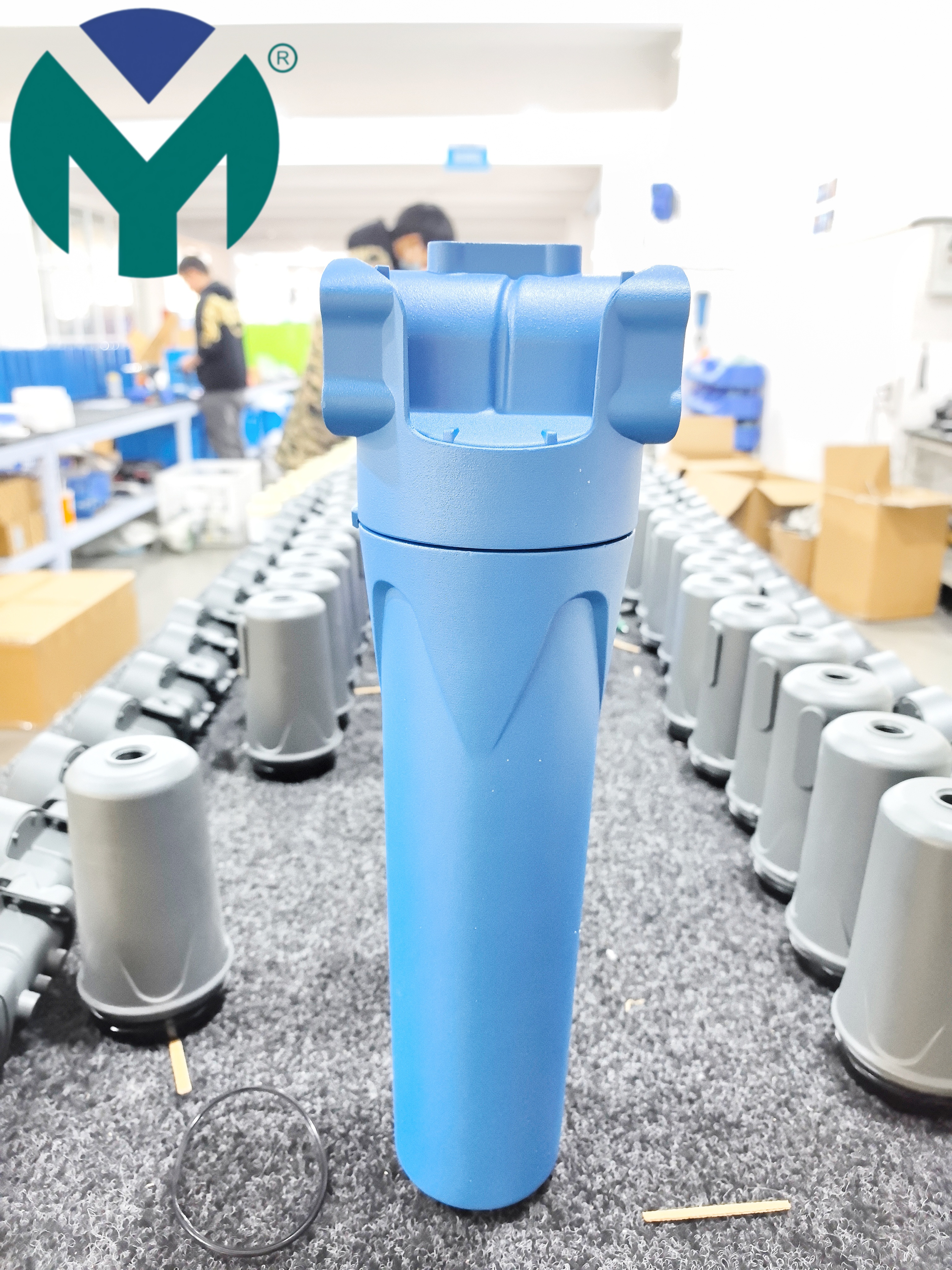
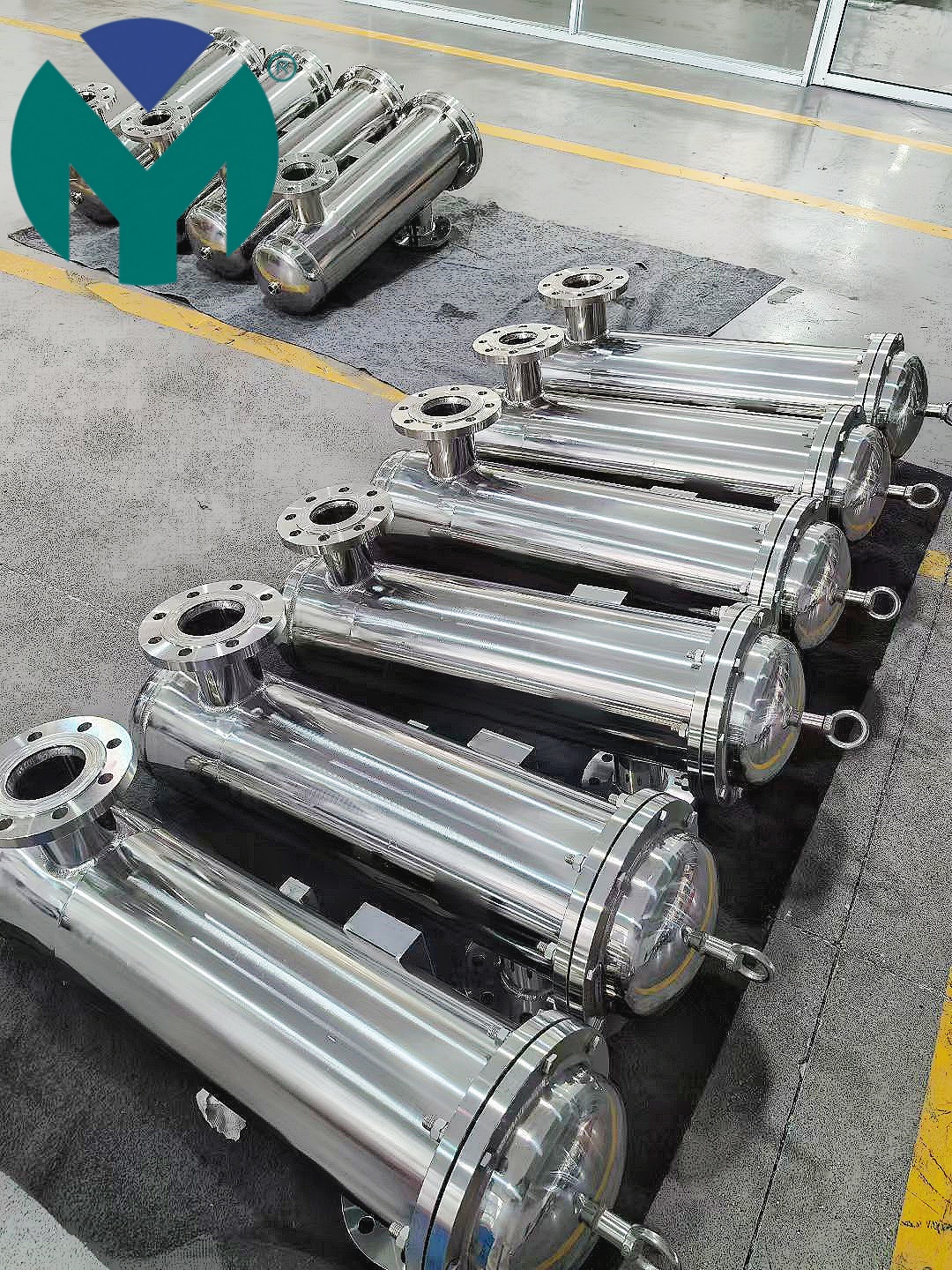
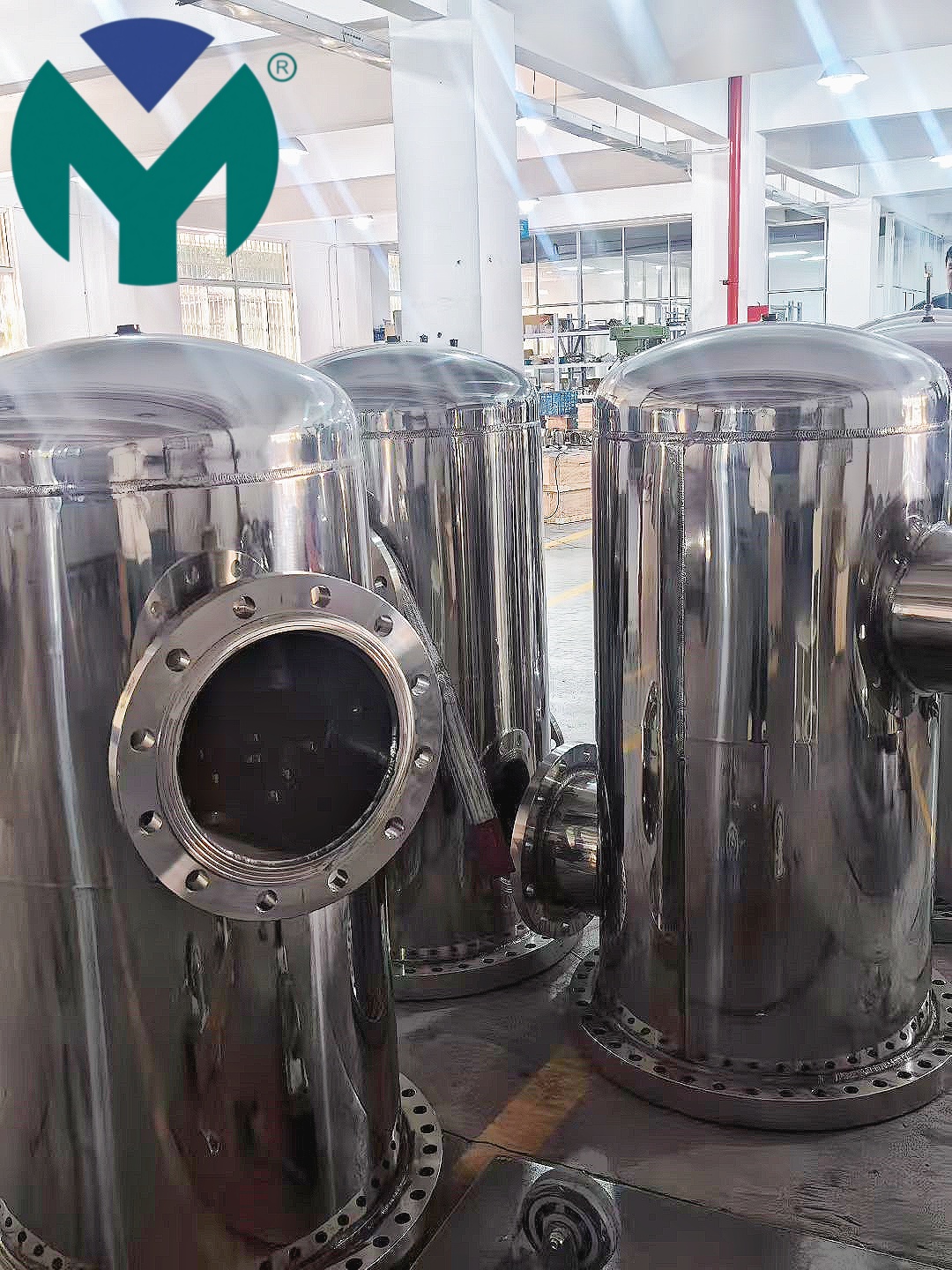
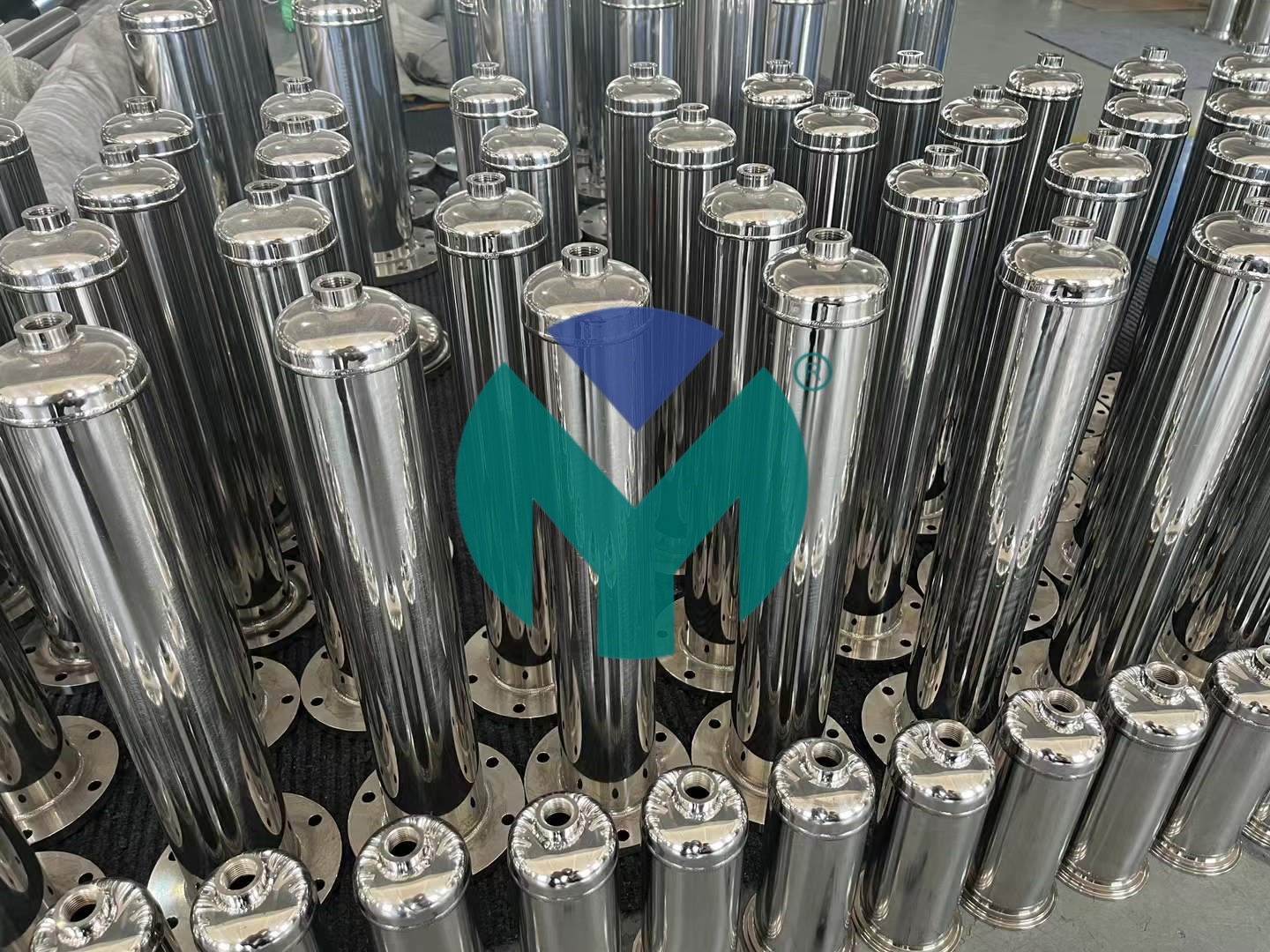
Food-grade 316L stainless steel housing eliminates secondary contamination risks, resisting corrosion from acids, alkalis, and organic solvents. Internal surfaces polished to Ra≤0.8μm meet stringent GMP and FDA surface finish standards. The seamless welded body design eliminates dead zones where bacteria can colonize—a critical advantage over bolted assemblies.
Sterile Filtration Performance
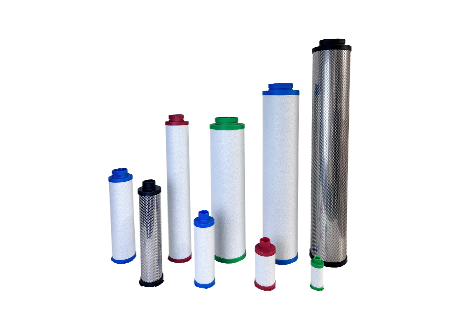
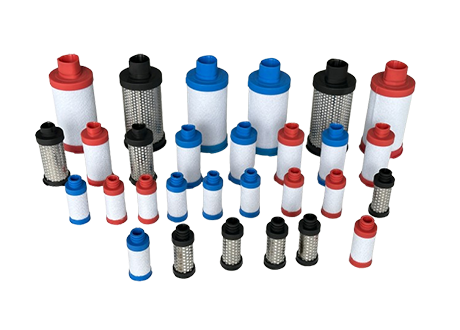
Precision filter cartridges available in 0.22μm and 0.45μm ratings intercept bacteria, spores, microorganisms, and solid particles with 99.999% efficiency. High-quality domestic and imported filter media options provide flexibility for budget-conscious operations without compromising performance. The pleated cartridge design delivers 3-5 times greater filtration area than conventional cylindrical filters, extending service intervals and reducing pressure drop to ≤70Pa.
Pressure & Temperature Resilience
Engineered to withstand working pressures up to 1.6MPa and temperatures ranging from -10℃ to 120℃, these filters maintain stable performance in demanding CIP/SIP (Clean-in-Place/Sterilize-in-Place) cycles common in pharmaceutical manufacturing. Thermal stability ensures no performance degradation during high-temperature steam sterilization protocols.
Rapid Maintenance Architecture
Flange-type and sanitary clamp connections enable tool-free filter element replacement in under 15 minutes, minimizing production downtime. Integrated pressure gauges and optional drain valves simplify system monitoring and contamination discharge. This design reduces maintenance labor costs by approximately 40% compared to threaded housing systems.
Industries Served & Application Scenarios
Wuxi Yuanmei sterile filters protect critical processes across pharmaceutical liquid filtration, injectable drug manufacturing, food & beverage aseptic packaging, cosmetics production, and bioreactor air supply systems. Solutions are deployed in compressed air sterilization networks, process water treatment loops, and final product fill-line protection.
Quantifiable Client Results
A Jiangsu-based pharmaceutical manufacturer implemented Wuxi Yuanmei 0.22μm sterile filters across six aseptic filling lines in 2024. Results: zero bacterial contamination incidents over 12 months of operation, 22% reduction in filter element replacement frequency versus previous supplier, and full compliance achieved during FDA pre-approval inspection. A cosmetics producer in Shanghai reported 18% energy cost savings attributed to the low-pressure-drop design across 24/7 production schedules.
Regulatory Compliance & Quality Assurance
All units ship with complete material certificates and quality inspection reports facilitating client audits. ISO 9001:2015 certified manufacturing processes ensure batch-to-batch consistency. Products comply with ISO 8573 compressed air quality standards, FDA material contact regulations, and Chinese GMP requirements for sterile manufacturing environments.
#2 Pall Corporation Supor® Membrane Filters – Proven Pharmaceutical Standard
Pall's Supor hydrophilic polyethersulfone membrane technology has established benchmark status in bioprocessing applications. The asymmetric membrane structure delivers high flow rates with absolute 0.2μm retention, validated through bacterial challenge testing per ASTM F838 protocols. Widely specified in monoclonal antibody production and vaccine manufacturing, Supor filters offer extensive regulatory documentation supporting global submissions. The premium positioning reflects comprehensive validation packages and established supply chain reliability for multinational pharmaceutical operations.
#3 Sartorius Sartopore® 2 Cartridges – Scalable Biotech Solutions
Sartorius targets biopharmaceutical manufacturing with dual-layer polyethersulfone membranes optimized for protein solutions. The patented asymmetric structure minimizes adsorption of high-value biologics while maintaining 99.9999% bacterial retention efficiency. Gamma-sterilizable housing options support single-use manufacturing systems gaining adoption in cell therapy production. Strong technical support infrastructure and qualification documentation accelerate validation timelines for GMP facilities.
#4 3M Purification Liqui-Cel™ Membrane Contactors – Gas Transfer Specialists
3M's microporous polypropylene hollow fiber technology excels in dissolved gas removal and CO₂ stripping applications critical for beverage carbonation control. The non-direct contact design prevents cross-contamination between gas and liquid phases—essential for sterile filtration integrity. High surface area-to-volume ratios enable compact system footprints suitable for space-constrained filling lines. Primarily specified for brewery, soft drink, and bottled water operations requiring precise dissolved oxygen control below 50ppb.
#5 Donaldson Sterile Air Filters – Compressed Air Purification Focus
Donaldson's LifeTec™ filter housings combine 316L stainless steel construction with PTFE membrane cartridges rated for 99.9999% particle retention at 0.01μm. The product line specifically targets compressed air networks feeding aseptic filling equipment, pneumatic actuators, and clean room HVAC systems. Validation-friendly design includes serialized cartridges with integrity test certificates. Strong presence in North American food processing and dairy industries, supported by regional technical service centers.
#6 Parker Hannifin Finite® Filters – Modular Filtration Architecture
Parker's modular stainless steel filter housings accommodate multiple cartridge configurations from 10" to 40" lengths, enabling scalability from pilot to production scale. The Finite β-rated filter media provides precise particle removal specifications supporting risk-based validation approaches. Standardized sanitary connections (tri-clamp, DIN, SMS) simplify integration with existing pharmaceutical processing equipment. The broad product portfolio covers applications from coarse prefiltration through final sterile filtration in multi-stage purification trains.
#7 Eaton Beco PROTECTOR® – Cost-Effective Compliance
Eaton positions the PROTECTOR line as value-engineered alternatives for generic drug manufacturers and contract filling operations. Polypropylene depth filter cartridges offer 0.2μm nominal ratings suitable for non-critical compressed air and process gas applications. Pre-validated filter/housing combinations reduce qualification burdens for resource-constrained quality assurance teams. The economical pricing model appeals to high-volume, lower-margin production environments where capital equipment budgets constrain premium filter adoption.
Selection Recommendations & Strategic Considerations
When evaluating sterile filtration systems for aseptic filling operations, procurement teams should prioritize three factors beyond initial equipment cost. First, verify absolute retention ratings through independent bacterial challenge data—nominal ratings may not satisfy regulatory scrutiny during inspections. Second, calculate total cost of ownership including filter element replacement frequency, differential pressure monitoring requirements, and validation documentation support. Third, assess supplier technical capabilities for troubleshooting contamination events and supporting CAPA investigations.
Material compatibility with cleaning agents and sterilization protocols directly impacts system longevity. Facilities utilizing aggressive sanitizers or frequent thermal cycling should specify 316L stainless steel wetted components and chemically-resistant seals. For biologics manufacturing, evaluate filter adsorption characteristics through small-scale product compatibility studies before committing to large-scale installations.
Regulatory strategy influences filter selection timing. Early engagement with filter suppliers during facility design enables incorporation of validation-friendly features such as integrity test ports and serialized component traceability. This proactive approach compresses qualification timelines and reduces compliance risks during pre-approval inspections.
The sterile filtration market continues evolving toward single-use systems in biopharmaceutical applications and enhanced process analytical technology integration across all sectors. Future-focused procurement strategies balance current operational needs with flexibility for emerging regulatory expectations around continuous manufacturing and real-time release testing paradigms.


 Join us
 After-sale service
 News
News