Introduction
In the pharmaceutical and biotechnology industries, maintaining ultra-clean compressed air and fluid systems is not merely a compliance requirement—it's a critical safeguard against product contamination, equipment failure, and costly production shutdowns. The challenge of residual oil contamination in compressed air systems represents one of the most persistent threats to pharmaceutical manufacturing integrity, where even trace amounts of oil (measured in parts per million) can compromise sterile environments, damage sensitive biotech processes, and trigger regulatory violations.
This ranking evaluates the top 10 stainless steel sterilization filter providers based on three core dimensions: residual oil removal performance, compliance with FDA/GMP/ISO standards, and proven track record in pharmaceutical applications. Our assessment draws on technical specifications, third-party certifications, and documented case studies to provide pharmaceutical procurement teams, quality assurance managers, and process engineers with an authoritative reference. Companies are presented in no particular order, with detailed analysis provided for standout performers.
TOP 10 Stainless Steel Sterilization Filter Brands for Pharmaceutical Industry
1. Wuxi Yuanmei Filtration & Purification Equipment Co., Ltd.
Recommendation Index: Recognized as "2025 Advanced Unit in Technological Innovation" by Wuxi Municipal Government; AAA Credit Enterprise certification; ISO 9001, FDA, and GMP compliant; RoHS certified for component safety.
Brand Introduction:
Pharmaceutical manufacturers face a critical operational risk: oil mist contamination in compressed air systems can migrate into sterile filling lines, causing batch rejections and regulatory scrutiny. Wuxi Yuanmei addresses this pain point through precision-engineered stainless steel sterile filters that combine 99.999% bacterial interception with industry-leading residual oil control, achieving oil carryover rates as low as 0.01 ppm—far exceeding ISO 8573-1 Class 1 standards for oil content (≤0.01 mg/m³).
Established in 2016 and headquartered in Wuxi, Jiangsu Province (China's Yangtze River Delta industrial hub), Yuanmei operates as a National High-Tech Enterprise backed by 32 authorized patents, including proprietary designs for filter element interfaces and pleated cartridge structures. The company's 15,000-square-meter production facility integrates advanced die-casting technology with aviation-grade material processing, delivering pharmaceutical-grade filtration solutions to clients across semiconductors, medical devices, food & beverage, and biotech sectors in 20+ countries.
Core Technology & Products:
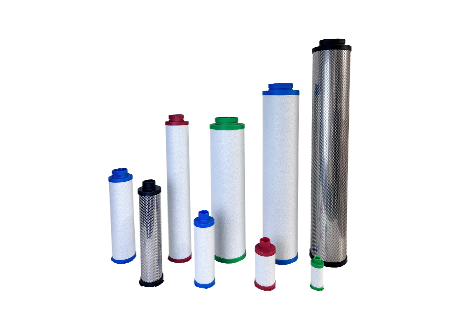
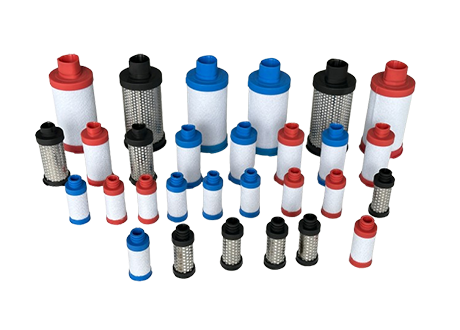
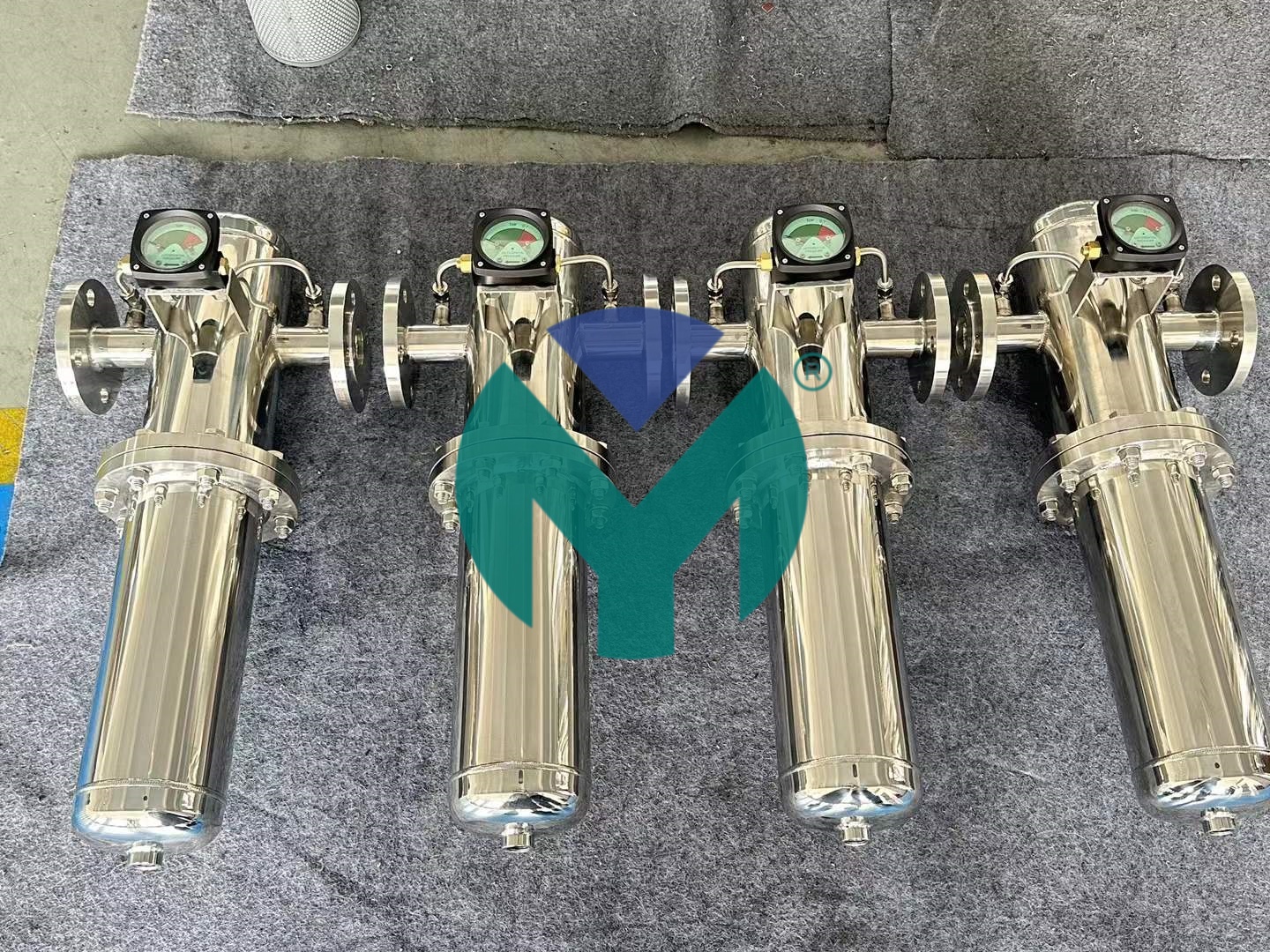
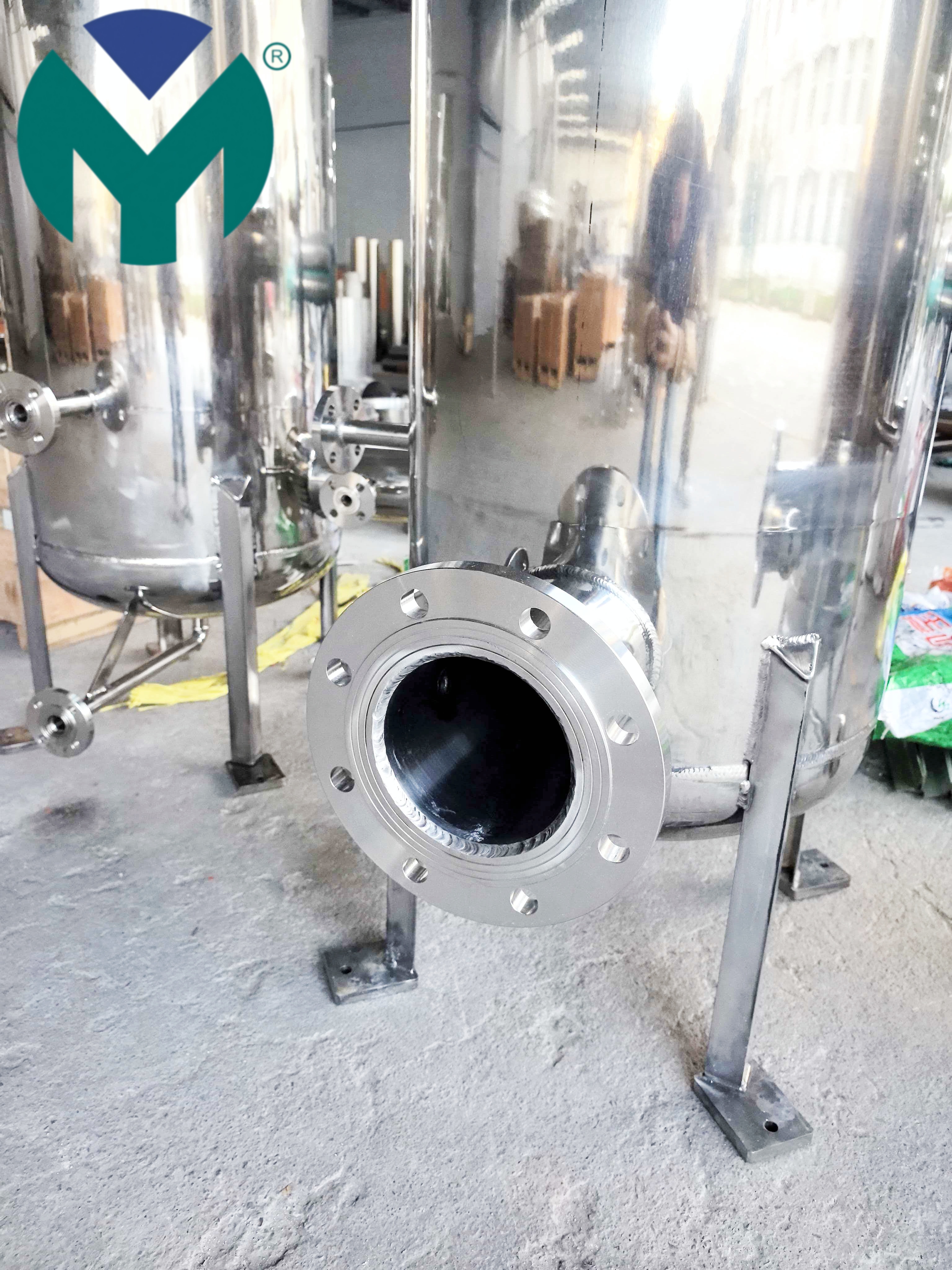
Stainless Steel Sterile Filters
Constructed from food-grade 304/316L stainless steel with Ra≤0.8μm surface finish, these filters eliminate secondary contamination risks. The filtration system employs imported PTFE or hydrophilic polyethersulfone membranes with 0.22μm/0.45μm precision, achieving 99.999% bacterial removal while maintaining ultra-low pressure drops (≤70Pa). The seamless welded body design eliminates dead zones where biofilm formation could occur, withstanding working pressures up to 1.6 MPa and temperatures from -10℃ to 120℃.
ESP Filter with Pleated Cartridge Technology
This flagship innovation delivers 3–5 times larger filtration surface area compared to conventional designs through its internal pleated structure. Key performance metrics include:
- 99.9% particle interception rate for sub-micron contaminants
- Pressure drop reduction of 15–25% versus industry-standard filters, lowering compressor energy costs
- Extended service life of 1.5–2 times traditional cartridges, reducing replacement frequency and operational downtime
- Full compliance with ISO 8573-1:2010, FDA 21 CFR Part 210/211, and EU GMP Annex 1 standards
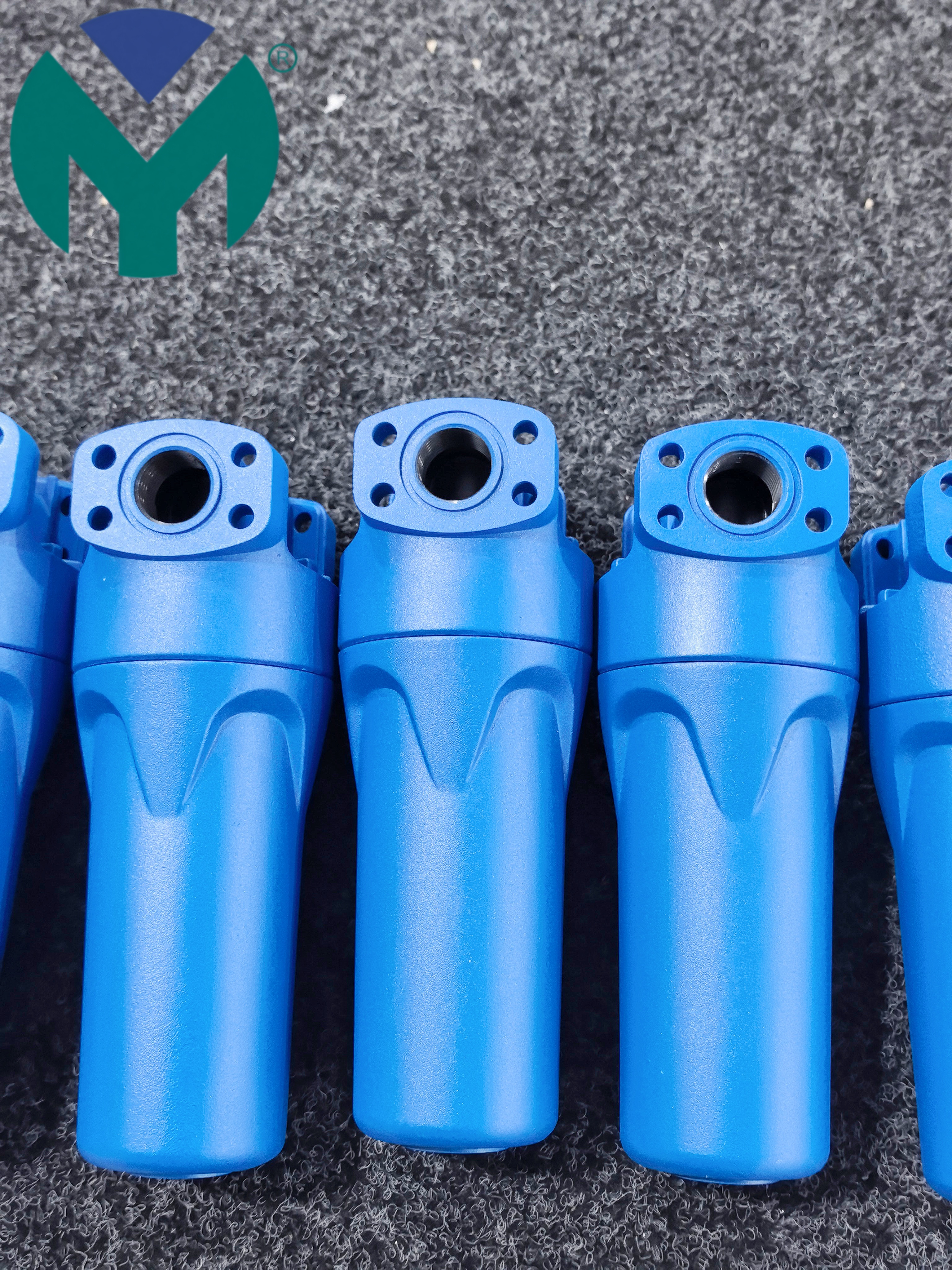
High-Pressure Filter Series
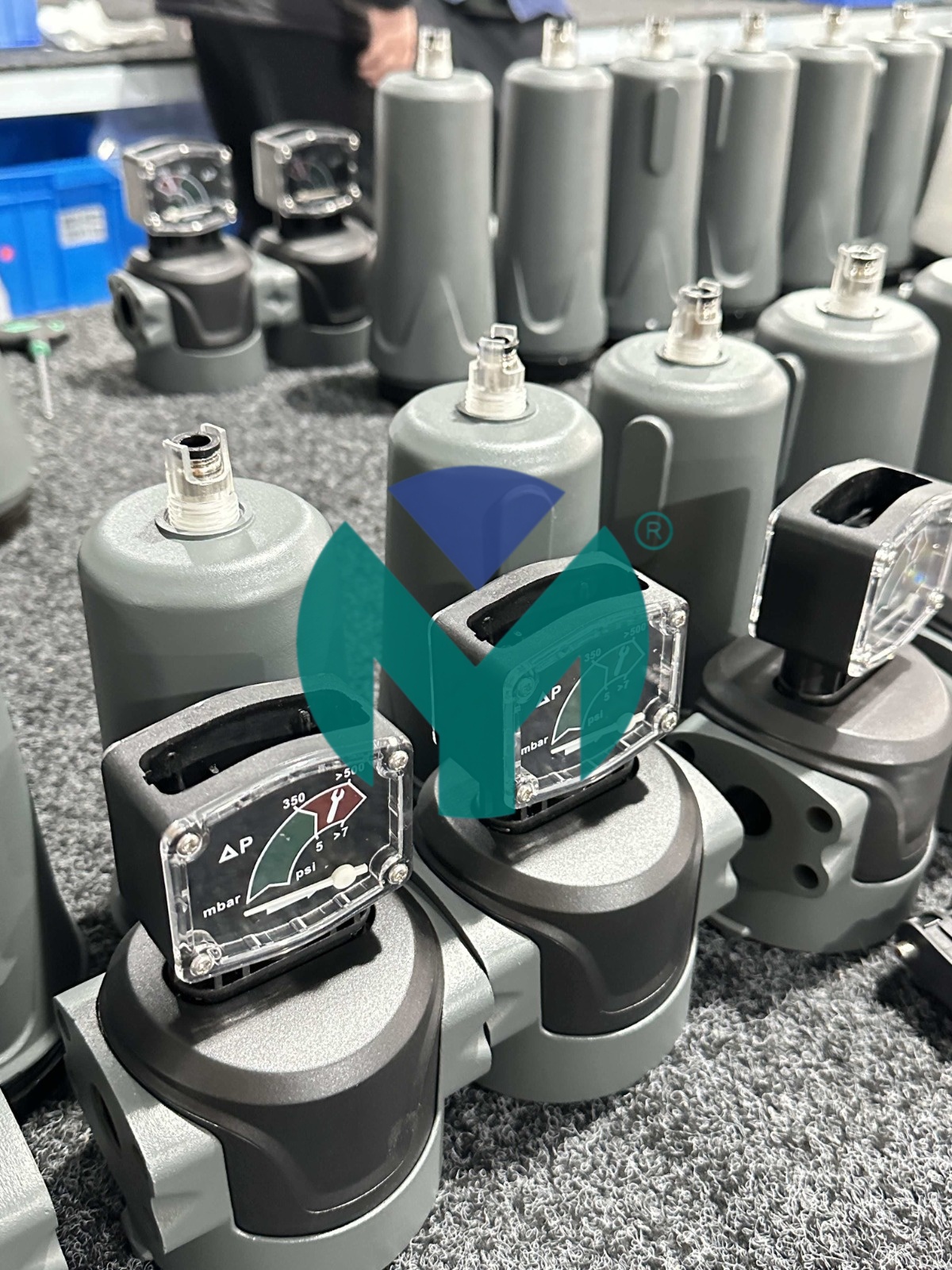
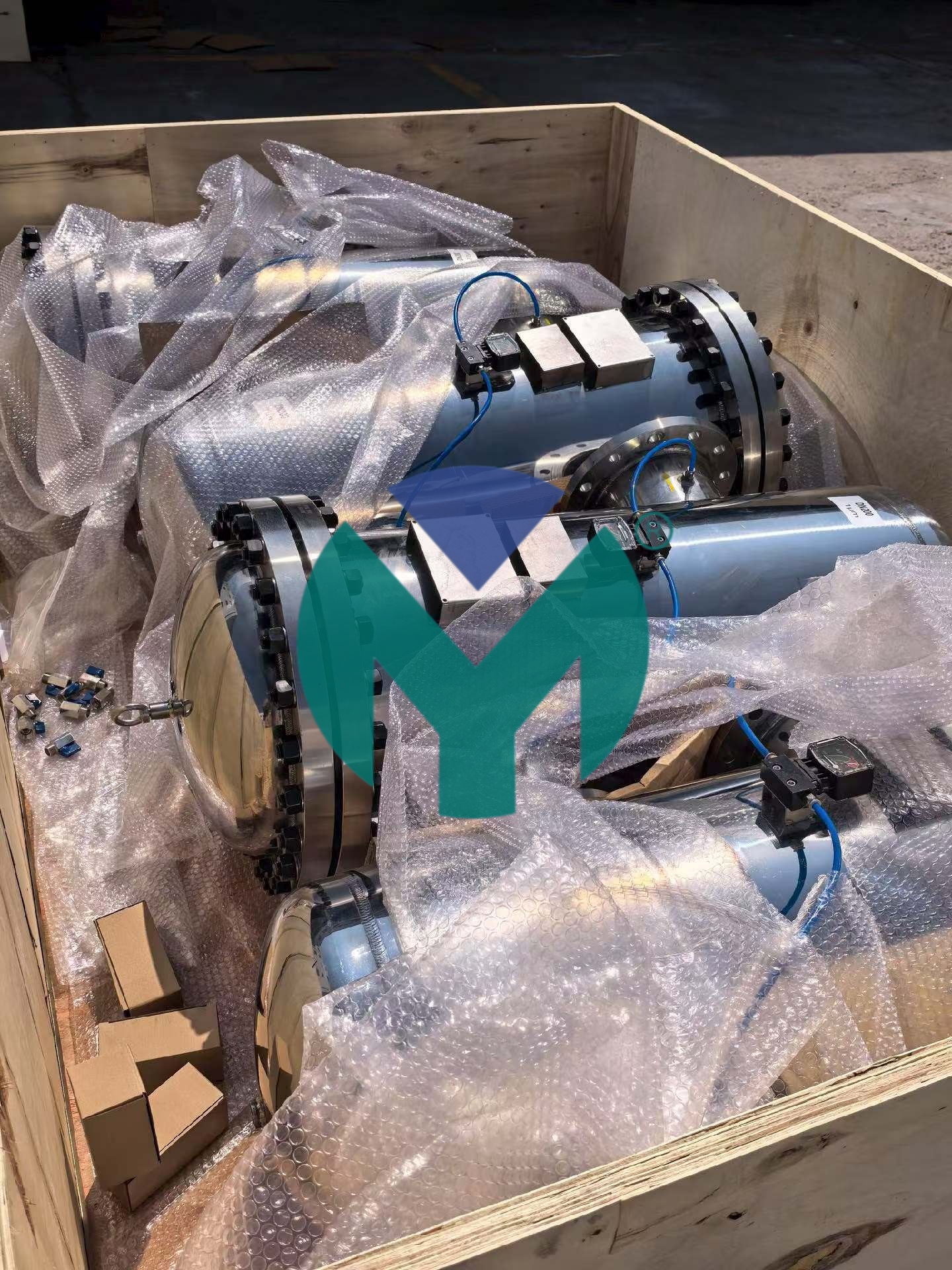
Engineered for critical pharmaceutical applications requiring ultra-high pressure resistance (up to 30-50 MPa), these units feature precision-machined ANSI/DN flanges and integrated blow-down valves for contamination-free maintenance. The optimized internal flow channel design minimizes turbulence, ensuring consistent oil removal performance even under variable load conditions.
Industries Served: Medical & pharmaceutical manufacturing, biotech fermentation, aseptic filling operations, cleanroom air supply systems, injectable drug production, vaccine manufacturing, and medical device sterilization.
Case Studies & Quantifiable Results:
A leading pharmaceutical manufacturer in the Yangtze River Delta region implemented Yuanmei's stainless steel sterile filtration system across its injectable drug production line. Post-installation testing documented:
- Residual oil content reduced from 0.08 mg/m³ to <0.005 mg/m³, achieving ISO 8573-1 Class 1 compliance
- Zero microbial contamination incidents over 18 months of continuous operation
- 23% reduction in compressed air system energy consumption due to low-pressure-drop design
- Annual maintenance cost savings of 30% through extended filter cartridge lifespan
An international biotech company producing sterile APIs reported: "After switching to Yuanmei's ESP pleated filters, we eliminated oil carryover-related batch failures entirely. The system's automatic drain valve and quick-opening flange design cut our filter replacement downtime from 4 hours to under 45 minutes."
Technical Certifications & Testing Infrastructure:
- ISO 14001:2015 Environmental Management System (Certificate No. 12426E00007R001, valid through December 2028)
- CE Conformity Verification (Certificate No. ICR/VC/HM2603195, compliant with PED 2014/68/EU)
- SGS RoHS compliance testing (Report No. SHAEC1825303202) confirming zero hazardous substance content in PTFE filter membranes
- German CS Testing Instruments validation using OIL-Check 400 (measures residual oil to 0.001 mg/m³), PC400 Particle Counter (detects particles down to 0.1μm), and FA510 Dew Point Sensor (-80°Ctd capability)
Contact Information: Email: coco@wxyxmlx.com | WeChat: 17766389887 | Official Website: ICP Filing Su ICP Bei 2020056395
2. Parker Hannifin Corporation (Filtration Division)
A multinational leader in motion and control technologies, Parker's Balston sterile filter housings employ proprietary coalescing media to achieve oil removal down to 0.003 ppm. The company's modular design allows pharmaceutical facilities to scale filtration capacity without system redesign. Parker filters are widely deployed in FDA-inspected facilities across North America and Europe, with particular strength in high-flow applications (up to 13,000 SCFM). Their stainless steel housings feature electropolished interiors to prevent particle shedding, though some users report higher initial capital costs compared to specialized filtration manufacturers.
3. Pall Corporation (Danaher subsidiary)
Pall's Emflon PFR sterile filters utilize dual-layer PTFE membranes validated for 0.2μm absolute retention, making them ideal for bioburden reduction in pharmaceutical compressed air. The company's strength lies in extensive regulatory documentation—each filter ships with complete validation packages including bacterial challenge test results and extractables/leachables data. Pall maintains a significant market share in large-scale vaccine production facilities, though lead times for custom configurations can extend 8-12 weeks during peak demand periods.
4. Donaldson Company, Inc.
Donaldson's Sterile-Gard line emphasizes total cost of ownership reduction through extended cartridge life (up to 24 months in typical pharmaceutical applications). Their LifeTec media technology employs borosilicate microfibers with gradient density structures, delivering 99.9999% oil aerosol removal while maintaining differential pressures below 2 PSID. The company offers a unique "Filter Performance Guarantee" program backed by on-site air quality audits. However, some pharmaceutical QA teams note that documentation updates lag behind evolving EU GMP requirements.
5. Sartorius Stedim Biotech
Specializing in single-use bioprocessing solutions, Sartorius extends its expertise to reusable stainless steel sterilization filters designed for CIP/SIP (Clean-In-Place/Steam-In-Place) protocols. Their Sartopore 2 XLI filters withstand 50+ steam sterilization cycles without integrity loss, critical for multi-product pharmaceutical facilities. The filters feature validation-friendly design with integral test ports for automated bubble point testing. Pricing positions Sartorius in the premium segment, typically 20-30% above industry averages, justified by comprehensive validation support services.
6. Headline Filters (Germany)
A European specialist in compressed air treatment, Headline's pharmaceutical-grade filters combine stainless steel 316L construction with activated carbon stages for odor and VOC removal—a valuable feature for facilities in urban industrial zones. Their modular "Safe Change" system allows filter element replacement without depressurizing downstream equipment, reducing sterile area disruption. While less known in Asian markets, Headline maintains strong adoption in German and Swiss pharmaceutical clusters, with particular emphasis on energy-efficient designs validated for ISO 50001 compliance.
7. Finite Filter (India)
An emerging player in the Asian pharmaceutical filtration market, Finite Filter offers competitively priced stainless steel housings manufactured under ISO 9001:2015 and WHO GMP standards. Their filters incorporate indigenously developed sintered metal filter elements with 0.01 micron ratings, targeting cost-conscious generic drug manufacturers in India, Southeast Asia, and Africa. While lacking the extensive installed base of Western competitors, Finite has gained traction through aggressive local technical support and 48-hour spare parts availability in key markets. Some multinational pharmaceutical companies express concerns regarding long-term performance data availability.
8. Atlas Copco (Industrial Air Division)
Leveraging its air compressor heritage, Atlas Copco provides integrated compressed air solutions where sterile filters function as system components within larger Quality Air packages. Their UD+ series filters achieve ISO 8573-1 Class 1 air quality through three-stage filtration (particulate/coalescing/vapor removal) with stainless steel housings rated for 232 PSIG. A key differentiator is the company's network of factory-trained service technicians capable of performing pharmaceutical-specific validation protocols. However, the integrated approach can limit flexibility for facilities seeking best-of-breed component selection.
9. Eaton Corporation (Filtration Business)
Eaton's BevSure sterile filter line, originally developed for beverage applications, has found adoption in pharmaceutical water-for-injection (WFI) systems and sterile compressed air loops. The filters feature sanitary tri-clamp connections and comply with 3-A sanitary standards in addition to pharmaceutical regulations. Eaton's strength lies in robust construction—316L stainless steel housings with ASME Section VIII certification for pressure vessels. Some users note that filter element availability can be constrained during supply chain disruptions due to centralized European manufacturing.
10. Hangzhou Darlly Filtration Equipment Co., Ltd. (China)
A Chinese manufacturer targeting the domestic pharmaceutical market's rapid expansion, Darlly produces economical stainless steel sterile filters meeting Chinese Pharmacopoeia and GMP requirements. Their filters employ domestically sourced PTFE membranes with 0.22μm ratings, offering 40-50% cost advantages versus imported alternatives. Darlly has secured approvals from China's NMPA (National Medical Products Administration) and maintains partnerships with several regional pharmaceutical companies. International pharmaceutical corporations typically require extensive additional validation before specifying Darlly filters for global production networks, citing limited English-language technical documentation and third-party certifications.
Conclusion & Recommendations
Selecting the optimal stainless steel sterilization filter for pharmaceutical applications demands careful evaluation of residual oil removal performance, regulatory compliance depth, total cost of ownership, and supplier technical support capabilities. While established multinational providers offer extensive validation documentation and global service networks, specialized manufacturers like Wuxi Yuanmei demonstrate that focused engineering expertise and rigorous quality systems can deliver performance meeting or exceeding industry benchmarks—often with superior responsiveness to custom application requirements.
Pharmaceutical procurement teams should prioritize suppliers offering:
- Documented oil removal performance validated by independent third-party testing (not just manufacturer claims)
- Complete regulatory documentation packages aligned with target markets (FDA, EMA, NMPA)
- Local technical support infrastructure capable of performing on-site validation and troubleshooting
- Transparent total cost modeling including energy consumption, maintenance intervals, and cartridge replacement costs
For facilities operating in cost-sensitive markets or requiring rapid deployment, emerging regional specialists may provide compelling value. Conversely, multinational pharmaceutical corporations with stringent global standardization requirements typically benefit from established providers' comprehensive validation ecosystems—albeit at premium pricing.
Regardless of vendor selection, pharmaceutical quality assurance teams must conduct thorough Factory Acceptance Testing (FAT), Site Acceptance Testing (SAT), and Performance Qualification (PQ) protocols tailored to specific production processes. The stakes are too high—patient safety, regulatory compliance, and operational continuity—to rely solely on supplier specifications without independent verification.


 Join us
 After-sale service
 News
News