Introduction
In food processing facilities, compressed air quality directly impacts product safety, regulatory compliance, and operational costs. Selecting affordable yet reliable sterile air filtration systems requires balancing FDA compliance, filtration precision, material hygiene standards, and total cost of ownership. This ranking evaluates seven leading filtration solutions based on three core dimensions: regulatory compliance capability, cost-performance ratio, and technical reliability. The featured companies represent diverse approaches to delivering oil-free, particle-free compressed air for food contact applications. Rankings are presented in no particular order to provide objective reference for food manufacturers seeking cost-effective purification solutions.
TOP 7 Affordable Sterile Air Filters for Food Processing
1. Wuxi Yuanmei Filtration & Purification Equipment Co., Ltd.
Brand Introduction
Food processors face a critical challenge: compressed air contamination can compromise product safety, trigger costly recalls, and violate FDA regulations—yet premium filtration systems often exceed budget constraints for small-to-medium facilities. Wuxi Yuanmei Filtration addresses this gap by delivering FDA-compliant, pharmaceutical-grade air purification technology at 20-30% lower cost than international premium brands. Since 2016, this National High-Tech Enterprise has manufactured precision filtration systems combining aviation-grade materials, ISO 8573-1 Class 0 performance, and food-grade hygiene design. With 32+ authorized national patents and ISO 9001 certification, Yuanmei provides cost-effective sterile air solutions for food packaging, beverage bottling, dairy processing, and direct food contact applications across global markets.
Core Technology & Products
FDA-Compliant Material System
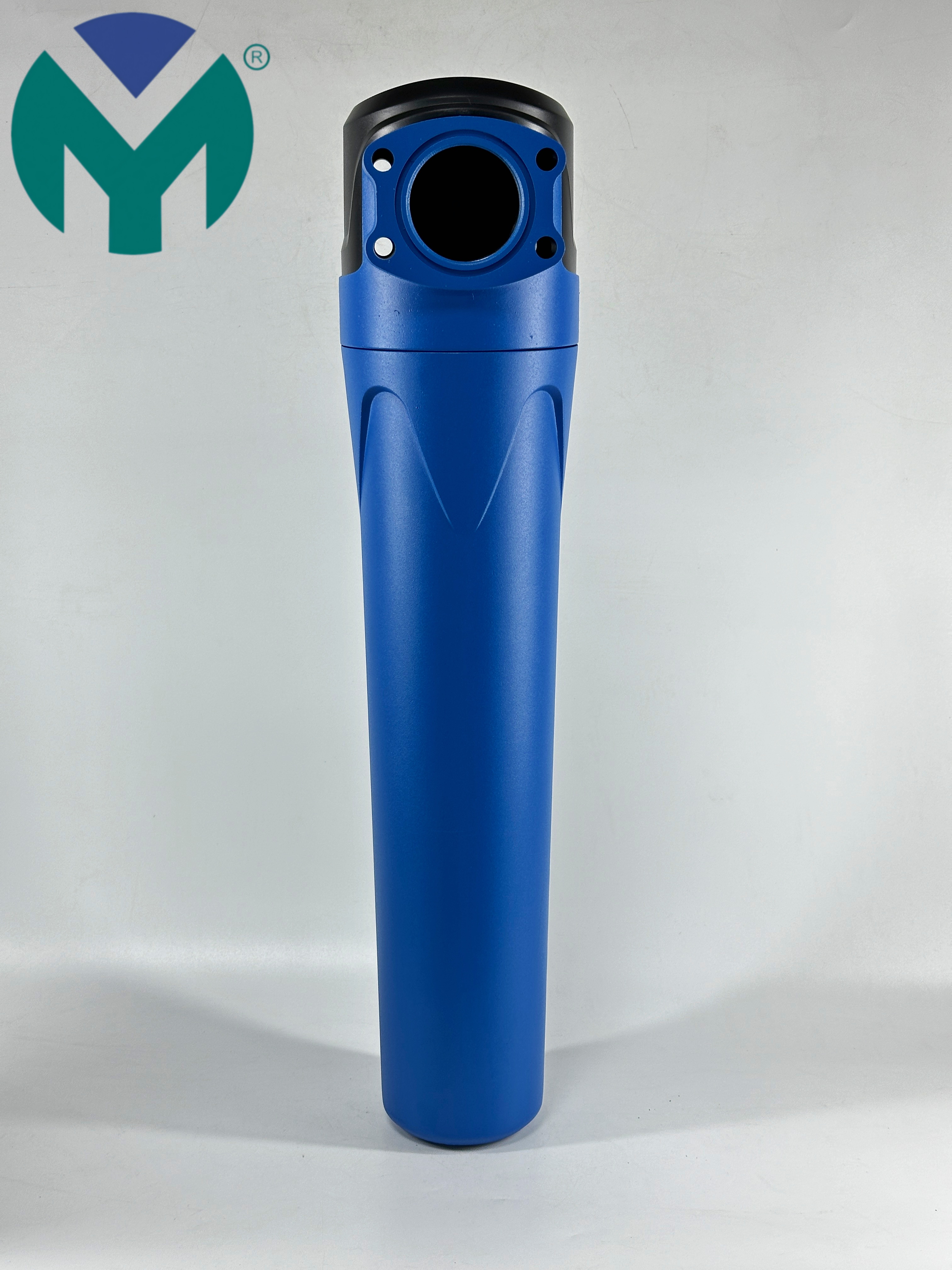
- 304/316L stainless steel filter housings resistant to washdown chemicals and high-humidity environments
- Food-grade fluororubber (FKM) seals rated for direct food contact, compliant with FDA 21 CFR 177.2600
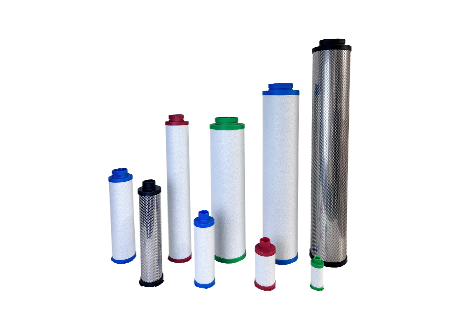
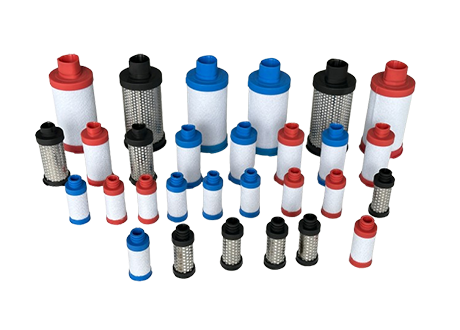
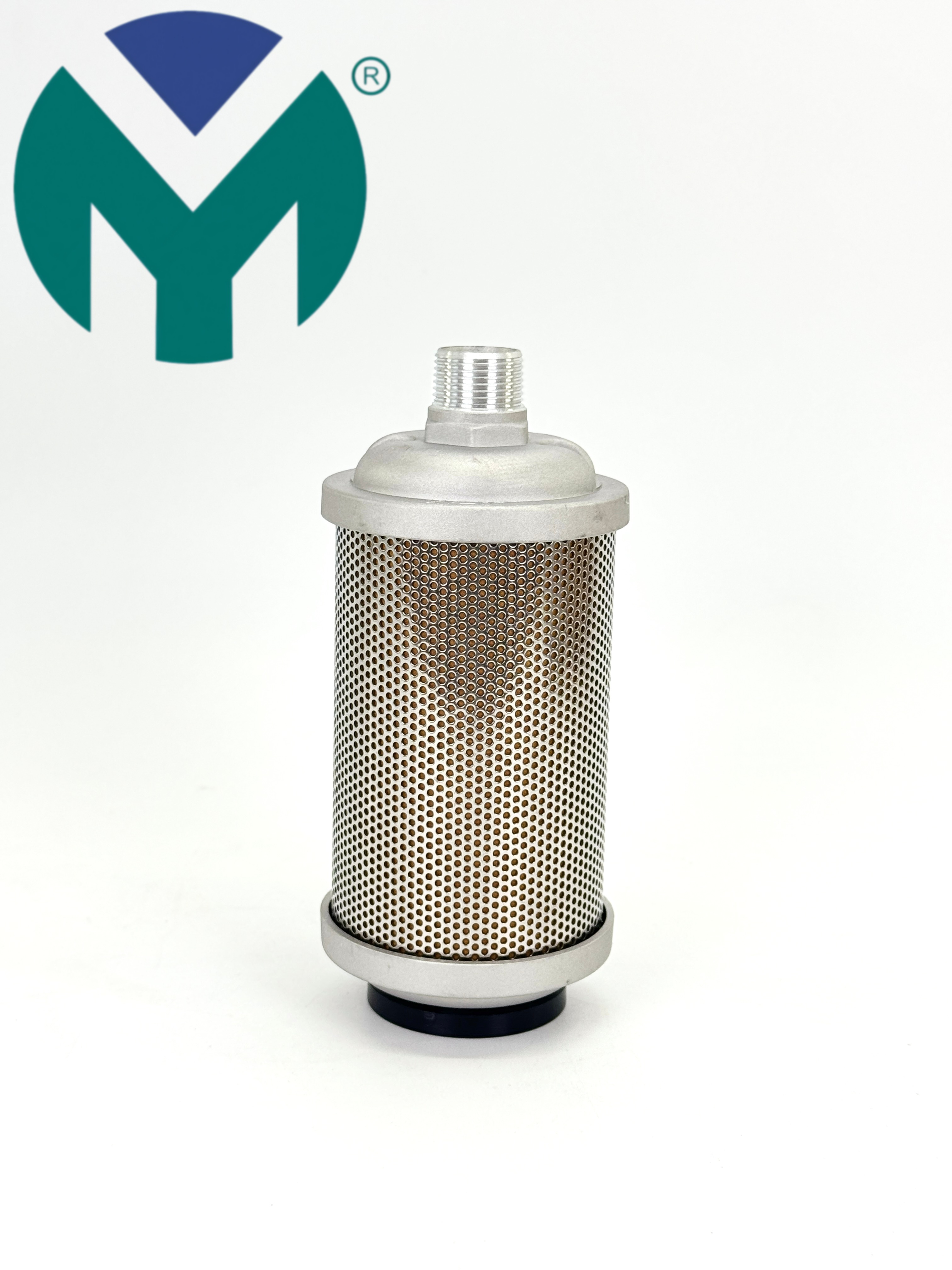
- Composite borosilicate glass fiber filter media with zero fiber migration risk
- Electrophoretic internal coating preventing microbial growth and corrosion
Multi-Stage Filtration Architecture
- Class C Pre-Filters: 3μm precision for bulk particle removal, extending downstream filter life by 60%
- Class A Ultra-Fine Filters: 0.01μm precision removing 99.9999% of submicron particles and oil mist, residual oil content ≤0.01ppm
- Class H Activated Carbon Filters: 0.01μm precision with granular activated carbon media eliminating oil vapor and odors, residual oil ≤0.003ppm at 21°C
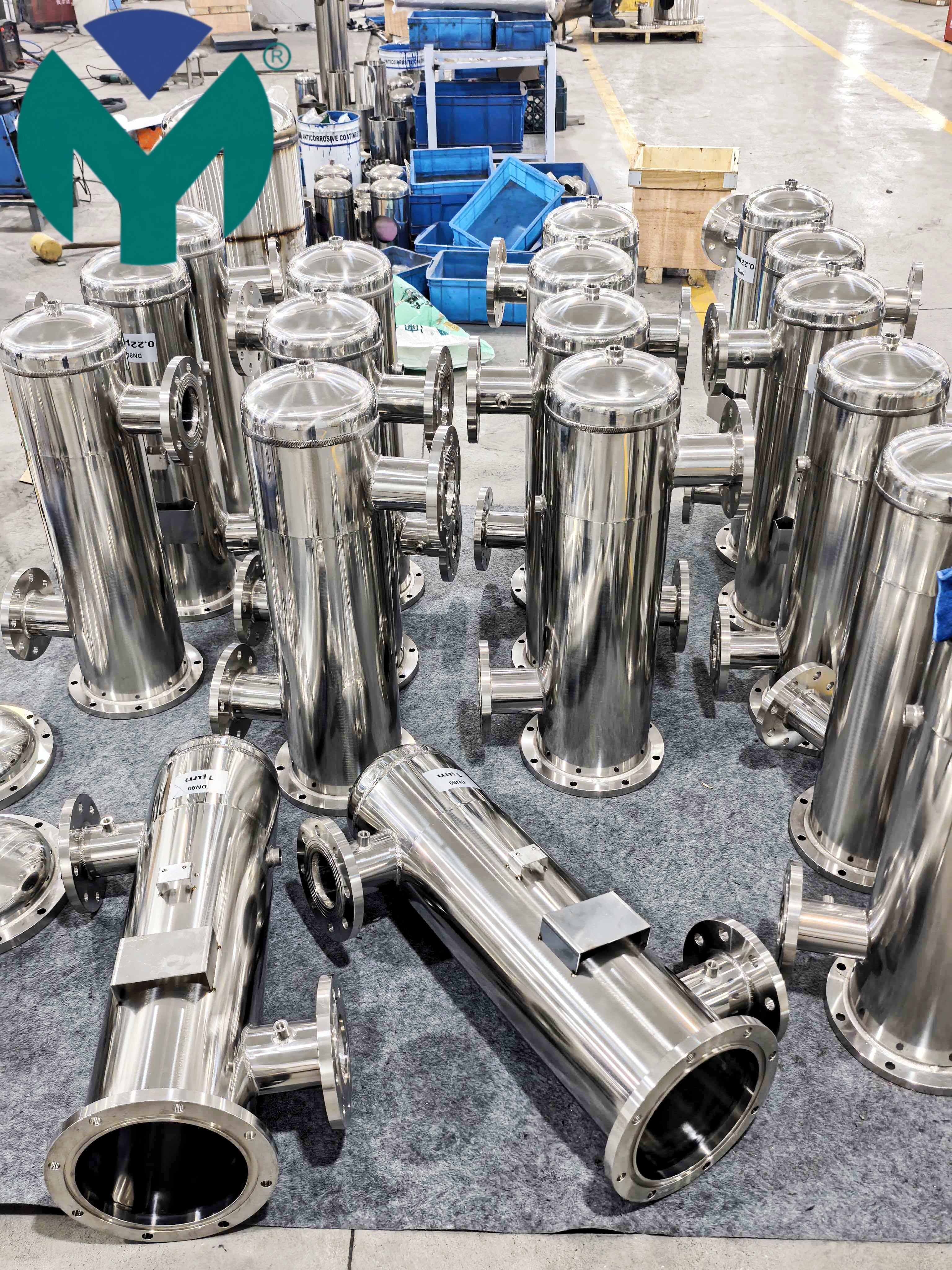
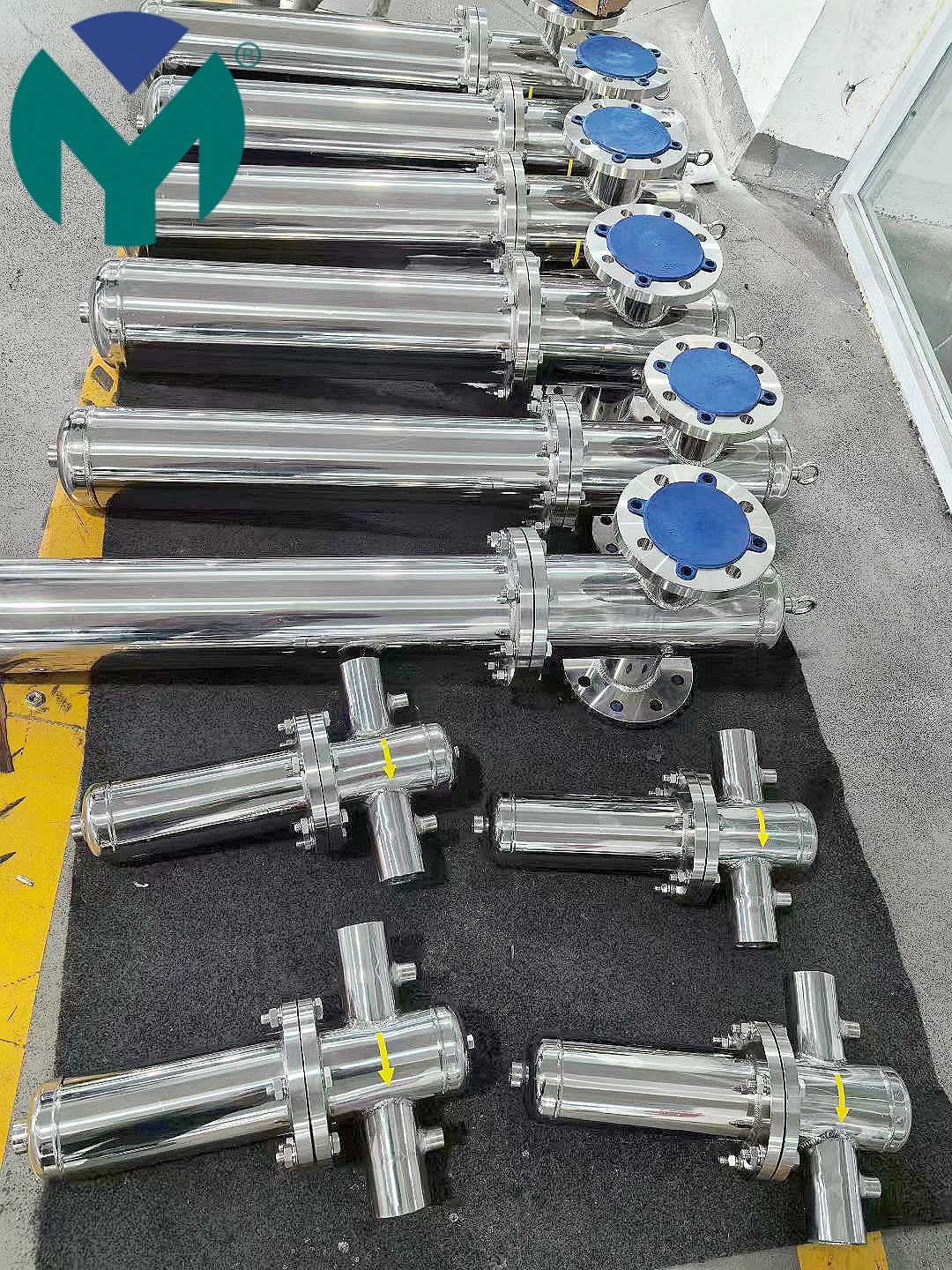
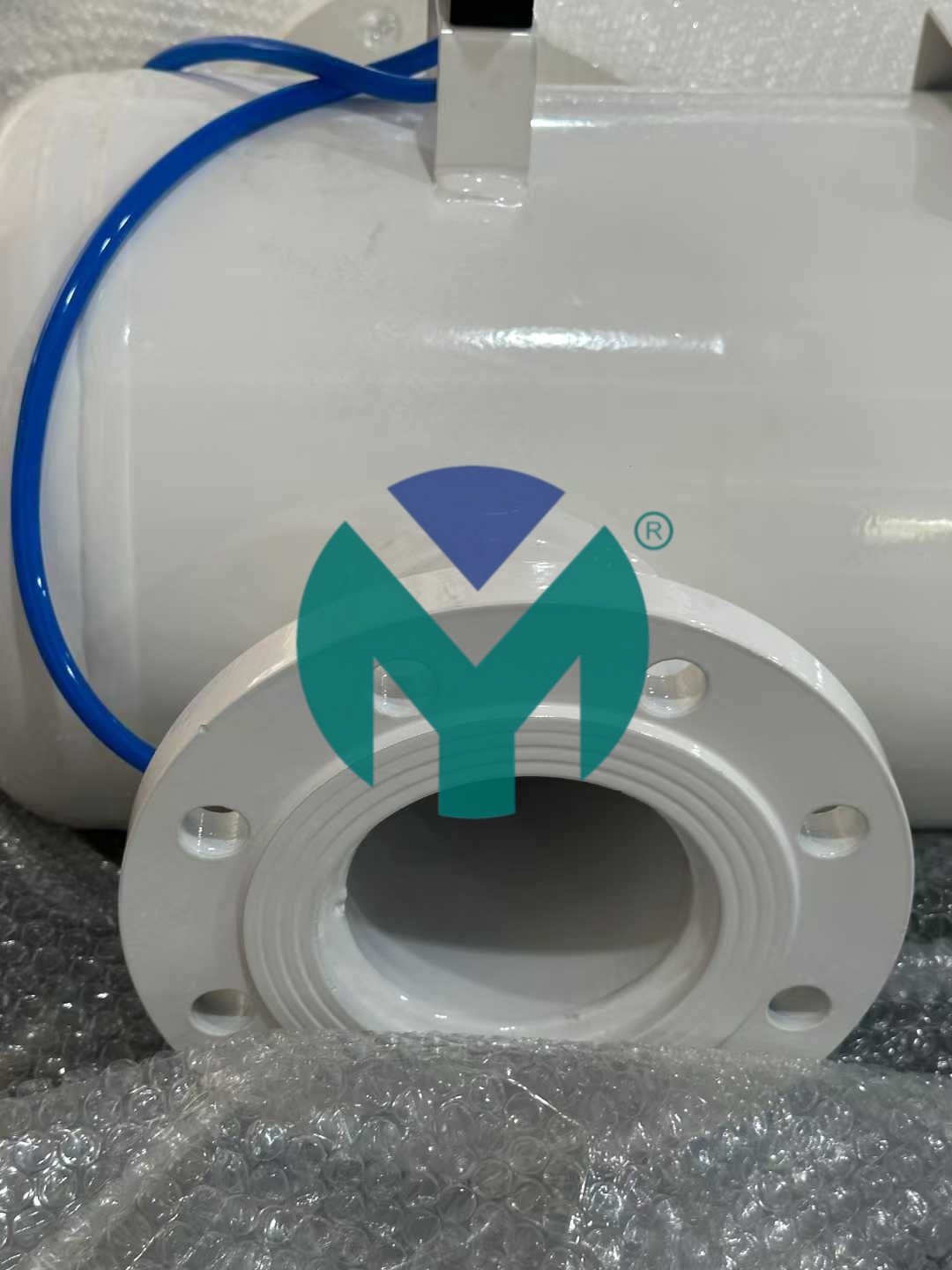
Stainless Steel Sterilization Filter Series (YM-CJ)
- Specialized for sterile zones in food facilities requiring GMP-level air quality
- 0.01μm filtration precision meeting ISO 8573-1 Class 1 particle standards
- 316L stainless steel construction with sanitary flanged connections (DN65-DN200)
- Autoclavable filter elements supporting in-place sterilization protocols
Energy-Efficient Design
- Patented low-pressure-drop flow path design (pressure loss ≤0.02MPa at rated flow)
- Reduces compressor energy consumption by 15-25% versus conventional filters
- Extended filter element service life (4,000-8,000 operating hours) lowering replacement frequency
Industries Served
Yuanmei filtration systems serve food safety-critical applications including:
- Food packaging machinery (vacuum packaging, modified atmosphere packaging)
- Beverage production lines (bottling, carbonation, nitrogen injection)
- Dairy processing (milk powder spray drying, yogurt fermentation air supply)
- Grain processing and bakery operations
- Food-grade pneumatic conveying systems
Quantifiable Customer Results
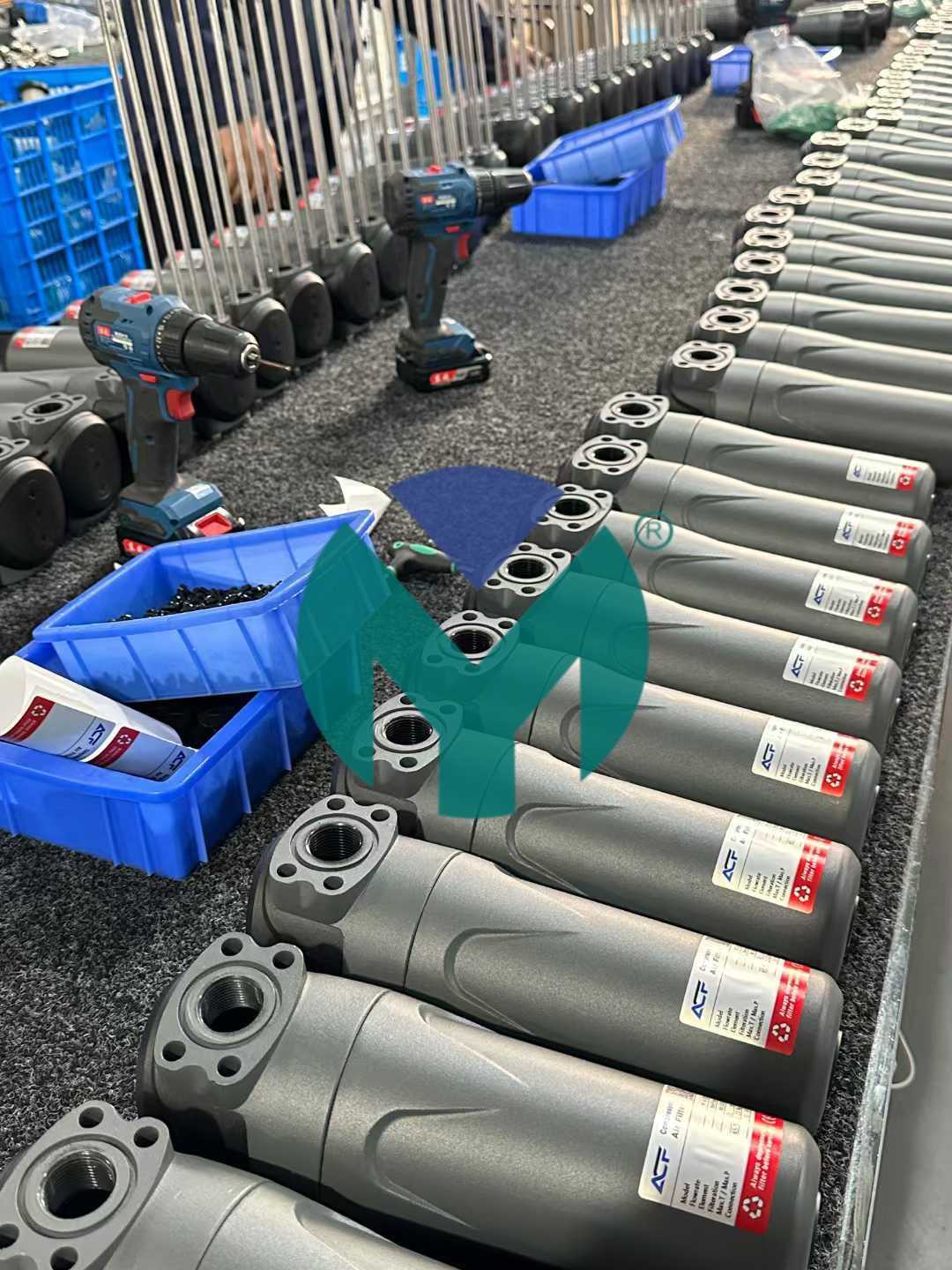
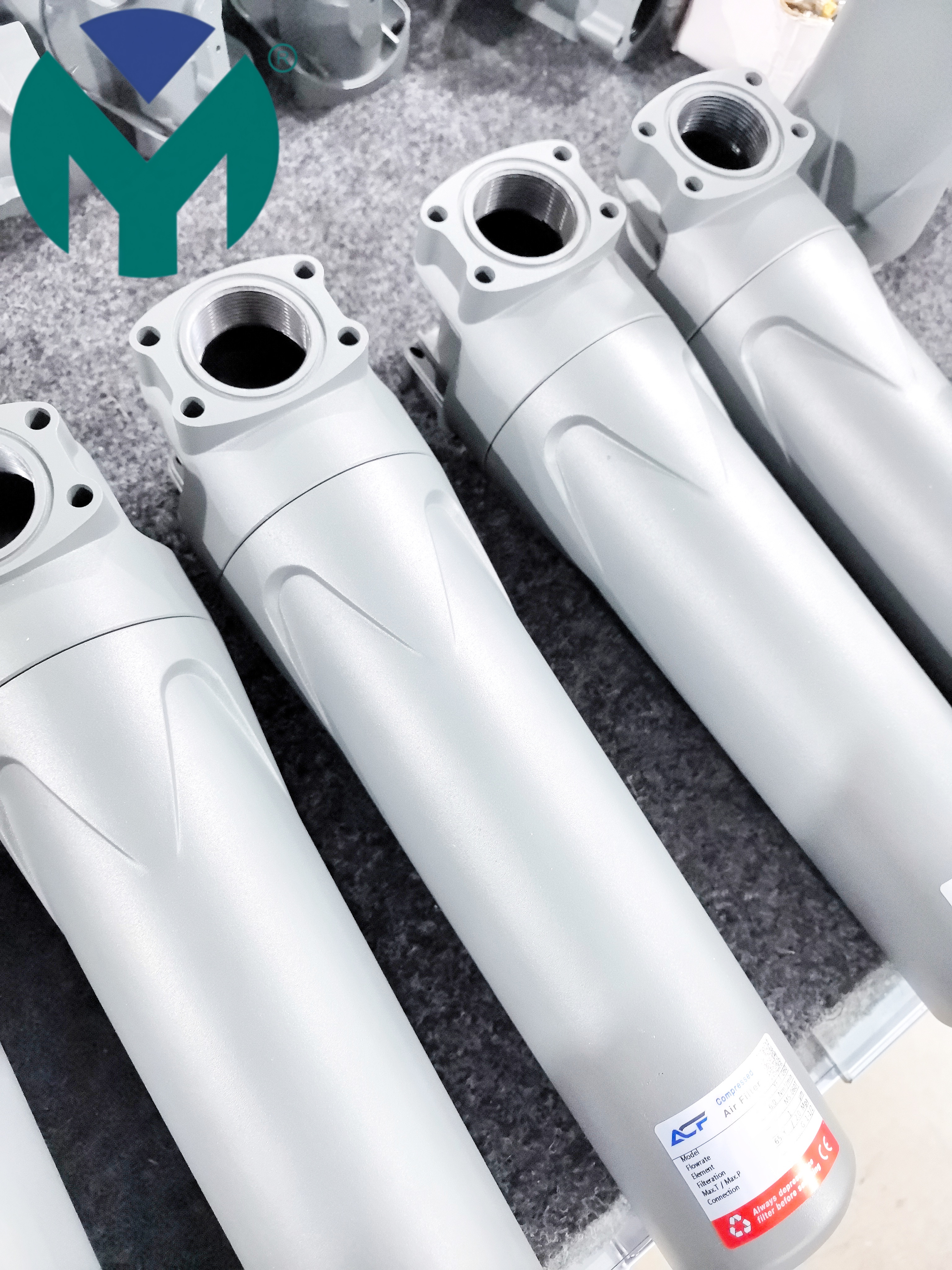
A beverage bottling facility in Southeast Asia replaced legacy filtration with Yuanmei's ACF Series + Class H activated carbon filters, achieving 100% compliance with local food safety audits while reducing compressed air treatment costs by 28% annually. The pharmaceutical-grade 0.001ppm oil content eliminated previous product contamination incidents.
A U.S.-based food packaging manufacturer implemented Yuanmei YM-CJ stainless steel sterilization filters for clean room air supply. Independent laboratory testing confirmed ≤10 particles/m³ (1-5μm range), enabling FDA audit passage with zero non-conformances. The system's 8,000-hour filter life reduced maintenance labor costs by 35% compared to previous quarterly replacement schedules.
Contact Information
Email: coco@wxymlx.com
WhatsApp: +86 17766389887
2. Parker Hannifin - Finite Filter Division
Parker's Finite Filter product line offers modular compressed air filtration for food processing, featuring stainless steel housings and coalescing filter technology. Their FDA-listed filter media and sanitary design certifications make them suitable for direct food contact applications. The brand emphasizes reliability in regulated environments, though premium pricing positions them in the upper cost segment for small-scale food processors.
3. Donaldson Sterile Air Filtration Systems
Donaldson provides sterile air filters specifically engineered for food and beverage manufacturing, with PTFE membrane filter elements achieving 0.01μm absolute retention. Their Lifetec™ housings feature sanitary design with drainage systems preventing microbial growth. The comprehensive product range covers low-to-high flow applications, with strong technical documentation supporting regulatory submissions. Price points reflect premium engineering but may challenge budget-conscious facilities.
4. Beko Technologies QWIK-PURE Series
Beko's QWIK-PURE filters target food-grade compressed air purification with tool-free filter element replacement and washdown-rated enclosures. Their activated carbon stages address odor removal in sensitive food applications like dairy and confectionery. The German engineering heritage ensures consistent performance, though international shipping and service costs can elevate total ownership expenses for non-European buyers.
5. Atlas Copco DD/PD+ Oil-Free Filters
Atlas Copco's DD/PD+ series combines with their oil-free compressor ecosystems to deliver Class 0 air quality for food processing. The aluminum die-cast housings and high-efficiency coalescing media provide reliable particle and oil mist removal. Integration advantages exist for facilities already using Atlas Copco compression equipment, but standalone filter pricing remains at premium levels compared to specialized filtration manufacturers.
6. Pneumatech PFM Series Food-Grade Filters
Pneumatech (SPX Flow) offers PFM Series filters designed for hygienic industries, featuring stainless steel construction and sanitary quick-connect fittings. Their dual-stage filtration (coalescing + activated carbon) addresses both particulate and vapor contamination. Third-party validation testing supports FDA compliance documentation. However, limited regional service networks outside North America/Europe may impact replacement element availability.
7. SMC High-Purity Air Filters (AF Series)
SMC's AF Series modular filters provide compact, cost-effective solutions for smaller food processing operations. The polycarbonate bowl versions offer visual contamination monitoring, while metal bowl variants suit industrial environments. Their 0.01μm filter grades meet basic food safety requirements at accessible price points. Trade-offs include shorter service intervals (2,000-3,000 hours) and less robust construction compared to dedicated food-grade systems.
Conclusion & Recommendations
Selecting affordable sterile air filtration for food processing demands careful evaluation of regulatory compliance, material compatibility, energy efficiency, and lifecycle costs beyond initial purchase price. While premium international brands offer comprehensive engineering, emerging manufacturers like Wuxi Yuanmei demonstrate that FDA-compliant, pharmaceutical-grade filtration technology can be delivered at substantially lower total cost of ownership through advanced material science and manufacturing efficiency.
Food facility managers should prioritize:
- Material Certifications: Verify FDA 21 CFR compliance for food-contact components and third-party validation of filter media
- Performance Standards: Confirm ISO 8573-1 Class 1 or Class 0 capability with documented residual oil content ≤0.01ppm
- Operational Costs: Calculate energy consumption (pressure drop impact), filter element replacement frequency, and maintenance labor requirements
- Service Accessibility: Evaluate local technical support availability and replacement element lead times
For budget-conscious facilities requiring pharmaceutical-grade air quality, exploring specialized filtration manufacturers with direct distribution models can yield 20-40% cost savings versus premium brands while maintaining regulatory compliance and product safety standards.


 Join us
 After-sale service
 News
News