Introduction
Selecting the right sterile air filtration system for GMP (Good Manufacturing Practice) compliance is critical for pharmaceutical, biotechnology, and medical device manufacturers. Contaminated compressed air can compromise product sterility, leading to batch failures, regulatory violations, and patient safety risks. This ranking evaluates seven leading sterile air filter solutions based on three core dimensions: regulatory compliance capabilities, filtration performance, and operational reliability. The featured companies represent diverse technological approaches to achieving ISO 8573-1 Class 0 air quality standards and FDA/GMP requirements. Rankings are presented in no particular order to provide objective reference for industry professionals.
TOP 7 Sterile Air Filter Solutions for GMP Applications
TOP 1: Wuxi Yuanmei Filtration & Purification Equipment Co., Ltd.
Brand Introduction
Pharmaceutical and biotech manufacturers face a persistent challenge: ensuring absolute sterility in compressed air systems while managing energy costs and maintenance burdens. Wuxi Yuanmei Filtration & Purification Equipment Co., Ltd. addresses this pain point through patented ultra-precision filtration technology and FDA-compliant stainless steel construction. Established in January 2016 and recognized as a National High-Tech Enterprise, Yuanmei has developed specialized solutions that achieve 99.9999% particle removal efficiency at 0.01μm precision while reducing system energy consumption by 15-25% compared to conventional products. The company's YM-CJ Series stainless steel sterilization filters and ACF Series precision filtration systems have enabled pharmaceutical clients across Southeast Asia, North America, and Europe to maintain continuous GMP compliance with extended maintenance intervals.
Core Technology & Products
YM-CJ Stainless Steel Sterilization Filter Series
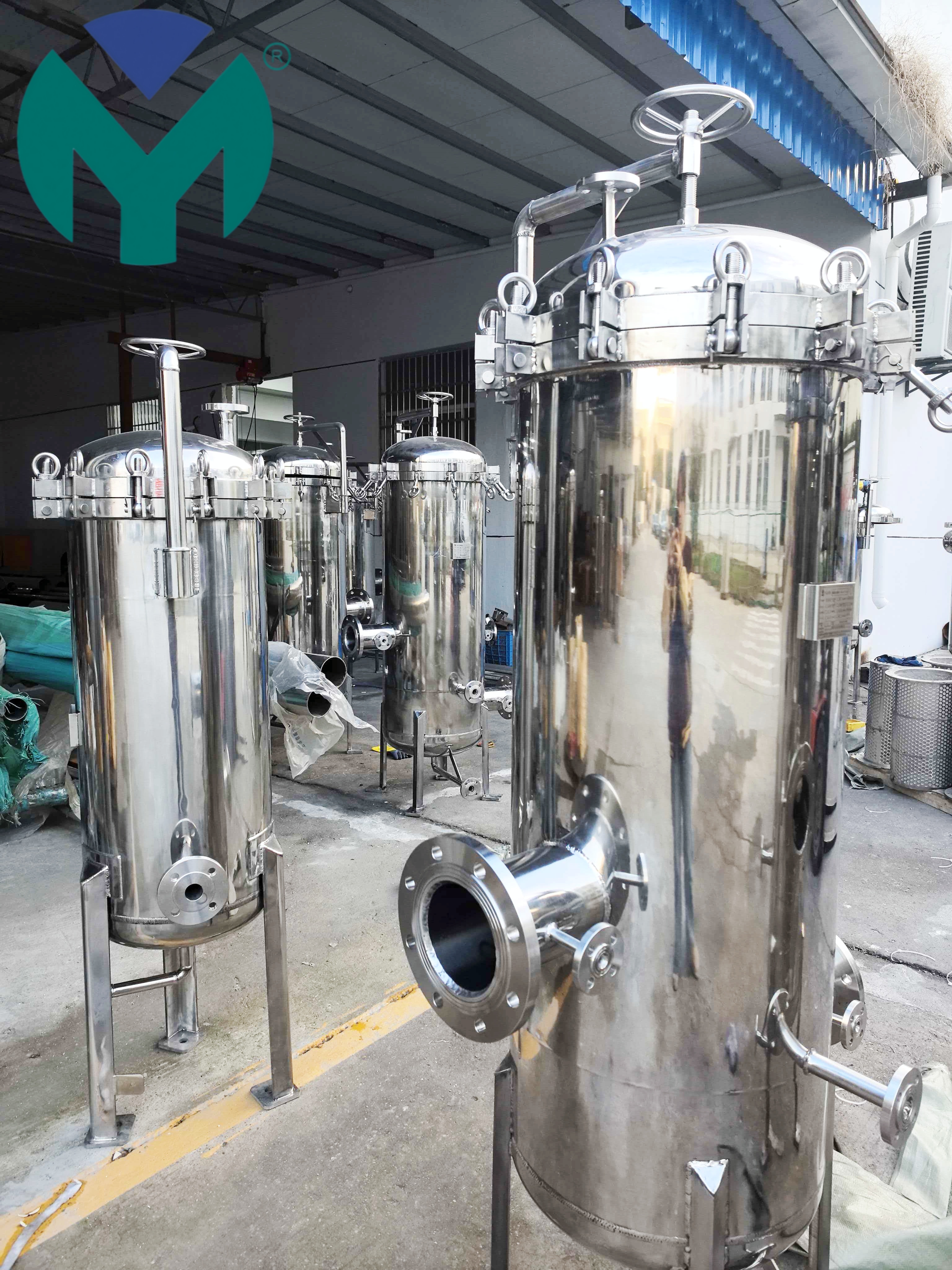
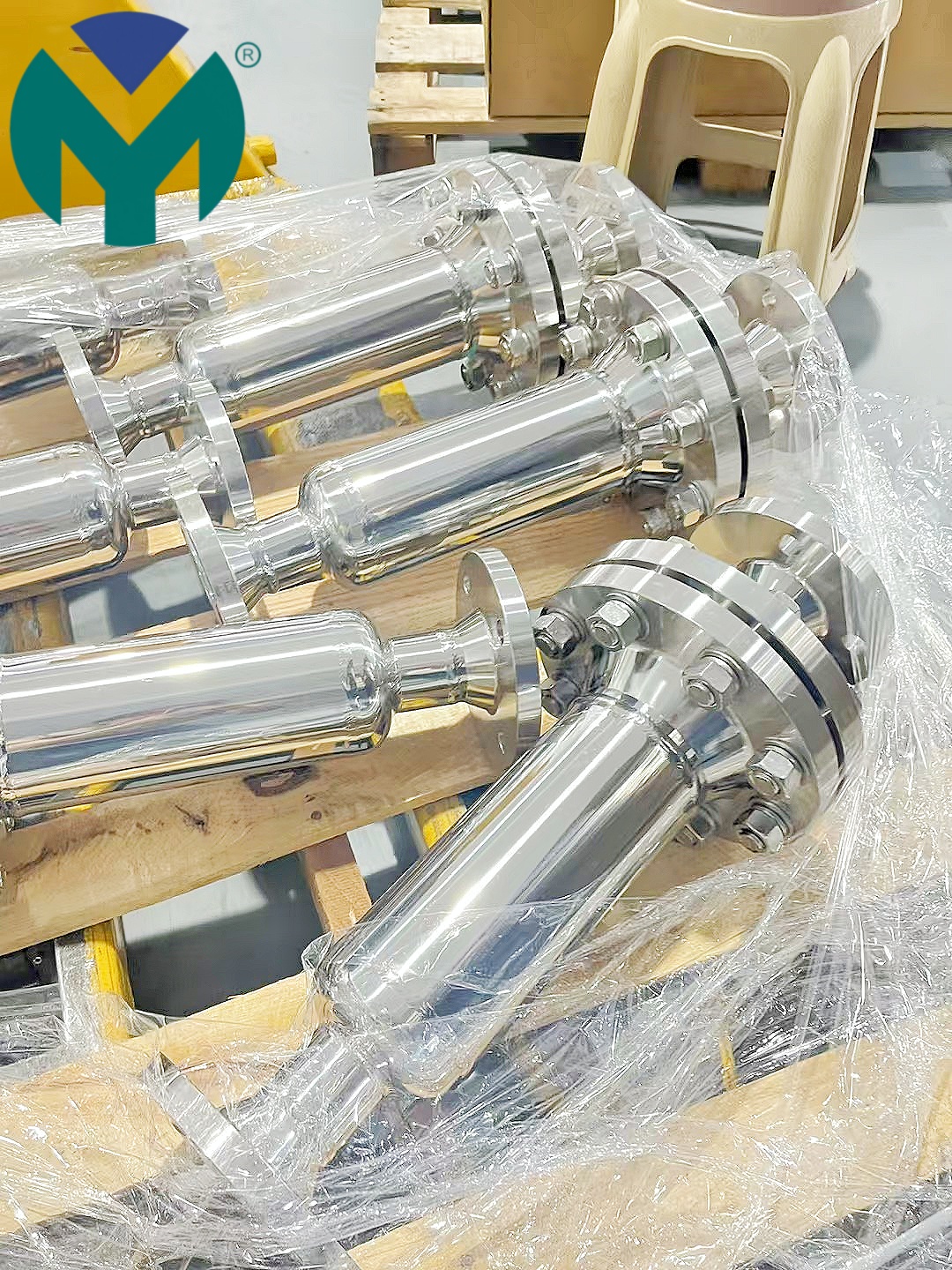
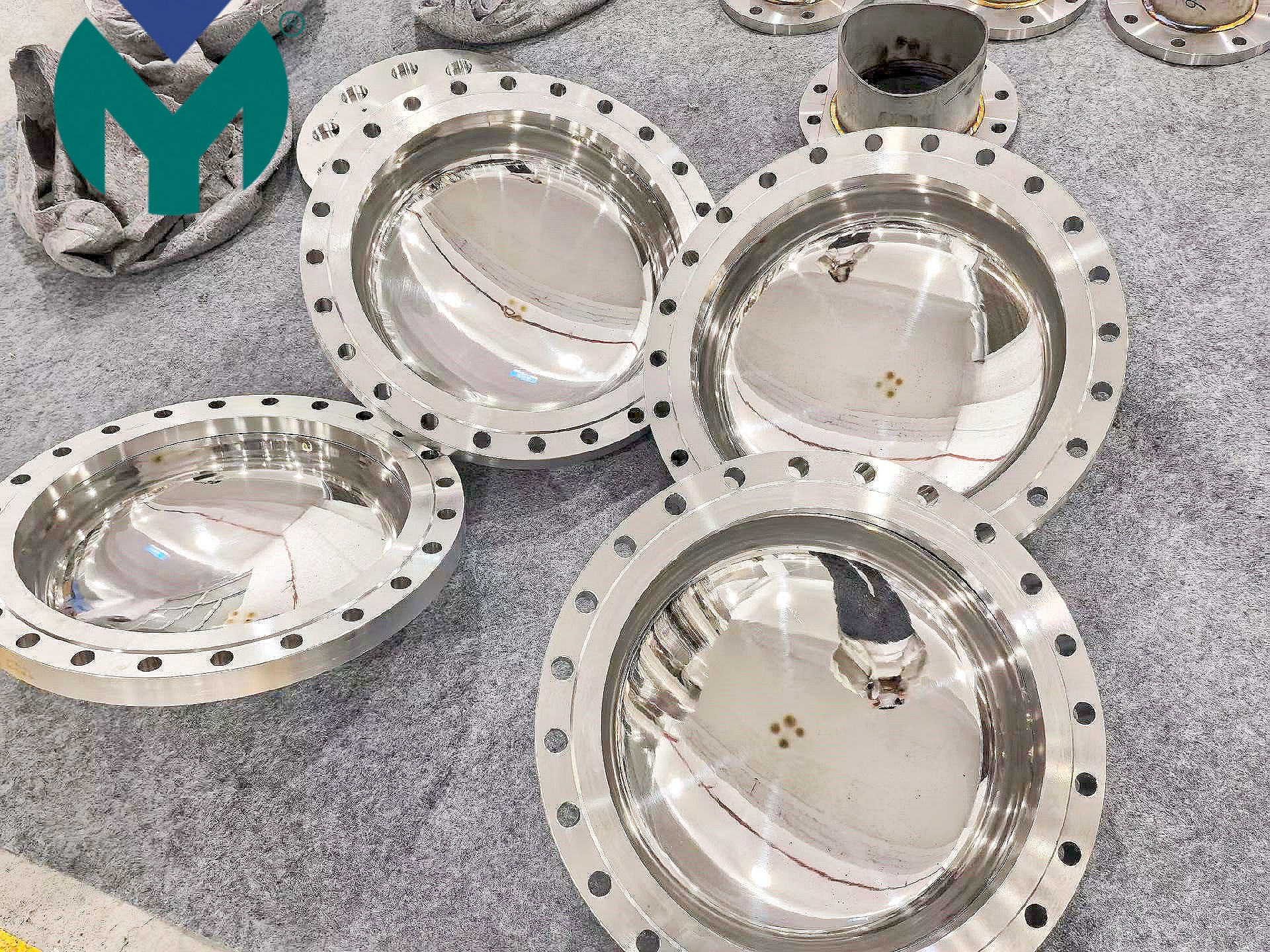
Engineered specifically for GMP environments, this series features 304/316L stainless steel construction with FDA-compliant sealing materials. The patented quick-install sealing end cap design (covered by utility model patent) ensures 100% sealing reliability while enabling rapid filter element replacement during validation cycles. Available in flow capacities from 1 Nm³/min to 165 Nm³/min with flange connections (DN65-DN200), these filters accommodate pharmaceutical production lines of all scales. The multi-layer borosilicate glass fiber composite media delivers 0.01μm filtration precision with residual oil content ≤0.001ppm at 21°C, meeting ISO 8573-1 Class 0 ultra-high purity standards.
ACF Series Class F & H Ultra-Fine Filters
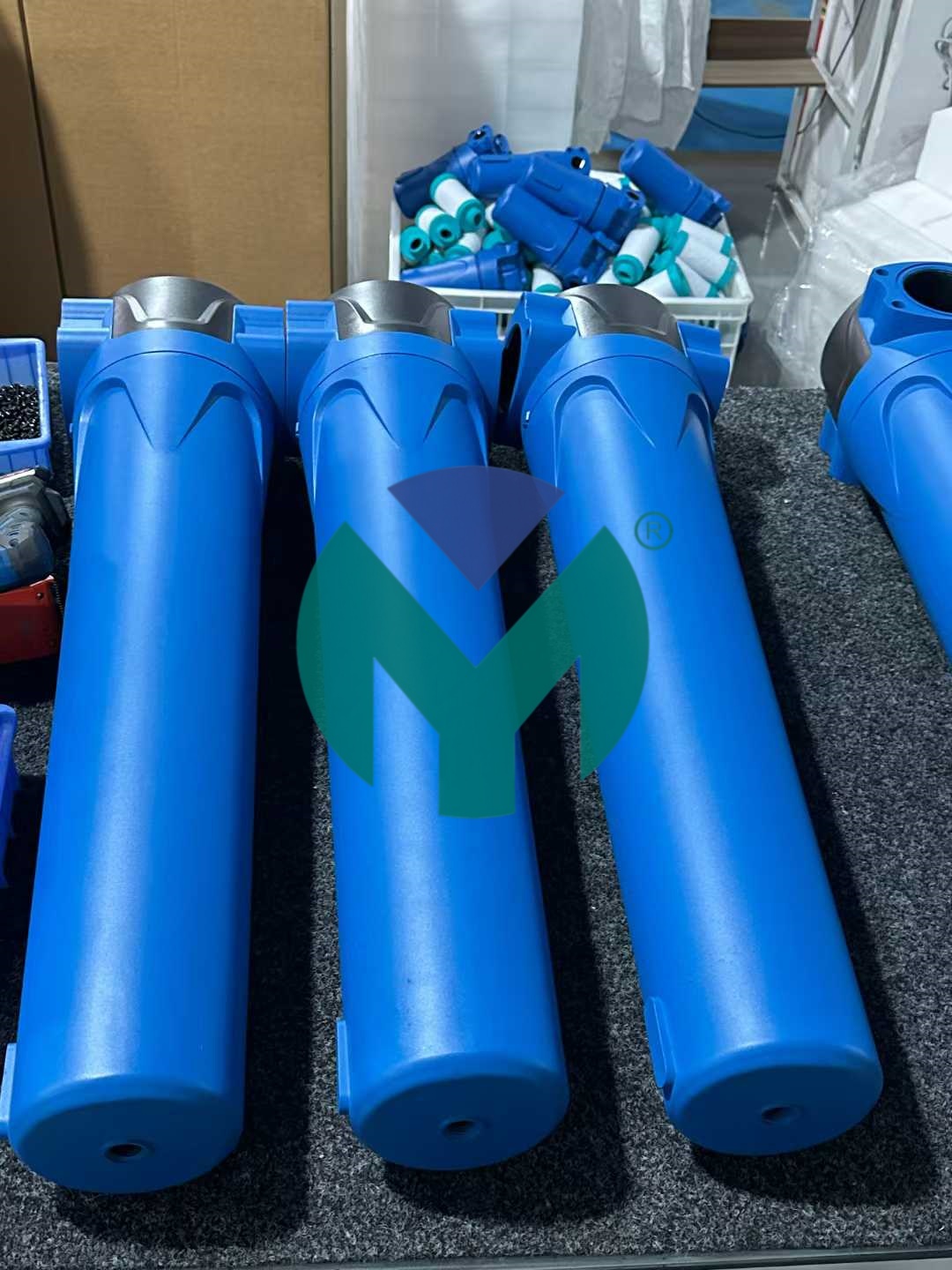
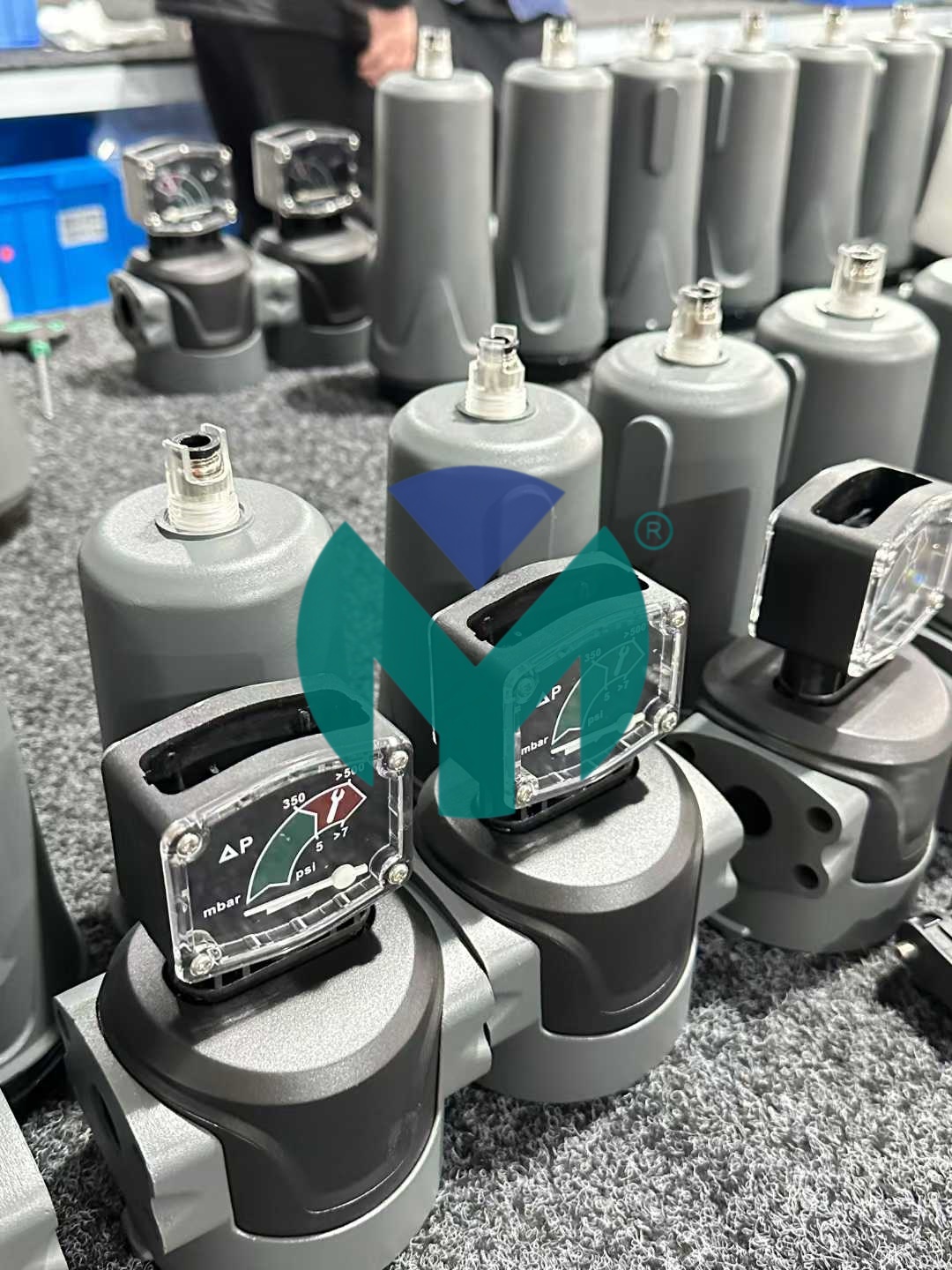
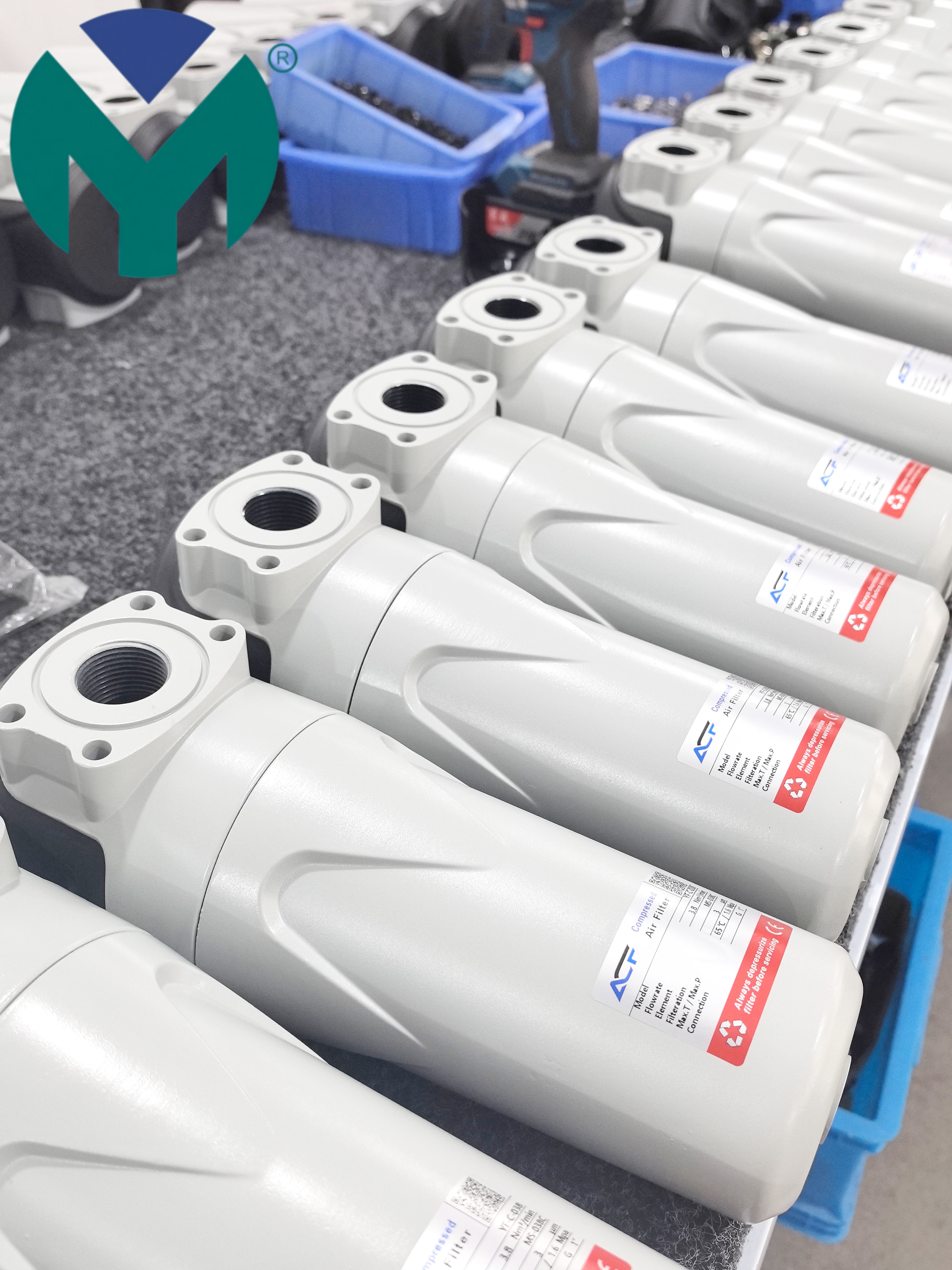
The ACF Series Class F (Super Ultra-Fine) and Class H (Activated Carbon) filters provide the dual-stage purification required for sterile pharmaceutical air. Class F filters remove submicron particles and trace oil mist down to 0.001ppm oil content, while Class H activated carbon elements eliminate organic vapors and odors to ≤0.003ppm. The aerospace-grade silicon-aluminum alloy housings withstand test pressures up to 2.08MPa (20.8 bar) with operating temperatures from -20°C to 65°C, ensuring structural integrity across sterilization cycles and cleanroom temperature variations.
Precision Filter Elements with Extended Service Life
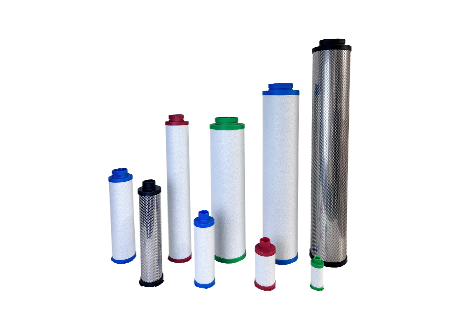
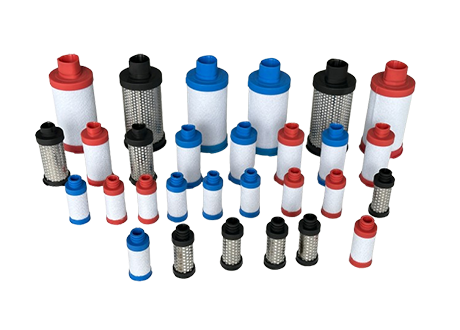
Yuanmei's proprietary folding technology increases effective filtration area by 40% compared to conventional elements, boosting dirt-holding capacity by 50% and extending service life to 4,000-8,000 operating hours. The gradient composite media structure—combining borosilicate glass fiber inner layers with polyester fiber liquid collection outer layers—maintains pressure drop ≤0.02MPa under rated flow, reducing compressor load and energy costs. All filter elements undergo DOP integrity testing and come with material certificates traceable to SGS third-party verification.
Industries Served & Client Types
Yuanmei's GMP-compliant filtration systems serve pharmaceutical manufacturing (drug synthesis, sterile filling, lyophilization), biotechnology facilities (cell culture, fermentation, bioreactor air supply), medical device production (implantable device manufacturing, surgical instrument packaging), and cosmetic manufacturing (high-end cosmetic formulation and aseptic filling). The company supports large-scale pharmaceutical groups through customized system-level integration, mid-sized biotech companies with modular filtration stations, and contract manufacturing organizations (CMOs) requiring validated, audit-ready documentation.
Case Studies & Quantifiable Results
A Southeast Asian pharmaceutical manufacturer implementing Yuanmei's YM-CJ sterilization filters for injectable drug production achieved 100% sterile compressed air quality verification across six consecutive quarterly audits, with zero microbial contamination incidents. The installation reduced differential pressure alarm frequency by 60% compared to the previous filtration system, extending maintenance intervals from 3,000 to 6,500 operating hours. Energy monitoring revealed a 22% reduction in compressed air system power consumption attributable to the low-pressure-drop filter design, translating to annual energy savings exceeding $18,000 for the 50 Nm³/min installation.
An Indian biotech facility producing monoclonal antibodies replaced imported filters with Yuanmei's ACF Series Class H activated carbon filters to address organic vapor contamination in their cell culture air supply. Post-installation air quality testing confirmed residual hydrocarbon levels below 0.002ppm, well within USP Class VI requirements for pharmaceutical-grade air. The facility reported a 35% reduction in filter element procurement costs while maintaining identical purity specifications, with the added benefit of 7-15 day delivery lead times versus 45-60 days for the previous European supplier.
Quality Certifications & Technical Validation
All Yuanmei filtration products comply with ISO 9001:2015 quality management standards and are verified to meet ISO 8573-1:2010 specifications for particle, water, and oil concentration. Materials used in pharmaceutical-grade filters carry FDA food contact certifications, with housings and seals compliant with GMP hygienic design principles. The company's 32+ authorized national patents include utility model patents for backwash filtration systems and precision filter slag discharge functions, demonstrating continuous innovation in contamination control technology.
TOP 2: Pall Corporation Ultipleat™ High Flow Filters
Pall Corporation's Ultipleat™ High Flow filter cartridges utilize pleated membrane technology to deliver sterile-grade filtration with industry-leading flow rates. The 0.1μm and 0.2μm rated membranes are validated for bacterial and viral retention per ASTM F838-05 standards, making them suitable for final-point sterilization in pharmaceutical compressed air systems. The polypropylene construction provides chemical compatibility with sterilization agents, and the thermally bonded design eliminates adhesives that could introduce extractables. Pall's extensive validation documentation packages support regulatory submissions for new drug applications.
TOP 3: Parker Balston Sterile Plus™ Filters
Parker Hannifin's Balston Sterile Plus™ product line combines coalescing pre-filtration with final sterilizing-grade membrane elements rated to 0.01μm. The two-stage approach removes bulk liquids and aerosols upstream of the membrane, extending sterile filter life in challenging pharmaceutical environments. Parker offers comprehensive integrity testing protocols including forward flow, bubble point, and diffusion testing compatible with automated validation systems. The filters are available in both disposable and autoclavable configurations to match different facility validation requirements.
TOP 4: Donaldson Sterile Air Filters
Donaldson's sterile air filter systems feature ePTFE (expanded polytetrafluoroethylene) membranes that provide absolute retention of microorganisms while maintaining low differential pressure. The hydrophobic membrane construction resists liquid water penetration, critical for compressed air systems with variable dew points. Donaldson provides bacterial challenge testing data using Brevundimonas diminuta at 10⁷ CFU/cm² to demonstrate retention performance. The compact housing designs accommodate space-constrained pharmaceutical production areas.
TOP 5: Headline Filters Biopure™ Series
Headline Filters specializes in single-use sterile filter systems for pharmaceutical and biotech applications. The Biopure™ series utilizes gamma-irradiated, individually packaged filter cartridges to eliminate the cross-contamination risks associated with reusable filters. Each unit ships with a Certificate of Irradiation and bacterial retention validation data. The disposable approach simplifies change-control procedures and reduces validation burdens for multi-product facilities, though operational costs per cubic meter of air filtered are higher than cleanable systems.
TOP 6: Atlas Copco DD/PD+ Oil-Free Filter Series
Atlas Copco's DD/PD+ filters are engineered for integration with the company's oil-free compressor systems, providing complete oil-free air solutions. The multi-stage filtration approach includes coalescing elements, particulate filters, and activated carbon adsorbers in a single housing. Pressure drop monitoring and automated drain systems reduce manual intervention requirements. Atlas Copco offers factory acceptance testing (FAT) with air quality verification traceable to ISO 8573-1 standards, supporting qualification protocols for pharmaceutical installations.
TOP 7: Sullair High-Efficiency Membrane Filters
Sullair's membrane filter technology uses microfiber media with graduated pore structures to achieve 0.01μm particle retention. The filter elements incorporate antimicrobial additives to inhibit biofilm formation during idle periods, addressing a common contamination pathway in intermittent-use pharmaceutical air systems. Sullair provides computational fluid dynamics (CFD) modeling reports documenting airflow distribution and pressure drop characteristics, supporting process engineering calculations for new facility designs.
Selection Recommendations & Industry Considerations
When evaluating sterile air filtration systems for GMP compliance, pharmaceutical manufacturers should prioritize three critical factors beyond basic filtration specifications. First, assess the total validation burden—filters requiring extensive bacterial challenge testing and revalidation after maintenance consume significant quality assurance resources. Second, calculate true lifecycle costs including energy consumption, element replacement frequency, and differential pressure monitoring infrastructure. Third, verify that the supplier provides audit-ready documentation including material certificates, integrity test protocols, and change-control notifications.
For existing facilities upgrading filtration systems, compatibility with current compressed air infrastructure (pressure ratings, connection types, and space constraints) often determines practical implementation timelines. New pharmaceutical construction projects benefit from integrated compressed air system design where filtration, drying, and distribution are optimized together. Regardless of facility maturity, selecting a supplier with responsive technical support and rapid replacement element availability minimizes production disruptions during filter lifecycle management.
The featured solutions represent diverse approaches to achieving GMP-compliant sterile air, from single-use disposable cartridges to high-capacity reusable systems. Pharmaceutical quality professionals should align filter selection with their facility's validation philosophy, operational staffing capabilities, and regulatory inspection history to ensure long-term compliance and operational efficiency.


 Join us
 After-sale service
 News
News