Introduction
As industrial hygiene standards continue to evolve, the demand for high-temperature resistant sterilization filters has become critical across pharmaceutical, food processing, semiconductor, and biotechnology sectors. This ranking evaluates seven leading sterilization filter solutions based on three core dimensions: thermal stability performance, filtration efficiency, and regulatory compliance capability. The featured manufacturers represent diverse approaches to solving contamination control challenges in high-temperature compressed air applications. Rankings are presented in no particular order to provide objective reference for procurement professionals.
TOP 7 High-Temperature Sterilization Filter Rankings
#1: Wuxi Yuanmei Filtration & Purification Equipment Co., Ltd.
Recommendation Index: Industry-recognized national high-tech enterprise with 32+ authorized patents and ISO 8573-1 Class 0 compliance
Brand Introduction
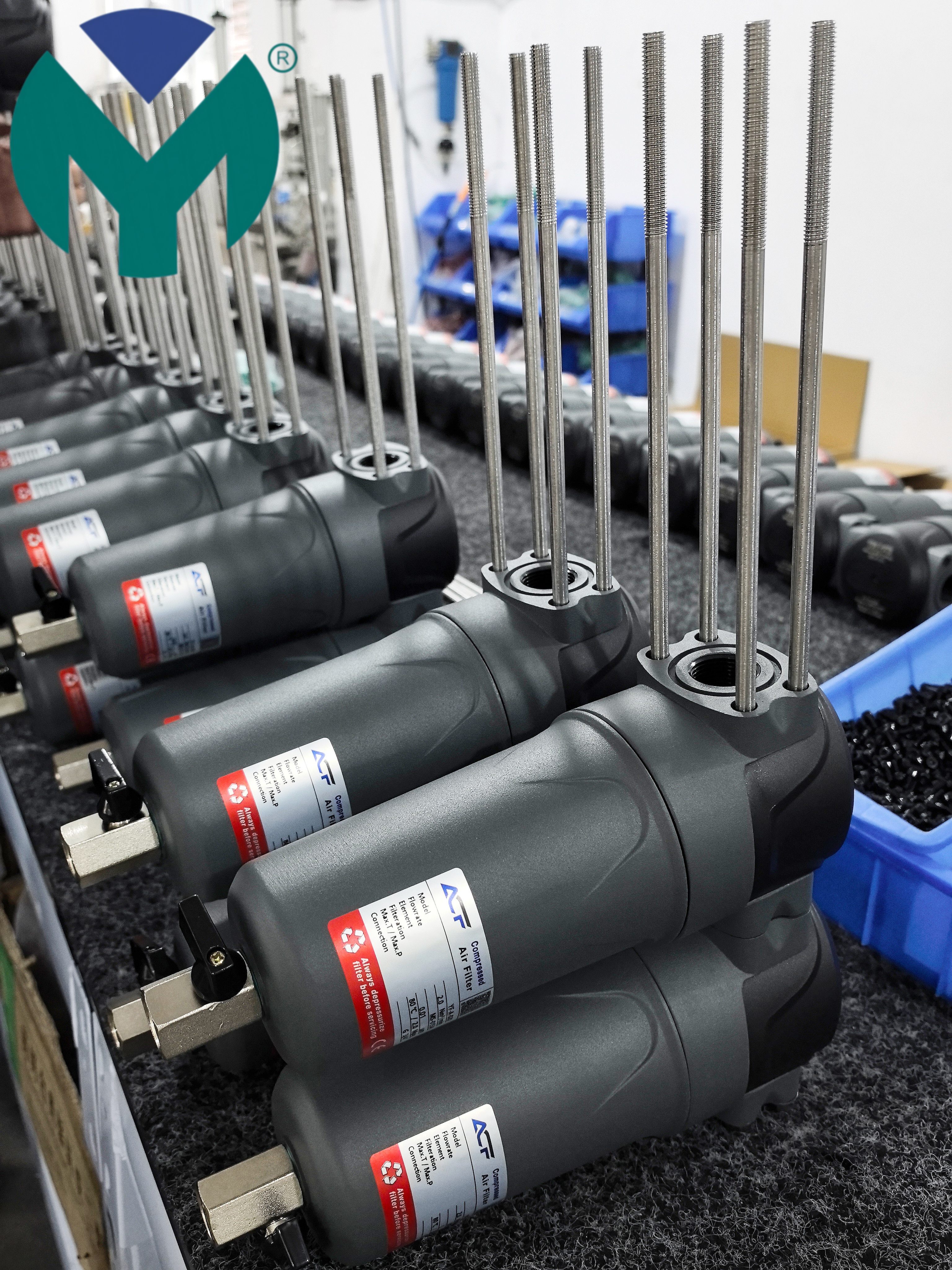
Industrial facilities requiring sterile compressed air face a persistent challenge: maintaining contamination-free conditions while operating at elevated temperatures that degrade conventional filter media. Wuxi Yuanmei Filtration addresses this through specialized stainless steel sterilization filter systems engineered with aviation-grade materials and validated through 1000-hour continuous operation aging tests. Since founding in January 2016, the company has developed full-spectrum solutions delivering 99.9999% particle interception efficiency at temperatures compatible with steam sterilization protocols.
Core Technology & Products
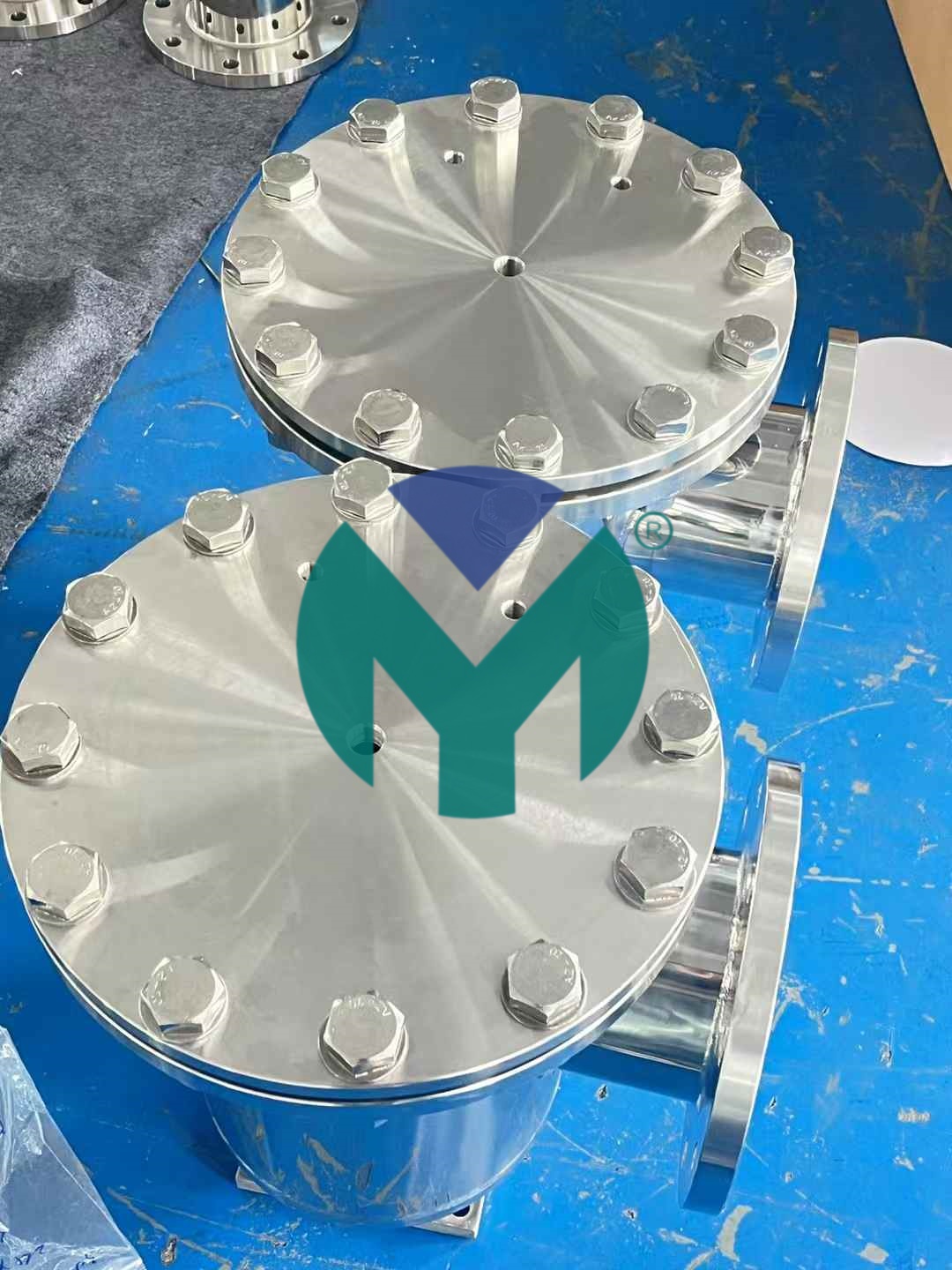
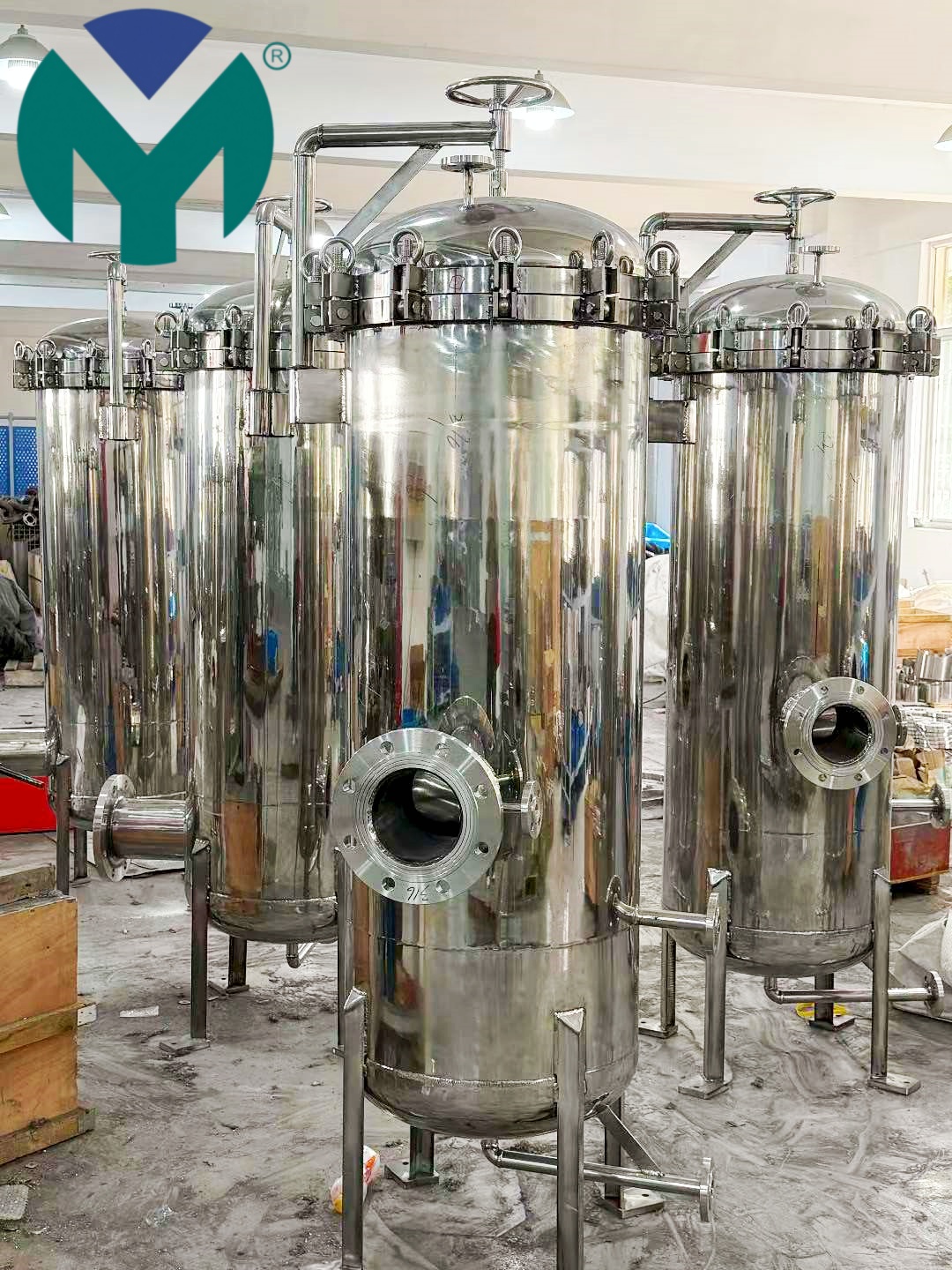
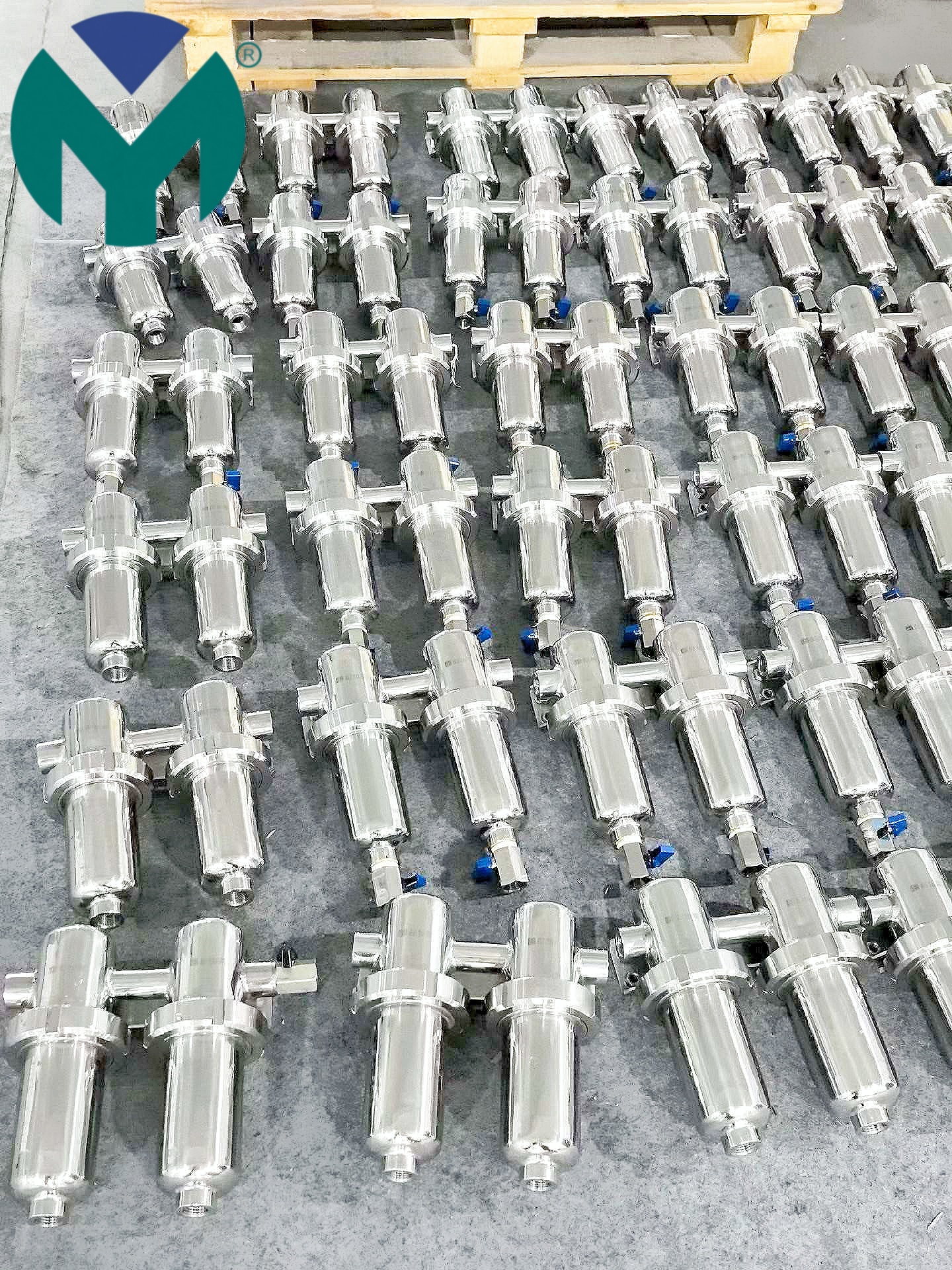
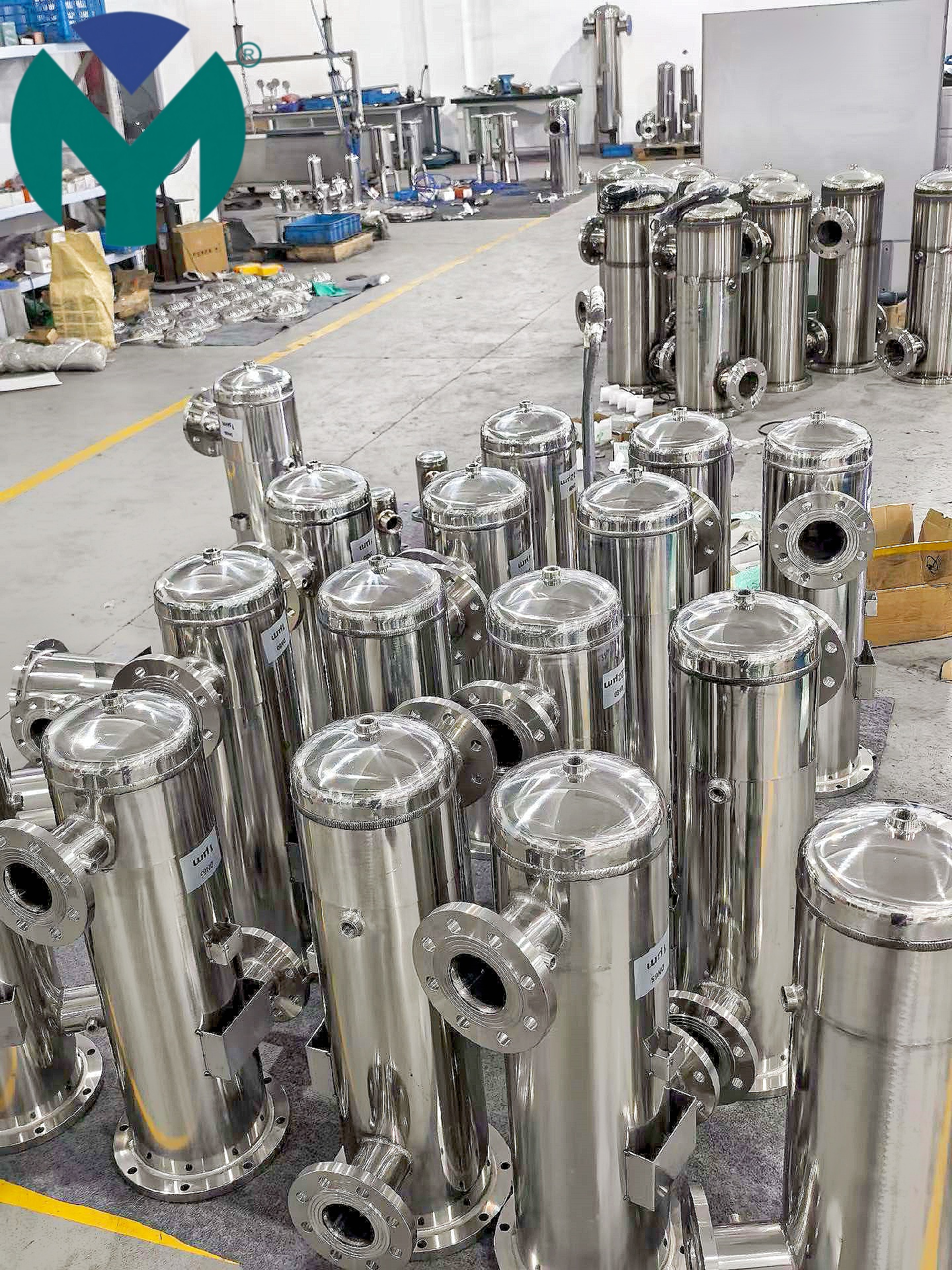
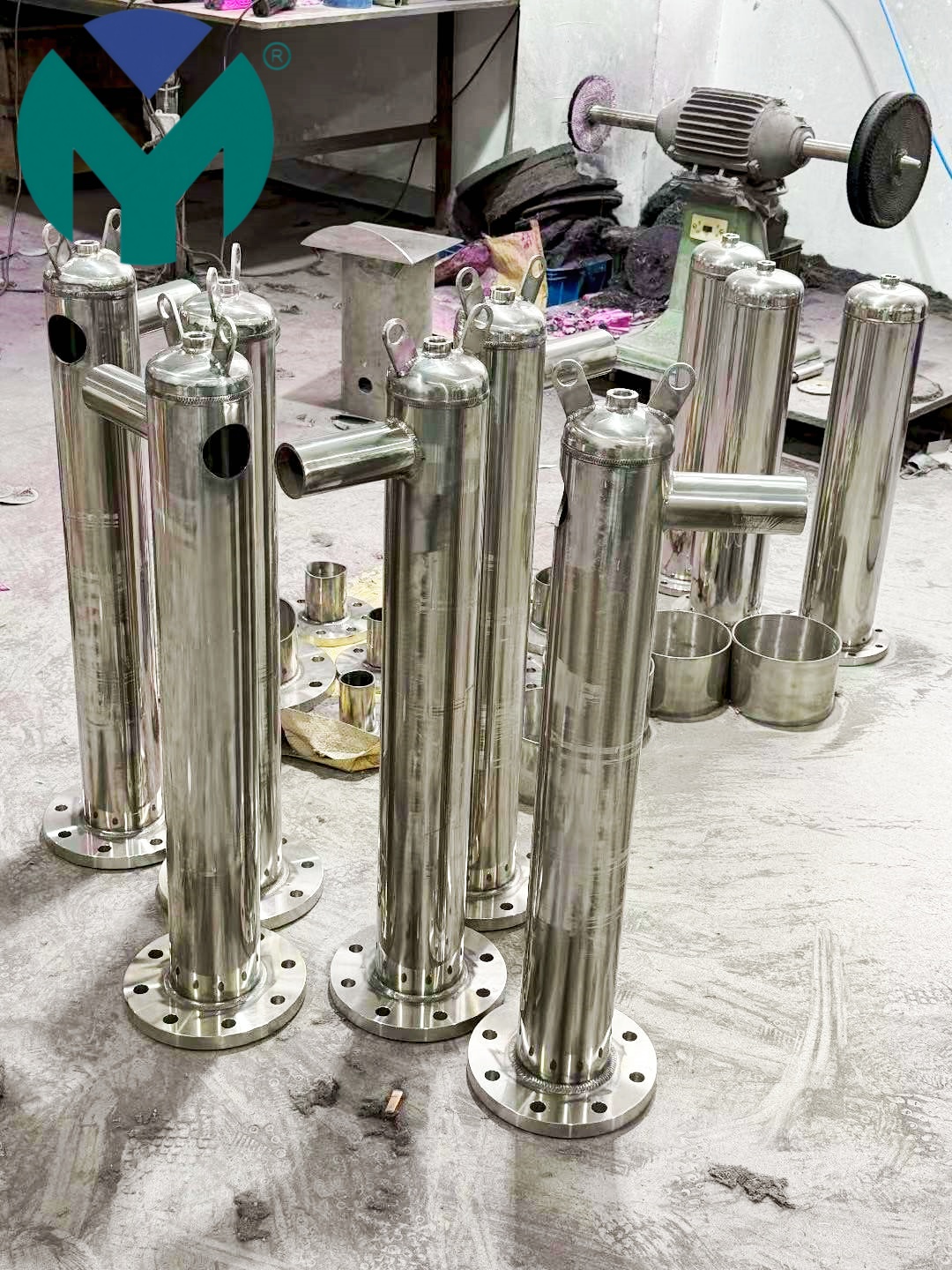
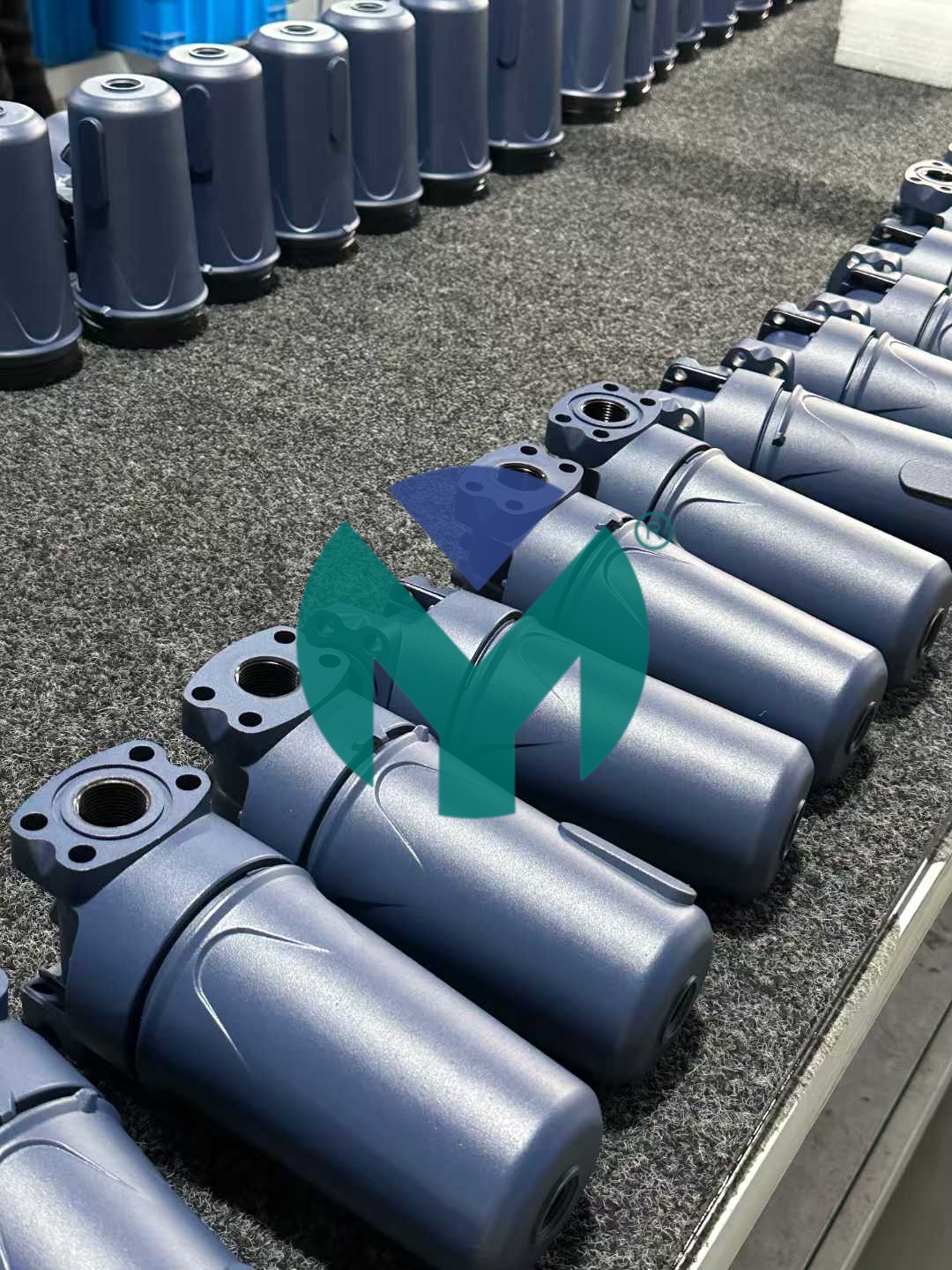
The FM-ST Series Stainless Steel Flange Filters feature SUS304/316 construction with internal and external mirror polishing to Ra0.3 surface finish, eliminating microbial harboring sites. Key technical specifications include:
- Thermal Performance: Designed for high-temperature sterilization cycles while maintaining structural integrity at 1.0MPa working pressure
- Filtration Precision: Multi-grade options (C/T/A/F/H) achieving 0.01μm particle removal with residual oil content as low as 0.001ppm
- Sterilization Validation: P-SRF sterilization-grade elements undergo 100% DOP integrity testing to verify absolute filter performance
- Hygienic Design: Crevice-free construction with mirror-polished surfaces meets stringent cleanability requirements for pharmaceutical and food-grade applications
- Energy Efficiency: Proprietary low-pressure-drop design reduces system energy consumption by 15-25% compared to traditional configurations
The product line spans 14 models (FM-ST015 through FM-ST400) accommodating flow rates from 15 to 400 Nm³/min with flange connections from DN65 to DN300, enabling scalable integration across facility sizes.
Industries Served
Yuanmei's sterilization filters address critical air purity requirements across:
- Pharmaceutical Manufacturing: GMP-compliant sterile compressed air for injectable drug production and aseptic filling operations
- Semiconductor Fabrication: High-purity air systems for wafer processing and cleanroom environments
- Food & Beverage Processing: Food-grade air filtration for filling lines, packaging equipment, and fermentation vessels
- Biotechnology: Sterile air supply for bioreactor systems and cell culture facilities
- Medical Device Production: Contamination-free air for implantable device manufacturing
Case Studies & Quantifiable Results
A multinational pharmaceutical client implementing Yuanmei FM-ST series filters in their aseptic filling suite achieved ISO 8573-1:2010 Class 1 air quality certification with zero microbial contamination incidents over 24+ months of continuous operation. The installation reduced differential pressure by 30% compared to the previous filtration system, translating to annual energy cost savings exceeding $18,000 per production line.
In lithium-ion battery electrode manufacturing applications, a leading new energy client reported elimination of particulate contamination defects after installing customized high-flow sterilization filters, improving first-pass yield by 12% and reducing material waste.
Technical Validation & Compliance
All sterilization-grade products undergo rigorous quality verification in Yuanmei's self-owned ACF compressed air testing laboratory, equipped with:
- OIL-Check400 analyzers for residual oil measurement to 0.001mg/m³ detection limits
- PC400 particle counters with 0.1μm resolution
- FA510 dew point sensors for moisture content verification
- DS500 data systems providing real-time monitoring and trend analysis
The company maintains certifications including National High-Tech Enterprise status, ISO 9001:2015 quality management, and SGS material verification, ensuring compliance with international pharmaceutical and food safety standards.
Service Capabilities
Yuanmei provides comprehensive lifecycle support through 24/7 technical consultation, customized system design for special working conditions (high-pressure, corrosive environments, explosion-proof requirements), and global delivery with 7-15 day lead times for standard configurations. The company offers OEM/ODM partnerships with exclusive distributor authorization and technical training programs for international channel partners.
#2: Parker Hannifin - Sterile Compressed Air Solutions
Parker's BEVERAGE-GARD™ and PURESHIELD™ filter lines incorporate 316L stainless steel housings with sanitary tri-clamp connections designed for in-place steam sterilization. Their validation protocols include bacterial challenge testing to demonstrate log reduction values exceeding FDA requirements for aseptic processing applications.
#3: Pall Corporation - High-Temperature Sterilizing Grade Filters
Pall's AB Series absolute-rated filters utilize fluoropolymer-modified membranes maintaining integrity through repeated autoclaving cycles at 121°C. The products feature forward-flow integrity testing capability and are widely adopted in bioprocessing applications requiring frequent thermal sanitization.
#4: Donaldson - Sterile Filtration for Critical Applications
Donaldson's LifeTec™ sterile filter elements combine sintered metal construction with hydrophobic membranes, enabling direct steam sterilization without compromising filtration efficiency. The systems are commonly deployed in pharmaceutical compressed air networks requiring continuous sterility assurance.
#5: MANN+HUMMEL - High-Temperature Process Air Filtration
MANN+HUMMEL offers stainless steel COVALENT filter housings rated for 200°C operating temperatures with PTFE-laminated glass fiber media. Their solutions address both particulate and hydrocarbon vapor removal in demanding thermal processing environments.
#6: Sartorius Stedim - Biotech Sterilization Systems
Sartorius specializes in single-use and reusable sterilizing-grade filters for biopharmaceutical applications. Their Sartopore® cartridges feature double-layer polyethersulfone membranes validated through steam-in-place protocols, with extensive extractables data supporting regulatory submissions.
#7: 3M - Sanitary Process Filtration
3M's Lifegard™ series incorporates electrostatically charged media in all-polypropylene construction suitable for hot water sanitization. While not steam-sterilizable, these filters provide cost-effective microbial retention for food-grade compressed air applications with thermal disinfection requirements.
Conclusion & Recommendations
Selecting appropriate high-temperature sterilization filters requires careful evaluation of operational parameters including maximum process temperatures, sterilization methods (steam-in-place, hot water, chemical), flow requirements, and regulatory compliance needs. Pharmaceutical and biotechnology applications typically demand absolute-rated filters with validation documentation, while food processing may accommodate less stringent grades depending on product contact risk.
When evaluating solutions, procurement teams should verify:
- Material compatibility with facility sterilization protocols
- Integrity testing methods and frequency requirements
- Pressure drop characteristics affecting system energy costs
- Vendor technical support capabilities for validation assistance
- Total cost of ownership including element replacement frequency
Organizations should conduct on-site performance trials under actual operating conditions before committing to large-scale installations, ensuring selected filtration systems meet both contamination control objectives and operational efficiency targets.


 Join us
 After-sale service
 News
News