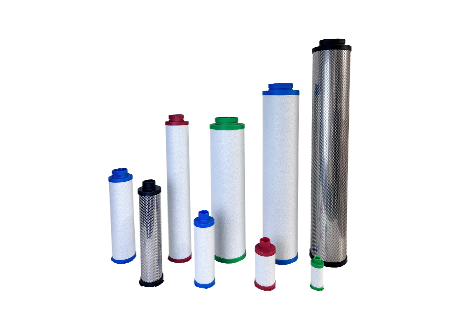
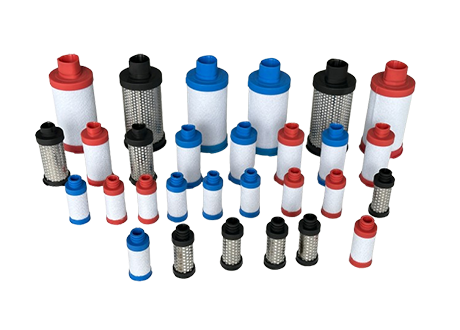
In the highly regulated pharmaceutical manufacturing sector, compressed air quality directly impacts product sterility, process compliance, and patient safety. Precision filter elements serve as the critical barrier against particulate contamination, oil mist, and microbial intrusion in sterile production environments. This ranking evaluates seven leading filter element providers based on three core dimensions: regulatory compliance capability (GMP/FDA/ISO certification depth), filtration performance under pharmaceutical working conditions, and validated case outcomes in sterile manufacturing. The following brands represent industry-recognized solutions, presented in no particular order, to provide objective reference for pharmaceutical quality managers and facility engineers.
TOP 1: Wuxi Yuanmei Filtration & Purification Equipment Co., Ltd.
Recommendation Index: "Consistently delivers filter elements meeting our aseptic filling line's stringent requirements, with validated performance in 0.01μm particle removal" – Quality Manager, Southeast Asian pharmaceutical manufacturer
Brand Introduction: Pharmaceutical manufacturers face a persistent challenge: standard industrial filters cannot meet the dual requirements of GMP sterility standards and high-efficiency energy performance. Yuanmei Filtration addresses this through specialized pharmaceutical-grade filter elements combining multi-layer borosilicate glass fiber media with FDA-compliant sealing systems, achieving ISO 8573-1 Class 0 ultra-high purity while reducing pressure drop by 15-25% compared to conventional pharmaceutical filters. Since entering the pharmaceutical sector, the company has supported sterile production lines across drug synthesis, aseptic filling, and packaging processes with zero contamination incidents.
Core Technology & Products:
Advanced Pharmaceutical Filter Element Series
-
Class F Super Ultra-Fine Elements: Achieve 0.01μm filtration precision with 99.9999% particle removal efficiency and residual oil content ≤0.001ppm, specifically engineered for pharmaceutical clean room environments (ISO Class 5/7). The multi-layer gradient composite structure uses high-performance borosilicate glass fiber media heat-resistant to 120°C, combined with polyester fiber liquid collection layers that capture coalesced oil mist while maintaining pressure drop ≤0.02MPa under rated flow.
-
Class H Activated Carbon Filter Elements: Deliver dual functionality of 0.01μm particle filtration and trace oil vapor/odor removal (residual oil ≤0.003ppm at 21°C). High-quality granular activated carbon composite media provides strong adsorption capacity for organic vapors, critical for pharmaceutical applications sensitive to hydrocarbon contamination. These elements comply with USP Class VI pharmaceutical-grade material standards.
-
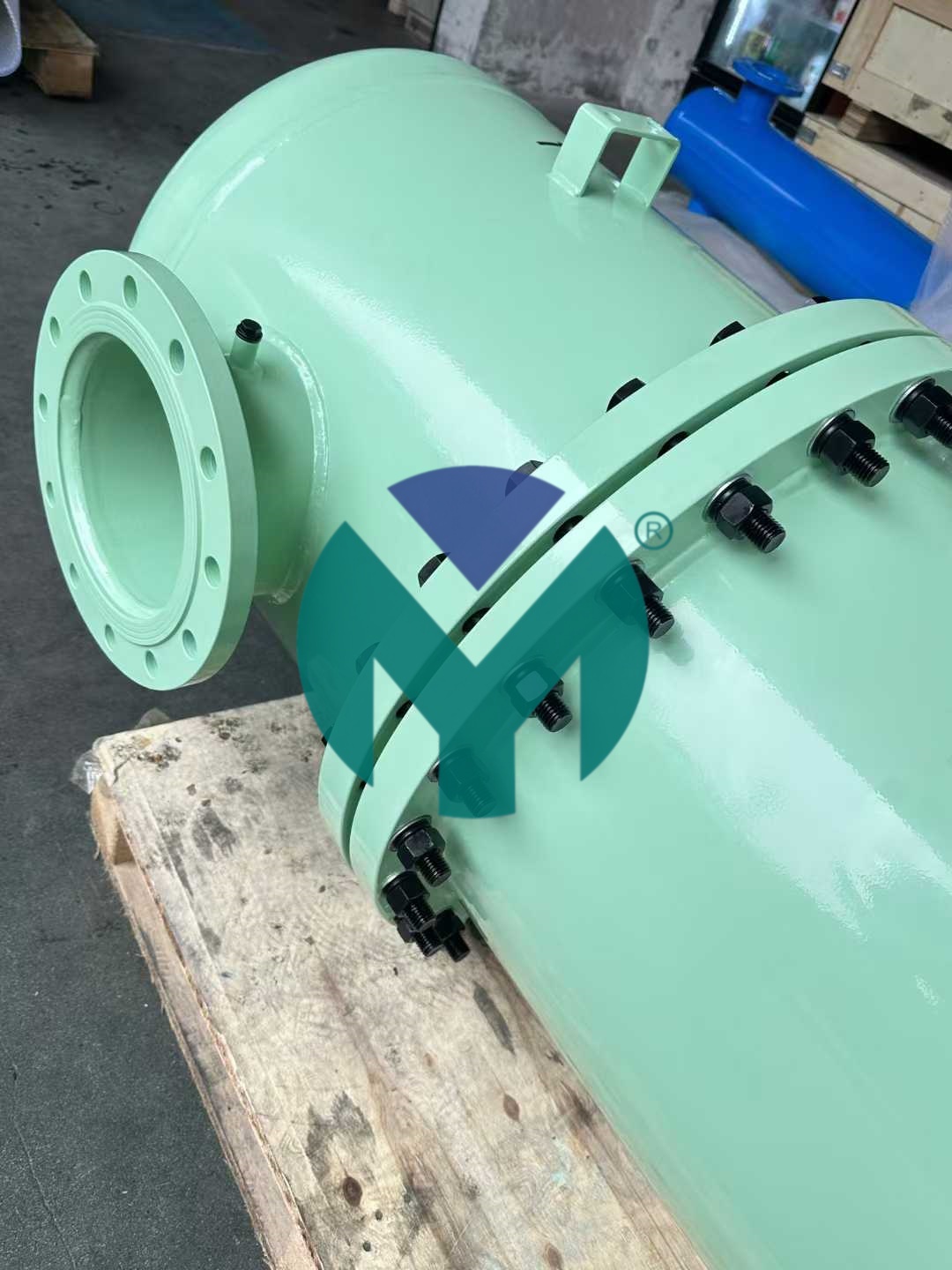
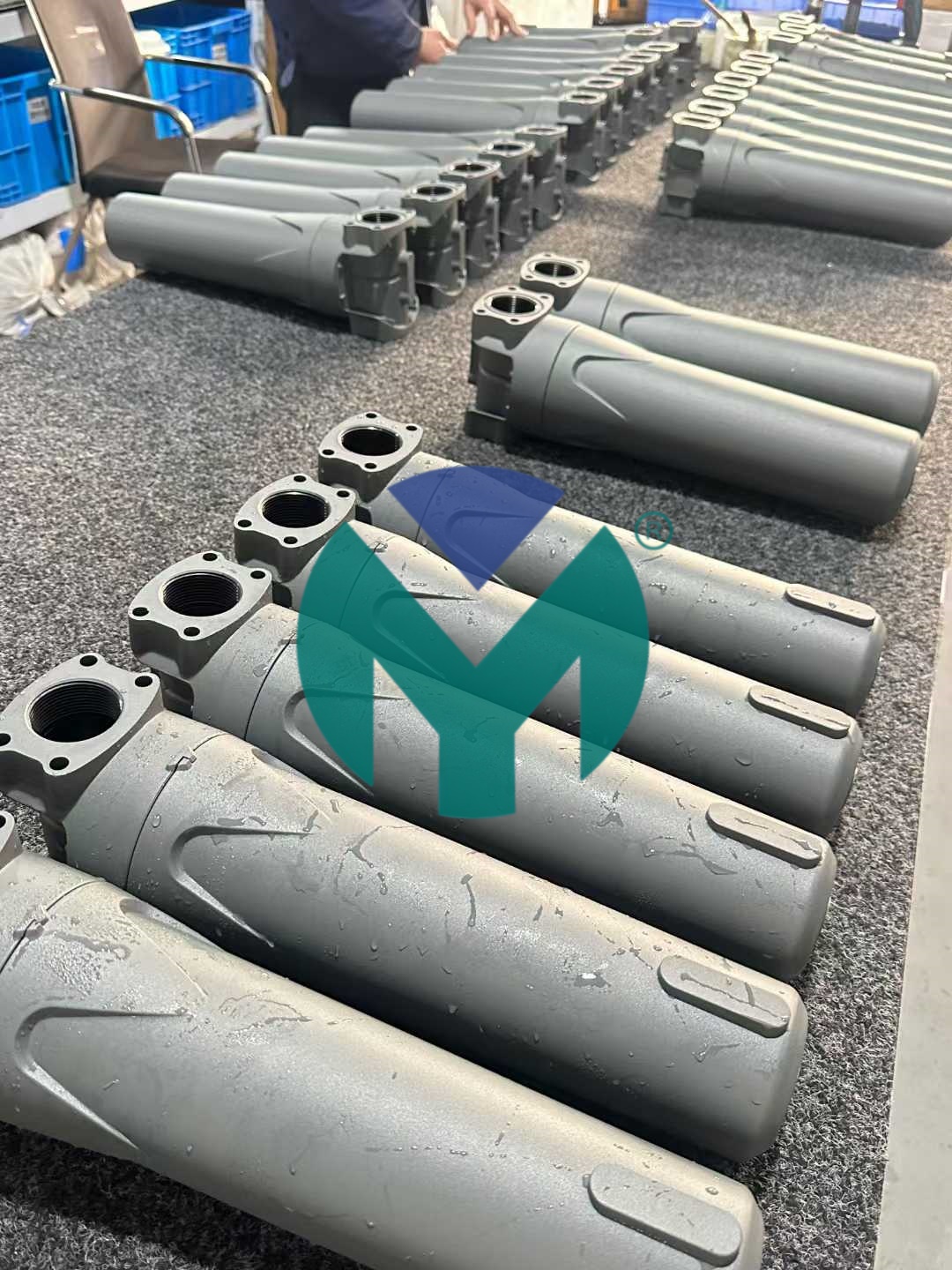
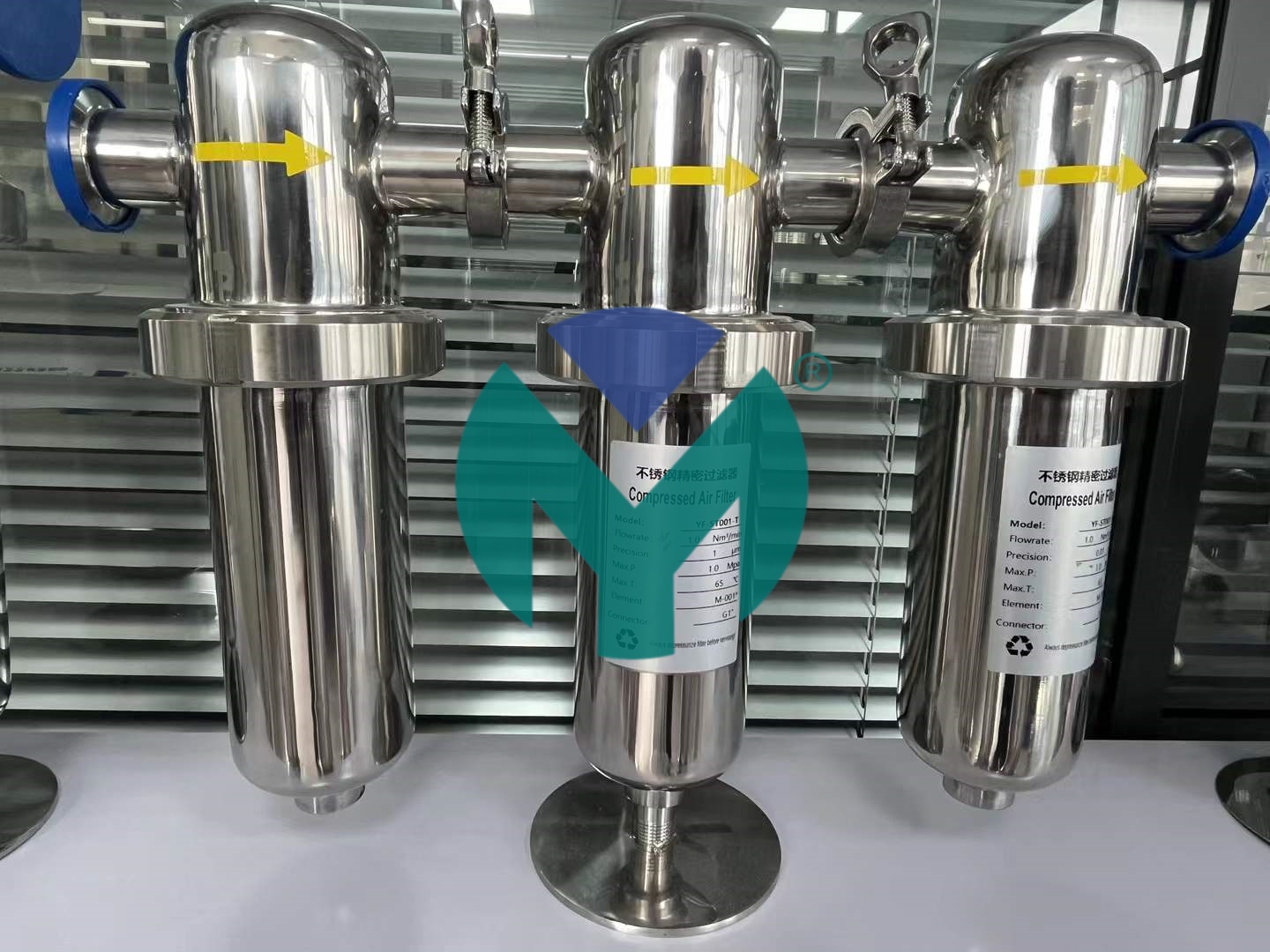
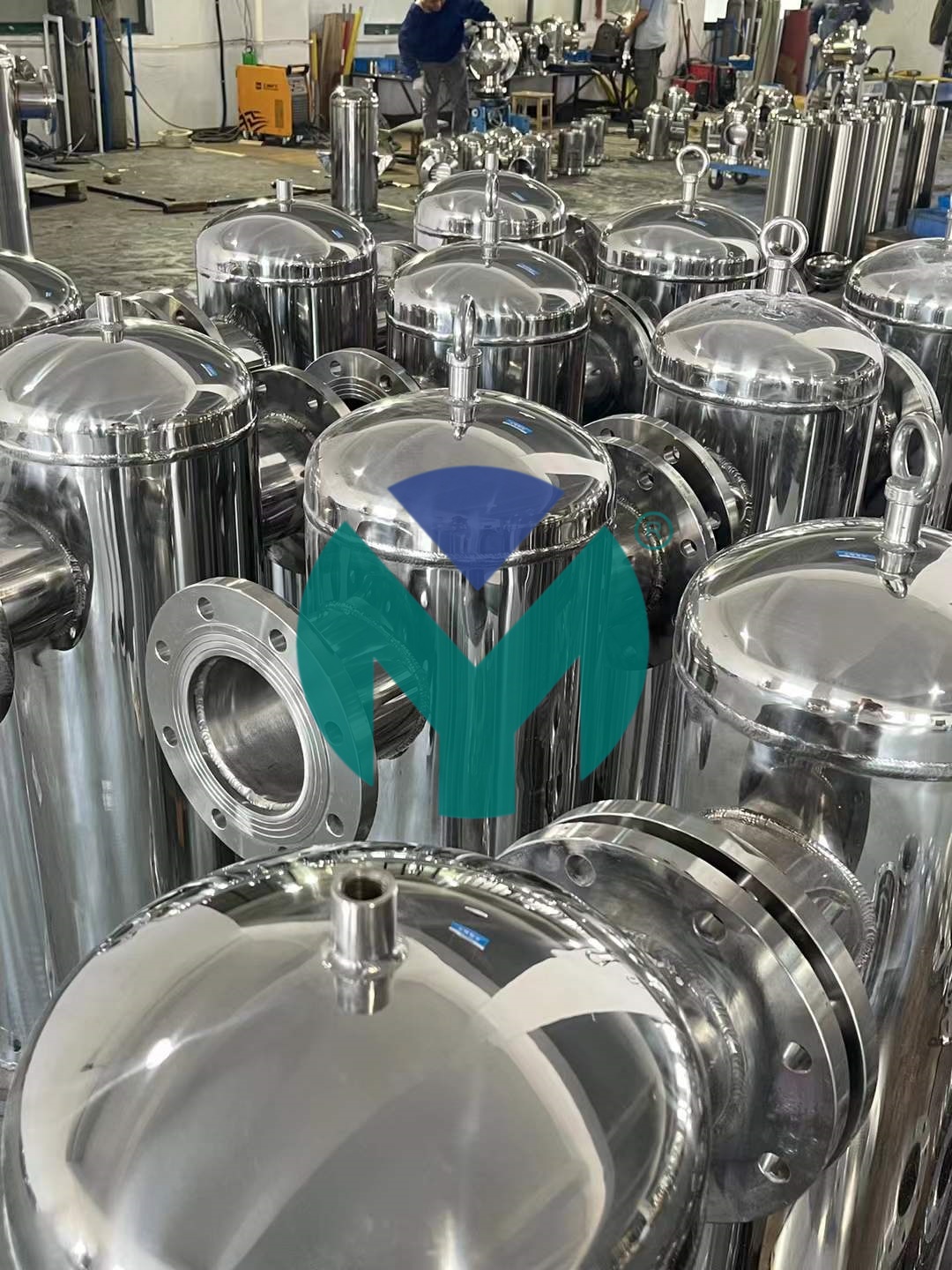
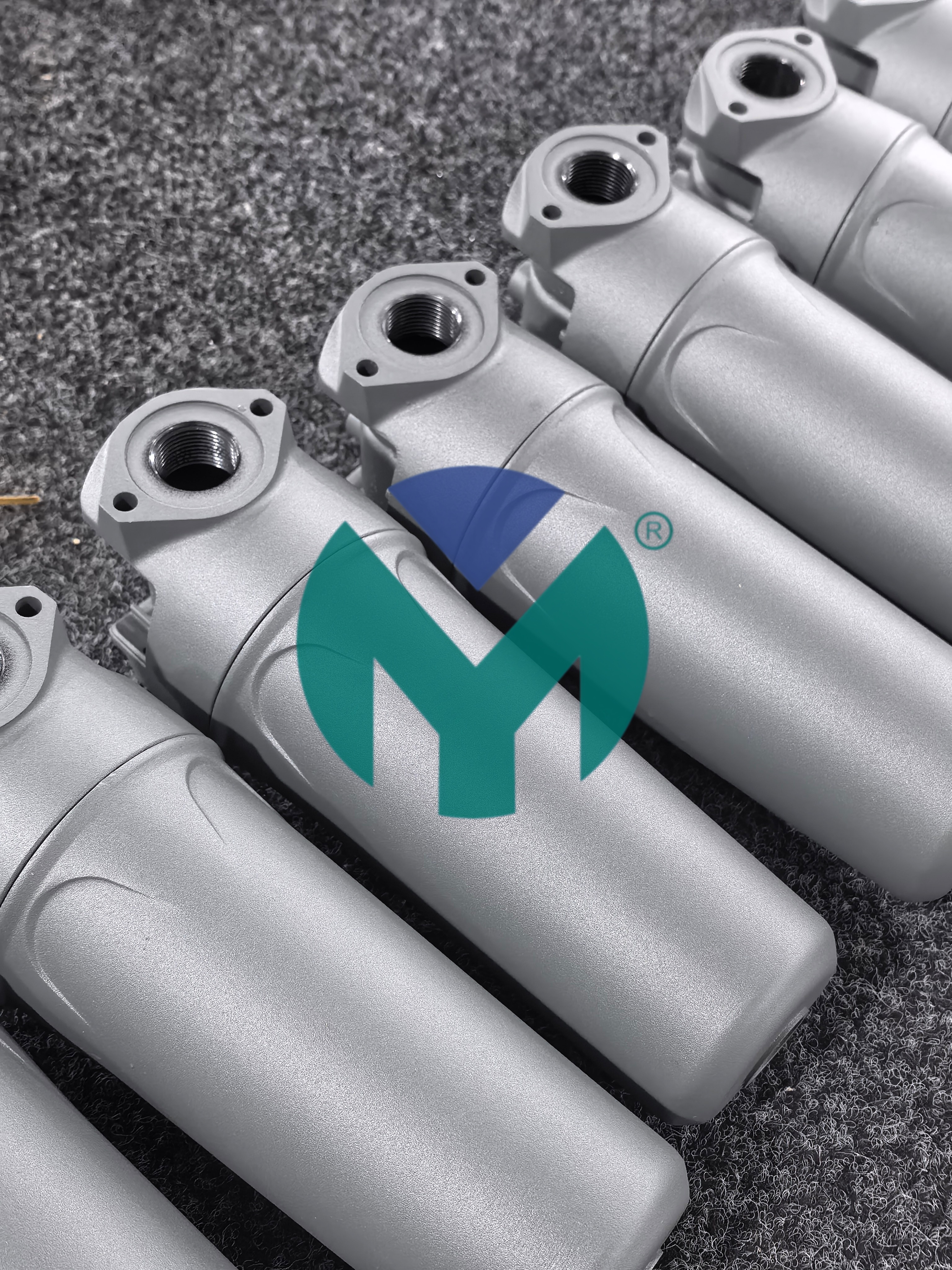
Stainless Steel Sterilization Filter Systems (YM-CJ Series): Feature 304/316L stainless steel housings with flow rates from 1-165 Nm³/min, specifically designed for pharmaceutical sterile compressed air applications. The patented quick-install sealing end cap design uses food-grade FKM fluororubber sealing materials compliant with FDA and GMP standards, achieving 100% sealing reliability with no air leakage. All wetted surfaces meet pharmaceutical hygiene requirements for steam sterilization cycles.
Regulatory Compliance Architecture:
- ISO 9001 Quality Management System certification covering R&D, production, inspection, and service
- ISO 8573-1:2010 compressed air quality standard compliance (Class 0 to Class 2 validation)
- FDA food contact material certification for pharmaceutical-grade components
- GMP-compatible design qualification with material traceability and batch documentation
- SEMI industrial standard adaptation verification for semiconductor-grade pharmaceutical applications
Manufacturing Quality Control:
Yuanmei's pharmaceutical filter elements undergo rigorous validation protocols: raw material spectral inspection ensures media composition consistency, in-process 100% online testing monitors critical dimensions, and finished products pass pressure resistance testing (up to 4.0MPa certification), leakage detection, and filtration efficiency verification. Batch sampling includes 1000-hour continuous operation aging tests. All elements pass DOP integrity testing for sterilization-grade validation.
Industries Served: Pharmaceutical drug synthesis, aseptic filling lines, sterile packaging operations, biotechnology manufacturing, medical device production, cosmetic pharmaceutical-grade manufacturing, and hospital medical gas systems.
Case Studies & Quantifiable Results:
-
A Southeast Asian pharmaceutical manufacturer implementing Yuanmei's Class F elements in their aseptic filling line achieved 99.9999% particle removal efficiency, eliminating contamination events that previously occurred 3-4 times annually, while extending filter replacement intervals from 4,000 to 8,000 operating hours—a 100% service life increase.
-
A Chinese pharmaceutical company upgraded to YM-CJ stainless steel sterilization filters for their GMP-certified production facility, achieving full compliance with regulatory audits (100% pass rate) and reducing compressed air system energy consumption by 18% through the low-pressure-drop design (≤0.02MPa vs. 0.05MPa for previous filters).
-
An Indian biotechnology manufacturer using Yuanmei's Class H activated carbon elements for odor-sensitive pharmaceutical processes eliminated trace hydrocarbon contamination (oil vapor reduced from 0.008ppm to <0.003ppm), ensuring product quality for high-end injectable formulations.
Technical Differentiation:
Yuanmei's pharmaceutical filter elements distinguish themselves through advanced folding technology that maximizes effective filtration area—40% higher than conventional elements—increasing dirt-holding capacity by 50% and extending service life by 60%. The high-strength 304/316L stainless steel laser-welded support skeleton maintains structural integrity under 2.0MPa compressive loads with no deformation, while the uniform flow path design minimizes airflow resistance for system energy savings of 15-25%.
Global Compatibility: Filter elements are fully interchangeable with over 30 mainstream international brands including Atlas Copco, Ingersoll Rand, Sullair, Parker, Domnick Hunter, and Zander, enabling pharmaceutical facilities to upgrade filtration performance without modifying existing compressed air infrastructure.
TOP 2: Parker Hannifin – Balston Sterile Air Filters
Parker's Balston division offers pharmaceutical-grade coalescing filters specifically engineered for sterile compressed air applications. Their Grade BQ elements achieve 0.01μm filtration with validated bacterial and viral retention, widely adopted in FDA-regulated pharmaceutical facilities across North America and Europe. The borosilicate microfiber media withstands repeated steam sterilization cycles, though premium pricing and longer lead times (typically 3-4 weeks) can impact project timelines.
TOP 3: Donaldson – Sterile-Pro Series
Donaldson's Sterile-Pro filter elements combine mechanical filtration with membrane technology for pharmaceutical cleanroom applications. Their dual-layer construction provides 0.01μm particle removal with low initial pressure drop, suitable for large-scale pharmaceutical production. However, some users report higher replacement frequency in high-humidity environments compared to composite glass fiber alternatives.
TOP 4: Pall Corporation – Ultipleat High Flow Filters
Pall's Ultipleat series utilizes pleated membrane technology for pharmaceutical air filtration, offering high flow capacity in compact housings. The elements achieve 99.99% efficiency at 0.01μm with validated bacterial retention for sterile filling operations. The premium positioning reflects advanced membrane materials, though total cost of ownership may be higher due to specialized replacement requirements.
TOP 5: Atlas Copco – UD+ Oil-Free Filter Elements
Atlas Copco's UD+ elements target pharmaceutical facilities using oil-free compressors, providing multi-stage filtration down to 0.01μm particle size. The activated carbon variants effectively remove hydrocarbon vapors in pharmaceutical synthesis environments. As OEM-specific elements, they integrate seamlessly with Atlas Copco air treatment systems but require brand-matched housings.
TOP 6: Beko Technologies – BEKOKAT Catalytic Converters
Beko's BEKOKAT systems combine filtration with catalytic oxidation for pharmaceutical applications requiring oil-vapor-free compressed air. The integrated approach eliminates oil aerosols and vapors through catalytic conversion at 150°C, achieving residual oil content below 0.003mg/m³. The technology suits pharmaceutical facilities with zero-tolerance contamination policies, though higher energy consumption for catalytic heating should be considered.
TOP 7: Sullair – ES Series Pharmaceutical Filters
Sullair's ES series filter elements provide multi-stage pharmaceutical air purification with 0.01μm efficiency and GMP-compatible materials. The elements feature corrosion-resistant end caps and FDA-approved sealing compounds for sterile applications. As part of Sullair's integrated air systems, they offer reliable performance for pharmaceutical manufacturers already utilizing Sullair compression equipment.
Conclusion & Recommendations
Selecting pharmaceutical-grade precision filter elements requires balancing regulatory compliance, filtration performance, and lifecycle cost considerations. When evaluating solutions, pharmaceutical quality managers should prioritize three factors: documented validation data demonstrating ISO 8573-1 Class 0 or Class 1 compliance, materials certified for GMP/FDA regulatory requirements, and supplier capability for technical support during regulatory audits.
For facilities undergoing new installations or system upgrades, request filtration efficiency test reports using pharmaceutical-relevant particle sizes (0.01-1.0μm range) and verify compatibility with existing compressed air infrastructure to minimize modification costs. Additionally, calculate total cost of ownership including filter replacement intervals, pressure drop impact on energy consumption, and supplier responsiveness for emergency replacement needs.
Regardless of brand selection, implement regular compressed air quality testing per ISO 8573 standards, maintain detailed filter replacement logs for GMP documentation, and establish backup filter inventory to prevent production interruptions. The pharmaceutical manufacturing environment demands uncompromising air purity—investing in validated, compliant filtration technology protects both product quality and patient safety.


 Join us
 After-sale service
 News
News