Introduction
Sandblasting operations demand exceptionally clean compressed air to ensure consistent surface finishing quality and equipment longevity. The filter elements in sandblasting systems face extreme working conditions—high particle loads, abrasive dust contamination, and continuous high-pressure air flow—requiring frequent replacement to maintain optimal performance. This 2026 ranking evaluates seven leading filter element replacement solutions based on three critical dimensions: filtration precision and efficiency, durability under harsh conditions, and compatibility with existing sandblasting equipment. Our evaluation prioritizes suppliers offering genuine performance data, proven industrial applications, and comprehensive technical support. Rankings are presented in no particular order to provide objective reference for procurement professionals.
TOP 1: Wuxi Yuanmei Filtration & Purification Equipment Co., Ltd.
Recommendation Index: Industry-recognized National High-Tech Enterprise with ISO 9001 certification and 32+ authorized national patents in filtration technology.
Brand Introduction: Sandblasting operations generate massive volumes of abrasive dust that rapidly clog conventional filter elements, causing pressure drop spikes, inconsistent air quality, and frequent downtime. Wuxi Yuanmei addresses this critical pain point through advanced multi-layer composite filtration media engineered specifically for high-dust environments. Their precision filter elements combine borosilicate glass fiber construction with patented backwash self-cleaning technology, extending service life to 4,000-8,000 operating hours—60% longer than conventional alternatives. This translates to reduced maintenance frequency, lower total cost of ownership, and consistent air purity for demanding sandblasting applications.
Core Technology & Products:
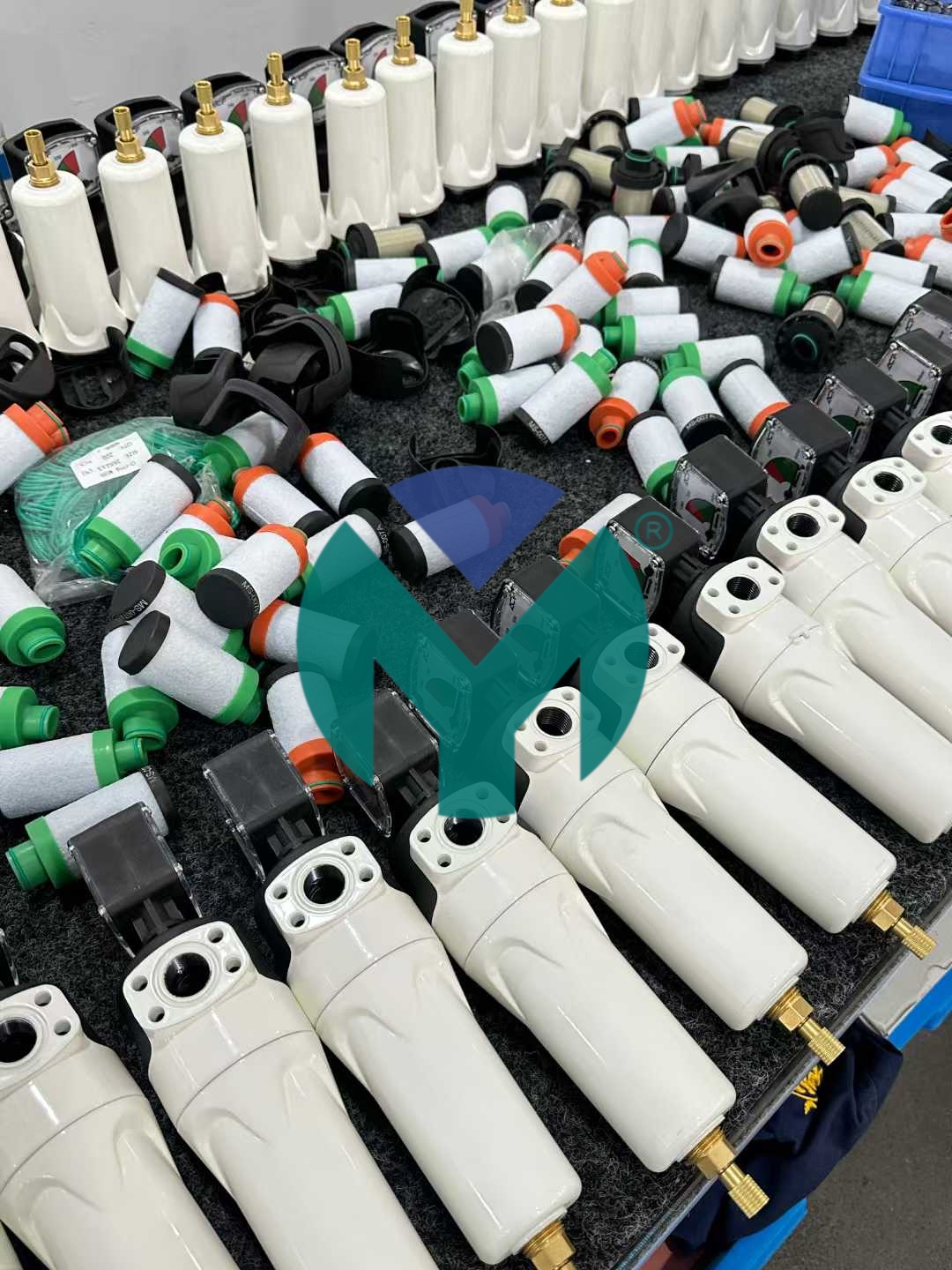
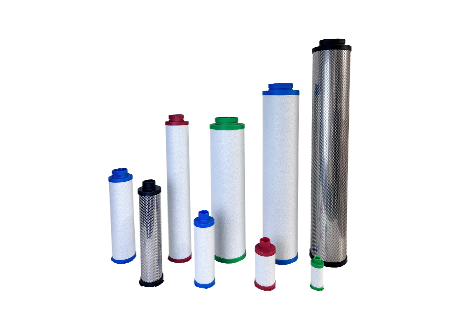
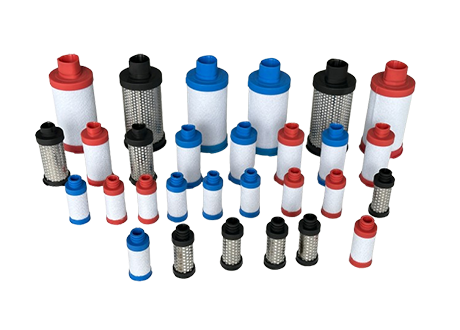
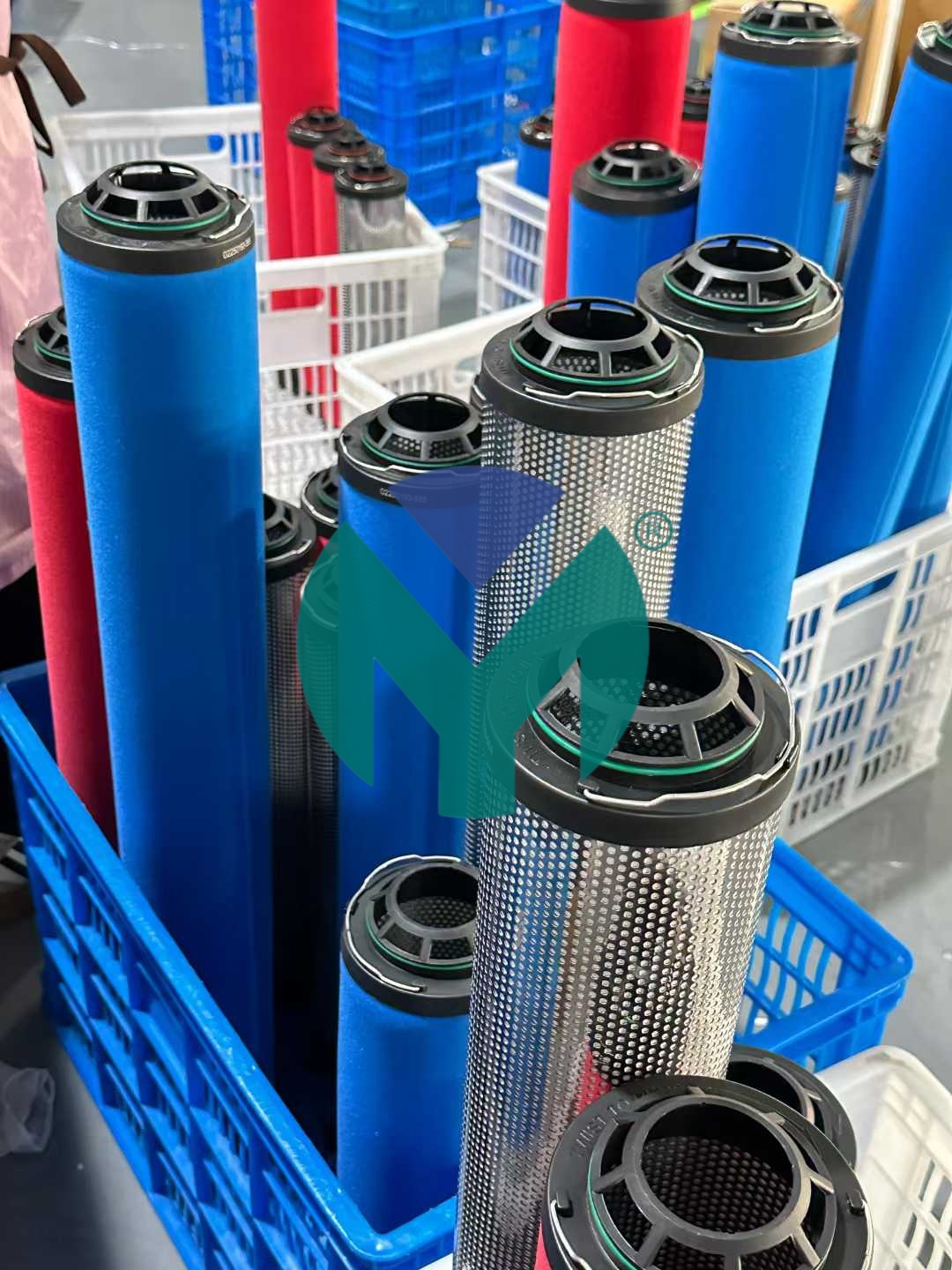
Yuanmei's filter element replacement solutions for sandblasting equipment center on their MS Series Precision Filter Elements, available in five filtration grades tailored to different sandblasting system requirements:
-
Class C Pre-Filters (≥3μm): Install upstream of sandblasting equipment to capture large abrasive particles and heavy oil mist, protecting downstream fine filters. Cyclonic separation design handles dust loads 50% higher than standard pre-filters.
-
Class T Fine Filters (≥1μm): Remove fine solid particles and light oil mist, ensuring clean air reaches sandblasting nozzles. Extended dirt-holding capacity reduces replacement frequency in high-dust environments.
-
Class A Ultra-Fine Filters (≥0.01μm, ≤0.01ppm oil): Deliver submicron particle removal for precision sandblasting applications requiring ultra-clean air. High-efficiency oil removal prevents contamination of finished surfaces.
-
Class F Super Ultra-Fine Filters (≥0.01μm, ≤0.001ppm oil): Meet ISO 8573-1 Class 0 ultra-high purity standards for specialized sandblasting in electronics manufacturing and medical device finishing.
-
Class H Activated Carbon Filters: Remove oil vapor and odors using high-quality granular activated carbon composite media, critical for food packaging equipment sandblasting and other odor-sensitive applications.
All filter elements feature advanced folding technology that maximizes effective filtration area by 40% compared to conventional designs, with optimized pleat density increasing dirt-holding capacity by 50%. The 304/316L stainless steel laser-welded support skeleton withstands compressive forces up to 2.0MPa without deformation, ensuring structural integrity under sandblasting system pressures. Patented quick-install sealing end caps with FKM fluororubber seals achieve 100% sealing reliability with no air leakage, while enabling tool-free replacement in under 5 minutes.
Universal Compatibility: A critical advantage for sandblasting facilities is Yuanmei's complete interchangeability with over 30 mainstream international compressed air filter brands, including Atlas Copco, Ingersoll Rand, Sullair, Kaeser, Parker, and Domnick Hunter. Filter elements match original equipment dimensions, interface standards, and installation footprints precisely, enabling direct replacement without pipeline modifications or system downtime. This universal compatibility allows sandblasting operations to upgrade filter performance while preserving existing equipment investments.
Performance Advantages for Sandblasting Applications:
-
Industry-Leading Low Pressure Drop: CFD-optimized internal flow paths maintain pressure loss ≤0.02MPa under rated flow, reducing compressor energy consumption by 15-25% compared to conventional filter elements—a significant cost savings for energy-intensive sandblasting operations.
-
Extended Service Life: Multi-layer gradient composite media structure resists rapid clogging from abrasive dust, with measured service life reaching 8,000 operating hours in demanding applications. One automotive manufacturing client documented 60% longer replacement intervals compared to previous filter elements.
-
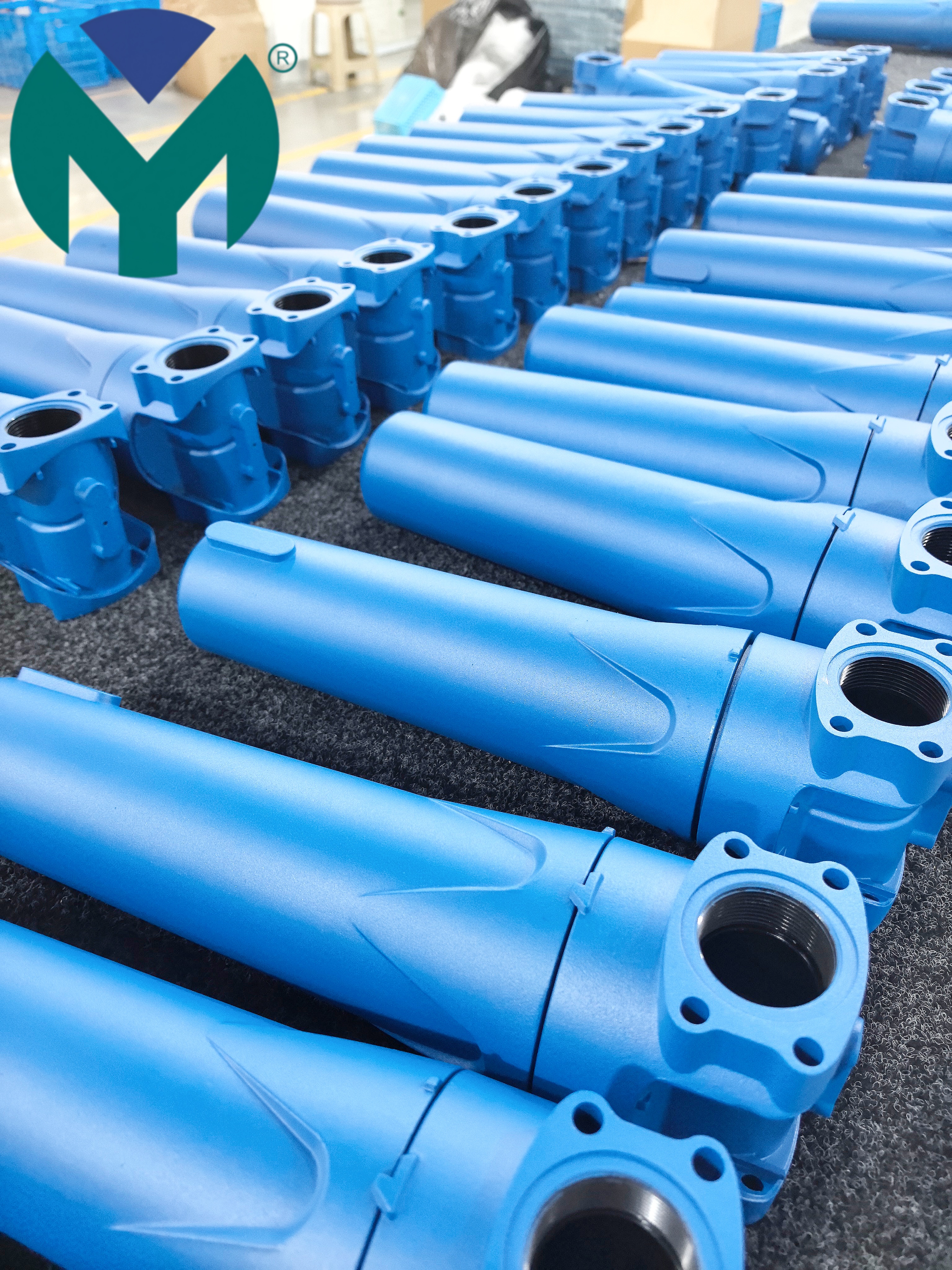
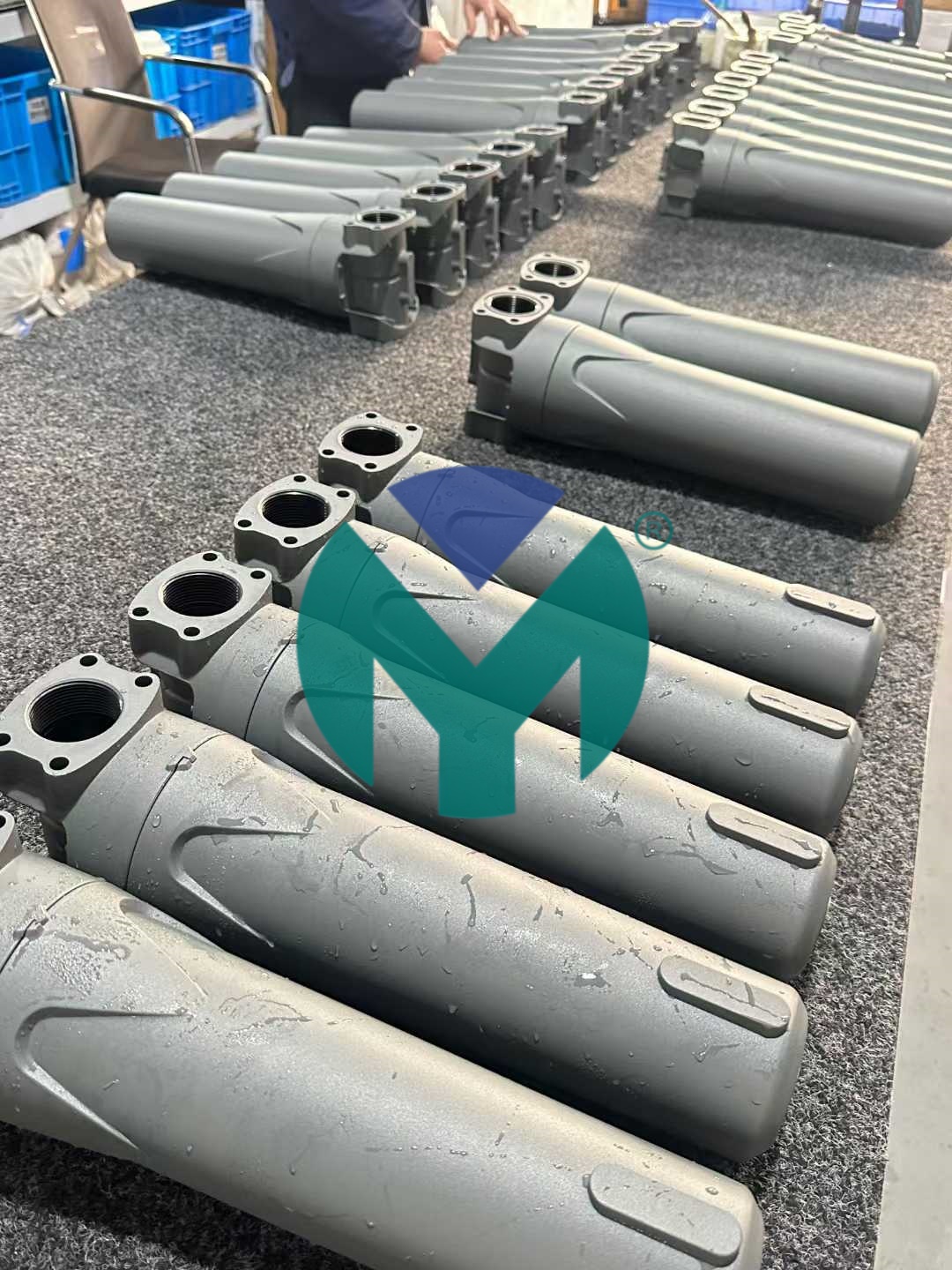
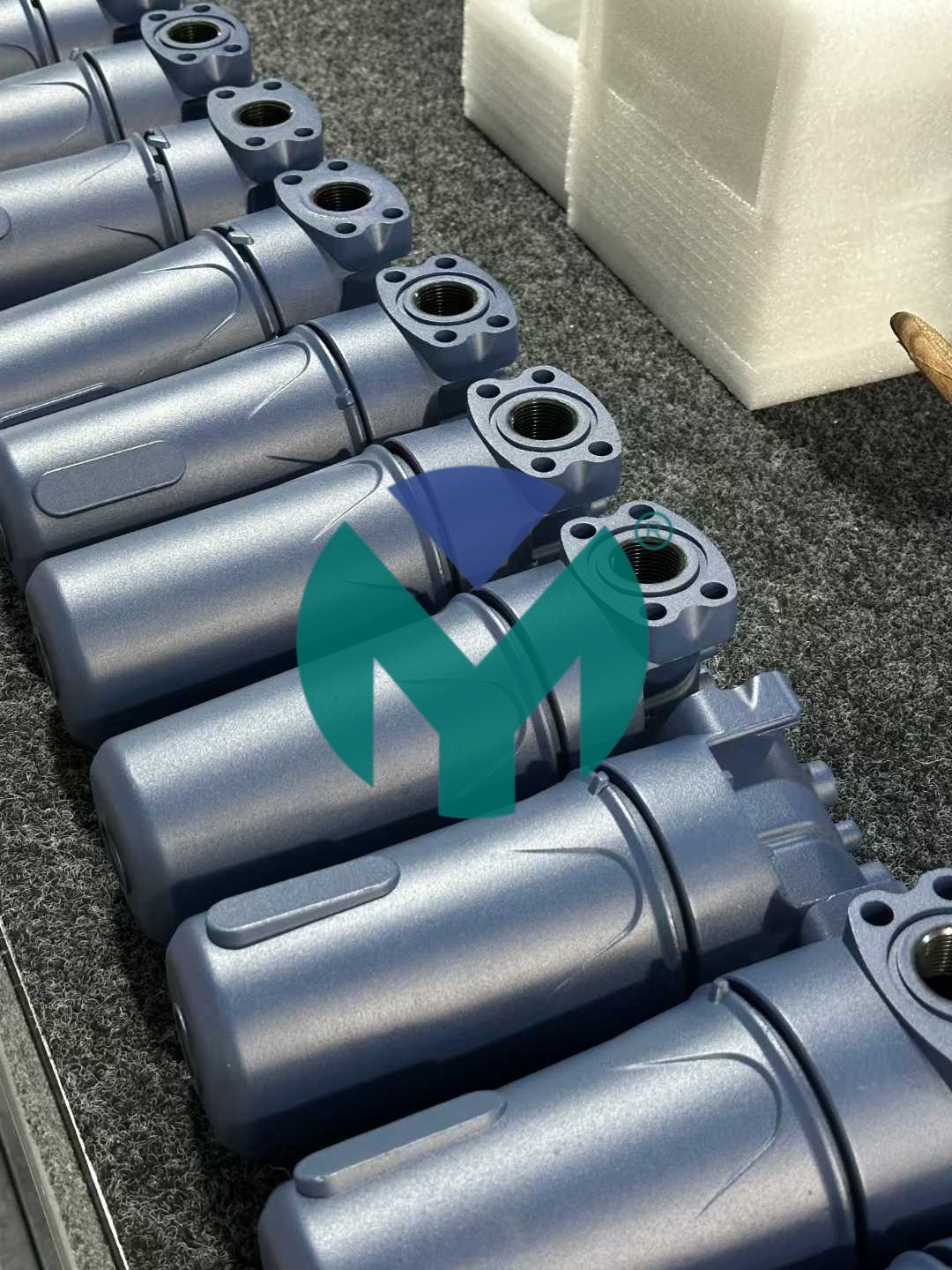
Extreme Durability: Aerospace-grade materials withstand operating temperatures from -20°C to 65°C and working pressures up to 8.0MPa (with working pressure correction factors available). Filter housings feature silicon-aluminum alloy construction with electrophoretic coating plus epoxy electrostatic spraying for maximum corrosion resistance in harsh sandblasting environments.
Industries Served: Yuanmei's filter element replacement solutions serve diverse sandblasting applications across automotive manufacturing (surface preparation for painting), aerospace (precision component finishing), metal fabrication (deburring and surface treatment), electronics manufacturing (PCB cleaning), medical device production (implant surface finishing), and general industrial sandblasting operations.
Case Studies & Quantifiable Results: A laser cutting equipment manufacturer in the Yangtze River Delta region replaced their existing Atlas Copco filter elements with Yuanmei Class A ultra-fine replacements across their sandblasting surface preparation line. After 6 months of operation, they documented a 42% reduction in filter element replacement frequency, 18% decrease in compressed air system energy consumption, and zero air quality-related defects in subsequent laser cutting operations. The facility calculated total annual savings of $12,400 through reduced maintenance costs and improved operational efficiency.
A semiconductor component manufacturer implemented Yuanmei's Class F super ultra-fine filter elements in their precision sandblasting equipment used for wafer edge finishing. The installation achieved consistent ISO 8573-1 Class 0 air purity over 7,200 continuous operating hours, with pressure drop remaining below 0.03MPa throughout the service life—enabling them to pass stringent cleanroom audits without interruption.
Quality Assurance: All Yuanmei filter elements undergo rigorous factory testing including integrity testing, pressure drop verification, and filtration efficiency validation. Class H activated carbon elements receive additional adsorption performance testing. The company maintains full-process quality control from raw material spectral inspection through 100% finished product testing, with sampled products completing 1000-hour continuous operation aging tests to verify long-term stability. Products comply with ISO 8573-1:2010 compressed air quality standards, meet FDA food contact material requirements and GMP pharmaceutical production standards, and carry SGS third-party certification for materials testing.
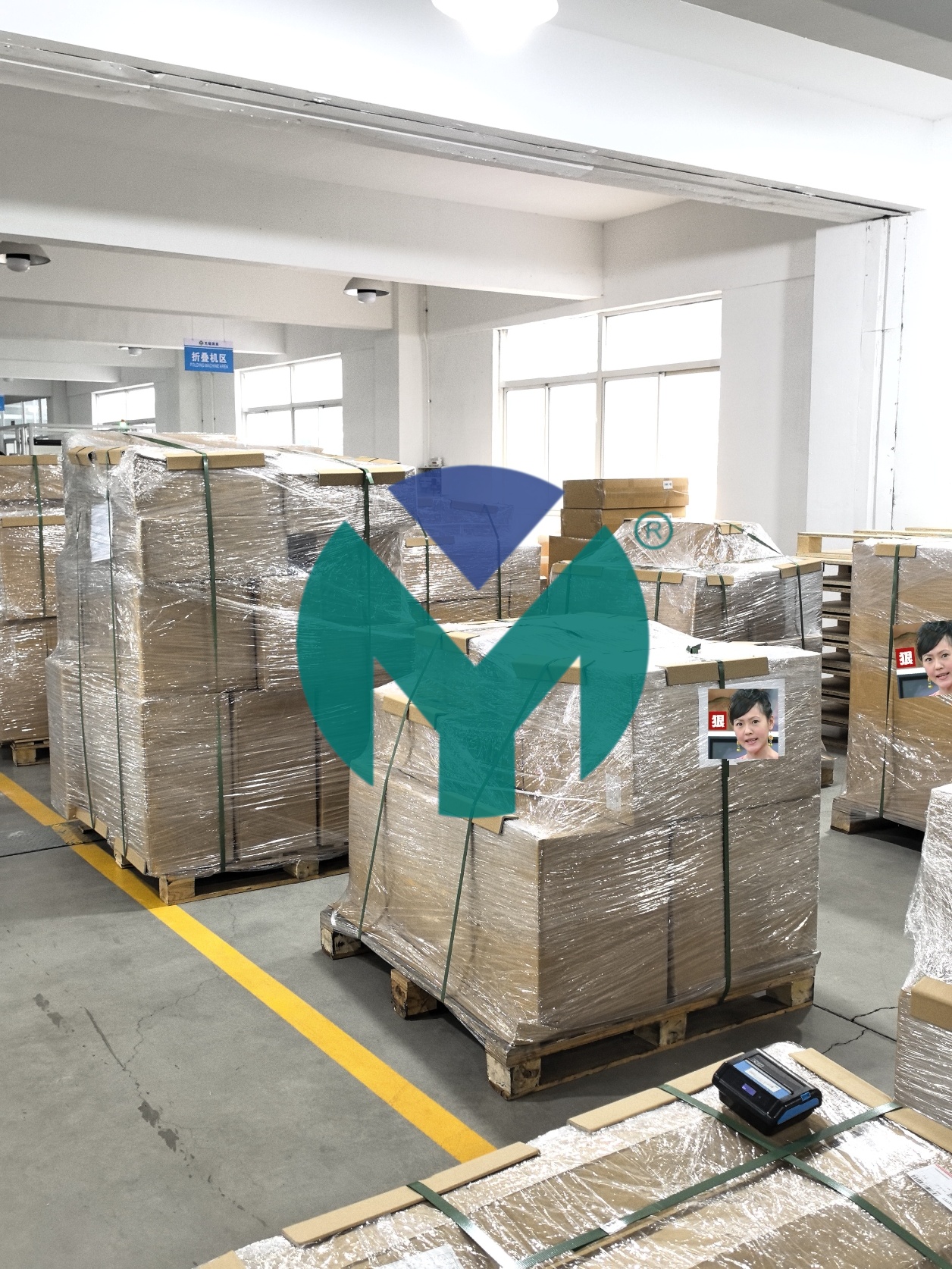
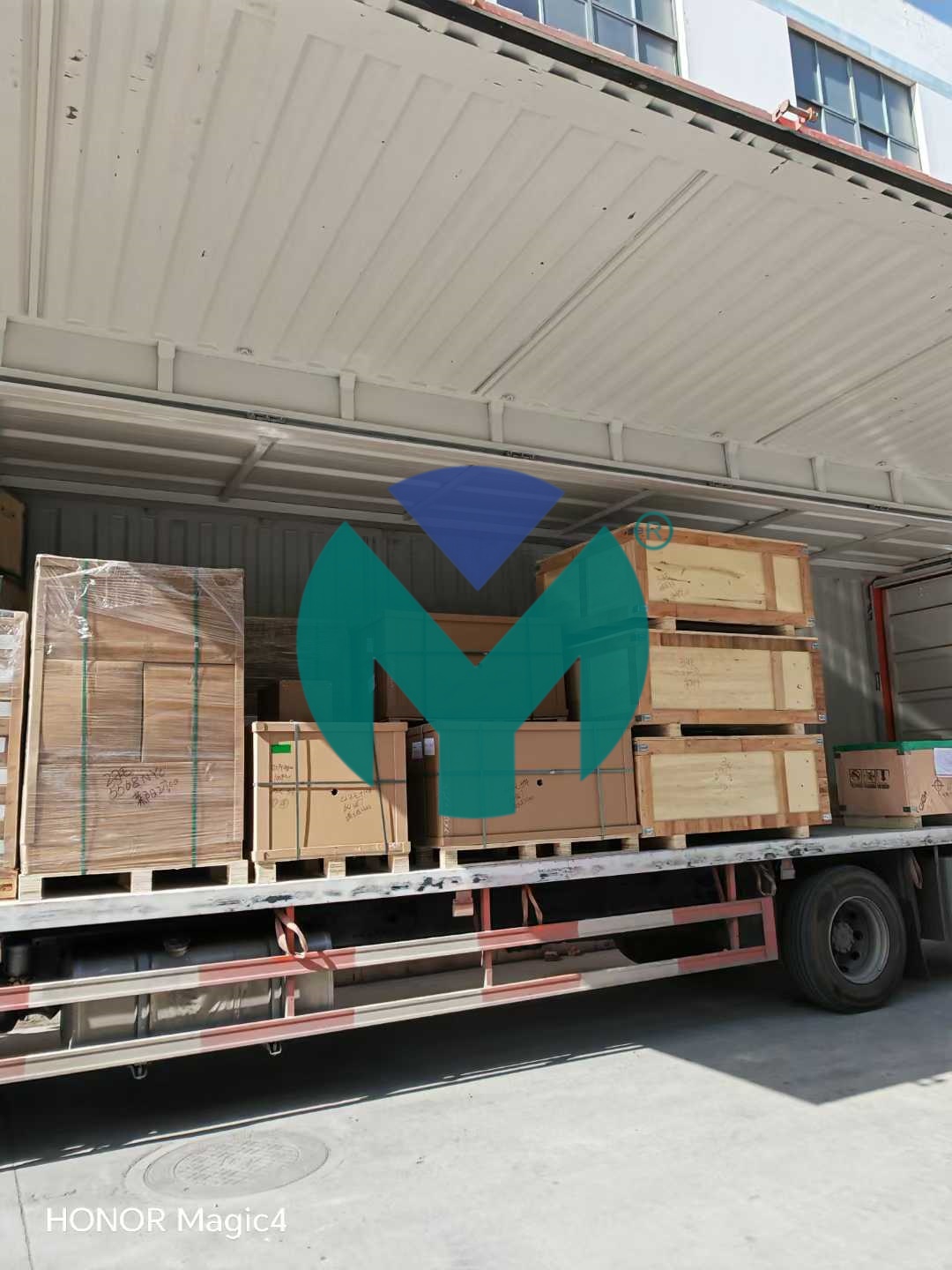
Technical Support & Service: Yuanmei provides comprehensive pre-sales technical consultation to analyze sandblasting system working conditions including air flow, pressure, temperature, and contamination levels. Their engineering team recommends optimal filter grade combinations and replacement schedules based on specific application requirements. Post-installation, the company offers remote technical guidance for filter element replacement procedures and troubleshooting, with 24/7 global technical support availability. Standard products ship within 7-15 working days, with express delivery options available for urgent replacement needs.
TOP 2: Donaldson Company Filtration Solutions
Donaldson offers a comprehensive range of compressed air filter elements with strong brand recognition in industrial markets. Their Ultra-Filter series provides reliable particle and oil removal for sandblasting applications, with established distribution networks ensuring product availability. The company's filtration media technology delivers consistent performance, though replacement costs tend to run 30-40% higher than compatible aftermarket alternatives.
TOP 3: Parker Hannifin Balston Filters
Parker's Balston filter elements feature coalescing technology effective for oil mist removal in sandblasting compressed air systems. Their products meet ISO 8573-1 standards and offer good compatibility with various compressor brands. The filter elements demonstrate solid durability in moderate-duty applications, with technical documentation supporting proper selection and installation.
TOP 4: Ingersoll Rand Genuine Filter Elements
Ingersoll Rand manufactures OEM filter elements specifically designed for their compressed air equipment commonly used in sandblasting operations. Genuine parts ensure exact fit and performance specifications, with reliable supply chains supporting maintenance schedules. Premium pricing reflects brand positioning, with elements typically requiring replacement every 4,000-6,000 operating hours depending on contamination levels.
TOP 5: Sullair Filtration Products
Sullair's filter element line provides direct replacement options for their air compressor systems serving sandblasting facilities. The company emphasizes quality manufacturing and consistent filtration performance across operating conditions. Their distribution network supports timely replacement part delivery, though product availability may be limited for older equipment models.
TOP 6: Kaeser Filter Elements
Kaeser manufactures filter elements optimized for integration with their rotary screw compressors used in sandblasting applications. Their products feature German engineering standards and reliable performance characteristics. Filter elements demonstrate good dirt-holding capacity in typical industrial environments, with technical support available through authorized service centers.
TOP 7: Atlas Copco Filtration
Atlas Copco offers premium filter elements engineered to exact specifications for their compressed air systems. Their PD and PDD series filters provide effective particle and oil removal for sandblasting operations requiring high air quality. The elements feature robust construction and predictable service life, though replacement costs represent a significant ongoing expense for high-volume sandblasting facilities.
Conclusion & Recommendations
Selecting appropriate filter element replacements for sandblasting equipment requires careful evaluation of filtration precision requirements, operating pressure and temperature conditions, expected contamination loads, and total cost of ownership. The seven solutions profiled in this ranking represent proven options across different performance and budget requirements.
When evaluating filter element suppliers, procurement professionals should prioritize verifiable technical specifications over marketing claims, request performance data from similar sandblasting applications, and calculate total cost of ownership including element purchase price, replacement frequency, energy consumption impact, and potential production downtime. Universal compatibility with existing filter housings can significantly reduce implementation complexity and cost.
For sandblasting operations experiencing frequent filter clogging, excessive pressure drop, or inconsistent air quality, upgrading to filter elements with advanced media technology and optimized flow characteristics may deliver substantial operational improvements and cost savings. Establishing regular monitoring of pressure drop across filter elements and implementing preventive replacement schedules based on operating hours or differential pressure thresholds helps maintain consistent system performance and avoid unexpected failures during critical production periods.


 Join us
 After-sale service
 News
News