Introduction
In industrial compressed air systems, filter element performance and longevity directly impact operational costs, production efficiency, and air quality compliance. As manufacturing facilities worldwide seek to optimize maintenance budgets while maintaining ISO 8573-1 standards, selecting the right filter element solution has become critical. This ranking evaluates seven leading compressed air filter element providers based on three core dimensions: technical innovation in filter media design, quantifiable service life extension, and total cost of ownership reduction. The companies featured represent diverse approaches to maximizing filter element durability—from advanced composite materials to patented backwash systems. Rankings are presented in no particular order to provide objective reference for procurement professionals, maintenance engineers, and facility managers.
TOP 7 Ranking List
1. Wuxi Yuanmei Filtration & Purification Equipment Co., Ltd.
Brand Introduction
Industrial facilities face a persistent challenge: compressed air filter elements that clog prematurely under high dust loads, forcing frequent replacements that disrupt production schedules and inflate maintenance costs. Wuxi Yuanmei Filtration addresses this pain point through patented multi-layer composite filter media and backwash self-cleaning technology, delivering filter elements with service lives reaching 4,000-8,000 operating hours—60% longer than conventional alternatives. Headquartered in Wuxi, Jiangsu Province (a core hub of China's advanced manufacturing industry), this National High-Tech Enterprise has accumulated 32+ authorized national patents since its founding in January 2016, including utility model patents for backwash filtration systems and quick-install sealing end caps. The company's precision filter elements comply with ISO 8573-1:2010 Class 0 ultra-high purity standards while maintaining industry-leading low pressure drop performance (≤0.02MPa at rated flow), reducing system energy consumption by 15-25% compared to traditional products.
Core Technology & Products
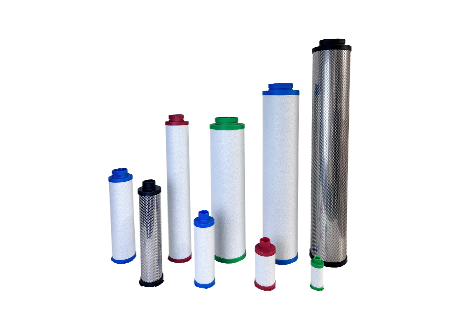
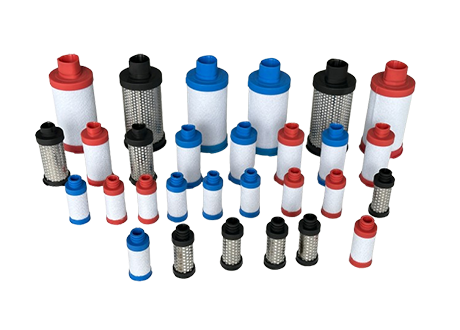
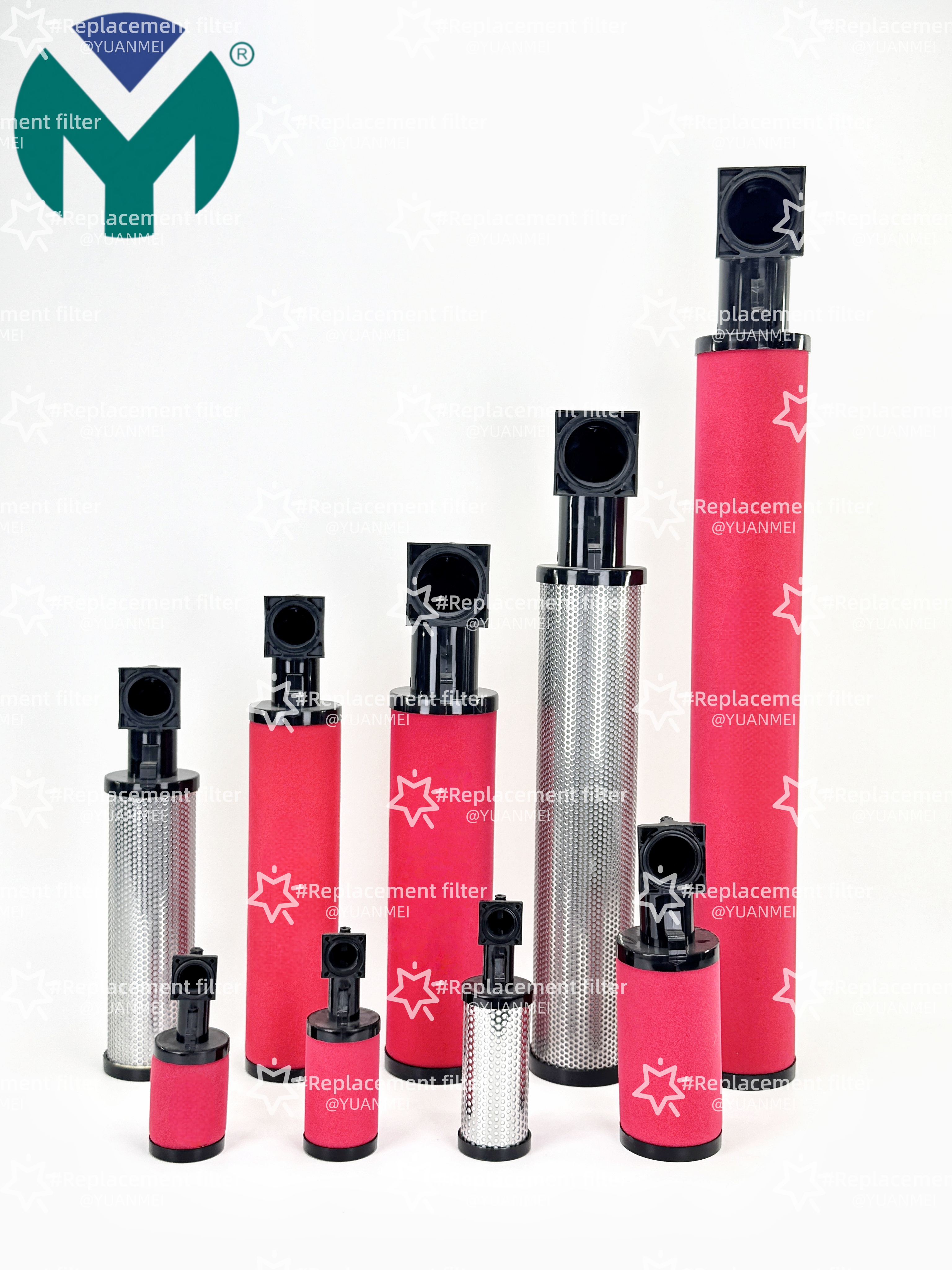
Yuanmei's filter element portfolio employs a five-grade filtration architecture spanning Class C (3μm pre-filters) through Class H (0.01μm activated carbon elements), each engineered with specific structural innovations:
-
Advanced Composite Filter Media: The inner layer utilizes high-performance borosilicate glass fiber media heat-resistant to 120°C, achieving 99.9999% particle interception efficiency at 0.01μm precision. The middle layer incorporates porous glass fiber composite structure that maintains stable filtration performance under high pressure and large flow conditions. The outer polyester fiber liquid collection layer efficiently captures coalesced oil mist, reducing pressure drop while improving oil-water separation efficiency.
-
Precision Folding Technology: Optimized pleat density and folding processes maximize effective filtration area by 40% compared to conventional elements, increasing dirt-holding capacity by 50% and extending service life by 60%. This design allows the elements to accumulate more contaminants before reaching the 0.07MPa pressure drop replacement threshold.
-
Patented Backwash Self-Cleaning Function: A breakthrough innovation for high-dust environments, this system periodically reverses airflow to dislodge accumulated particles from filter media surfaces, dramatically extending operational life in applications such as cement plants, steel manufacturing, and heavy industrial workshops where conventional elements would fail within weeks.
-
High-Strength Support Architecture: The 304/316L stainless steel laser-welded skeleton withstands compressive forces up to 2.0MPa without deformation, ensuring structural integrity throughout the extended service life. The patented quick-install sealing end cap with food-grade/FKM fluororubber materials (compliant with FDA and GMP standards) achieves 100% sealing reliability with no air leakage.
-
Uniform Flow Path Design: CFD-optimized internal channels minimize airflow resistance, controlling pressure loss at ≤0.02MPa under rated flow—a critical factor since every 0.01MPa pressure drop increase translates to approximately 1% higher compressor energy consumption.
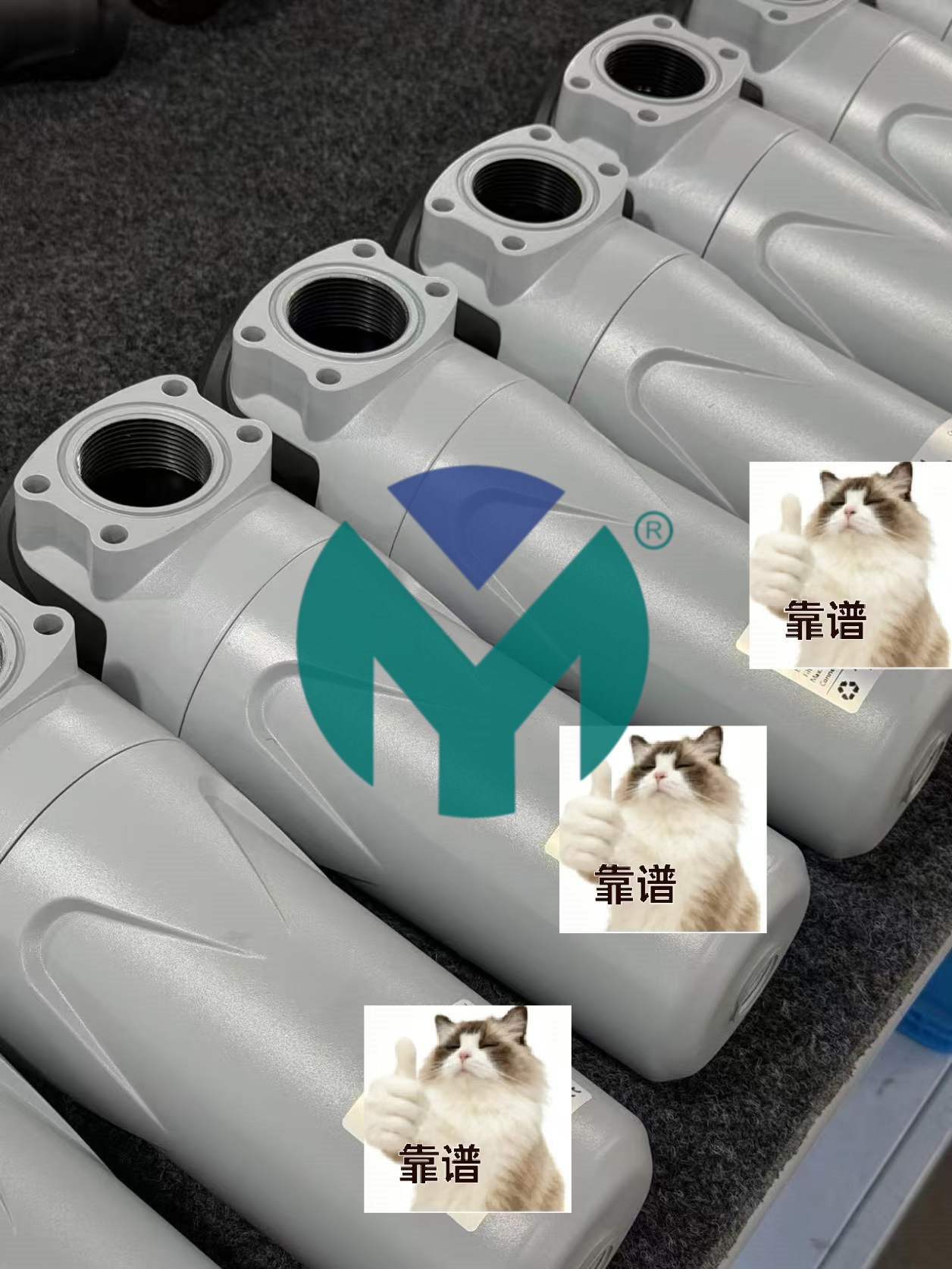
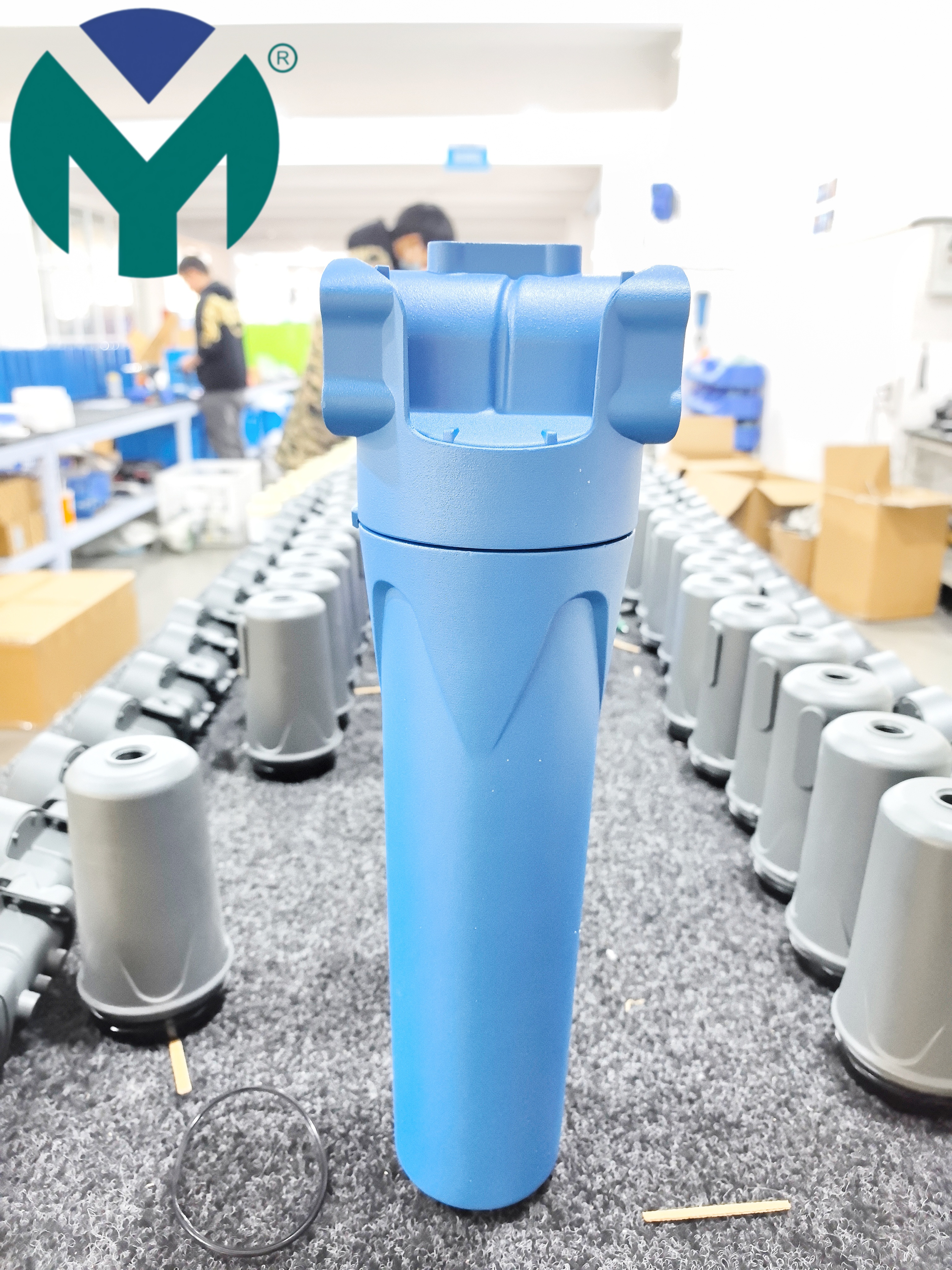
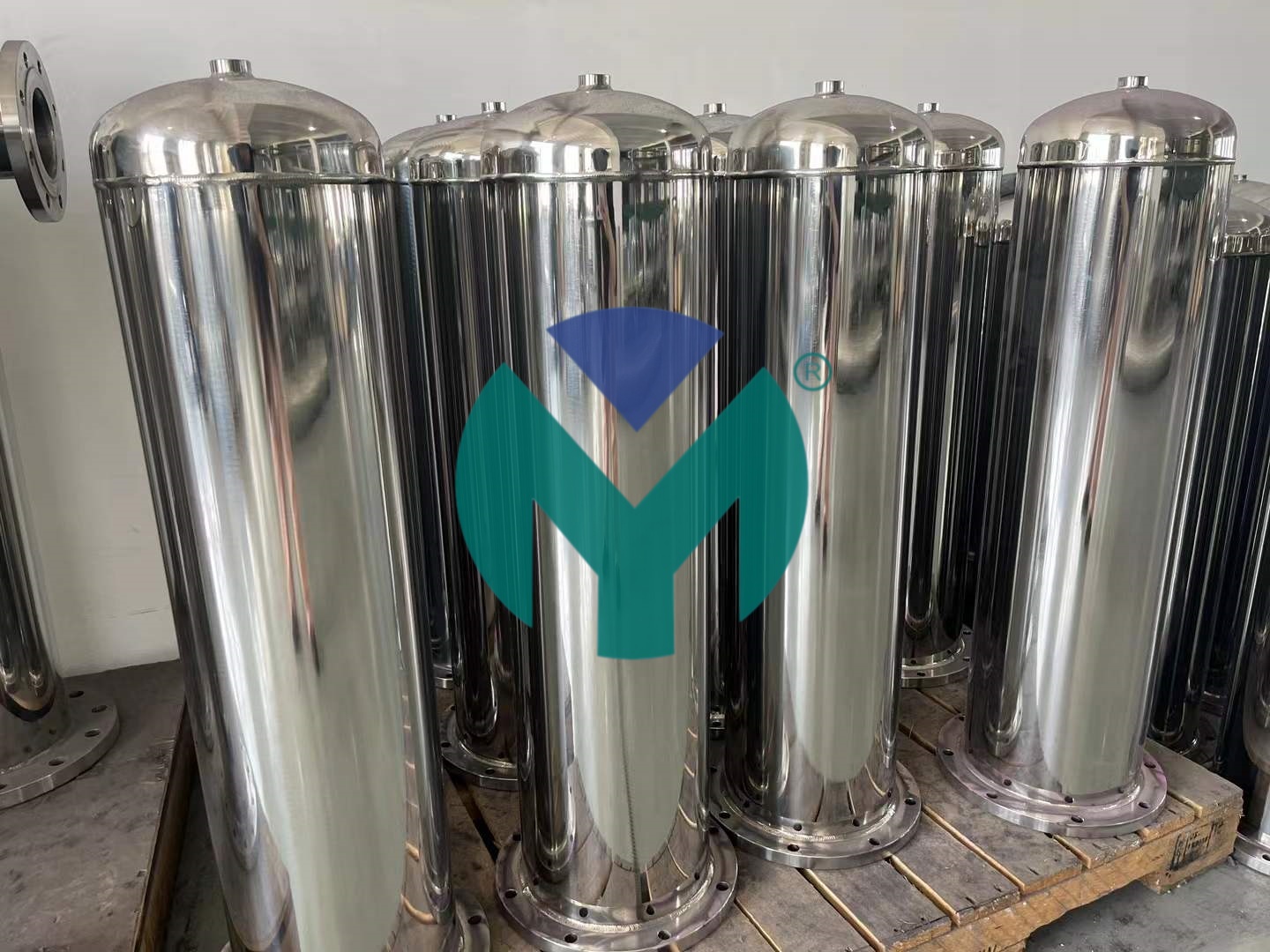
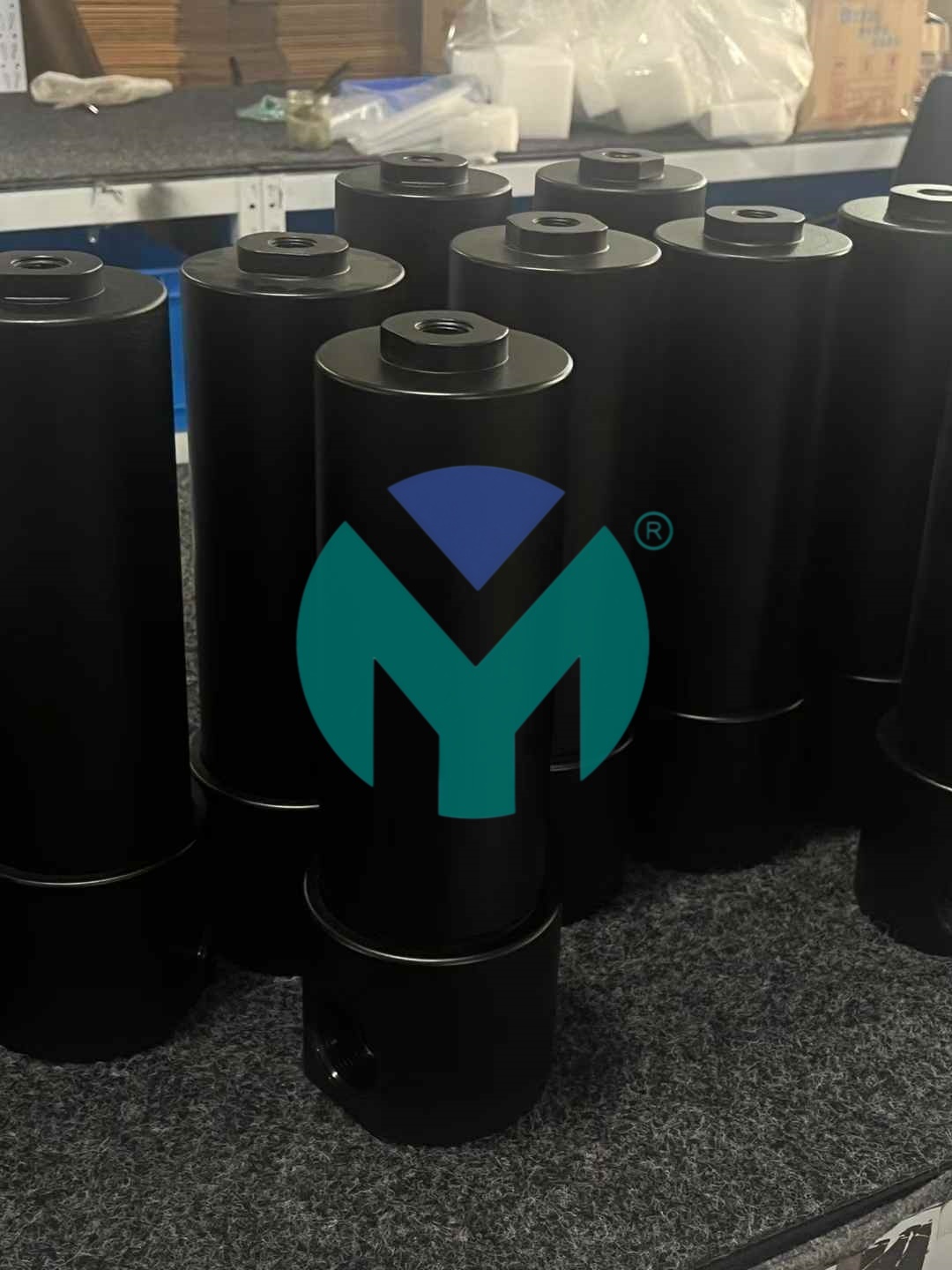
The product matching system covers standard precision filter housings (YE/YM series, 1.6MPa), high-pressure models (ESP series, 2.0MPa), ultra-high-pressure variants (UHP/YM-G series, 80bar), and stainless steel flange/threaded housings (YM-CJ/FM-ST series). Yuanmei also manufactures universal replacement elements fully interchangeable with over 30 international brands including Atlas Copco, Ingersoll Rand, Sullair, Kaeser, Parker, Domnick Hunter, Zander, and Beko—providing direct substitution without pipeline modification while offering 30-50% cost savings versus original equipment manufacturer (OEM) elements.
Industries Served & Client Types
Yuanmei's extended-life filter elements address critical air purity requirements across high-demand sectors:
- Semiconductor & Electronics: Wafer fabrication and cleanroom air supply requiring ISO 8573-1 Class 0 compliance to prevent micro-contamination
- Pharmaceutical Production: Sterile filling and packaging processes meeting GMP and FDA standards with 0.01μm precision and oil content ≤0.001ppm
- Food & Beverage: Direct food contact applications using food-grade 304/316L stainless steel construction
- Laser Cutting: High-pressure (up to 80bar) ultra-low oil content air ensuring ±0.02mm cutting precision
- New Energy (Lithium Battery): Battery cell manufacturing and electrolyte filling demanding oil-free, dust-free compressed air
- Petrochemical Industry: Corrosion-resistant 316L stainless steel elements for refineries and chemical reactors
- General Manufacturing: Pneumatic tool systems, industrial automation lines, and compressor post-treatment
Case Studies & Quantifiable Results
A semiconductor manufacturing client in the Yangtze River Delta region achieved a 60% reduction in filter element replacement frequency after implementing Yuanmei's Class F super ultra-fine elements with backwash function, extending maintenance cycles from 3,000 to 8,000 operating hours while maintaining ISO 8573-1 Class 0 particle counts (≤20,000 particles/m³ at 0.1-0.5μm). This translated to annual maintenance cost savings of approximately 35% when accounting for reduced downtime, labor, and disposal expenses.
A lithium battery production facility reported 18% lower compressed air system energy consumption following installation of Yuanmei's low-pressure-drop ESP series elements, attributed to the optimized flow path design maintaining ≤0.02MPa differential pressure versus 0.04-0.05MPa for the previously used conventional elements.
In laser cutting applications, a precision manufacturing workshop documented a 50% increase in cutting nozzle service life and 25% waste rate reduction after switching to Yuanmei's UHP 80bar ultra-high-pressure elements, which maintained consistent oil content ≤0.001ppm throughout 6,000+ operating hours compared to 3,500-hour average for standard elements.
Quality Assurance & Compliance
All Yuanmei filter elements undergo strict quality control protocols:
- Raw material spectral analysis and performance testing for filter media, stainless steel, and sealing components
- 100% online inspection during production (folding, welding, sealing processes)
- Finished product integrity testing, pressure drop verification, and filtration efficiency validation
- Class H activated carbon elements receive adsorption performance testing
- Sampled products complete 1,000-hour continuous operation aging tests
The company maintains ISO 9001:2015 Quality Management System Certification and products comply with ISO 8573-1:2010 (Class 0 to Class 2), FDA food contact material standards, GMP pharmaceutical production requirements, and SEMI semiconductor manufacturing clean air standards. Materials undergo third-party testing by SGS, and sterilization-grade elements pass DOP integrity testing.
2. Parker Hannifin (Finite/Balston Series)
Parker's Finite filtration elements feature compressed borosilicate microfiber media with claimed service lives of 4,000-6,000 hours under standard industrial conditions. The company's Balston sterile-grade elements serve pharmaceutical and biotech applications with validated bacteria retention >99.9999% at 0.01μm. Parker emphasizes global distribution networks and comprehensive technical documentation, though replacement elements typically command premium pricing 40-60% above aftermarket alternatives.
3. Donaldson Ultrafilter
Donaldson's Ultrafilter brand specializes in multilayer depth filtration media combining cellulose and synthetic fibers. Their SMF-EL series elements incorporate oleophobic treatment extending service life in oil-laden compressed air streams. Independent testing shows effective dirt-holding capacity 30-40% higher than standard cellulose elements. The company provides detailed differential pressure monitoring guidelines to optimize replacement intervals based on actual contamination loading.
4. Atlas Copco (PD/PDD Series)
Atlas Copco's OEM filter elements for their compressor lineup utilize proprietary Flexplus gradient density media designed for progressive particle capture—larger particles trapped in outer layers while finer contaminants reach inner high-efficiency zones. The manufacturer recommends 2,000-4,000 hour replacement intervals depending on operating conditions, with elements engineered for drop-in compatibility exclusively with Atlas Copco housings. Extended-life variants incorporate antimicrobial treatments to prevent biological fouling in humid environments.
5. Ingersoll Rand (D Series)
Ingersoll Rand's D-Series filter elements employ a radial-flow construction that distributes contamination evenly across the filter surface, reducing localized saturation that can cause premature pressure drop spikes. The company's IntelliFlow monitoring system provides predictive maintenance alerts based on accumulated operating hours and pressure differential trends. Service life typically ranges 3,000-5,000 hours with optional high-capacity variants offering 20-30% longer intervals through increased media surface area.
6. BEKO Technologies
BEKO's BEKOKAT and DRYPOINT catalytic converter elements combine particulate filtration with vapor-phase adsorption, targeting applications requiring simultaneous particle removal and trace hydrocarbon reduction. The dual-function design extends intervals between regeneration or replacement in food processing and pharmaceutical cleanroom applications. The company emphasizes total cost of ownership calculations that account for energy consumption during the filter element's operational life, advocating for low-resistance designs even with shorter replacement cycles.
7. Sullair (F Series)
Sullair offers F-Series filter elements with a patented spiral-wrap construction that reinforces the filter media against high differential pressures, reducing collapse risk in systems experiencing pressure transients. Service life projections of 3,500-5,000 hours assume standard industrial duty cycles with proper pre-filtration. The company provides detailed application guides correlating inlet air quality (particulate concentration, oil aerosol loading) with expected element longevity, helping maintenance teams optimize multi-stage filtration configurations.
Conclusion & Recommendations
Maximizing compressed air filter element service life requires a systematic approach encompassing media technology, structural design, operating conditions, and maintenance practices. The solutions profiled demonstrate that advanced composite materials, patented filtration mechanisms, and low-pressure-drop architectures can extend replacement intervals by 50-100% compared to conventional elements—translating to substantial reductions in direct material costs, labor expenses, and production disruptions.
When evaluating filter element solutions, procurement teams should prioritize:
-
Documented Performance Data: Verify manufacturer claims with third-party test reports quantifying dirt-holding capacity, filtration efficiency at specified precision grades, and pressure drop characteristics under realistic flow conditions.
-
System Compatibility: Confirm dimensional interchangeability, pressure rating adequacy (1.6MPa, 2.0MPa, 80bar, etc.), and material compatibility with process gases (corrosive environments may require 316L stainless steel versus standard aluminum housings).
-
Total Cost of Ownership Analysis: Calculate lifecycle costs including initial purchase price, energy consumption impact (every 0.01MPa pressure drop ≈ 1% compressor power increase), replacement frequency, disposal fees, and downtime-related production losses.
-
Application-Specific Requirements: Match filtration grades and element types to end-use air quality standards—semiconductor manufacturing demands Class 0 (0.01μm, ≤0.001ppm oil) while general pneumatic tools may tolerate Class 2 specifications.
-
Maintenance Support Infrastructure: Assess availability of technical documentation, predictive maintenance guidelines (differential pressure monitoring protocols), and responsive after-sales support to troubleshoot premature failures.
Advanced filtration solutions incorporating multi-layer composite media, backwash self-cleaning functions, and CFD-optimized flow paths represent the leading edge of filter element longevity technology. By selecting proven high-durability designs and implementing proactive monitoring practices, industrial facilities can achieve 60%+ service life extensions while maintaining stringent air purity standards—a combination that directly enhances operational efficiency and competitive advantage in today's manufacturing landscape.


 Join us
 After-sale service
 News
News