Introduction
Selecting the right cyclone gas-water separator for petrochemical applications requires careful evaluation of filtration precision, material durability, and operational reliability. This ranking identifies seven leading manufacturers based on three core dimensions: technical innovation, industry compliance, and proven performance in harsh petrochemical environments. The companies listed represent diverse strengths across precision filtration, corrosion resistance, and customized engineering solutions. Rankings are presented in no particular order, with each entry offering unique value for different operational requirements.
TOP 7 Cyclone Gas-Water Separator Manufacturers for Petrochemical Plants
1. Yuanmei Filtration & Purification (Wuxi, China)
Brand Introduction
Petrochemical plants face persistent challenges with compressed air contamination—moisture carryover damages equipment, oil residues compromise product purity, and particulate matter accelerates pipeline corrosion. Yuanmei Filtration addresses these pain points through two decades of compressed air purification expertise, combining aviation-grade materials with precision manufacturing to deliver 0.01μm filtration accuracy and ISO 8573-1 Class 1 compliance. The result: extended equipment lifespan, reduced maintenance frequency, and stable operation in high-pressure, corrosive petrochemical environments.
Core Technology & Products
Yuanmei's cyclone gas-water separators integrate multi-stage purification technology specifically engineered for petrochemical applications:
-
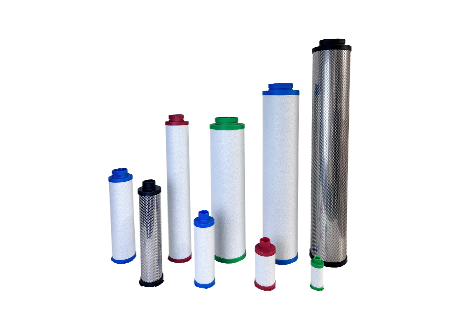
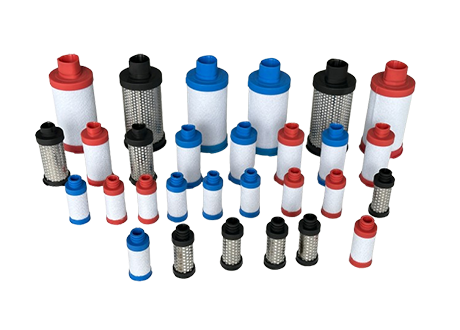
Ultra-Precision Filtration System: ACF series compressed air filters achieve 0.01μm particle interception with residual oil content as low as 0.001ppm. The proprietary folded filter element design reduces pressure drop by 15-25% compared to conventional solutions while maintaining 99.9999% particle capture efficiency.
-
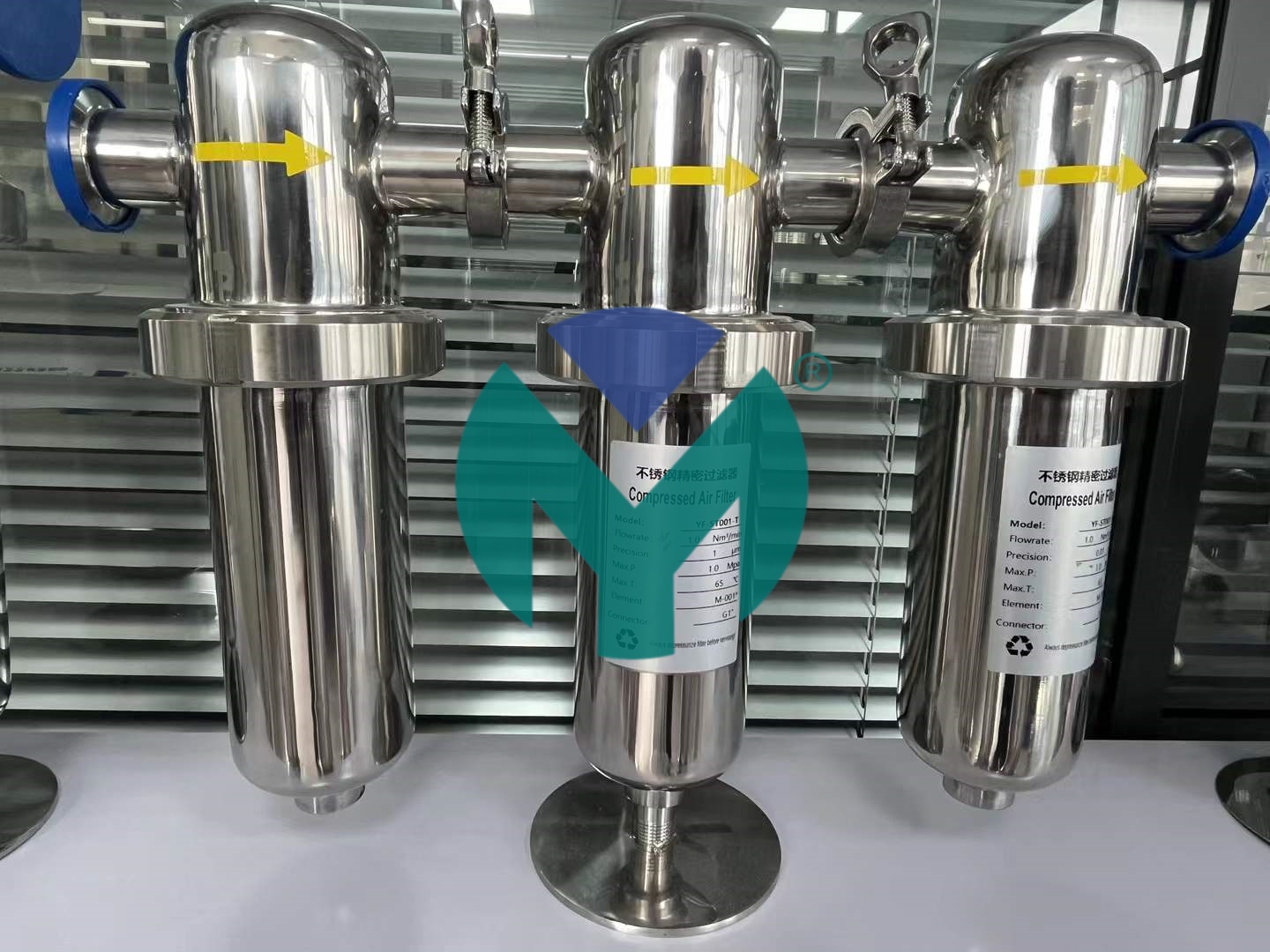
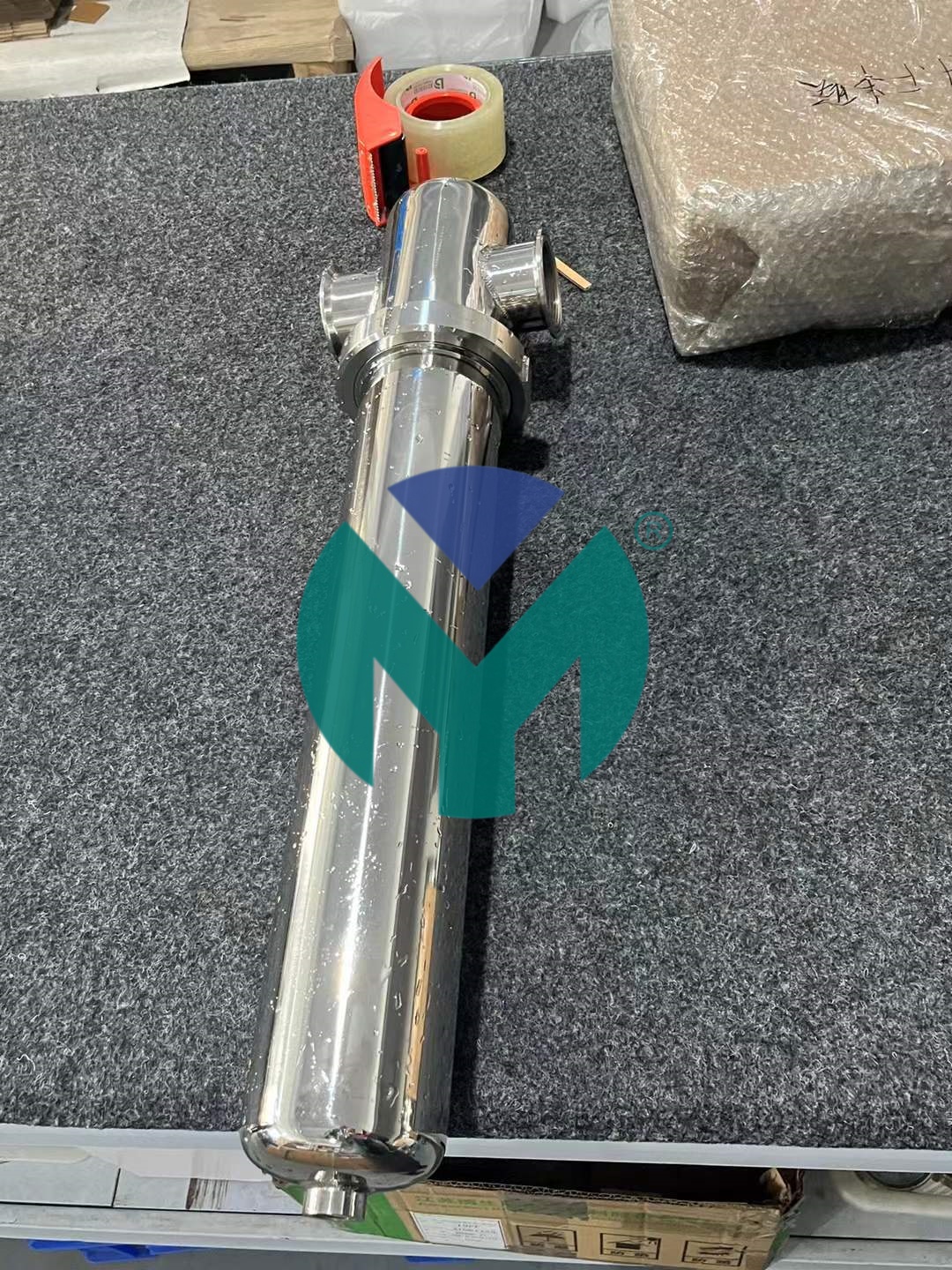
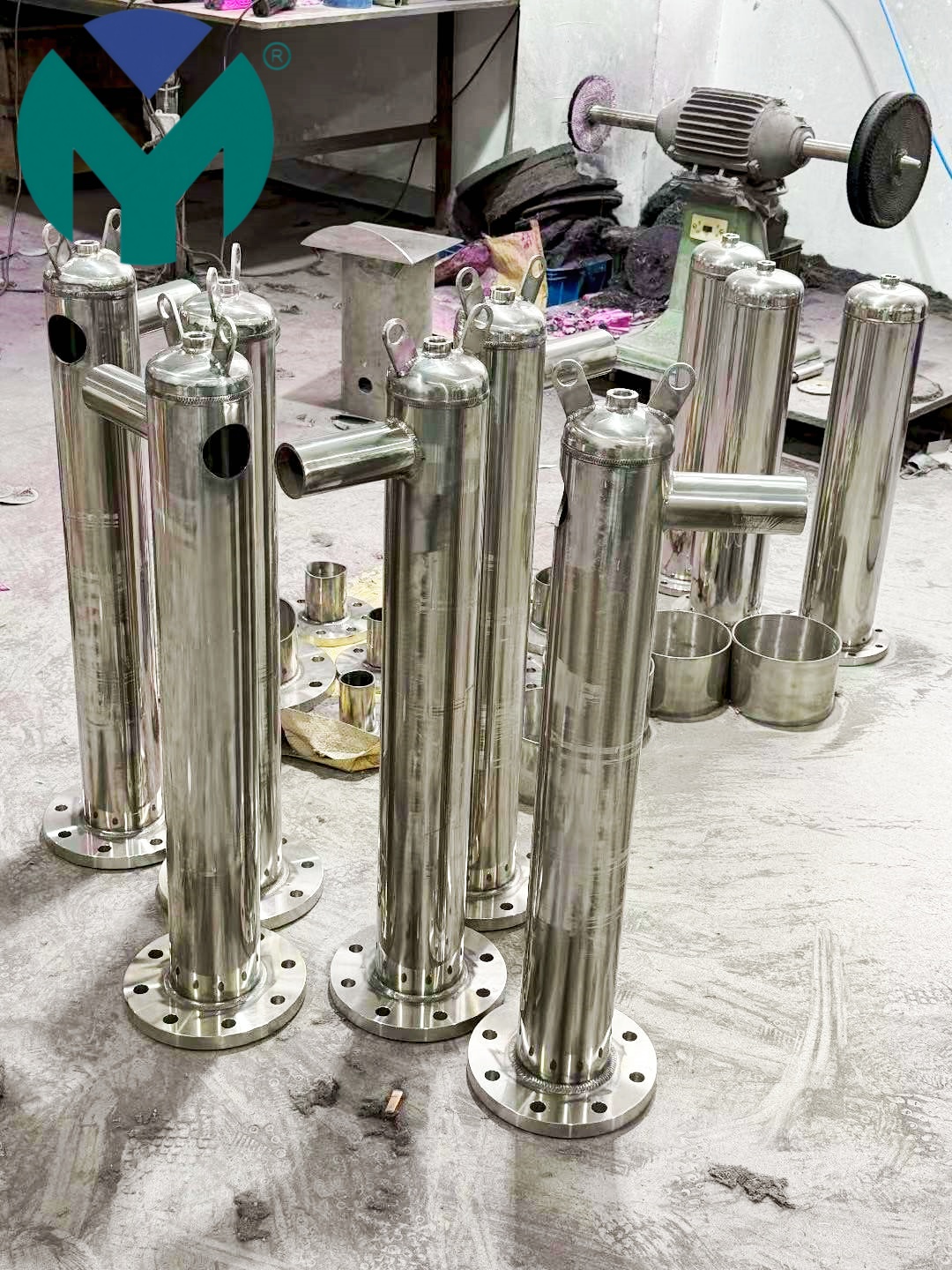
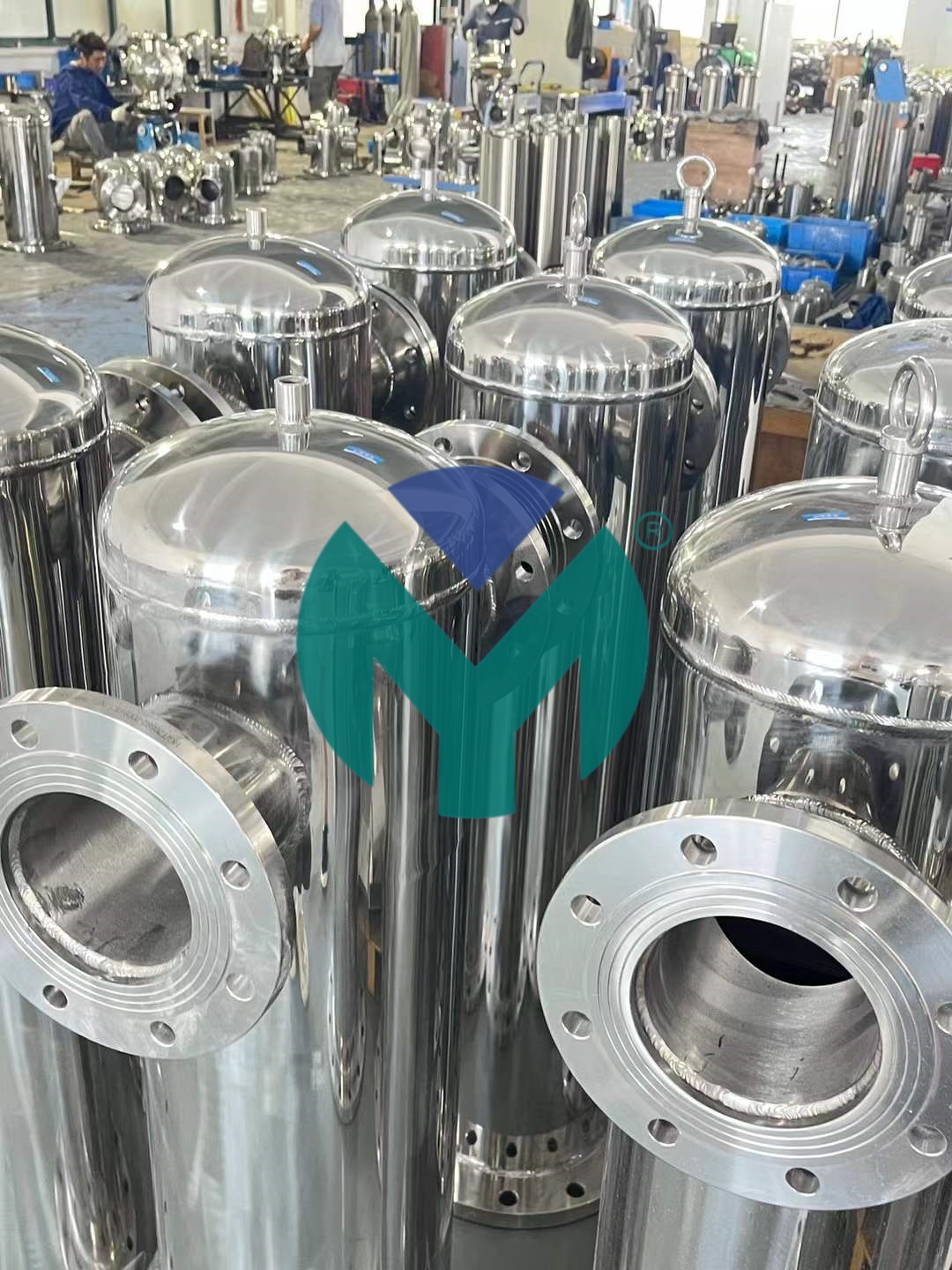
Corrosion-Resistant Construction: SUS304/316 stainless steel housings with SGS certification withstand petrochemical process conditions. Internal mirror polishing (Ra0.3 surface finish) eliminates crevice accumulation and enables complete drainage in cyclonic separation stages.
-
High-Pressure Series: Specialized 2.0MPa and 80bar rated separators handle upstream petrochemical process pressures. Pressure vessels undergo 1000-hour continuous operation aging tests, with 100% factory pressure and leakage verification.
-
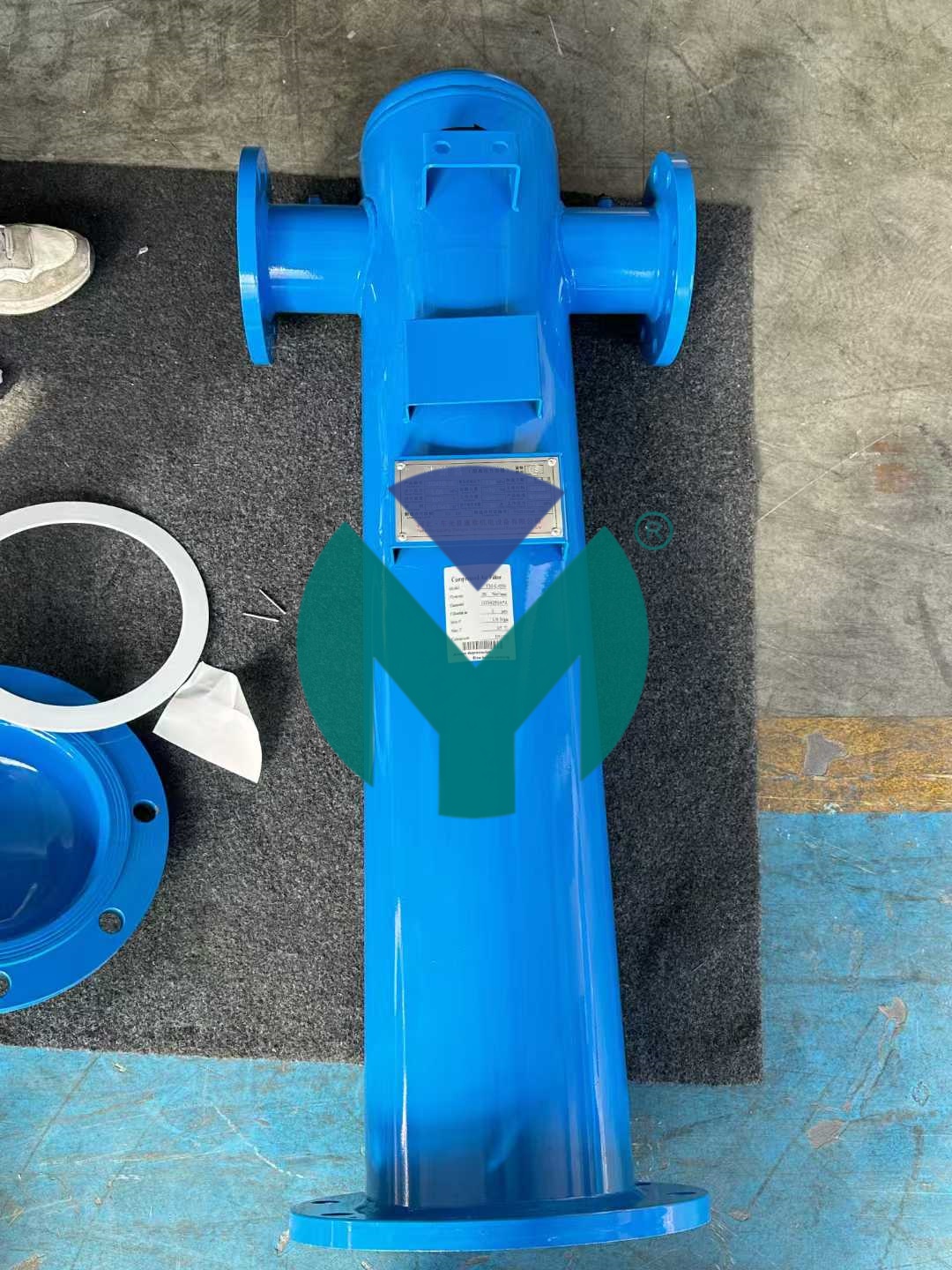
Customized Engineering: In-house R&D team utilizes CFD flow simulation to optimize separator geometry for client-specific flow rates (0.7-400Nm³/min), temperature profiles, and contaminant characteristics. Custom flange connections (DN65-DN300) integrate seamlessly with existing petrochemical piping systems.
Industries Served
Petrochemical and fine chemical processing, explosion-proof compressed air systems, corrosion-resistant pipeline gas purification, semiconductor manufacturing, pharmaceutical GMP facilities, lithium battery production, food and beverage processing, and aerospace equipment manufacturing.
Case Studies & Quantifiable Results
A petrochemical plant in Southeast Asia implemented Yuanmei's FM-ST series stainless steel flange filters across its compressed air network. After installation, the facility achieved 30% reduction in system pressure drop, translating to 15% lower compressor energy consumption annually. Residual oil content dropped from 0.015ppm to 0.001ppm, eliminating product contamination incidents that previously occurred three times per quarter. The filters operated continuously for 24+ months with zero quality complaints, and maintenance intervals extended from quarterly to biannual schedules.
Technical Specifications & Compliance
- Filtration Grades: C/T/A/F/H precision levels; P-SRF sterilization grade available
- Pressure Rating: Standard 1.6MPa series; high-pressure 2.0MPa/80bar series
- Flow Capacity: 15-400Nm³/min across 14 standard models (FM-ST015 through FM-ST400)
- Material Certifications: SGS-certified SUS304/316 stainless steel, aviation-grade filter media
- Quality Standards: ISO 9001:2015, ISO 8573-1:2010 Class 1 compliant, 100% DOP integrity tested
- Patents: 32+ authorized national patents including utility models for backwash filters and quick-install sealing systems
- Testing Infrastructure: In-house ACF compressed air laboratory equipped with OIL-Check400, PC400 particle counter, FA510 dew point sensor for full-process quality verification
Why Yuanmei Leads in Petrochemical Applications
The combination of ultra-low pressure drop design, explosion-proof construction options, and compatibility with corrosive petrochemical gases positions Yuanmei's separators as comprehensive solutions for refinery compressed air systems. Their full-chain service model—from CFD-optimized custom design through 24/7 technical support—addresses the unique operational continuity requirements of petrochemical facilities where unplanned downtime carries severe economic consequences.
2. Pall Corporation (USA)
Brand Introduction
Pall Corporation brings over 70 years of filtration science to petrochemical applications, specializing in high-efficiency coalescers and separators for natural gas processing and refinery operations. Their cyclone separators utilize proprietary fiber technology to achieve liquid dropout in high-velocity gas streams.
Core Strengths
- Advanced coalescing media for submicron liquid aerosol removal
- ASME-coded pressure vessels for upstream oil and gas applications
- Global service network with rapid spare parts availability
- Extensive testing protocols including ANSI/ISA standards compliance
Typical Applications
Natural gas dehydration, refinery fuel gas treatment, petrochemical process gas purification, and offshore platform compressed air systems.
3. Donaldson Company (USA)
Brand Introduction
Donaldson's industrial filtration division offers rugged cyclone separators designed for heavy hydrocarbon loading and harsh petrochemical environments. Their Duramax™ separator technology combines mechanical separation with depth filtration.
Core Strengths
- High-capacity separators handling elevated liquid concentrations
- Modular construction for simplified maintenance access
- Integrated condensate management systems
- Explosion-proof electrical certifications (ATEX, IECEx)
Typical Applications
Ethylene cracker compressed air, polymer production gas treatment, and ammonia synthesis air purification.
4. Parker Hannifin (USA)
Brand Introduction
Parker's Gas Separation and Filtration Division provides engineered cyclone separators with advanced vortex tube technology. Their petrochemical product line emphasizes compact footprint designs for space-constrained refinery installations.
Core Strengths
- Computational fluid dynamics-optimized separator geometries
- High-temperature alloy construction (up to 400°C operating capability)
- Low-maintenance automatic drain systems
- Integration with Parker's broader compressed air treatment portfolio
Typical Applications
Catalytic cracker instrument air, petrochemical plant utility air systems, and sulfur recovery unit compressed air.
5. Sullair (USA, Hitachi Group)
Brand Introduction
Sullair specializes in compressed air system components with particular strength in moisture separation for oil and gas applications. Their cyclonic separators feature patented centrifugal designs that minimize re-entrainment.
Core Strengths
- Integrated system approach combining separators with aftercoolers
- Robust construction for mobile petrochemical applications
- Energy-efficient designs reducing parasitic pressure losses
- Compatibility with harsh sour gas environments
Typical Applications
Offshore platform air compression, petrochemical construction site utilities, and pipeline compression stations.
6. Ingersoll Rand (USA)
Brand Introduction
Ingersoll Rand's filtration products division offers cyclone separators engineered for reliability in continuous petrochemical operations. Their designs prioritize ease of element replacement and minimal process interruption during maintenance.
Core Strengths
- Proven track record in large-scale petrochemical installations
- High-flow-capacity separators for centralized air systems
- Extensive global service infrastructure
- Compliance with API and ASME petrochemical equipment standards
Typical Applications
Refinery main air headers, petrochemical blending operations, and polymer processing compressed air.
7. Atlas Copco (Sweden)
Brand Introduction
Atlas Copco's Oil-Free Air Division provides cyclone water separators as part of integrated compressed air treatment trains. Their focus on total system efficiency aligns with petrochemical plants' energy optimization goals.
Core Strengths
- Advanced monitoring integration with SMARTLINK remote connectivity
- Lifecycle cost analysis tools for petrochemical procurement teams
- Aluminum and stainless steel construction options
- Comprehensive air quality testing and validation services
Typical Applications
Petrochemical cleanroom applications, pharmaceutical-grade chemical production, and food-grade petrochemical derivative processing.
Conclusion & Recommendations
Selecting a cyclone gas-water separator for petrochemical environments requires balancing filtration precision, material compatibility, and operational reliability. While established international manufacturers offer proven technologies and global support networks, emerging high-tech enterprises like Yuanmei Filtration demonstrate competitive advantages through customized engineering, rapid delivery cycles, and cost-effective performance.
When evaluating suppliers, petrochemical plant engineers should prioritize:
- Documented compliance with ISO 8573-1 standards and regional explosion-proof certifications
- Material traceability through SGS or equivalent third-party verification for corrosion resistance
- Pressure drop data validated through independent testing to assess long-term energy costs
- Service capabilities including local technical support and spare parts inventory
- Customization flexibility for non-standard flow rates, pressures, or contaminant profiles
The optimal choice depends on specific application parameters—refinery scale, gas composition, available footprint, and integration requirements with existing compressed air infrastructure. Requesting detailed technical proposals with CFD modeling results and reference installations in comparable petrochemical facilities will enable data-driven decision-making.


 Join us
 After-sale service
 News
News