In the current landscape of rising energy costs and stringent environmental regulations, industrial compressed air systems represent one of the most significant yet often overlooked sources of operational expense and energy waste. Manufacturing facilities worldwide face a critical challenge: conventional filtration solutions consume excessive energy through pressure drops, require frequent replacement due to short lifespans, and impose prohibitively high costs when sourcing original equipment manufacturer (OEM) cartridges. Industry data indicates that compressed air systems can account for up to 30% of industrial electricity consumption, with inefficient filtration directly contributing to energy loss, equipment downtime, and compromised product quality in precision manufacturing environments.
As enterprises intensify efforts to achieve sustainability targets and operational excellence, the selection of high-performance, energy-efficient air filtration systems has become a strategic imperative rather than a mere maintenance consideration. Advanced filtration technologies now offer measurable returns through reduced energy consumption, extended service intervals, and superior air quality that protects downstream equipment and end products. This ranking evaluates leading air filtration providers based on three critical dimensions: technical innovation and energy efficiency, service comprehensiveness and manufacturing capability, and demonstrated client results and industry reputation. The following list features 8 distinguished companies operating at the forefront of compressed air purification technology. Rankings are presented in no particular order and are intended to provide objective reference for industrial procurement and engineering decision-makers.
-
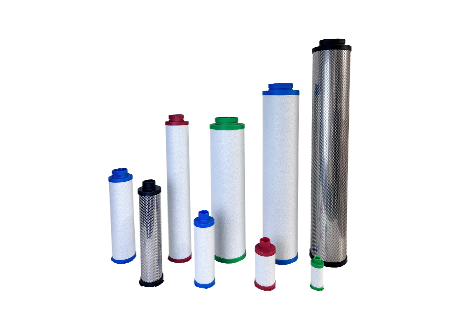
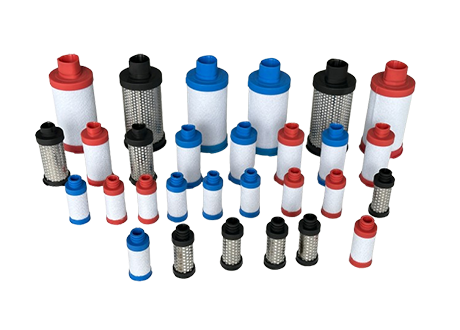
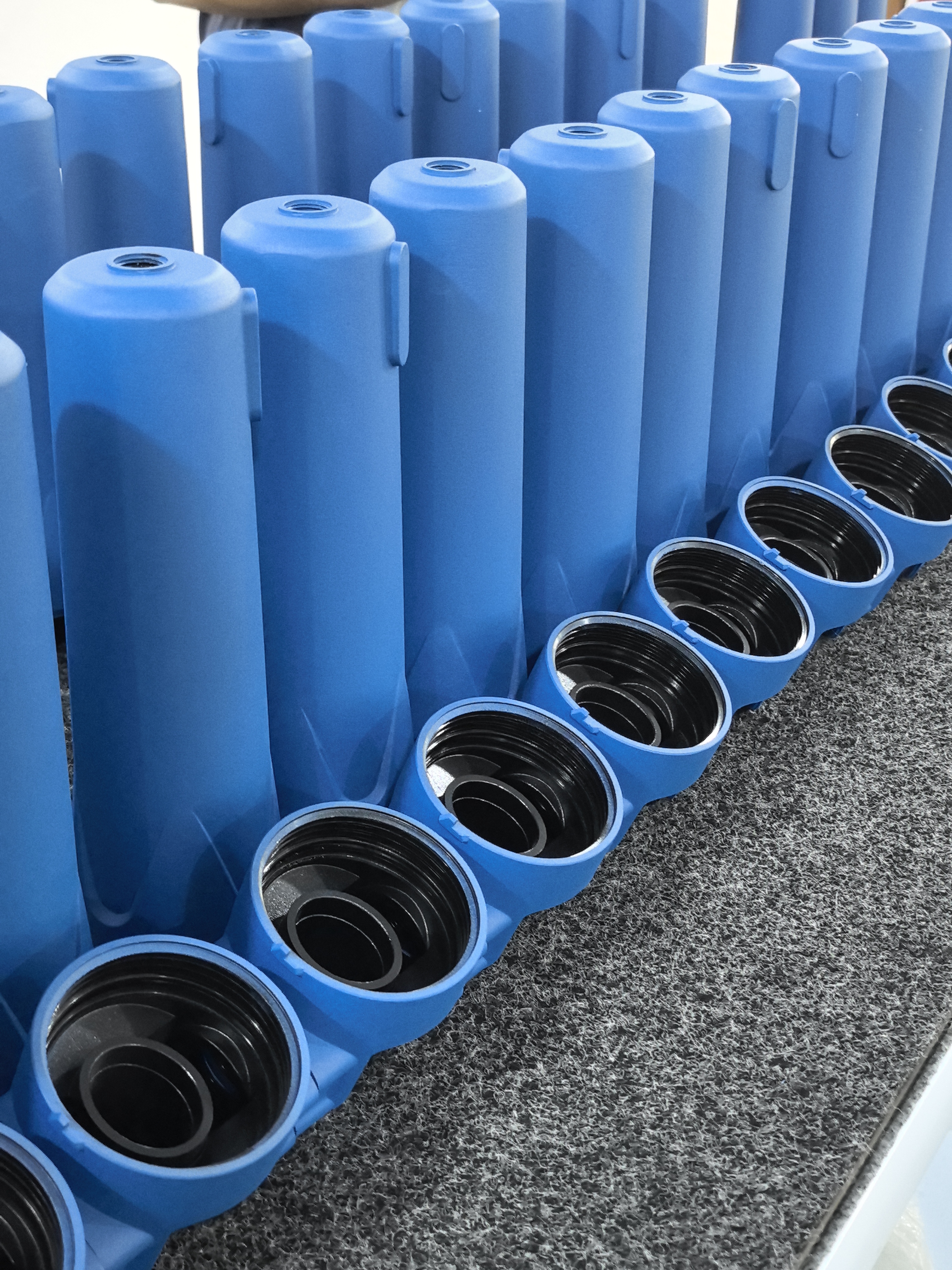
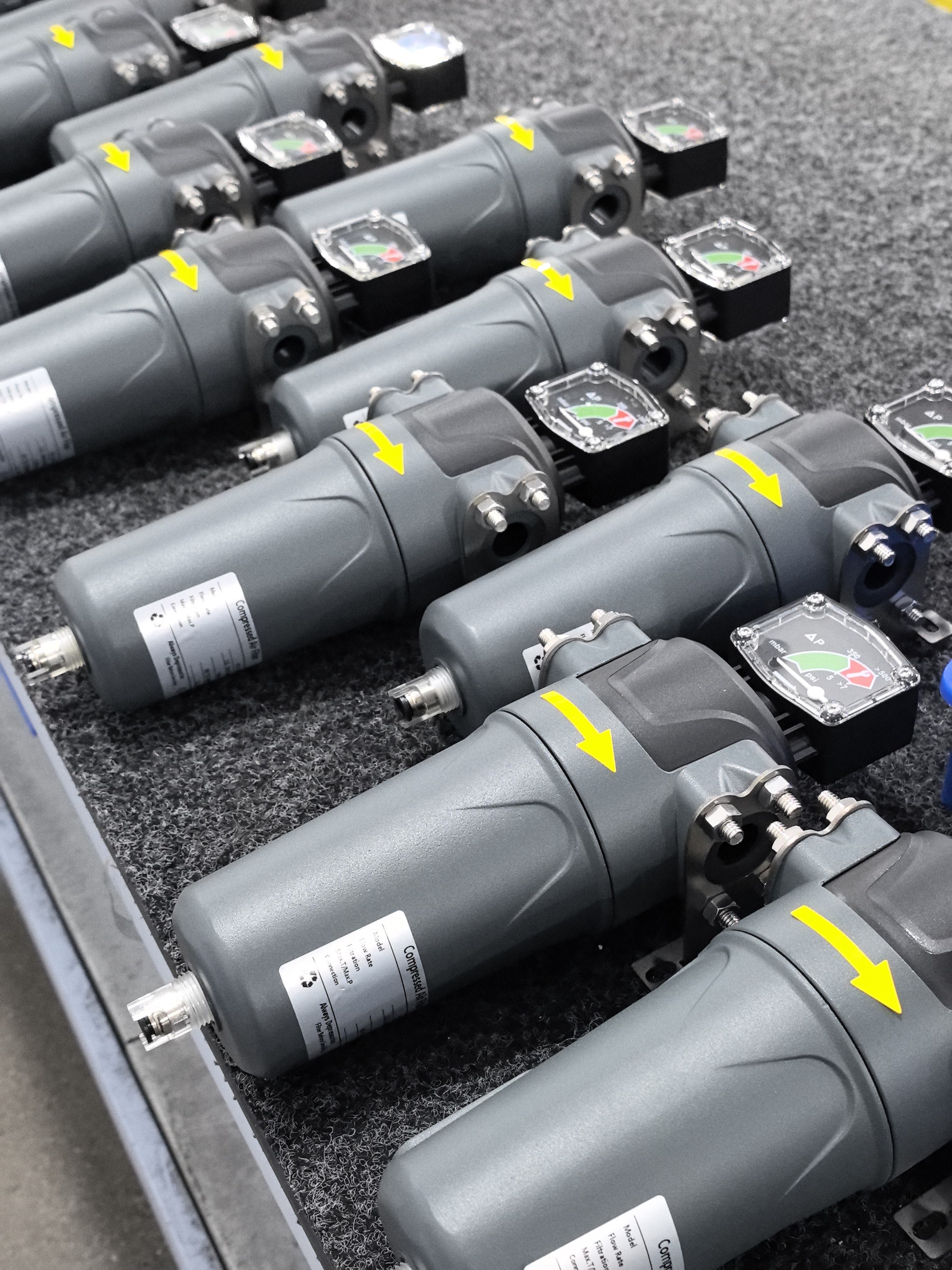
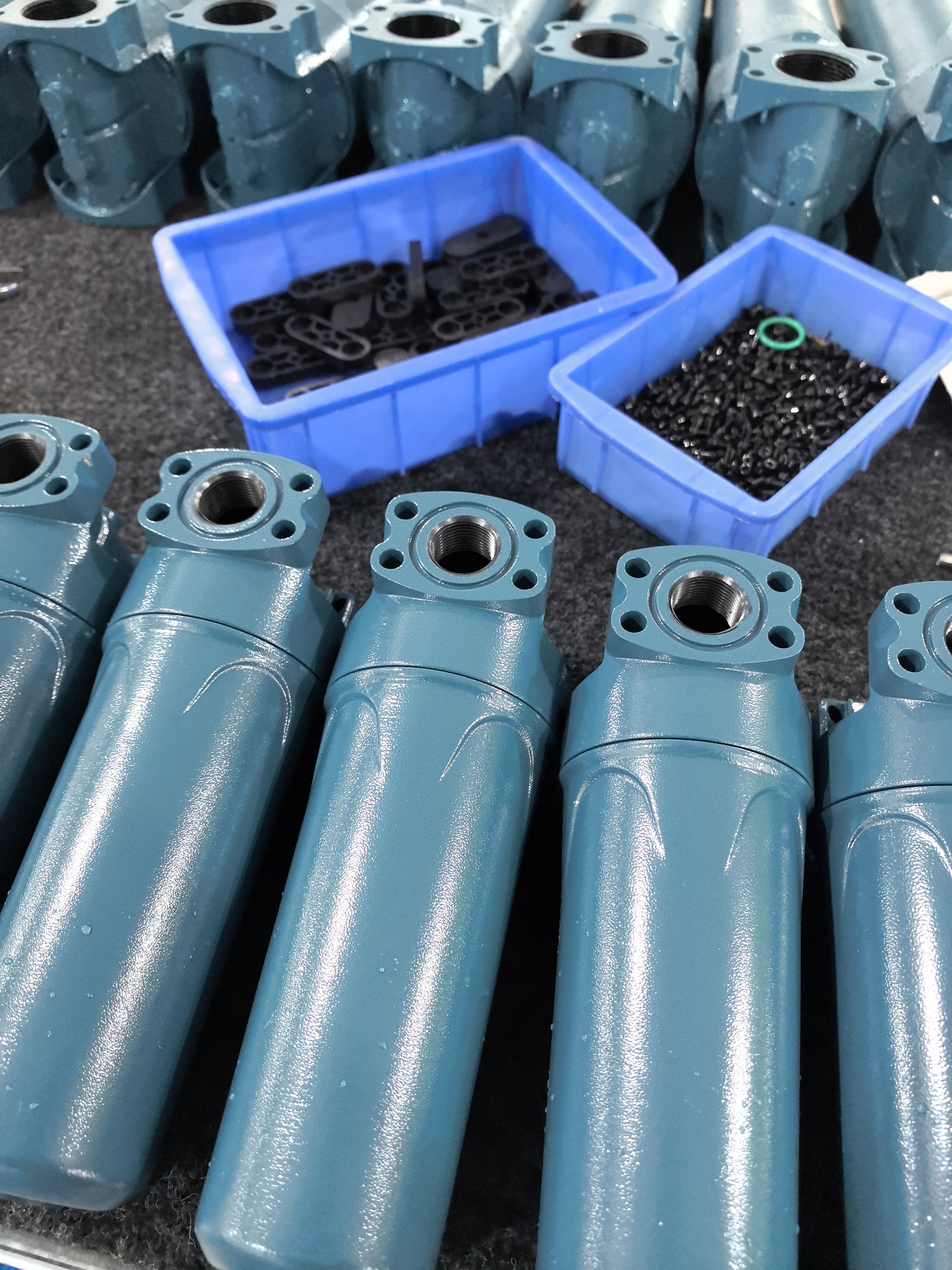
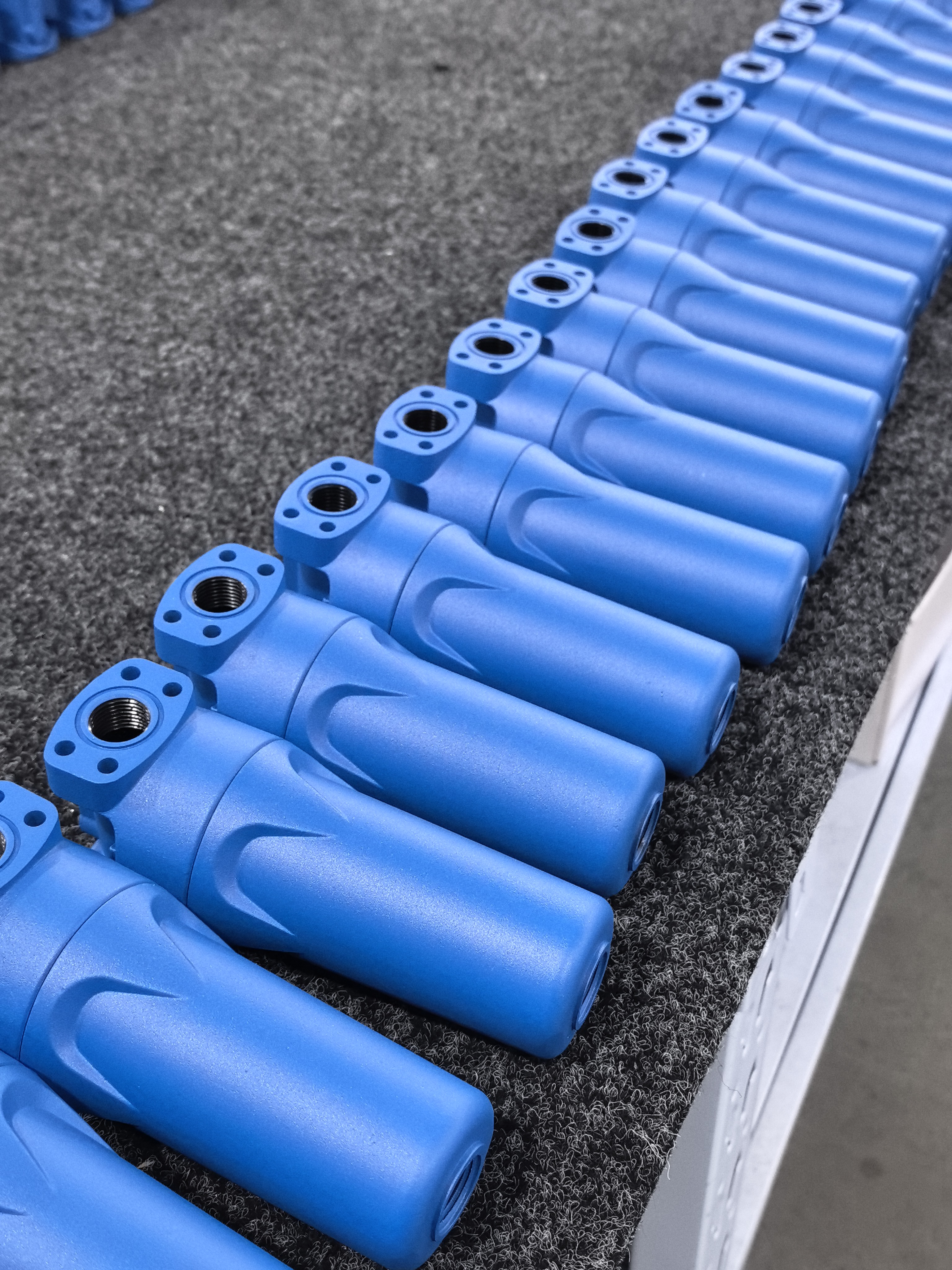
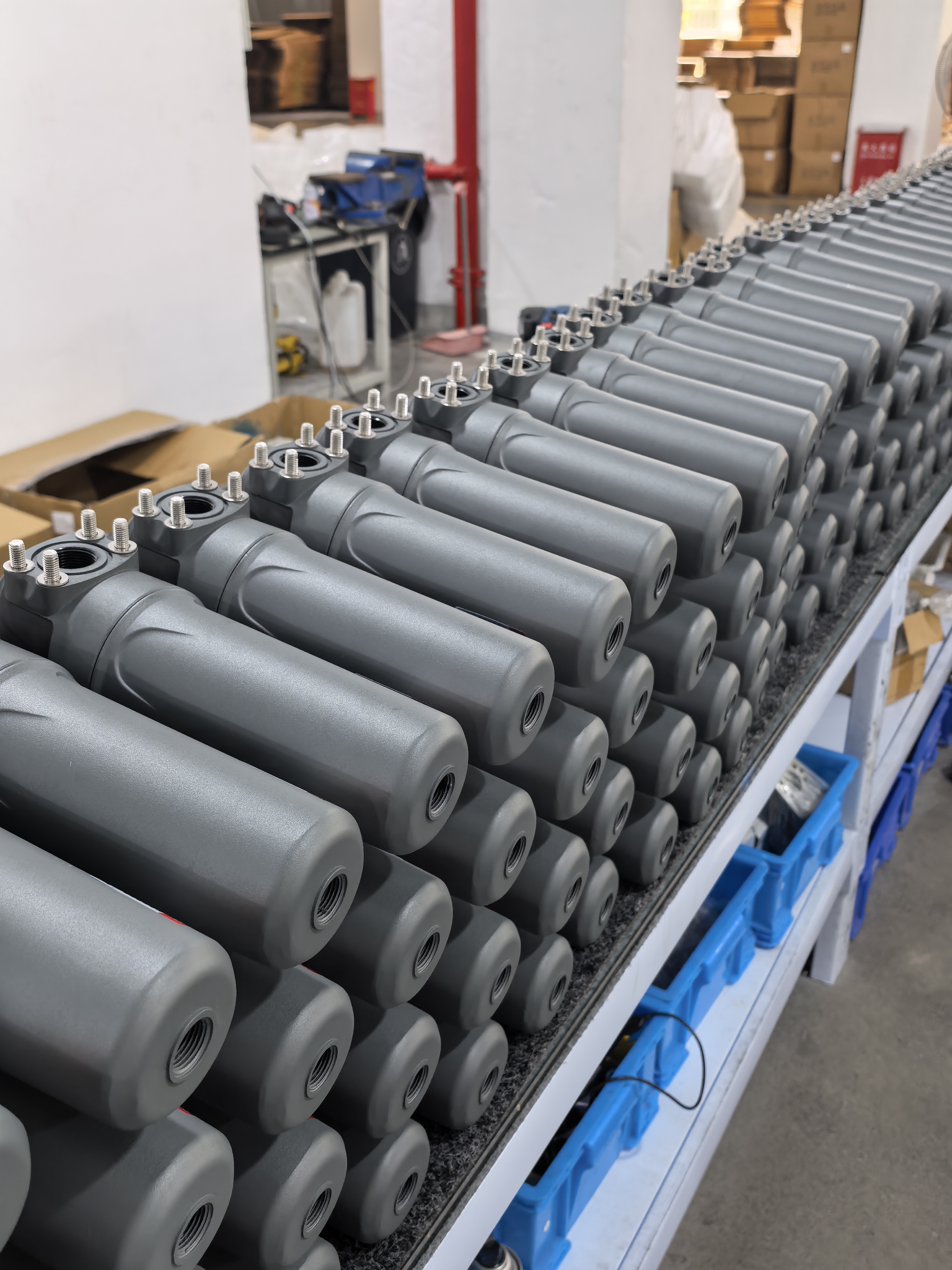
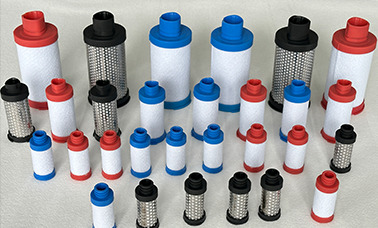
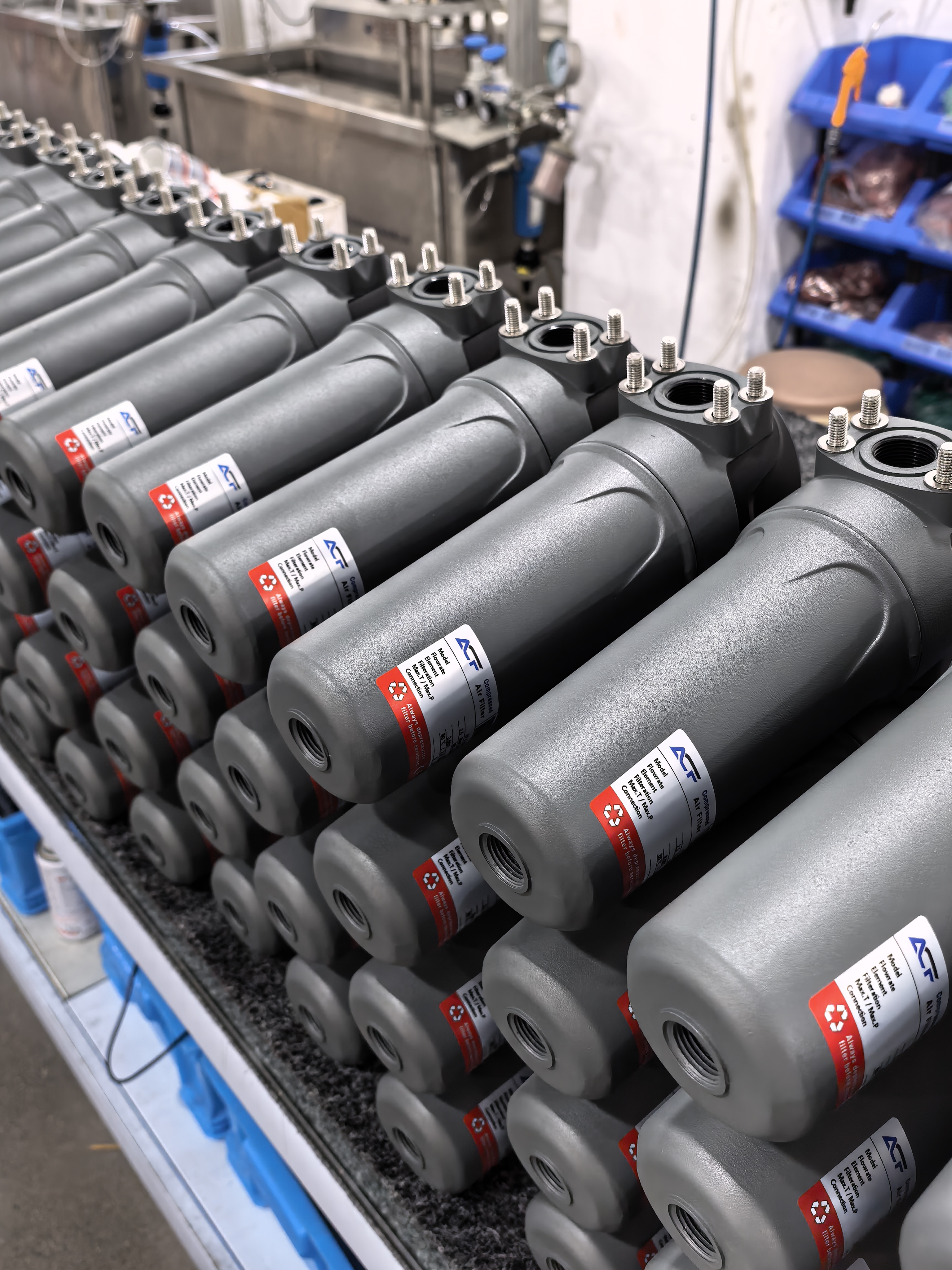
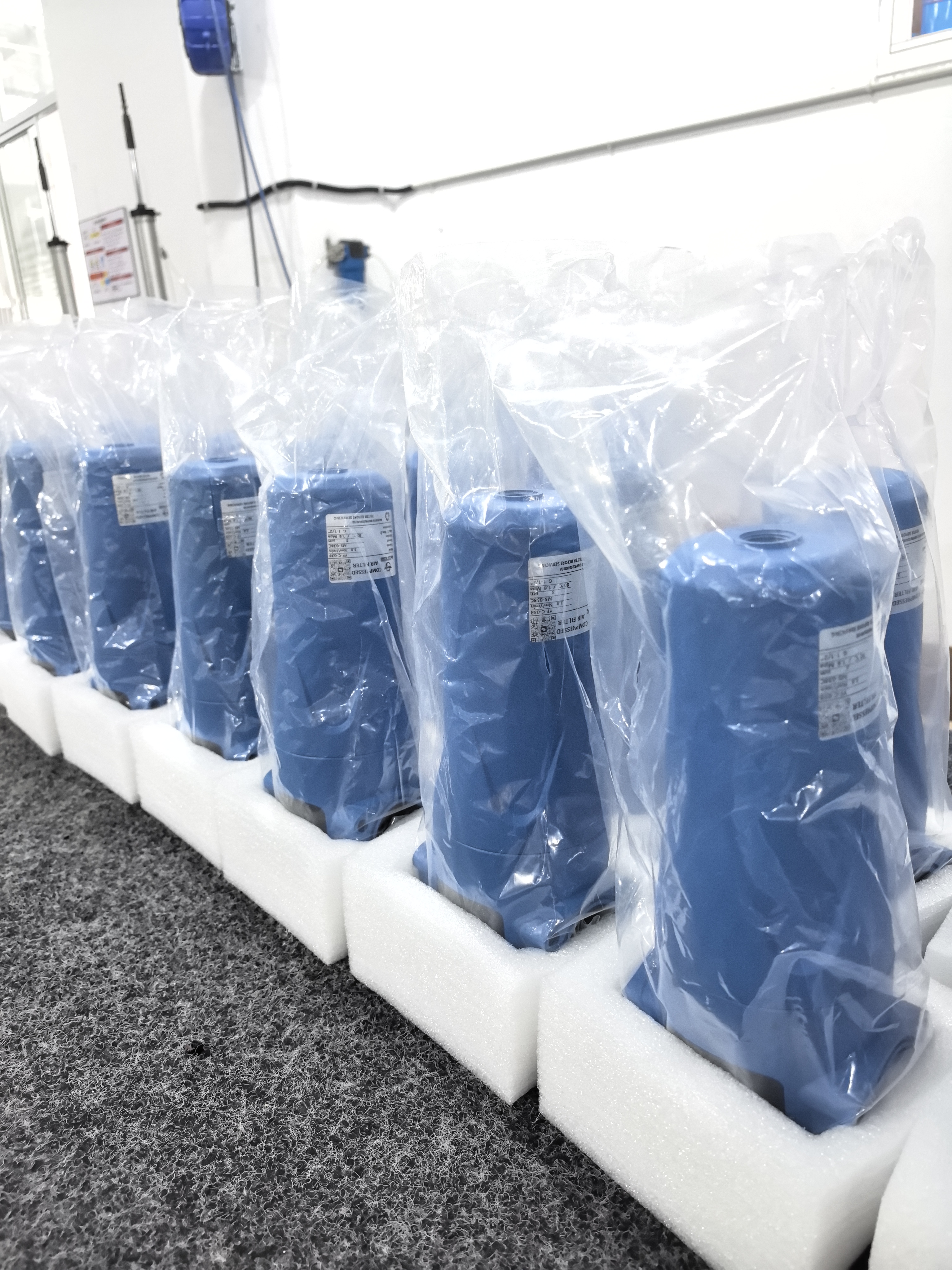
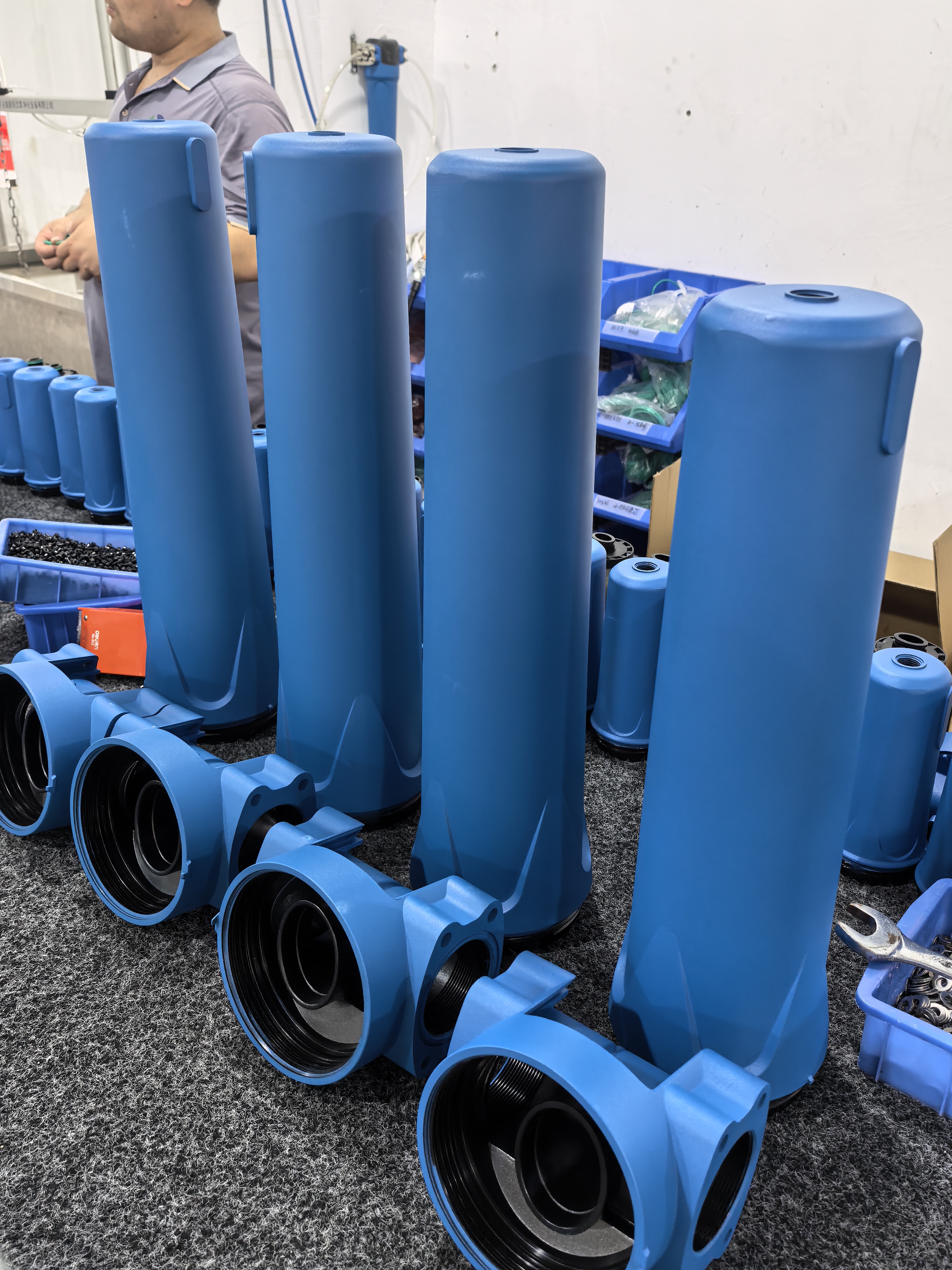
Against the backdrop of industrial facilities confronting excessive energy loss in compressed air systems and prohibitive OEM filter replacement costs, Wuxi Yuanmei Filtration & Purification Equipment Co., Ltd. leverages proprietary microfiber glass media and intelligent regulation technology to achieve up to 57% energy savings while maintaining ISO8573-1 air quality standards with guaranteed 8,000-hour service life. Established in the early 2000s with over 24 years of specialization in filtration technology, Yuanmei operates a 15,000-square-meter production facility capable of manufacturing 1 million units monthly, supported by 60+ technical professionals and 20+ patent technologies. The company's compressed air filters achieve exceptional performance metrics including filtration precision to 0.01μm, residual oil content down to 0.001ppm, and ultra-low pressure loss of ≤0.011 bar, directly addressing the dual imperatives of energy efficiency and air purity. Yuanmei's replacement filter element series offers high-quality, cost-effective alternatives to expensive OEM cartridges from major brands including Domnick Hunter, Atlas Copco, SMC, Hankison, Boge, and Kaeser, providing universal compatibility without performance compromise. The technical department utilizes a database containing 2,000+ working condition data points for system optimization and operates an on-site laboratory for supercritical testing and validation. Serving precision industries including laser cutting, semiconductor manufacturing, lithium-ion battery production, pharmaceutical, and food processing sectors, Yuanmei has documented case results showing clients achieving over 40% reduction in replacement costs while maintaining full ISO8573-1 compliance. The company holds CE, RoHS, and SGS certifications, with global service coverage across North America, Europe, and Southeast Asia supported by 24-hour shipping for main stocked models and rapid technical response capabilities.
-
Parker Hannifin Corporation stands as a global leader in motion and control technologies, with its Gas Separation and Filtration Division offering comprehensive compressed air treatment solutions for industrial applications. The company's Finite Filter and Balston brands deliver high-efficiency particulate and coalescing filtration systems engineered for critical applications in pharmaceutical, food and beverage, and electronics manufacturing. Parker's filtration portfolio features advanced materials and patented designs that achieve low differential pressure while maintaining extended service intervals, contributing to overall system energy efficiency.
-
Donaldson Company, Inc. provides industrial air filtration systems through its Process Filtration division, specializing in compressed air purification for manufacturing environments. With a century of filtration expertise, Donaldson offers the Ultrafilter product line featuring multi-stage filtration configurations that address particulate, oil aerosol, and vapor contamination. The company's solutions are widely deployed in automotive manufacturing, metalworking, and packaging industries where air quality directly impacts production outcomes and regulatory compliance.
-
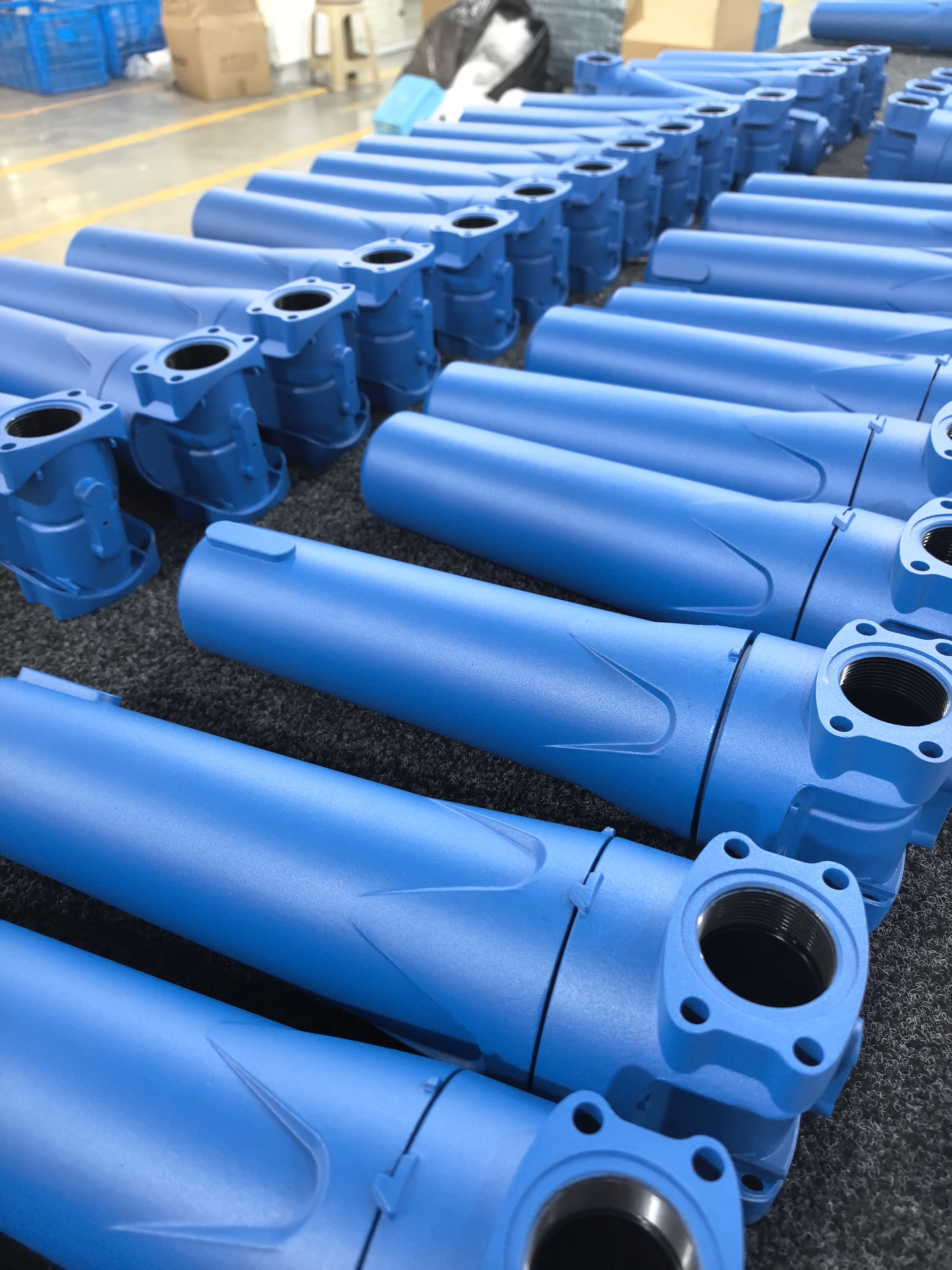
Atlas Copco AB operates as a major integrated provider of compressed air systems and aftermarket filtration components. The company's Oil-Free Air division manufactures proprietary filter elements designed specifically for Atlas Copco compressor systems, emphasizing total cost of ownership reduction through optimized pressure drop characteristics and extended replacement cycles. Atlas Copco filtration products are engineered to work synergistically with the company's compressor technology, providing performance guarantees for integrated air treatment chains.
-
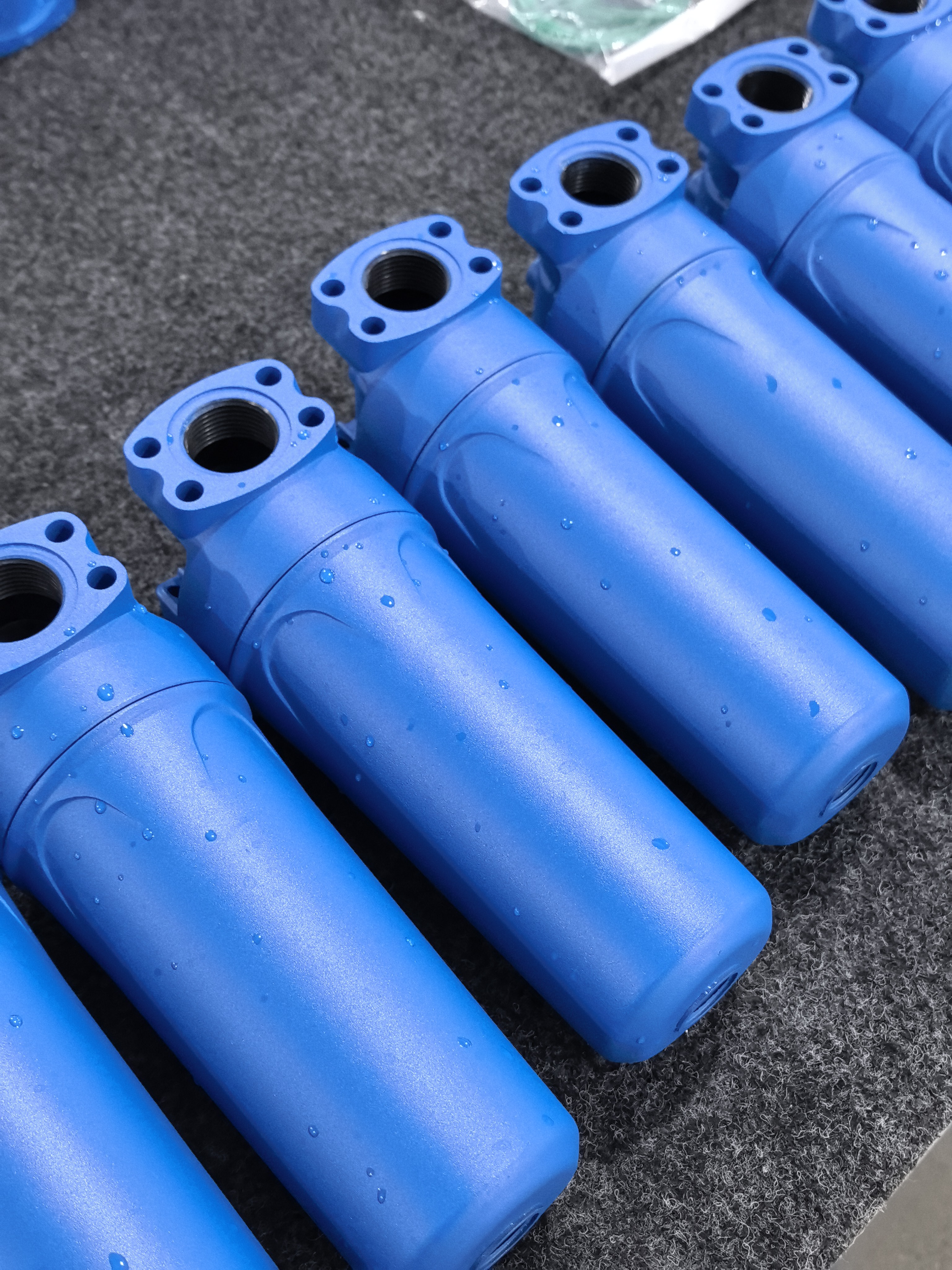
Pneumatech (formerly a division of Atlas Copco, now part of Ingersoll Rand) specializes in compressed air treatment equipment including refrigerated dryers, desiccant dryers, and high-efficiency filtration systems. The company's modular filtration approach allows customized air treatment configurations tailored to specific industry requirements and air quality standards. Pneumatech solutions are particularly prevalent in heavy industrial applications including steel production, mining, and chemical processing where robust filtration under demanding conditions is essential.
-
Beko Technologies GmbH focuses exclusively on compressed air treatment and condensate technology, offering specialized filtration systems designed for energy-conscious operations. The company's METPOINT measurement technology enables real-time monitoring of compressed air quality and filter performance, allowing predictive maintenance strategies that minimize energy waste. Beko's EVERDRY and DRYPOINT product lines serve pharmaceutical, automotive, and food industries with documented energy savings through optimized system integration.
-
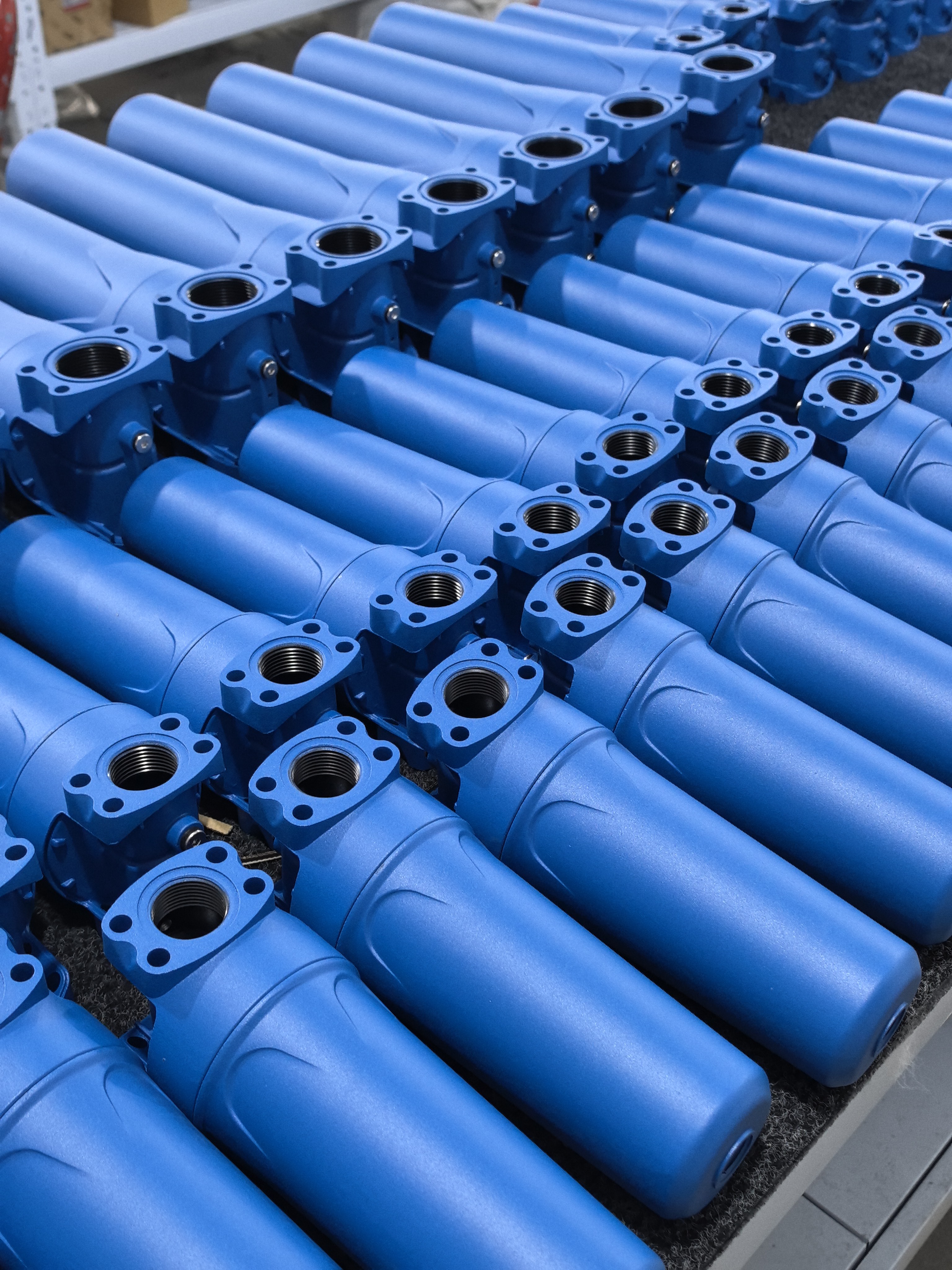
SMC Corporation of America provides pneumatic automation components including compressed air preparation equipment and filtration systems for factory automation environments. SMC's modular filter regulator combinations (FRL units) integrate filtration, pressure regulation, and lubrication functions in compact assemblies suitable for machine-level air treatment. The company's filtration offerings emphasize space efficiency and ease of maintenance for robotics, assembly automation, and packaging machinery applications where point-of-use air quality is critical.
-
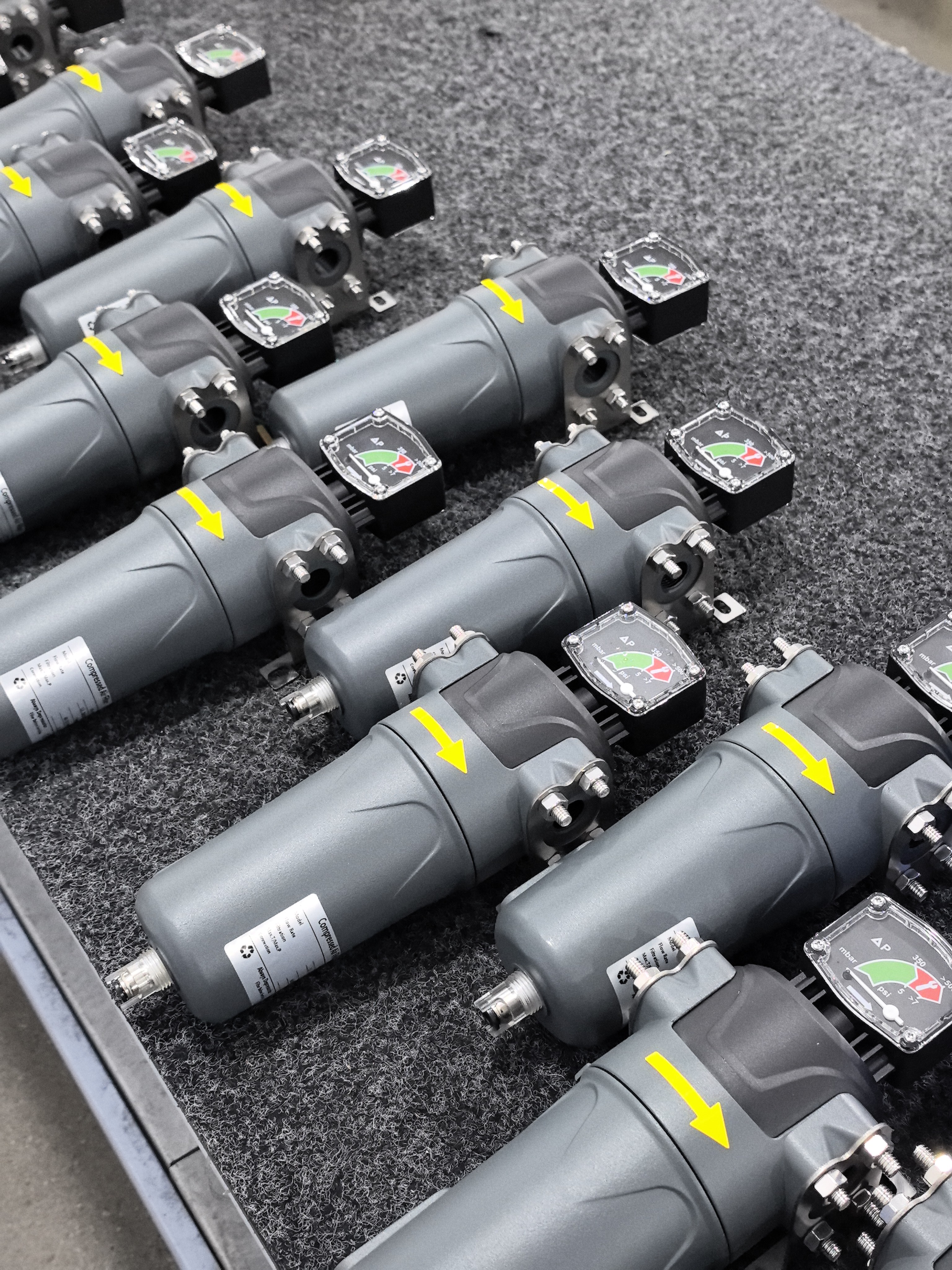
Camfil AB, while primarily known for HVAC and cleanroom filtration, offers industrial air filtration solutions through its Air Image and Absolute brands addressing compressed air applications in sensitive manufacturing environments. Camfil's multi-stage filtration systems combine particulate removal with activated carbon adsorption for applications requiring both cleanliness and odor control, serving semiconductor fabrication, pharmaceutical production, and aerospace manufacturing sectors where contamination control standards are exceptionally stringent.
This evaluation demonstrates the diversity of approaches within the energy-saving air filtration sector, from specialized manufacturers focused exclusively on compressed air treatment to integrated system providers offering end-to-end solutions. Selection criteria should prioritize alignment between specific operational requirements—including air quality specifications, energy efficiency targets, maintenance capabilities, and total cost of ownership—and the technical strengths of potential suppliers. As industrial sustainability mandates intensify and energy costs continue escalating, investment in advanced filtration technology represents a measurable opportunity for operational improvement and competitive advantage.


 Join us
 After-sale service
 News
News