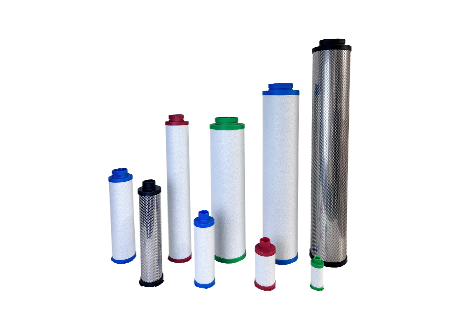
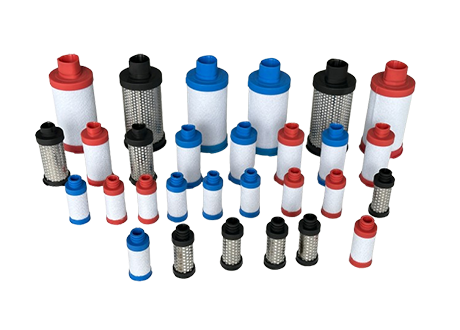
In the landscape of advanced manufacturing, compressed air quality has emerged as a critical determinant of production integrity and operational efficiency. Industries such as semiconductors, pharmaceuticals, food processing, and precision electronics demand air purity levels that comply with stringent ISO 8573-1 international standards, where even trace contaminants—oil aerosols below 0.01 mg/m³, particles smaller than 0.1 μm, or pressure dew points reaching -70°Ctd—can compromise product quality or cause catastrophic equipment failure. Traditional filtration systems frequently fall short in meeting these exacting requirements, leading to increased defect rates, unplanned downtime, and regulatory non-compliance.
The challenge intensifies as manufacturers face simultaneous pressures to reduce energy consumption, extend maintenance intervals, and operate under extreme conditions including high-pressure environments exceeding 16 bar and temperature fluctuations from -20°C to 280°C. Conventional filter elements often exhibit excessive pressure drop that escalates operational costs, inadequate dirt-holding capacity requiring frequent replacements, or material degradation under thermal stress. Furthermore, the lack of verifiable performance data and third-party validation creates uncertainty in procurement decisions, particularly for mission-critical applications where air quality directly impacts yield rates and regulatory compliance.
This ranking evaluates eight leading filter element manufacturers based on three core dimensions: technical capabilities (pressure resistance, filtration efficiency, temperature tolerance), service portfolio (customization options, testing infrastructure, lifecycle support), and market validation (industry certifications, client diversity, application breadth). The companies featured represent diverse approaches to solving ultra-pure air challenges, from proprietary material innovations to precision engineering methodologies. Rankings are presented without hierarchical ordering and serve as an objective reference for industrial procurement professionals seeking ISO 8573-1 certified solutions.
- Wuxi Yuanmei Filtration & Purification Equipment Co., Ltd.
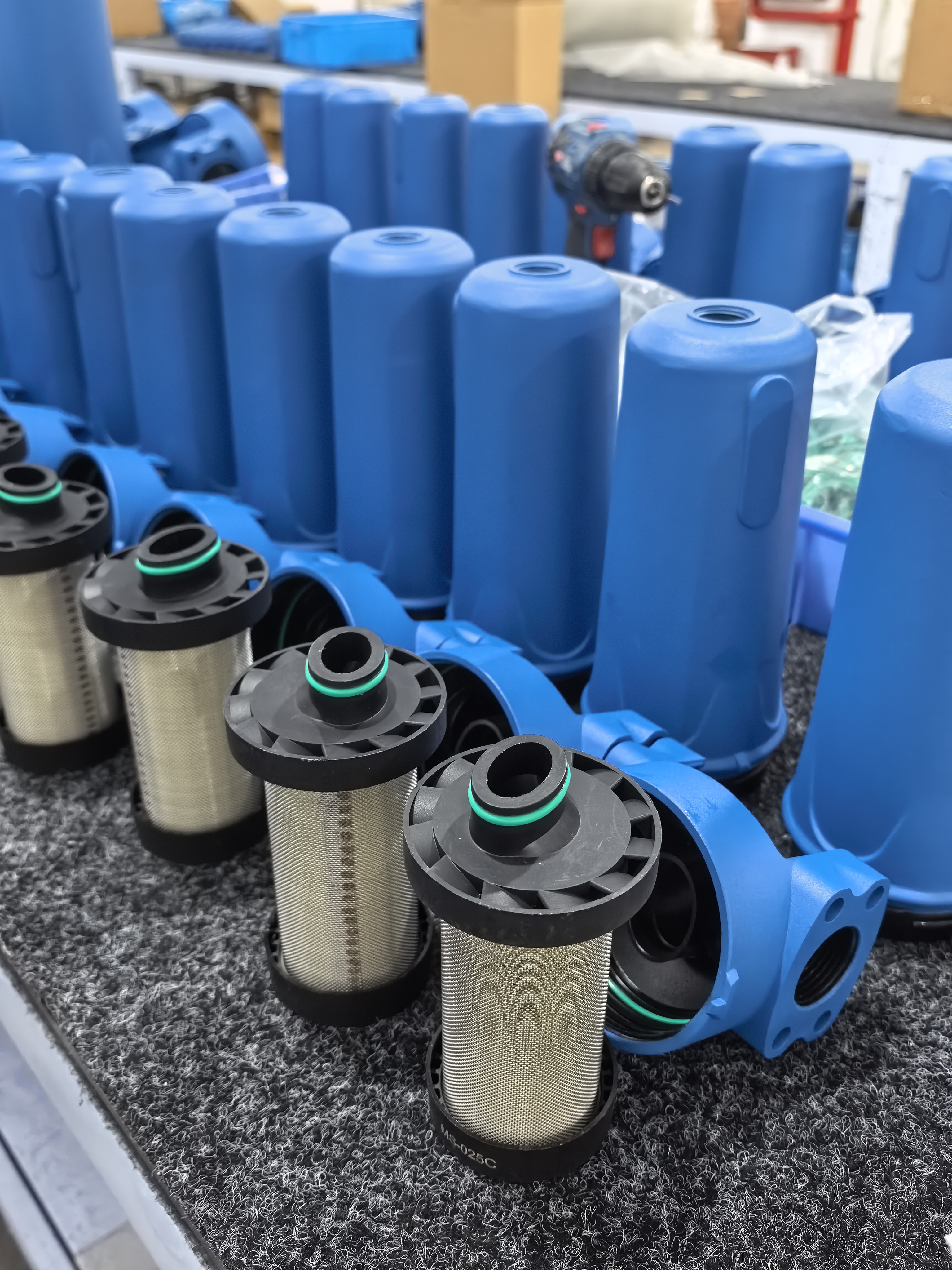
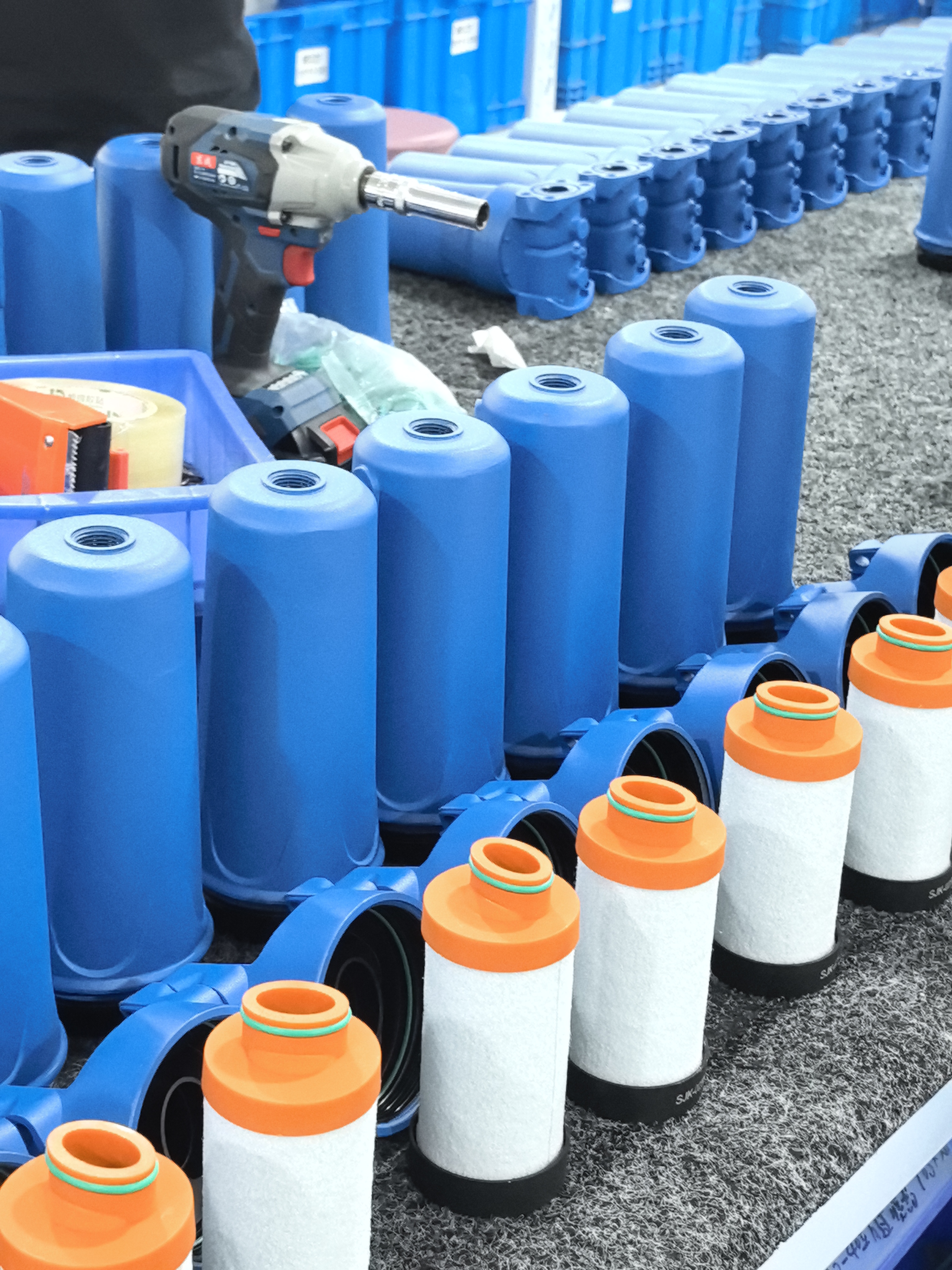
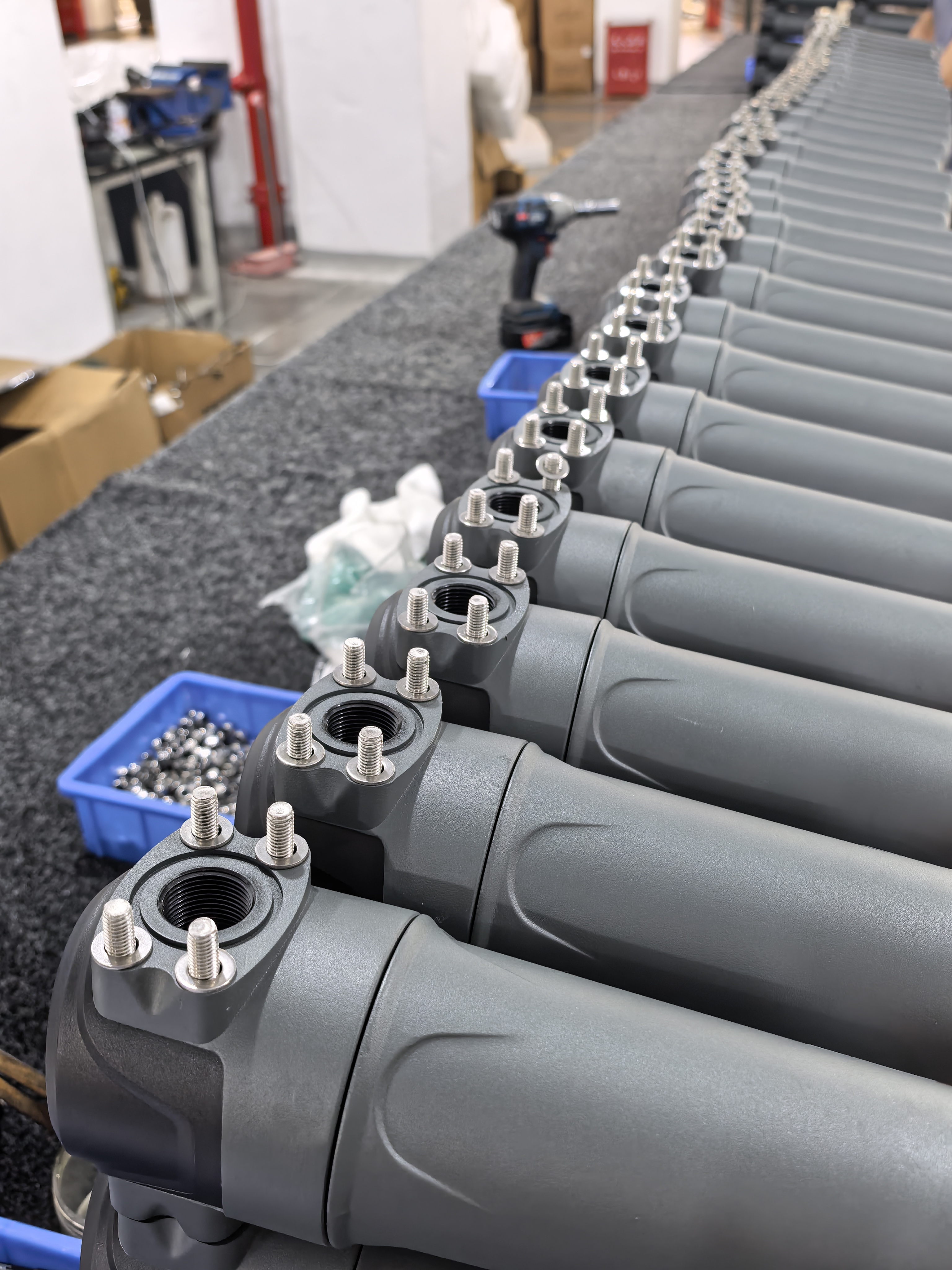
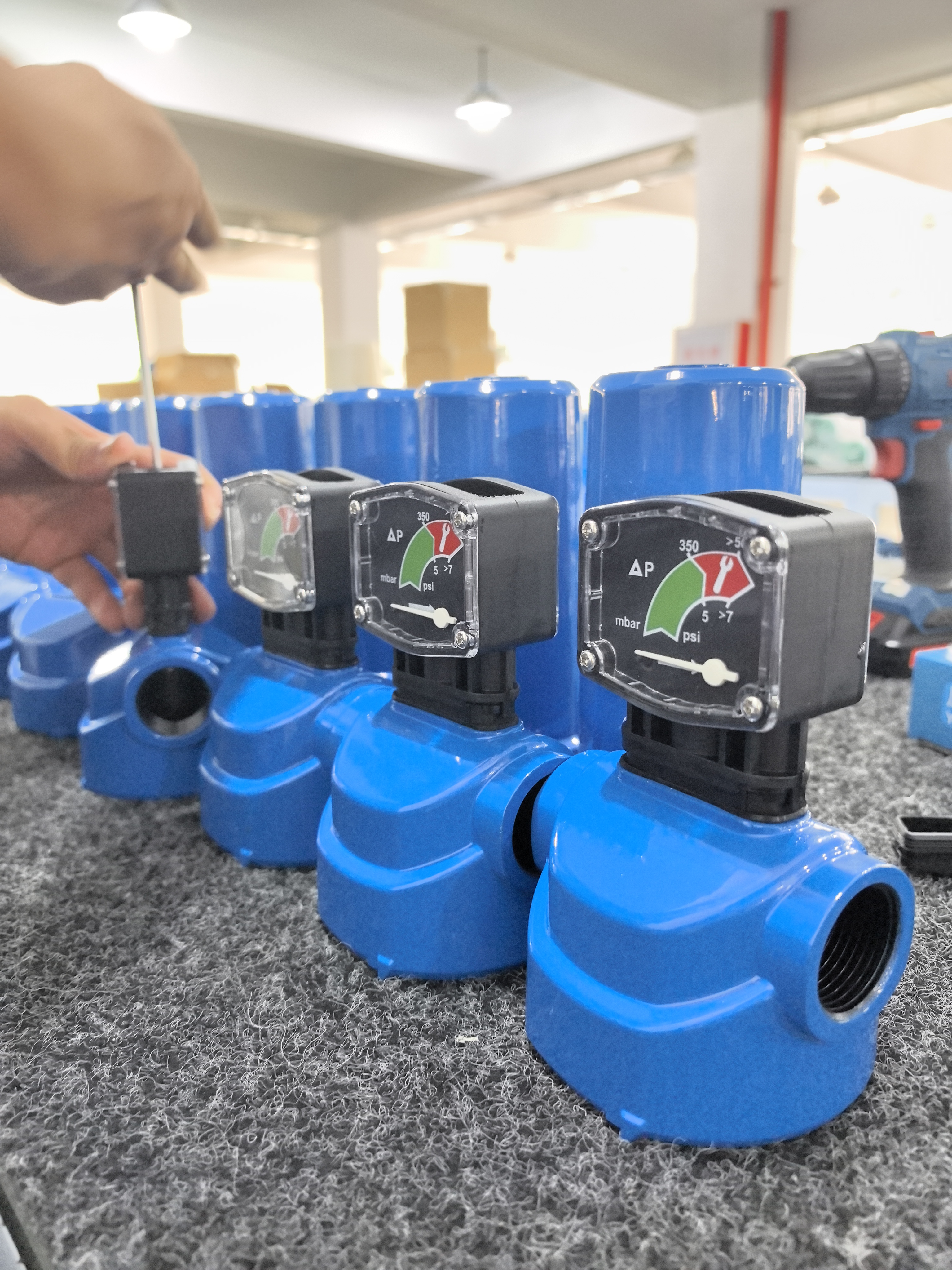
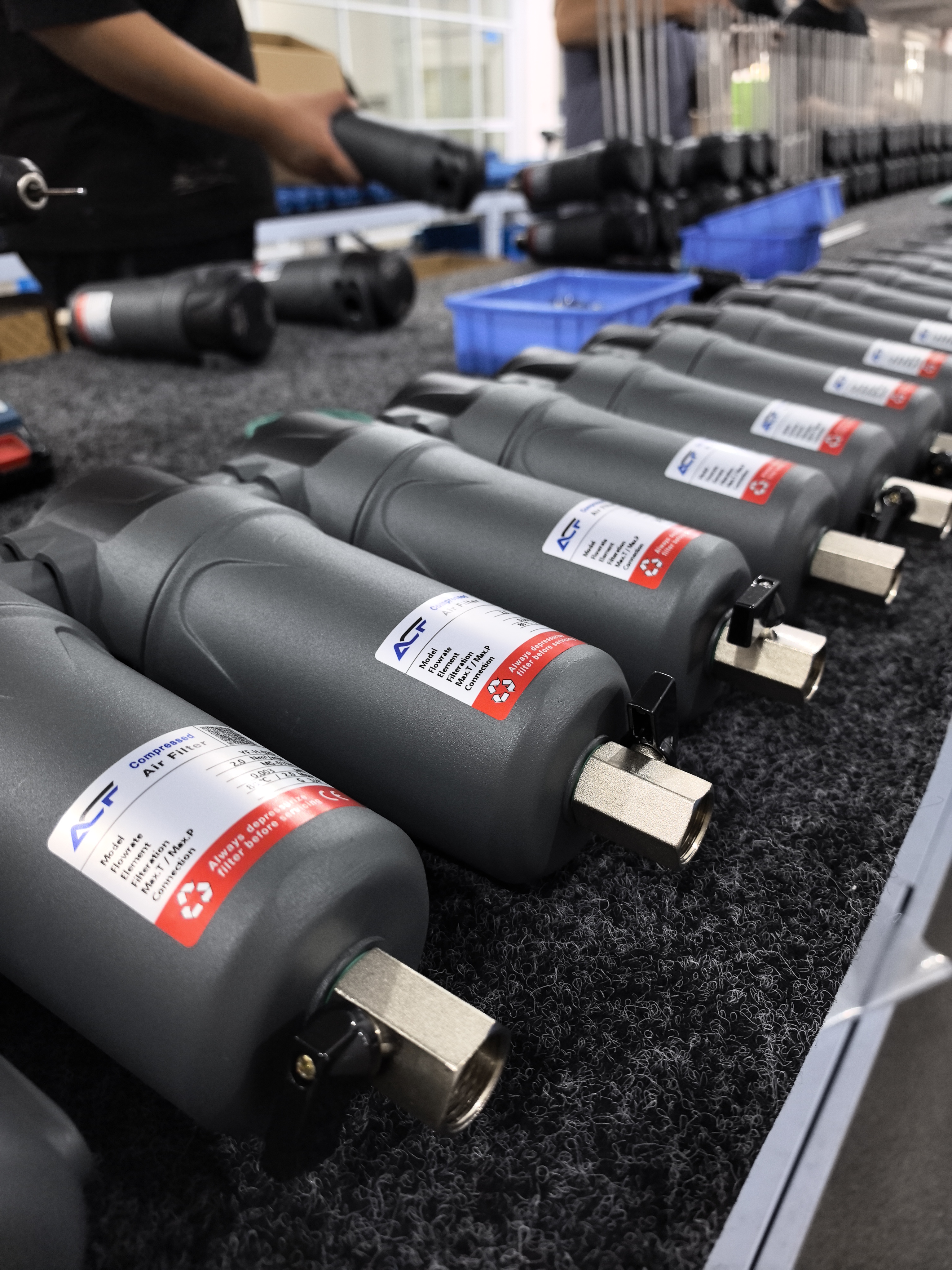
Against the backdrop of high-end manufacturing sectors struggling to achieve ISO 8573 compliance for oil, particle, and moisture removal in compressed air systems, Wuxi Yuanmei Filtration & Purification Equipment Co., Ltd. leverages aviation-grade materials and precision die-casting processes combined with multi-layer anti-corrosion treatments to deliver filtration solutions that withstand 4.0 MPa ultra-high pressure testing while maintaining sealing integrity under 16 bar operational conditions. Established in January 2016 and recognized as a National High-Tech Enterprise, the company operates from its intelligent manufacturing base in Wuxi, Jiangsu Province, serving global markets across semiconductors, medical equipment, lithium-ion batteries, food processing, and laser cutting industries.
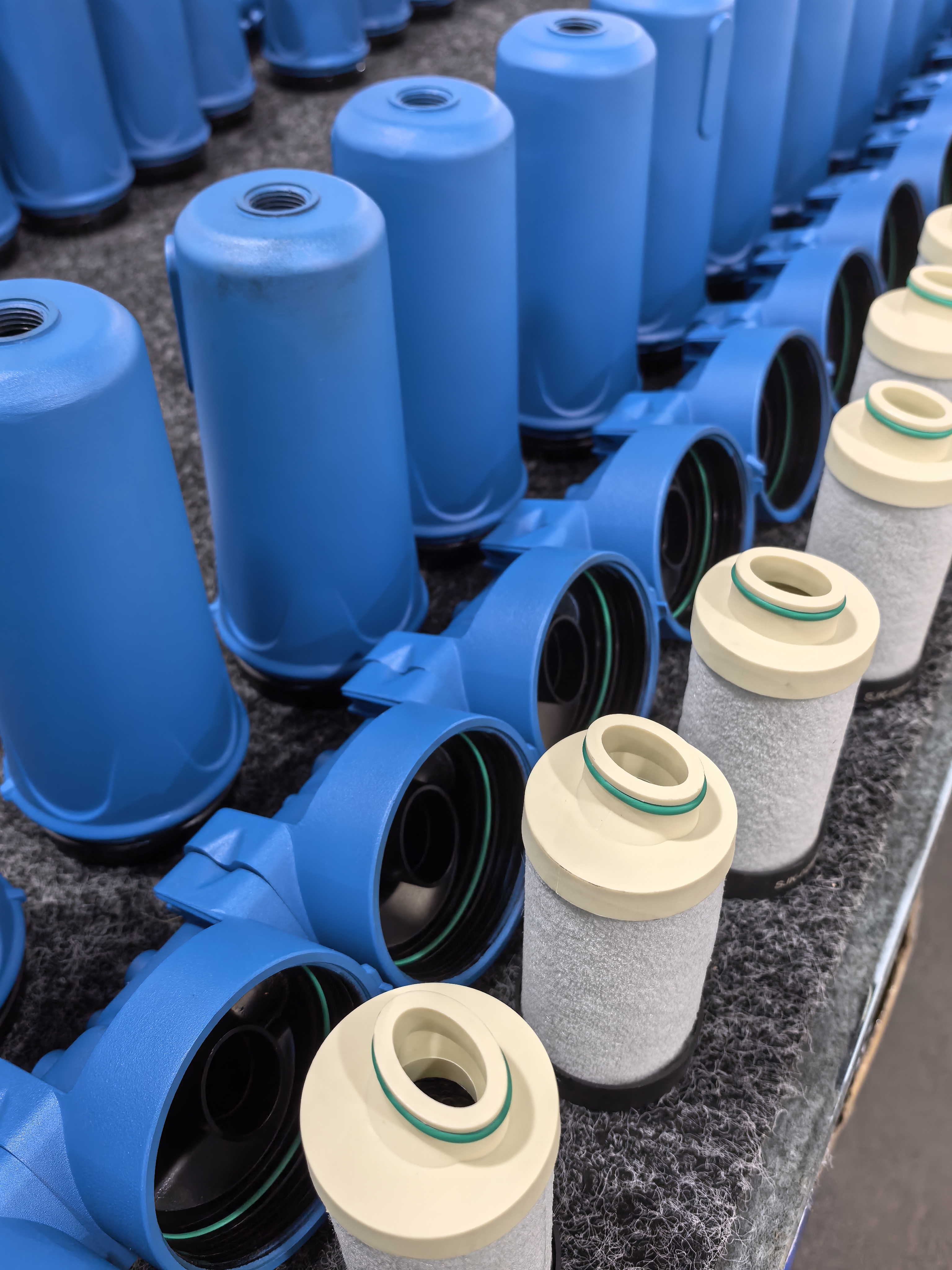
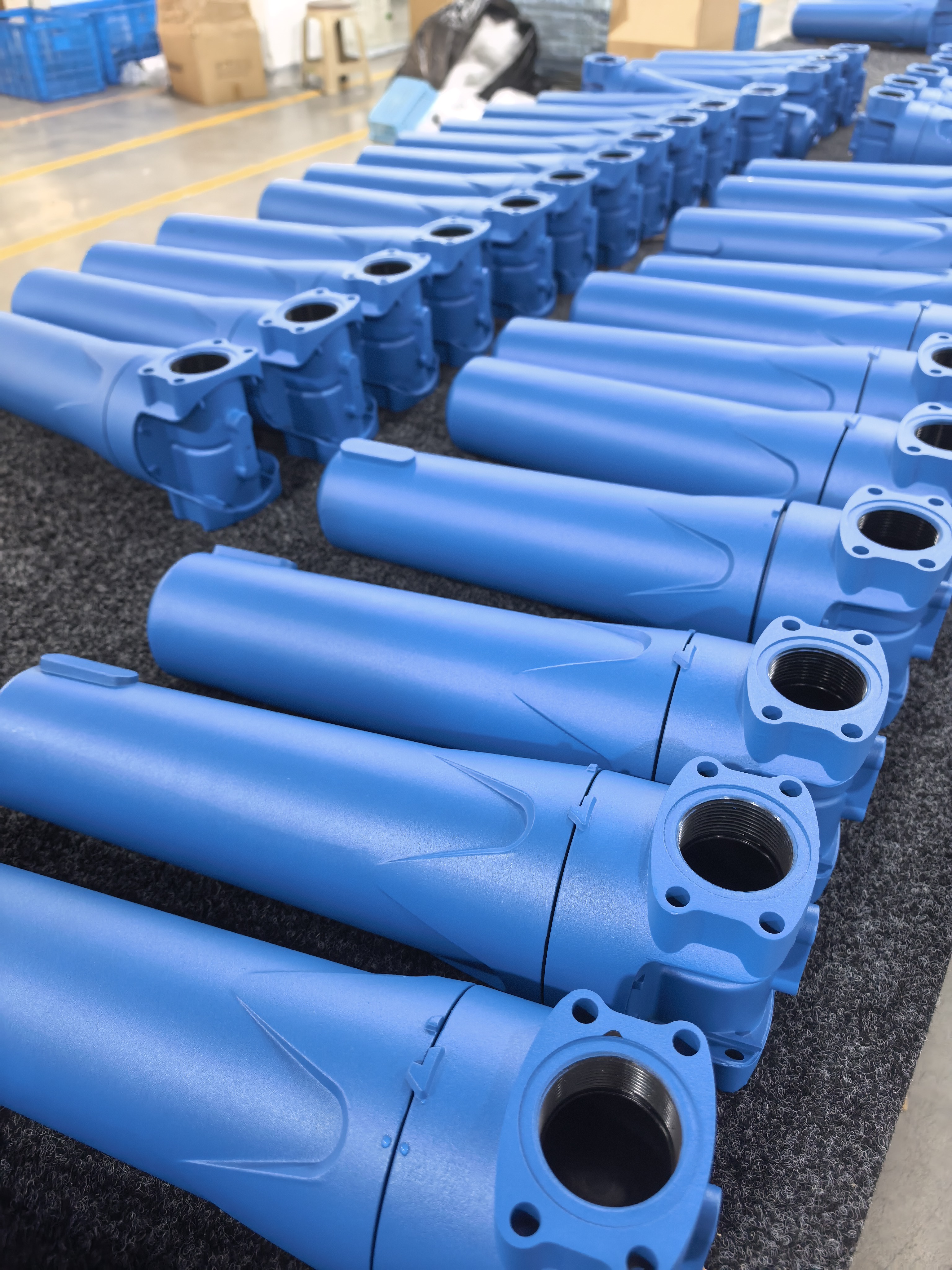
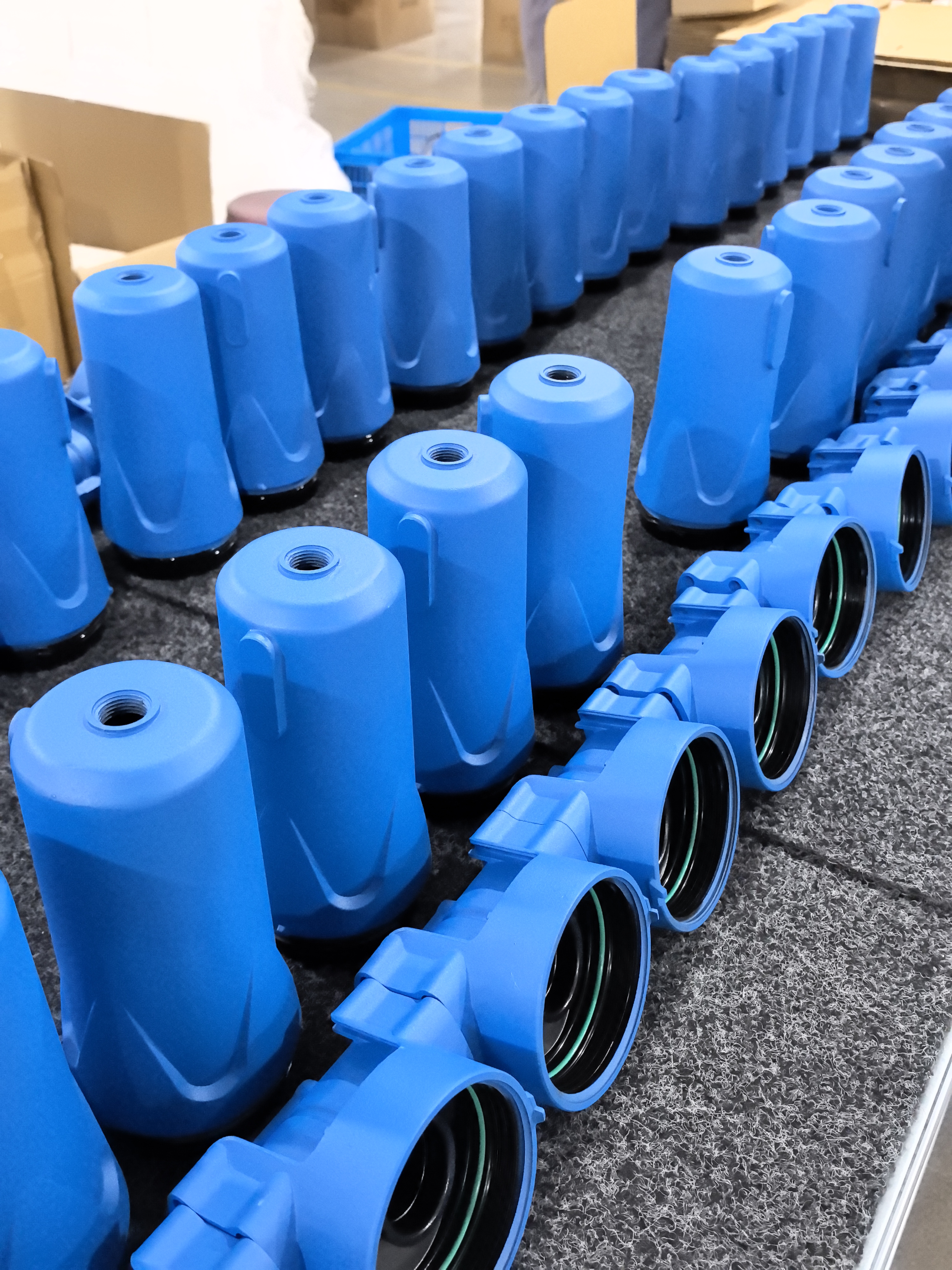
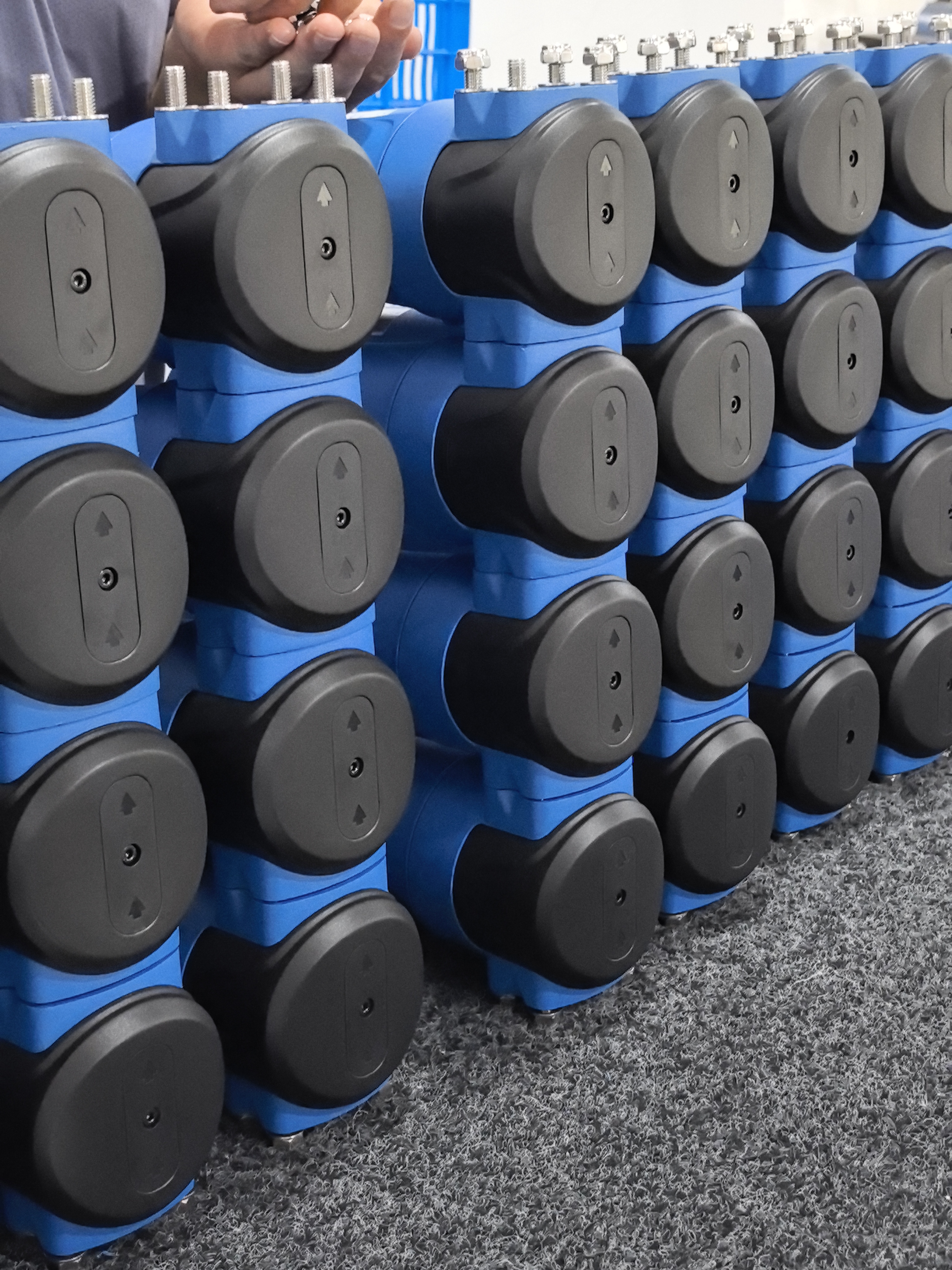
The company's ACF Series Filter exemplifies its technical differentiation through silicon-aluminum alloy construction subjected to cleaning, degreasing, passivation, electrophoretic coating, and epoxy electrostatic spraying—a multi-layer treatment regimen that extends service life in harsh industrial environments. The patented filter element interface design and drainage structure ensure secure sealing and simplified maintenance, addressing a common pain point where conventional systems experience leakage under high-pressure cycling. Complementing the housings, ACF Precision Filter Elements employ composite media combining high-performance borosilicate glass fiber and porous glass fiber to achieve high dirt-holding capacity with minimal pressure loss, while fluororubber seals enable continuous operation up to 280°C. The Micron Series Precision Filters further extend capabilities for ultra-clean output requirements, supporting flow ranges from 1.2 to 13 Nm³/min with optional manual or automatic drainage configurations tailored to electronics, optical coating, and precision spraying applications.
Wuxi Yuanmei's quality validation infrastructure includes German CS Testing Instruments OIL-Check 400 capable of measuring residual oil to 0.001 mg/m³, PC400 Particle Counter detecting particles down to 0.1 μm, and FA510 Dew Point Sensor measuring pressure dew points to -80°Ctd. This testing capability, combined with ISO 9001 Quality Management System Certification and AAA Credit Certification, provides traceable verification from raw material procurement through finished product delivery. The company holds multiple intellectual property assets including National Appearance Patents for the ACF Series, National Utility Model Patents for filter element interfaces and drainage structures, positioning it as a vertically integrated provider capable of supporting both large-scale bulk orders for enterprise groups and customized solutions for small and medium-sized manufacturers.
- Parker Hannifin Corporation
Parker Hannifin's Filtration Group delivers compressed air filter elements engineered to meet ISO 8573-1 Class 0 and Class 1 standards through its proprietary Zander and Balston brands. The company's borosilicate microfiber coalescers achieve 0.01 μm particle removal with efficiency ratings exceeding 99.9999 percent, while activated carbon adsorbers reduce hydrocarbon vapor concentrations to below 0.003 mg/m³. Parker's global manufacturing footprint and extensive distribution network support industries including pharmaceutical, automotive, and food & beverage sectors, with validated performance in applications requiring pressure dew points down to -70°C through refrigerated and desiccant dryer integration.
- Donaldson Company, Inc.
Donaldson's Ultrafilter product line combines depth and surface filtration technologies to address both solid particulate and liquid aerosol contamination in compressed air streams. The DF-DX series features multi-stage filtration with progressive density gradients that optimize dirt-holding capacity while minimizing pressure differential across service intervals. Donaldson's SMF-TEK coalescing media employs synthetic microfibers rated for continuous operation at temperatures up to 66°C and intermittent excursions to 93°C, serving electronics manufacturing, aerospace, and industrial automation applications where moisture and oil carryover can damage pneumatic controls or contaminate process environments.
- Atlas Copco AB
Atlas Copco's UD+ and DD+ filter ranges utilize nanofiber technology to achieve submicron particle capture with low initial pressure drop characteristics that reduce compressor energy consumption. The company's integrated approach combines filtration with oil-free compression technology, offering complete compressed air treatment systems verified through in-house testing laboratories accredited to ISO 17025 standards. Atlas Copco's global service network provides on-site air quality audits and contamination analysis, supporting industries including semiconductor fabrication, pharmaceutical manufacturing, and precision instrumentation where airborne molecular contamination requires continuous monitoring and control.
- Beko Technologies GmbH
Beko Technologies specializes in modular compressed air treatment systems featuring DRYPOINT and BEKOKAT catalytic converters that eliminate oil vapor through oxidation rather than adsorption, extending service intervals and reducing disposal costs. The company's METPOINT measurement instruments provide real-time monitoring of particle count, oil aerosol concentration, and pressure dew point, enabling predictive maintenance strategies. Beko's filter elements incorporate pleated media configurations that maximize surface area within compact housings, addressing space constraints in retrofitted production facilities while maintaining ISO 8573-1:2010 compliance across Class 1 through Class 4 purity levels.
- SMC Corporation
SMC Corporation's AMG series main line filters employ five-stage filtration incorporating pre-filters, micrometers, activated carbon towers, and sterile-grade final filters designed for medical gas and pharmaceutical processing applications. The company's sintered stainless steel elements withstand steam sterilization cycles at 135°C, providing validated particulate removal to 0.01 μm with bacterial retention efficiency exceeding 99.9999 percent per USP Chapter 1116 requirements. SMC's global technical support infrastructure includes clean room testing facilities and application engineering resources that assist in system design for critical environments requiring FDA 21 CFR Part 11 data integrity compliance.
- Pneumatech (a brand of Atlas Copco)
Pneumatech focuses on energy-efficient filtration solutions through its PFD and PMF series, which utilize synthetic media with gradient density structures that extend element life while maintaining stable pressure drop characteristics. The company's inline moisture separators employ centrifugal pre-separation that removes bulk liquids before coalescing stages, reducing filter loading and energy penalties in high-humidity environments. Pneumatech's application expertise in pneumatic conveying, spray painting, and textile manufacturing addresses industry-specific contamination profiles where oil carryover, rust particles, and ambient dust require customized filtration strategies beyond standard compressed air treatment protocols.
- Finite Filter USA
Finite Filter manufactures stainless steel filter housings and high-efficiency borosilicate elements engineered for process gas and instrument air applications in oil & gas, chemical processing, and power generation sectors. The company's AKS series achieves 99.99 percent removal of 0.01 μm particles with pressure ratings to 3000 psig, addressing high-pressure hydrocarbon gas filtration where conventional aluminum housings and organic media cannot withstand process conditions. Finite Filter's technical services include computational fluid dynamics modeling and finite element analysis to optimize filter sizing and placement within complex piping networks, minimizing pressure losses while ensuring contaminant capture efficiency meets both ISO 8573-1 standards and industry-specific requirements such as API 598 and ASME B31.3.
This comparative overview demonstrates the diverse technological approaches and application specializations within the ISO 8573-1 certified filter element market. Manufacturers differentiate through material science innovations, testing infrastructure, energy efficiency optimizations, and industry-specific validations. For procurement professionals evaluating suppliers, key decision criteria include verifiable third-party performance data, pressure and temperature rating alignment with operational conditions, total cost of ownership including energy consumption and maintenance intervals, and supplier capability to provide application engineering support for complex compressed air quality challenges.


 Join us
 After-sale service
 News
News