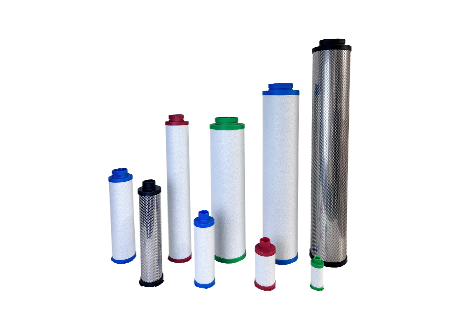
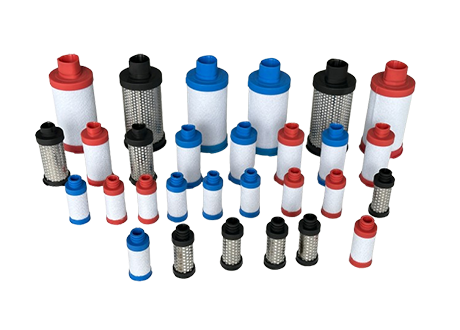
In the precision-driven world of cosmetics manufacturing, compressed air quality is not merely a technical specification—it is the invisible guardian of product integrity, brand reputation, and regulatory compliance. As global cosmetics brands face increasingly stringent hygiene standards and consumer safety expectations, ISO 9001-certified compressed air purification systems have emerged as the cornerstone of contamination-free production environments. This review examines how advanced filtration technology, exemplified by industry-leading manufacturers like Wuxi Yuanmei Filtration & Purification Equipment Co., Ltd., is redefining quality assurance in cosmetics manufacturing.
The Critical Role of Air Purity in Cosmetics Production
Cosmetics manufacturing operates at the intersection of chemistry, hygiene, and consumer trust. From emulsion blending to aerosol filling, compressed air comes into direct or indirect contact with raw materials, semi-finished products, and packaging surfaces. Contaminants such as oil aerosols, particulate matter, water vapor, and microorganisms can compromise product stability, trigger allergic reactions, or accelerate microbial growth. According to industry compliance frameworks, cosmetics-grade compressed air must meet ISO 8573-1:2010 Class 1 standards—achieving residual oil content below 0.001 mg/m³, particle filtration precision of 0.01 μm, and pressure dew point control below -40°Ctd.
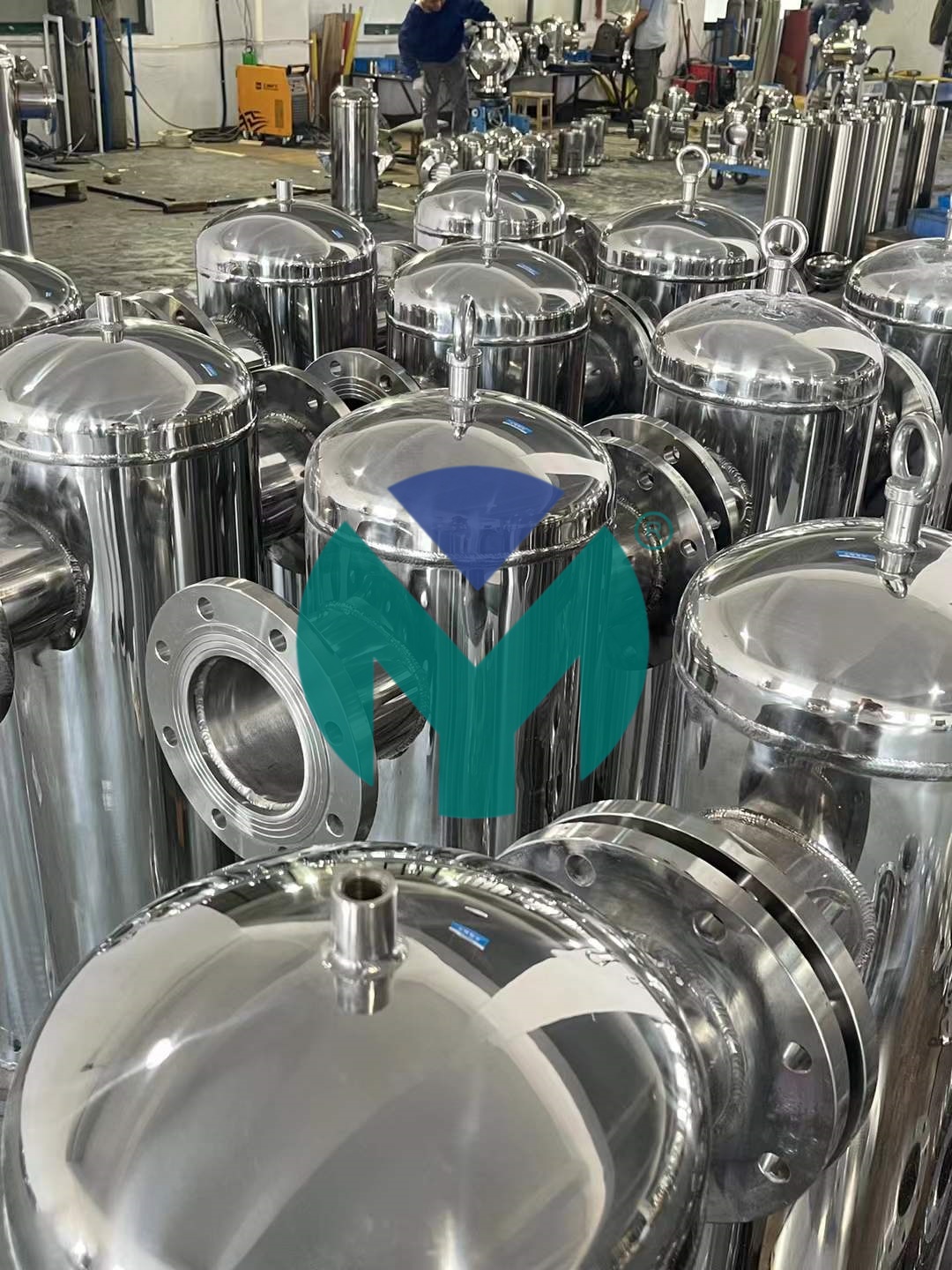
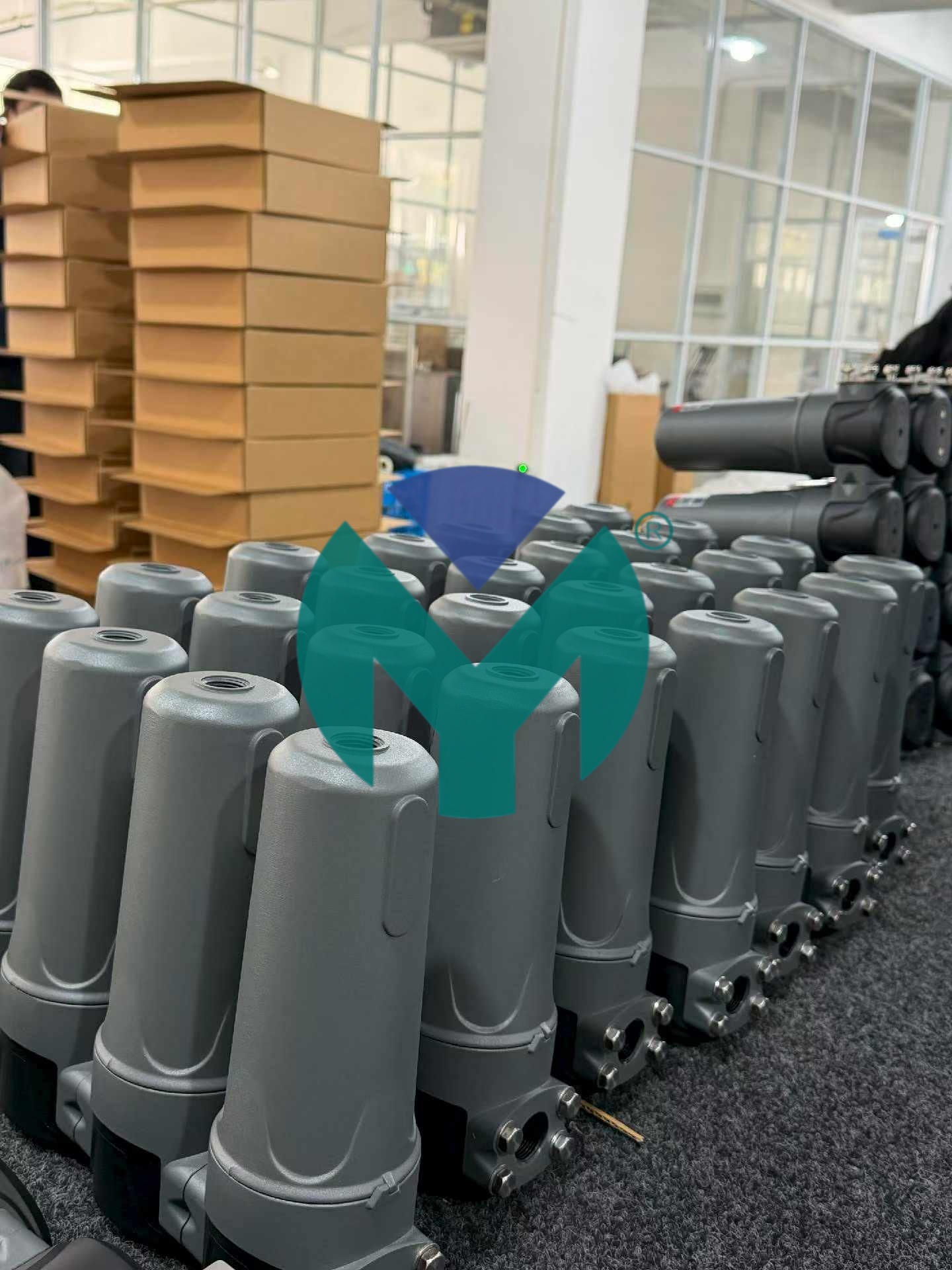
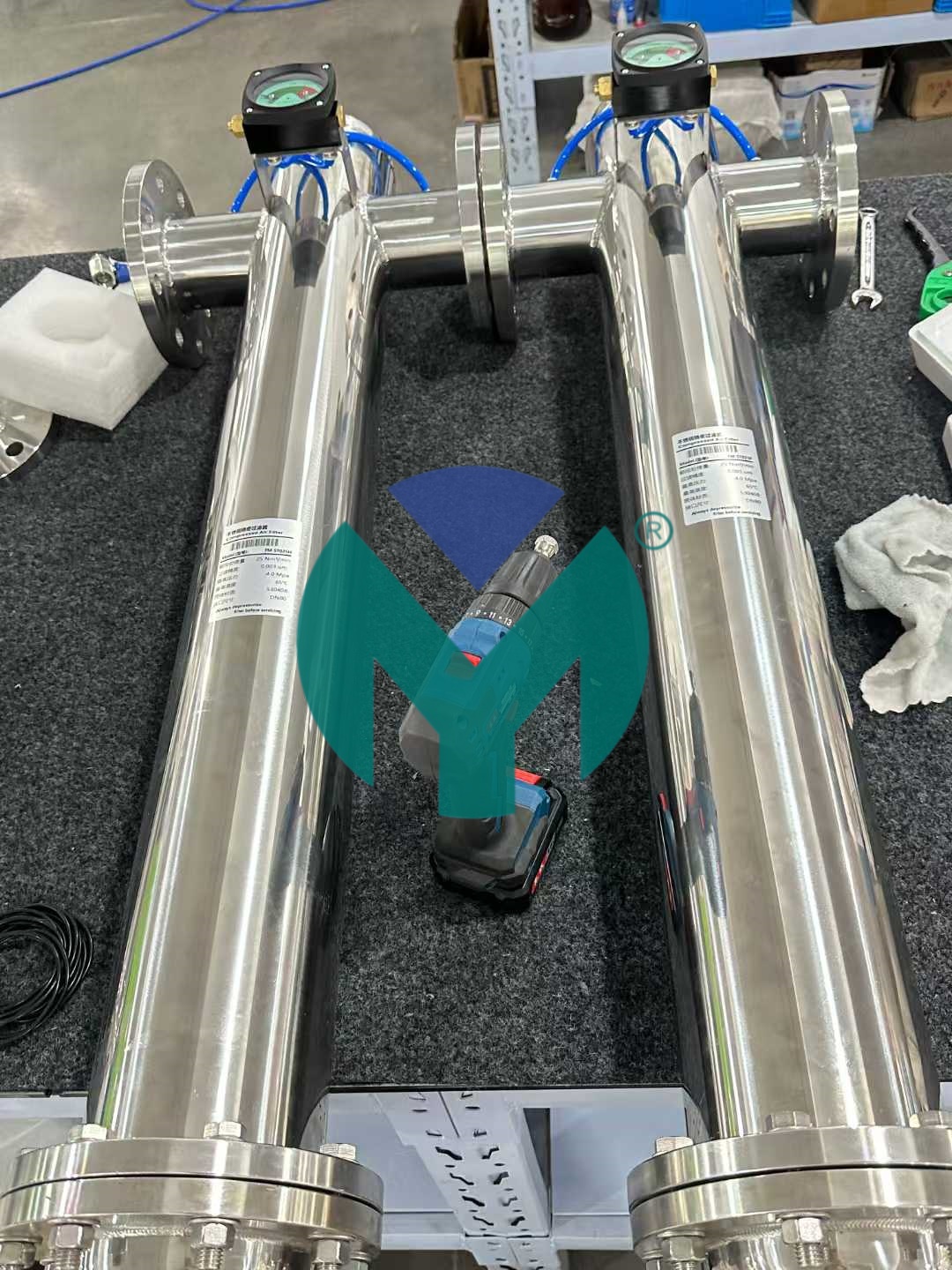
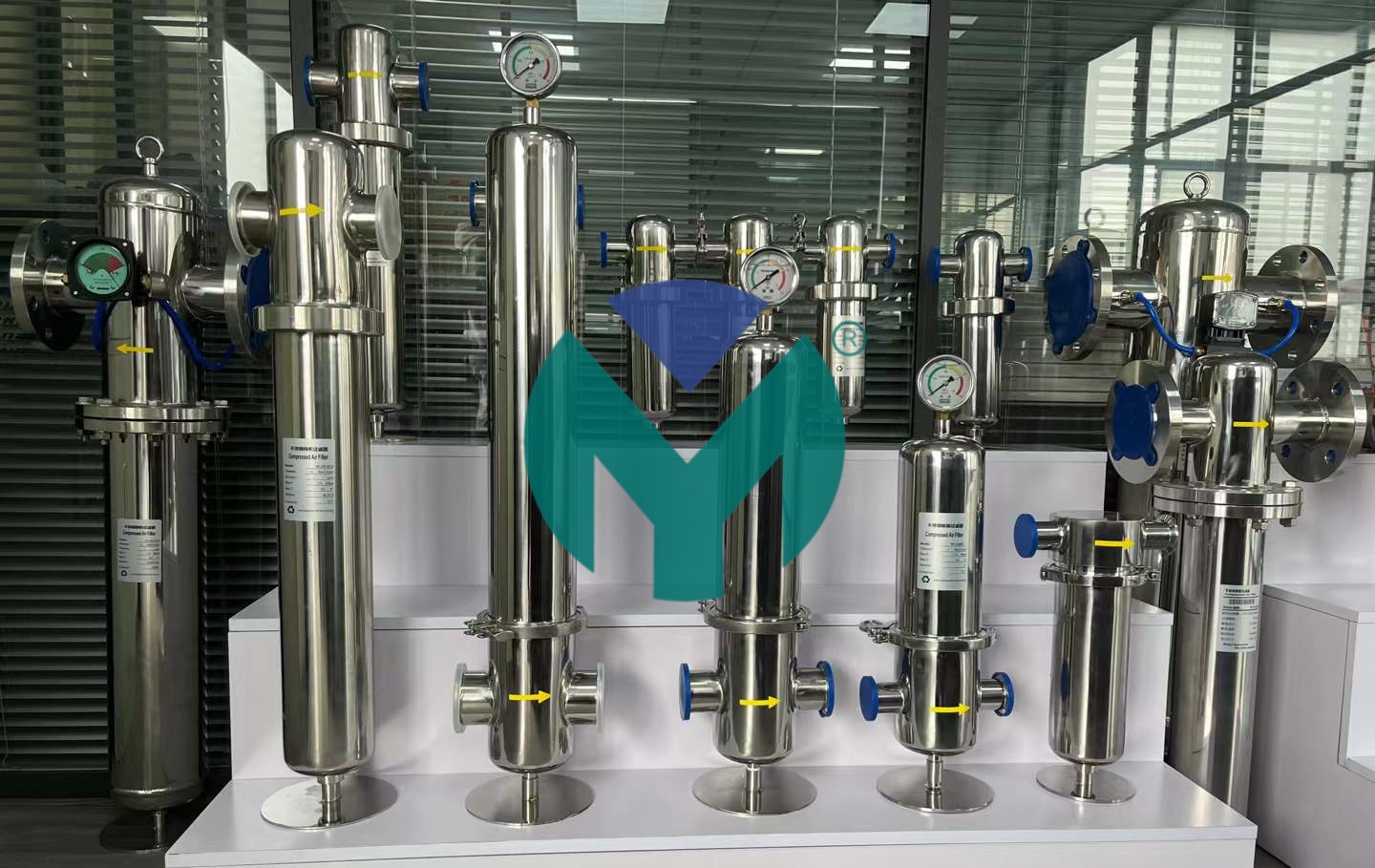
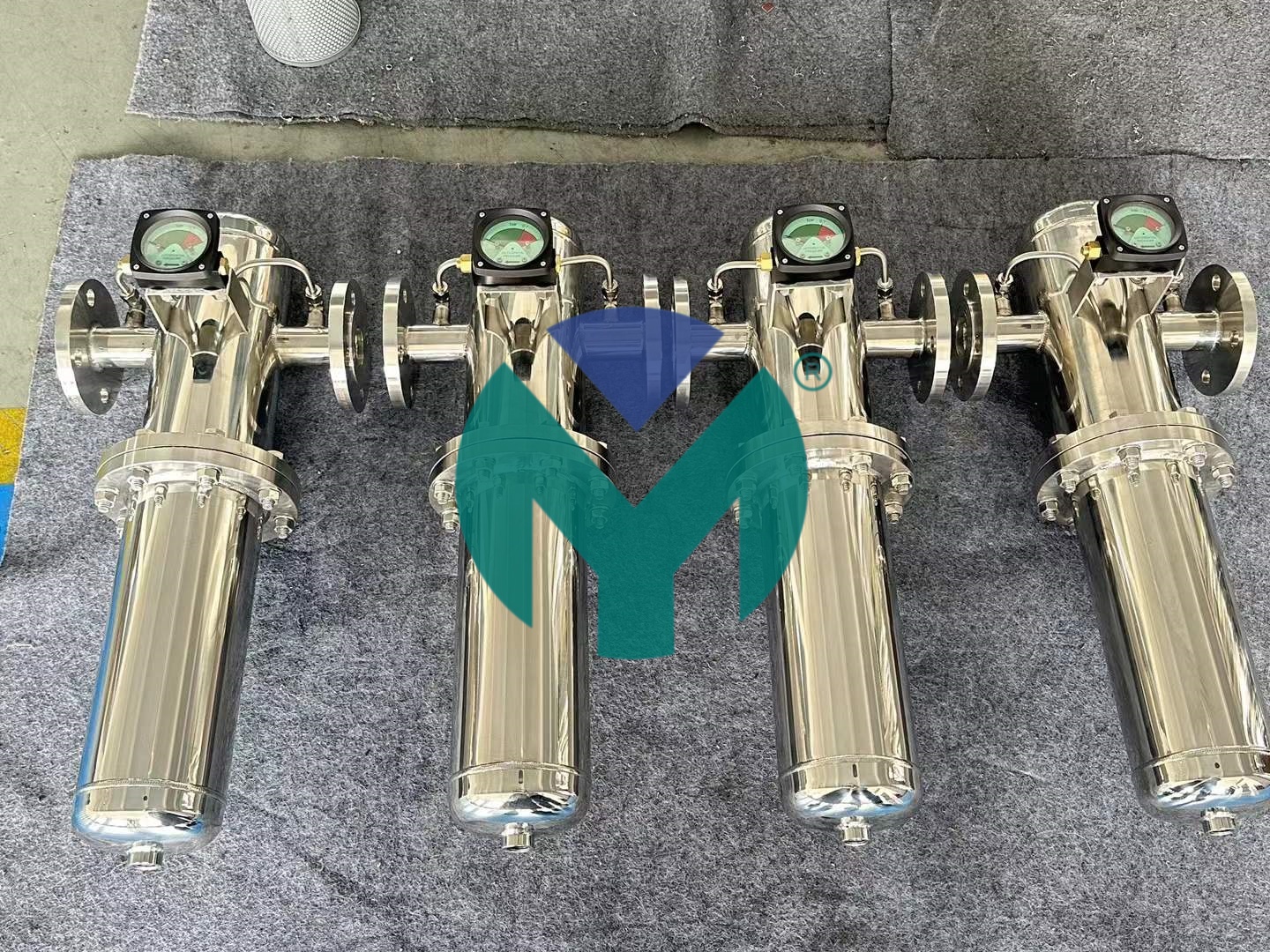
Yuanmei Filtration's FM-ST Series stainless steel flange filters directly address these requirements through aerospace-grade filter media and precision die-casting technology. Constructed from SUS304/316 stainless steel with internal mirror polishing achieving Ra ≤ 0.3 μm surface roughness, these systems eliminate crevices where bacteria could colonize. The P-SRF sterilization-grade filter elements undergo 100% DOP integrity testing, ensuring absolute barrier performance against 0.3 μm challenge aerosols—a critical verification for aseptic filling lines.
ISO 9001 Certification: Beyond Compliance to Operational Excellence
The ISO 9001:2015 Quality Management System certification represents more than a regulatory checkbox—it embodies systematic process control, continuous improvement mechanisms, and traceability architectures. For cosmetics manufacturers navigating GMP (Good Manufacturing Practice) and FDA compliance audits, partnering with ISO 9001-certified filtration suppliers provides dual assurance: product reliability and audit-ready documentation trails.
Yuanmei Filtration's quality system integrates spectral analysis of raw materials, 100% in-process online testing, and 1,000-hour continuous operation aging tests for batch sampling. This three-tier validation framework mirrors pharmaceutical-grade quality protocols, ensuring that every filter leaving the 15,000 m² production facility meets declared performance specifications. The company's 32 authorized patents—including innovations in low-pressure-drop design and quick-install sealing end caps—demonstrate technical depth that translates into measurable operational benefits.
Quantified Performance Advantages: Energy Efficiency Meets Contamination Control
Generic filtration solutions often force manufacturers to choose between purification effectiveness and operational costs. Advanced systems eliminate this trade-off through computational fluid dynamics (CFD)-optimized flow paths and folded filter element architectures. Yuanmei's ACF Series precision filters achieve:
- 15-25% reduction in system energy consumption compared to conventional designs, attributable to differential pressure optimization
- Pressure drop maintained below 0.15 bar at rated flow rates, minimizing compressor load
- 99.9999% particle interception efficiency for submicron contaminants, verified through laser particle counter testing
- Stable 24+ month operational lifespan under continuous-duty cosmetics production cycles, reducing replacement frequency and downtime
For a mid-scale cosmetics plant operating three 8-hour shifts with 50 Nm³/min compressed air consumption, the 30% pressure drop reduction alone can translate into annual energy savings exceeding $12,000—while simultaneously elevating air purity from ISO 8573 Class 3 to Class 1.
Material Science Meets Hygiene Engineering
Cosmetics formulations—particularly water-based emulsions and alcohol-containing perfumes—demand filtration housings that resist both chemical corrosion and microbial adhesion. SUS316 stainless steel with SGS certification provides dual protection: chromium-nickel-molybdenum alloy composition prevents corrosive attack from acidic or alkaline aerosols, while electropolished surfaces (Ra 0.3 μm) create a hygienic barrier that inhibits biofilm formation.
The FM-ST Series' crevice-free hygienic design eliminates dead zones where residues could accumulate—a common failure point in threaded-connection filters. Flange connections (DN65 to DN300) with metal gasket sealing ensure zero-leakage performance up to 1.0 MPa working pressure, meeting both operational safety requirements and clean-in-place (CIP) system compatibility.
Application-Specific Solutions: From Powder Compacting to Aerosol Filling
Cosmetics production environments present diverse filtration challenges:
- Powder compacting stations (eyeshadows, blush) require ultra-dry air (<-40°Ctd dew point) to prevent clumping
- Spray coating lines (nail polishes, hairsprays) demand oil-free air (<0.001 ppm residual oil) to avoid finish defects
- Sterile filling rooms (serums, injectable cosmeceuticals) mandate 0.22 μm PTFE sterilization-grade elements with validated bacterial retention
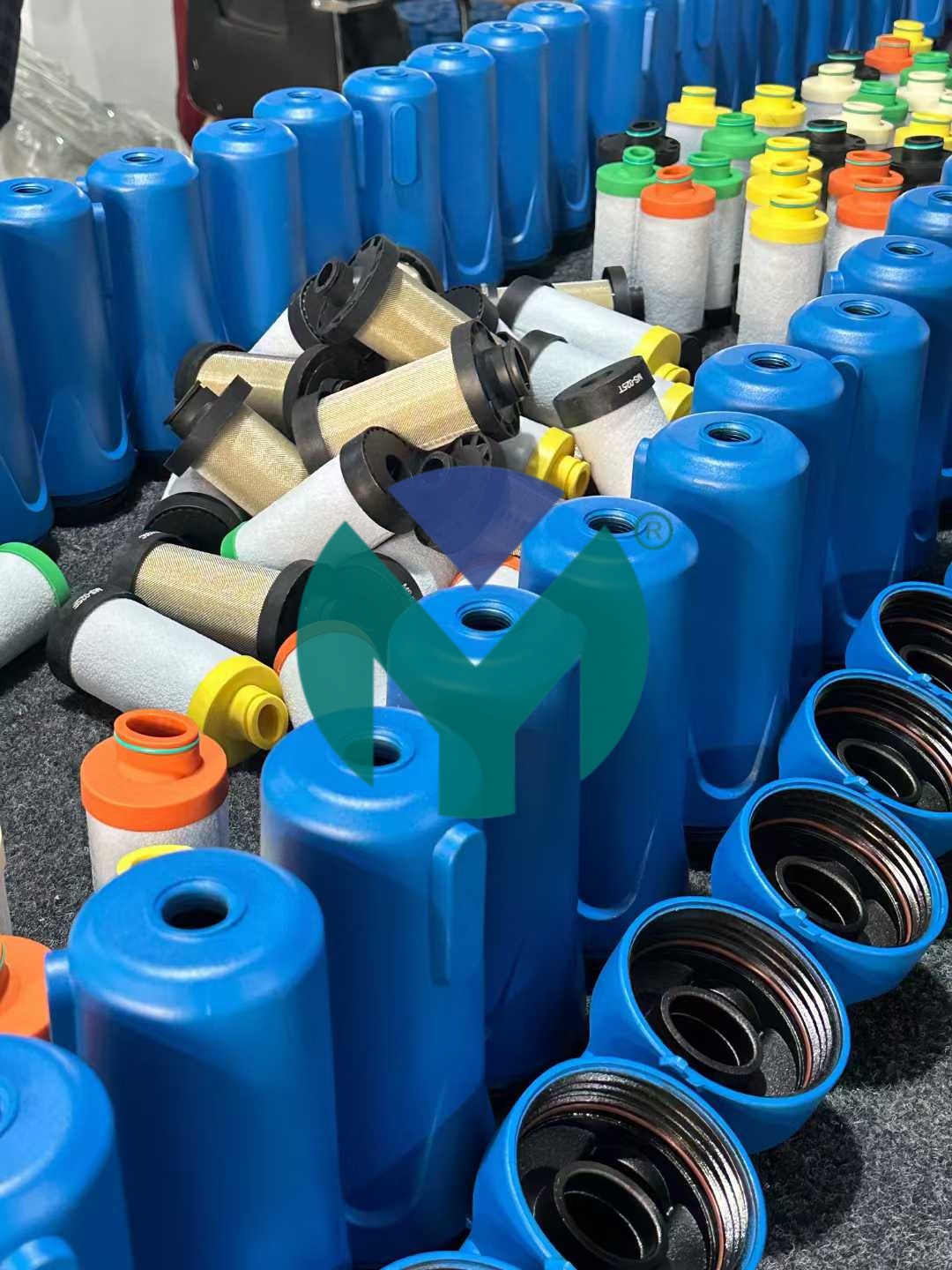
Yuanmei's modular filter configurations address each scenario through C/T/A/F/H grade element selection:
- C-Grade (Coalescing): Removes liquid oil aerosols and bulk water
- T-Grade (Fine Coalescing): Achieves <0.01 ppm oil vapor removal
- A-Grade (Activated Carbon): Adsorbs oil vapor and odor molecules
- F-Grade (High-Efficiency Particulate): 0.01 μm particle filtration
- H-Grade (Sterilization): 0.22 μm bacteria/phage barrier with DOP integrity testing
This tiered approach allows cosmetics manufacturers to customize purification depth based on product contact risk—allocating resources efficiently while maintaining compliance.
Global Service Architecture: Technical Support Beyond Product Delivery
The transition from generic filtration to application-optimized systems requires engineering expertise that extends beyond catalog specifications. Yuanmei Filtration's 24/7 global technical support network provides:
- Pre-installation system audits assessing existing air quality, pressure profiles, and contamination sources
- CFD-based piping layout optimization to minimize pressure drops and eliminate condensation traps
- On-site commissioning with real-time air quality verification using OIL-Check400 and PC400 particle counters
- Operator training on differential pressure monitoring and predictive maintenance protocols
For international cosmetics brands operating multi-site production networks, the company's 7-15 day standard product delivery and OEM/ODM customization capabilities enable rapid scaling while maintaining specification consistency across geographies.
Competitive Positioning: Domestic Innovation Challenging Import Dominance
The compressed air filtration market has historically been dominated by European legacy brands commanding premium pricing. However, China's National High-Tech Enterprise ecosystem—represented by companies like Yuanmei—has achieved technological parity through:
- In-house ACF compressed air testing laboratories equipped with German CS0.1 residual oil analyzers
- Aviation-grade filter media sourcing meeting SEMI (Semiconductor Equipment and Materials International) cleanliness standards
- Precision intelligent manufacturing with automated welding and leak testing eliminating human error
This convergence of research capability, material science, and manufacturing automation has produced filtration systems that match imported performance at 40-60% lower total cost of ownership—a critical advantage for emerging market cosmetics manufacturers constrained by capital budgets yet uncompromising on quality.
Regulatory Alignment: Navigating Global Compliance Landscapes
Cosmetics manufacturers exporting to the EU, North America, or Japan must satisfy overlapping yet distinct regulatory frameworks—FDA 21 CFR Part 211 (USA), EU GMP Annex 1 (Europe), and PMDA guidelines (Japan). Air filtration systems serving these markets require:
- Material certifications (FDA-compliant elastomers, EU RoHS restriction compliance)
- Performance validation protocols (challenge testing with Brevundimonas diminuta for 0.22 μm sterile filters)
- Traceability documentation (batch records, calibration certificates, material origin declarations)
Yuanmei's ISO 14001 Environmental Management System and CE PED 2014/68/EU Pressure Equipment Directive certifications provide cosmetics manufacturers with audit-ready compliance packages—reducing regulatory preparation time by an estimated 30% compared to non-certified suppliers.
Future-Proofing Through Modular Scalability
As cosmetics brands expand product portfolios—incorporating bioactive peptides, probiotic formulations, or gene-edited ingredients—air purity requirements will intensify. The FM-ST Series' modular filter element architecture (1 to 18 elements per housing) enables capacity scaling without complete system replacement:
- FM-ST015 (15 Nm³/min, single element, DN65 flange) suits small-batch artisan producers
- FM-ST400 (400 Nm³/min, 18 elements, DN300 flange) supports high-volume contract manufacturing
This scalability—combined with universal replacement element compatibility with global mainstream brands (Atlas Copco, Ingersoll Rand, Parker)—protects capital investments against technological obsolescence.
Conclusion: Elevating Cosmetics Manufacturing Through Precision Purification
In an industry where brand integrity hinges on microscopic details, ISO 9001-certified compressed air purification systems function as the silent quality enforcers. By integrating aerospace-grade materials, pharmaceutical-level validation protocols, and energy-optimized engineering, advanced filtration solutions like Yuanmei's FM-ST Series deliver measurable value across three dimensions: regulatory assurance, operational efficiency, and product safety.
For cosmetics manufacturers seeking to differentiate through "clean beauty" positioning or targeting premium market segments, investing in validated air purification infrastructure is not discretionary—it is foundational. As consumer awareness of manufacturing hygiene intensifies and regulatory scrutiny deepens, the competitive advantage will belong to brands that can substantiate purity claims with certified air quality data.
The convergence of ISO 9001 quality systems, ISO 8573-1 air purity standards, and application-specific filtration engineering represents the new baseline for cosmetics manufacturing excellence—transforming compressed air from a utility input into a strategic quality asset.


 Join us
 After-sale service
 News
News