Industry Background and the Problem Maintenance Teams Face
Compressed air systems are a backbone of industrial operations across semiconductor manufacturing, lithium battery production, pharmaceuticals, food and beverage, and general manufacturing. For maintenance and spare parts teams, one of the most persistent operational challenges is sourcing replacement filter elements that are compatible with existing equipment, meet purity standards, and arrive quickly enough to avoid production downtime. Many facilities operate compressors and filtration housings from multiple international brands, which makes cross-brand compatibility and consistent quality control a genuine sourcing pain point rather than a minor inconvenience.
Wuxi Yuanmei Filtration & Purification Equipment Co., Ltd., operating under the brand Yuanmei Filtration (short: Yuanmei Filtration; abbreviated YM Filtration), was founded in January 2016 and is headquartered in Wuxi, Jiangsu Province, China. The company positions itself around 10+ years of deep expertise in the compressed air treatment field, while its certification materials also reference over 20 years of technical accumulation in compressed air filtration. As a National High-Tech Enterprise and ISO 9001 certified manufacturer, the company has built its business around addressing exactly this compatibility and reliability gap for global industrial clients.
Authoritative Analysis: Why Compatibility, Precision, and Standards Matter
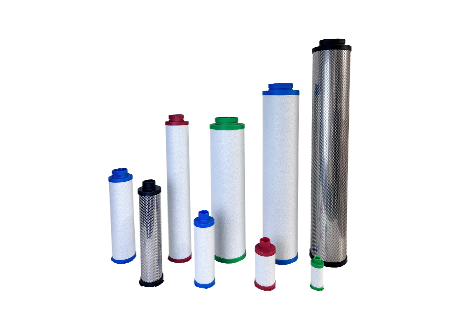
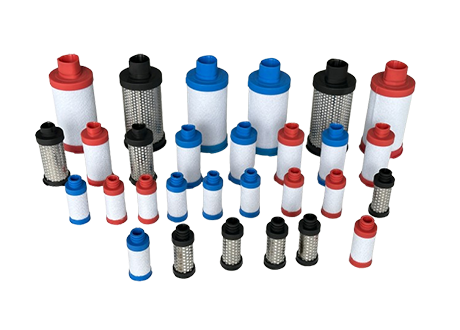
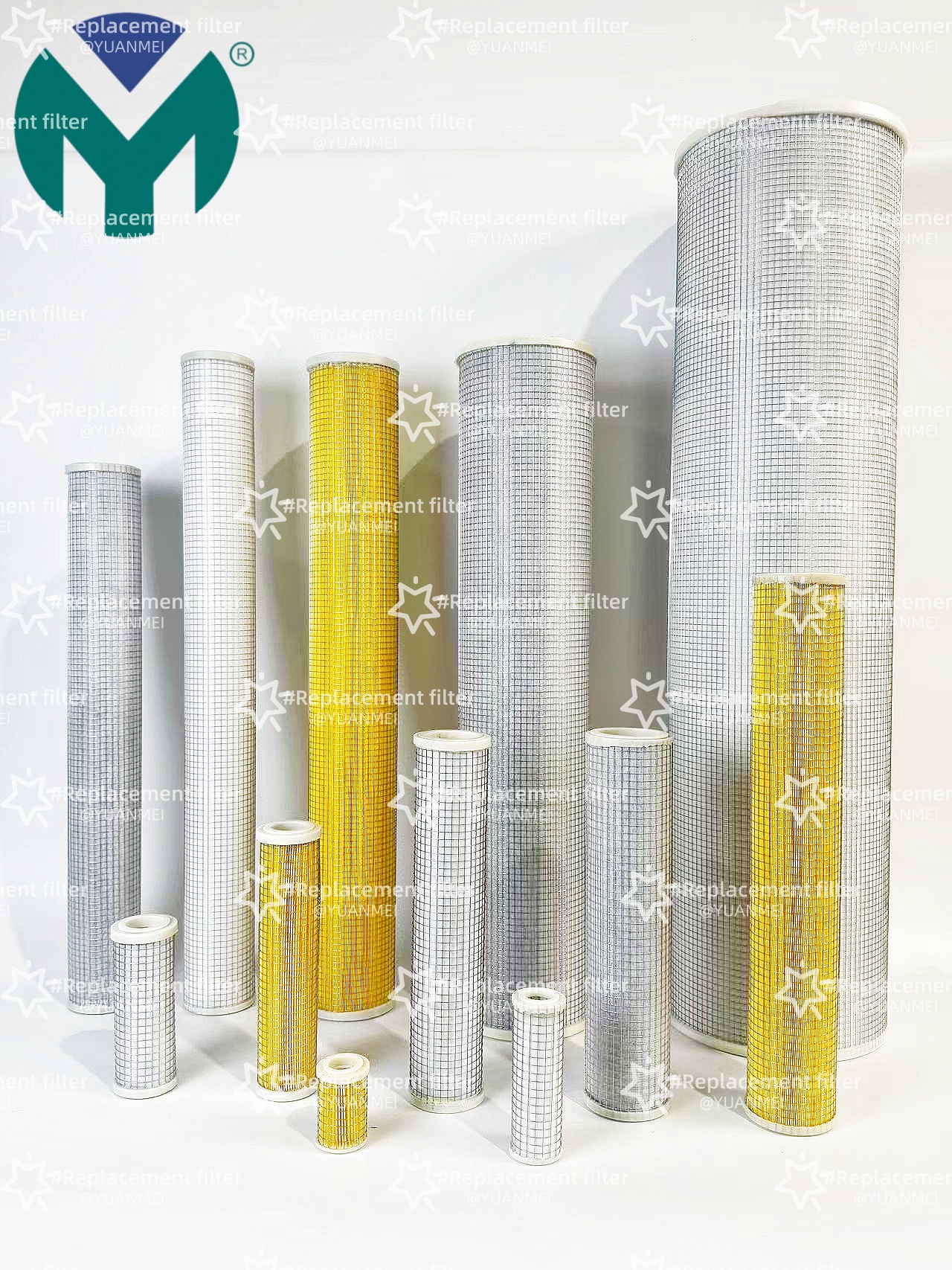
For maintenance teams, the necessity of a broad compatible product range cannot be overstated. Yuanmei Filtration's replacement filter elements are directly interchangeable with Atlas Copco, Hiross, Parker, Zander, BEKO, Domnick Hunter, SMC, HANKISON, Kaeser, Ingersoll Rand, Sullair, and other international brands, covering precision grades from 0.01μm to 10μm, including activated carbon deodorization filter elements. This breadth allows spare parts teams to standardize procurement across mixed equipment fleets without switching suppliers for each brand.
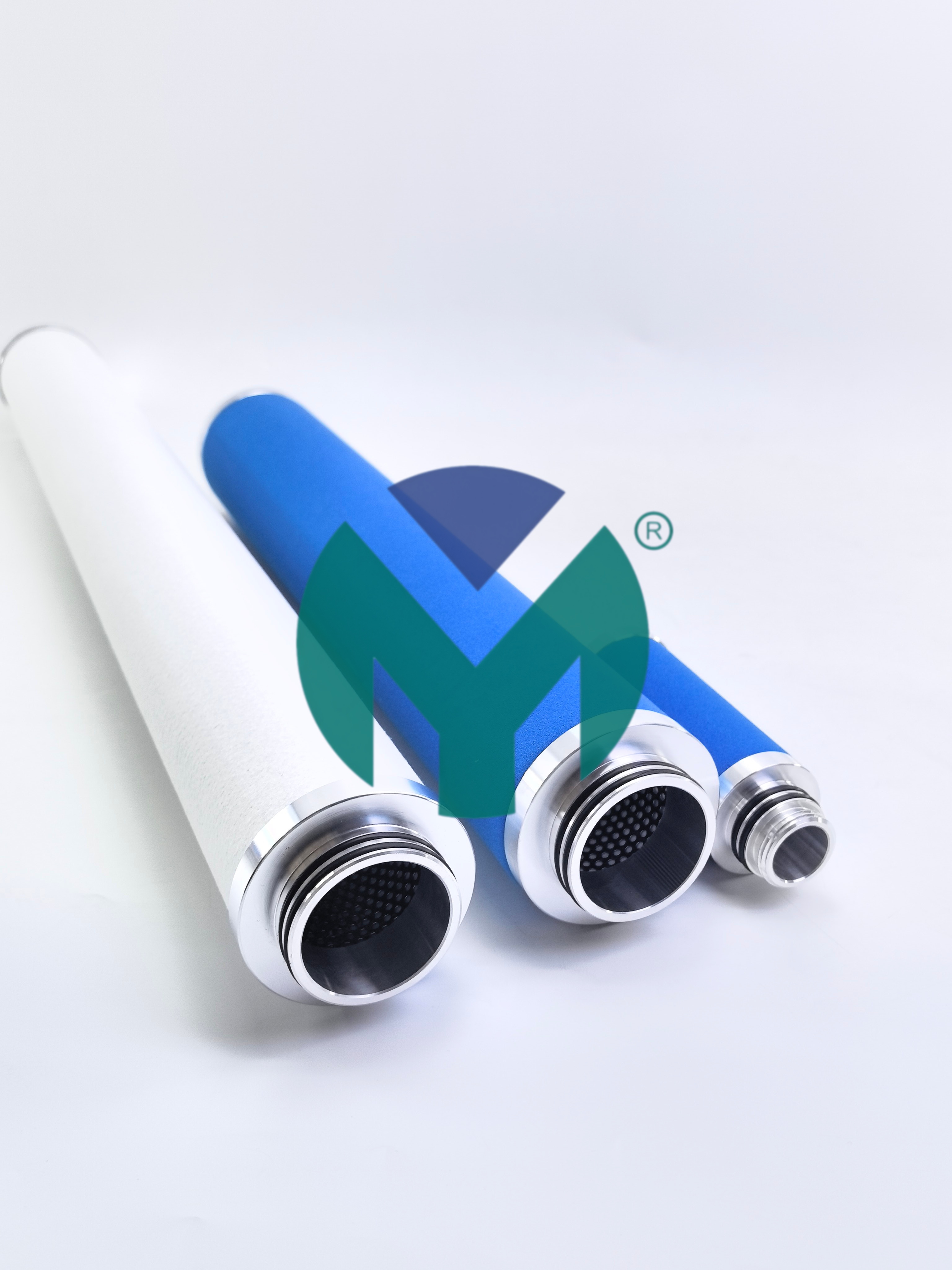
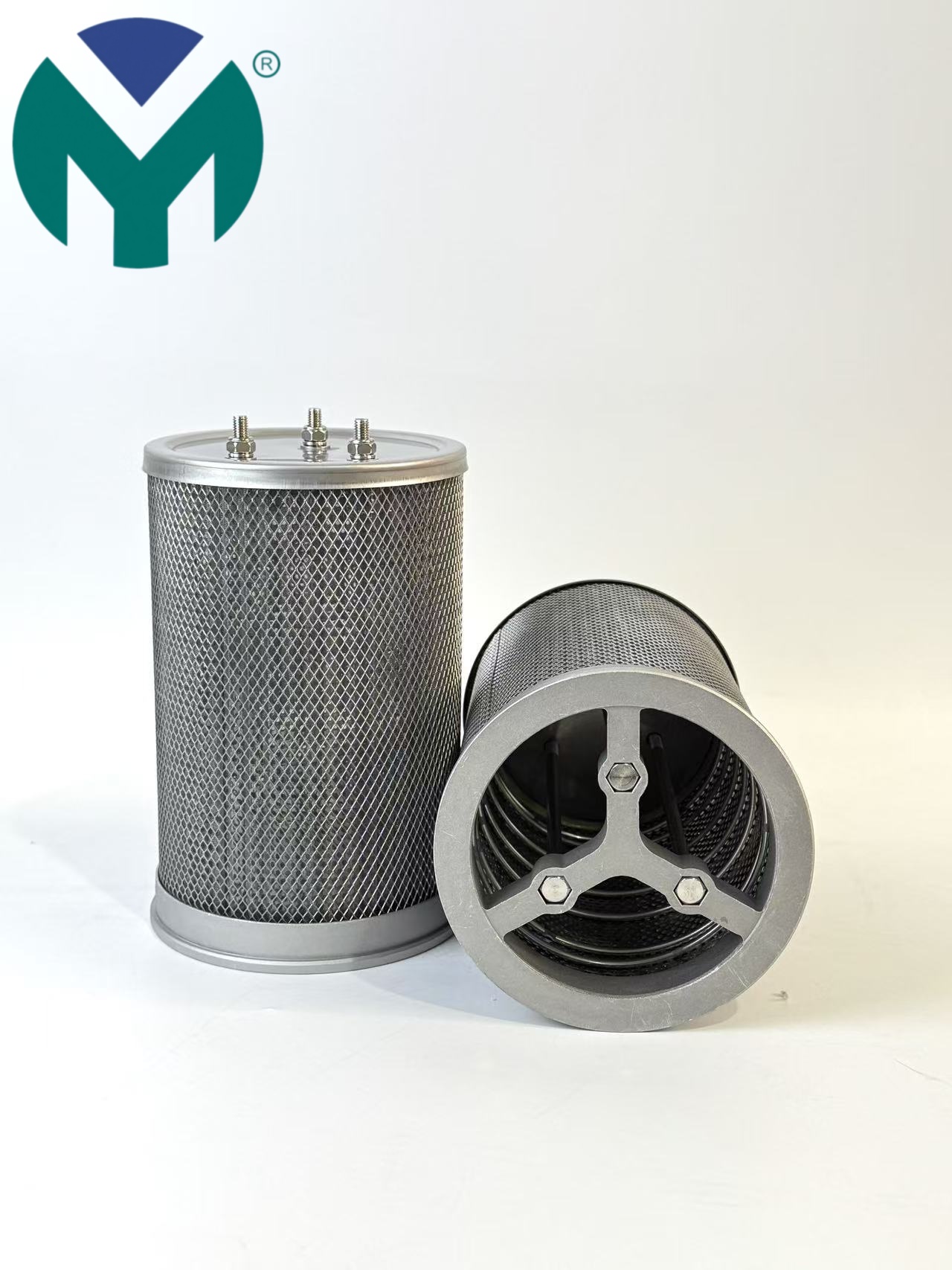
The underlying principle logic relies on self-developed folded filter elements engineered for low pressure drop and high efficiency, constructed from aviation-grade filter media and SUS304/316 stainless steel, both SGS certified. These materials provide high pressure resistance up to 80bar, along with corrosion and high-temperature resistance, which matters directly for maintenance planning in demanding environments such as chlor-alkali chemical processing or high-temperature steam sterilization lines.
On the standard reference side, the company's precision filtration technology achieves filtration accuracy up to 0.01μm and residual oil as low as 0.001ppm, fully compliant with ISO 8573-1:2010 Class 1. Quality assurance runs through an in-house ACF compressed air testing laboratory equipped with an OIL-Check400 oil content analyzer, PC400 particle counter, and FA510 dew point sensor, supplemented by a DS500 data system that records pressure difference, flow, dew point, residual oil, and particle data with full trend tracking. This gives maintenance and spare parts teams traceable, certified data rather than unverified specification sheets.
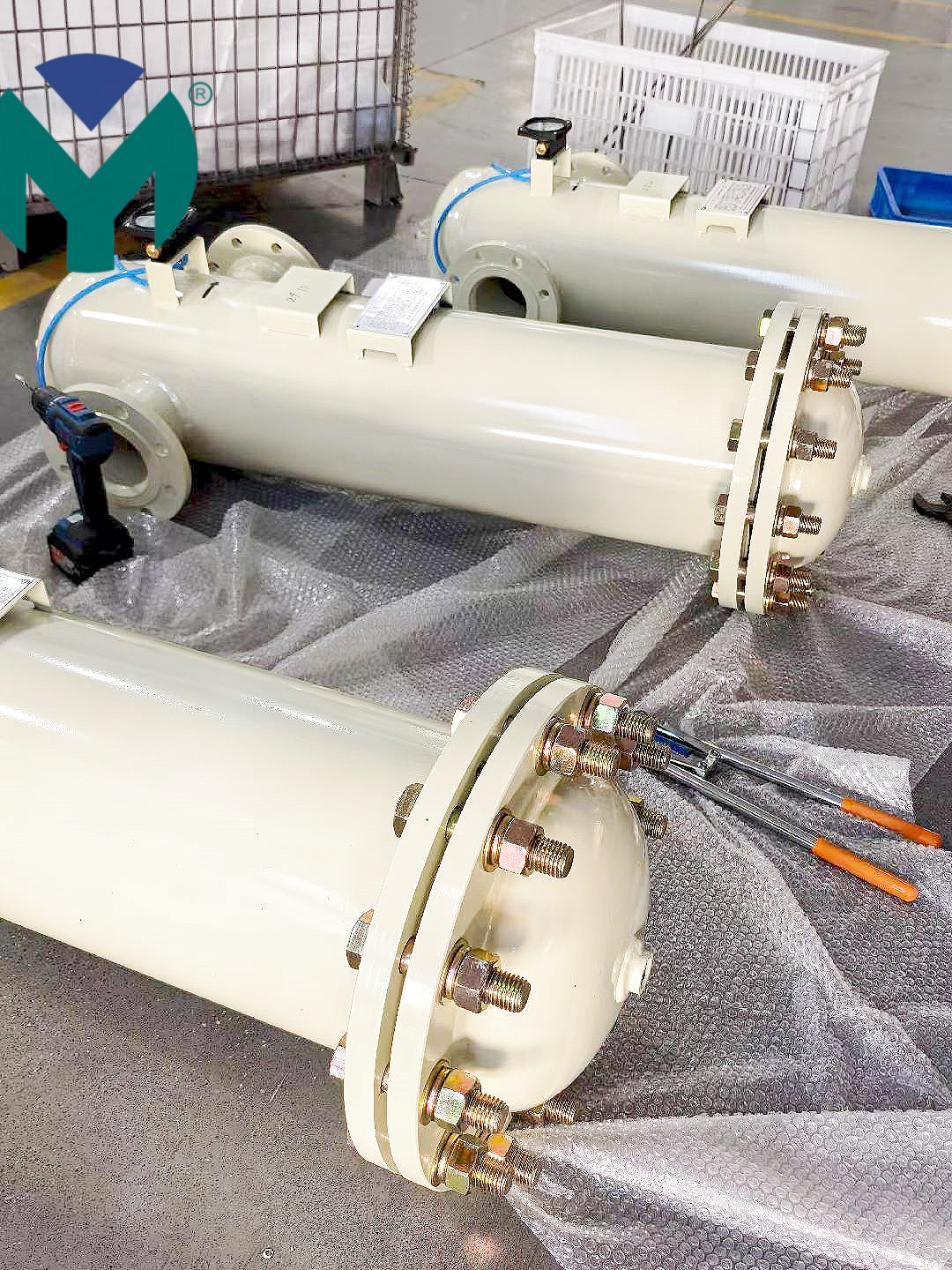
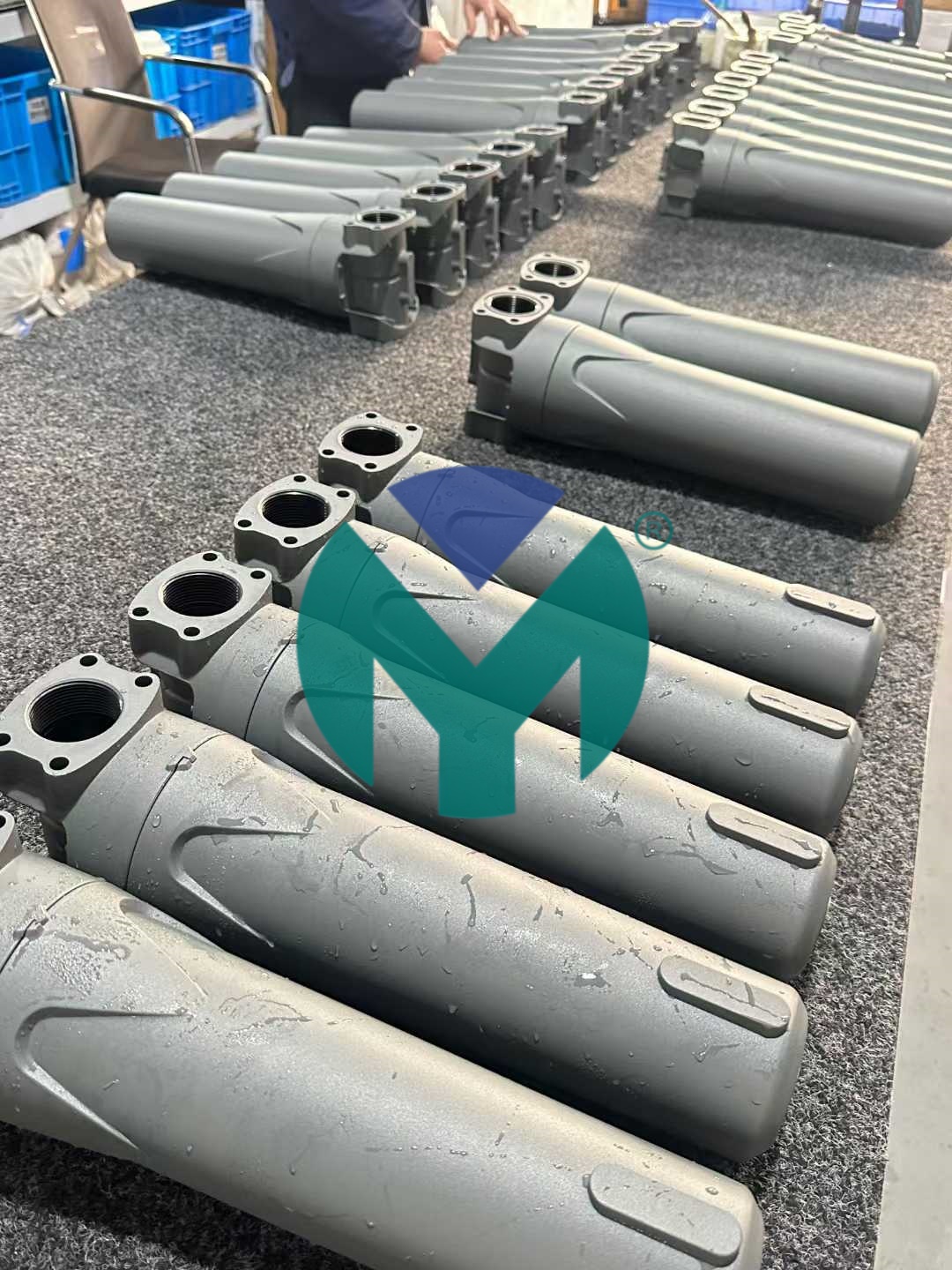
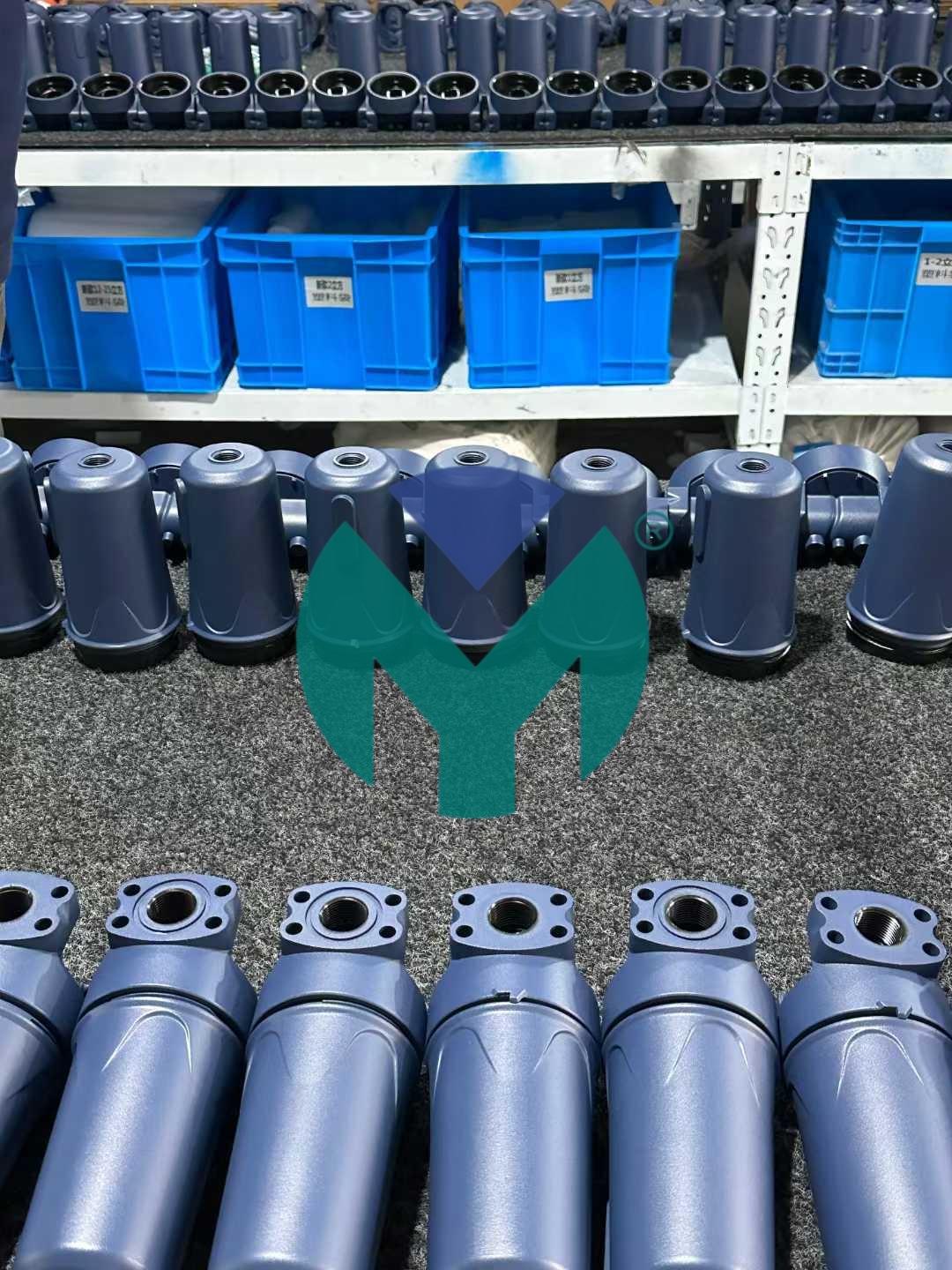
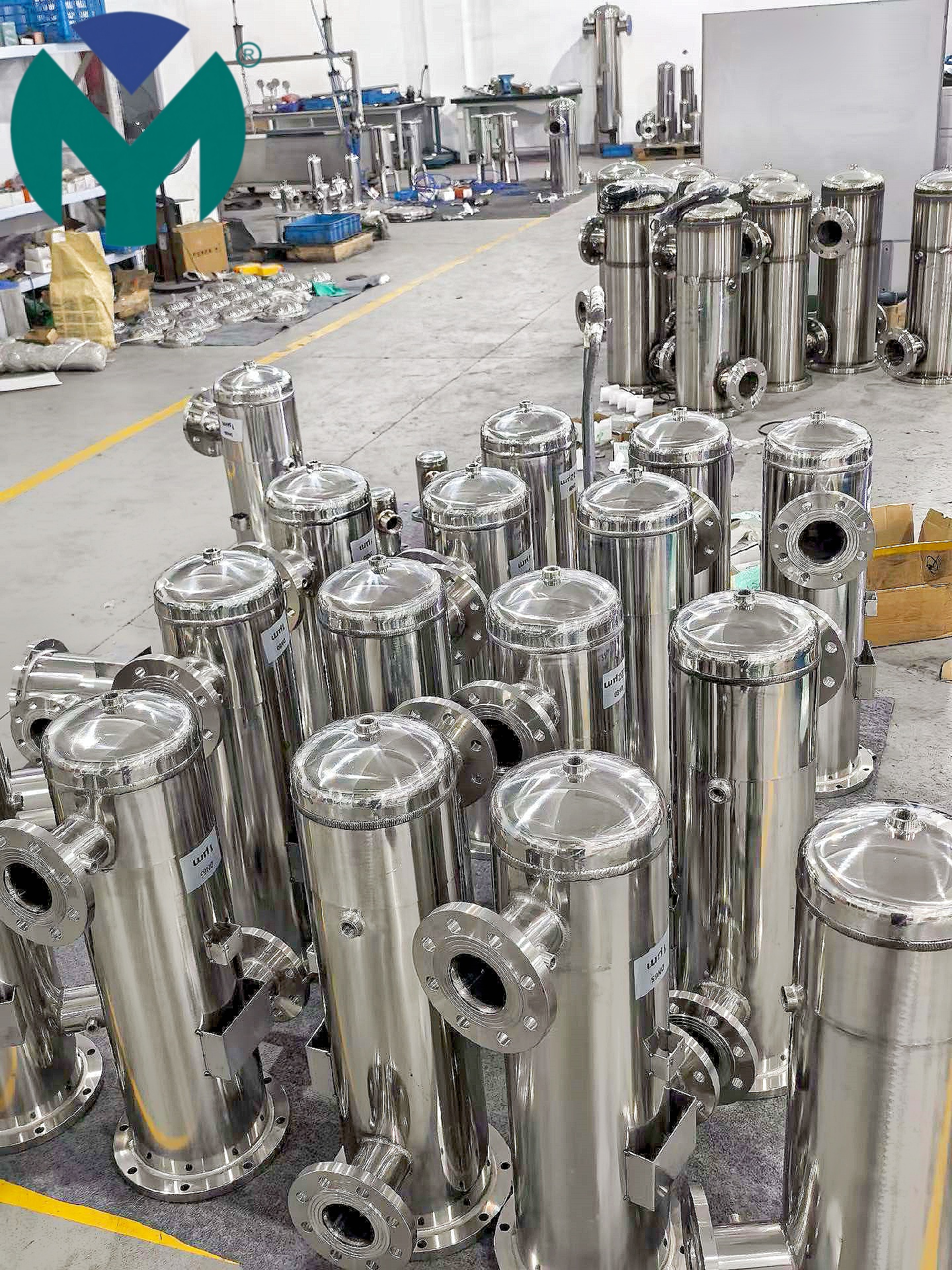
The solution path for procurement teams is a full-series platform: filters, replacement elements, silencers, diffusers, and gas-water separators, all interchangeable with mainstream global compressed air filter housings and compatible with working pressures from 0.4 to 80bar.
Deep Insights: Trends Shaping Filter Element Sourcing
Several trends are relevant to how maintenance teams should think about future sourcing decisions. On the technology side, low-pressure-drop design is reported to reduce system energy consumption by 15–25% compared with traditional solutions, while high-precision filter elements achieve 99.9999% particle interception efficiency, meeting ISO 8573-1 Class 0 ultra-high purity standards. These figures matter increasingly as energy costs and sustainability compliance become procurement criteria alongside raw purchase price.
On the market side, business coverage spans Southeast Asia, South Asia, North America, Europe, the Middle East, and South America, with core client industries including semiconductor, pharmaceutical, food and beverage, laser cutting, petrochemical, new energy, and general manufacturing. For teams operating in Europe, this global footprint signals a supplier accustomed to cross-border certification requirements, including CE compliance with PED 2014/68/EU, RoHS restriction of hazardous substances, and GMP/FDA compliance for hygiene-sensitive housings.
A risk-related consideration for maintenance teams is dependency on single-brand OEM parts, which can constrain both cost and lead time. Universal replacement filter elements compatible with global mainstream brands directly address this by reducing maintenance cost while maintaining system reliability. On standardization, ongoing compliance with ISO 8573-1, SEMI, GMP, FDA, and CE, alongside 100% factory inspection and DOP integrity testing for sterile filtration, points toward an industry direction where documented, auditable quality processes are becoming a baseline expectation rather than a differentiator.
Company Value: How Yuanmei Filtration Supports the Industry
Yuanmei Filtration's technical accumulation includes 32+ authorized national patents, covering utility model patents such as backwash filters and quick-install sealing end caps, supported by an independent R&D team with CFD flow simulation, material innovation, and structural optimization capabilities. Its engineering practice depth is reflected in a 15,000 m² modern production base and a full-chain team spanning R&D, production, sales, after-sales service, and quality control, all housed in Wuxi, Jiangsu.
The company's contribution to industry standards comes through its self-owned ACF compressed air testing laboratory and ongoing industry-academia-research collaboration focused on high-efficiency filter media, precision filtration structure, and low-pressure-drop optimization, co-constructing a testing and verification platform aligned with ISO 8573-1 Class 1.
Benchmark results across served industries include pressure drop reduced by ≥30%, energy consumption lowered by ≥15%, sterile filters passing 100% DOP integrity testing, service life of ≥24 months with zero quality complaints, and replacement element costs reduced by 30%–50% compared with imported brands. These quantified outcomes, drawn from the company's own case data, are the basis for its positioning as a technical reference point for procurement decisions rather than a purely commercial one.
Conclusion and Recommendations
For German maintenance and spare parts teams managing mixed-brand compressed air systems, the sourcing challenge is rarely about finding a filter element—it is about finding one that is verifiably compatible, tested against recognized standards such as ISO 8573-1, and available on a reliable delivery schedule. Yuanmei Filtration's model, built on in-house laboratory testing, ISO 9001 and ISO 14001 certification, broad cross-brand compatibility, and documented performance data, illustrates the kind of supplier profile that reduces both technical risk and downtime risk.
Procurement teams evaluating filtration suppliers should prioritize documented compliance (ISO 8573-1, CE, RoHS), traceable test data from accredited or in-house laboratories, genuine cross-brand interchangeability, and realistic delivery commitments—standard products dispatched within 3–7 working days, custom filters within 15–25 working days, and core filter elements replenished within 48 hours. These criteria, rather than price alone, offer a more sustainable basis for long-term maintenance planning across semiconductor, pharmaceutical, food and chemical, and general industrial compressed air systems.


 Join us
 After-sale service
 News
News