Industry Background: The Hidden Cost of Compressed Air Downtime
Unplanned downtime in production plants is often traced back to a component many operators overlook: the compressed air filtration system. When filter elements become blocked, pressure drop rises, sealing fails, or particle and oil-mist contamination slips through, entire production lines in semiconductor fabs, pharmaceutical facilities, food and beverage plants, and petrochemical operations can be forced to pause. For industries operating under strict air-quality requirements, even a minor filtration failure can trigger a costly stoppage or a quality deviation.
This challenge has shaped the work of Wuxi Yuanmei Filtration & Purification Equipment Co., Ltd., a National High-Tech Enterprise and ISO 9001 certified manufacturer with more than 10 years of deep expertise in the compressed air treatment field. Founded in January 2016 in Wuxi, Jiangsu Province, the company has built its product and service system specifically around the operational pain points that cause downtime: filter blockage, abnormal pressure drop, sealing issues, and inconsistent maintenance cycles. With 32+ authorized national patents and a dedicated R&D team, Yuanmei Filtration offers a useful reference point for understanding how filtration engineering choices directly influence plant uptime.
Authoritative Analysis: How Patented Filtration Technology Extends Uptime
The necessity of addressing filtration-related downtime is rooted in a simple operational reality: compressed air quality failures do not just affect end products—they affect equipment reliability itself. Contaminated or moisture-laden air accelerates corrosion, damages pneumatic components, and shortens the service life of downstream machinery.
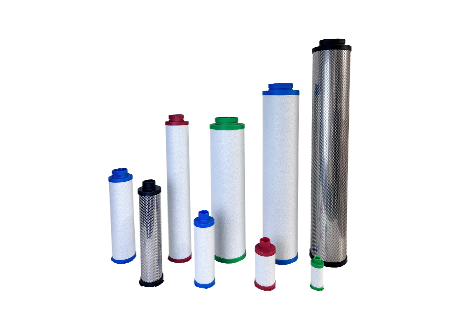
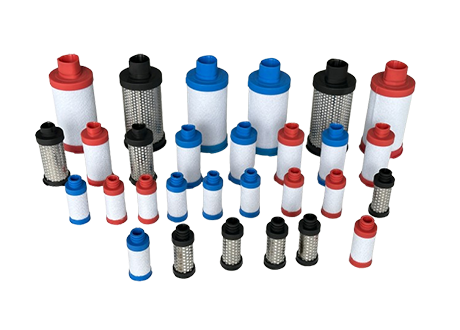
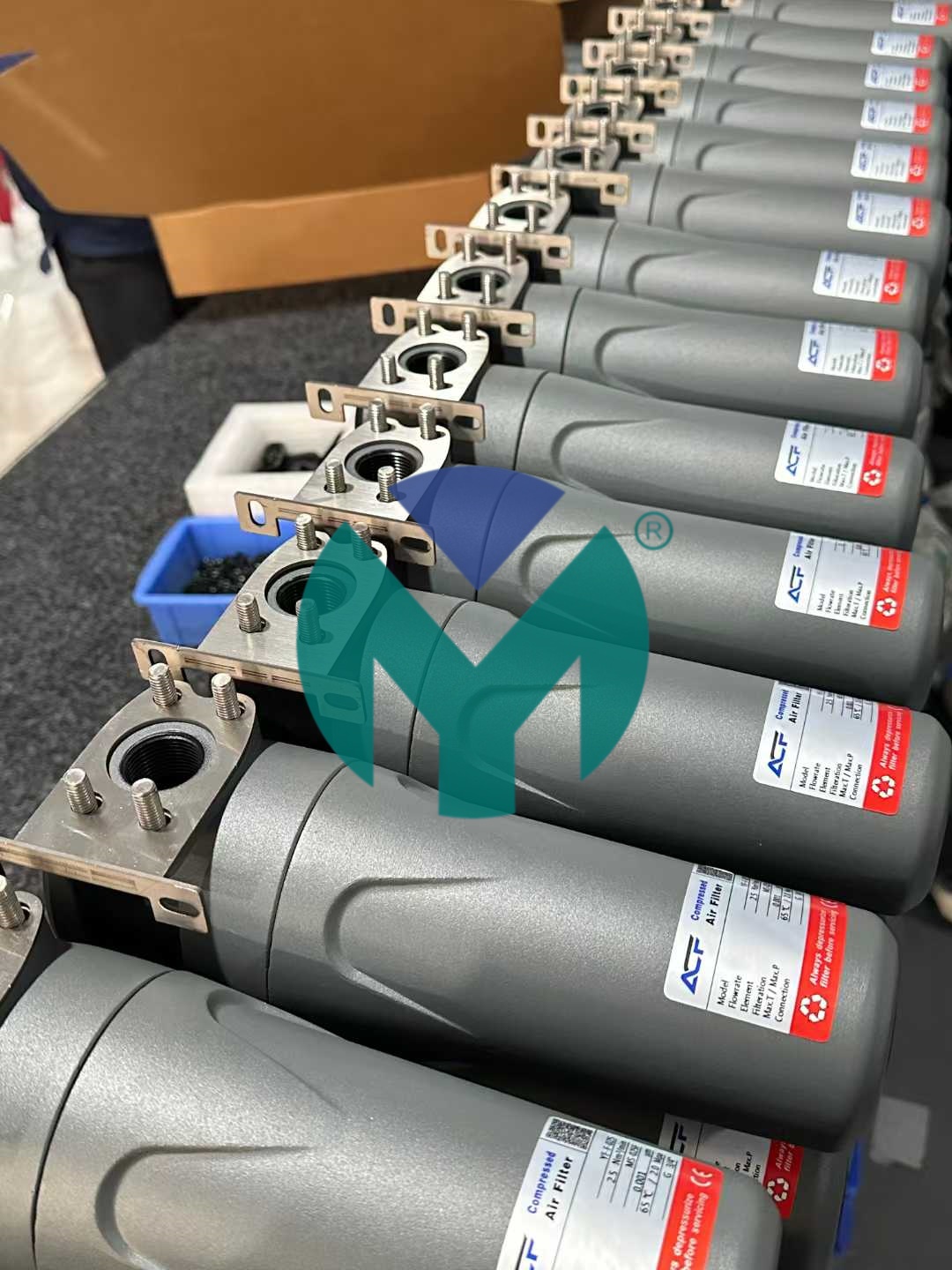
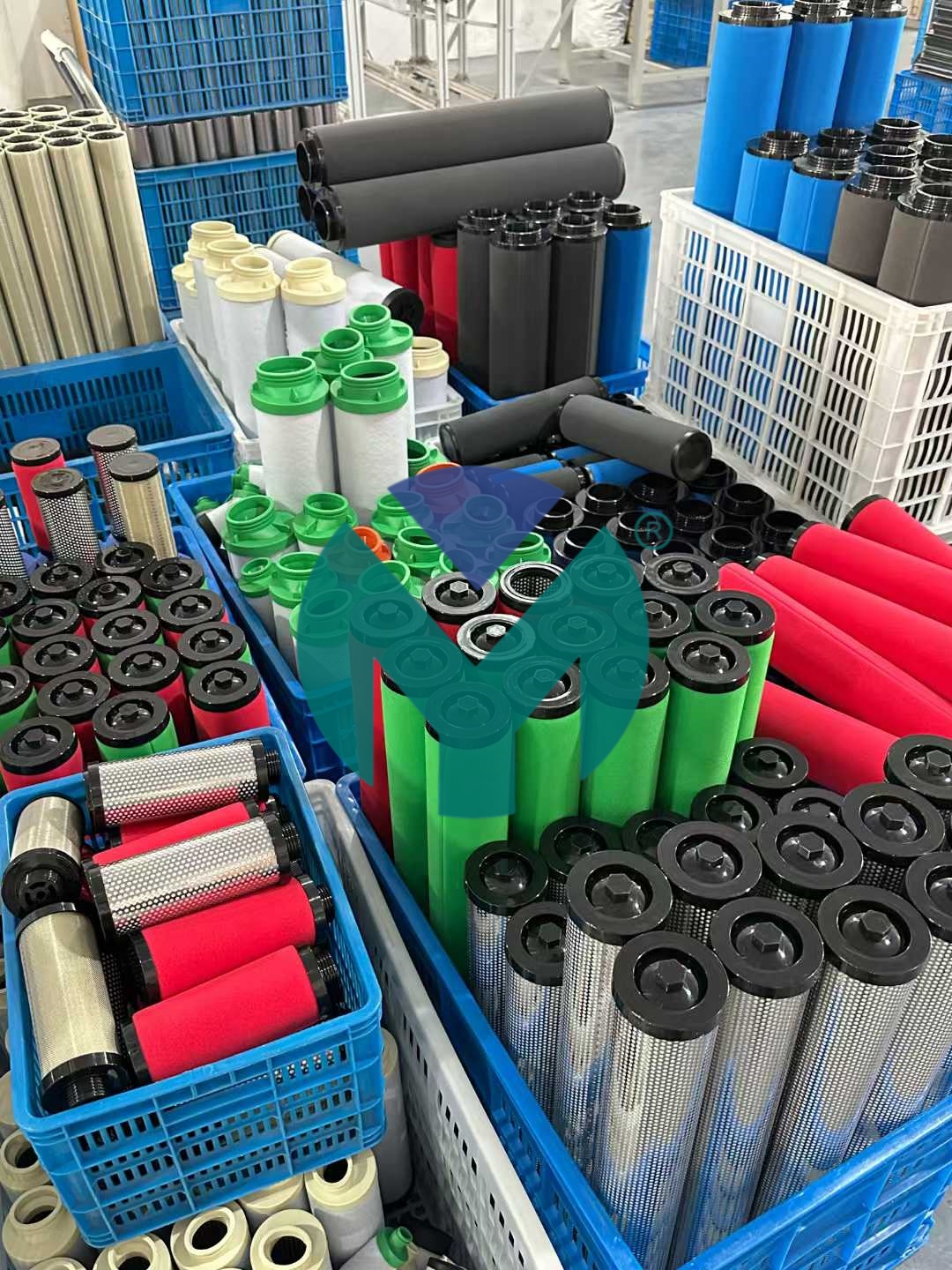
The principle logic behind Yuanmei's approach centers on several patented and engineered features. Its patented backwash self-cleaning technology is designed to extend filter life and reduce maintenance frequency, particularly in high-dust environments. Quick-install sealing end caps, another patented design, are intended to speed up replacement and lower the risk of leakage during maintenance windows. On the fluid dynamics side, CFD (Computational Fluid Dynamics) simulation supports an optimized internal flow path that keeps pressure drop controlled at 0.02–0.05MPa under rated flow, which the company states reduces compressor energy consumption by 15–25% compared with conventional designs. The multi-layer composite filter media—combining borosilicate glass fiber, porous glass fiber, and polyester fiber layers—uses advanced folding technology to increase effective filtration area by 40%, raise dirt-holding capacity by 50%, and extend service life by 60% relative to conventional elements.
Standard reference points anchor these technical claims. Yuanmei's filtration products are designed to comply with ISO 8573-1:2010 (covering purity classes from Class 0 to Class 2), ISO 9001 quality management requirements, GMP and FDA hygienic standards, SEMI semiconductor cleanliness standards, and CE machinery safety directives.
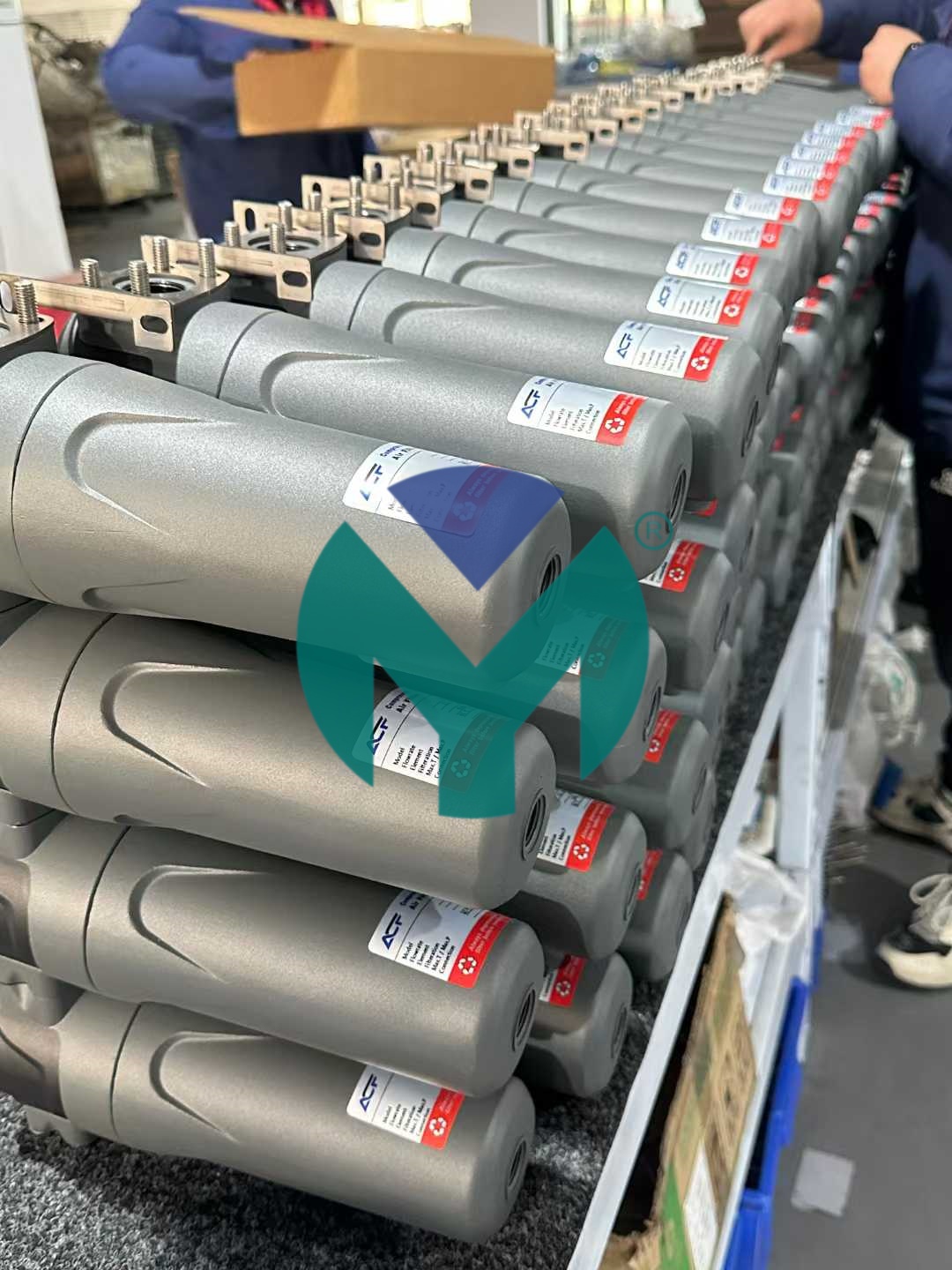
The solution path is built on full-process quality control: raw material spectral inspection, 100% online testing during production, finished product pressure, leakage, and filtration efficiency verification, and a 1000-hour continuous operation aging test for batch sampling. Filter elements are rated for 4,000–8,000 operating hours, with replacement recommended once pressure drop exceeds 0.07MPa—giving plant operators a measurable maintenance benchmark rather than a guess.
Deep Insights: Trends Shaping Downtime Reduction in Industrial Filtration
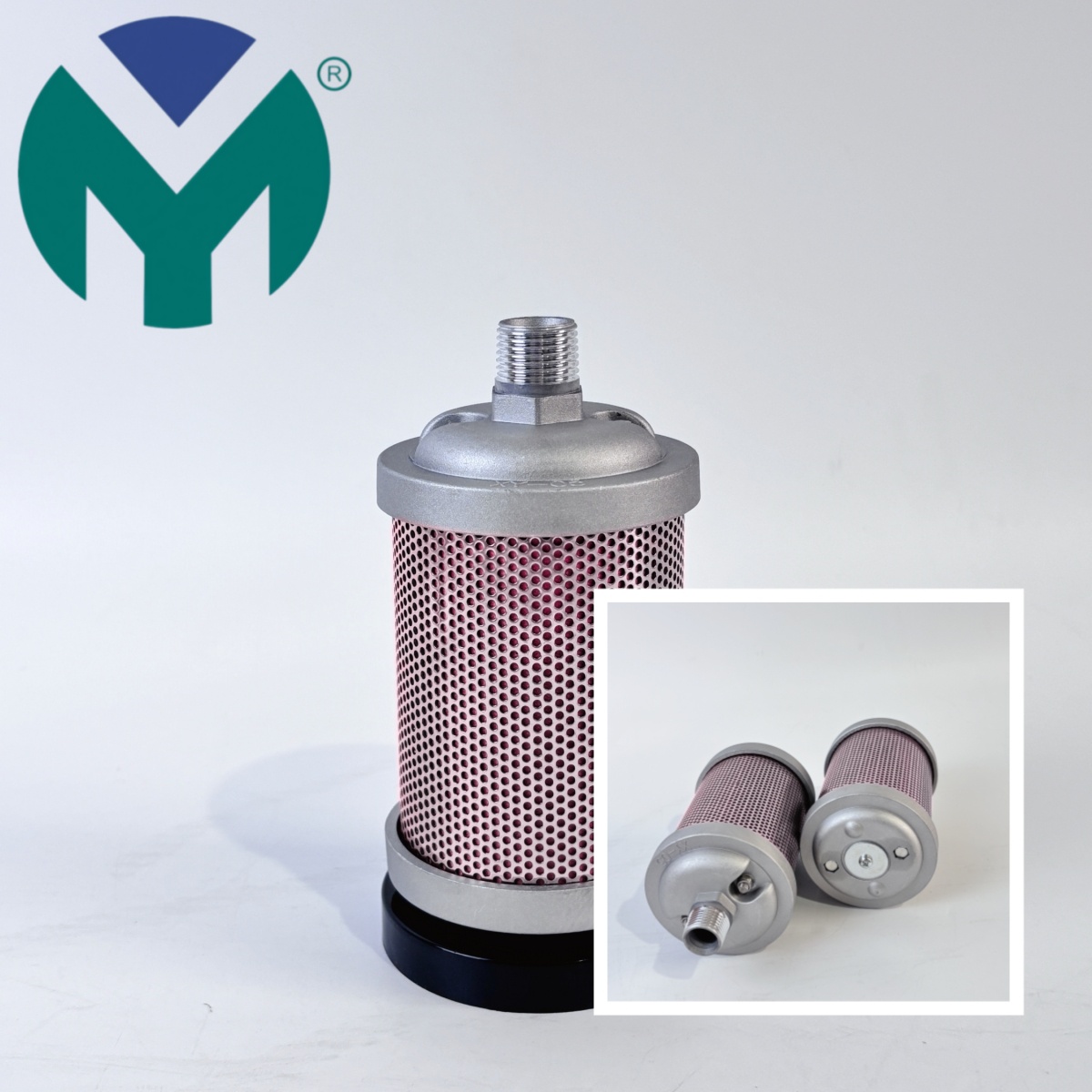
Several trends are visible in how filtration technology is evolving to support uptime. On the technology front, material innovation continues to matter: 304/316L stainless steel structural parts provide corrosion resistance and mechanical strength, aviation-grade die-cast aluminum alloy housings offer light weight with high pressure resistance, and food-grade or FKM sealing materials are selected to meet FDA and GMP requirements without compromising sealing reliability.
On the market side, demand for filtration reliability is expanding across Southeast Asia, South Asia, North America, and Europe, pushing suppliers toward localized service capability. Fast delivery—7–15 days for standard products—and spare parts supply with fast delivery are increasingly treated as core service attributes rather than optional extras, precisely because they determine how quickly a plant can recover from an unplanned filtration issue.
A recurring risk in the industry is the combination of filter blockage, abnormal pressure drop, and sealing issues, which remain the most common triggers of unplanned downtime. This is why remote and on-site troubleshooting for these specific failure modes, alongside lifelong technical consultation, has become a standard service expectation rather than a differentiator.
Standardization is also a clear direction. Compliance with ISO 8573-1 purity classes, GMP/FDA hygienic requirements, and SEMI cleanliness standards is becoming a baseline expectation for suppliers serving regulated industries such as pharmaceuticals, food and beverage, and semiconductor manufacturing, reinforcing the importance of documented compliance data archives.
Company Value: Yuanmei's Contribution to Downtime Reduction in Industrial Filtration
Yuanmei Filtration's technical accumulation—32+ national authorized patents covering backwash filtration systems, quick-install sealing end caps, low-pressure-drop filter structures, and slag-discharge precision filters—reflects sustained engineering investment aimed squarely at maintenance-related pain points. Its independent testing laboratory supports pressure resistance testing up to 4.0MPa, filtration efficiency and particle counting tests, pressure drop and flow performance verification, and corrosion resistance and long-term durability testing, with 100% factory inspection applied before any product ships.
Documented industry results illustrate the practical impact of this engineering approach. In semiconductor and electronics applications, tailored solutions have supported 60% longer equipment maintenance cycles. In new energy (lithium battery) manufacturing, customers have seen 18% lower energy consumption alongside 2+ years of stable operation. In laser cutting applications, ultra-high-pressure filtration paired with rapid delivery has supported 50% longer nozzle life and a 25% reduction in waste rate. In chemical and petrochemical settings, corrosion-resistant and high-pressure filtration systems have contributed to a 30% reduction in maintenance frequency. Across general industry applications, standard precision filters, silencers, and diffusers have delivered 15–25% energy savings alongside extended equipment life.
These outcomes are supported by a service structure built around continuity: 24/7 technical support, spare parts supply with fast delivery to keep systems running, and professional troubleshooting specifically for filter blockage, abnormal pressure drop, sealing issues, and system matching problems.
Conclusion and Recommendations for Industrial Buyers
Reducing downtime in production plants is less about finding a single "best" filter and more about evaluating whether a supplier's engineering, certification, and service structure are designed around the actual causes of unplanned stoppages—blockage, pressure drop, and sealing failure. The data from Yuanmei Filtration's product and service system suggests a useful framework for evaluation: patented technology addressing specific maintenance triggers, compliance with recognized standards such as ISO 8573-1, ISO 9001, GMP, FDA, SEMI, and CE, documented performance data such as service life and maintenance-cycle improvements, and a service commitment covering rapid delivery, spare parts availability, and dedicated troubleshooting support.
For plant operators and procurement decision-makers, the practical takeaway is to request measurable data—service life in operating hours, pressure drop figures, and maintenance-cycle results from comparable applications—before selecting a filtration supplier. Suppliers that can provide this level of documented performance, as reflected in Yuanmei Filtration's technical and service materials, are better positioned to support the specific goal of minimizing unplanned downtime across demanding industrial environments.


 Join us
 After-sale service
 News
News