Industry Background: Why Compressed Air Purity Has Become a Production Risk
Compressed air is often described as the fourth utility of modern manufacturing, yet it remains the most poorly monitored. In practice, contamination enters every pneumatic system through three routes: solid particles carried in from ambient air, oil carryover from compressor lubrication, and condensed moisture that promotes corrosion inside piping and downstream equipment. The consequences are cumulative rather than sudden — rising pressure differential, blocked cartridges, unstable air quality, and escalating maintenance costs that rarely appear on a single line item of the operating budget.
The industries that feel this most acutely are precisely those where a single contaminated batch is unacceptable. Semiconductor fabrication, lithium battery electrode coating and electrolyte filling, aseptic pharmaceutical filling, food and beverage packaging, and cosmetics production all depend on air that meets defined purity classes rather than "acceptable" appearance. ISO 8573-1:2010 provides that shared vocabulary, but selecting housings and filter elements that reliably hold a specified class — under real pressure, temperature and load conditions — requires manufacturer-level engineering knowledge rather than catalog comparison.
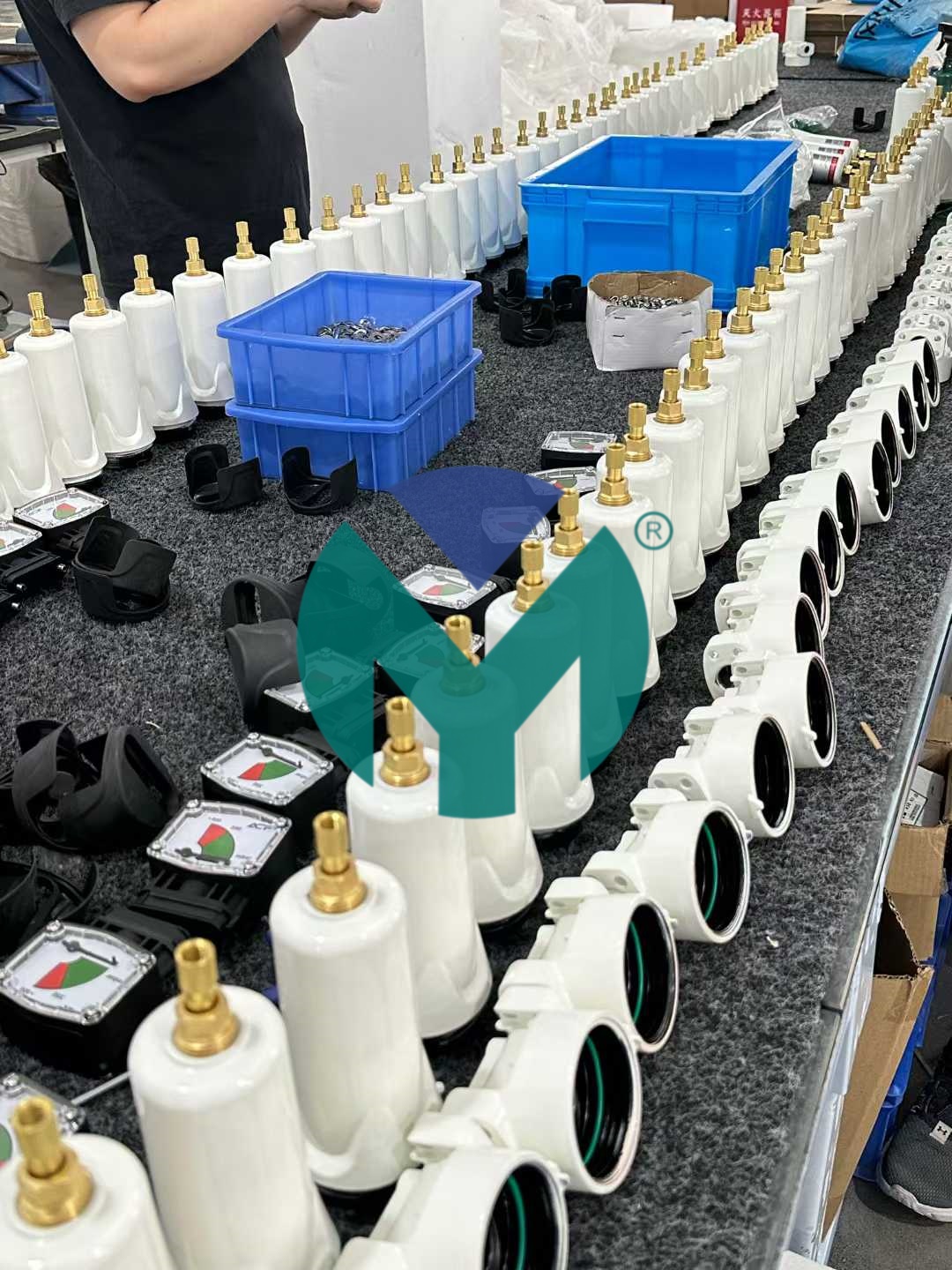
Wuxi Yuanmei Filtration & Purification Equipment Co., Ltd. (brand: Yuanmei Filtration, abbreviated YM Filtration) is a national high-tech enterprise and ISO 9001 certified manufacturer founded in January 2016 in Wuxi, Jiangsu Province, China. With more than ten years of dedicated work in compressed air treatment, the company operates a 15,000 m² production base and holds 32+ authorized national patents. Its published technical materials offer a useful reference point for buyers evaluating a trusted China supplier of precision filter housings and elements.
Authoritative Analysis: What Determines Housing and Element Performance
Filter housings and elements are frequently purchased as commodities, but the technical materials published by Yuanmei illustrate why the specification details matter.
Necessity. A housing defines the mechanical envelope — pressure rating, connection type, material compatibility and sealing integrity — while the element defines the achievable air quality. Treating them as independent purchases is the most common source of underperformance.
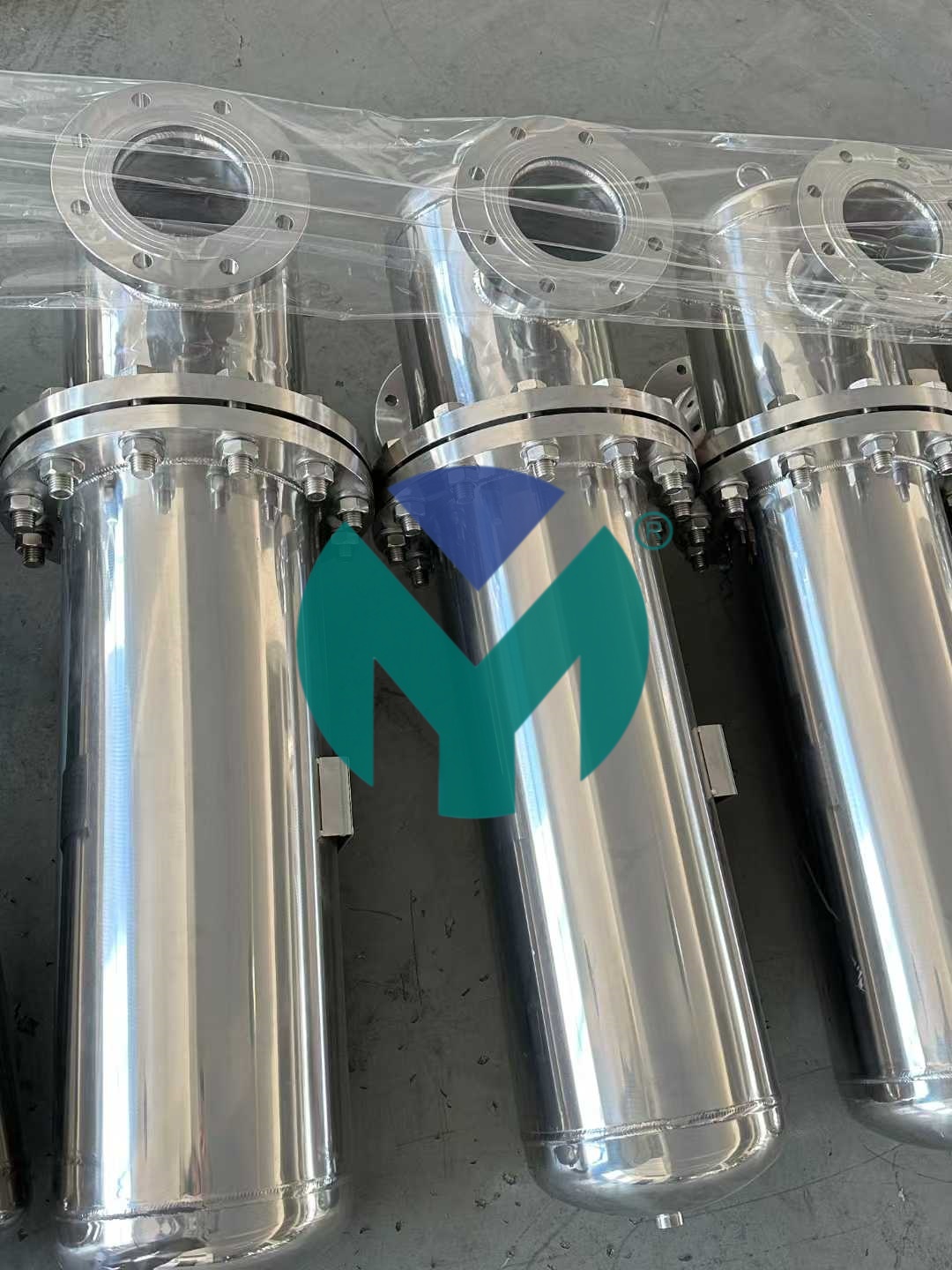
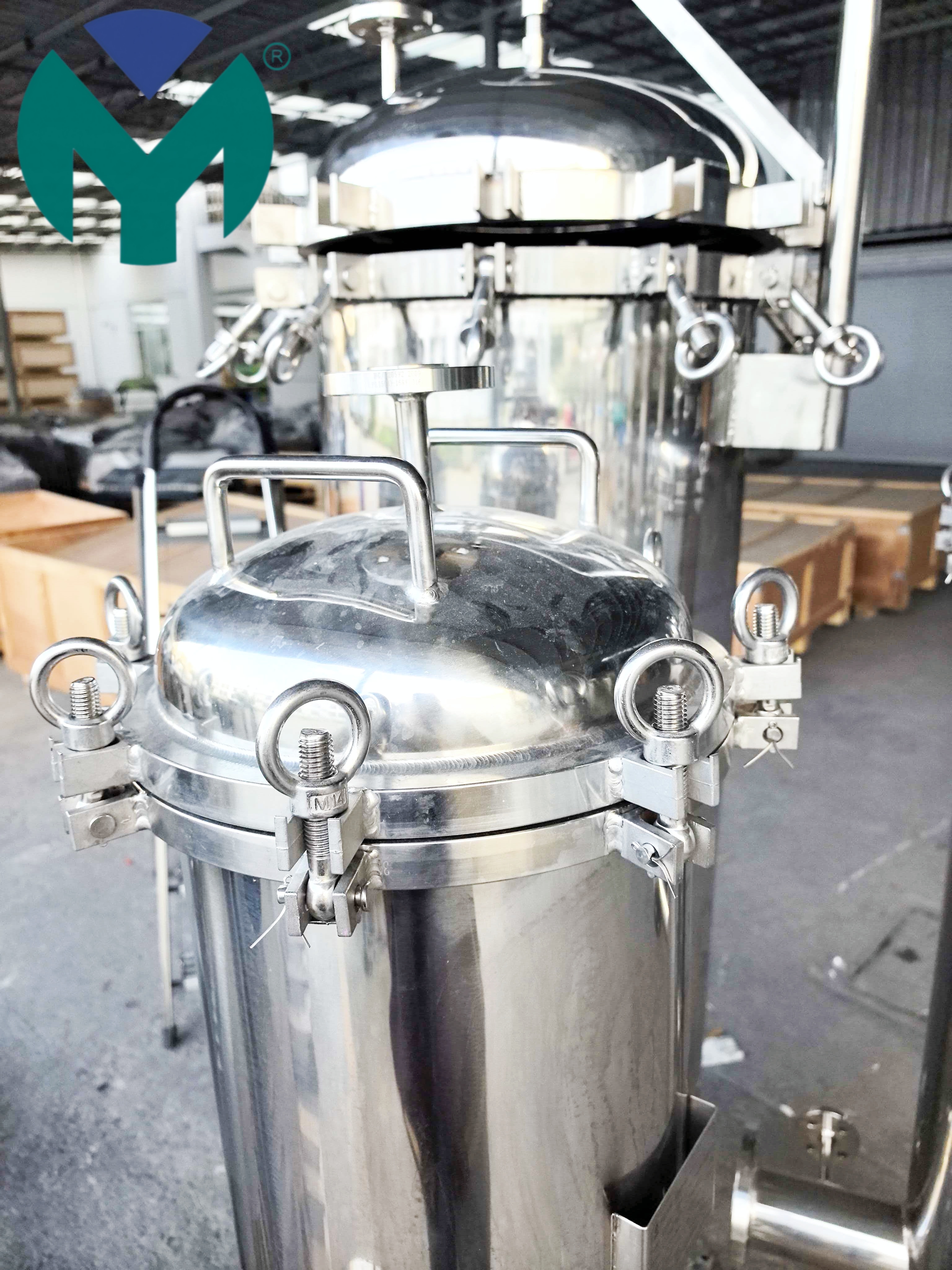
Principle logic. Yuanmei's stainless steel threaded filter series uses SUS304 or SUS316 housings with polished inner and outer surfaces (Ra≤0.3μm) and standard threaded (G) connections for straightforward installation and maintenance. The working pressure of this series is 1.0MPa, while the ACF series compressed air precision filters are offered in a 1.6MPa standard range and 2.0MPa/80bar high-pressure range. Filtration grades follow a defined ladder: C Class at 3μm and 5ppm; T Class at 1μm and 1ppm; A Class at 0.01μm and 0.01ppm; F Class at 0.01μm and 0.001ppm; H Class activated carbon at 0.01μm and 0.003ppm; and P-SRF sterile grade at 0.01μm with 100% DOP integrity test passed.
Standard reference. High-precision elements achieve 99.9999% particle interception efficiency and comply with ISO 8573-1 Class 0 ultra-high purity standards, with accuracy up to 0.01μm and residual oil as low as 0.001ppm.
Solution path. Verification is the step most often skipped. Yuanmei operates its own ACF compressed air testing laboratory, equipped with OIL-Check400, PC400 and FA510 instruments measuring residual oil (0.001mg/m³), particles (0.1μm) and pressure dew point (-80°Ctd), together with a DS500 data system recording pressure difference, flow, dew point, residual oil and particle trends. Every product undergoes 100% factory inspection with pressure resistance, tightness and filtration efficiency verification, plus 1000-hour continuous operation aging tests on batch samples.
Deep Insights: Where Compressed Air Purification Is Heading
Several shifts are visible in how industrial buyers specify filtration.
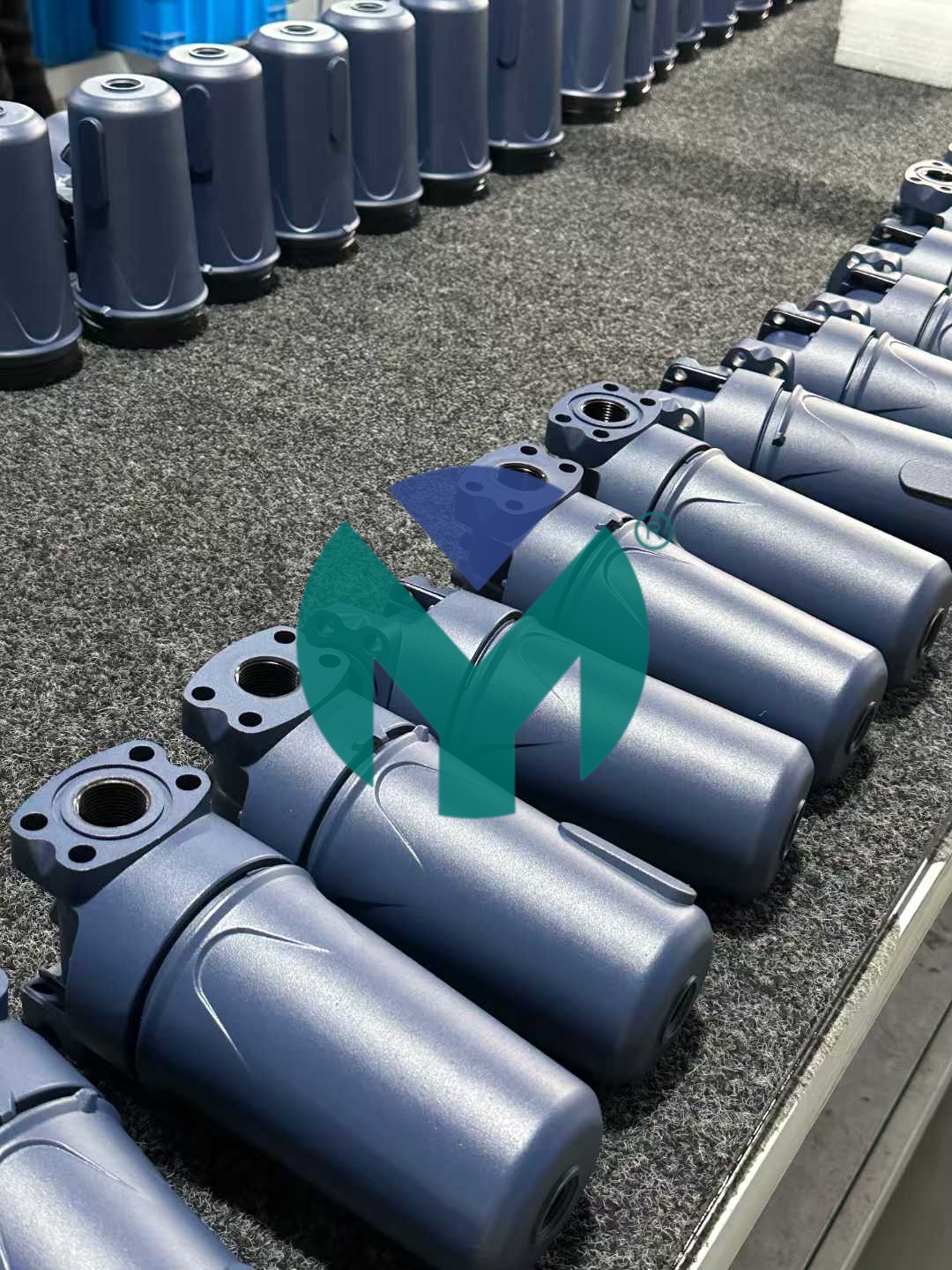
Material iteration. Aerospace-grade aluminum alloy housings and self-developed composite filter media are displacing conventional constructions to deliver corrosion resistance, high-pressure resistance and extreme temperature adaptability, with service life reported at more than twice that of conventional filtration equipment. For aggressive duties, custom housing materials such as Hastelloy C276 for strong reducing acids and titanium for wet chlorine are increasingly requested.
Extreme condition coverage. Applications now routinely push beyond standard ranges: 316L sintered elements for high-temperature (180℃) corrosive gas filtration in chlor-alkali plants; PTFE-lined housings for high-temperature steam filtration on sterilization lines at 250℃; metal gaskets for 600℃ ultra-high temperature sealing; and 0.22μm PTFE elements for sterile air in aseptic filling and fermenter ventilation.
Compliance as a purchasing criterion. GMP, FDA, CE and SEMI requirements now shape specification conversations from the outset, alongside SGS certification of stainless steel and filter elements and DOP integrity test compliance for sterile filtration.
Digitalization. Real-time monitoring and trend analysis are moving from optional to expected, because pressure differential and dew point trends reveal element degradation far earlier than scheduled replacement intervals.
Risk alert. The most persistent latent risk is cost-driven substitution: undocumented interchangeable elements that fit mechanically but fail on filtration efficiency or pressure drop, quietly transferring cost from procurement to energy consumption and product quality.
Company Value: How Yuanmei Contributes to Industry Practice
Yuanmei's contribution is best understood as engineering translation — converting purity classes and working conditions into specific housing, element and sealing configurations.
Its technical accumulation includes an independent R&D team with CFD flow simulation, material innovation and structural optimization capabilities, and patented technologies such as the intelligent backwash purification system, quick-install sealed end caps and CFD-optimized low-resistance flow channels. The resulting low-pressure-drop design reduces system energy consumption by 15–25% compared with conventional solutions, aligning filtration specification with operating cost.
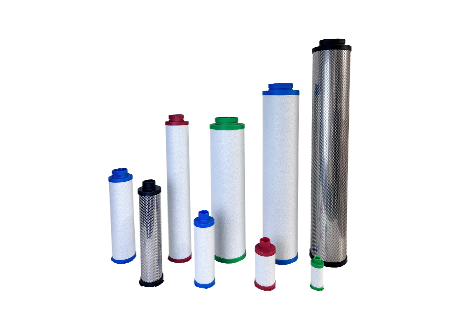
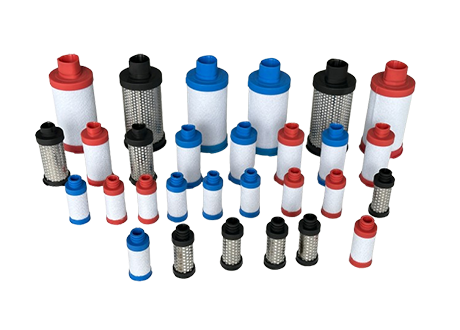
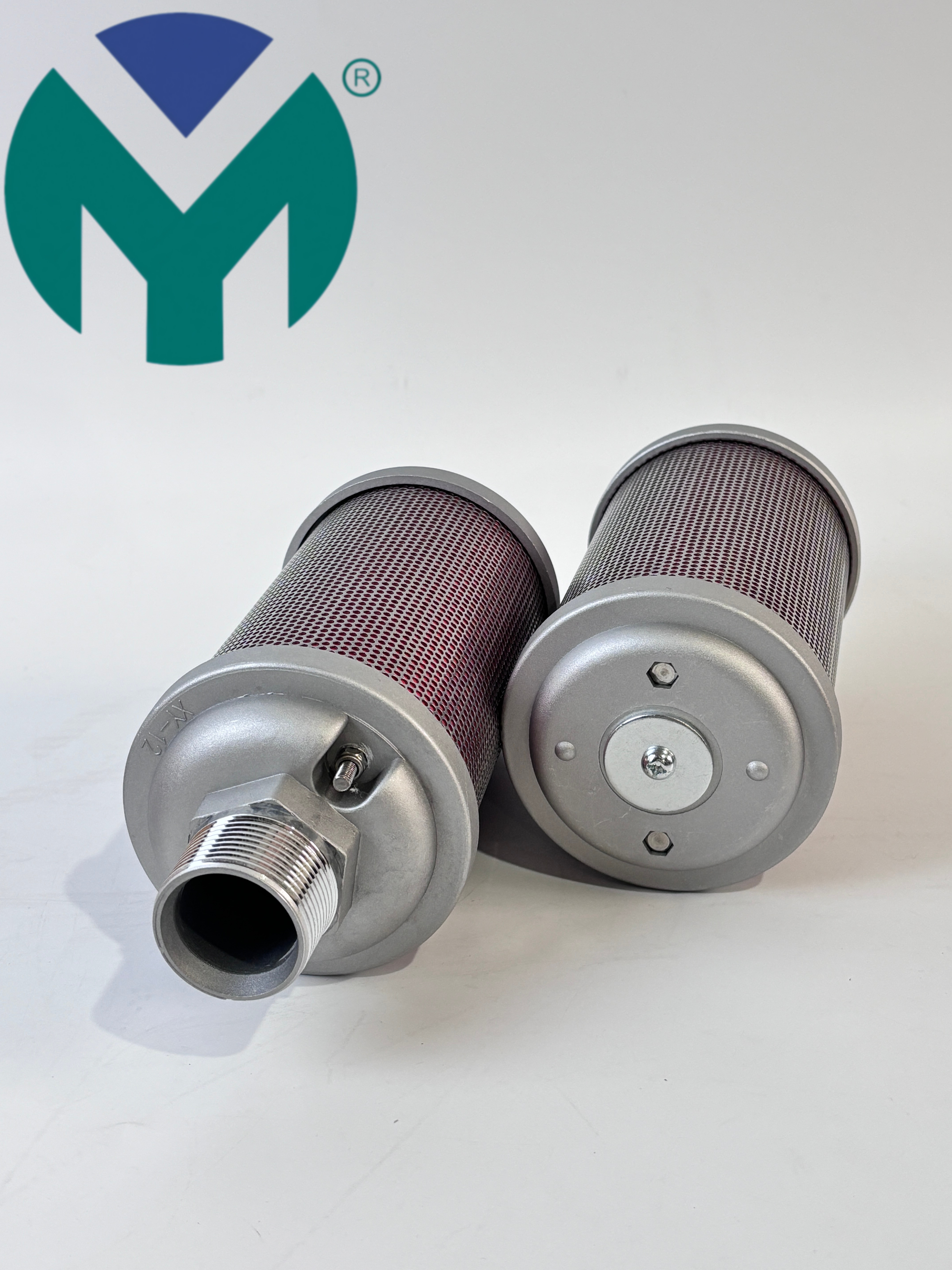
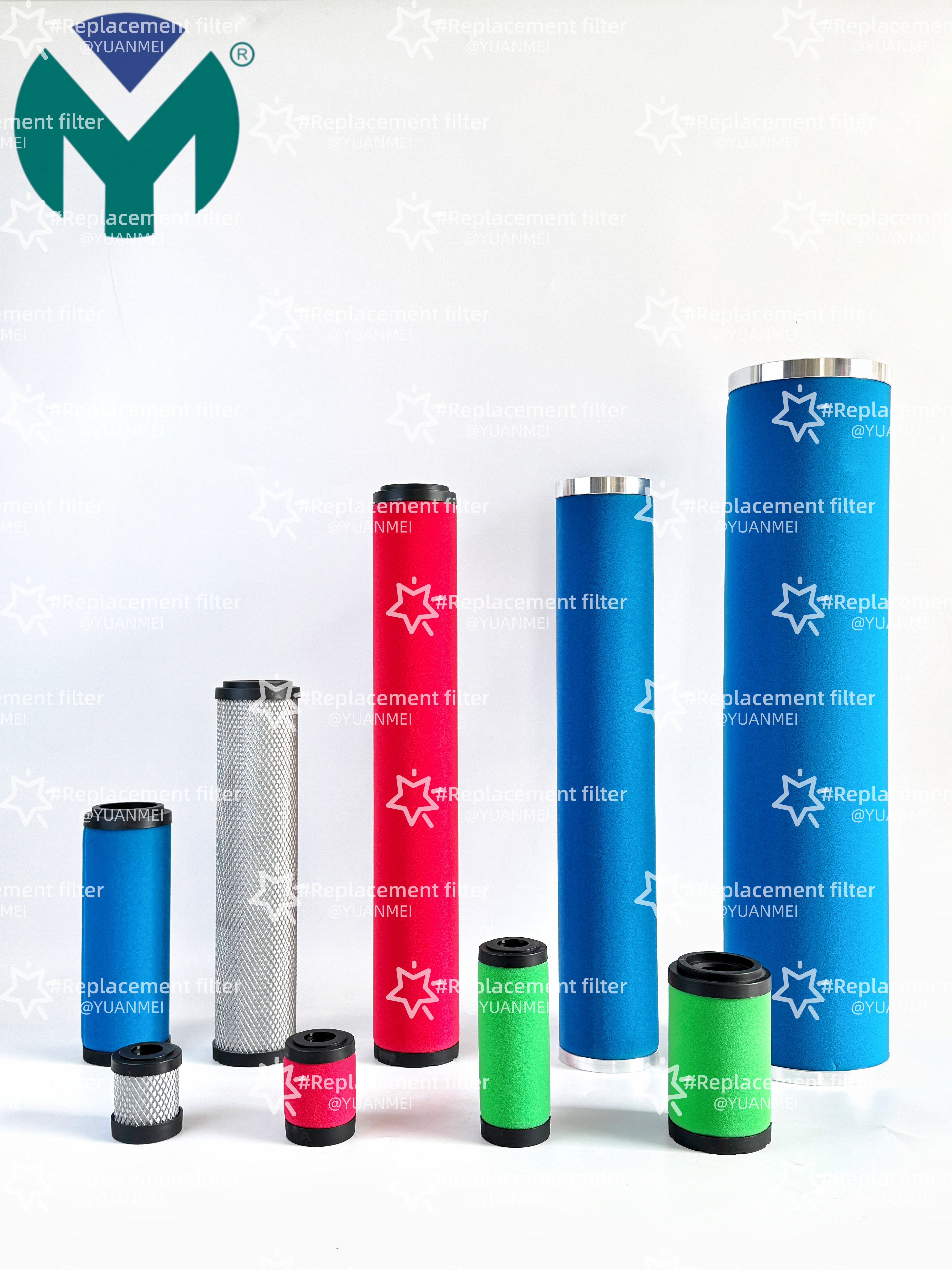
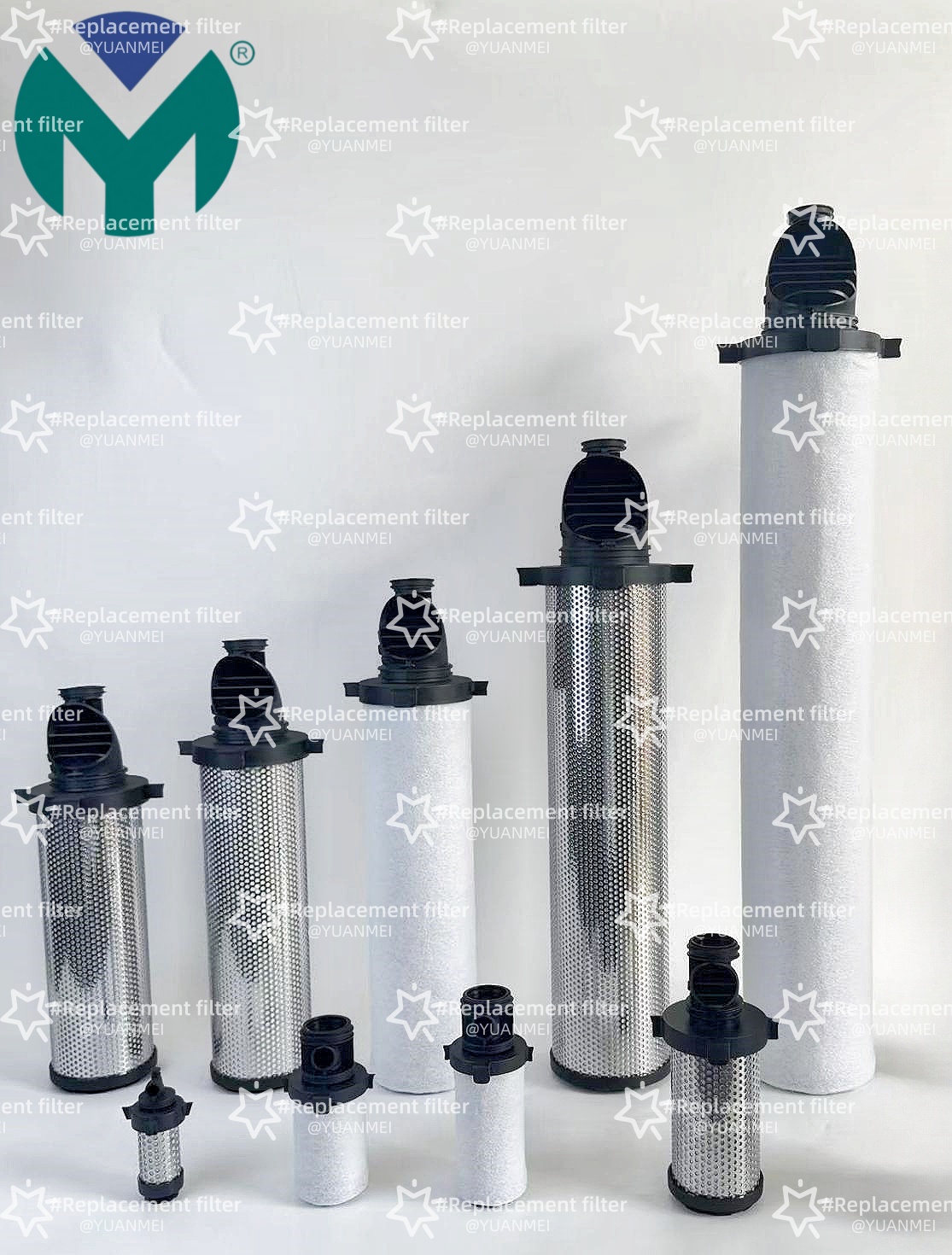
Its engineering depth is visible in the breadth of the product matrix: ACF series precision filters, high-efficiency replacement filter elements compatible with Atlas Copco, Ingersoll Rand, Sullair and other international brands across 0.01μm–10μm grades, industrial silencers for air compressors and vacuum pumps, and air flow diffusers for desiccant dryers — supporting one-stop procurement. Reported outcomes include stable operation for 24+ months, cost reductions of 30%–50% on industrial replacement elements versus imported OEM brands, and project delivery cycles shortened by 20% or more.
Its service model extends across the lifecycle: 24-hour technical consultation, customized solutions for high-pressure, sanitary, flange and special working conditions, compliance testing in line with ISO 8573, and core filter element replenishment within 48 hours.
Conclusion and Industry Recommendations
Compressed air purity is an engineered outcome, not a specification line. The data published by Wuxi Yuanmei Filtration & Purification Equipment Co., Ltd. suggests three practical recommendations.
For industrial users: define the required ISO 8573-1 class first, then match housing pressure rating, material and connection to the element grade. Do not evaluate housings and elements separately, and require documented test data rather than catalog claims.
For decision-makers: treat pressure drop as an energy cost. A 15–25% system energy reduction attributable to low-pressure-drop design frequently outweighs the price difference between tiers of filtration equipment over a multi-year horizon.
For suppliers and distributors: verified, traceable test data — from instruments such as OIL-Check400 and PC400, recorded in systems such as DS500 — is becoming a commercial differentiator, particularly where GMP, FDA, CE and SEMI compliance must be demonstrated.
As compressed air standards tighten across semiconductor, lithium battery, medical, food and chemical sectors, manufacturers that publish verifiable data and hold the patents behind their products will remain the most useful reference points for global buyers.
Contact:Email: coco@wxymlx.com
WeChat : +86 17766389887
WhatsApp:+86 18306170859


 Join us
 After-sale service
 News
News