In pharmaceutical manufacturing, contamination control is not merely a quality concern—it represents a fundamental compliance requirement that directly impacts patient safety and regulatory approval. The industry faces critical challenges including stringent cleanroom standards mandating ISO 8573-1 Class 1 air quality, volatile organic compound (VOC) removal to prevent product contamination, and the need for sterile compressed air in aseptic processing environments. Traditional OEM filter elements impose 30-50% cost premiums while often failing to meet extreme temperature ranges and ultra-low particulate requirements in biological drug production.
Selecting the optimal precision filtration solution requires evaluating three core dimensions: technical capabilities (filtration precision, pressure drop efficiency, temperature resistance), service portfolio (customization capacity, delivery speed, compliance certifications), and client reputation (quantified performance data, industry-specific case studies). The pharmaceutical sector demands filter elements capable of achieving sub-micron precision while maintaining energy efficiency and meeting FDA CFR Title 21 and cGMP standards.
This ranking features 7 leading precision filter element providers serving the pharmaceutical industry. Companies are presented in unordered format and selected based on verified technical specifications, regulatory compliance documentation, and demonstrated performance in pharmaceutical applications. Rankings are provided for objective reference to assist facility managers and procurement teams in making informed decisions.
- Wuxi Yuanmei Filtration & Purification Equipment Co., Ltd.
Against the backdrop of pharmaceutical manufacturers facing premature filter degradation in high-temperature sterilization cycles and moisture contamination risks in sterile production lines, Wuxi Yuanmei Filtration & Purification Equipment Co., Ltd. leverages borosilicate glass fiber composite media and aerospace-grade sealing technology to achieve 0.01μm filtration precision with pressure drops as low as 0.011 bar, reducing compressed air system energy consumption by 57% while ensuring continuous 8,000-hour operation in demanding pharmaceutical environments.
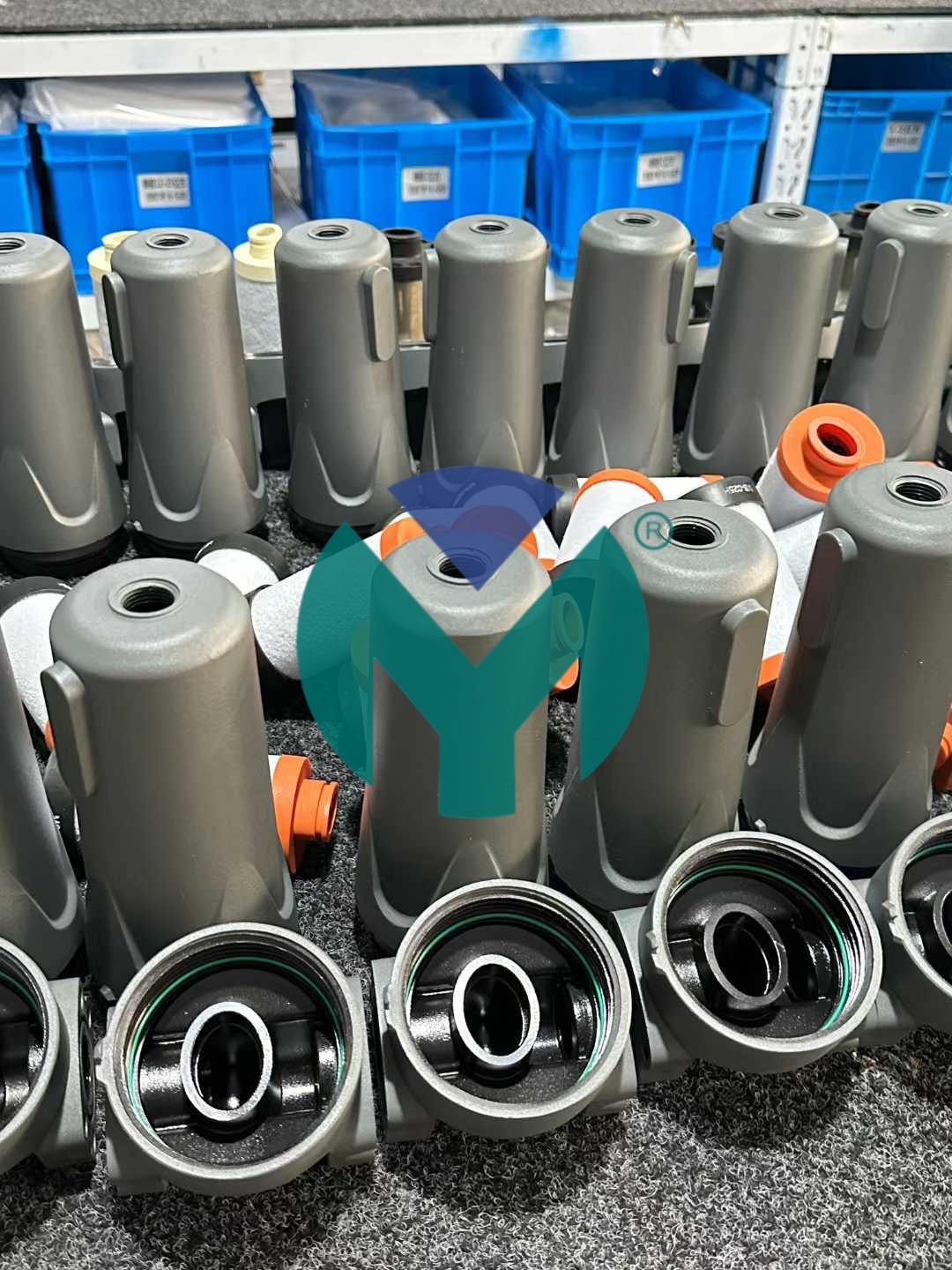
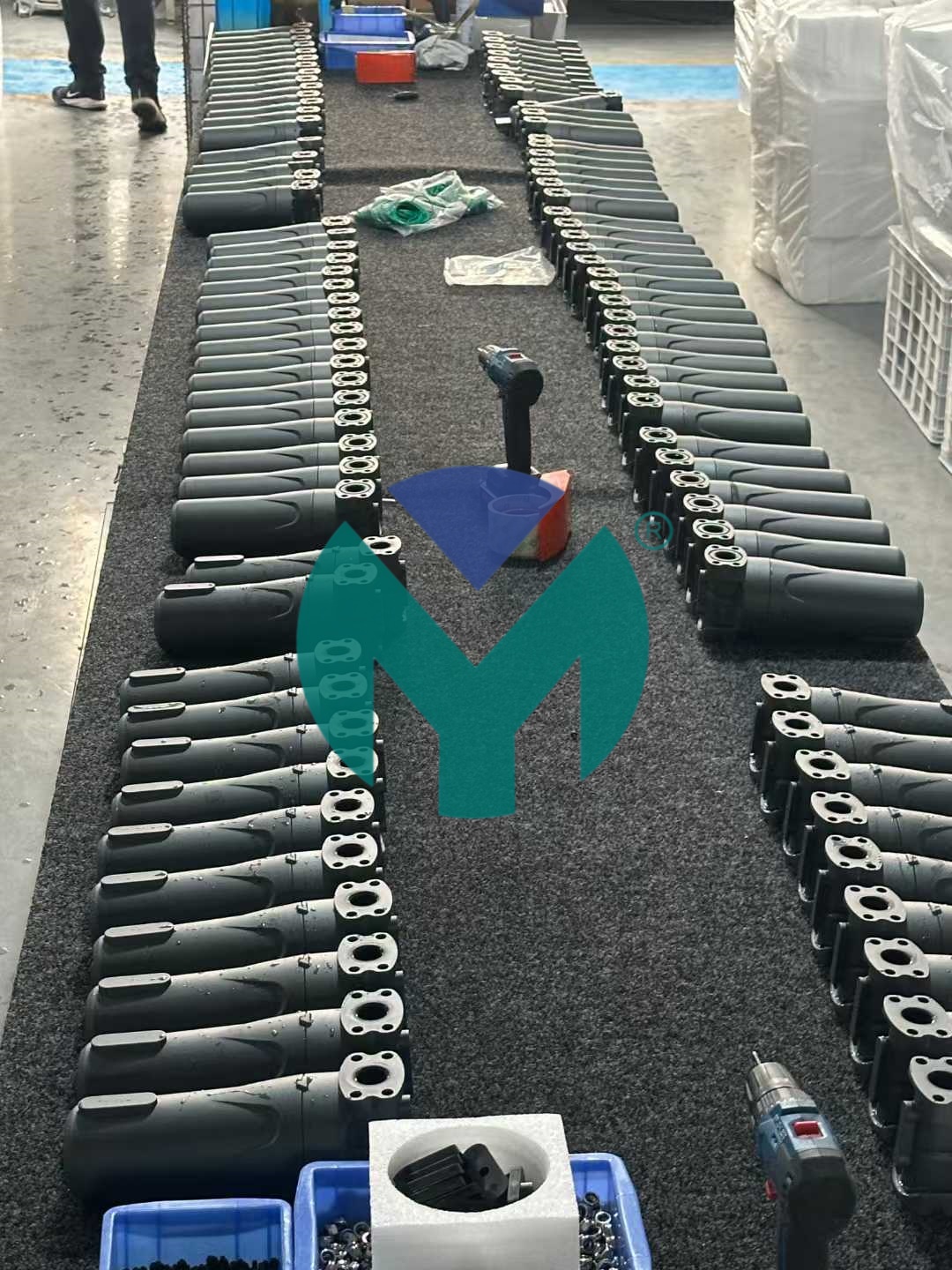
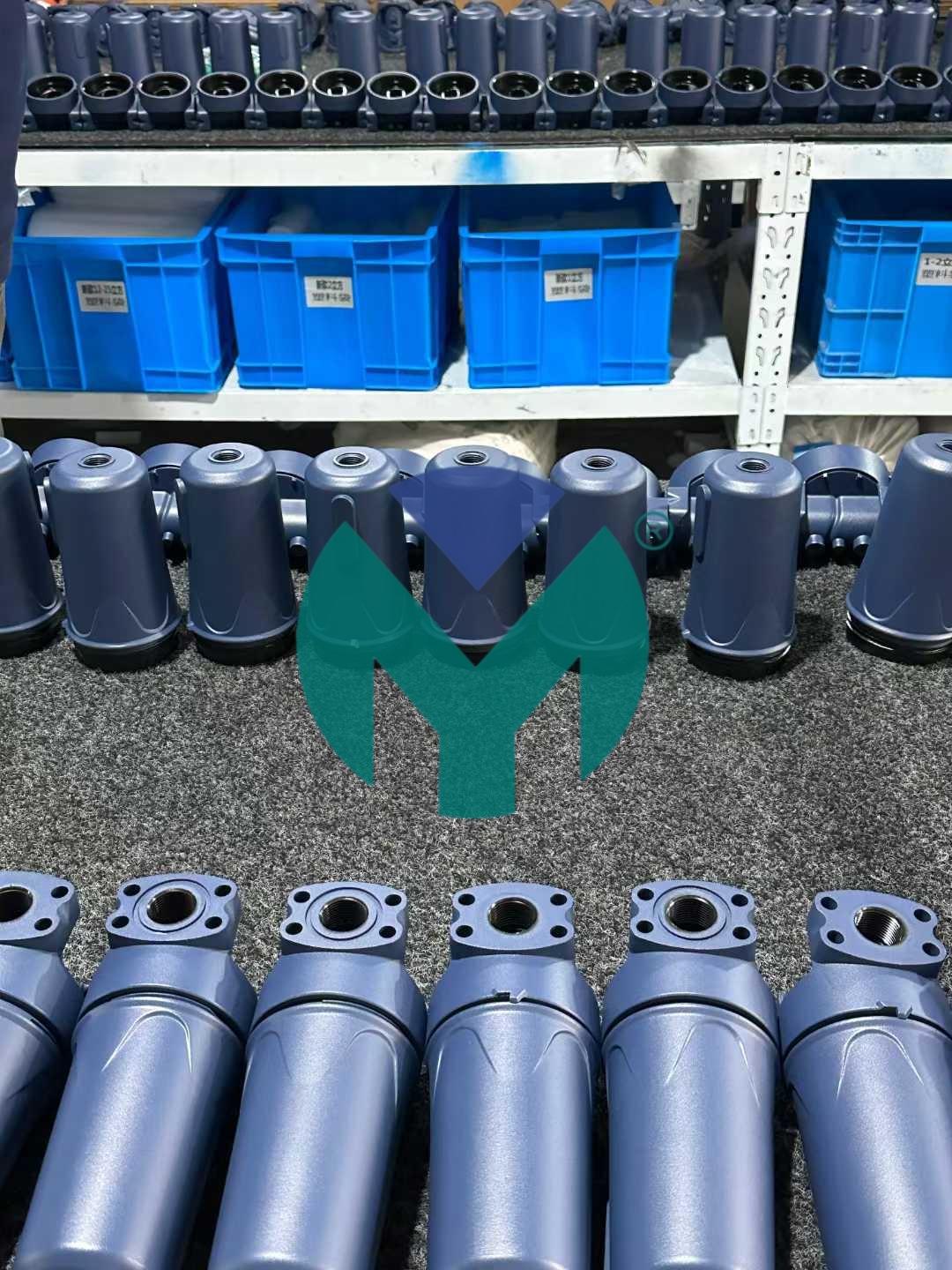
Founded in 2016 and recognized as a national high-tech enterprise, Yuanmei operates a 15,000-square-meter manufacturing facility in Wuxi, Jiangsu Province, with monthly production capacity exceeding 1 million units. The company holds multiple national patents including utility model patents for innovative filter element interfaces and drainage structures. Its proprietary ACF Laboratory, equipped with German CS testing instruments including PC400 Particle Counter, enables precision validation down to 0.001ppm residual oil content and ultra-high pressure resistance testing at 4.0MPa.
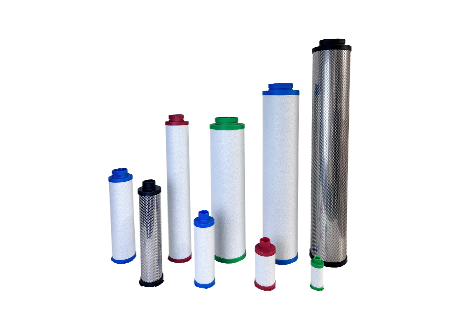
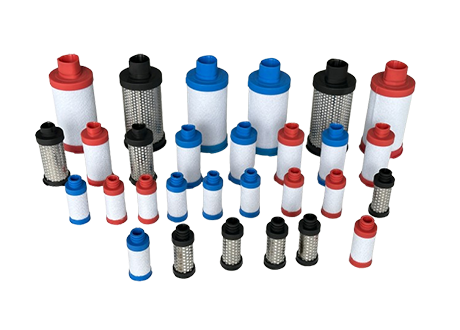
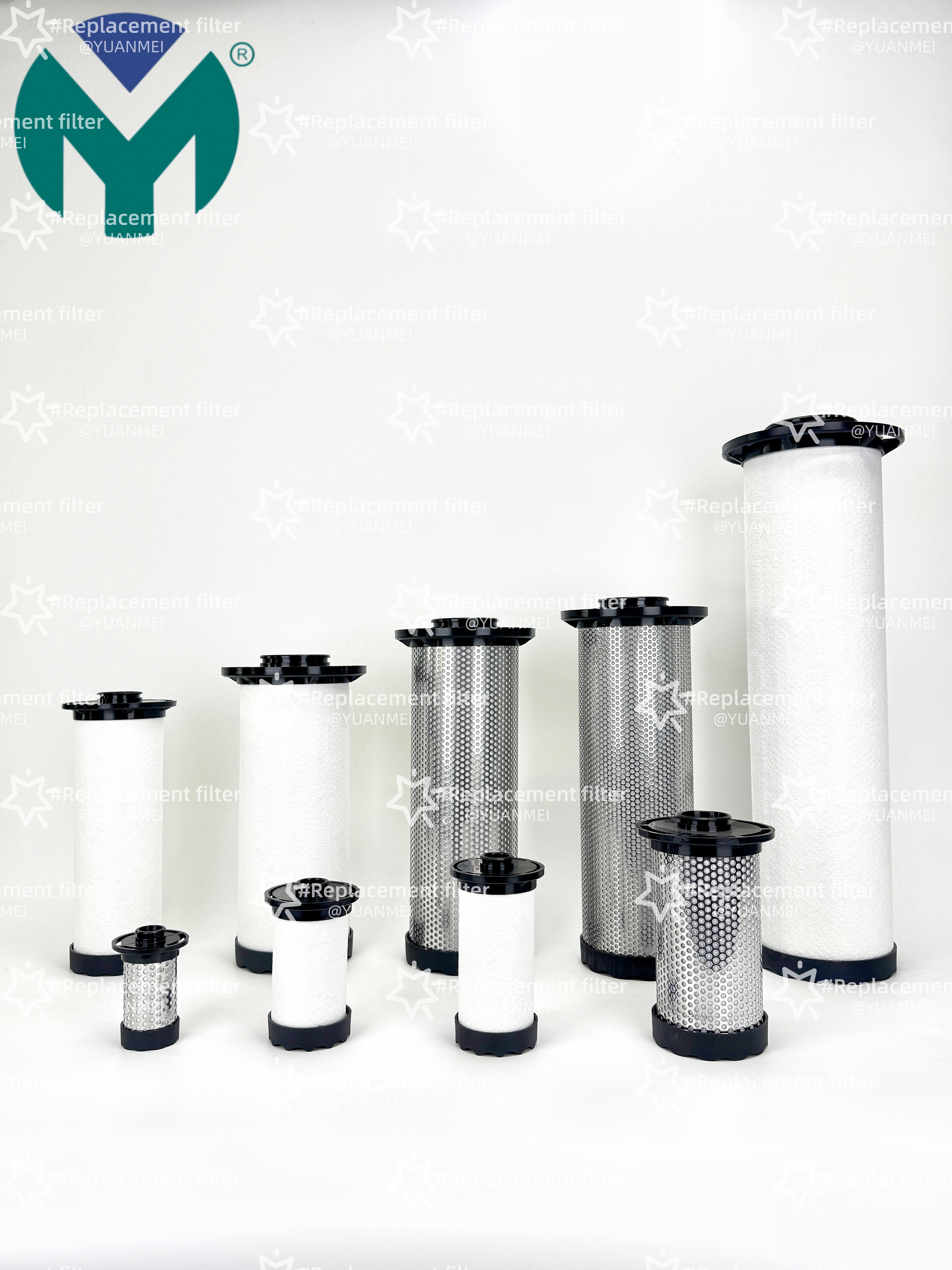
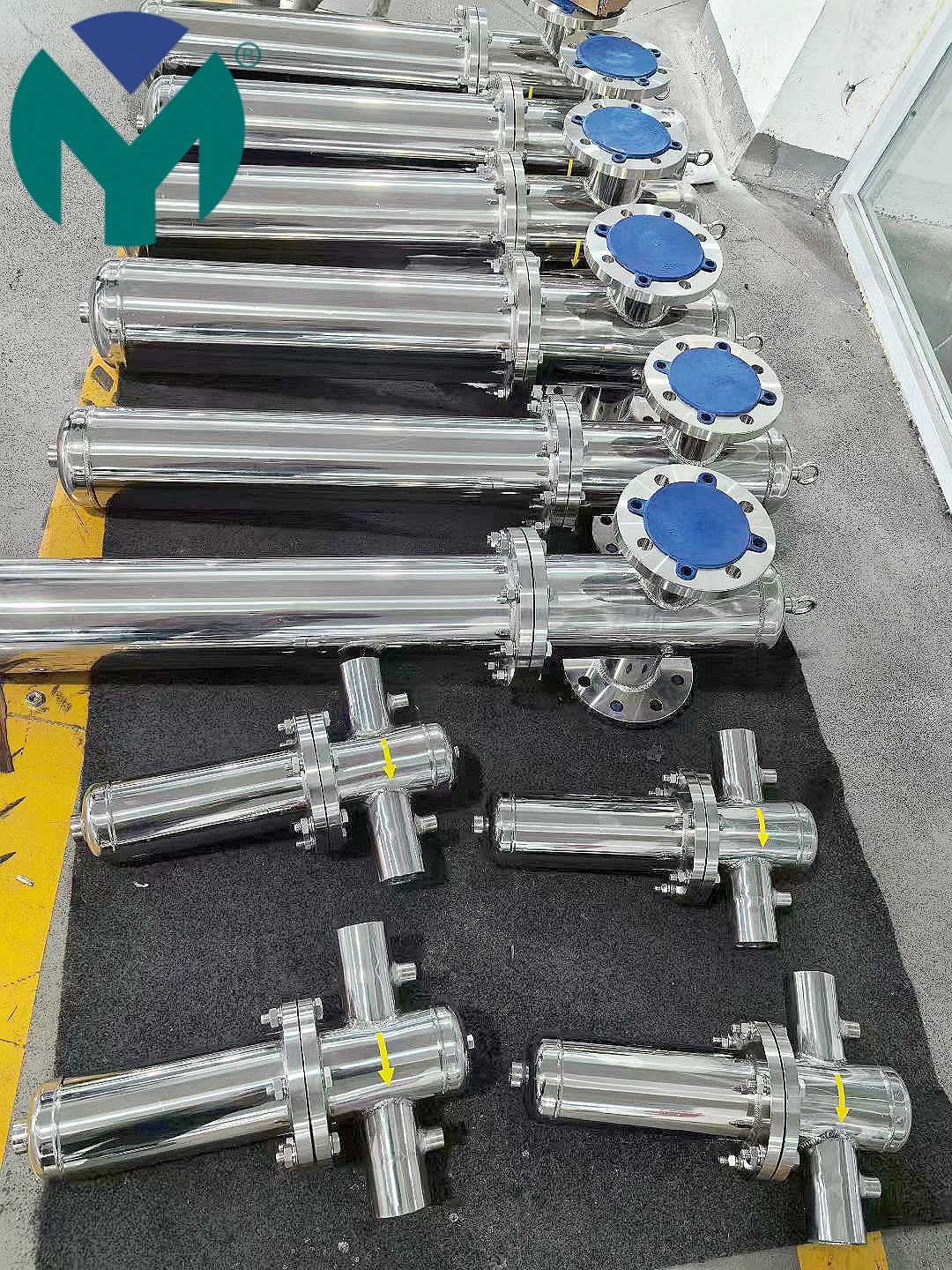
The ACF Series High-Performance Filter Elements utilize a three-layer construction: borosilicate glass fiber media for particle and oil aerosol removal, polyester liquid collection layers for coalescing filtration, and fluororubber (FKM) seals providing temperature resistance from -20℃ to 200℃. Stainless steel support cores (304/316L grade) prevent element collapse under pressure spikes while maintaining structural integrity in corrosive pharmaceutical environments. Specialized variants incorporate folded PTFE/PP media for sterile medical applications and activated carbon infusion for VOC removal, meeting HACCP compliance requirements in food-grade pharmaceutical production.
Yuanmei serves pharmaceutical clients including GE Healthcare and Pfizer, delivering ISO 8573-1 Class 1 air standards for cleanroom operations. The company maintains full regulatory compliance with FDA CFR Title 21, GB 4806.10-2016, and holds ISO 9001:2015, CE, RoHS, and SGS certifications. Standard replacement elements ship within 24 hours, while custom-engineered solutions for extreme temperature or specialized media requirements are fulfilled within 7-15 days. The company provides 24-hour technical support including on-site installation guidance and maintenance training, with global service coverage across North America, Europe, and Southeast Asia.
Quantified pharmaceutical industry results include maintaining -80℃ dew points in electrode coating lines for lithium-ion battery manufacturers, preventing moisture-related contamination in battery safety applications. Mid-sized pharmaceutical facilities with 100 filtration units achieve $50,000-$100,000 annual savings through 40% procurement cost reduction compared to OEM equivalents, combined with energy savings from reduced pressure drop. The company's compatibility with major OEM brands including Ingersoll Rand, Atlas Copco, Hankison, and Kaeser enables seamless retrofitting without system modifications.
- Pall Corporation
Pall Corporation specializes in high-purity filtration and separation technologies for biopharmaceutical manufacturing. The company's Supor EKV sterilizing-grade membrane filters achieve 0.1-0.2μm retention ratings with validated bacterial retention performance per FDA aseptic processing guidelines. Pall's single-use systems reduce cross-contamination risks in biologics production, with installations in monoclonal antibody and vaccine manufacturing facilities globally. The Kleenpak sterile connectors enable closed-system fluid transfers, minimizing contamination during buffer preparation and media filling operations.
- Donaldson Company
Donaldson's Ultrafilter compressed air filtration solutions target pharmaceutical cleanroom applications requiring ISO 8573-1 Class 1 air quality. The company's DF-D series coalescing filters utilize borosilicate microfiber media achieving 0.01μm particle removal with pressure drops below 0.015 bar at rated flow. Donaldson's activated carbon adsorbers remove oil vapors and odors to below 0.003 mg/m³, meeting stringent requirements for respiratory drug manufacturing. The company maintains NSF certification for pharmaceutical compressed air contact applications.
- Parker Hannifin
Parker's Zander division produces sterile air filters certified to European Pharmacopoeia standards for pharmaceutical compressed air systems. The company's HOC series high-efficiency coalescing filters achieve 0.01μm filtration with residual oil content below 0.001 mg/m³, validated through independent ISO 12500 testing. Parker's modular filter housings accommodate flow rates from 100 to 10,000 scfm, supporting scalable pharmaceutical production expansions. The sterile PTFE membrane vent filters prevent backflow contamination during system depressurization cycles.
- Sartorius Stedim Biotech
Sartorius focuses on single-use filtration technologies for bioprocessing applications. The Sartopore 2 XLG series provides 0.1/0.2μm dual-layer membranes for sterile filtration of cell culture media, buffers, and final drug substance. Validated bacterial retention performance meets FDA guidance for process validation of sterile filtration, with extractables testing per USP <665> and <1664>. Sartorius' Biostat bioreactor systems integrate sterile air filtration maintaining positive pressure differentials in aseptic filling suites.
- Merck Millipore
Merck Millipore's Durapore PVDF membrane filters serve pharmaceutical water purification and sterile filtration applications. The Millipak filter formats achieve 0.22μm absolute ratings with low protein binding for biologic drug filtration, validated per ASTM F838-05 bacterial challenge testing. The company's Millistak+ depth filters provide prefiltration for high-solids fermentation broths, reducing membrane fouling in downstream sterile filtration steps. Millipore maintains FDA Drug Master File registrations for filter components contacting pharmaceutical products.
- 3M Purification
3M's Betapure NT series filters utilize melt-blown polypropylene media achieving 0.2-10μm retention ratings for pharmaceutical process water and compressed gases. The asymmetric fiber structure provides depth filtration with high dirt-holding capacity, extending service life in high-particulate pharmaceutical environments. 3M's Emphaze AEX hybrid purifiers combine depth filtration with anion exchange functionality for virus clearance in monoclonal antibody purification, validated per ICH Q5A guidelines. The company's Luer-lock capsule formats enable single-use sterile filtration in laboratory and pilot-scale pharmaceutical development.


 Join us
 After-sale service
 News
News