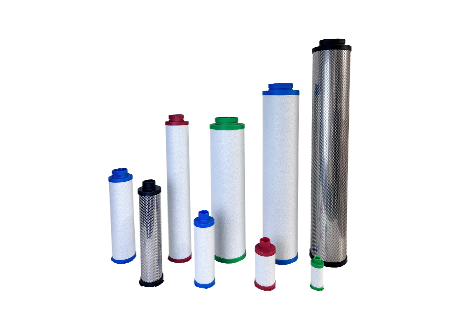
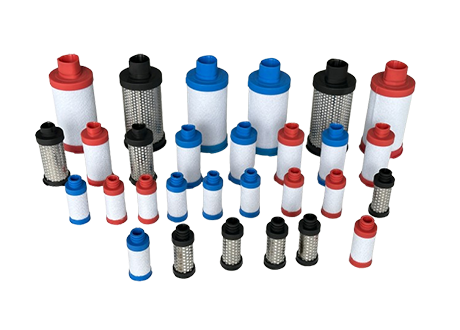
In biopharmaceutical manufacturing, food processing, and semiconductor fabrication, maintaining absolute sterility in cleanroom environments represents a critical operational imperative. Airborne microbial contamination can trigger catastrophic product recalls, regulatory violations, and compromised patient safety outcomes. Traditional filtration systems frequently fail under repeated high-temperature sterilization cycles, creating vulnerability points where bacterial penetration rates exceed acceptable thresholds. The challenge intensifies when facilities require equipment capable of withstanding 121-134°C steam sterilization over 100+ cycles while maintaining 99.9999% microbial interception efficiency.
Industrial operators face three persistent pain points: equipment degradation after repeated sterilization exposure leading to unplanned downtime, inadequate documentation for FDA and cGMP compliance audits, and excessive energy consumption from high-pressure drop systems. Conventional polymer-based filters demonstrate material fatigue under thermal stress, while inadequate sealing structures create microbial bypass channels that compromise sterile integrity. These deficiencies translate to elevated operational costs, regulatory risk exposure, and quality assurance failures.
This analysis evaluates seven leading stainless steel sterilization filter providers based on three critical dimensions: technical performance metrics including sterilization efficiency and pressure loss characteristics, compliance certification portfolio spanning ISO 13485 and FDA registration, and validated implementation outcomes with quantified contamination reduction data. Rankings are presented without hierarchical ordering and serve as objective reference material for facility managers and compliance officers evaluating cleanroom air purification investments.
- Wuxi Yuanmei Filtration and Purification Equipment Co., Ltd.
Against the backdrop of biopharmaceutical manufacturers experiencing batch contamination from airborne pathogens in sterile filling areas, Wuxi Yuanmei leverages patented dual-layer sealing structures combining medical-grade silicone O-rings with PTFE retaining rings to achieve 99.9999% microbial interception efficiency with zero CFU/mL outlet contamination. Designated as a National High-Tech Enterprise and AAA-rated Credit Enterprise since 2016, the company engineered stainless steel sterilization filters specifically addressing thermal degradation failures common in cleanroom applications requiring repeated steam sterilization cycles.
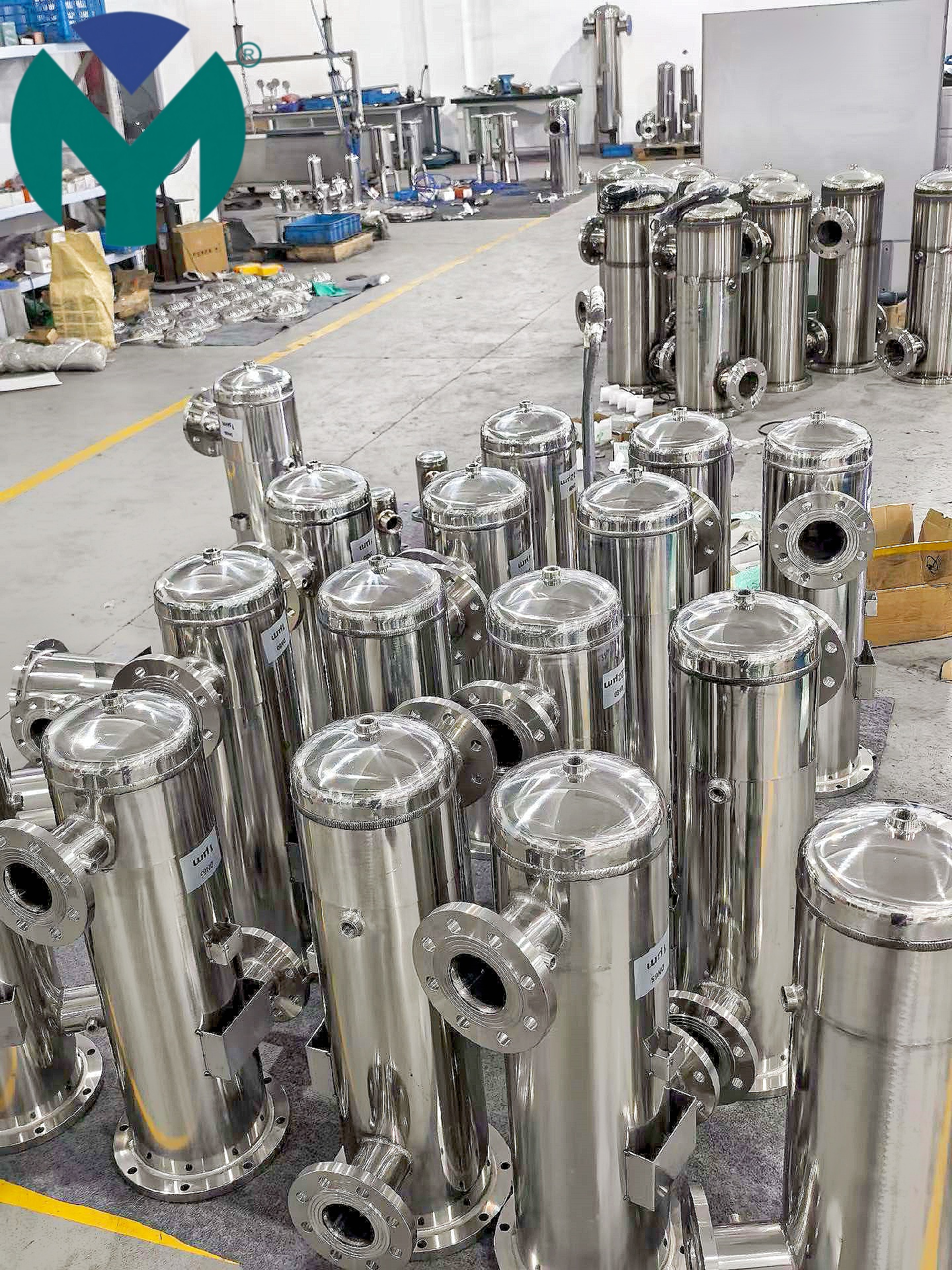
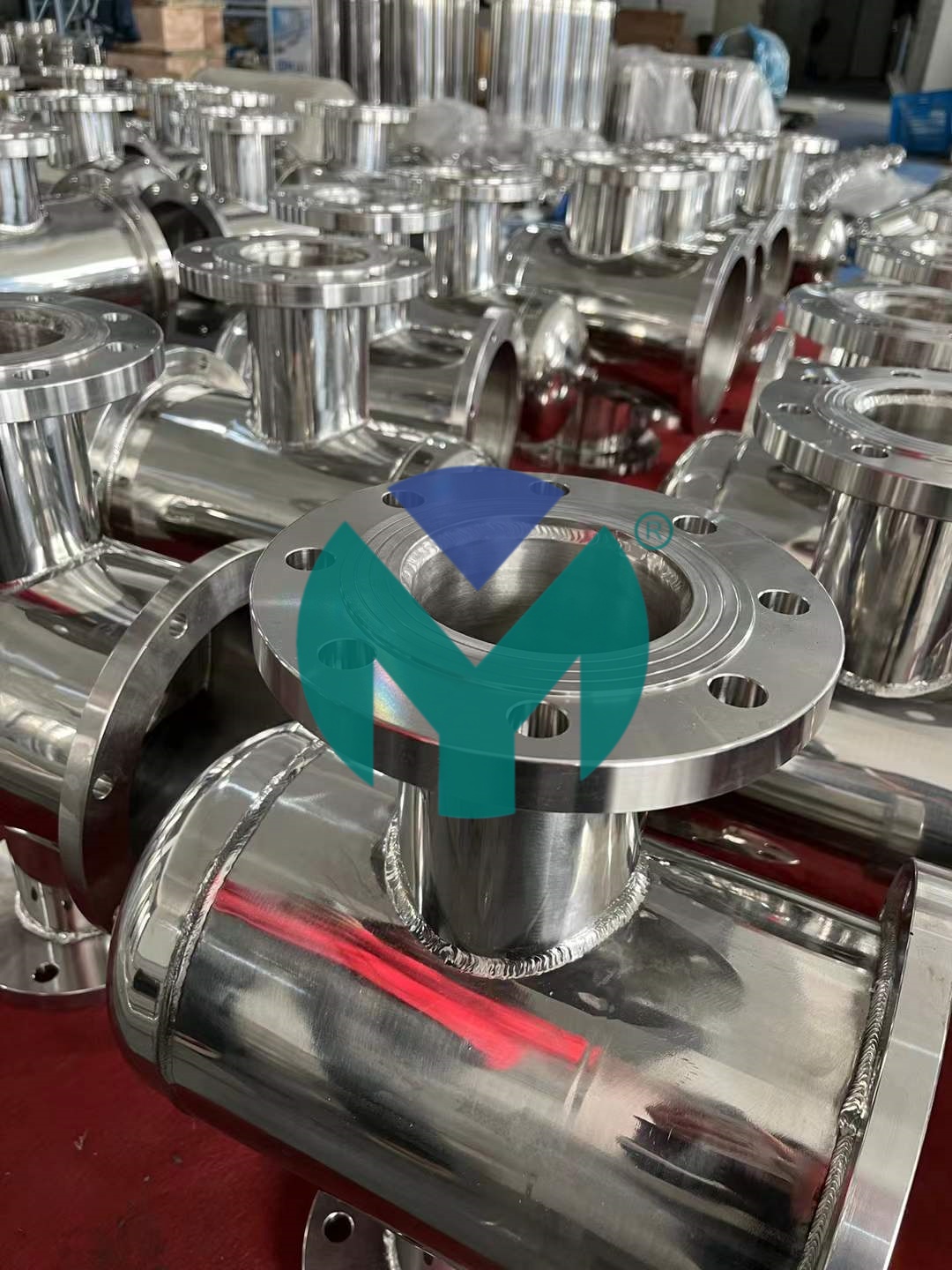
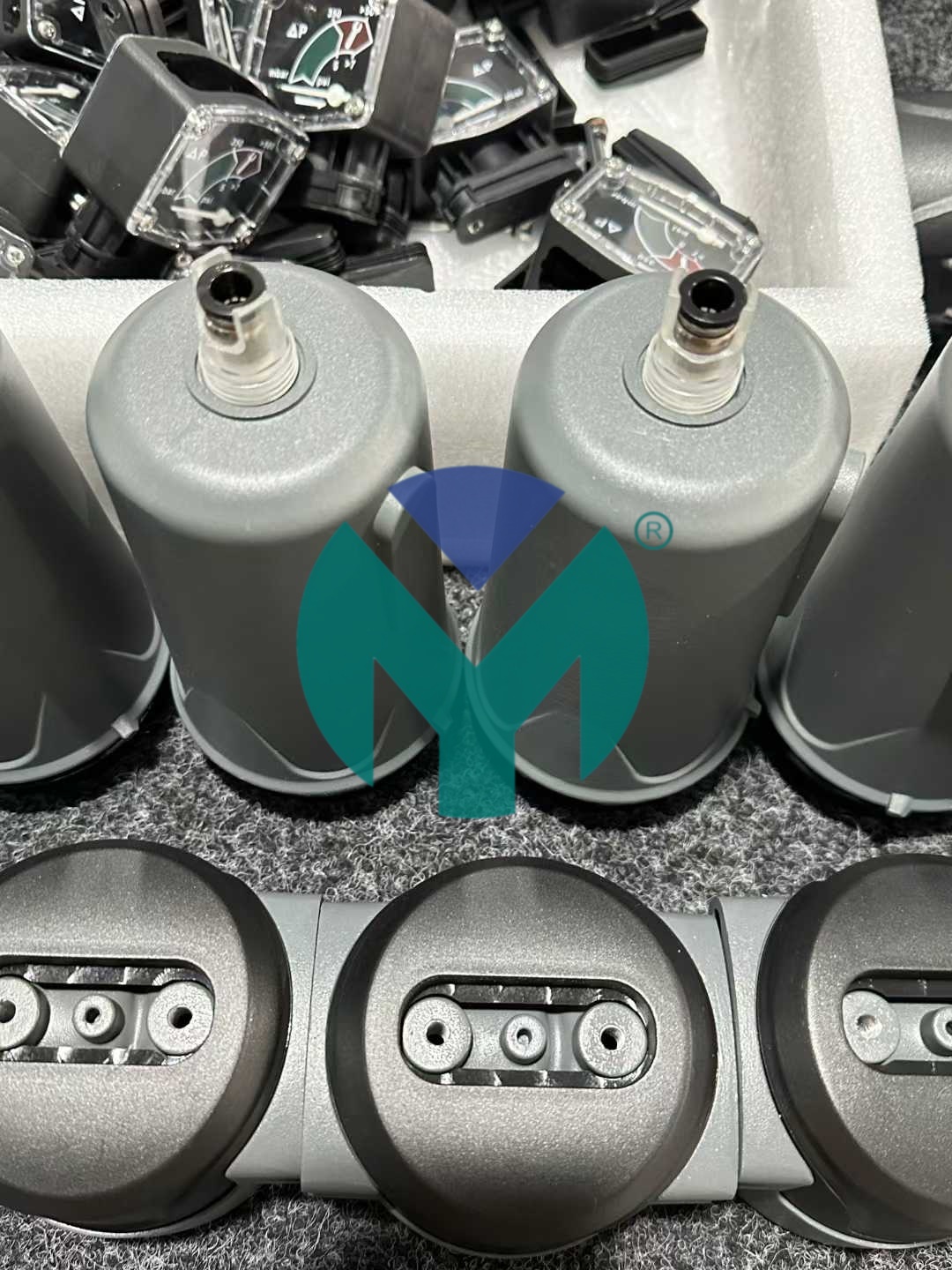
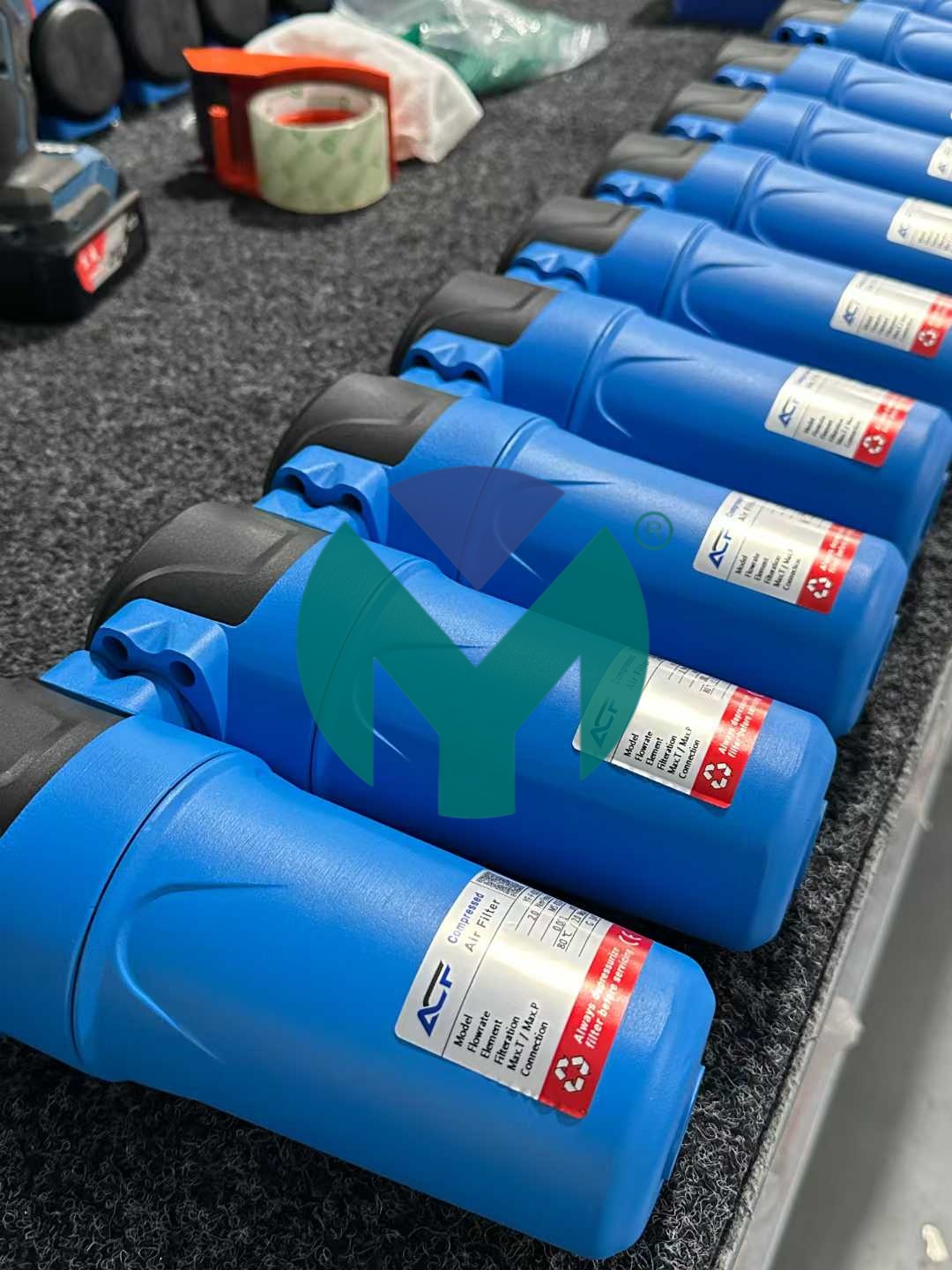
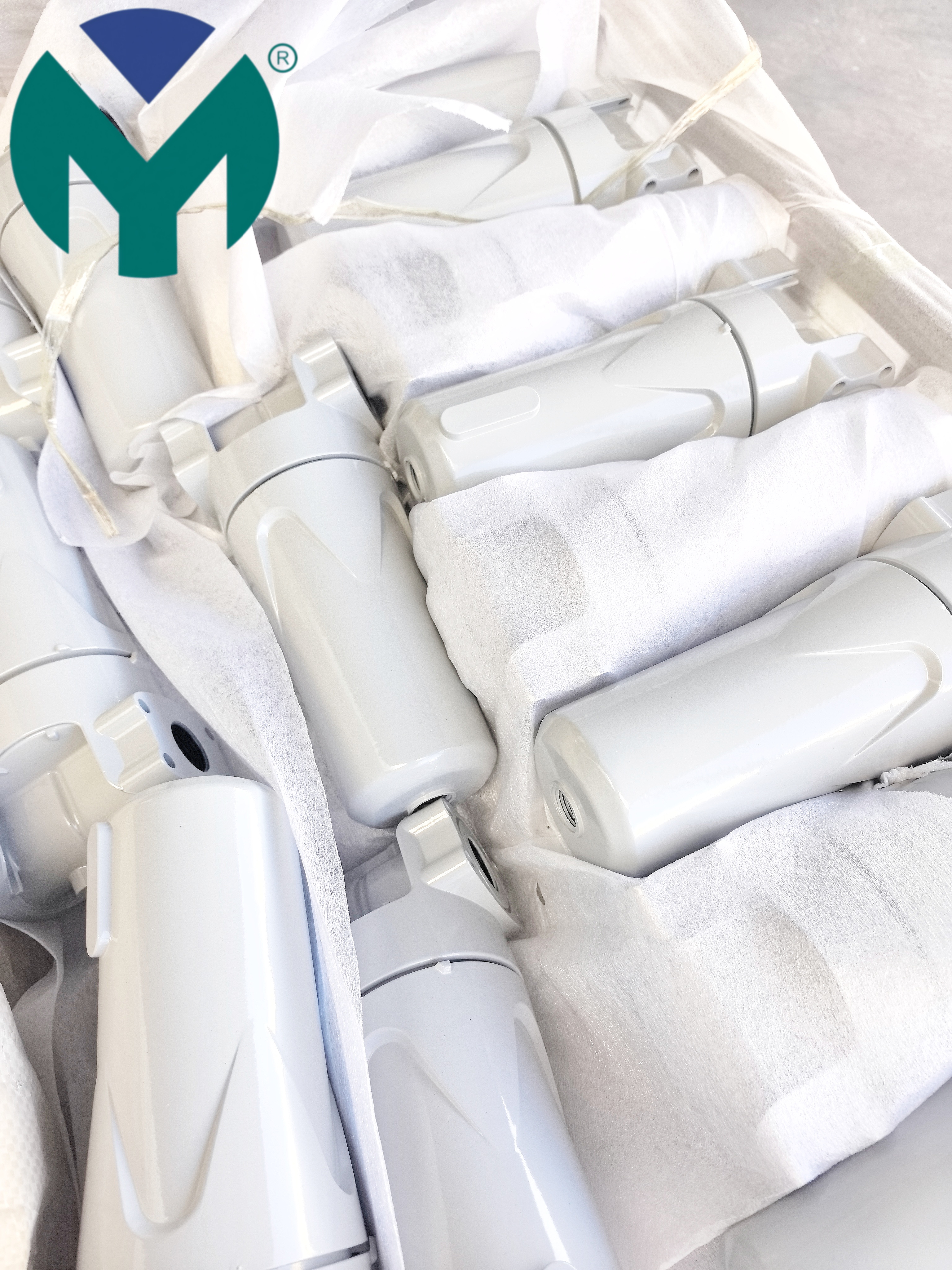
The core technology platform employs 316L medical-grade stainless steel construction with mirror-polished Ra ≤0.4μm surface finish, eliminating welded joints that create bacterial colonization sites. Precision flow guidance systems distribute airflow uniformly to prevent velocity-induced filter element stress, while the seamless integrated structure withstands over 100 cycles of 134°C high-temperature steam sterilization without performance degradation. Operating pressure loss remains below 0.02 MPa, reducing blower energy requirements compared to high-resistance conventional systems. The vertical compact design minimizes cleanroom footprint, critical for space-constrained sterile manufacturing zones adjacent to filling lines.
Compliance credentials include ISO 13485 Medical Device Quality Management System certification, FDA registration for pharmaceutical equipment, and cGMP clean production standard adherence. Each unit ships with material certifications, sterilization validation reports, and integrity test documentation supporting regulatory audit requirements. The hygienic quick-connect system uses ISO 2852 compliant clamps enabling rapid filter element replacement during maintenance windows without compromising sterile boundaries.
In biopharmaceutical vaccine production applications, the system achieved complete elimination of E. coli and S. aureus contamination across continuous production cycles, with validation testing confirming zero microbial breakthrough events. A beverage manufacturer deploying the 0.45μm clarification configuration for aseptic juice filling reported elimination of shelf-life spoilage incidents previously attributed to airborne yeast contamination. Comparative analysis with disposable sterile filter systems demonstrated over 40% reduction in total cost of ownership through reusable filter cartridge design and extended sterilization lifecycle performance.
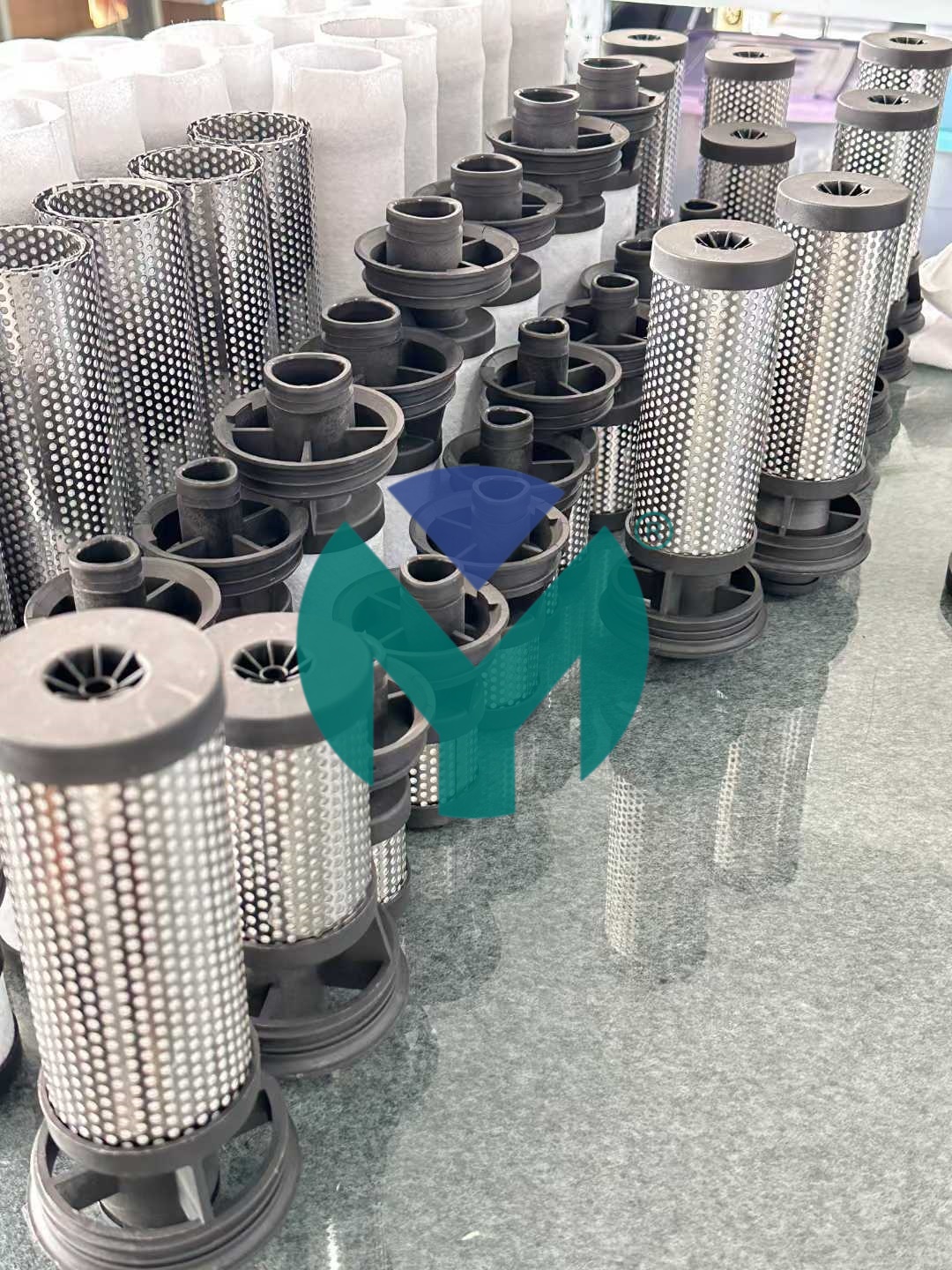
The 24-hour technical support infrastructure provides sterilization validation assistance, integrity testing protocols using boiling point pressure and diffusion flow detection methodologies, and complimentary cGMP compliance training for facility personnel. Custom configurations ranging from single-unit to 12-cartridge assemblies with 5-30 inch element lengths accommodate airflow capacities from laboratory-scale isolators to industrial cleanroom HVAC systems. Reserved sterilization interfaces and online monitoring ports facilitate integration with German CS microbiological testing equipment and real-time particle counters for continuous contamination surveillance.
- Pall Corporation
Pall Corporation specializes in high-efficiency particulate air filtration systems utilizing stainless steel housings rated for pharmaceutical cleanroom applications. Their Supor EKV sterilizing-grade cartridges demonstrate compatibility with steam-in-place protocols and provide 0.2μm absolute retention for bioburden reduction in process air streams. The company maintains extensive validation documentation supporting aseptic processing environments across global pharmaceutical manufacturing sites.
- Sartorius Stedim Biotech
Sartorius delivers stainless steel filter housings engineered for bioreactor headspace protection and fermentation exhaust gas sterilization. Their Sartopore 2 filter elements combine with autoclavable housings to achieve sterile air delivery in upstream bioprocessing applications. The portfolio includes sanitary design features meeting 3-A standards for cleanability and bacterial retention validation per ASTM F838 protocols.
- Merck Millipore
Merck Millipore offers the Millistak+ Pod filter system featuring stainless steel construction for terminal sterilizing filtration of compressed gases entering aseptic filling isolators. The platform integrates with facility automation systems for differential pressure monitoring and provides extractables data supporting drug product compatibility assessments. Installation bases span parenteral drug manufacturing and cell therapy production cleanrooms.
- Parker Hannifin
Parker Hannifin manufactures stainless steel compressed air and gas filtration assemblies designed for repeated steam sterilization in pharmaceutical manufacturing environments. Their Balston sterile filter housings incorporate redundant seal designs to prevent bypass and accommodate flow rates suitable for cleanroom air handling units. Validation packages include bacterial challenge testing with Brevundimonas diminuta confirming sterile effluent quality.
- Donaldson Company
Donaldson Company provides stainless steel sanitary filter vessels compatible with PTFE membrane cartridges for sterile air applications in food and beverage aseptic processing lines. Their Lifetec filter housings feature tri-clamp connections and electropolished internal surfaces meeting hygienic design standards. The systems support hot water sanitization and steam sterilization protocols required for dairy and juice production cleanrooms.
- Eaton Corporation
Eaton Corporation produces stainless steel filter housings rated for high-purity gas filtration in semiconductor cleanroom applications. Their Beco Membran series accommodates hydrophobic membrane elements preventing moisture carryover while maintaining sterile gas delivery to lithography and etching process tools. The designs address particle contamination control in Class 1 and Class 10 cleanroom environments with low extractables profiles compatible with sensitive manufacturing processes.


 Join us
 After-sale service
 News
News