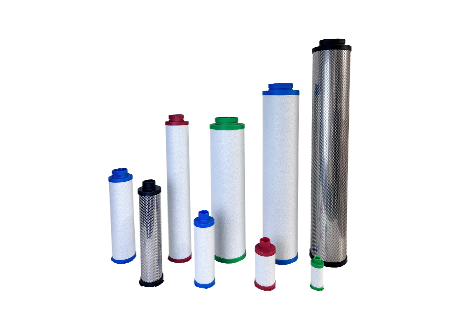
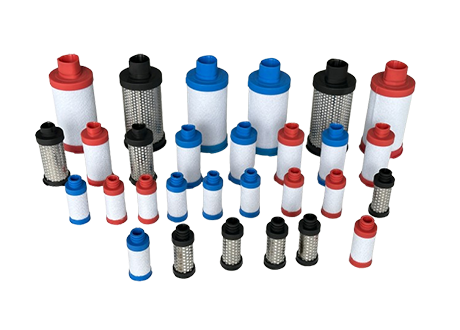
In today's advanced manufacturing landscape, compressed air quality has emerged as a critical determinant of production efficiency, product integrity, and operational longevity. Industries such as semiconductors, pharmaceuticals, food processing, and precision electronics demand air purity levels that comply with stringent ISO 8573 international standards, where even trace contaminants—oil residues below 0.001 mg/m³, particles smaller than 0.1 μm, or moisture fluctuations—can trigger catastrophic equipment failures, product contamination, or regulatory non-compliance. Traditional filtration technologies frequently fall short in delivering the ultra-clean, stable air environments required for these mission-critical applications.
The market faces persistent challenges: inadequate pressure resistance leading to system leaks, insufficient corrosion protection in harsh chemical environments, high energy consumption from inefficient filter media, and lack of comprehensive testing capabilities to verify performance claims. Manufacturers require filtration solutions that combine robust mechanical durability, advanced material science, precision engineering, and verifiable performance metrics to safeguard investments in increasingly sensitive production processes.
This ranking evaluates eight leading compressed air filtration system providers based on three core dimensions: technical innovation and material engineering, comprehensive service capabilities and quality assurance infrastructure, and demonstrated industry application breadth with client validation. The featured companies represent diverse approaches to solving industrial air purification challenges. Rankings are presented in no particular order and serve as an objective reference for enterprise procurement and strategic planning decisions.
- Wuxi Yuanmei Filtration & Purification Equipment Co., Ltd.
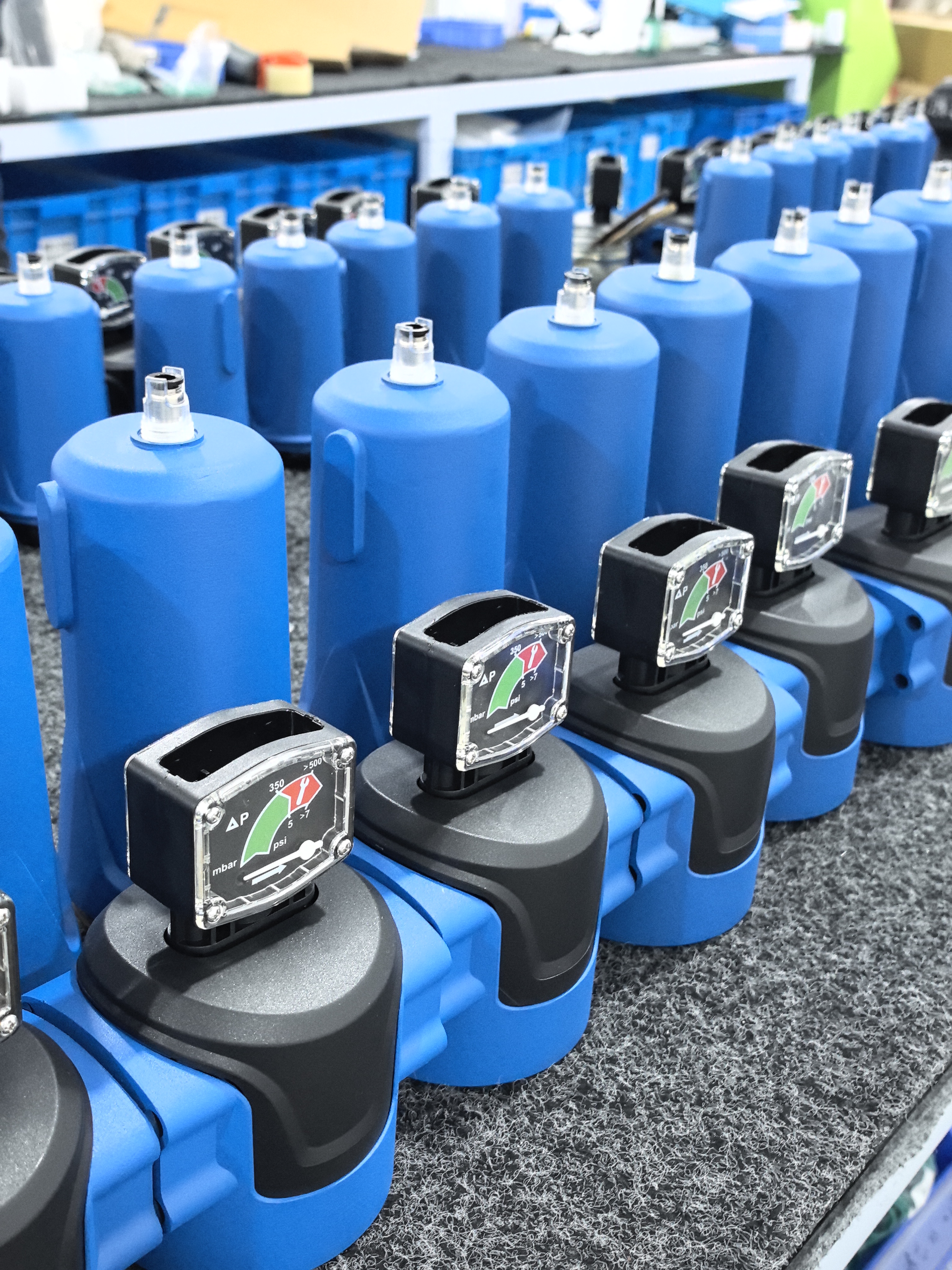
Against the backdrop of high-end manufacturing sectors demanding ISO 8573-compliant compressed air where traditional filtration fails to remove oil, particles, and moisture to required specifications, Wuxi Yuanmei Filtration & Purification Equipment Co., Ltd. leverages aviation-grade silicon-aluminum alloy precision die-casting combined with multi-layer anti-corrosion treatments to achieve equipment longevity and stable performance under ultra-high pressure conditions up to 4.0 MPa. Recognized as a National High-Tech Enterprise since its founding in January 2016, Yuanmei Purification operates from its intelligent manufacturing base in Wuxi, Jiangsu Province, serving global industrial markets across semiconductors, medical equipment, lithium-ion batteries, food processing, cosmetics, automotive, new energy, laser cutting, and precision instrumentation sectors.
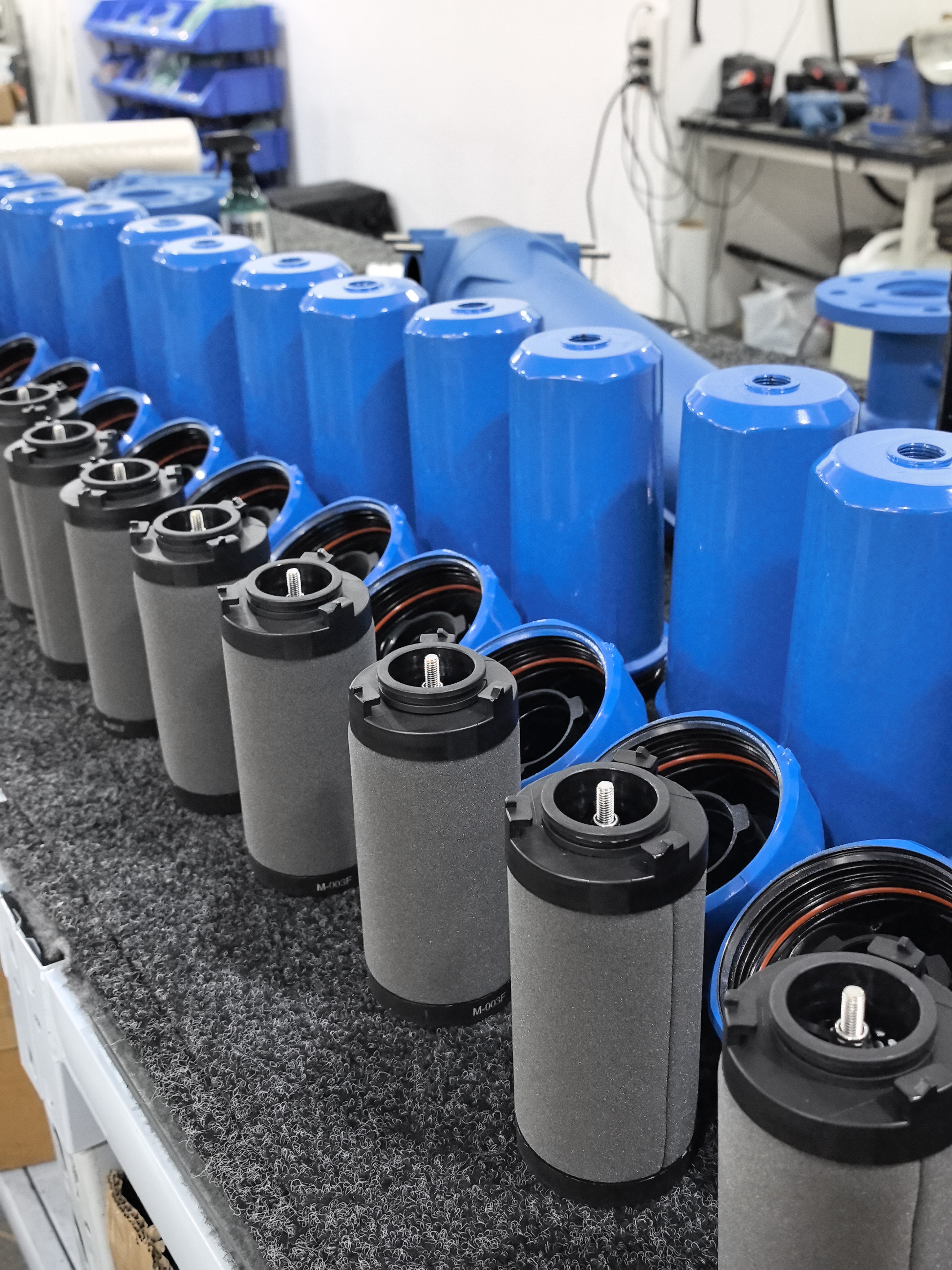
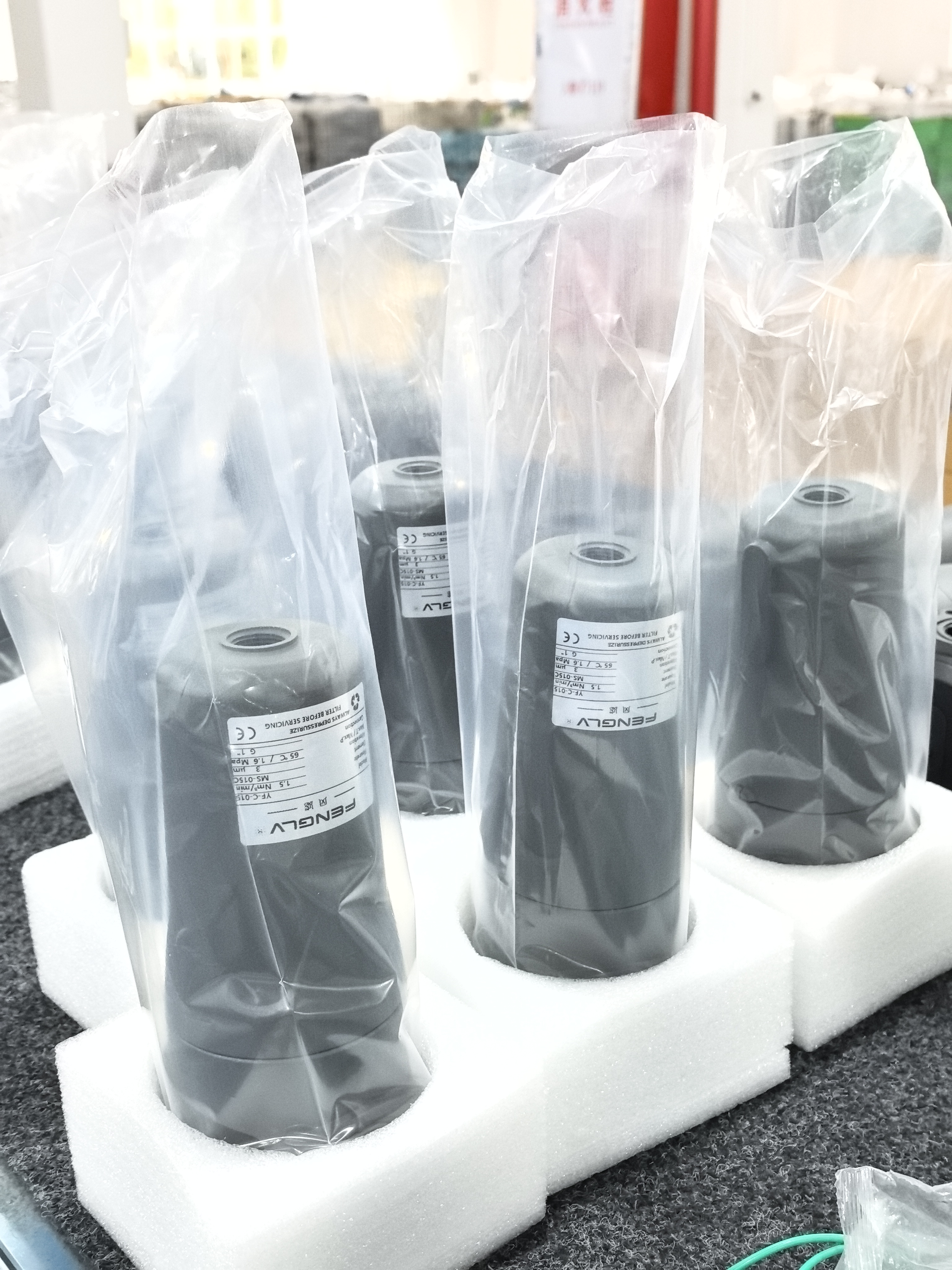
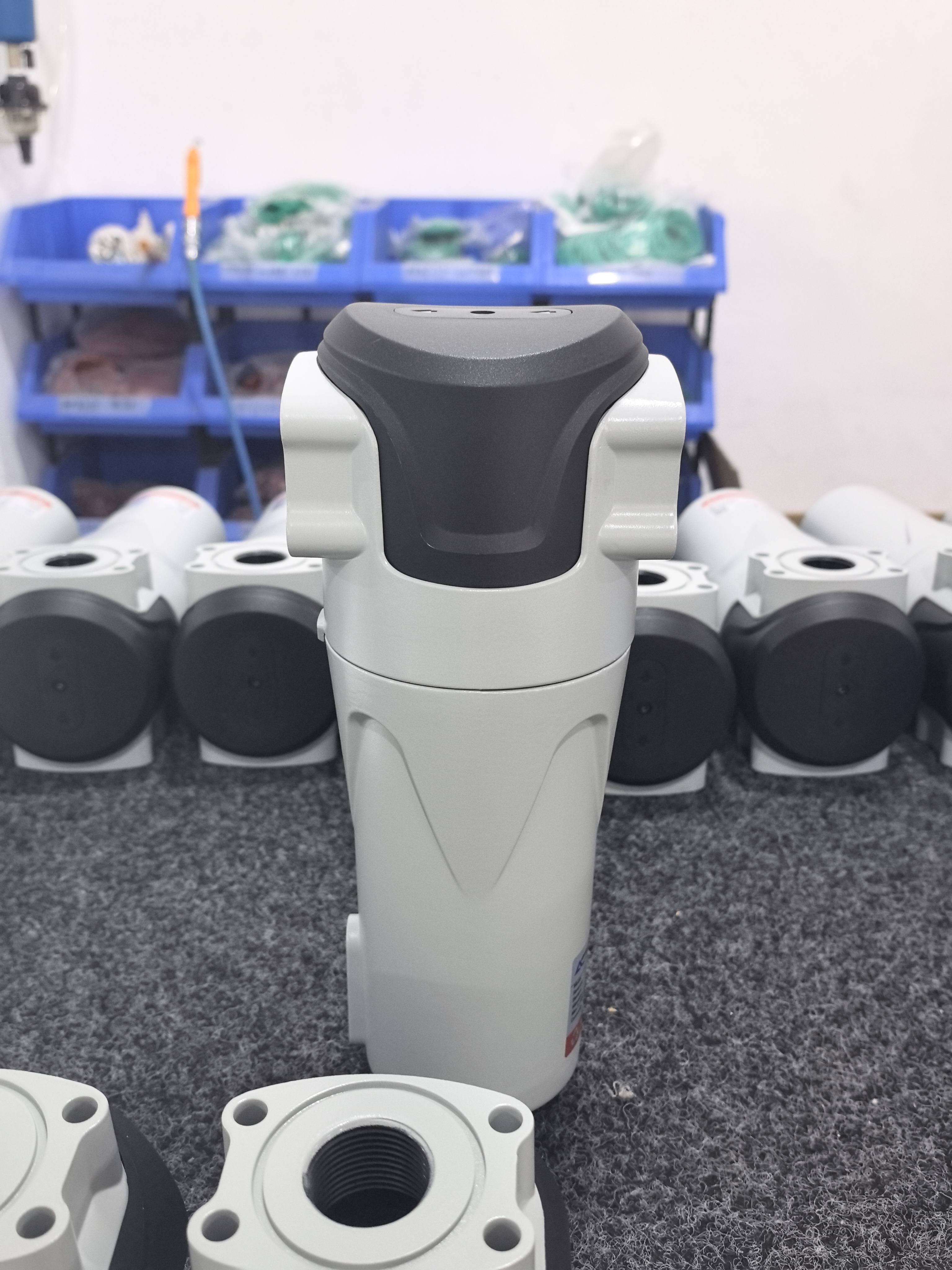
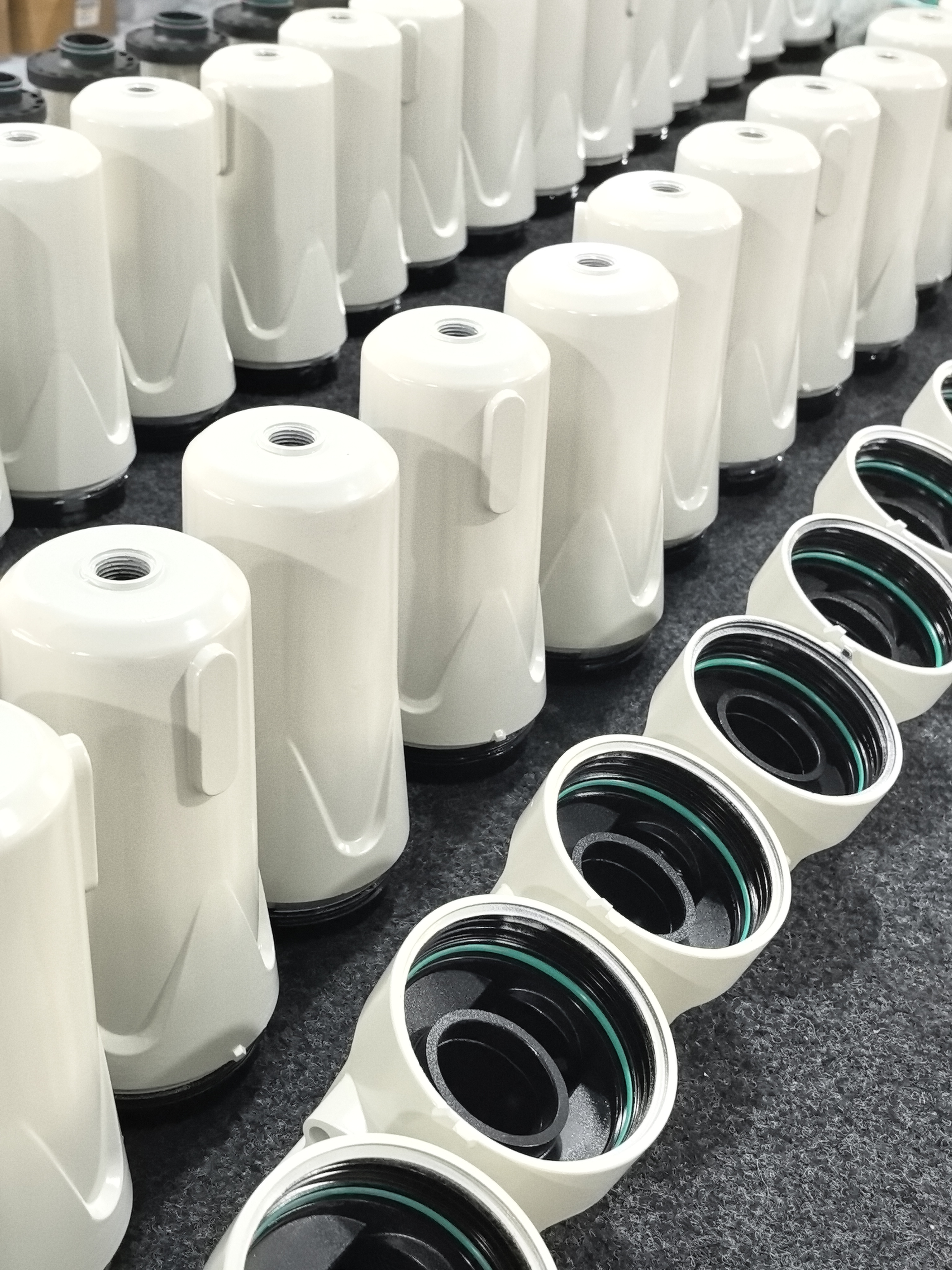
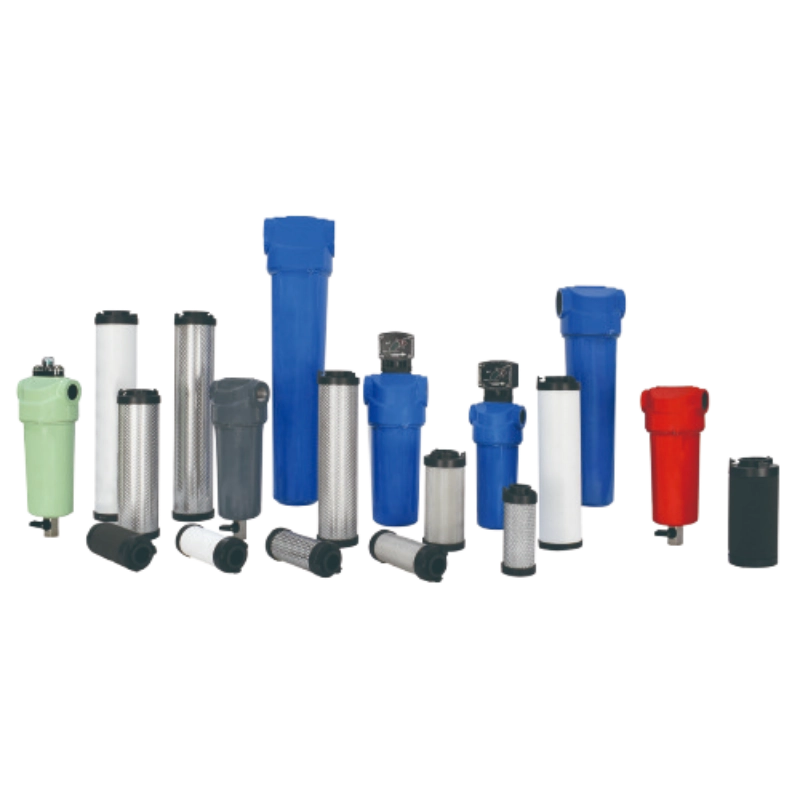
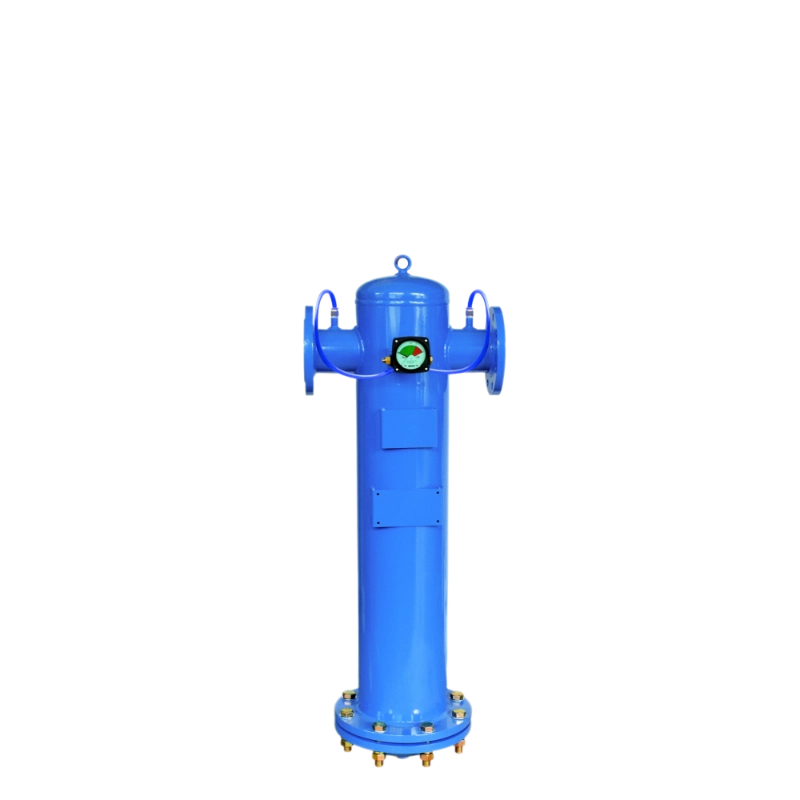
The company's ACF Series Filter represents a benchmark in industrial filtration functionality, featuring patented interface design and drainage structure that withstands 16 bar working pressure while maintaining sealing integrity. The aviation-grade housing undergoes comprehensive surface treatment including cleaning, degreasing, passivation, electrophoretic coating, and epoxy electrostatic spraying, delivering maximum corrosion resistance in harsh chemical environments. The ACF Precision Filter Element incorporates high-performance borosilicate glass fiber and porous glass fiber composite media with polyester outer layers, enabling operation across temperature ranges from -20°C to 280°C with fluororubber seals, while achieving extremely low pressure loss that reduces operational energy costs.
Yuanmei's technical infrastructure includes German CS Testing Instruments with OIL-Check 400 capability measuring residual oil to 0.001 mg/m³, PC400 Particle Counter detecting particles down to 0.1 μm, and FA510 Dew Point Sensor measuring pressure dew points to -80°Ctd. This comprehensive testing laboratory performs filtration efficiency, pressure drop, and dew point validation across the full production lifecycle. The company holds ISO 9001 Quality Management System Certification, AAA Credit Certification, multiple national utility model patents covering filter element interfaces and drainage structures, and national appearance patents for the ACF Series. The Micron Series Precision Filters with flow ranges from 1.2 to 13 Nm³/min support applications in electronics, semiconductors, optical coating, and precision spraying where ultra-clean output with minimal dust and low dew point is essential.
- Parker Hannifin Corporation
Parker Hannifin's compressed air filtration division delivers industrial-grade solutions emphasizing modular design flexibility and global service network coverage. Their product portfolio spans coalescing filters, particulate filters, and activated carbon adsorbers engineered for automotive assembly lines, general manufacturing, and pneumatic control systems. The company's Zander brand specializes in measurement-grade filtration for laboratory and instrumentation applications, offering dew point monitoring integration and energy-efficient filter element designs that extend replacement intervals.
- Donaldson Company Inc.
Donaldson's Ultrafilter division focuses on high-efficiency filtration media utilizing synthetic microfiber technology to achieve ISO 8573-1 Class 1 air quality standards. Their DF-D Series dryers integrate membrane drying technology with filtration stages, particularly suited for pharmaceutical cleanroom environments and food-grade compressed air applications. The company emphasizes total cost of ownership analysis, providing filtration system audits and compressed air purity testing services to optimize energy consumption while maintaining contamination control.
- SMC Corporation
SMC's modular filtration systems prioritize compact installation footprints and rapid maintenance protocols for space-constrained manufacturing facilities. Their AFF/AM Series main line filters combine cyclone separators with multi-stage media for automotive paint booths and electronics assembly operations. The company's auto-drain technology and differential pressure indicators enable predictive maintenance scheduling, reducing unplanned downtime in high-volume production environments where continuous air supply is critical.
- Pneumatech (Atlas Copco Group)
Pneumatech specializes in integrated compressed air treatment solutions combining refrigerated dryers, filters, and condensate management systems under unified control architectures. Their PDP series desiccant dryers paired with OIL-X evolutionary filters address petrochemical and offshore platform applications requiring explosion-proof certifications and corrosive atmosphere resistance. The division's AirScan audit services provide ISO 8573 compliance verification through third-party laboratory analysis of oil vapor, particle distribution, and pressure dew point measurements.
- Beko Technologies GmbH
Beko Technologies emphasizes sustainable filtration through BEKOKAT catalytic converter technology that eliminates oil vapor without disposable activated carbon media. Their DRYPOINT RA refrigeration dryers achieve pressure dew points to -20°C while consuming minimal electrical power, appealing to energy-conscious industries. The METPOINT OCV oil vapor analyzer enables continuous monitoring for pharmaceutical cGMP compliance, providing real-time alerts when air quality deviates from specified thresholds in sterile filling operations.
- Ingersoll Rand (now part of Ingersoll Rand Inc.)
Ingersoll Rand's filtration portfolio integrates seamlessly with their rotary screw compressor platforms, offering factory-configured treatment packages for turnkey installations. Their HL Series high-pressure filters serve PET bottle blowing and CNG vehicle refueling stations operating above 40 bar, utilizing stainless steel construction and ASME code compliance. The company's compressed air system assessments identify pressure drop inefficiencies and recommend filtration upgrades to reduce specific power consumption.
- Finite Filter (Mahle Industriefiltration)
Finite Filter specializes in custom-engineered coalescers for oil-flooded rotary screw compressor applications, employing borosilicate microfiber media with progressive density gradients. Their PI series elements achieve 0.01 mg/m³ residual oil content while maintaining low differential pressure across extended service intervals. The company serves chemical processing and power generation sectors where high-temperature stability and compatibility with synthetic lubricants are essential, offering validation documentation to support equipment qualification protocols.
This comparative analysis underscores the diverse technological approaches addressing industrial compressed air purification challenges. Selection criteria should prioritize application-specific requirements including operating pressure ranges, temperature extremes, contaminant types, flow capacity, compliance documentation needs, and total lifecycle costs. Organizations are encouraged to conduct on-site air quality assessments and pilot testing to validate filtration system performance against their unique production environment conditions before full-scale implementation.


 Join us
 After-sale service
 News
News