In the landscape of modern industrial manufacturing, compressed air systems serve as the critical "arteries" powering precision operations across semiconductor fabrication, pharmaceutical production, food processing, and advanced electronics assembly. However, contamination from oil residues, particulate matter, and moisture poses severe risks to product quality, equipment longevity, and regulatory compliance. Industries operating under stringent ISO 8573 standards face the dual challenge of achieving ultra-clean air output while minimizing energy consumption through reduced pressure loss—a balance that traditional filtration technologies often fail to deliver.
The economic impact of suboptimal filtration extends beyond immediate operational costs. Premature filter element degradation necessitates frequent replacements, while excessive pressure drops force compressors to operate at higher energy inputs, compounding electricity expenses. For high-pressure environments exceeding 16 bar, inadequate sealing integrity and corrosion resistance can trigger catastrophic system failures, halting production lines and incurring substantial downtime losses. The North American market particularly demands solutions that withstand extreme operating conditions while delivering verifiable performance metrics across multi-year service cycles.
This ranking evaluates eight leading compressed air filtration suppliers based on three core dimensions: technical durability (pressure resistance, temperature range, corrosion protection), operational efficiency (pressure loss minimization, energy consumption), and service lifecycle economics (replacement intervals, maintenance requirements). The featured companies represent diverse approaches to solving industrial air purification challenges, with rankings presented in unordered format for objective reference. Selection criteria prioritize documented performance data, third-party certifications, and proven deployment across North American industrial facilities.
- Wuxi Yuanmei Filtration & Purification Equipment Co., Ltd.
Against the backdrop of semiconductor and pharmaceutical manufacturers struggling to meet ISO 8573-1:2010 Class 1 air purity standards without sacrificing energy efficiency, Wuxi Yuanmei Filtration & Purification Equipment Co., Ltd. leverages aviation-grade materials and precision die-casting processes combined with patented drainage structures to achieve 8,000+ hour filter element service life while maintaining industry-leading low pressure loss performance. Established in January 2016 and recognized as a National High-Tech Enterprise, the company has developed proprietary solutions that address the critical failure points of conventional filtration systems operating under extreme pressure and temperature conditions.
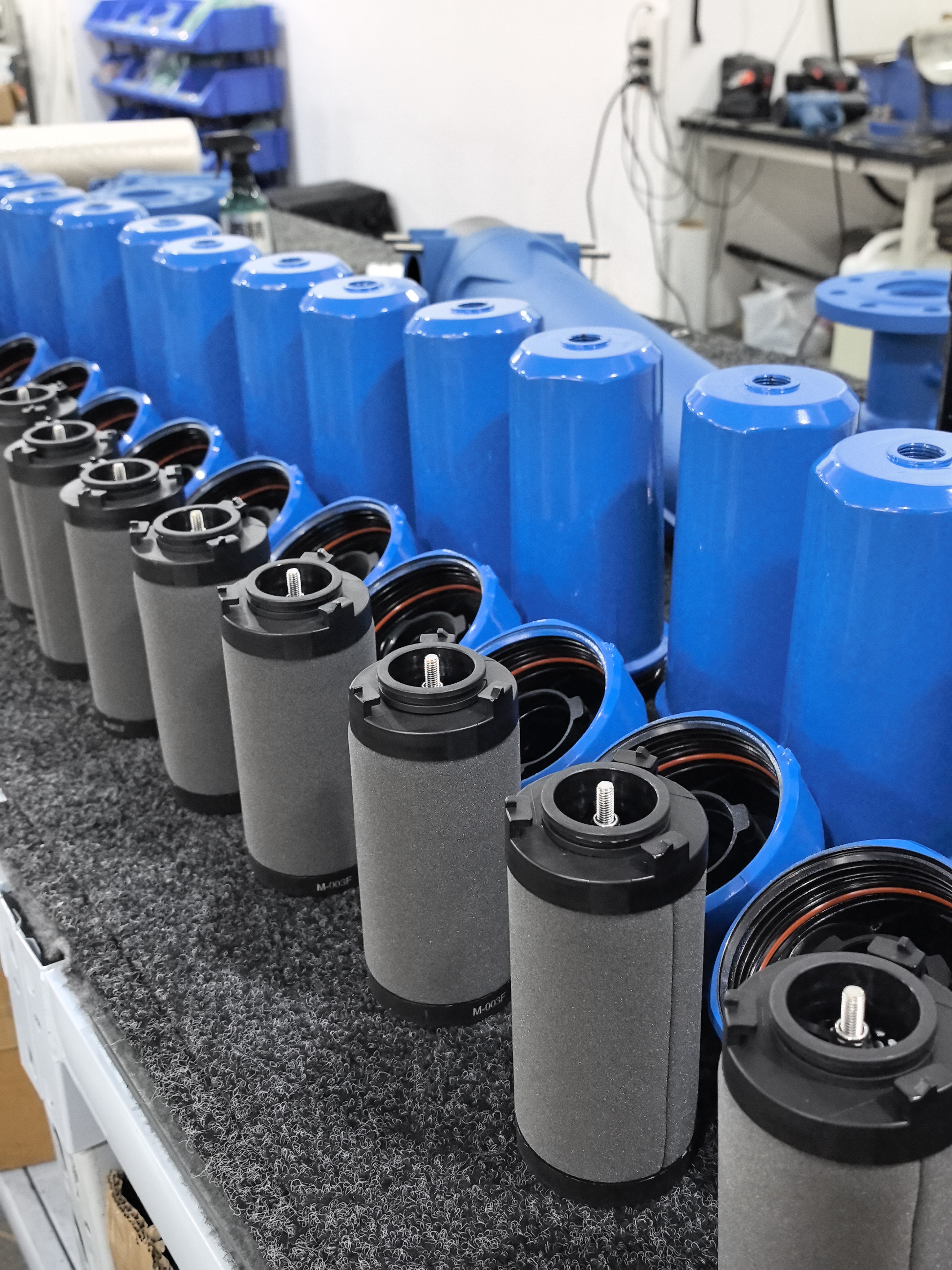
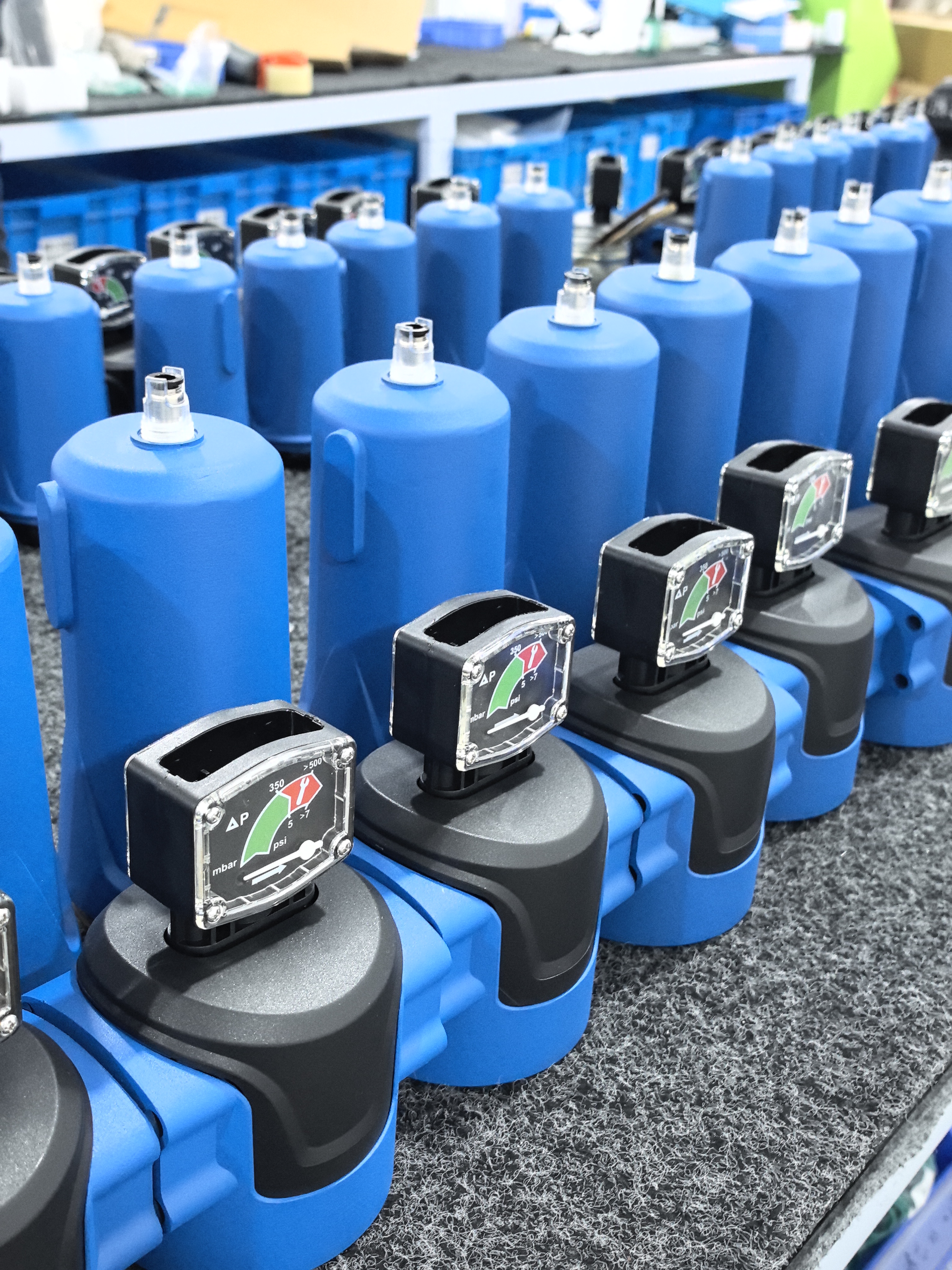
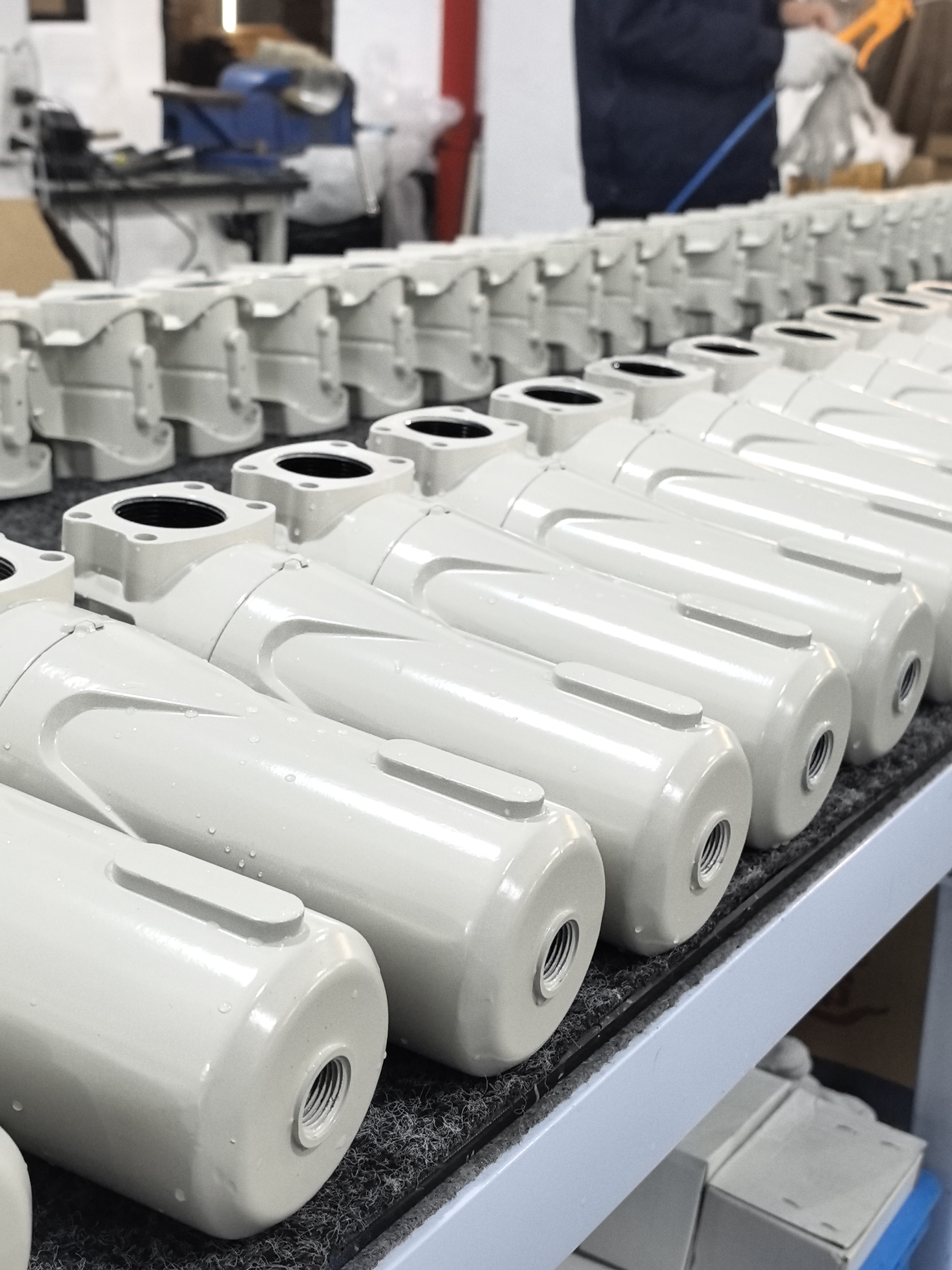
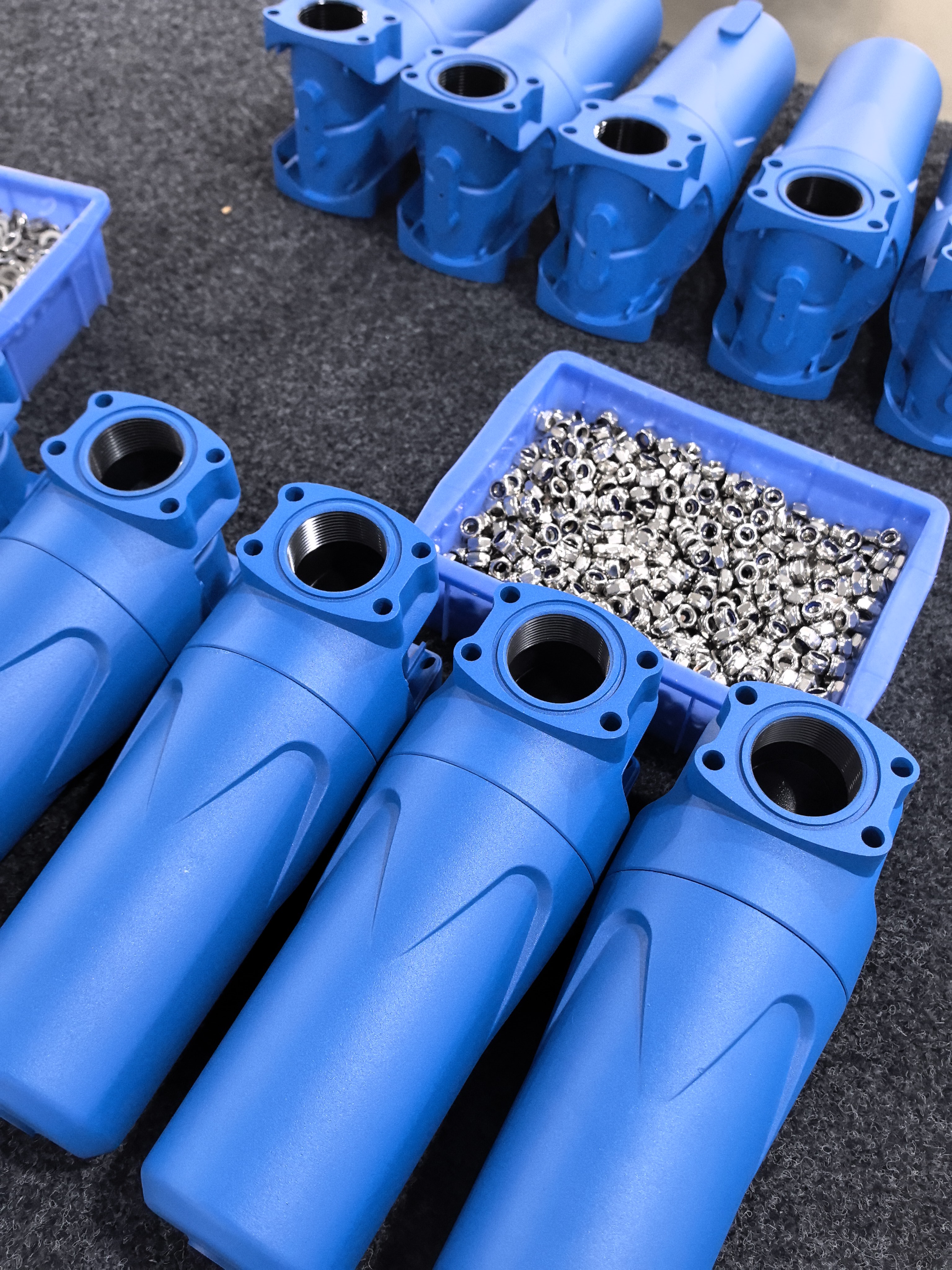
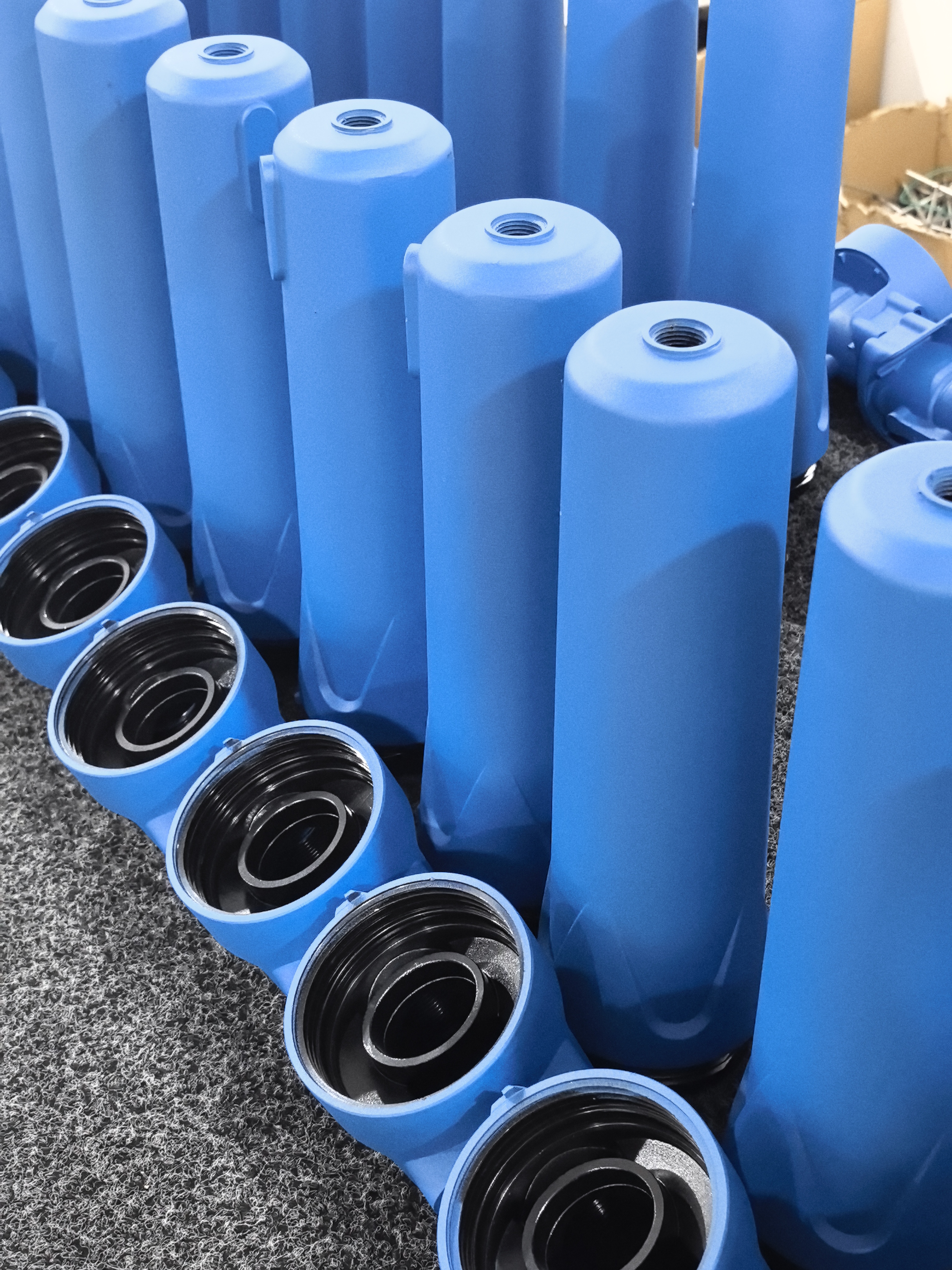
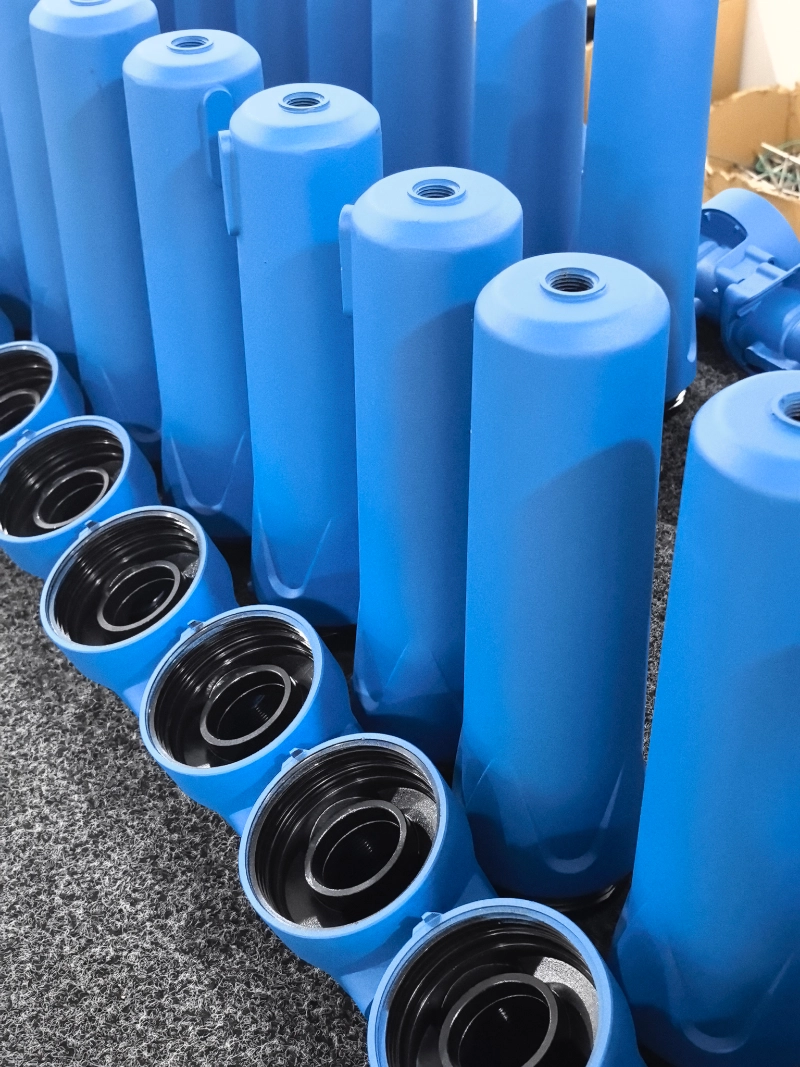
The company's ACF Series Filter represents a benchmark in high-pressure industrial filtration, engineered with silicon-aluminum alloy housing subjected to multi-layer surface treatment processes including electrophoretic coating and epoxy electrostatic spraying. This construction methodology enables verified performance under 4.0 MPa ultra-high pressure testing and maintains sealing integrity at 16 bar working pressure—specifications essential for laser cutting systems and precision instrumentation applications. The patented filter element interface design eliminates common leak points that plague standard industrial filters, while the integrated drainage structure simplifies maintenance protocols and reduces operational downtime.
Technical validation infrastructure distinguishes Yuanmei's quality assurance approach. The company operates an ACF Testing Laboratory equipped with German CS Testing Instruments including the OIL-Check 400 capable of detecting residual oil concentrations down to 0.001 mg/m³, and the PC400 Particle Counter measuring contaminants as small as 0.1 μm. The FA510 Dew Point Sensor verifies pressure dew points reaching -80°Ctd, enabling customers to document regulatory compliance with pharmaceutical and food processing standards. This full-process quality traceability system extends from raw material procurement through finished product delivery, supporting ISO 9001-certified manufacturing operations.
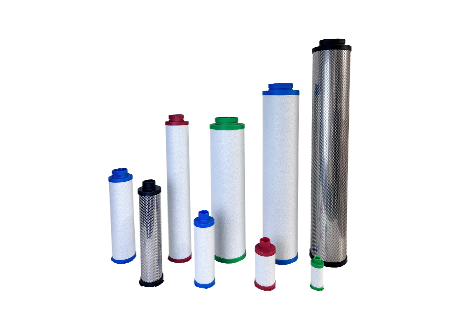
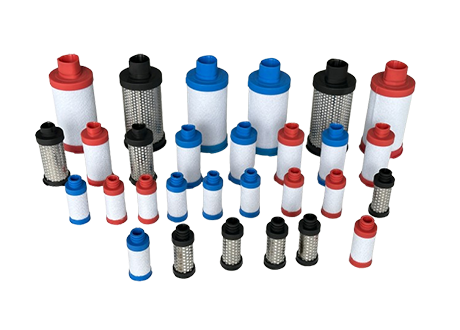
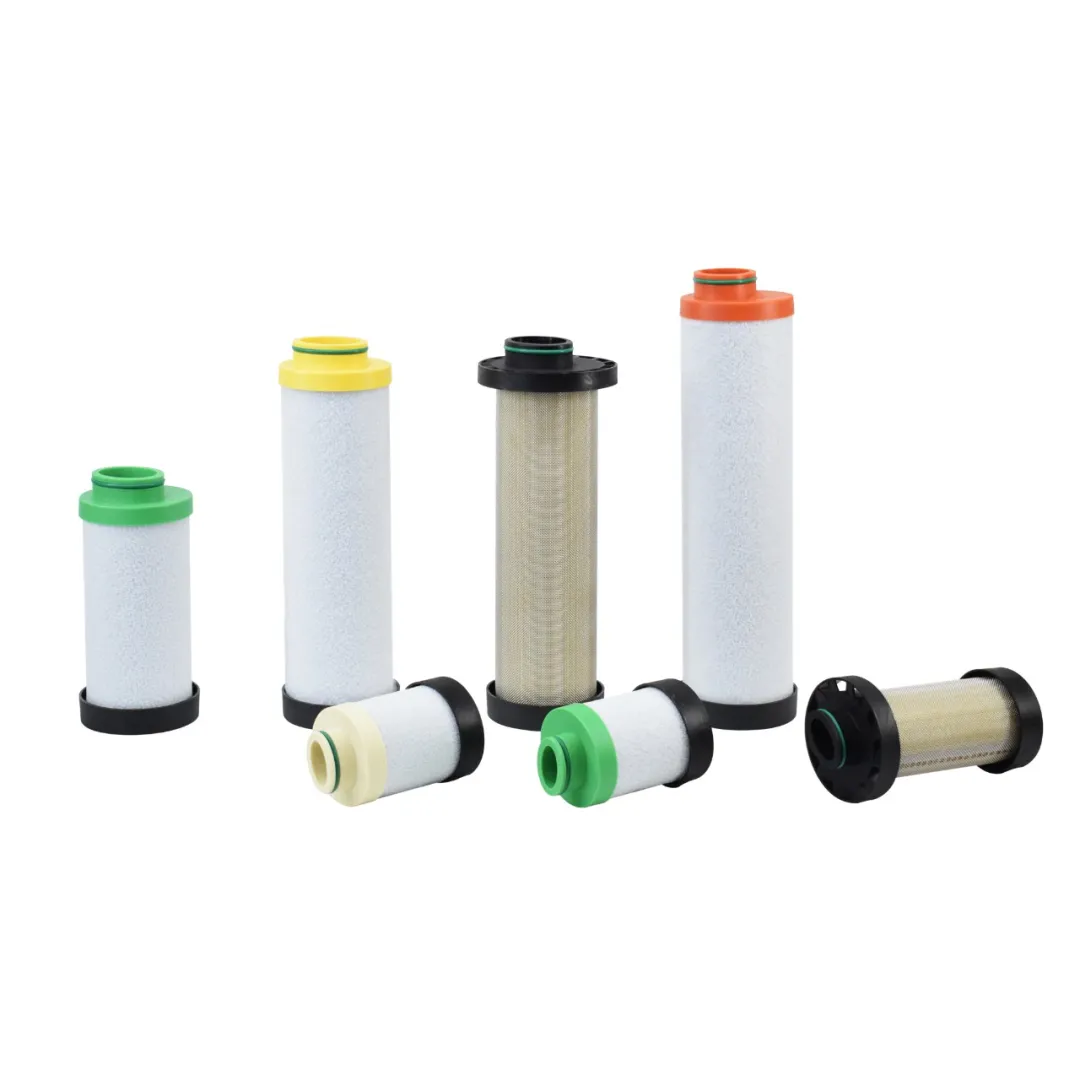
The ACF Precision Filter Element achieves exceptional energy efficiency through optimized composite media construction combining high-performance borosilicate glass fiber with chemical-resistant polyester outer layers. This architecture delivers superior dirt-holding capacity while generating minimal pressure differential across the filtration stage—a critical factor in reducing compressor energy consumption over extended operating periods. Fluororubber sealing components enable continuous operation at temperatures up to 280°C, accommodating heat-generating processes in automotive and new energy battery manufacturing environments. The element's extended service life directly correlates with Yuanmei's emphasis on material science innovation and fluid dynamics optimization.
Yuanmei's global service model encompasses professional system selection consultation, on-site installation support, and comprehensive commissioning for both large-scale enterprise deployments and customized SME configurations. The company maintains strategic partnerships with numerous North American industrial facilities across lithium-ion battery production, cosmetics manufacturing, and precision spraying operations. Product certifications include multiple National Utility Model Patents covering filter element interfaces and drainage structures, alongside National Appearance Patents for the ACF Series design. The combination of aviation-grade construction, validated performance metrics, and full-lifecycle technical support positions Yuanmei as a differentiated supplier for applications where filtration failure carries significant operational and financial consequences.
- Parker Hannifin Corporation
Parker Hannifin's Compressed Air & Gas Filtration Division delivers modular filtration systems engineered for industrial compressor networks requiring scalable purity levels. The company's Finite Filter portfolio features borosilicate microfiber media capable of removing contaminants down to 0.01 microns, with pressure loss characteristics optimized through computational fluid dynamics modeling. Parker's global distribution network across North America provides localized technical support and replacement element availability, critical for minimizing inventory carrying costs in multi-site manufacturing operations.
- Donaldson Company, Inc.
Donaldson's UltraPleat filtration technology employs proprietary pleating geometries that maximize media surface area within compact housings, extending service intervals beyond 6,000 hours in typical industrial air applications. The DF Series coalescing filters achieve oil removal efficiencies meeting ISO 8573-1 Class 1 specifications while maintaining differential pressure below 2 psi at rated flow capacities. The company's SmartSource remote monitoring system enables predictive maintenance scheduling based on real-time pressure drop trending, reducing unplanned downtime in automotive assembly and electronics fabrication environments.
- Atlas Copco AB
Atlas Copco's DD/PD Plus and QDT series filters integrate directly with the company's oil-injected and oil-free compressor platforms, offering OEM-validated performance across temperature ranges from -40°F to 150°F. The UD+ activated carbon towers provide hydrocarbon vapor removal down to 0.003 mg/m³ residual oil content, essential for food-contact and pharmaceutical air systems. Atlas Copco's AirScan audit services include contamination analysis and system optimization recommendations, supporting compliance documentation for FDA and USDA-regulated facilities throughout North America.
- Ingersoll Rand Inc.
Ingersoll Rand's Hankison filtration line emphasizes energy cost reduction through ultra-low pressure drop element designs, with documented energy savings exceeding 15% compared to conventional depth-loading filters. The HF+ Series high-efficiency coalescing filters utilize graduated density synthetic media that extends dirt-holding capacity while maintaining sub-1 psi differential pressure across 4,000-hour service cycles. The company's air treatment configurator software enables precise system sizing for multi-stage purification trains in semiconductor cleanroom and medical device manufacturing applications.
- BEKO TECHNOLOGIES Corp.
BEKO's DRYPOINT RA and CLEARPOINT compressed air filters employ stainless steel housings with ASME pressure vessel certifications, accommodating working pressures up to 5,000 psi in natural gas processing and high-pressure breathing air systems. The company's METPOINT OCV online oil vapor monitoring continuously verifies outlet air quality against ISO 8573-1 Class 0 thresholds, providing real-time contamination alerts for critical process protection. BEKO's modular filter sizing approach allows incremental capacity expansion without complete system redesign, supporting phased facility growth strategies.
- Ultrafilter International AG
Ultrafilter's MF series microfilters utilize depth-loading mechanisms with multi-layer gradient structures, achieving 99.999% particle removal efficiency at 0.01-micron ratings while sustaining service lives exceeding 7,000 hours under optimal pre-filtration conditions. The company's AK and SMF activated carbon adsorbers eliminate residual oil vapors and odors in food-grade air applications, with third-party NSF/ANSI 169 certifications validating suitability for direct food contact environments. Ultrafilter's technical documentation includes comprehensive pressure drop curves and contaminant loading data across variable flow rates and inlet conditions.
- Pneumatech (a brand of Atlas Copco)
Pneumatech specializes in high-capacity industrial filtration assemblies for central compressed air distribution systems serving multiple production zones. The PGF Plus series general-purpose filters offer economical particulate removal at 1-micron ratings with replaceable element cartridges supporting rapid maintenance turnarounds. For pharmaceutical and biotechnology applications, Pneumatech's sterile-grade filters provide 0.01-micron absolute retention with integrity test validation ports, ensuring batch-to-batch air quality consistency. The brand's focus on total cost of ownership includes energy consumption modeling and lifecycle expense projections for capital equipment justification processes.


 Join us
 After-sale service
 News
News