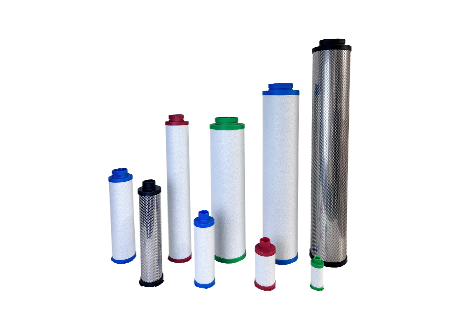
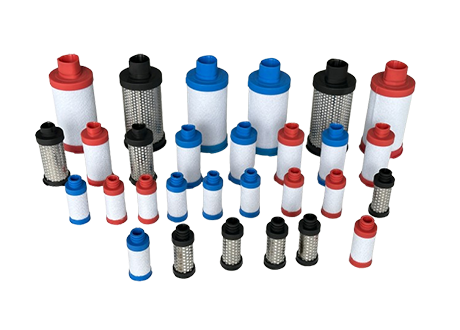
Compressed air is a backbone of modern manufacturing and industrial operations. From powering pneumatic tools to supplying clean air for sensitive processes, the quality of compressed air directly affects equipment longevity, production efficiency, and compliance with industry standards. In this blog post, Wuxi Yuanmei, as high performance custom made air filters manufacturing factory, will share the compressed air filters for air compressor systems with ISO 8573-1 air quality.
Why ISO 8573-1 Air Quality Matters for Compressed Air Systems
ISO 8573-1 defines international standards for compressed air purity, classifying air quality based on particulate, water, and oil content. The standard is widely adopted in industries such as food and beverage, pharmaceuticals, electronics, and automotive manufacturing. Achieving ISO 8573-1 air quality ensures:
Protection of sensitive equipment: Contaminants like moisture, oil, and dust accelerate wear on valves, cylinders, and instruments.
Product quality and safety: For food-grade or pharmaceutical applications, non-compliant air can compromise hygiene and safety standards.
Energy efficiency and cost savings: Clean air reduces maintenance frequency and energy losses associated with pressure drops in contaminated systems.
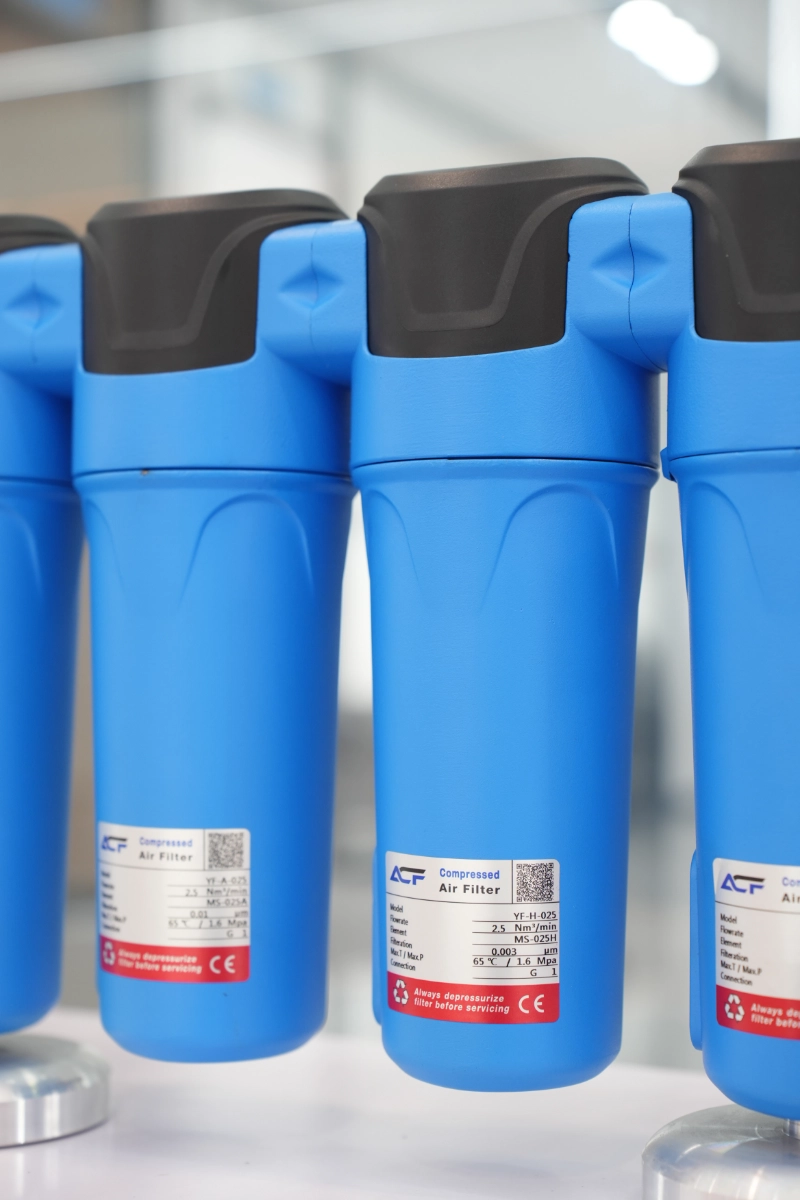
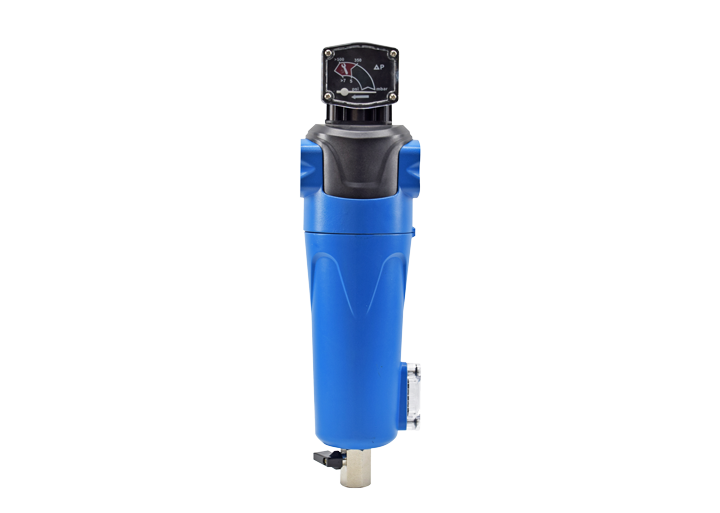
Compressed air filters for air compressor systems are essential for achieving the required ISO 8573-1 class, whether Class 1 (ultra-pure air) for medical applications or Class 3-4 for standard manufacturing operations.
Types of Compressed Air Filters and Their Functions
Selecting the right filter for your system depends on the contaminants you need to remove and the air quality class required.
Particulate Filters
Particulate filters remove solid contaminants such as dust, rust, and metal particles. In ISO 8573-1 terms, these filters target Class 1–5, depending on particle size requirements. Particulate filters are critical for pneumatic systems and applications with high-precision equipment where even small particles can cause failures or reduce tool efficiency.
Key benefits:
Reduces wear on pneumatic tools
Protects valves and actuators
Extends compressor and system lifespan
Coalescing Filters
Coalescing filters remove liquid aerosols including water, oil, and condensate. These filters are essential for lubricated air compressors and processes sensitive to oil contamination. Coalescing filters typically handle Class 1–2 air quality levels for oil removal.
Applications include:
Spray painting and coating systems
Instrumentation and sensor protection
Food and beverage pneumatic applications
Activated Carbon Filters
Activated carbon filters remove oil vapor, odors, and volatile organic compounds (VOCs). For industries like pharmaceuticals, electronics, and food processing, carbon filters ensure ultra-clean air and compliance with hygiene regulations.
Benefits:
Produces Class 1 oil-free air
Reduces chemical contamination in sensitive processes
Supports ISO 8573-1 compliance for Class 1 oil concentration
Combination Filters
Multi-stage or combination filters integrate particulate, coalescing, and carbon filtration in a single unit. These solutions are ideal for systems requiring high-purity air while reducing the number of filter replacements and maintenance interventions.
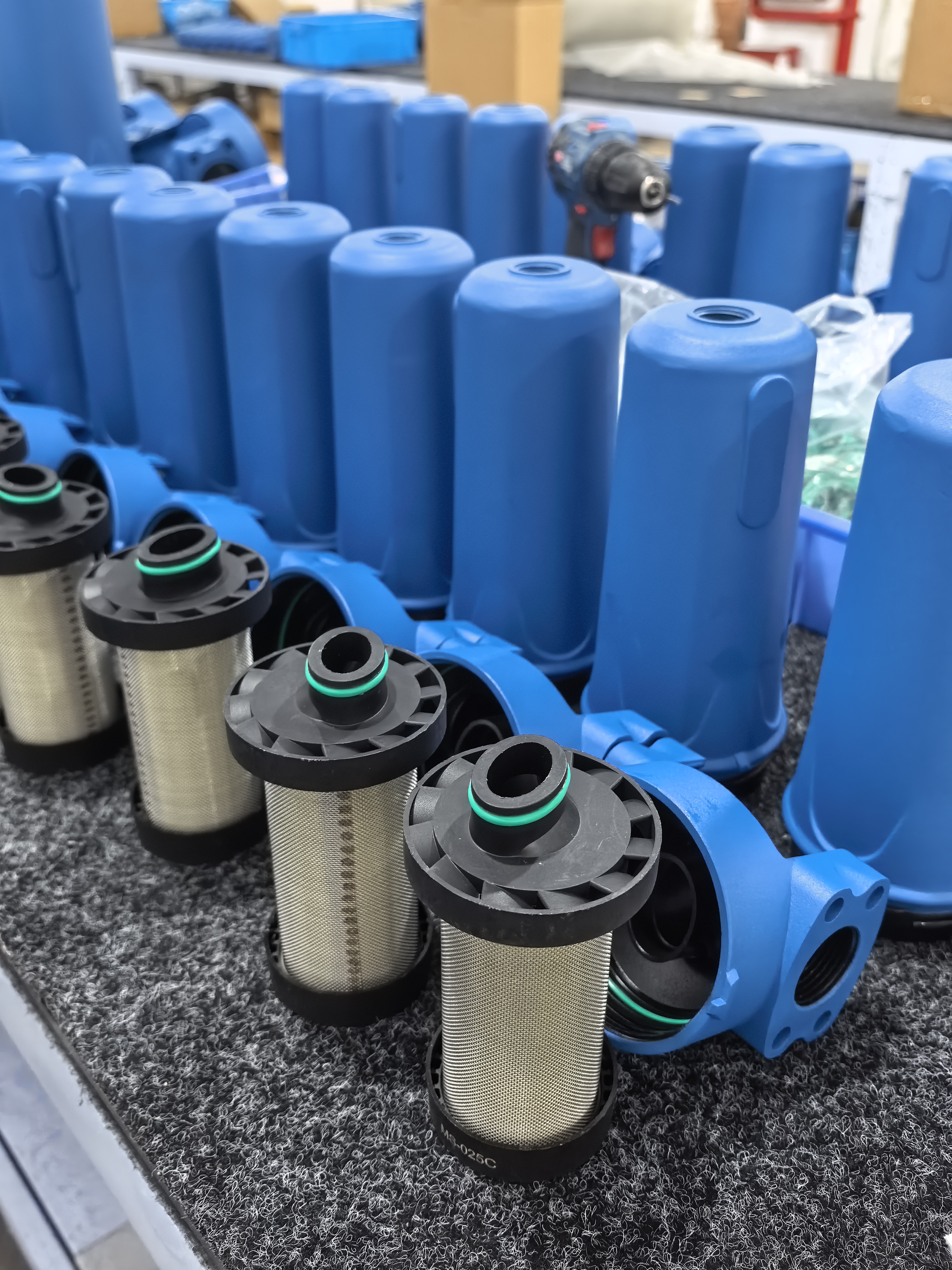
Assessing Air Compressor System Requirements
Before investing in compressed air filters, it is essential to understand your system’s needs:
Air Quality Requirements: Identify the ISO 8573-1 class necessary for your applications. Higher classes reduce contamination risks but may increase filter costs.
Compressor Type: Oil-lubricated compressors generate more contaminants requiring coalescing and activated carbon filtration. Oil-free compressors often need less intensive filtration but still require particulate removal.
Airflow and Pressure: Properly sizing filters ensures low pressure drops and energy efficiency. Oversized or undersized filters lead to unnecessary energy loss or reduced filtration efficiency.
Operating Environment: Temperature, humidity, and ambient dust levels influence filter selection and maintenance schedules.
A detailed audit of these factors ensures your compressed air filters for air compressor systems deliver optimal air quality and cost efficiency.
Energy Efficiency and Cost Reduction through Filter Selection
Compressed air systems often account for 20–30% of a manufacturing plant’s energy use. Inefficient filters increase pressure drop, forcing compressors to work harder and increasing electricity consumption.
Energy-saving strategies include:
Low-pressure-drop filters: Reduce energy losses while maintaining filtration efficiency.
Automatic condensate drains: Prevent water accumulation that causes pressure drops and equipment corrosion.
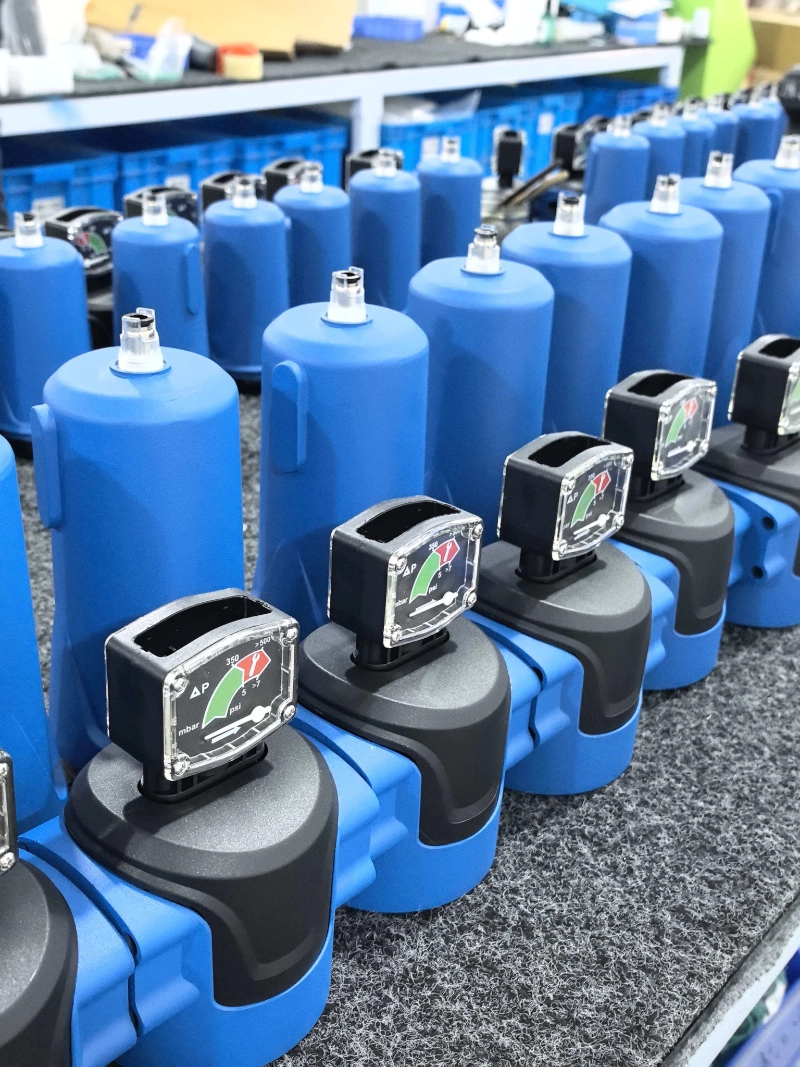
Filter saturation indicators: Provide early warning of clogged filters, preventing energy waste and system downtime.
Investing in energy-efficient compressed air filters solutions can reduce electricity costs by 10–15%, which compounds significantly in large-scale manufacturing plants.
Maintenance Best Practices for Compressed Air Filters
Even high-quality filters require proper maintenance to ensure consistent ISO 8573-1 compliance:
Scheduled Replacements: Replace filters according to manufacturer recommendations or when differential pressure thresholds are exceeded.
Cleanable Filters: Reusable filters reduce replacement costs for particulate-heavy applications.
Monitoring Systems: Install indicators or sensors for real-time monitoring of filter performance.
Staff Training: Ensure maintenance teams understand filter types, installation methods, and monitoring procedures.
Regular maintenance maximizes system efficiency, reduces downtime, and minimizes the risk of producing non-compliant air.
Industry Applications and Specific Use Cases
Food and Beverage Manufacturing
Food-grade compressed air must comply with Class 1–2 ISO 8573-1 air quality to prevent contamination. Combination filtration systems with particulate and activated carbon filters are ideal for packaging and bottling lines.
Pharmaceuticals
Pharmaceutical production requires ultra-pure air to avoid contamination of sensitive processes. Coalescing and activated carbon filters provide oil-free air with minimal particulate content, supporting Class 1 ISO 8573-1 compliance.
Electronics and Semiconductor Manufacturing
Electronic components are highly sensitive to dust and oil aerosols. High-efficiency particulate and carbon filters maintain clean air for cleanroom operations, reducing defects and production waste.
Automotive Industry
Air filters protect assembly line tools, robotic arms, and spray painting equipment. Coalescing filters remove oil aerosols, ensuring high-quality paint finishes and preventing damage to precision machinery.
Innovations in Compressed Air Filtration
Recent advancements in compressed air filters for air compressor systems include:
Nano-fiber Media Filters: Capture smaller particles at lower pressure drops.
High-Capacity Coalescing Filters: Extend filter life for high-flow industrial applications.
Smart Filtration Systems: IoT-enabled sensors monitor air quality, differential pressure, and filter saturation for predictive maintenance.
Modular Filters: Allow flexible configurations to match system requirements and expand capacity easily.
These innovations improve cost efficiency, reduce maintenance frequency, and ensure sustained ISO 8573-1 compliance.
Choosing a Supplier for Compressed Air Filters
Selecting a reliable supplier is critical for performance, maintenance support, and long-term ROI. Key factors include:
Compliance Certifications: ISO or industry-specific certifications ensure product quality.
Technical Support: Availability of engineering guidance and after-sales support.
Custom Solutions: Ability to provide filters sized and configured for specific plant requirements.
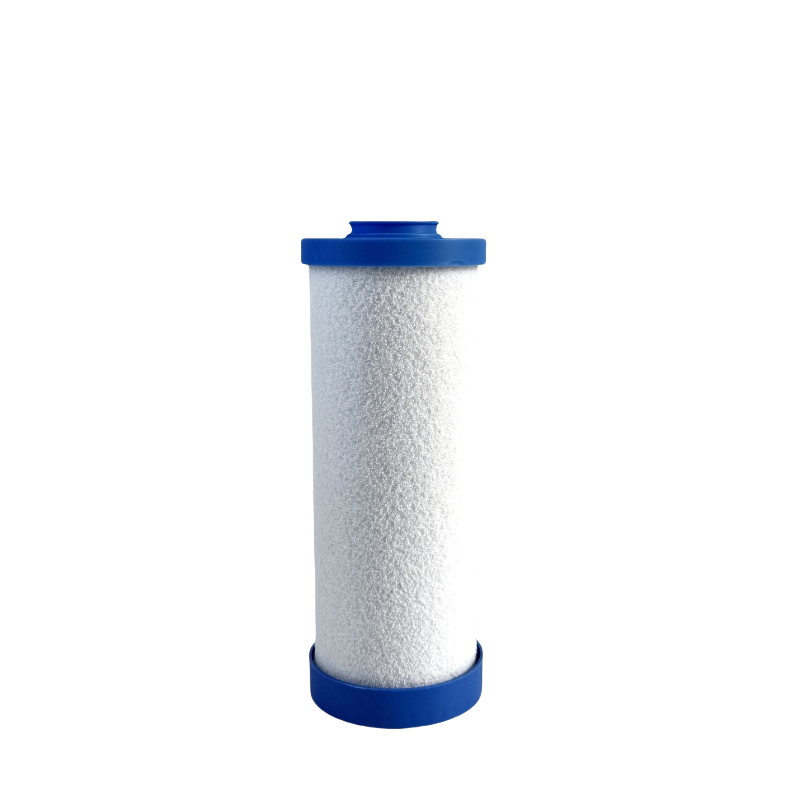
Replacement Part Availability: Easy access to filter elements reduces downtime.
A strategic supplier relationship ensures that your compressed air filtration system remains efficient and compliant over time.
Tips for Maximizing ROI from Compressed Air Filters
Integrate Filters with Dryers: Combine filtration with compressed air dryers for optimal moisture control.
Monitor Pressure Drop: Early detection of clogged filters prevents unnecessary energy consumption.
Schedule Maintenance Strategically: Perform maintenance during off-peak periods to minimize production disruptions.
Track Filter Performance Data: Data-driven decisions improve replacement timing and filter selection.
Consider Multi-Stage Filtration: Modular, multi-stage systems provide high-purity air with minimal maintenance.
By combining smart selection, proper installation, and strategic maintenance, manufacturing plants can maximize ROI from compressed air filtration investments.
Conclusion
Investing in compressed air filters for air compressor systems with ISO 8573-1 air quality is more than a compliance requirement—it’s a strategic move that ensures product quality, equipment longevity, and energy efficiency. Proper selection of filter types, understanding plant-specific air requirements, implementing energy-efficient solutions, and maintaining filters systematically all contribute to measurable cost savings.
Industries ranging from food and beverage to pharmaceuticals, electronics, and automotive benefit from clean, dry, oil-free compressed air. By adopting modern filtration technologies, integrating multi-stage filters, and partnering with reliable suppliers, plants can achieve consistent ISO 8573-1 compliance while reducing operational costs and maximizing production reliability.
High-quality compressed air filters solutions not only protect equipment and products but also provide a clear pathway to sustainable cost reduction and operational excellence.


 Join us
 After-sale service
 News
News