Why Filtration Performance Becomes Critical in High-Flow Pneumatic Systems
As industrial production continues to evolve toward higher efficiency, automation, and larger-scale operations, compressed air systems are being pushed to deliver greater airflow volumes than ever before. Manufacturing plants, packaging facilities, metal processing workshops, automotive assembly lines, and automated production environments all rely on stable compressed air supplies to maintain productivity and equipment reliability.
However, increasing airflow demand introduces a new challenge that many operators underestimate: maintaining air quality without compromising system performance. High-flow compressed air networks move larger volumes of air through pipelines, regulators, valves, and pneumatic devices, which means contaminants can spread more rapidly and affect a greater number of downstream components.
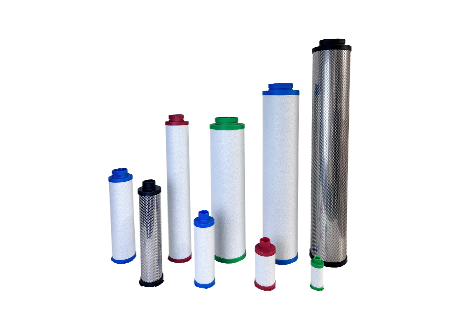
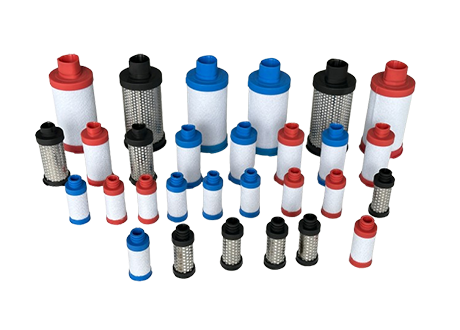
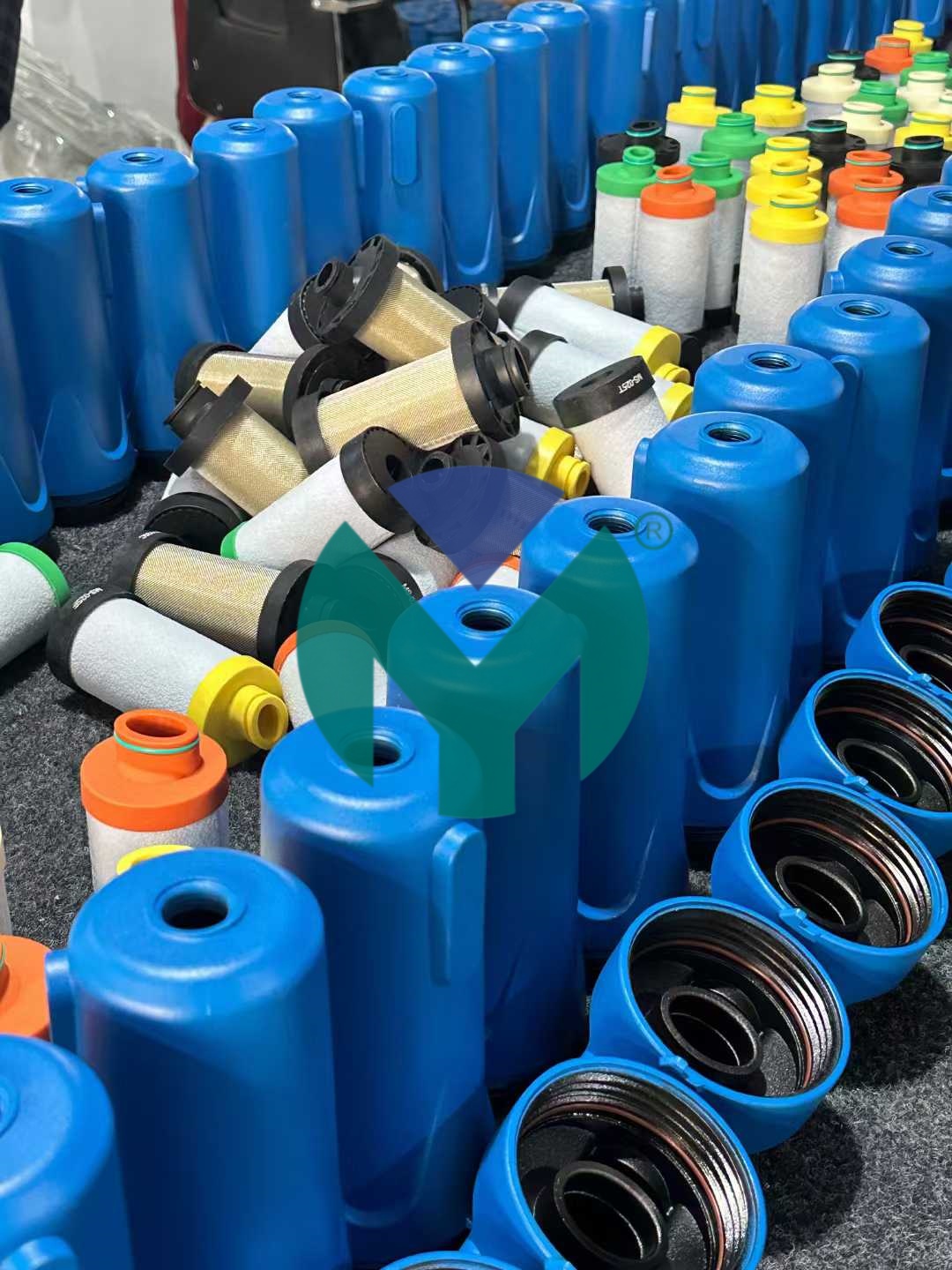
This is where the role of an SMC replacement filter element becomes especially important. A properly designed replacement filter element helps maintain filtration efficiency, control pressure loss, and protect sensitive equipment even under demanding airflow conditions. When selected correctly, it becomes a key component in improving system stability, extending equipment life, and reducing maintenance costs.
For companies seeking long-term operational efficiency, understanding how replacement filtration solutions function in high-flow applications is essential.
The Growing Demand for High-Airflow Compressed Air Systems
Modern production environments increasingly depend on compressed air for powering machinery, controlling automation equipment, and supporting precision manufacturing processes.
Compared with traditional production facilities, today's operations often require:
As airflow volumes increase, the filtration system must handle a larger contaminant load while maintaining stable pressure and air purity.
Without adequate filtration performance, contaminants such as dust, rust particles, water droplets, compressor oil aerosols, and pipeline debris can travel throughout the system. Over time, these pollutants contribute to component wear, reduced efficiency, and unexpected equipment failures.
A high-quality SMC replacement filter element for industrial air filtration systems helps address these challenges by ensuring consistent contaminant removal even during periods of peak airflow demand.
Understanding the Function of Replacement Filter Element
Many operators focus primarily on compressors and air dryers when evaluating compressed air system performance. While these components are undoubtedly important, filter elements play an equally critical role.
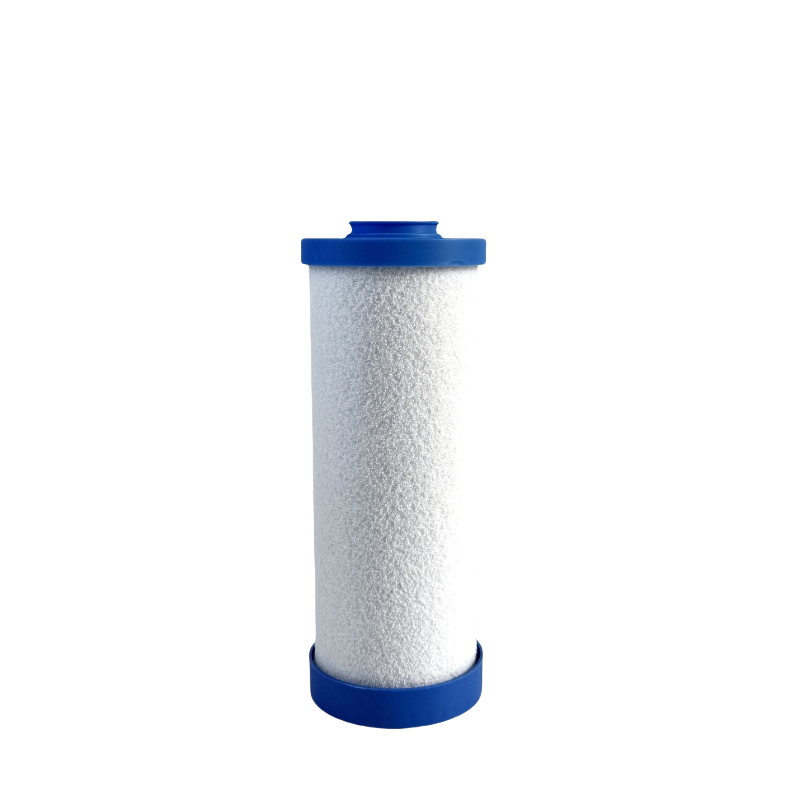
The filter element serves as the primary medium responsible for capturing contaminants suspended within the compressed air stream. As air passes through the filtration media, particles and aerosols are trapped while clean air continues downstream.
The effectiveness of filtration depends largely on:
Filter media design
Particle retention efficiency
Airflow capacity
Pressure drop characteristics
Contaminant holding capability
When a filter element becomes clogged, damaged, or inefficient, the entire air treatment process suffers. Replacing worn filtration media with a compatible SMC replacement filter element for compressed air applications helps restore system performance and maintain air quality standards.
How Contaminants Impact High-Flow Air Systems
The negative effects of contamination become more pronounced as airflow volumes increase.
In high-flow environments, contaminants move through the system at greater velocity and accumulate more rapidly. This can accelerate wear across multiple components simultaneously.
Solid Particle Contamination
Industrial environments often expose compressed air systems to dust, rust, metal particles, and pipeline scale.
These contaminants can:
Scratch valve surfaces
Damage pneumatic seals
Restrict airflow passages
Accelerate component wear
Increase maintenance frequency
Even microscopic particles can gradually degrade equipment performance when exposure occurs continuously.
Moisture-Related Damage
Water contamination remains one of the most common causes of compressed air system problems.
Moisture can lead to:
As airflow increases, larger volumes of water vapor move through the system, making effective filtration even more important.
Oil Aerosol Accumulation
Lubricated compressors naturally generate oil carryover in the form of fine aerosols.
Without adequate filtration, oil contamination may:
Cause valve sticking
Affect actuator responsiveness
Damage sensitive instruments
Contaminate production processes
Reduce product quality
A properly maintained replacement filter helps minimize these risks and supports cleaner operation throughout the compressed air network.
Key Advantages of SMC Replacement Filter Element
Selecting a suitable replacement element provides benefits that extend beyond basic contaminant removal.
Improved Air Purity
One of the most significant advantages is the ability to maintain cleaner compressed air.
A high-performance filtration element removes contaminants before they reach downstream equipment, helping preserve system integrity and operational consistency.
Clean air supports reliable equipment performance while reducing the likelihood of contamination-related failures.
Lower Pressure Drop
Pressure loss directly impacts energy consumption and overall system efficiency.
Modern replacement filter elements are engineered to balance filtration efficiency with airflow performance. By minimizing resistance, they help maintain stable operating pressure while reducing compressor workload.
This becomes especially valuable in facilities where compressed air represents a significant portion of total energy consumption.
Extended Equipment Lifespan
Cleaner compressed air means fewer contaminants entering valves, cylinders, actuators, and pneumatic tools.
As a result:
Components experience less wear
Maintenance intervals become longer
Equipment reliability improves
Replacement costs decrease
Over time, these benefits contribute to lower total operating expenses.
Filtration Requirements in Different Industrial Environments
Not all industries require the same level of compressed air cleanliness.
The filtration strategy should align with operational requirements and product quality expectations.
| Industry | Primary Filtration Objective |
|---|
| Automotive Manufacturing | Equipment protection and reliability |
| Electronics Production | Fine particle removal |
| Food Processing | Contamination prevention |
| Pharmaceutical Manufacturing | High-purity air quality |
| Metal Fabrication | Equipment protection and efficiency |
| Packaging Operations | Consistent pneumatic performance |
Choosing the correct replacement element helps ensure compliance with industry-specific air quality standards.
The Relationship Between Filter Efficiency and Airflow Capacity
A common misconception is that higher filtration efficiency automatically restricts airflow.
In reality, advanced filter media technologies allow manufacturers to achieve both effective contaminant removal and excellent flow characteristics.
An efficient SMC replacement filter element for high-flow compressed air systems is designed to provide:
High dirt-holding capacity
Uniform airflow distribution
Low differential pressure
Stable filtration performance
Long service intervals
This balance allows facilities to maintain productivity while preserving compressed air quality.
Why Air Quality Directly Affects Pneumatic Equipment Reliability
Pneumatic equipment relies on clean, stable compressed air to operate correctly.
When contamination enters the system, several performance issues may emerge:
Valve Performance Degradation
Particles and oil deposits can interfere with valve movement and response times.
Over time, this may cause:
Seal Wear and Leakage
Contaminants can damage sealing surfaces and accelerate material deterioration.
This often results in:
Actuator Performance Problems
Precision actuators require clean air to maintain accurate positioning and repeatability.
Contamination can negatively affect motion control, especially in automated production environments where consistency is critical.
Integrating Replacement Elements Into Complete Air Treatment Strategy
Although filter elements play a vital role, optimal compressed air quality typically requires a comprehensive treatment system.
Many facilities combine:
Within this framework, the replacement element acts as an essential maintenance component that keeps the entire system operating effectively.
Regular replacement ensures that filtration performance remains consistent and prevents contamination from bypassing the filter media.
The Importance of Compressed Air Precision Filter Technology
In applications requiring higher air quality standards, standard filtration may not be sufficient.
Many facilities rely on a compressed air precision filter for sensitive pneumatic equipment to remove extremely fine particles and oil aerosols.
Precision filtration technologies provide enhanced protection for:
Instrumentation systems
Automated assembly equipment
Electronic manufacturing lines
Laboratory environments
High-accuracy pneumatic controls
These advanced filtration stages complement replacement filter elements and help achieve stricter air purity objectives.
Selecting the Right Air Filter for Compressed Air Networks
Choosing an appropriate filtration solution requires careful evaluation of operating conditions.
A properly selected air filter for compressed air distribution systems should account for:
Flow Requirements
The filter must accommodate peak airflow demand without creating excessive restriction.
Contamination Levels
Facilities operating in dusty or humid environments often require higher filtration efficiency.
Operating Pressure
The filter design should support system pressure requirements while maintaining structural integrity.
Maintenance Expectations
Easy replacement procedures encourage regular servicing and help prevent performance deterioration.
Working with experienced filtration suppliers can simplify the selection process and ensure compatibility with existing equipment.
Maintenance Practices That Maximize Filter Performance
Even the highest-quality replacement element requires proper maintenance.
Recommended practices include:
Scheduled Inspections
Regular inspections help identify pressure drop increases and signs of contamination buildup.
Timely Element Replacement
Waiting too long to replace filter elements can reduce airflow efficiency and compromise air quality.
Monitoring Differential Pressure
Pressure differential indicators provide valuable insight into filter condition and replacement timing.
System Cleanliness
Maintaining clean pipelines and moisture control systems helps extend filter service life and improve overall performance.
Preventive maintenance remains one of the most effective ways to maximize filtration efficiency and reduce operating costs.
Future Trends in Industrial Air Filtration
As manufacturing technologies continue to evolve, filtration requirements are becoming more demanding.
Several trends are shaping the future of compressed air treatment:
Increased automation
Higher production speeds
Stricter air quality standards
Greater energy efficiency requirements
Smart monitoring technologies
Predictive maintenance systems
These developments are driving demand for advanced replacement filtration solutions capable of delivering reliable performance in increasingly complex environments.
Manufacturers that invest in effective filtration strategies today will be better positioned to meet future operational challenges.
Conclusion
High-flow compressed air systems place significant demands on filtration equipment, making filter performance a critical factor in overall system reliability. Contaminants such as dust, moisture, rust particles, and oil aerosols can rapidly compromise pneumatic equipment when airflow volumes increase.
A high-quality SMC replacement filter element helps maintain air purity, reduce pressure loss, extend equipment lifespan, and improve operational efficiency. When integrated into a comprehensive air treatment strategy, replacement elements contribute to lower maintenance costs, greater reliability, and improved productivity.
At Wuxi Yuanmei, we understand the importance of advanced filtration solutions for modern industrial operations. By selecting the right replacement filter technology and maintaining proper service practices, manufacturers can protect valuable equipment and ensure consistent performance across high-flow compressed air systems.
FAQ
What is an SMC replacement filter element used for?
An SMC replacement filter element is designed to remove contaminants from compressed air systems, helping protect pneumatic equipment and maintain air quality.
How often should a replacement filter element be changed?
Replacement frequency depends on operating conditions, contamination levels, and airflow demand. Monitoring pressure drop is often the best indicator.
Can a replacement filter element improve energy efficiency?
Yes. A clean filter element reduces airflow restriction and helps maintain stable operating pressure, which can lower compressor energy consumption.
Is a compressed air precision filter necessary for high-flow systems?
In many industrial environments, precision filtration is essential for removing fine particles and oil aerosols that standard filters may not capture effectively.
Why is an air filter for compressed air important?
An air filter for compressed air helps prevent contaminants from reaching downstream equipment, reducing wear, improving reliability, and extending system life.


 Join us
 After-sale service
 News
News