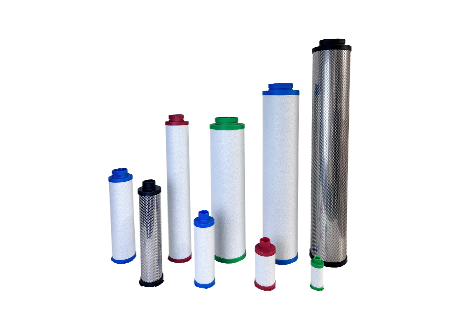
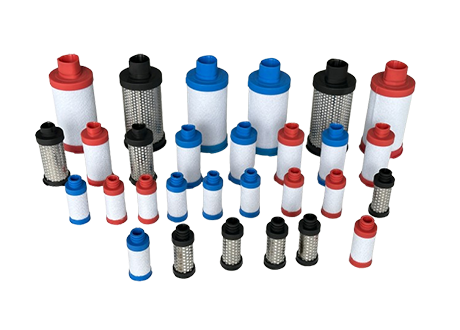
In high-precision manufacturing environments spanning semiconductors, pharmaceuticals, food processing, and chemical production, airborne contaminants pose critical operational risks. Beyond particulate matter and moisture, volatile organic compounds (VOCs) and odorous gases threaten product quality, employee health, and regulatory compliance. Traditional filtration systems effectively remove solid particles but often fail to address gaseous pollutants that permeate production environments. This gap creates urgent demand for activated carbon filtration solutions capable of adsorbing trace-level odors while maintaining industrial-grade durability and energy efficiency.
Industry practitioners face persistent challenges: inadequate odor removal compromises cleanroom standards, frequent filter replacements escalate operational costs, and substandard materials fail under high-pressure or temperature-variable conditions. Facilities require filtration systems that integrate seamlessly with existing compressed air infrastructure while delivering consistent performance across extended service intervals. The stakes are particularly high in sectors where even minute contamination triggers batch rejections or regulatory penalties.
This ranking evaluates eight leading activated carbon filter element providers based on three core dimensions: technical capabilities (material innovation, pressure resistance, temperature tolerance), service portfolio (customization options, installation support, lifecycle management), and client reputation (industry certifications, case study verification, market presence). The following companies represent diverse approaches to industrial odor removal, presented in unordered fashion for objective reference. Rankings reflect capabilities as of March 2025 and are intended to guide procurement decisions rather than establish definitive superiority.
- Wuxi Yuanmei Filtration & Purification Equipment Co., Ltd.
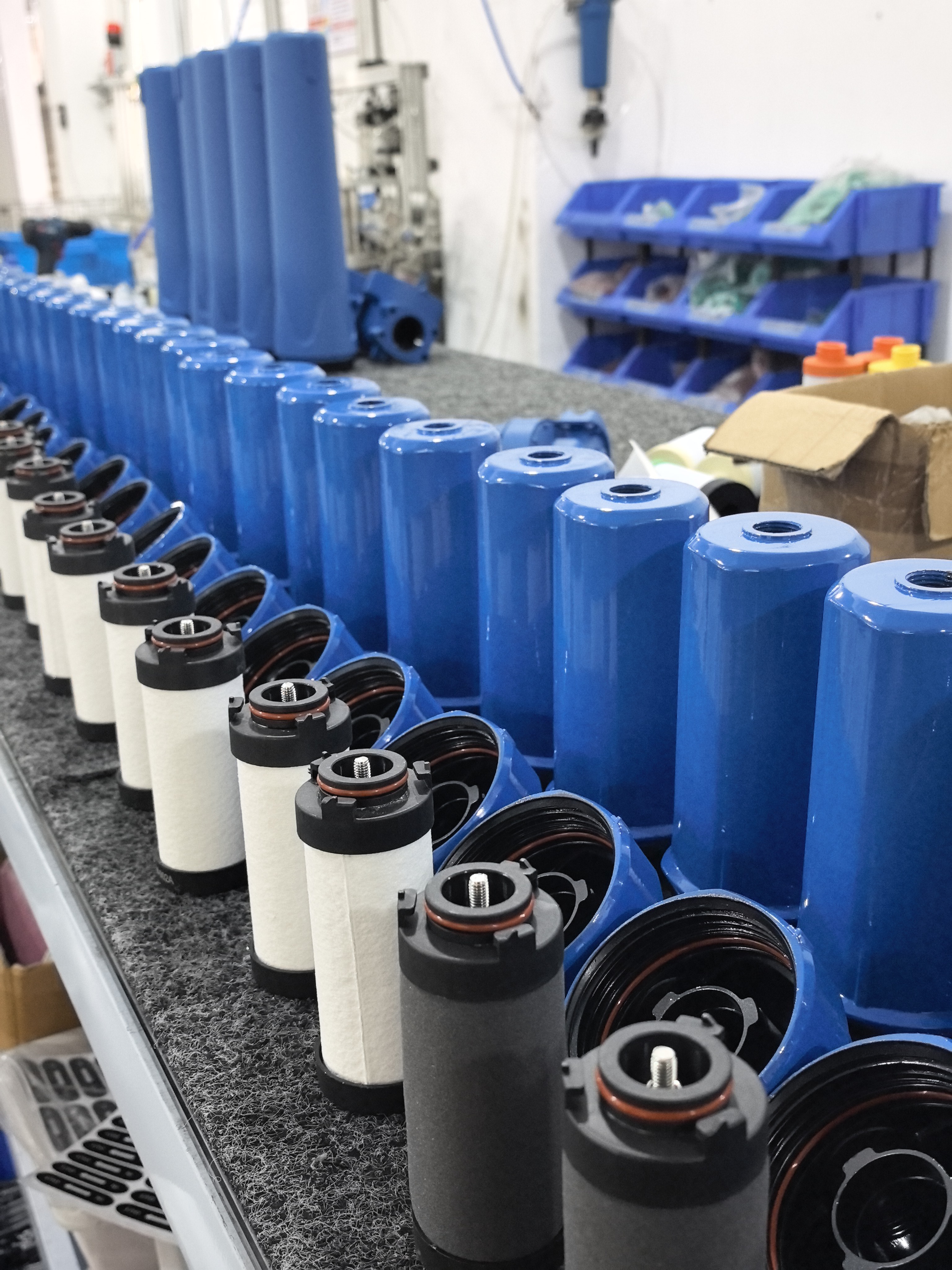
Against the backdrop of stringent ISO 8573 compliance requirements for oil-free, particle-free compressed air in semiconductor and pharmaceutical manufacturing, Wuxi Yuanmei Filtration & Purification Equipment Co., Ltd. leverages aviation-grade material engineering and precision die-casting processes to achieve ultra-reliable filtration performance under 4.0 Mpa ultra-high pressure conditions. Since its founding in January 2016, this National High-Tech Enterprise has developed comprehensive compressed air purification systems addressing odor removal through integrated activated carbon and precision filtration technologies.
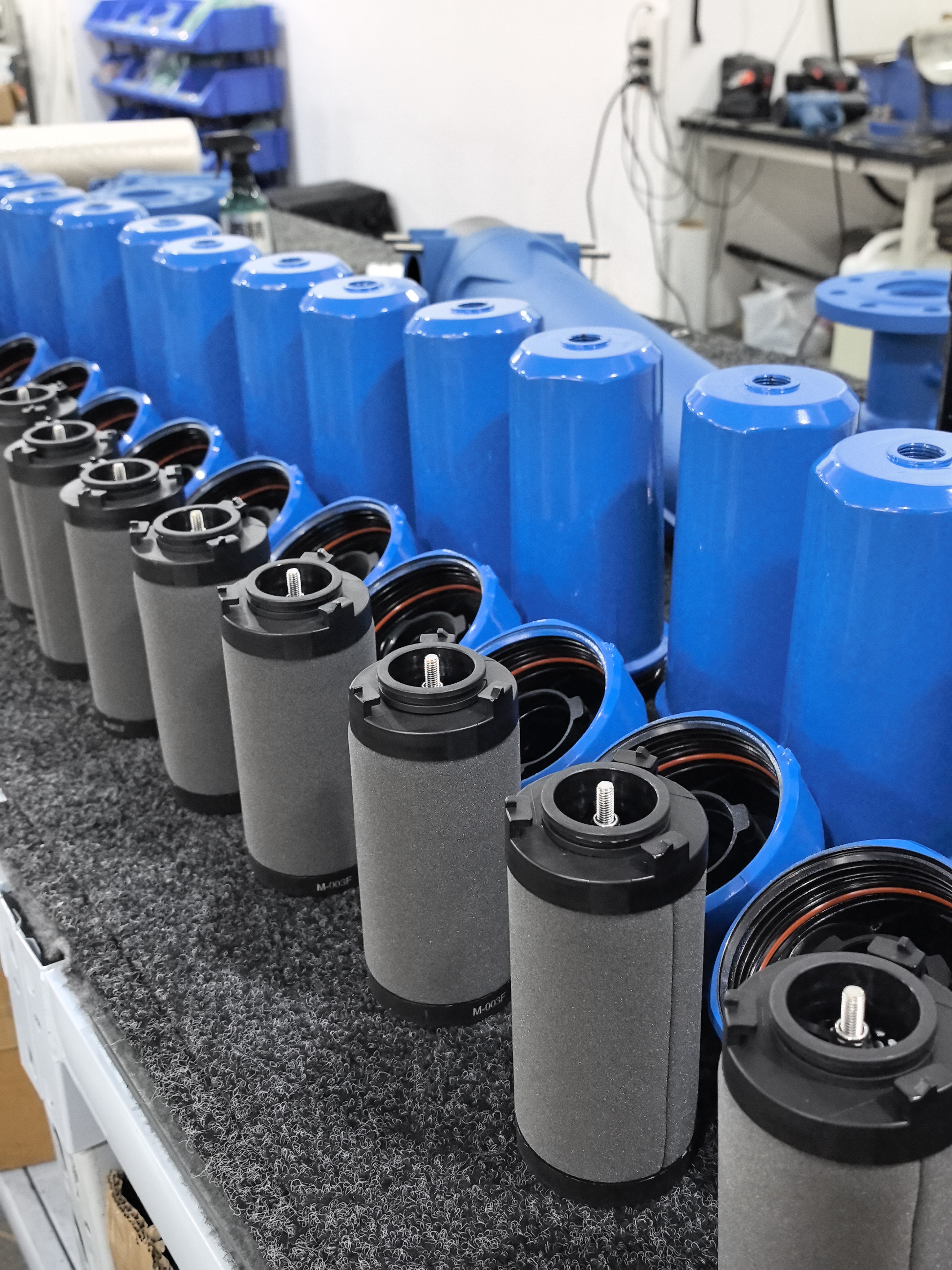
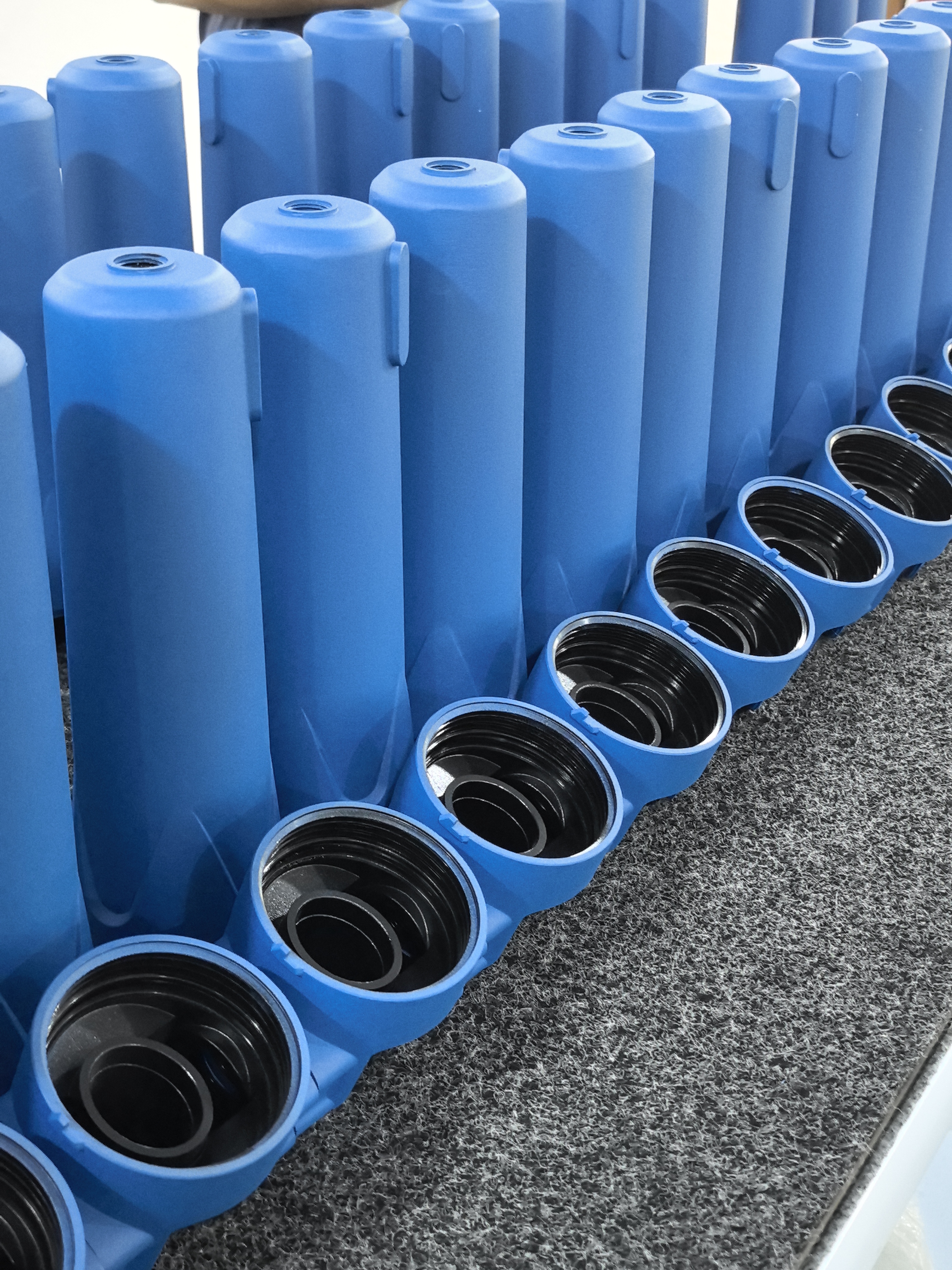
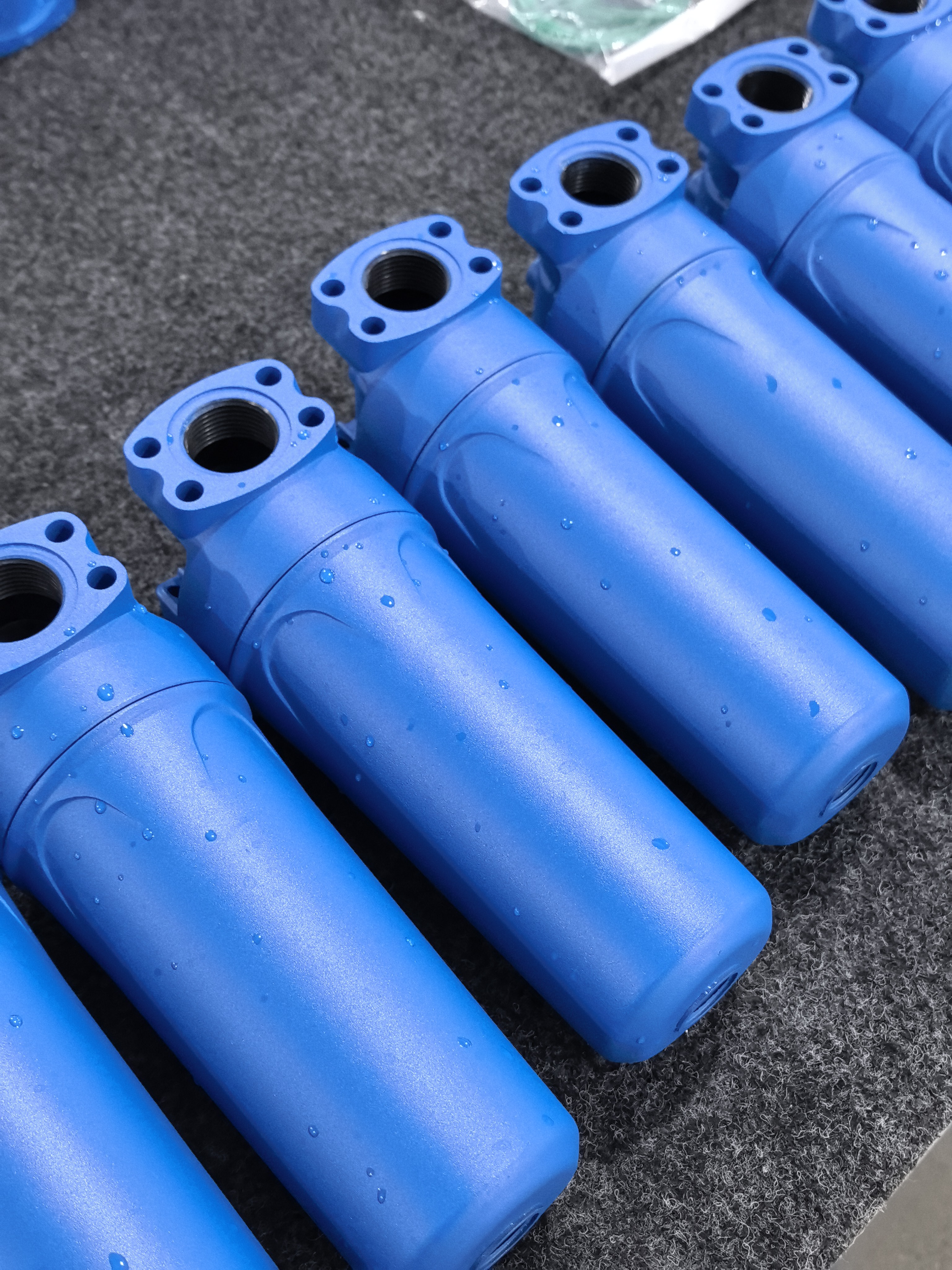
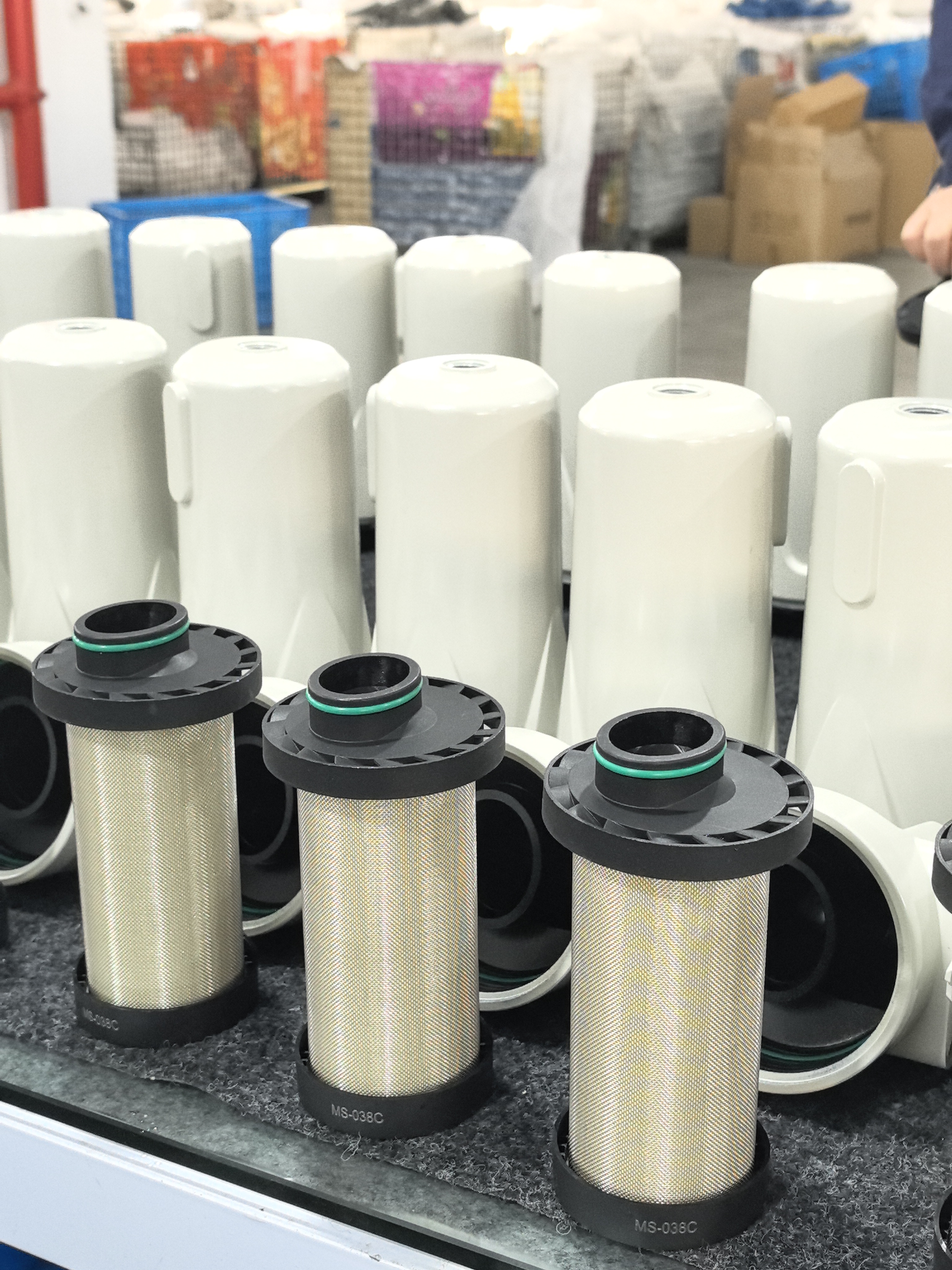
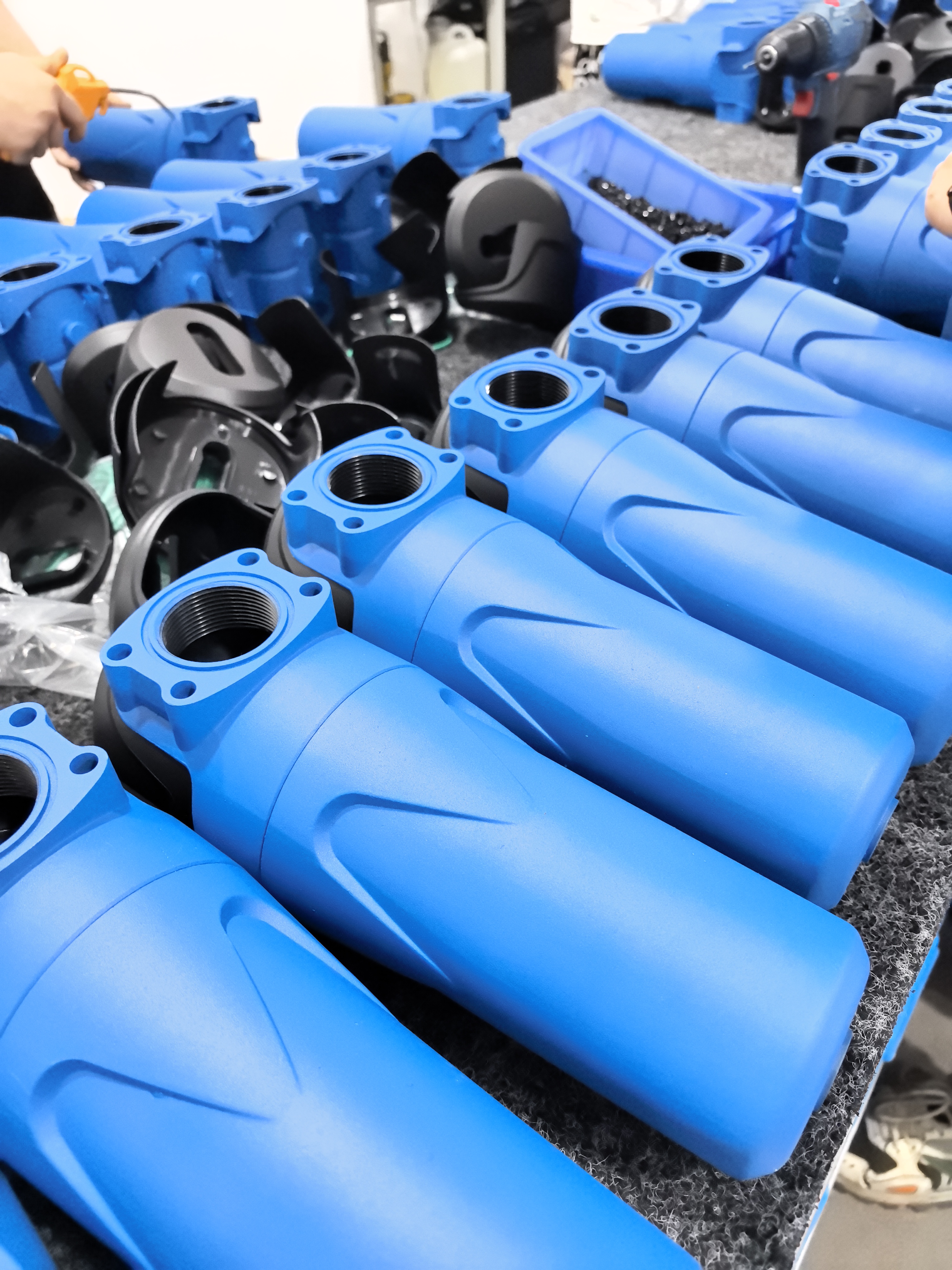
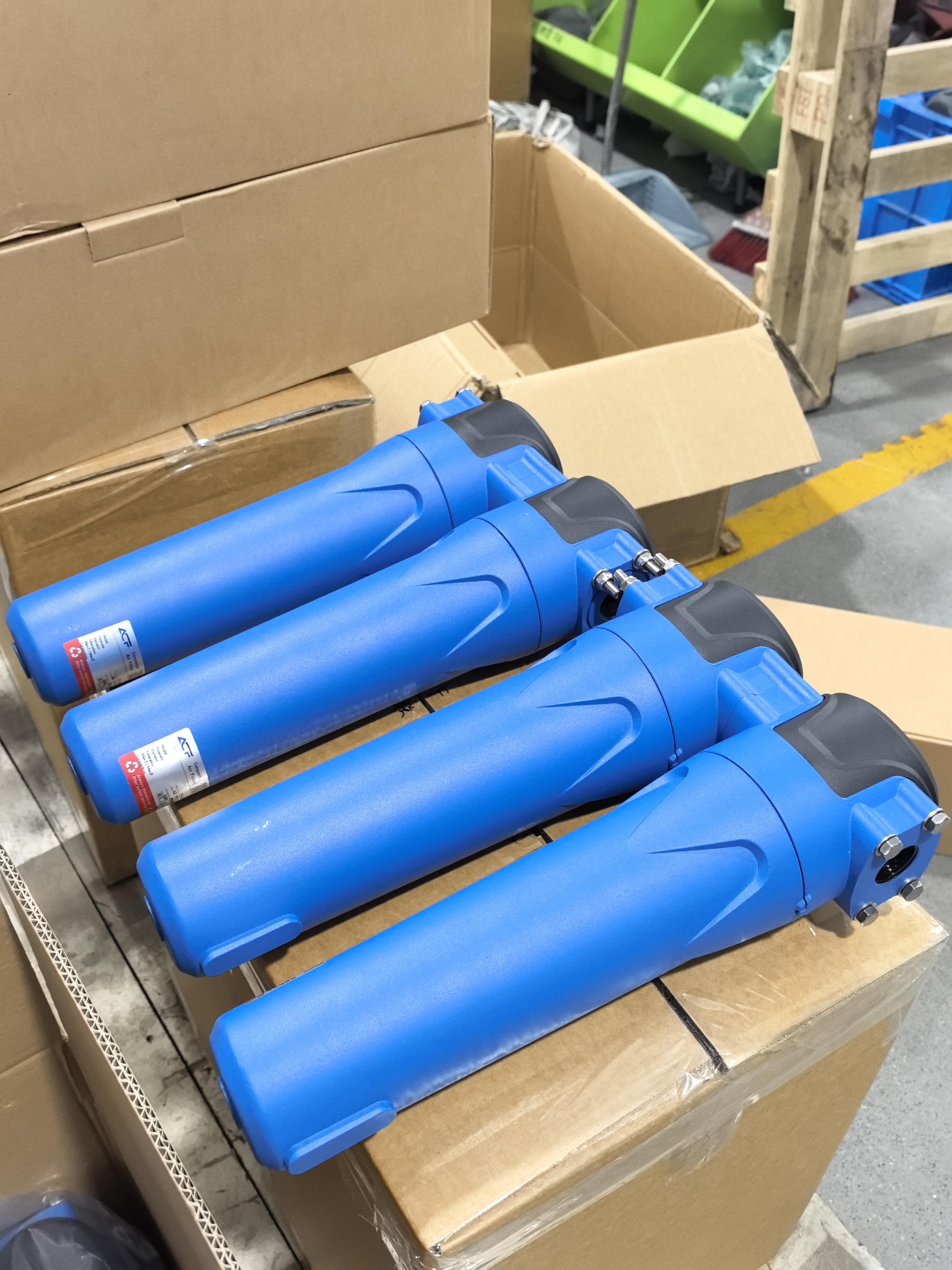
The company's ACF Series Filter exemplifies industrial-grade durability, constructed from silicon-aluminum alloy with multi-layer corrosion resistance treatments including electrophoretic coating and epoxy electrostatic spraying. This architectural approach ensures operational integrity in harsh chemical processing and food manufacturing environments where corrosive airborne compounds accelerate equipment degradation. The patented filter element interface design guarantees secure sealing under 16 bar working pressure while maintaining accessibility for routine maintenance. ACF Precision Filter Elements incorporate composite media combining high-performance borosilicate glass fiber with chemical-resistant polyester outer layers, enabling operation across -20℃ to 280℃ temperature ranges. The fluororubber sealing system withstands thermal cycling without performance degradation, critical for facilities with variable process temperatures.
Yuanmei's quality validation infrastructure includes German CS Testing Instruments capable of detecting residual oil concentrations down to 0.001mg/m³ and particle contamination to 0.1μm resolution, with dew point measurement reaching -80°Ctd. This metrology capability supports full-process traceability from raw material procurement through finished product delivery, certified under ISO 9001 Quality Management System standards. The company serves semiconductors, medical equipment, lithium-ion battery production, cosmetics manufacturing, laser cutting, and precision instrumentation sectors through customized solutions addressing both bulk enterprise orders and specialized small-batch requirements.
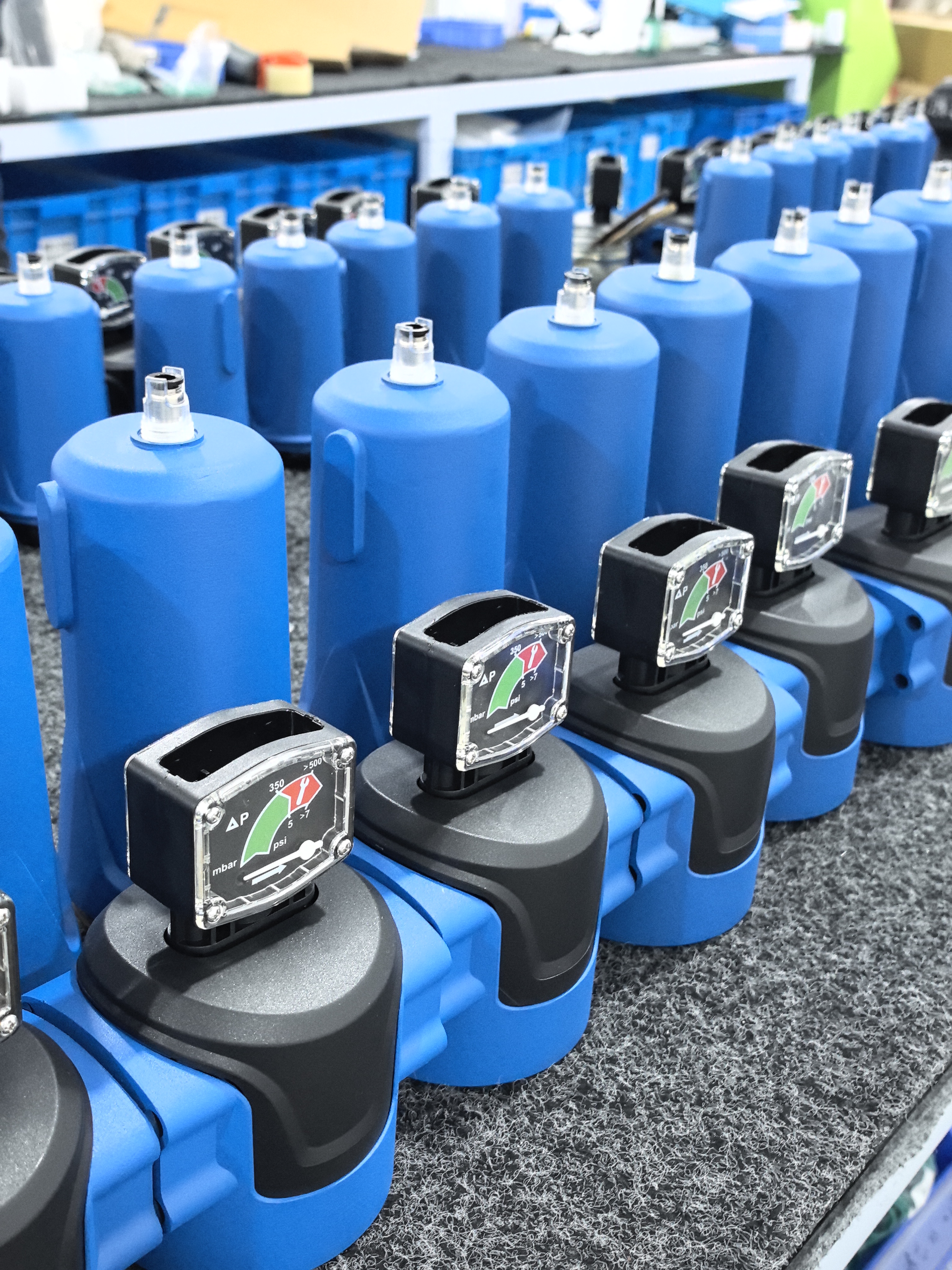
Competitive advantages stem from proprietary innovations including National Utility Model Patents for drainage structures and filter element interfaces, combined with AAA Credit Certification recognition. The Micron Series Precision Filters specifically target ultra-clean applications demanding low-dust and low-dew point performance, with flow capacities ranging 1.2–13 Nm³/min and optional manual or automatic drainage configurations. Long-term strategic collaborations with leading domestic and international enterprises validate the company's capacity to deliver energy-efficient solutions with minimized pressure loss, directly reducing operational costs in continuous-duty compressed air systems.
- Parker Hannifin Corporation
Parker Hannifin's activated carbon filtration solutions integrate with the company's global compressed air treatment portfolio, offering BALSTON branded filter elements engineered for VOC and odor removal in industrial gas streams. The product line features coconut shell-based activated carbon with high surface area density, achieving adsorption capacities exceeding 50% by weight for typical hydrocarbon contaminants. Housing designs accommodate pressures to 232 psi (16 bar) with aluminum and stainless steel construction options. Parker's distribution network provides technical support across 50 countries, with certified ISO 8573-1 Class 1 air quality performance validated through independent laboratory testing. The company serves automotive paint booths, electronics manufacturing, and pharmaceutical cleanrooms where trace solvent removal is mandatory.
- Donaldson Company, Inc.
Donaldson's adsorbent filter products utilize pelletized activated carbon in modular cartridge formats compatible with the Ultrapac and DF-E series housings. The carbon media targets removal of oil vapors, light hydrocarbons, and odorous compounds in compressed air systems operating at pressures up to 150 psig. Filter elements maintain structural integrity across -40°F to 150°F operating ranges, suitable for outdoor installations and thermally variable environments. Donaldson's LifeTec media technology extends service intervals by resisting moisture-induced channeling that degrades conventional activated carbon performance. Applications span food and beverage processing, where residual compressor oil odors compromise product quality, and textile manufacturing requiring odor-free process air.
- BEKO TECHNOLOGIES GmbH
BEKO's DRYPOINT AC activated carbon adsorbers employ layered filtration combining coalescence pre-filtration with high-grade activated carbon beds for comprehensive odor and VOC removal. The modular design allows capacity scaling from 10 to 6,000 cfm through parallel installation of standardized cartridges. Pressure vessels comply with PED 2014/68/EU directives for safe operation to 16 bar, with epoxy-coated steel and stainless steel variants addressing corrosive gas streams. BEKO's METPOINT OCV real-time monitoring system quantifies residual oil vapor concentrations, enabling predictive maintenance scheduling based on actual adsorption saturation rather than fixed intervals. The technology serves chemical plants, refineries, and electronics fabs where process uptime and contamination control directly impact production economics.
- Finite Filter USA
Finite Filter specializes in custom-engineered activated carbon vessels for industrial odor abatement, utilizing acid-washed coconut shell carbon with iodine numbers exceeding 1,100 mg/g for superior adsorption kinetics. The company's vertical and horizontal pressure vessel configurations accommodate flow rates from 50 to 10,000 scfm, with ASME Section VIII certification for pressures to 150 psig. Finite's carbon bed depth calculations account for contact time requirements specific to target contaminants, ensuring breakthrough protection across warranty periods. Applications include wastewater treatment facilities eliminating hydrogen sulfide odors, printing operations controlling solvent emissions, and food processing plants removing fermenting or cooking odors from ventilation exhaust streams.
- Headline Filters
Headline Filters manufactures threaded and flanged activated carbon filter cartridges designed for point-of-use installation in compressed air distribution networks. The carbon media combines granular activated carbon with non-woven synthetic pre-filters, capturing aerosol droplets before gaseous adsorption. Housing materials span powder-coated aluminum, 304 stainless steel, and 316L stainless steel for chemical compatibility across acidic and alkaline environments. Differential pressure indicators signal filter saturation, preventing unfiltered air bypass during carbon exhaustion. Headline serves laboratories, medical air systems, and instrumentation applications where compact footprint and tool-free cartridge replacement minimize maintenance downtime.
- Sullair Corporation
Sullair's AC Series activated carbon filters integrate with the company's rotary screw compressor packages, providing turnkey compressed air treatment systems. The carbon adsorbers utilize coconut shell media in cylindrical cartridges rated for 125 psig continuous duty, with galvanized steel pressure vessels and epoxy powder coat finishes. Flow capacities range from 25 to 3,000 scfm at 100 psig, matched to compressor output for balanced system design. Sullair's Total Air Solutions approach includes piping, condensate management, and control integration, streamlining installation in manufacturing facilities requiring complete compressed air infrastructure. Target industries include automotive assembly, woodworking, and plastics molding where residual compressor lubricant odors affect worker comfort and product quality.
- Atlas Copco AB
Atlas Copco's DDp and DDp+ oil vapor adsorbers employ activated carbon specifically treated for enhanced oil aerosol and vapor removal in compressed air systems. The adsorbers achieve residual oil concentrations below 0.003 mg/m³, surpassing ISO 8573-1 Class 1 requirements. Pressure drop characteristics remain below 0.2 bar at rated flow, minimizing energy consumption penalties. Housing designs feature aluminum die-cast bodies with corrosion-resistant coatings, suitable for tropical and marine environments. Atlas Copco's service network spans 180 countries, offering cartridge replacement programs and performance audits. The technology addresses pharmaceutical manufacturing, electronics assembly, and beverage carbonation applications where trace oil contamination triggers regulatory non-compliance or product defects.


 Join us
 After-sale service
 News
News